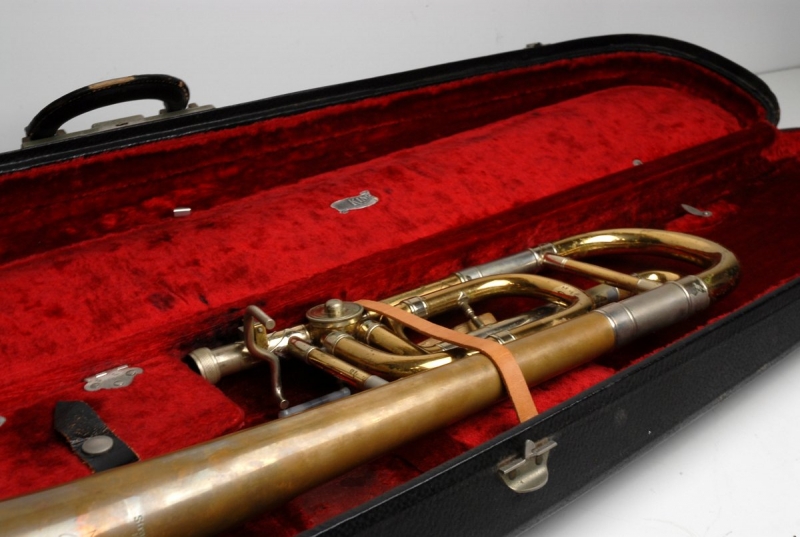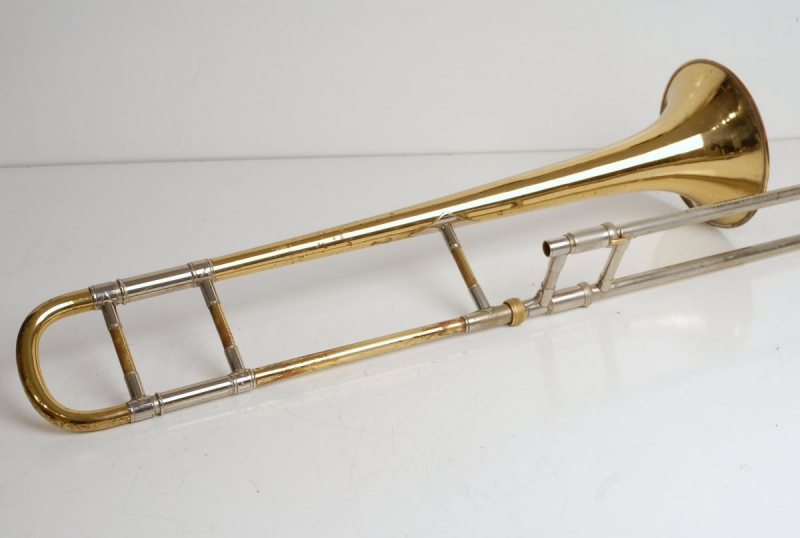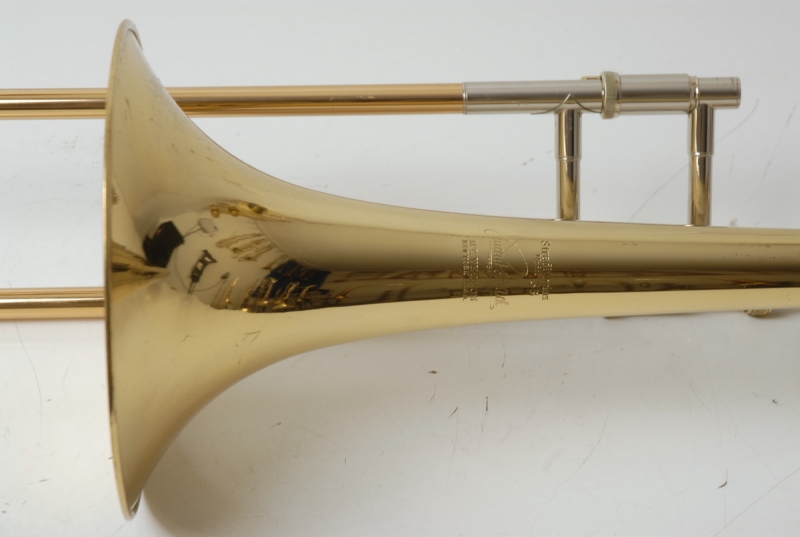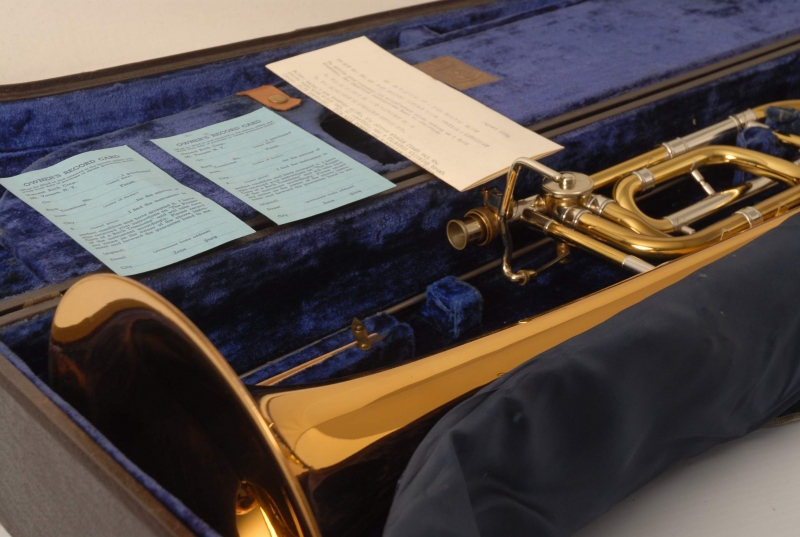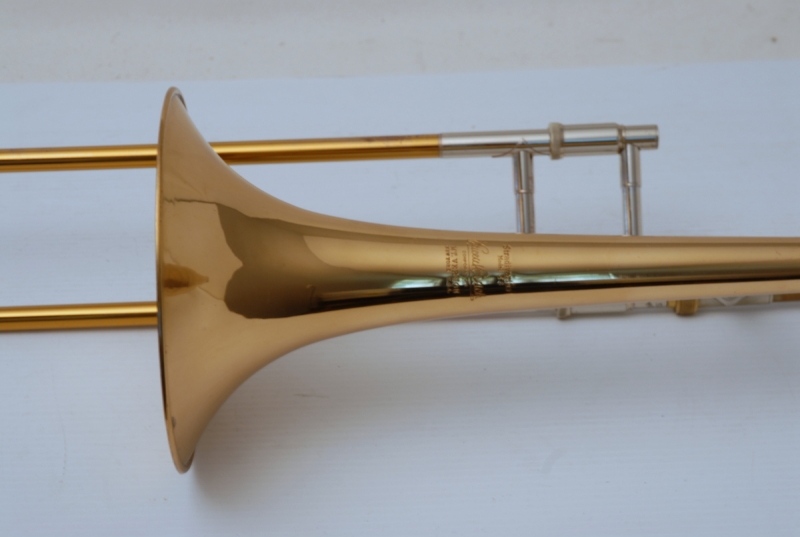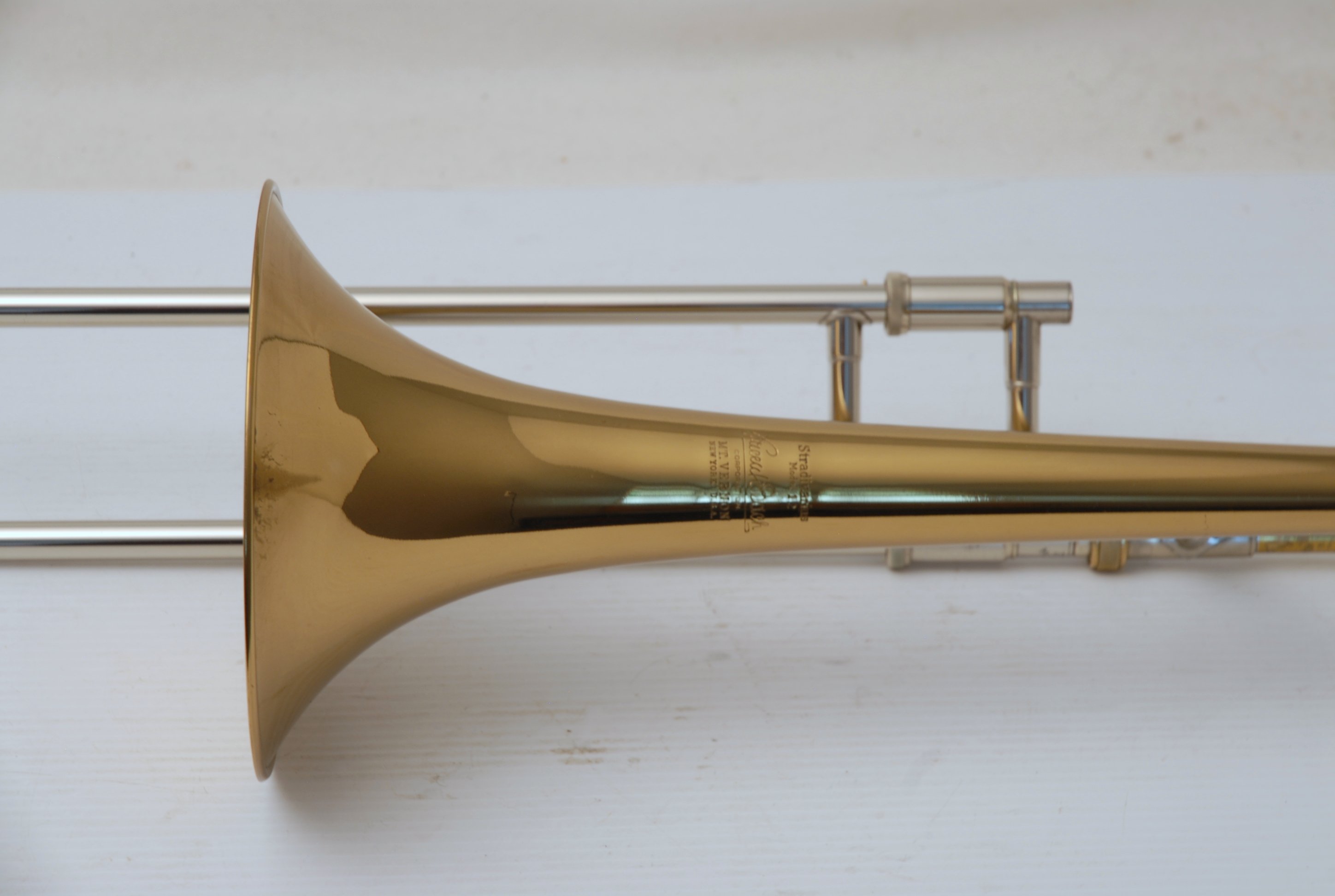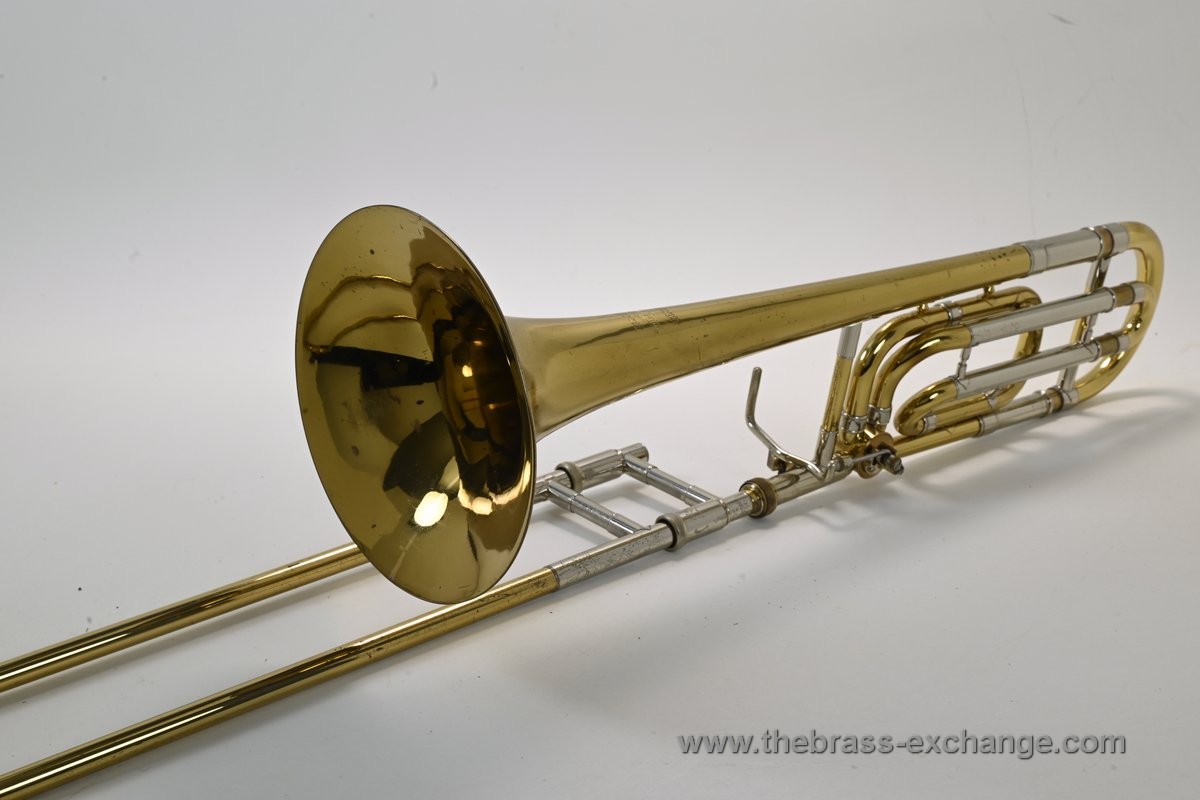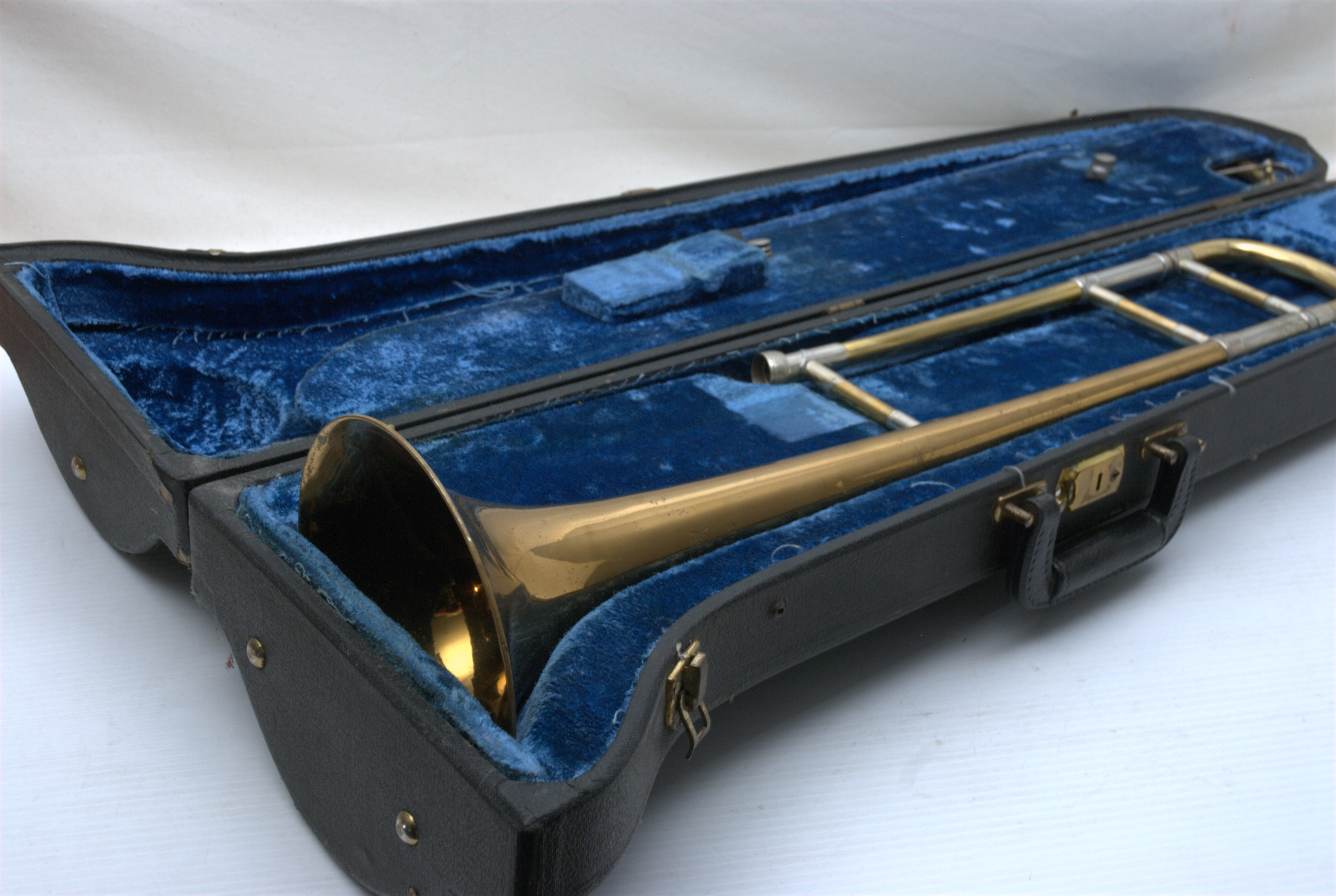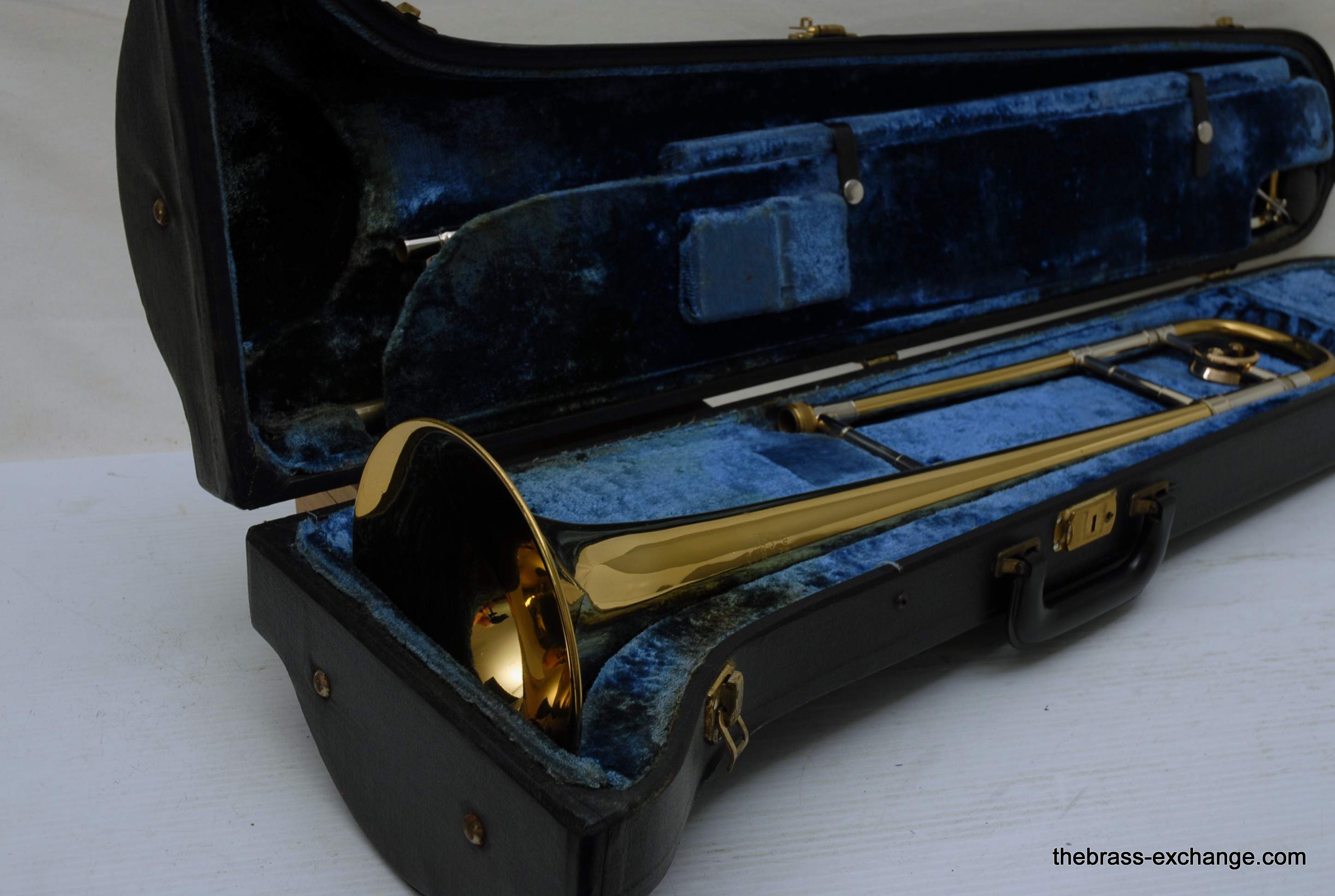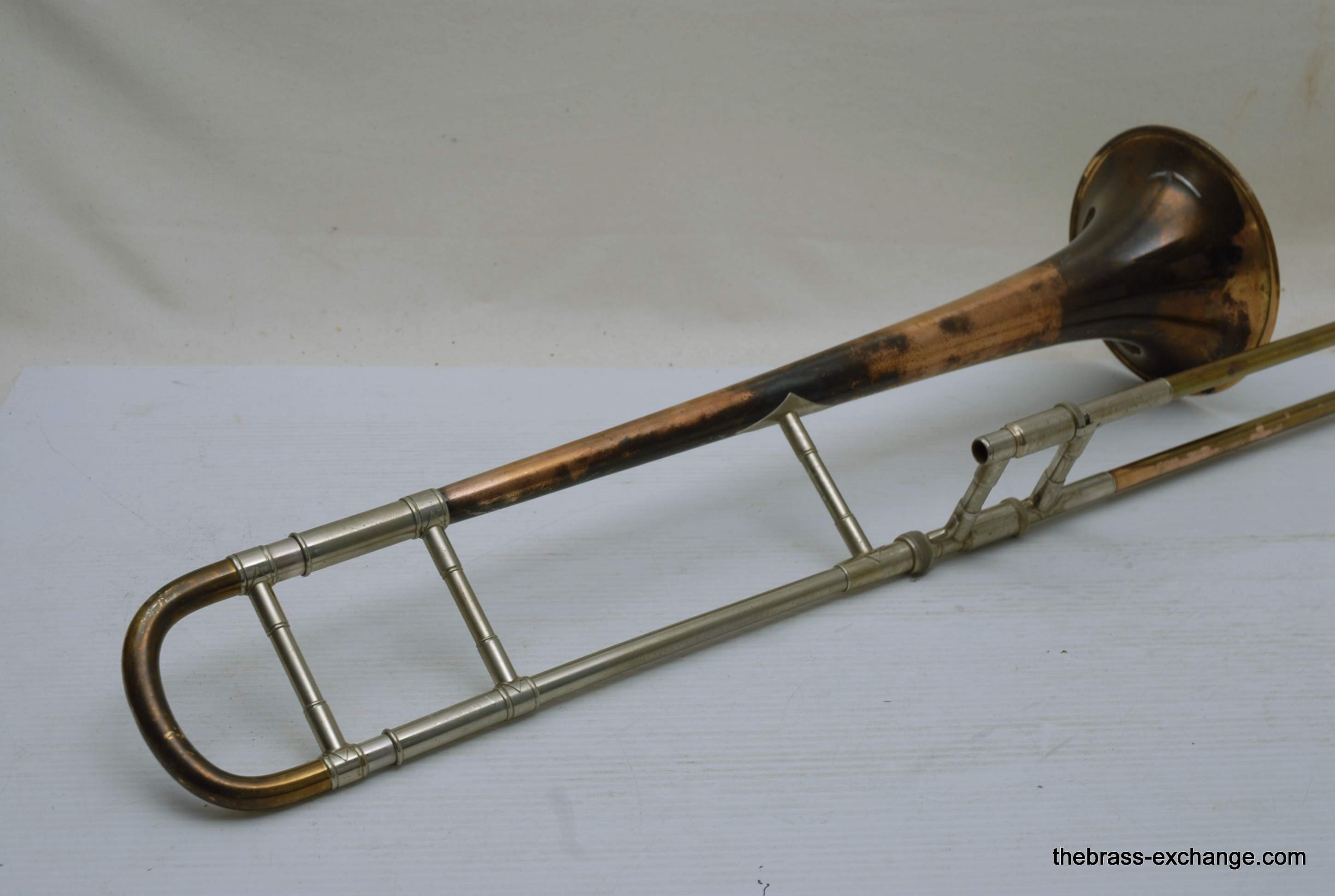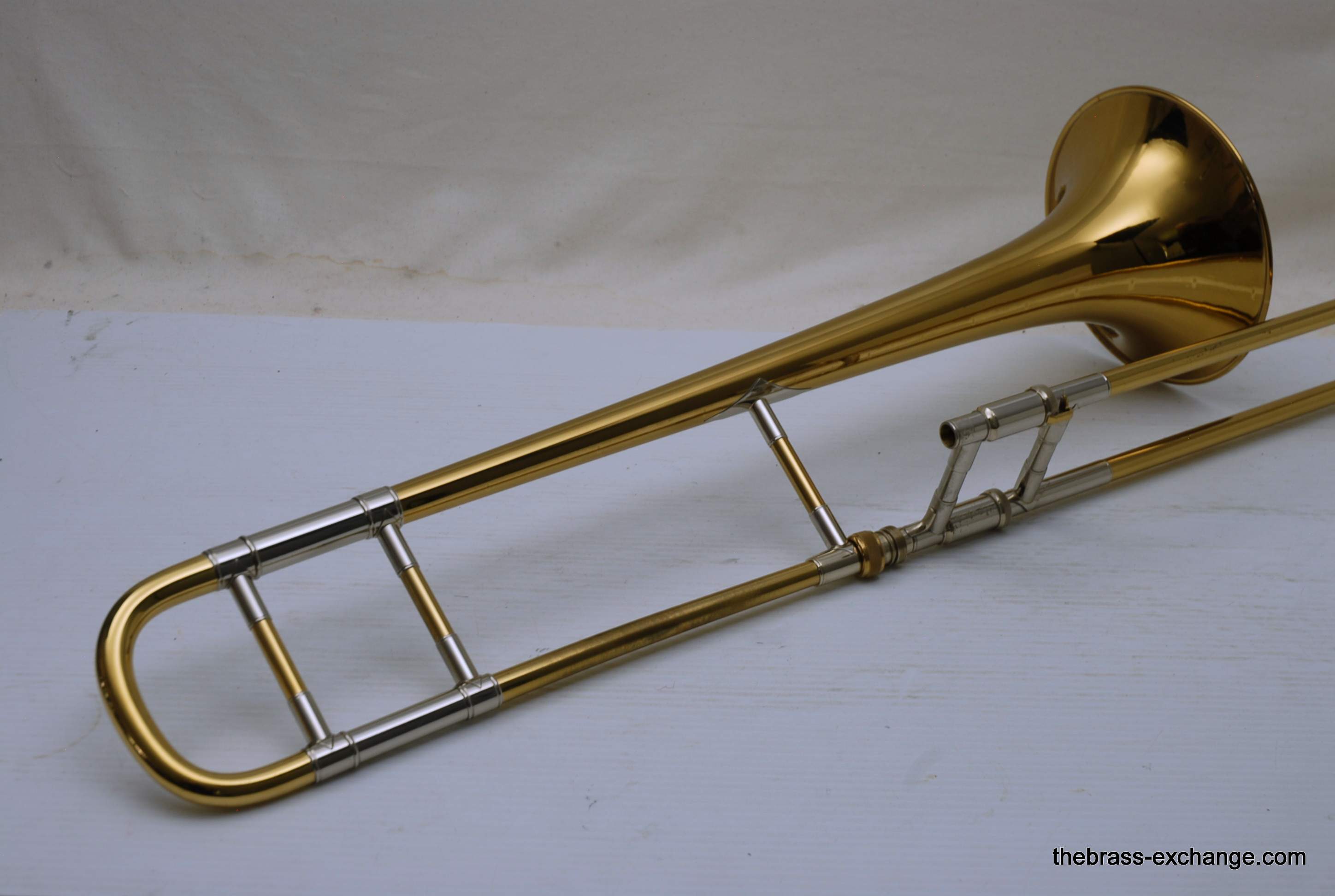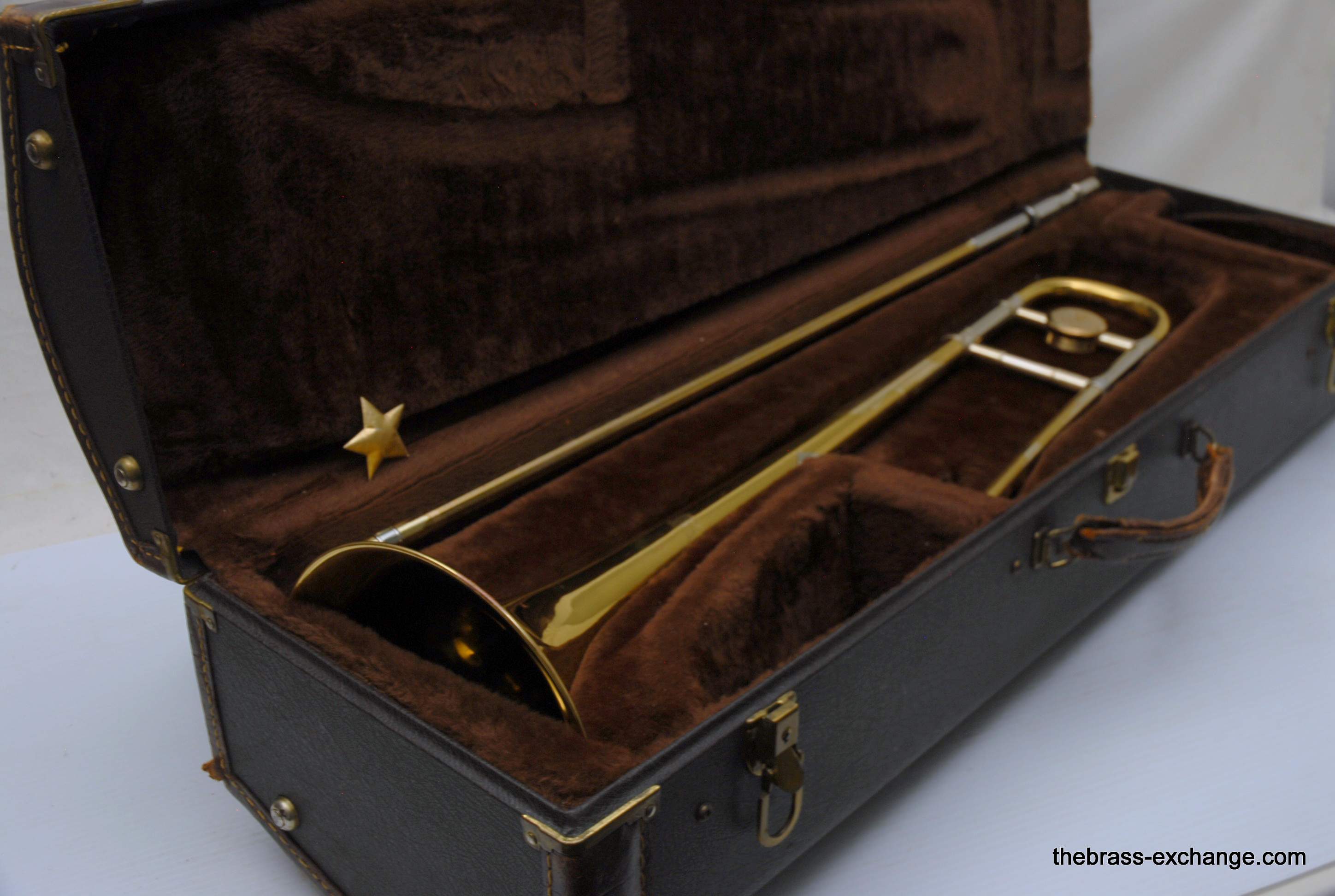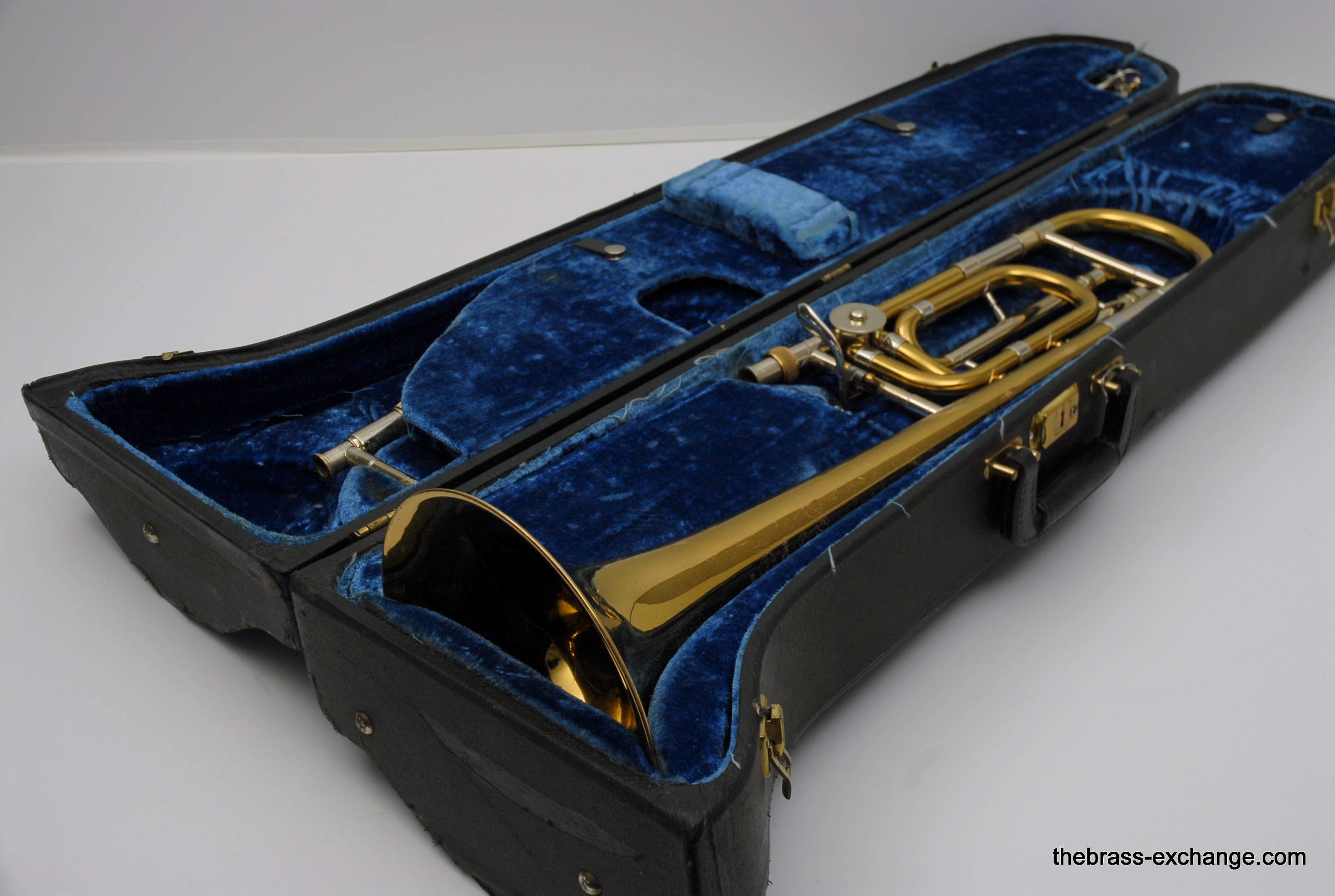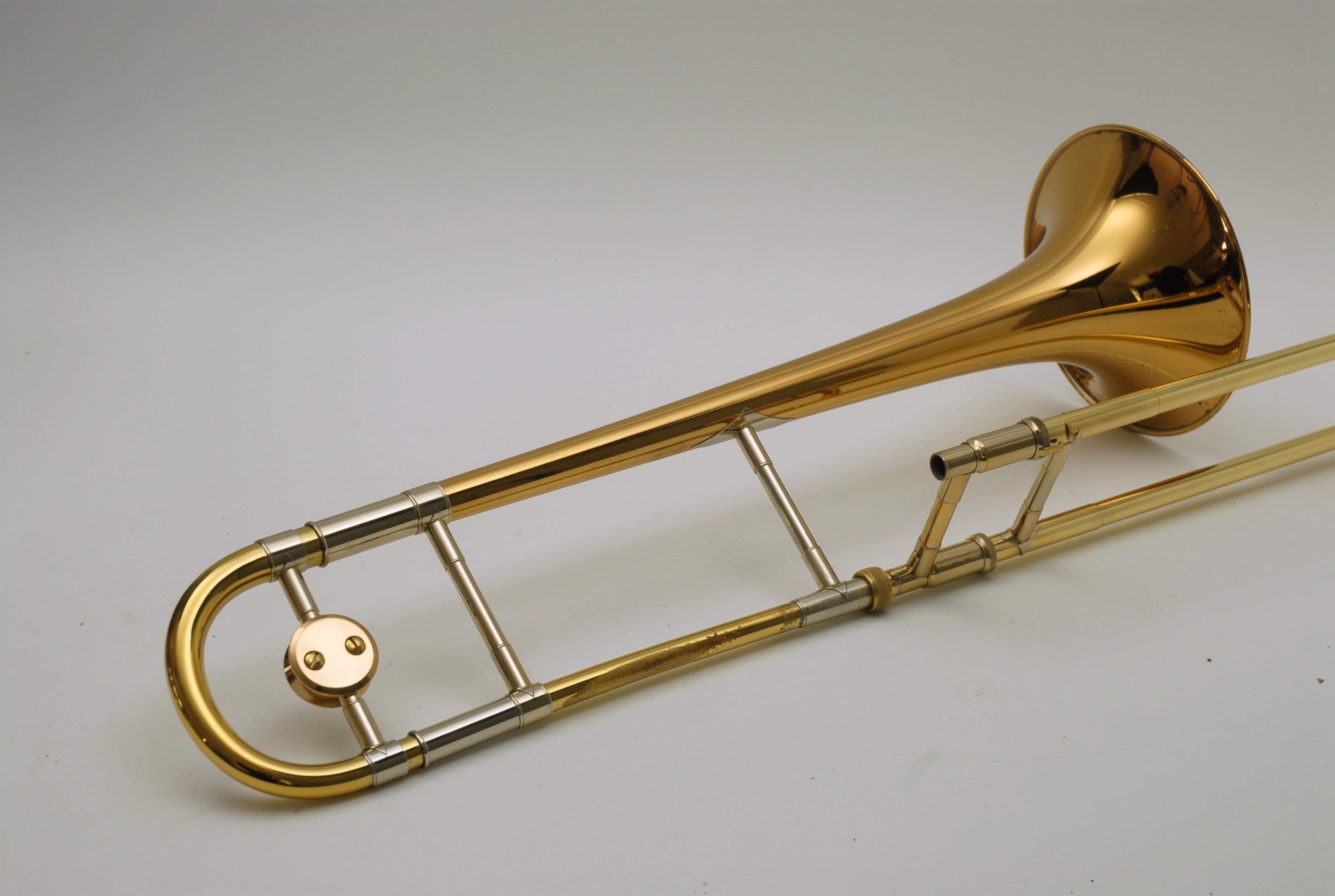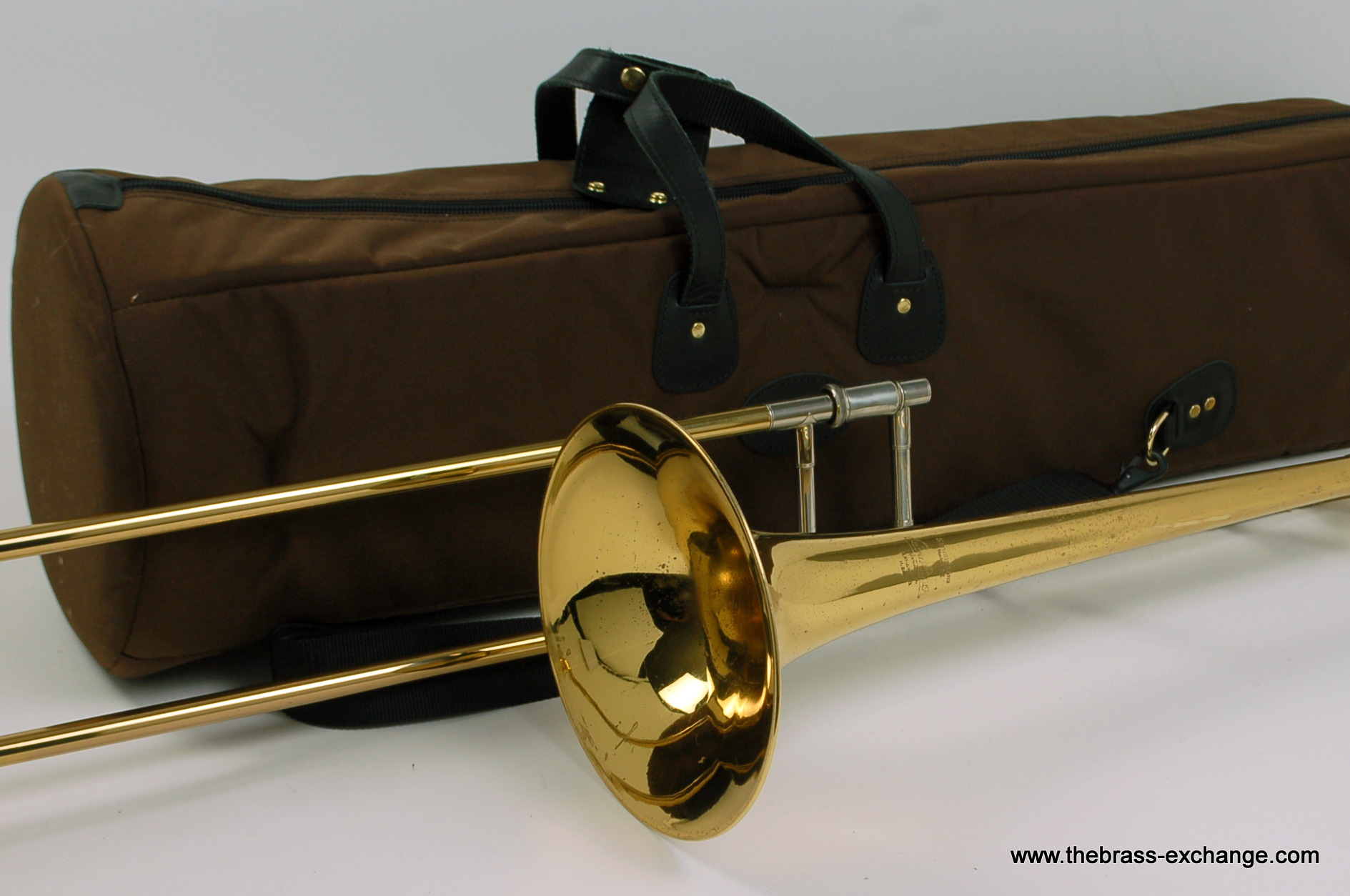


🎯 Welcome to our Historical Bach Collections – a curated archive of some of the most iconic trombones in brass history.
History of Vincent Bach & the Legacy of Bach Trombones
The Bach name is synonymous with excellence in brass instrument design. That legacy began with Vincent Bach, a professional trumpet soloist who immigrated from Austria-Hungary in the early 1900s.
After an embouchure injury ended his performing career, he turned to mouthpiece design and launched his company in New York City in 1918. Bach’s pursuit of acoustical precision and uncompromising build quality led to the creation of Bach Stradivarius brass instruments, soon renowned worldwide.
The first Bach trombones appeared in 1928 during what is now called the New York era — a period of meticulous hand-crafting and limited production.
These early models are prized today for their compact bell flares, distinctive engraving, and rich tonal character.
In 1953, production moved to Mt. Vernon, New York, where some of Bach’s most iconic trombones were produced.
Instruments from this era — including the celebrated Mt. Vernon Model 50 bass trombone — are often regarded as the pinnacle of vintage Bach design.
In 1961, The Selmer Company acquired Bach, and by 1964 production had shifted to Elkhart, Indiana, marking the beginning of the Corporation Era.
Horns from this period — such as the Models 12, 16, 36, and the flagship 42 — combined the best elements of earlier designs with improved factory consistency, securing Bach’s role as a leader in both orchestral and jazz trombones.
Today, vintage Bach trombones remain highly sought-after by professionals, students, and collectors.
At The Brass Exchange, we’ve handled hundreds of examples from all three major eras — each with its own story, tonal personality, and connection to a century-long tradition of craftsmanship.
👉 Explore the Bach instruments in our archive below, or return to the full Historical Collections menu to compare models from other legendary American makers.
If you own a Bach trombone from the 1950s, ’60s, or ’70s and would like insight into its history, playability, or market value, we invite you to contact us 📣 — we’re always glad to share expertise and guidance.