

History of H.N. White & King Instruments
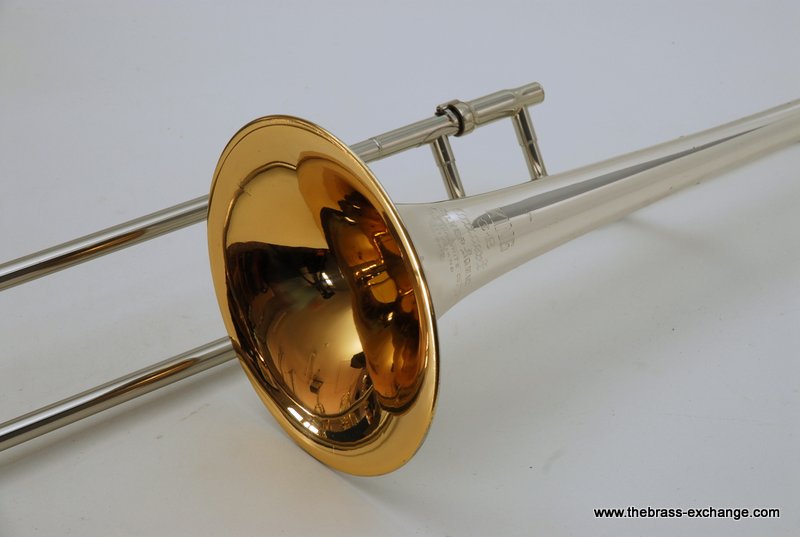
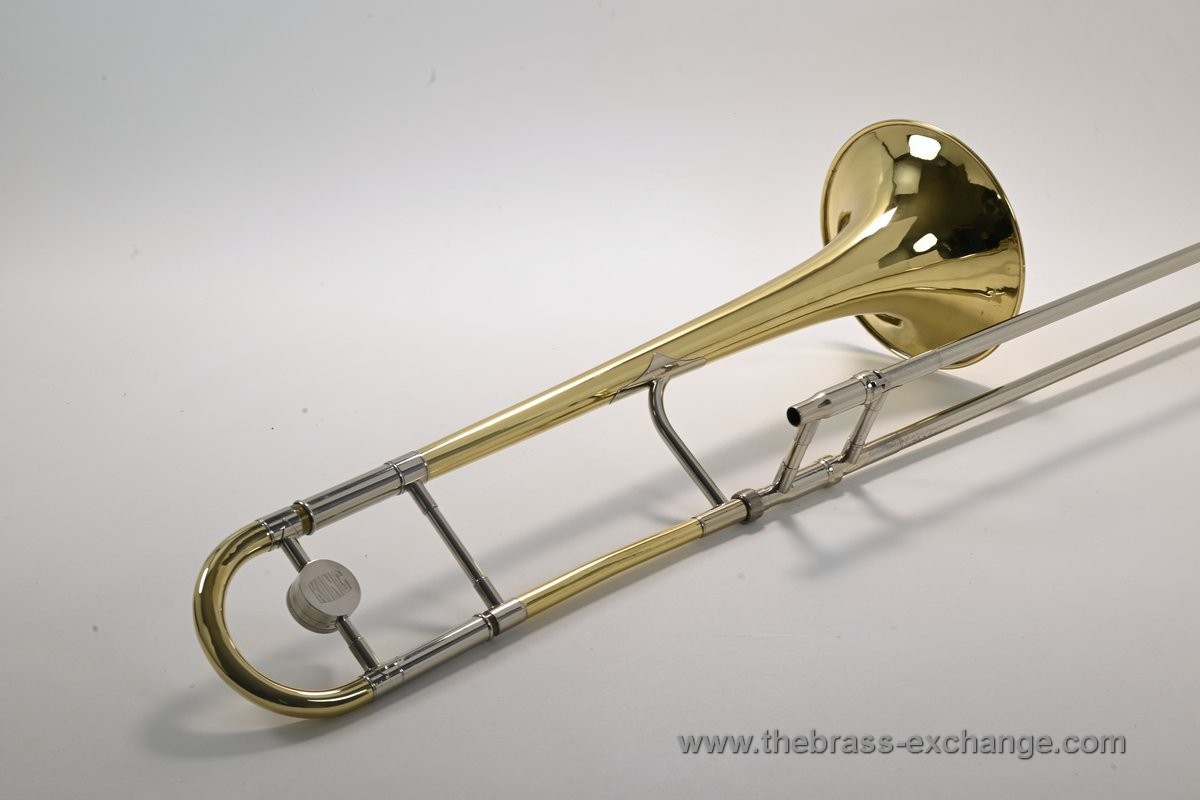
The H.N. White Company, established in 1893 in Cleveland, Ohio, is one of the most respected names in American brass instrument manufacturing. Founded by Henderson N. White, a visionary engraver and businessman, the company quickly became known for producing high-quality trombones, cornets, and later saxophones under the King brand name—named in honor of Thomas King, a prominent solo cornetist of the day who collaborated with White on instrument designs.
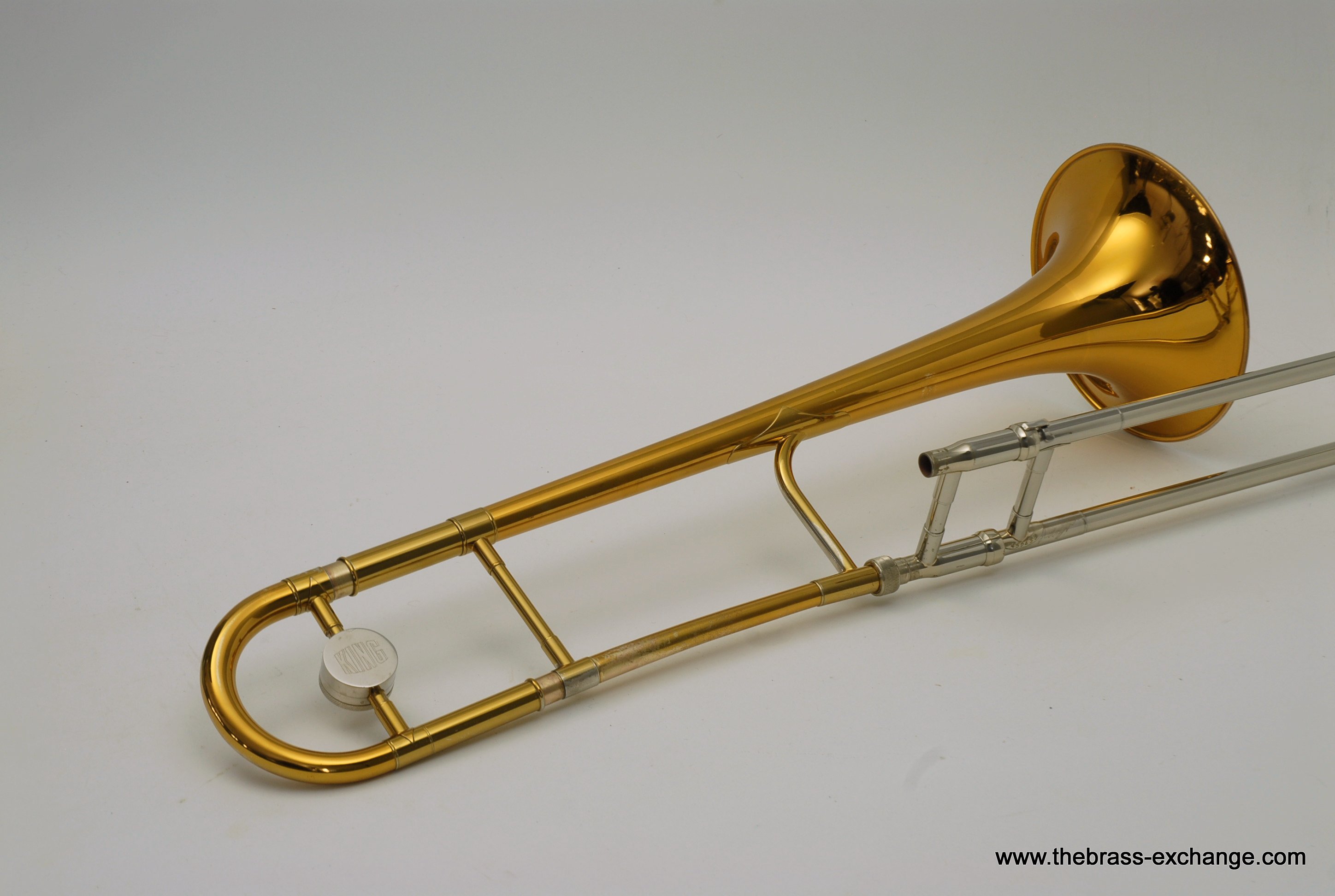
Throughout the early 20th century, King instruments built a reputation for superior craftsmanship and tonal excellence. The company produced its instruments at its Cleveland factory, and many of the most sought-after vintage models today—such as the King 2B, 3B, and Silvertone series—were manufactured there. These models became mainstays in jazz, dance band, military, and orchestral settings, helping define the sound of American brass playing from the 1930s through the 1960s.
By the mid-1960s, the H.N. White Company began to experience ownership transitions. In 1965, the business was sold and renamed the King Musical Instruments Company. Production remained in Cleveland for a time, though operations eventually shifted to Eastlake, Ohio, under new management. In 1985, King was acquired by the Dutch firm Seeburg Corporation, and later became part of United Musical Instruments (UMI). This group consolidated several brands, including Conn, King, and Benge.
By the early 2000s, UMI merged into Conn-Selmer, Inc., a subsidiary of Steinway Musical Instruments. Today, King brass instruments—particularly student and marching band models—are still produced under the Conn-Selmer umbrella in Elkhart, Indiana, though the original hand-built Cleveland-era horns remain prized by players and collectors for their unmatched craftsmanship and tone.
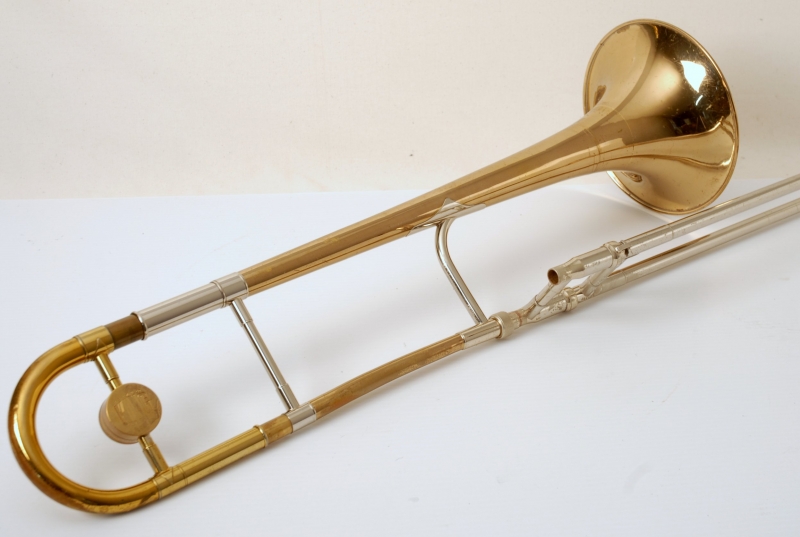
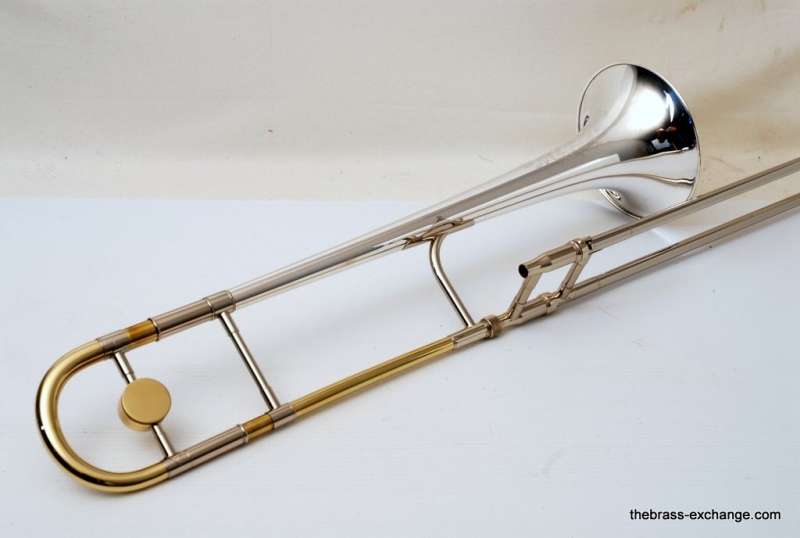
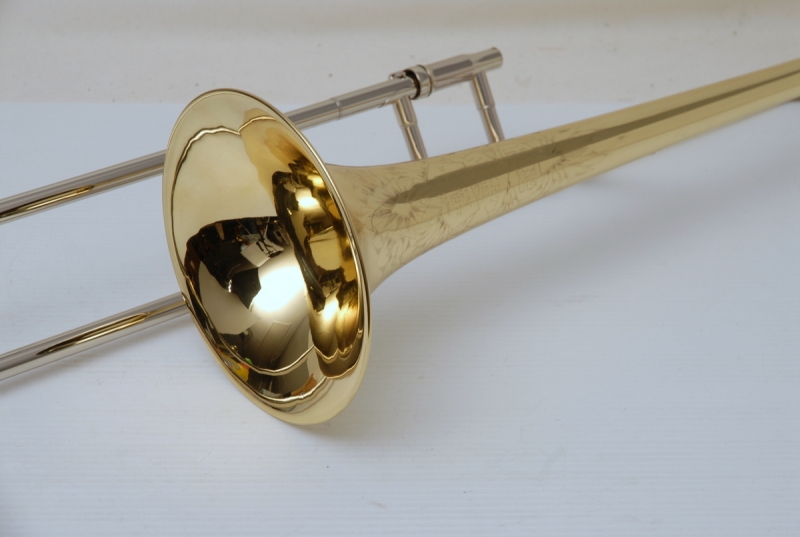
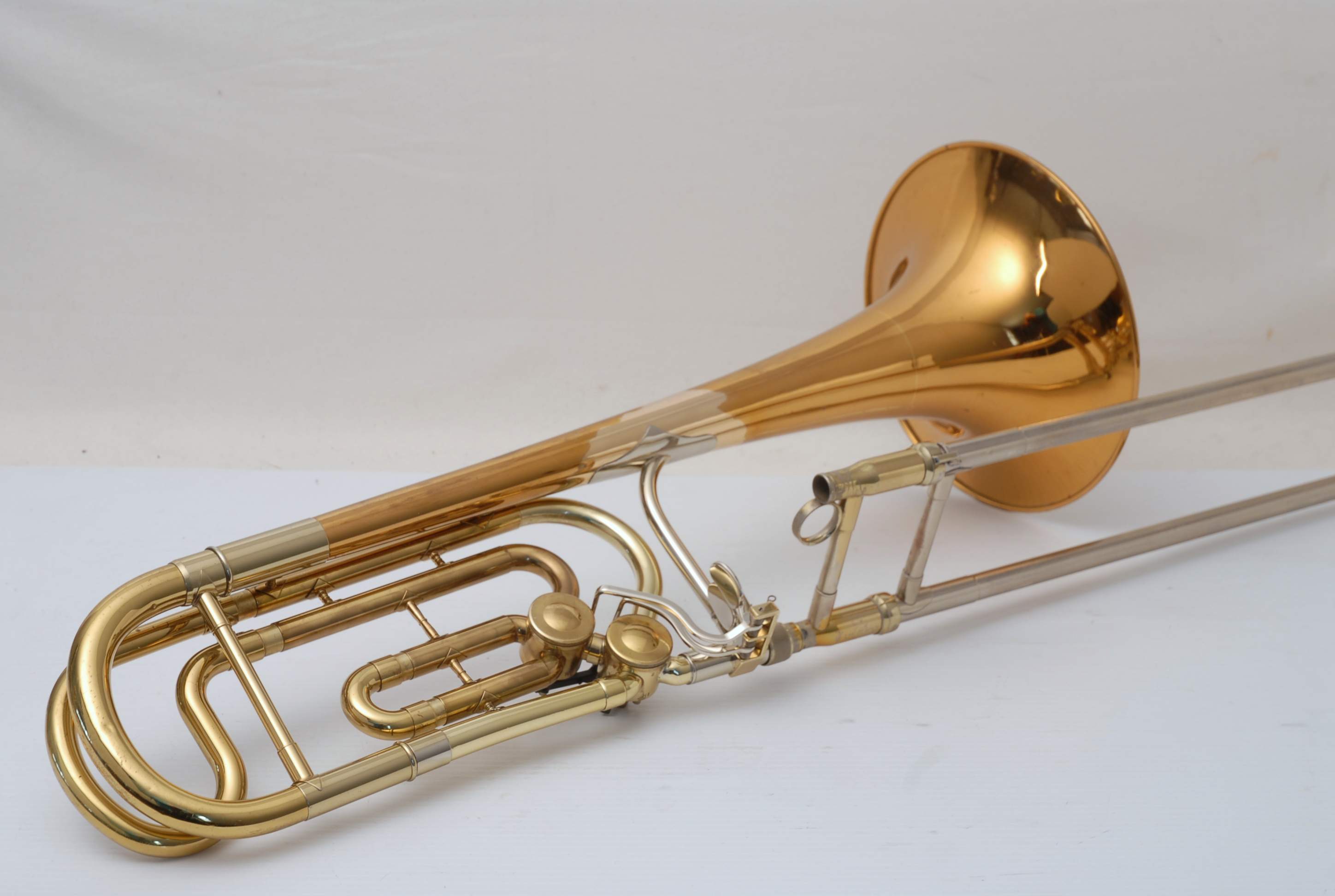
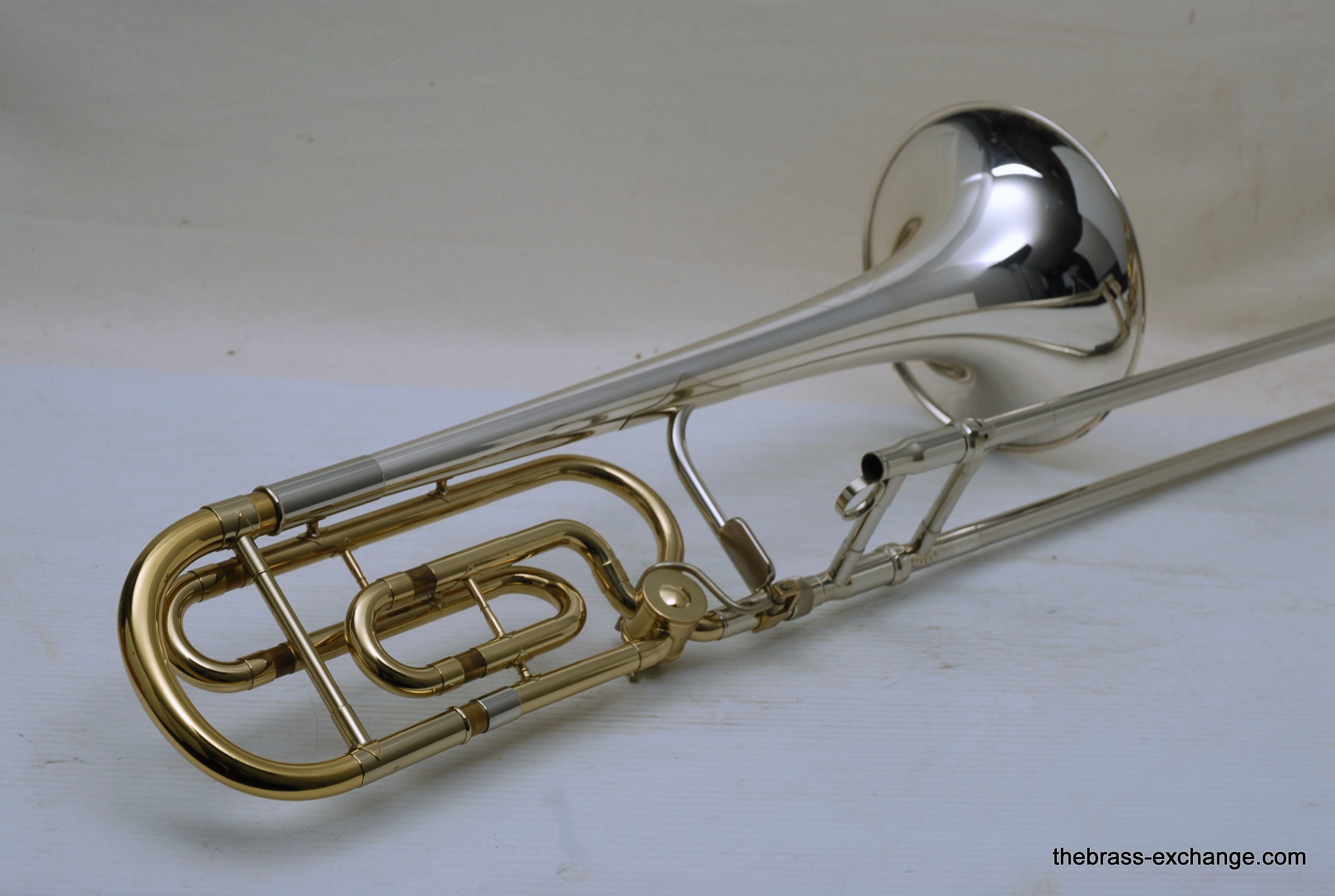
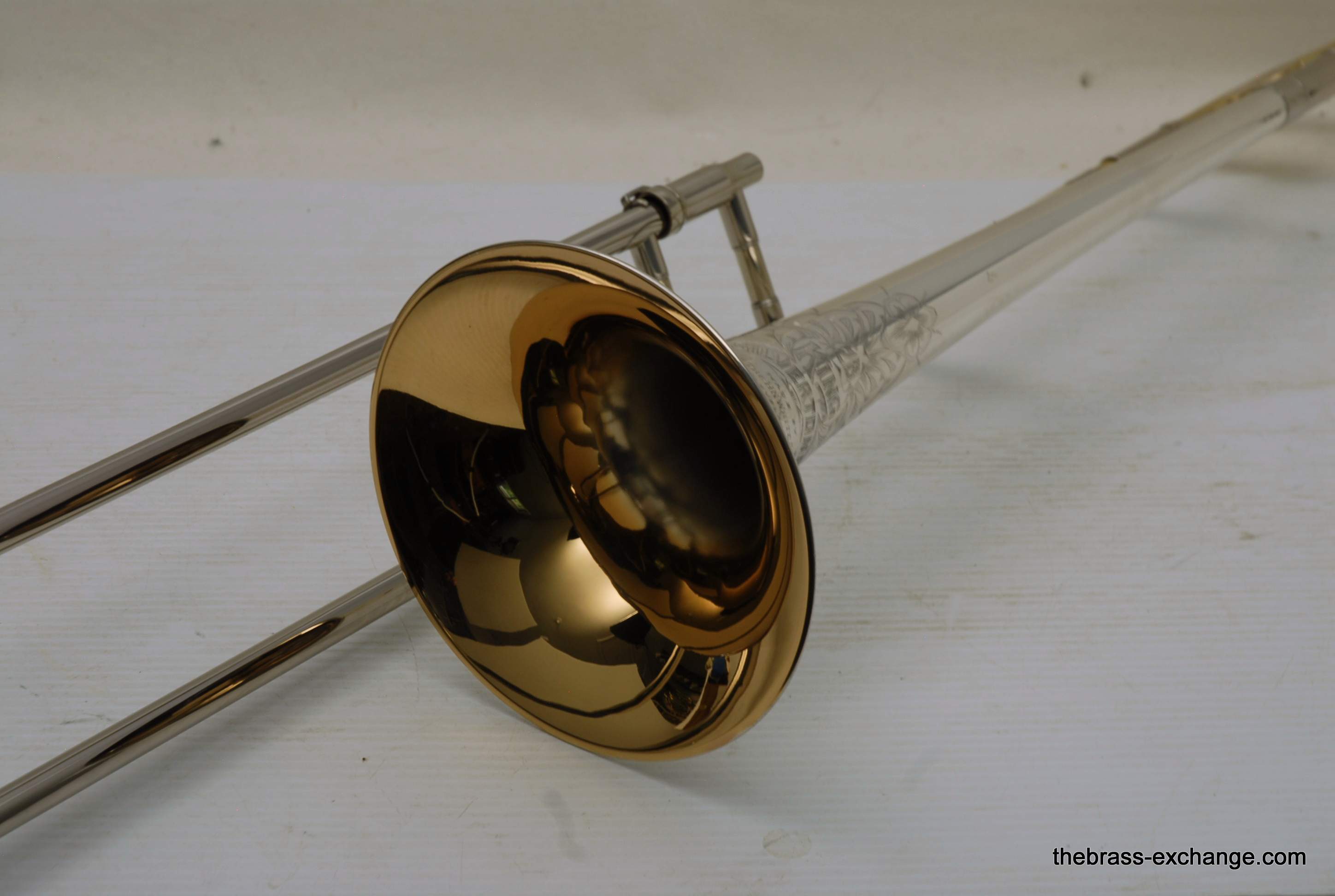
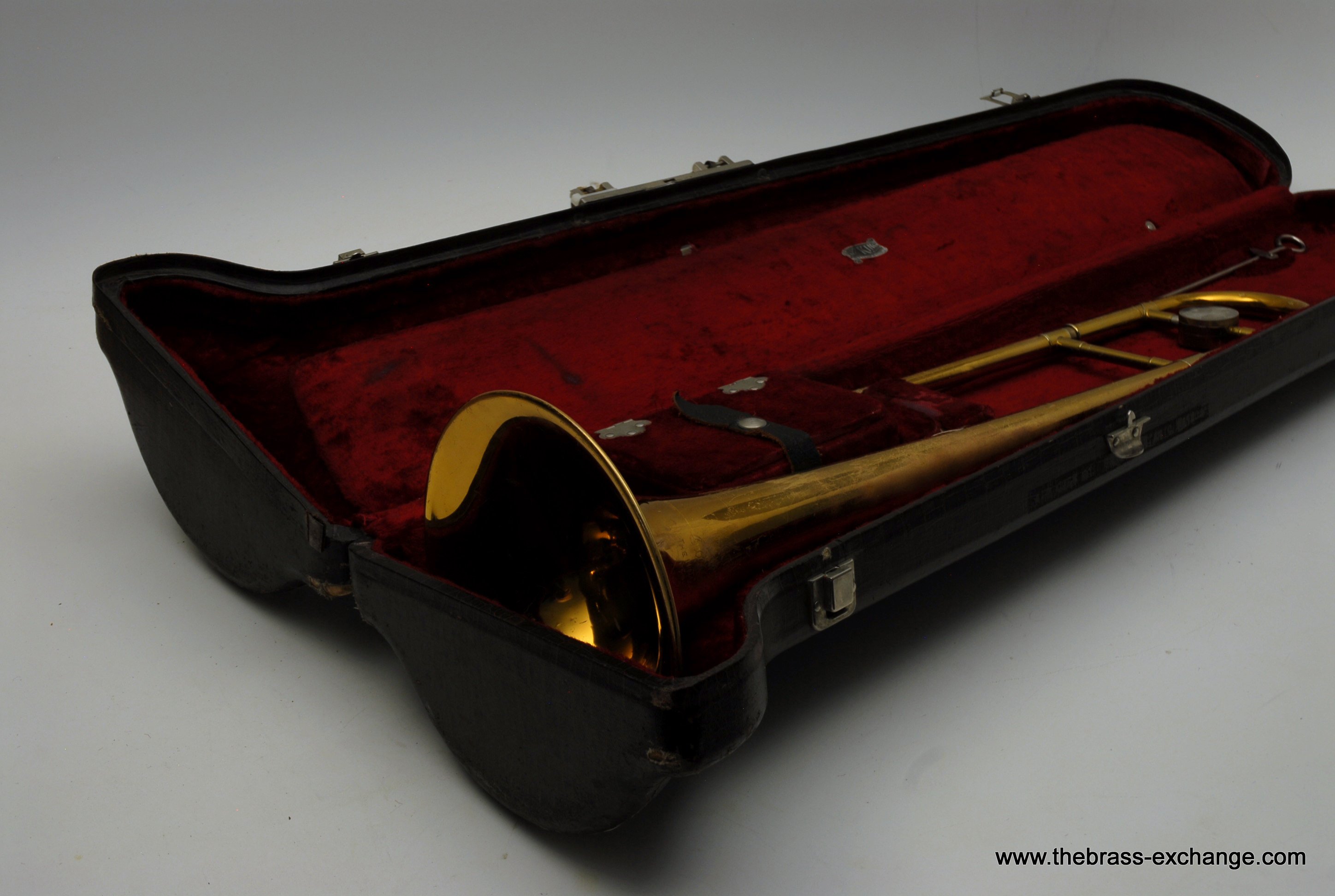
Whether you’re exploring vintage 1940s Cleveland-made 2Bs or later Eastlake-built models, King trombones represent a key chapter in American brass instrument history. The instruments featured in our archive reflect the enduring legacy of H.N. White and the generations of musicians who trusted these horns on stage and in the studio.
For further reading on the family and factory that built these instruments, visit the H.N. White Company Archive🎯, maintained by descendants of the original White family.