

History of Benge Brass Instruments & the Burbank Legacy
The Benge name traces back to Elden Eugene Benge, a professional trumpet player and principal with the Chicago Symphony Orchestra. After suffering a career-ending injury in the 1930s, Benge began crafting his own trumpets in his home workshop. By 1937, he had officially launched the E.E. Benge Company in Chicago, initially building instruments for colleagues and symphonic professionals who sought his precise craftsmanship and balanced response.
In 1953, Benge relocated his operation to Burbank, California, where the company quickly earned a national reputation for hand-built professional trumpets and trombones. The Burbank Benge horns, especially trumpets, became highly sought after by studio musicians, educators, and classical performers due to their consistency, intonation, and clean articulation.
Throughout the 1960s and 70s, Benge remained a small-scale, independent operation, respected for its attention to detail and tightly controlled production. After Elden Benge’s death in 1960, the company continued briefly under his son Don Benge, but was eventually sold. In 1970, King Musical Instruments (part of the Seeburg Corporation at the time) acquired the Benge brand and moved production to Eastlake, Ohio, ending the original Burbank era.
Though Eastlake Benge instruments remained in production through the 1980s and 90s, many players felt that the craftsmanship and tonal characteristics shifted with the change in ownership and scale. Production eventually ceased altogether by the early 2000s.
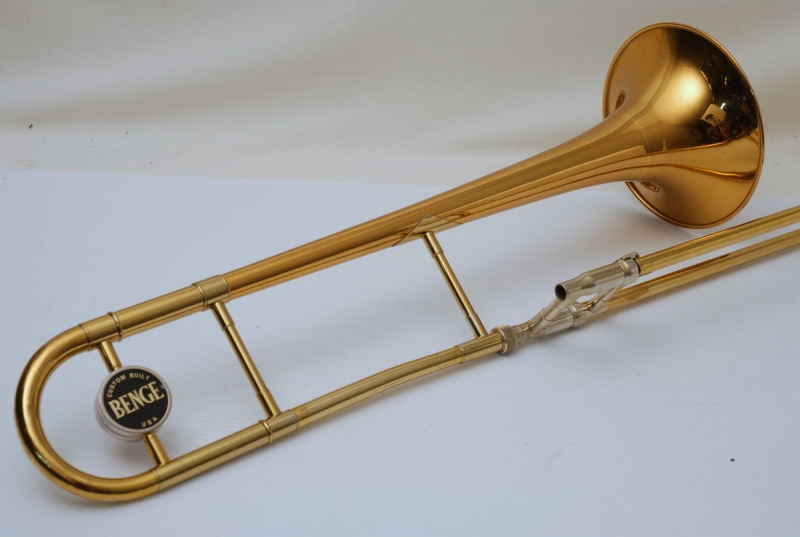
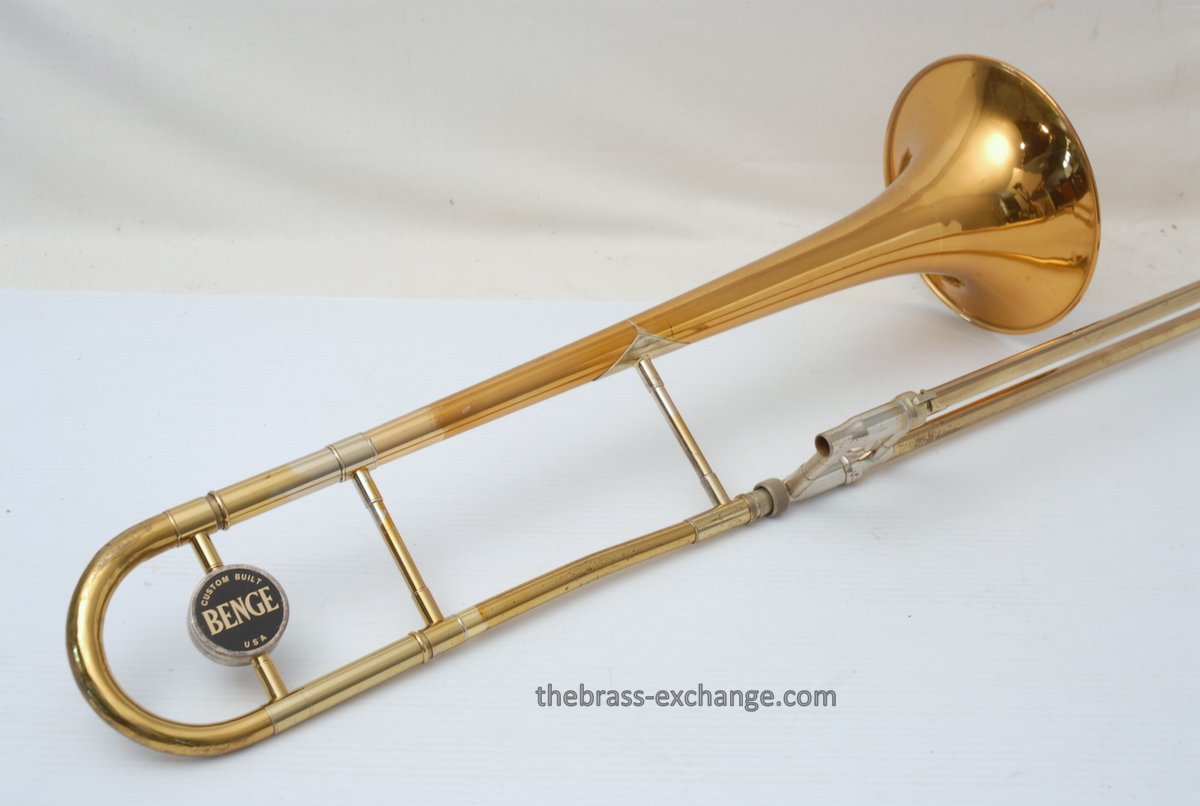
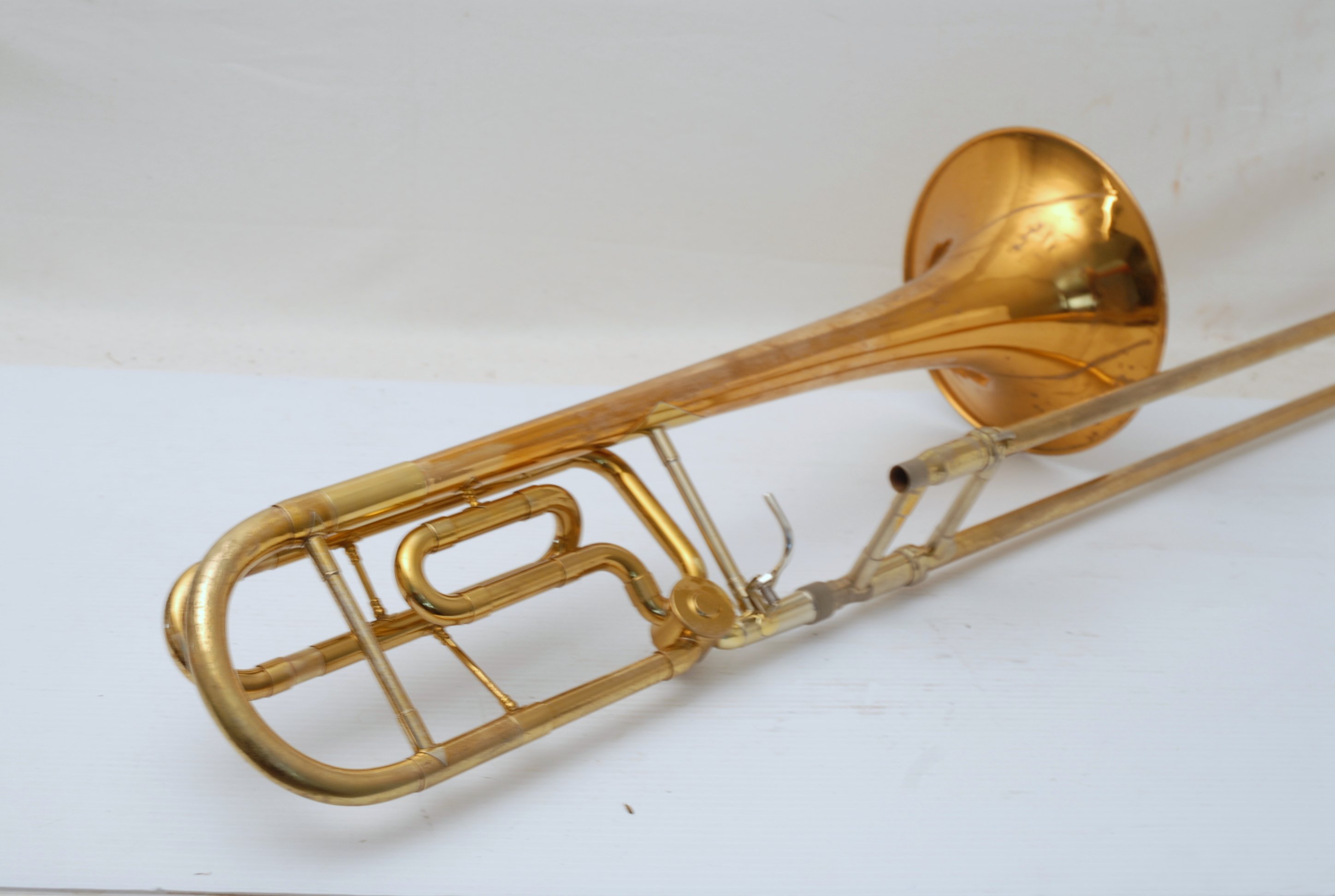
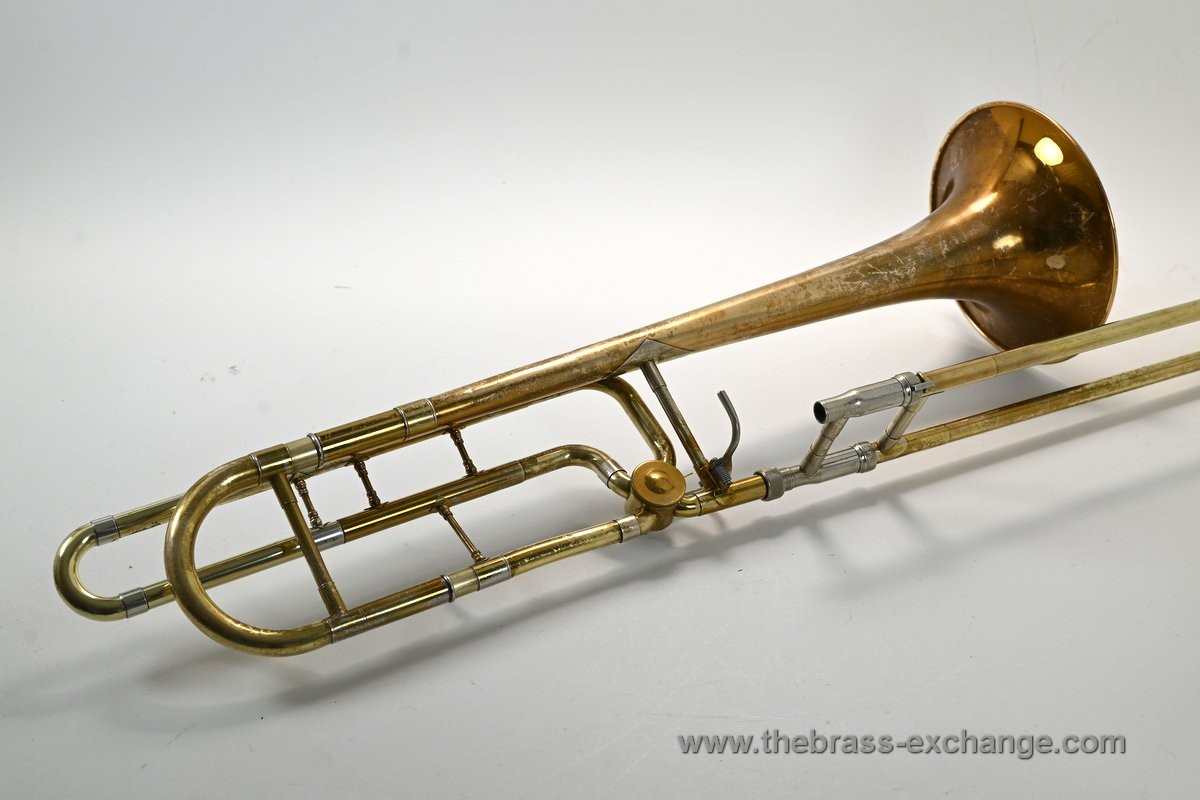
Today, Burbank-era Benge horns are considered highly collectible, especially by trumpet players and studio musicians looking for instruments with historical lineage and exceptional playability. Trombone models, though less common, are also valued for their connection to a pivotal period in American brass making.
Looking to compare Benge instruments by model or production era? Browse the archive below to explore available listings and historical references.