


✦ Historical Perspective
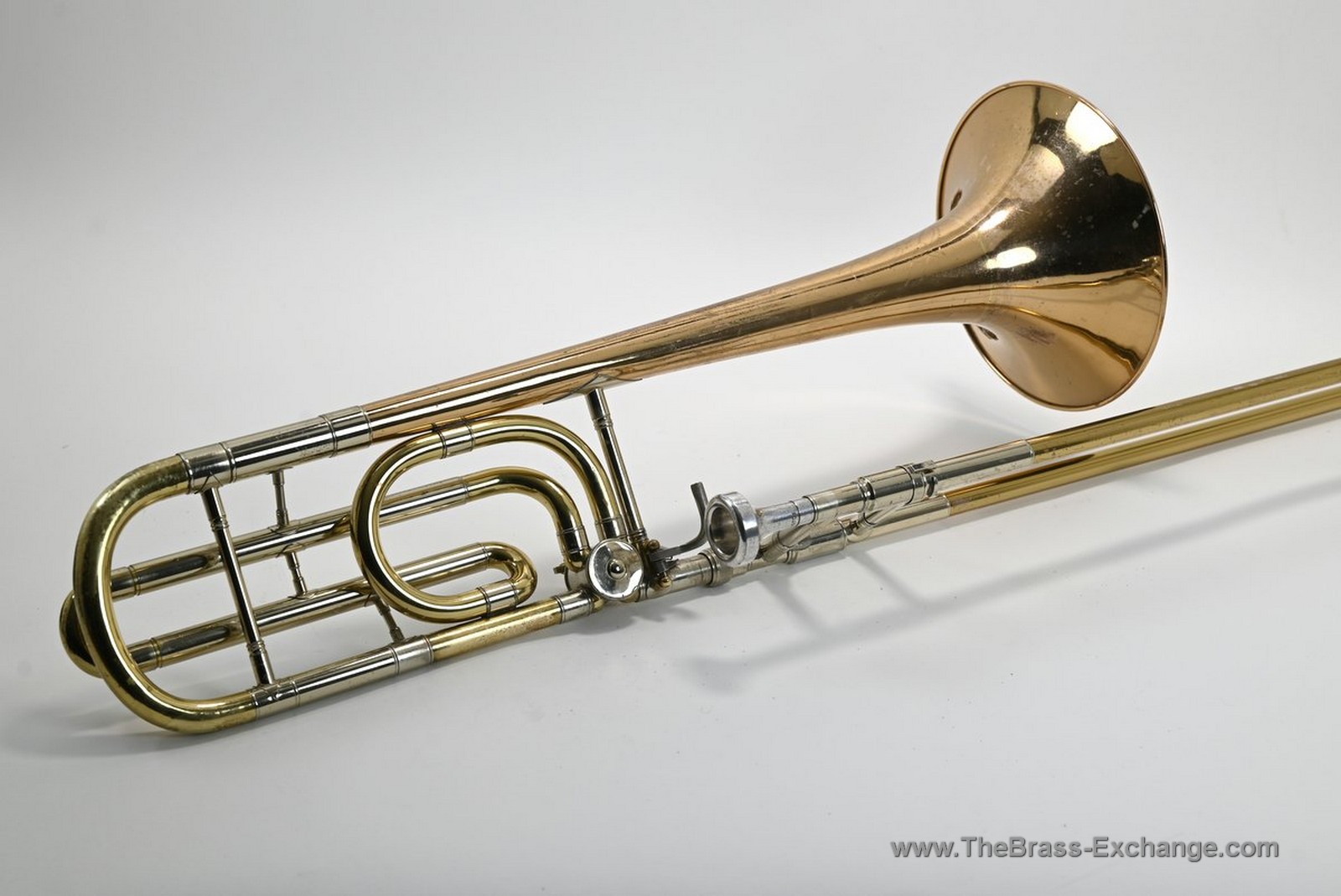
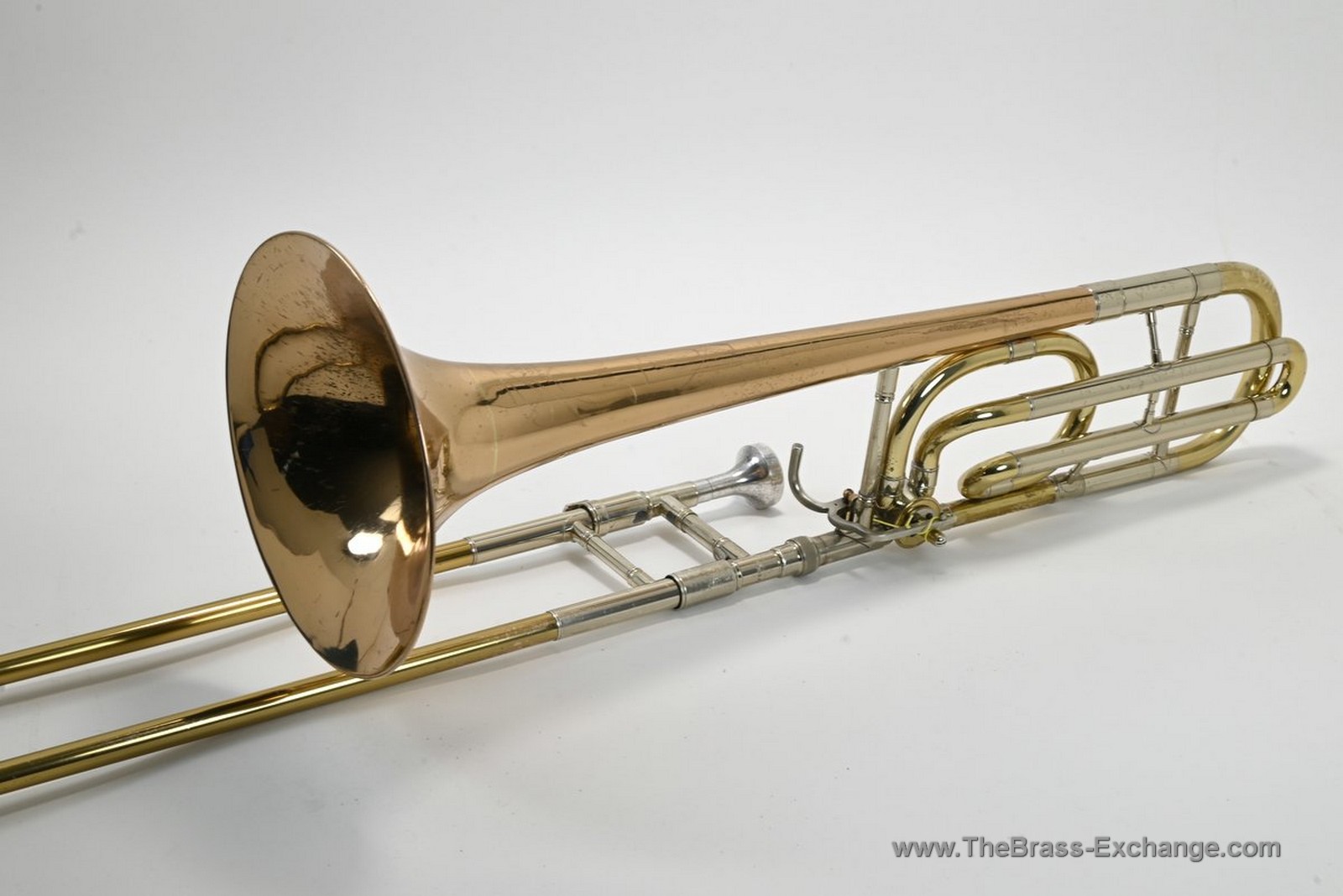
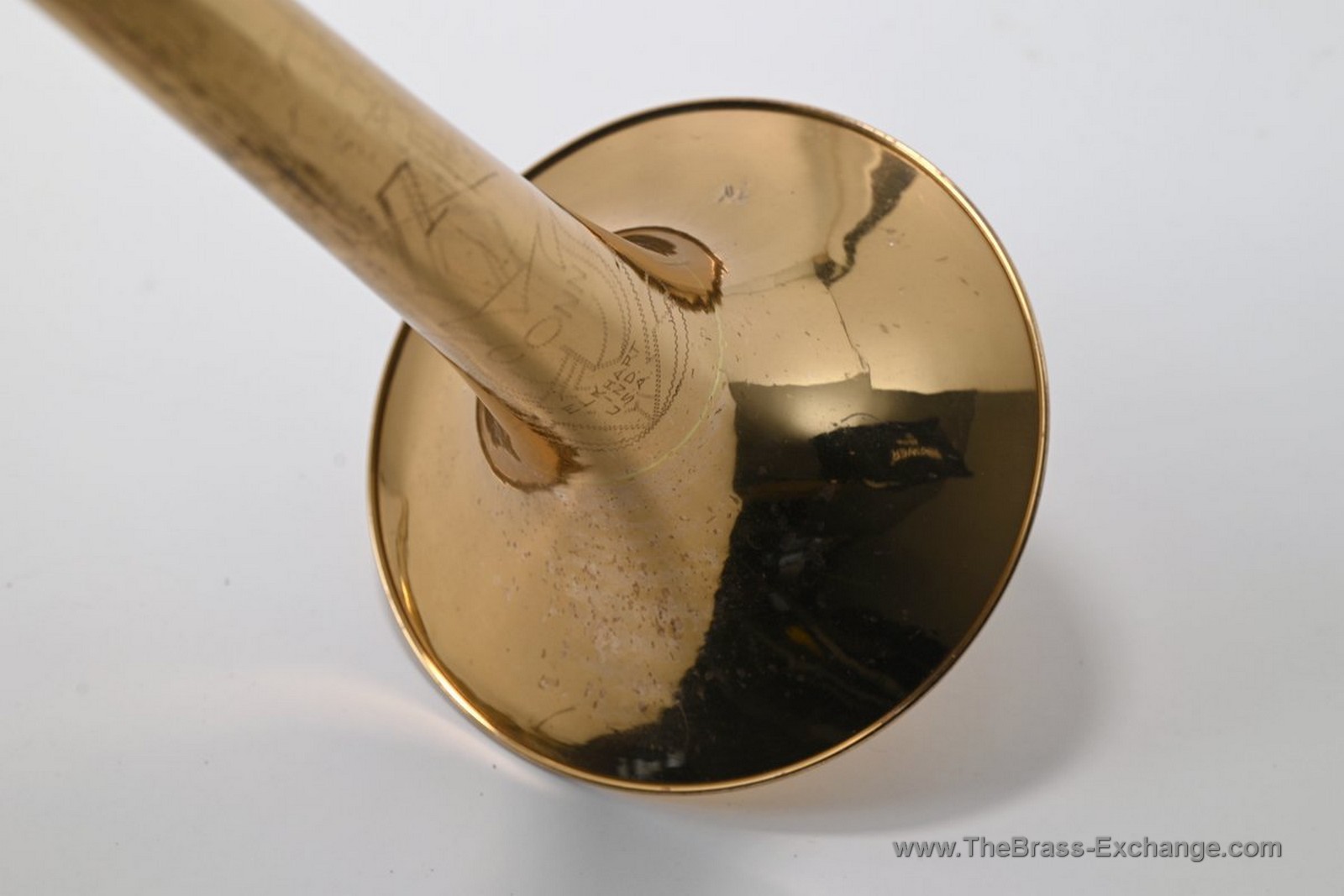
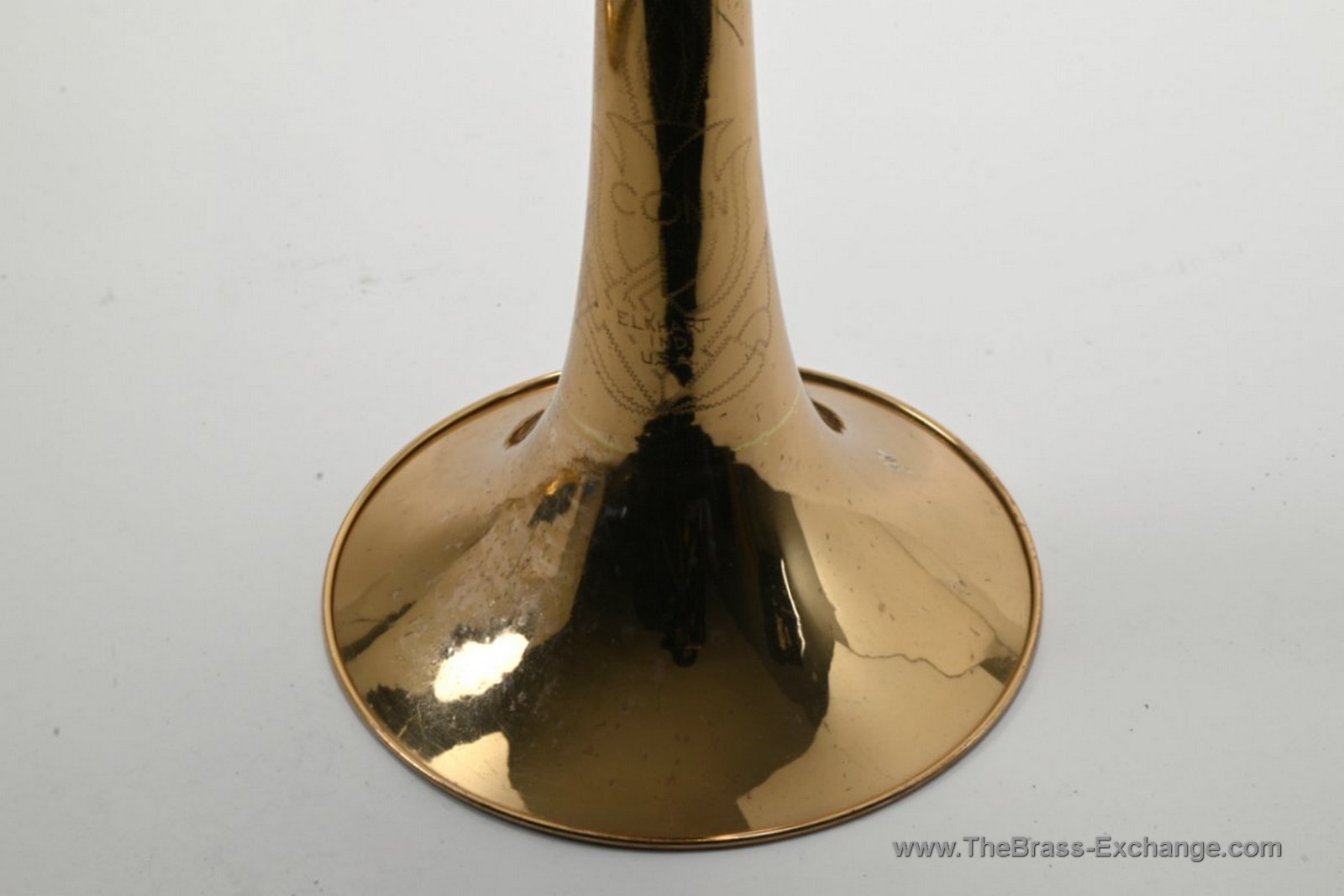
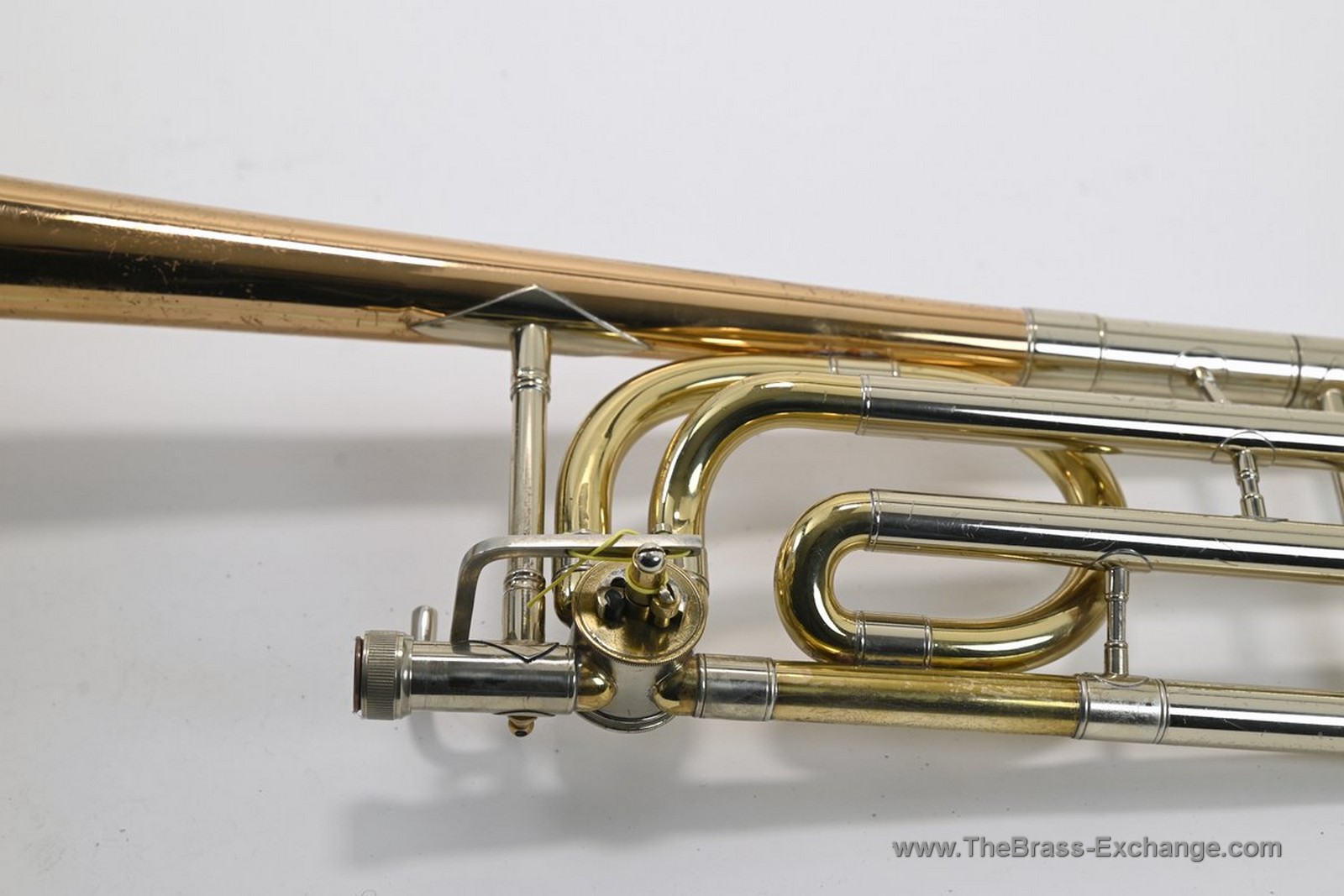
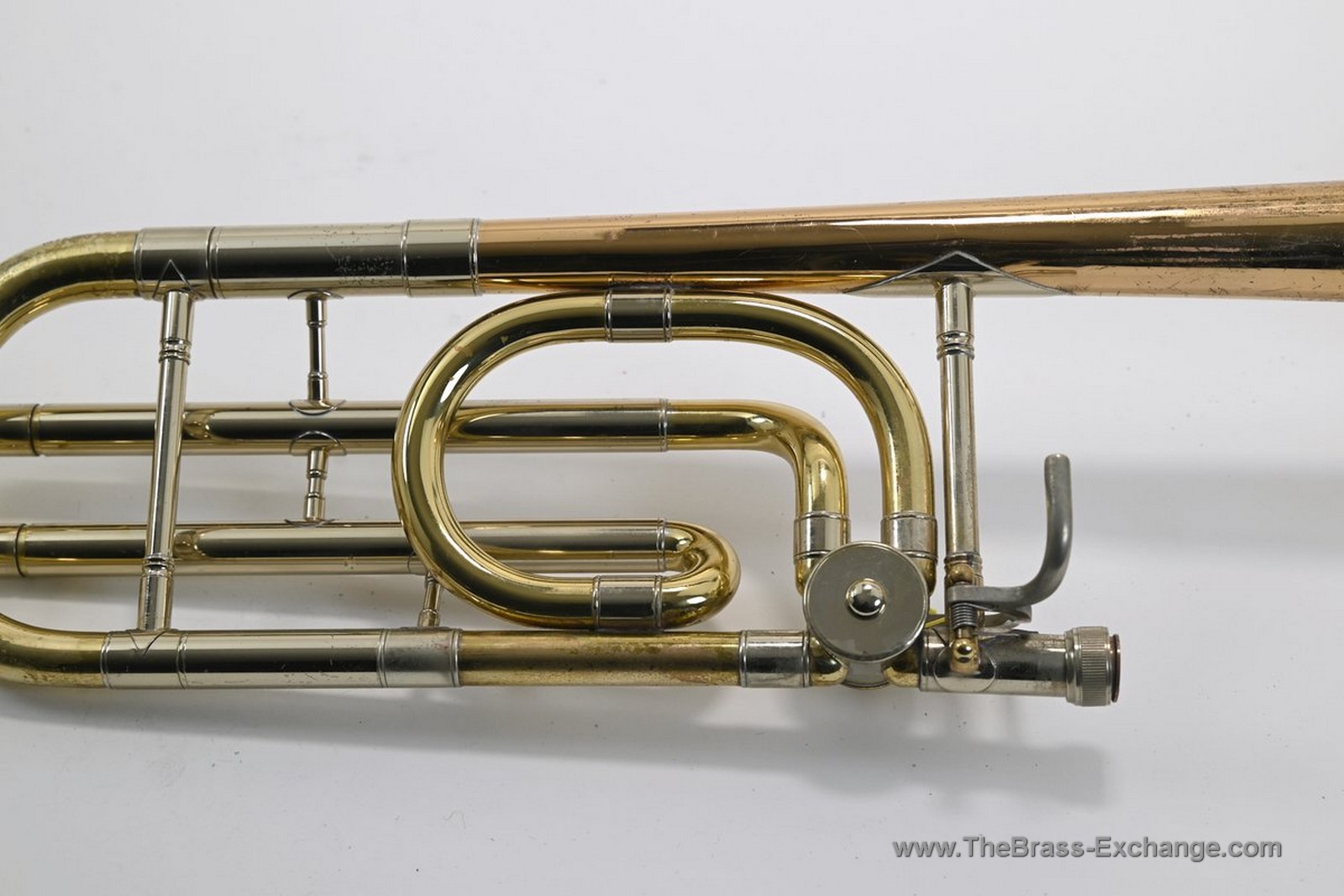
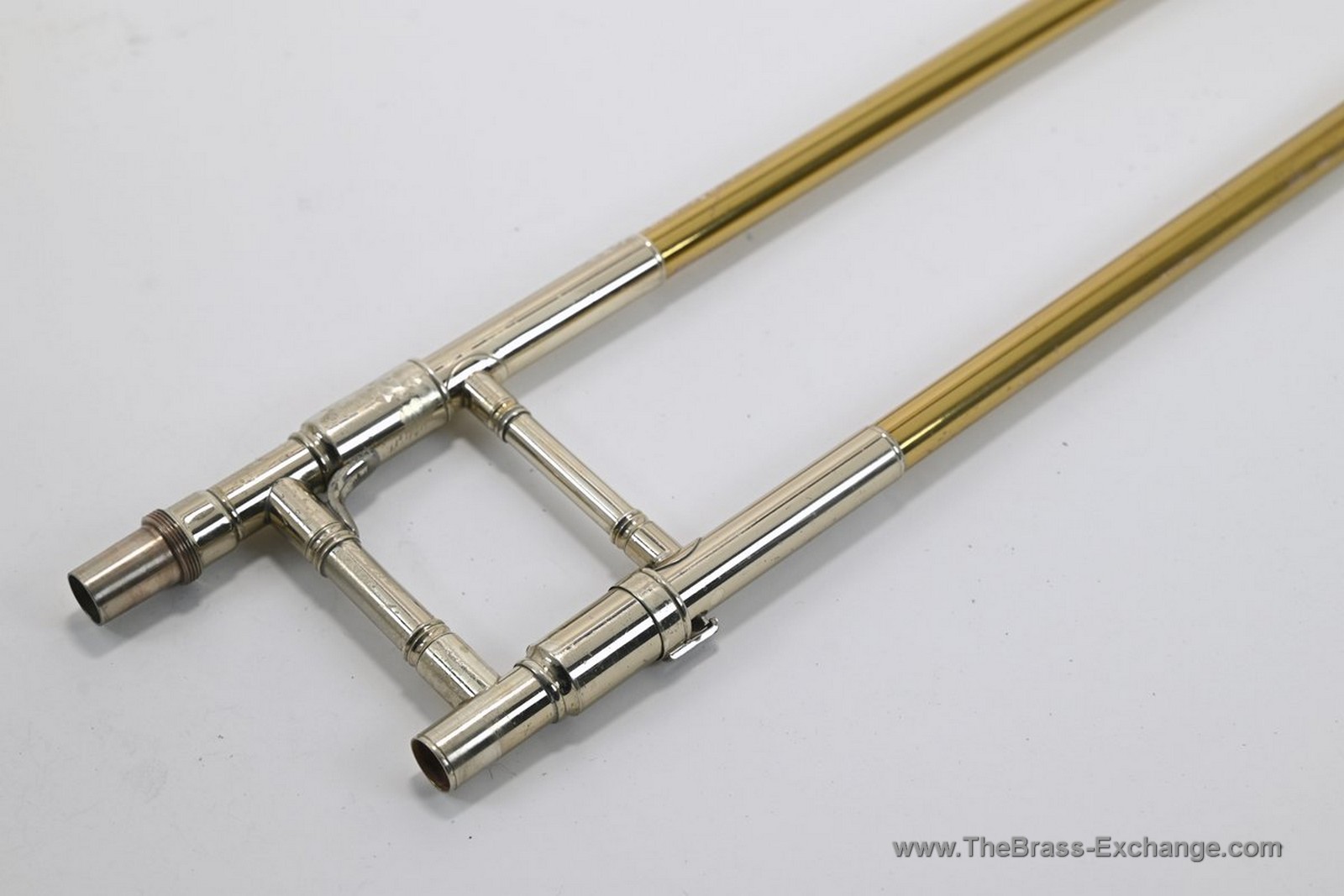
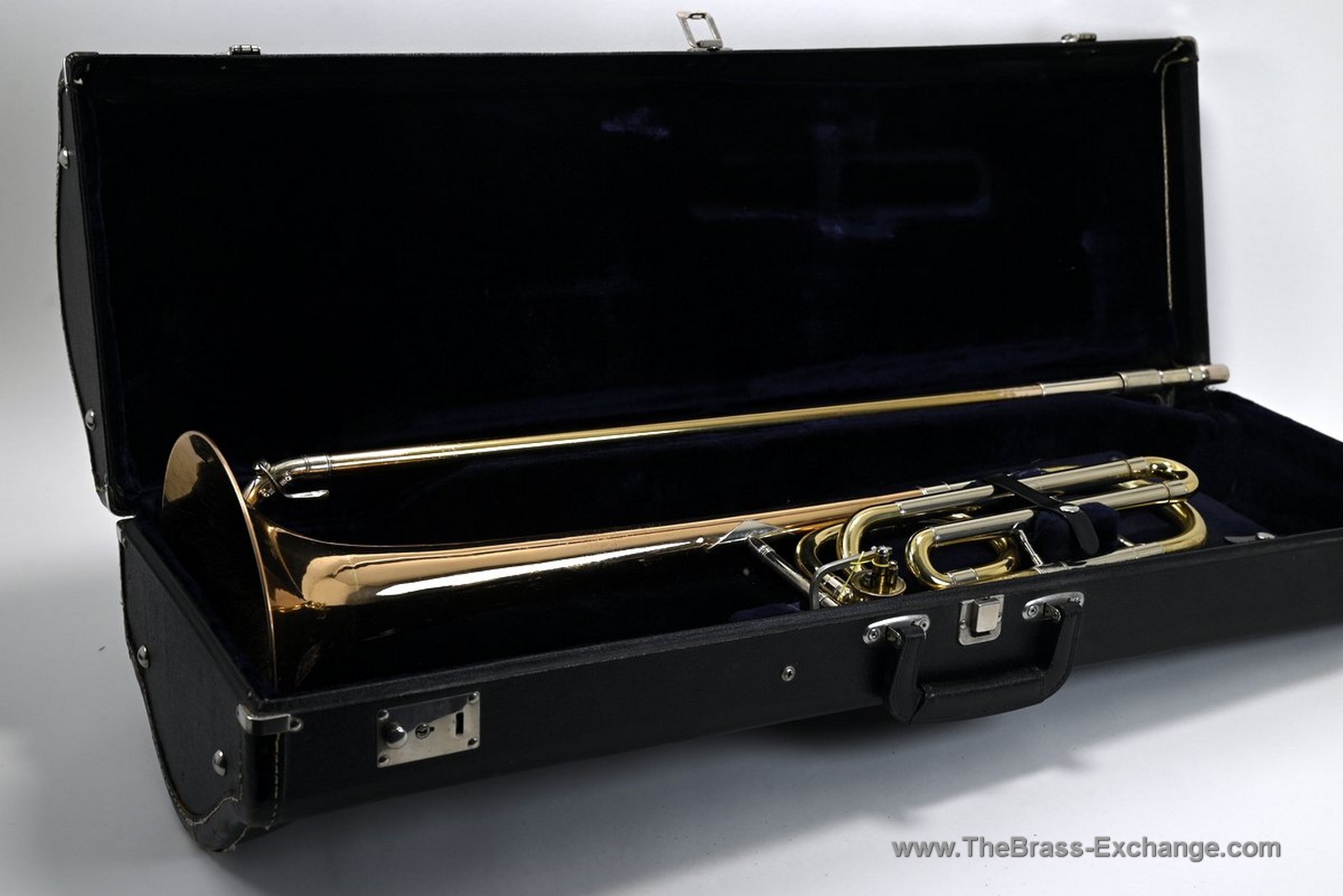
This Conn 88H Elkhart-era tenor trombone (serial K106381, built 1967) comes from a one-owner player estate and represents one of the most respected periods in Conn’s history. Produced during the final years of the classic Elkhart production era, this instrument retains its original lacquer, original components, and correct period construction, making it appealing to both collectors and serious players.
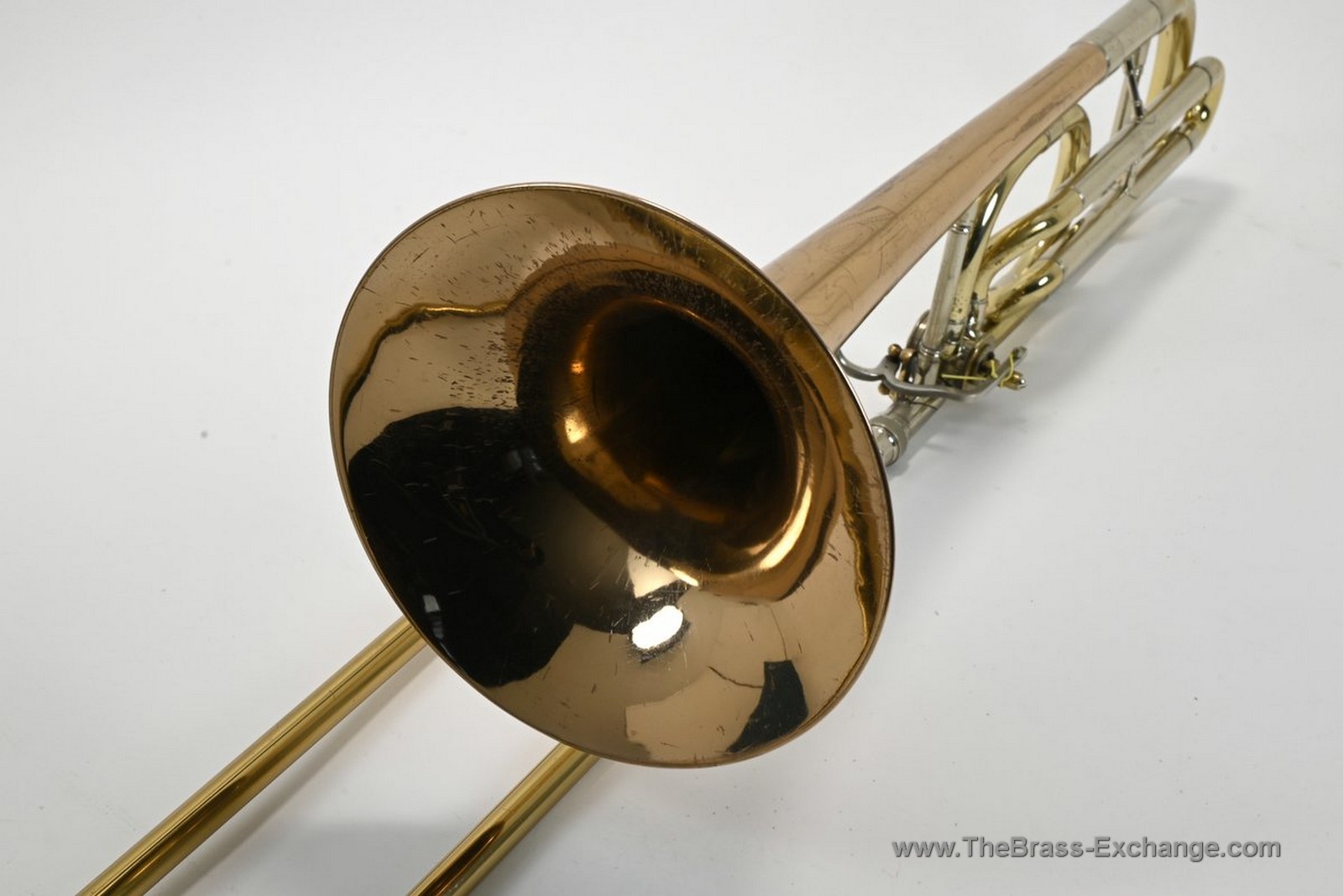
The horn features the traditional 8½″ rose brass bell with an unsoldered rim, paired with Conn’s standard large-bore handslide configuration. This design allows the bell to vibrate more freely and contributes to the warm, resonant tonal character that made the Conn 88H a defining orchestral tenor trombone for generations of players.
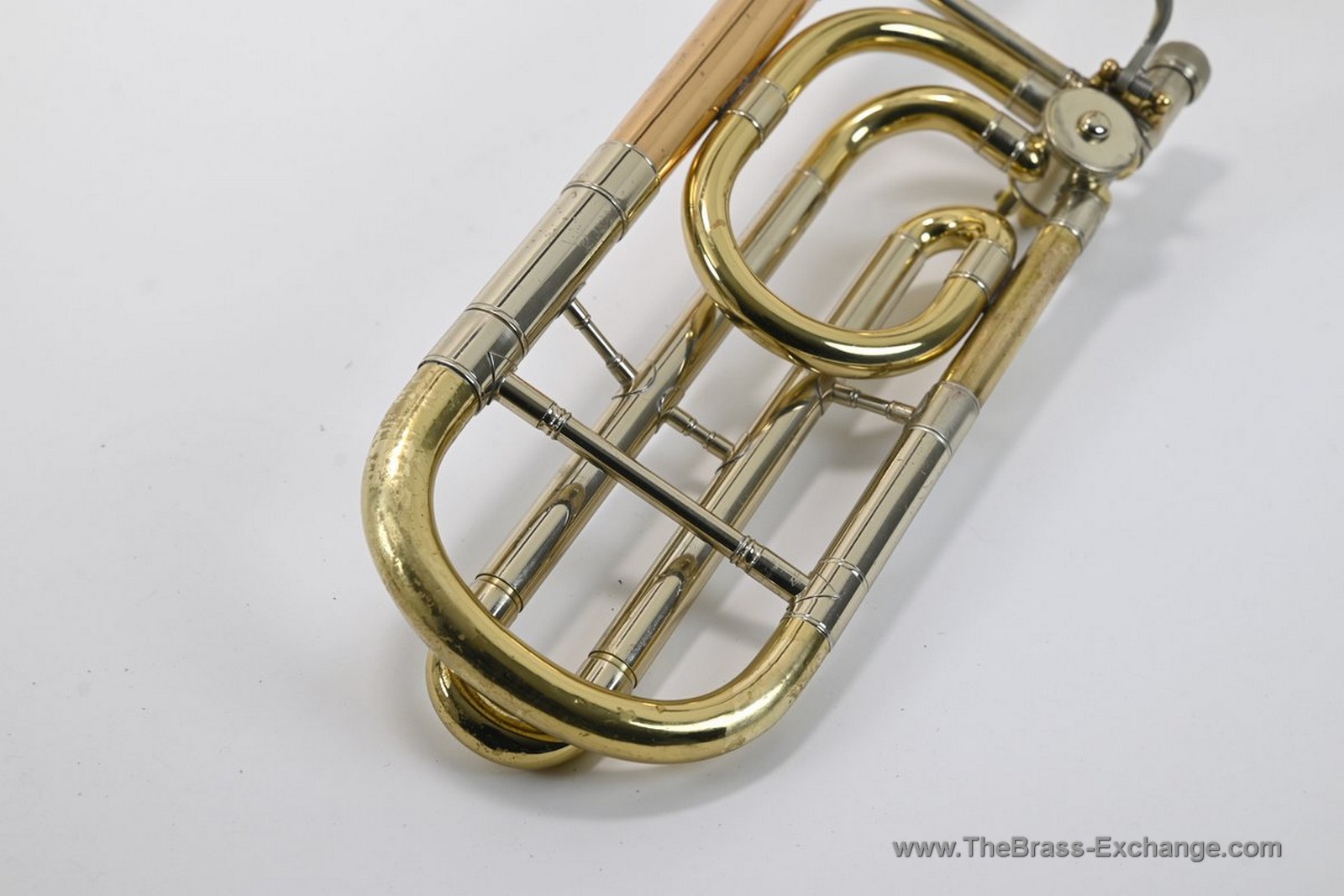
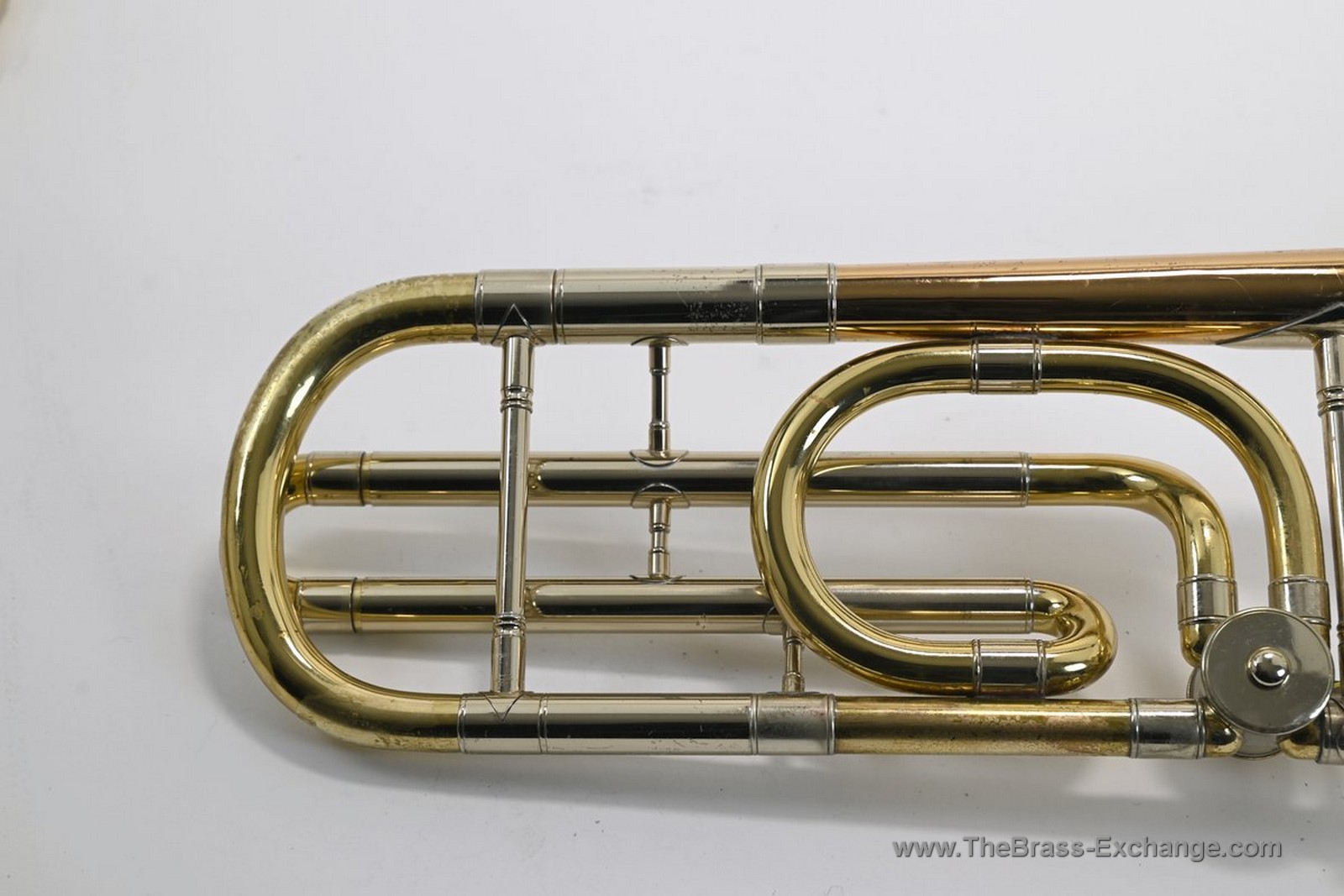
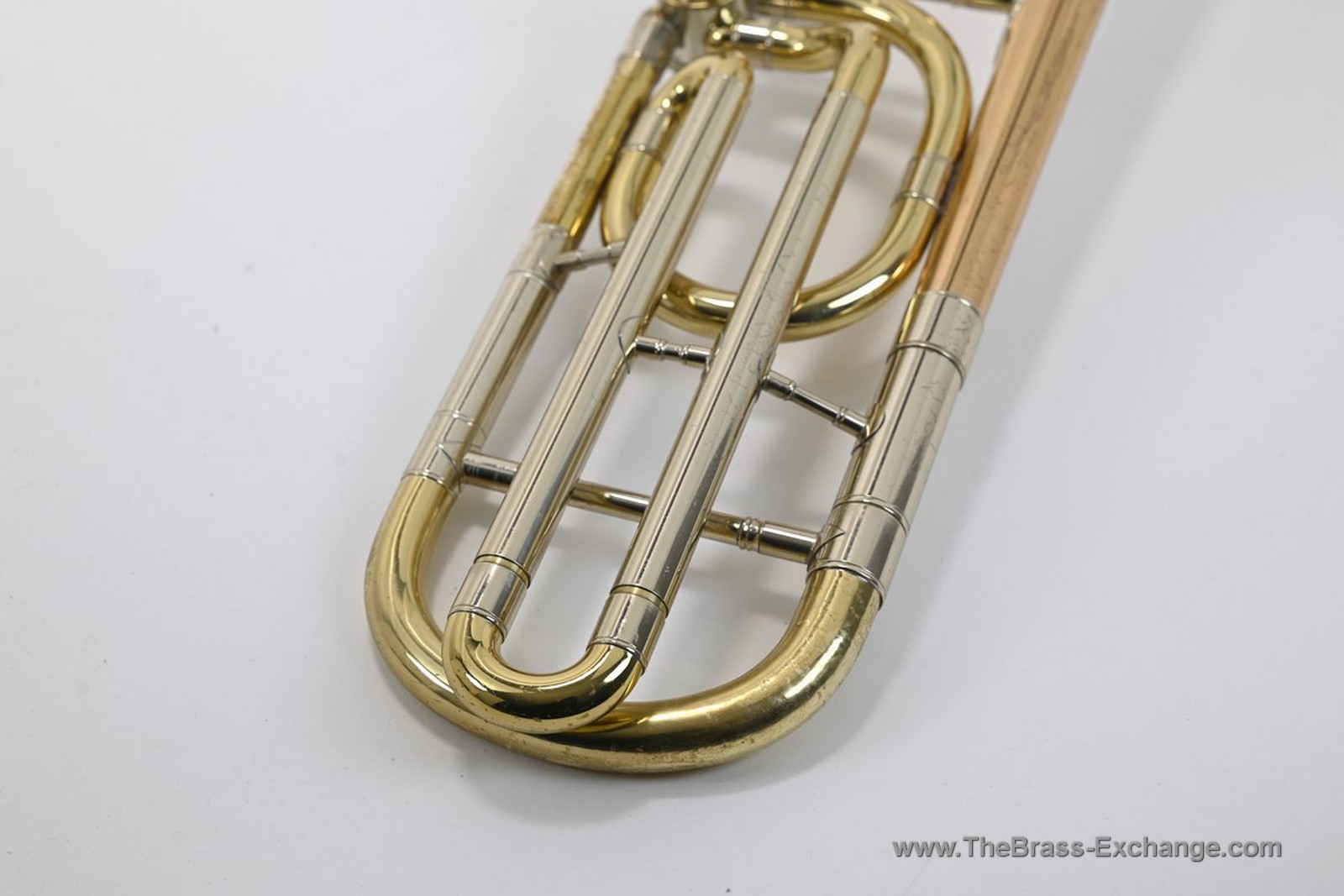
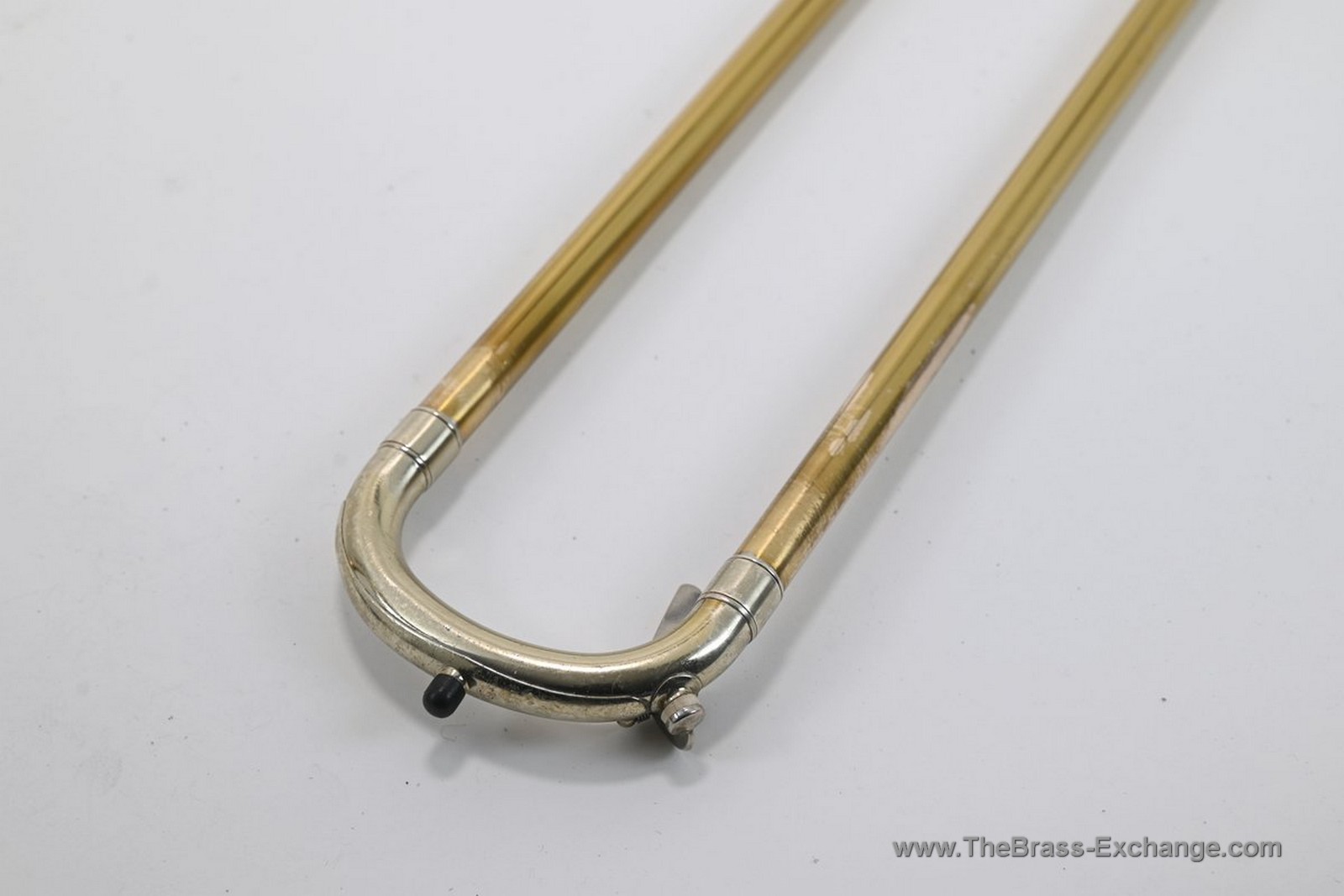
Inspection confirms that the instrument has never been damaged or creased, and the bell, neckpipe, and valve section all remain properly aligned. The lacquer condition is honest and original, with expected wear in natural contact areas such as the hand grip and tuning slide contact points. These signs of use are typical of a well-maintained vintage instrument and contribute to its authentic appearance.
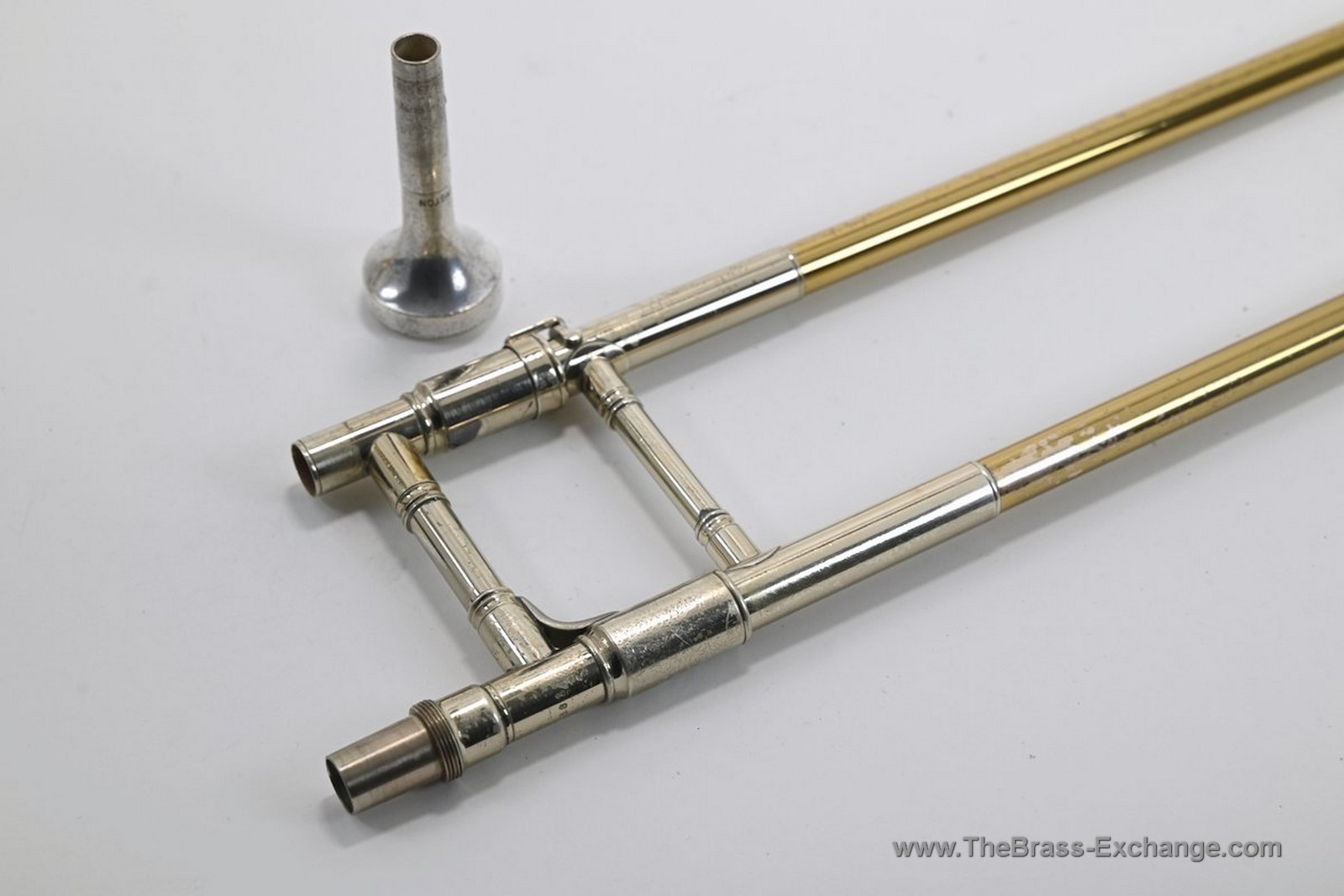
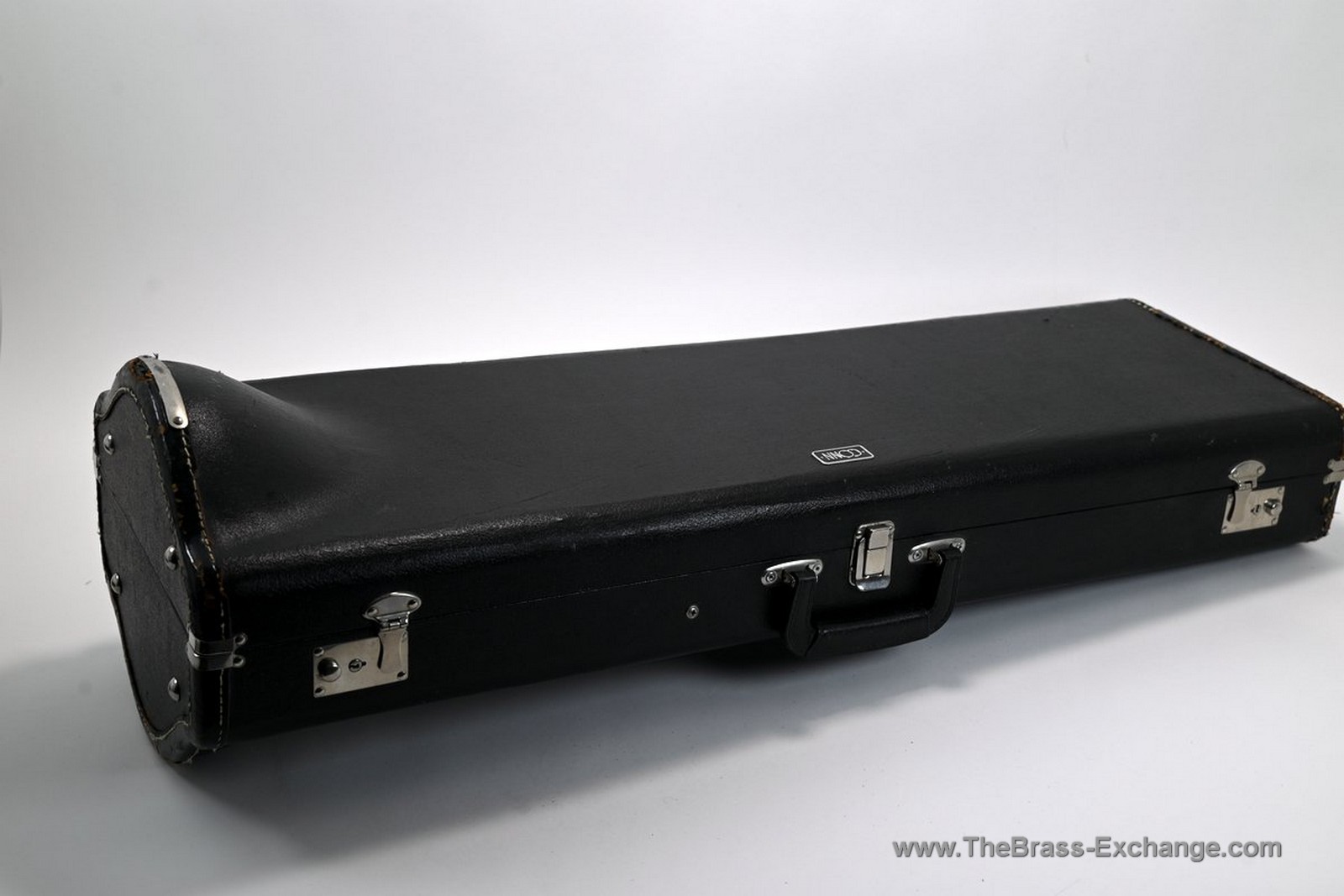
Included with the trombone are the original Conn case and original Remington mouthpiece, completing a historically appropriate package that collectors and Conn enthusiasts appreciate.
Having handled many Elkhart-era 88Hs from the 1950s through 1970, we do not observe a consistent pattern in bell weight or alloy across specific years. However, this particular example stands out as especially lively, responsive, and resonant in real playing terms, reflecting the qualities that made the model famous.
Values for Elkhart-era Conn 88H trombones can vary significantly depending on originality, slide condition, and overall preservation. While general online estimates often reflect broad market ranges, actual selling results can vary depending on how and where an instrument is offered.
Well-maintained examples from the 1960s—especially one-owner instruments with original components—remain consistently sought after by players and collectors for their tonal character and historical significance.
What Should You Ask If You’re Selling a Conn 88H?
One of the most common questions we hear is not just “what is it worth,” but “what should I actually ask if I’m selling it?”
There is an important distinction between dealer retail pricing and what a private seller can realistically expect to achieve. Dealer listings often reflect fully serviced instruments that are professionally evaluated and backed by reputation, which typically places them at the upper end of the market range.
Private-party sellers, even with a strong instrument, are usually operating in a different environment. Pricing often needs to be more competitive to attract buyers, and final selling prices may come in below initial asking prices after negotiation.
In practical terms, many private sellers find success by positioning their instrument below comparable dealer listings, allowing room for buyer confidence and negotiation. Instruments priced too close to retail levels can take significantly longer to sell or may not attract serious interest.
As with any vintage instrument, condition, originality, and playability still play a major role—but how the instrument is brought to market is just as important as the instrument itself.
Player Perspective
From a player’s standpoint, this instrument performs exactly as a strong Elkhart-era Conn 88H should.
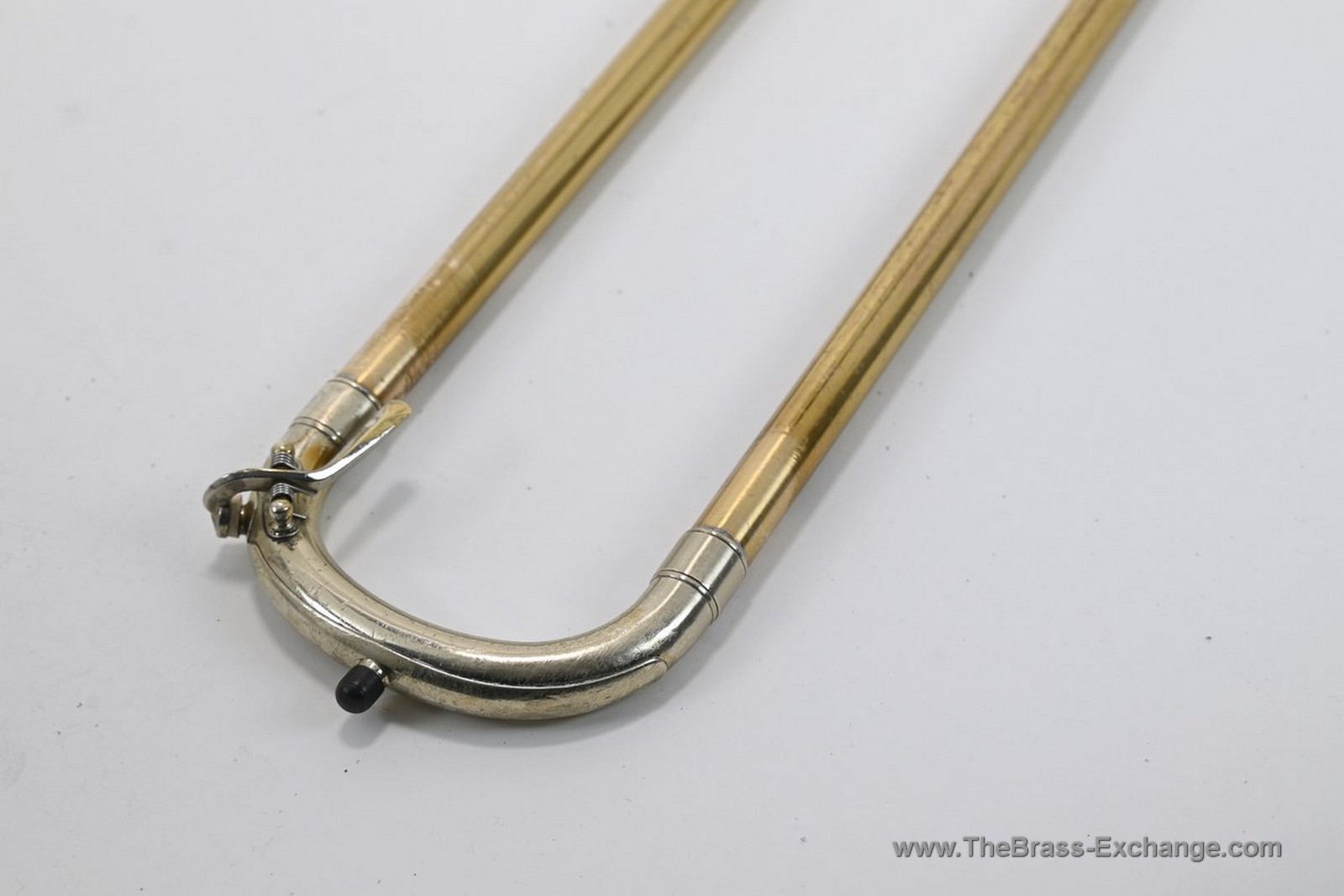
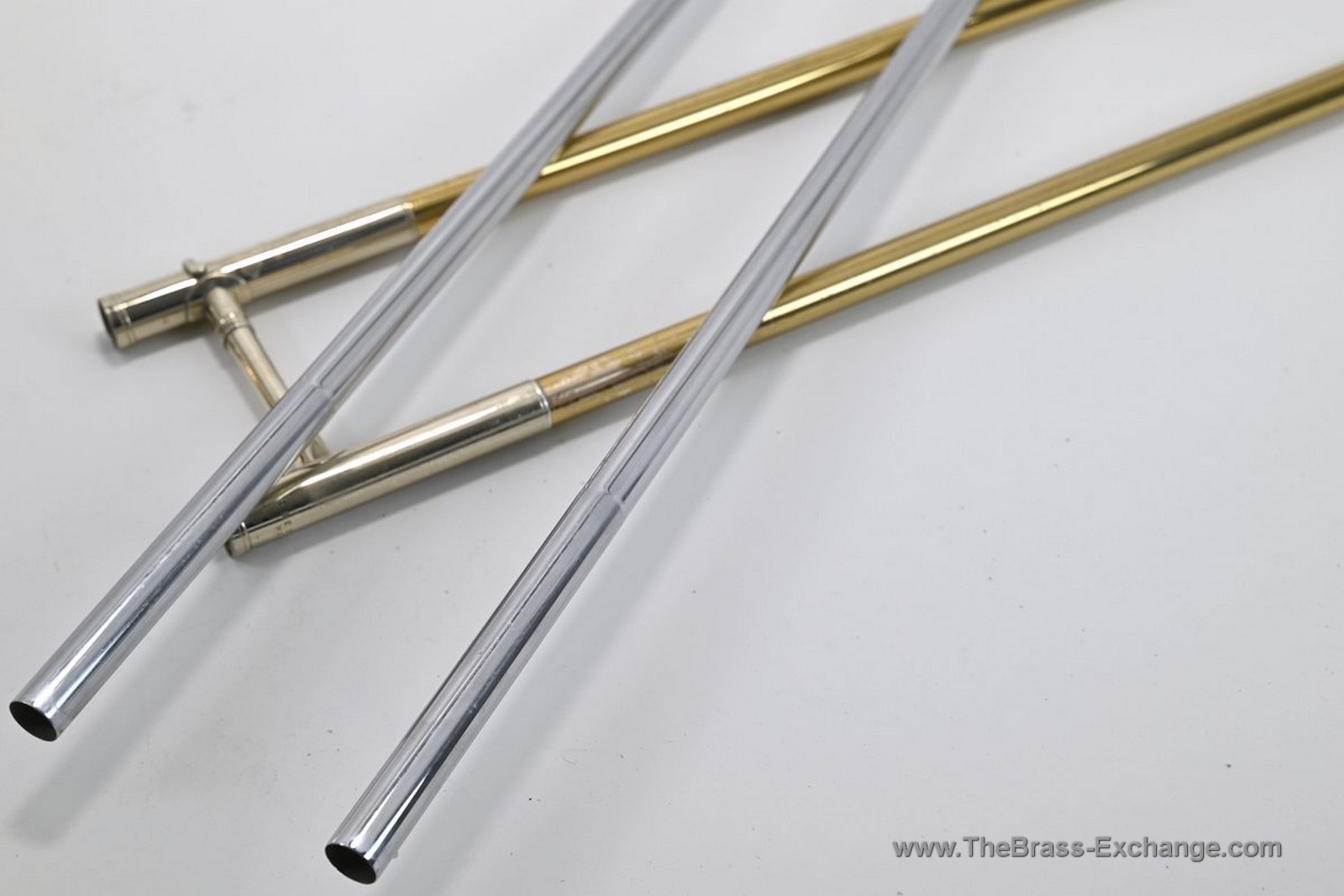
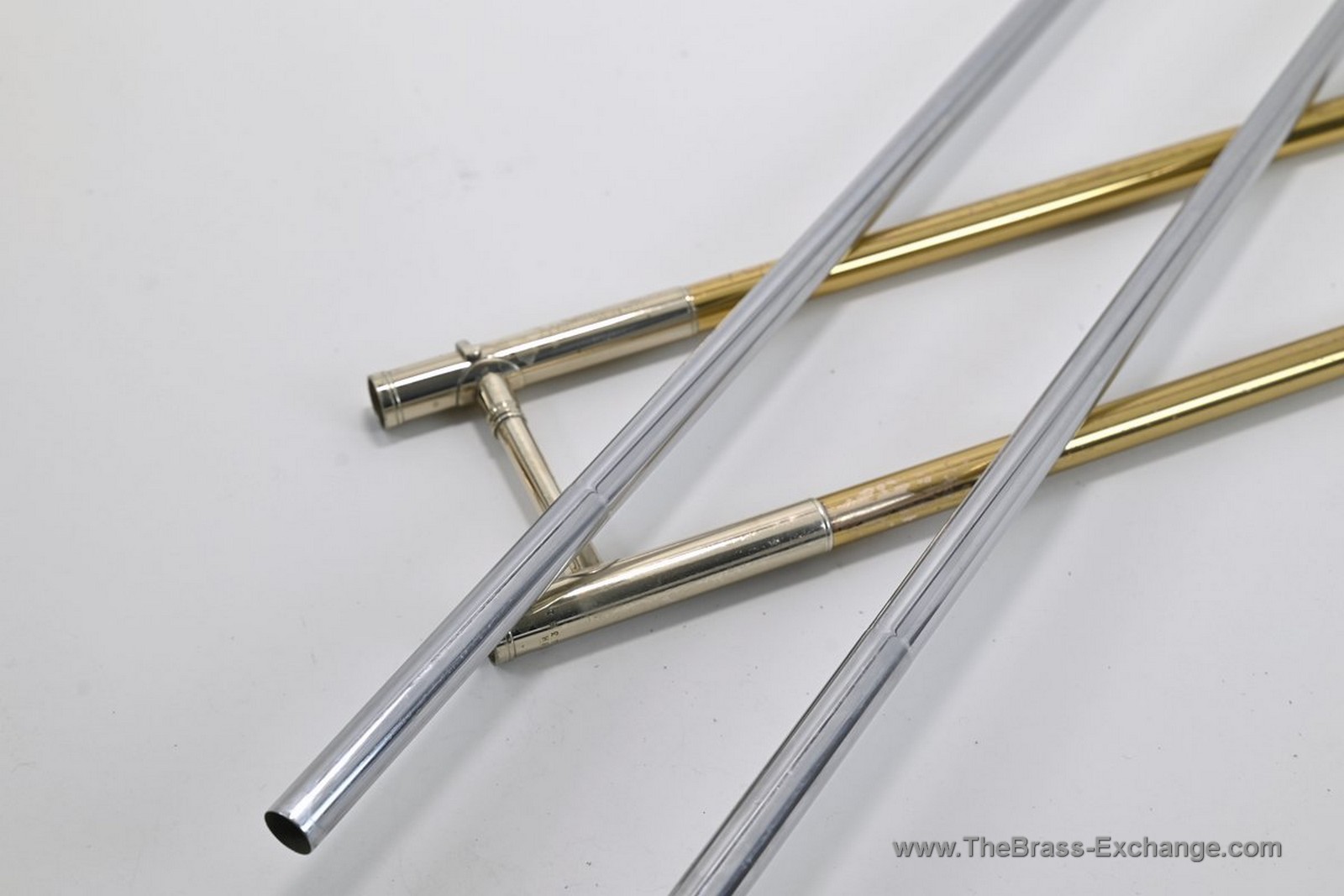
The handslide demonstrates excellent alignment with no inner-tube plating defects, allowing it to move freely and evenly throughout the positions. After full shop service, response is immediate and centered, delivering the warm, flexible Conn sound that has long defined orchestral large-bore tenor trombone playing.
This type of instrument works equally well as:
• A first professional large-bore tenor trombone for an advancing player
• A dream Elkhart example for a seasoned Conn enthusiast or orchestral player
The 88H ultimately became the reference design for modern .547 large-bore tenor trombones, and instruments like this clearly illustrate why.
Questions Trombone Players Often Ask
How does a Conn 88H compare to a Bach 42B?
While both instruments typically share similar specifications—such as a .547 bore and an 8½″ bell—the design philosophies differ noticeably. The Conn 88H uses Conn’s traditional rose brass bell alloy, which contains more copper than yellow brass. Combined with the unsoldered rim bead wire, this construction allows the bell to vibrate more freely and produce a broad palette of tonal colors.
Many players describe Elkhart 88Hs as having a darker, broader sound, while Bach 42B models tend to feel more centered and focused due to their one-piece bell and soldered rim construction. Both remain excellent orchestral tenor trombones, and the choice ultimately comes down to response and tonal preference.
Will a Remington receiver work with modern mouthpieces?
Yes. The Conn 88H was originally designed with a receiver developed for Eastman School of Music professor Emory Remington, which accepted a slightly longer mouthpiece shank. Modern Morse-taper large-shank mouthpieces (such as Bach or Schilke) generally work perfectly well. Some players still prefer Remington-style mouthpieces or longer-shank designs because they can subtly influence response and tonal color.
Is it safe to use a 1960s trombone for professional playing today?
Absolutely—provided the instrument has been properly evaluated and serviced. Many professional brass instruments from the 1950s–1970s were built with exceptional craftsmanship and materials. When slide condition, structural integrity, and mechanical setup are correct, these instruments can remain fully reliable for modern performance.
🔧 Availability & Archive Status
This 1967 Conn 88H Elkhart tenor trombone has been sold and is now preserved in The Brass Exchange Archive of Sold instruments as a historical reference for players researching vintage Conn orchestral trombones.
If you are searching for a similar Conn 88H or another large-bore tenor trombone, our inventory changes regularly.
👉 Browse current trombone listings here:
https://thebrass-exchange.com/trombones 🔎
📚 Interested in the history of Conn trombones?
Explore our Historical Archive of Conn instruments to see examples from different eras. https://www.thebrass-exchange.com/archive-of-sold/conn
📣 Selling or Downsizing Your Brass Instruments?
Many musicians and families contact us when they are downsizing a collection, managing an estate, or deciding how to sell a trombone or brass instrument responsibly.
If you are considering selling a Conn trombone or another professional brass instrument, we’re always happy to help evaluate options such as outright purchase, consignment, or trade-in.
✍️ Start the conversation here:
https://www.thebrass-exchange.com/contact-us
We work with professional players, collectors, and families managing instrument estates across the U.S. and internationally.
🏅 Why Players Trust The Brass Exchange
Since 2010, The Brass Exchange has specialized in professional and vintage brass instruments, evaluating thousands of trombones across every major maker and era. Each instrument is inspected in hand, serviced where needed, and represented accurately so players and collectors can buy—and sell—with confidence.