


✦ Historical Perspective
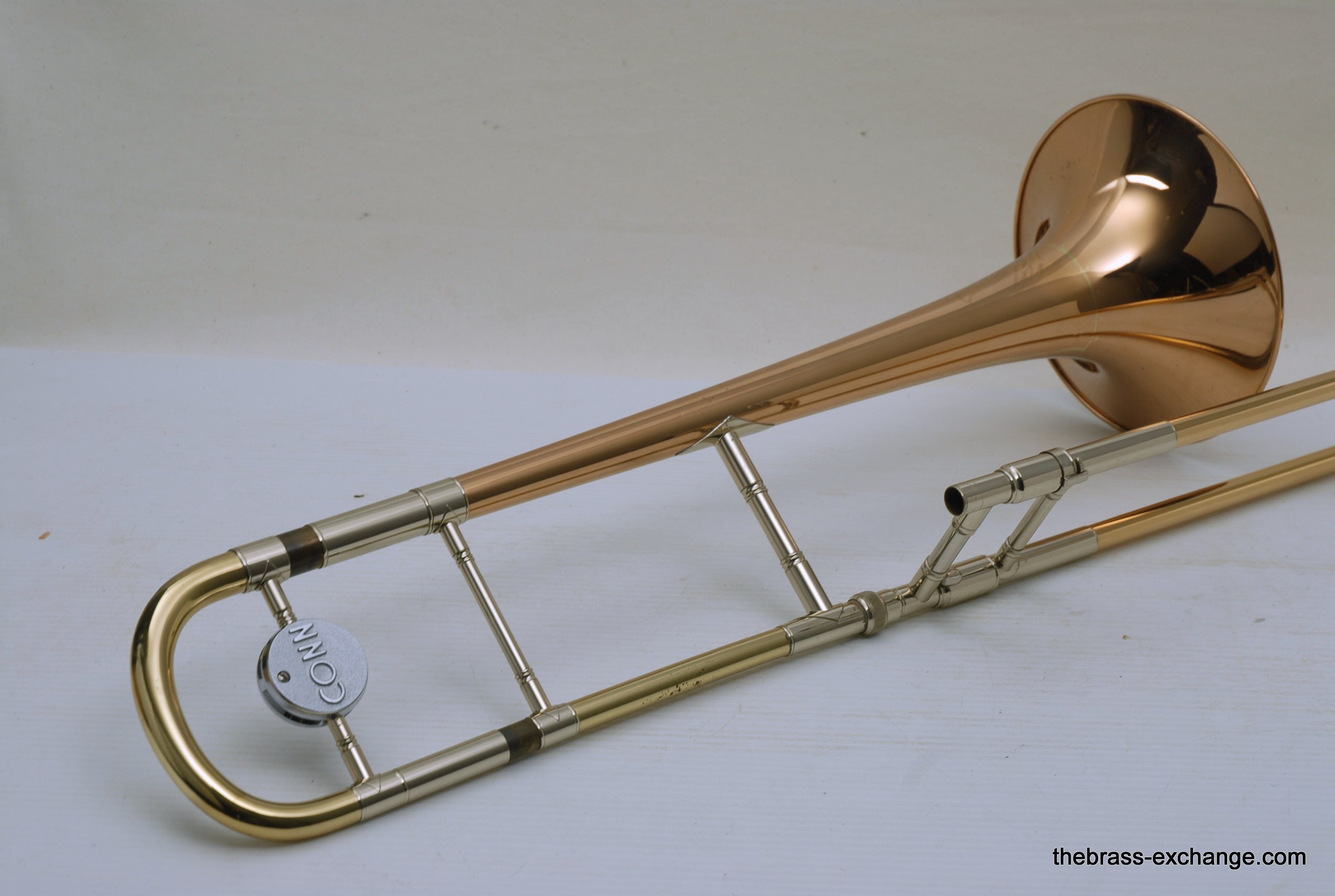
The Conn 8H is one of the most iconic straight tenors ever produced, and examples from the early 1960s remain especially sought after among players and collectors. Built in Elkhart during Conn’s golden era, this 1962 model reflects the original design intent behind the 8H: a vibrant, warm, and highly resonant symphonic voice without the weight and resistance of an F-attachment.
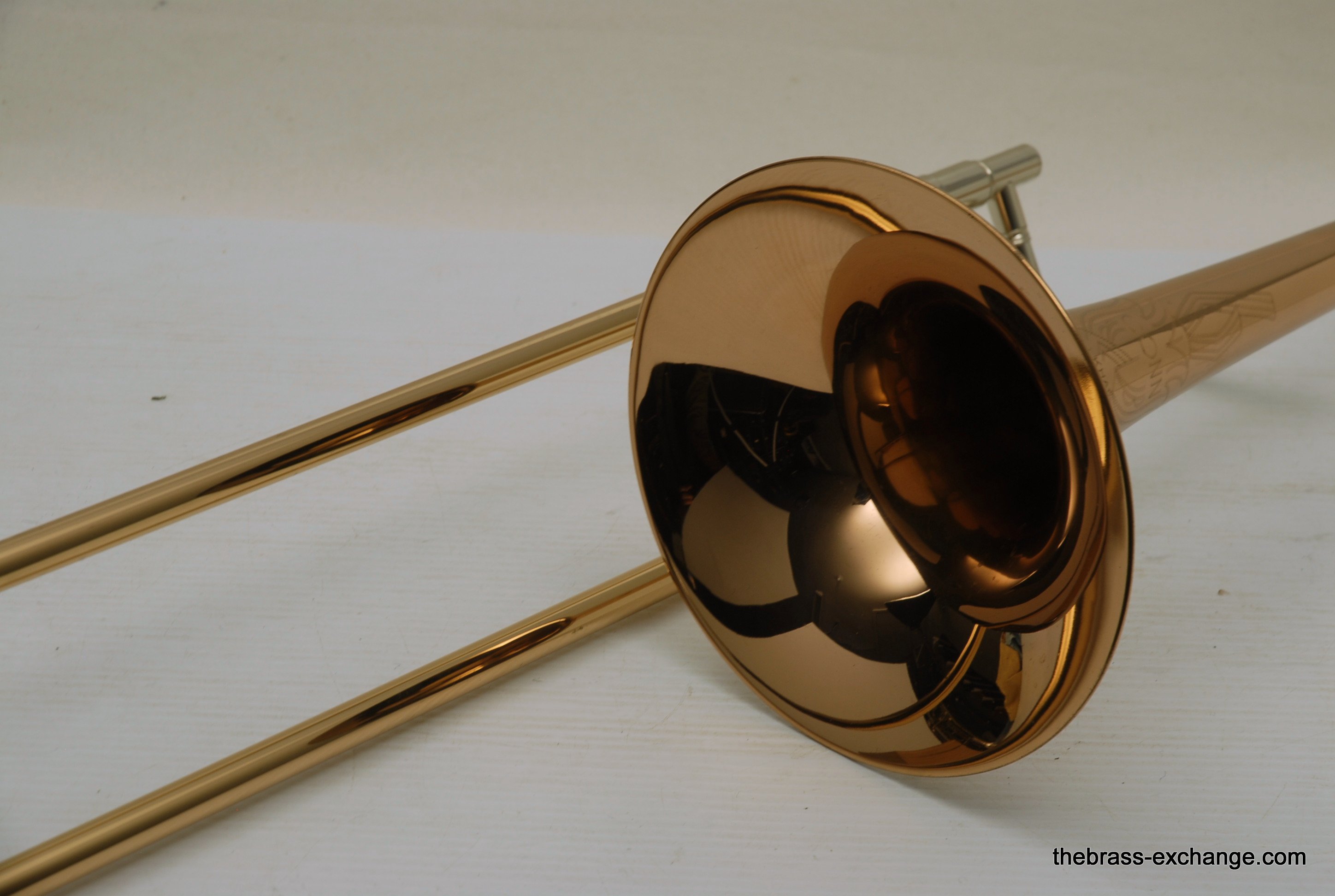
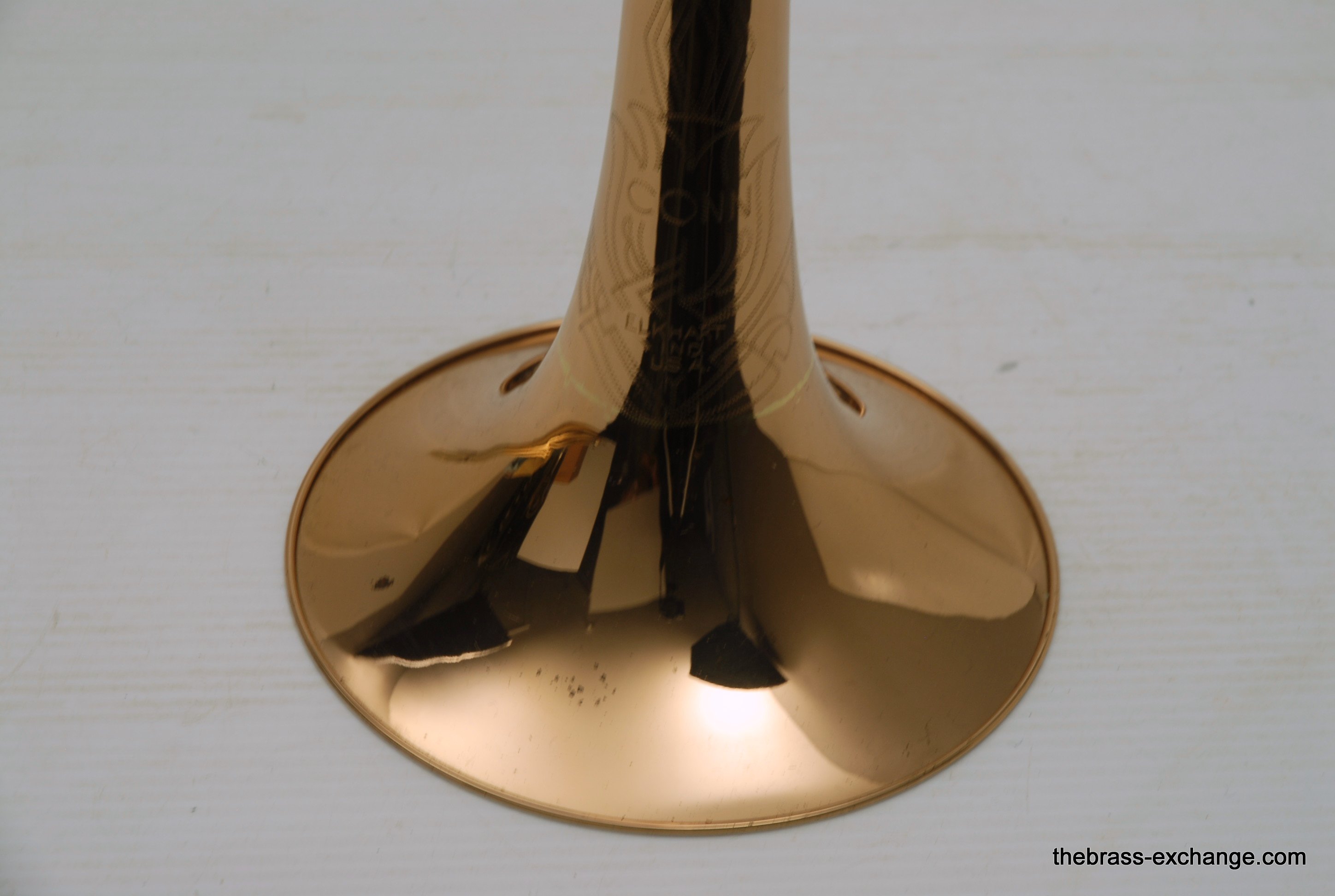
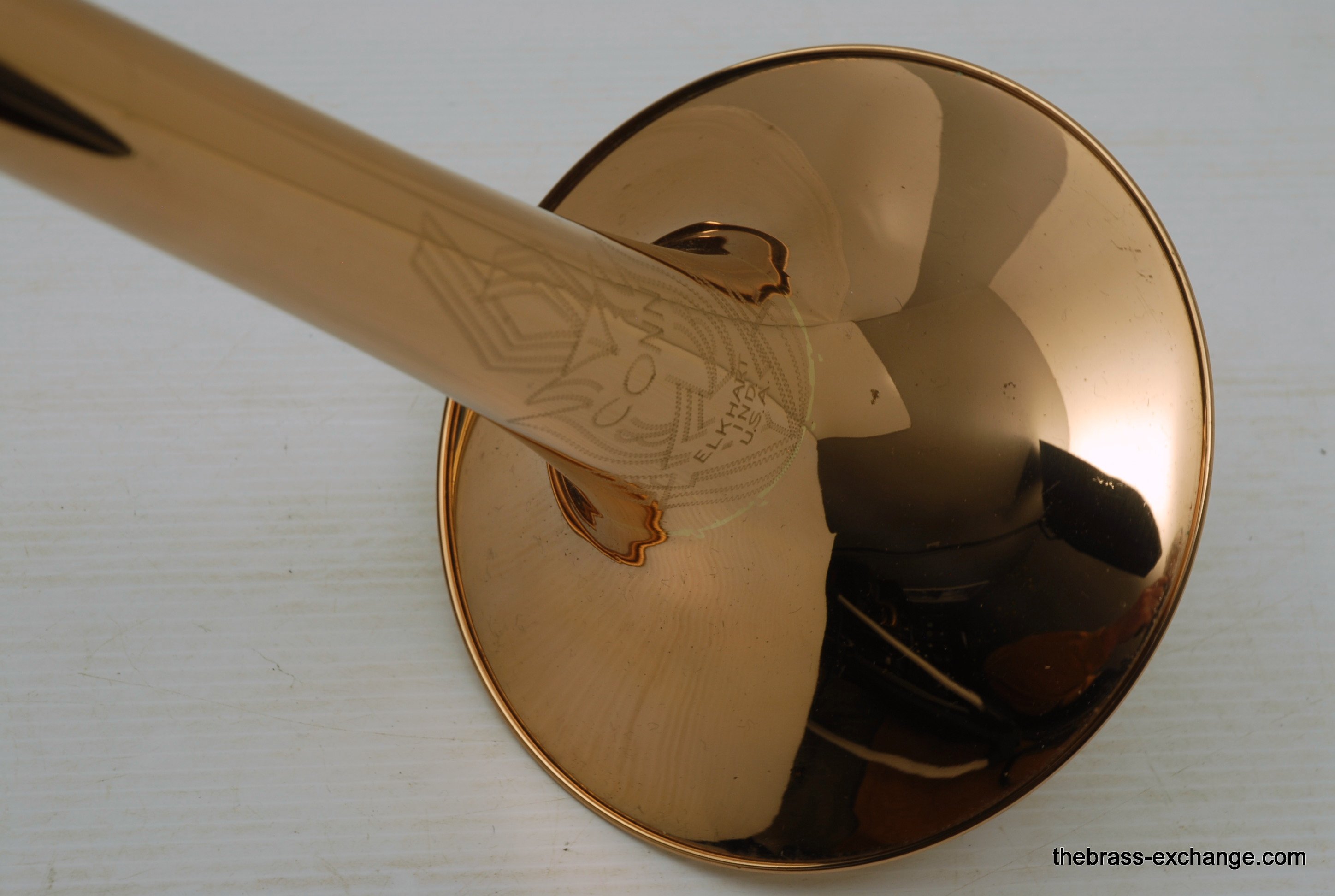
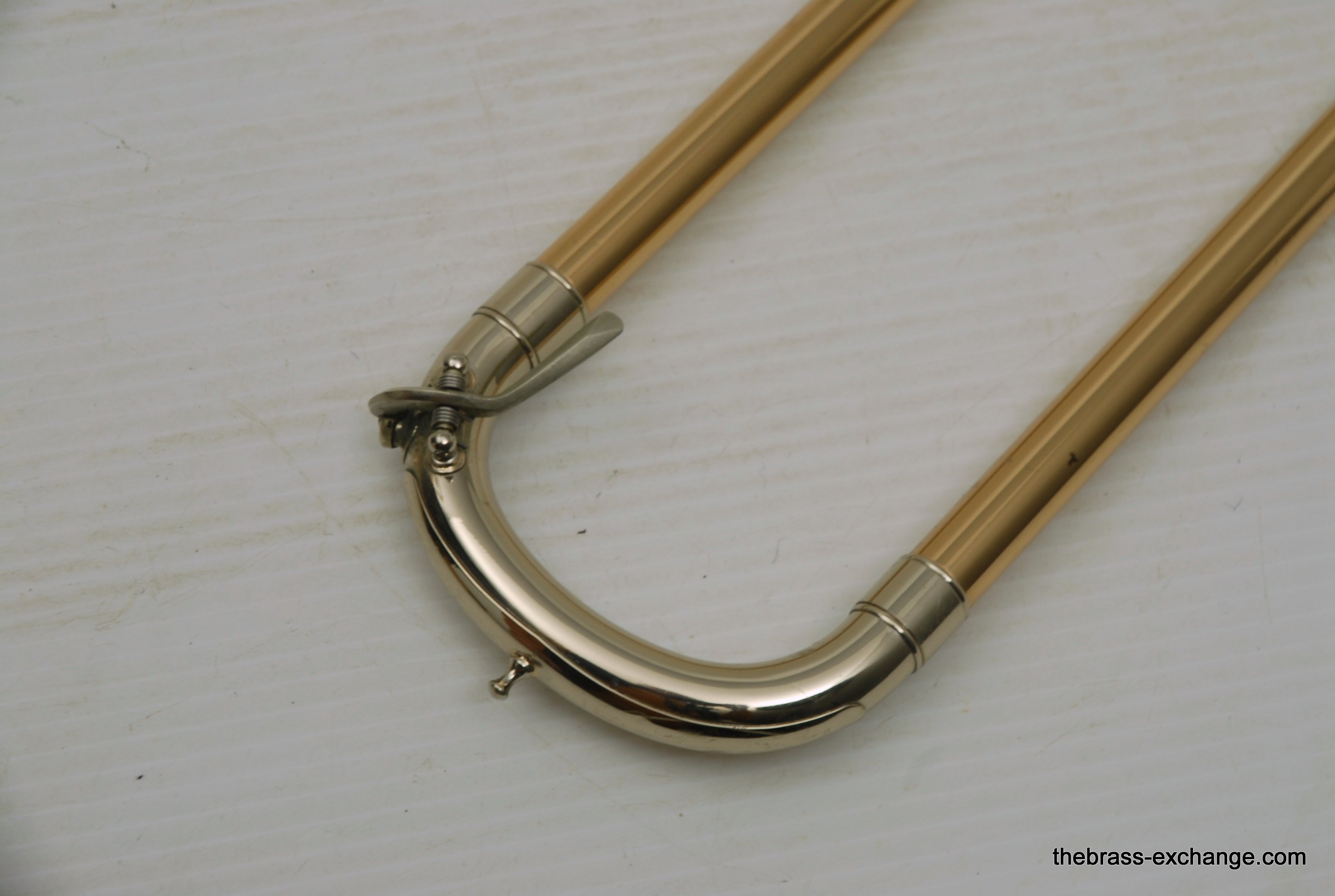
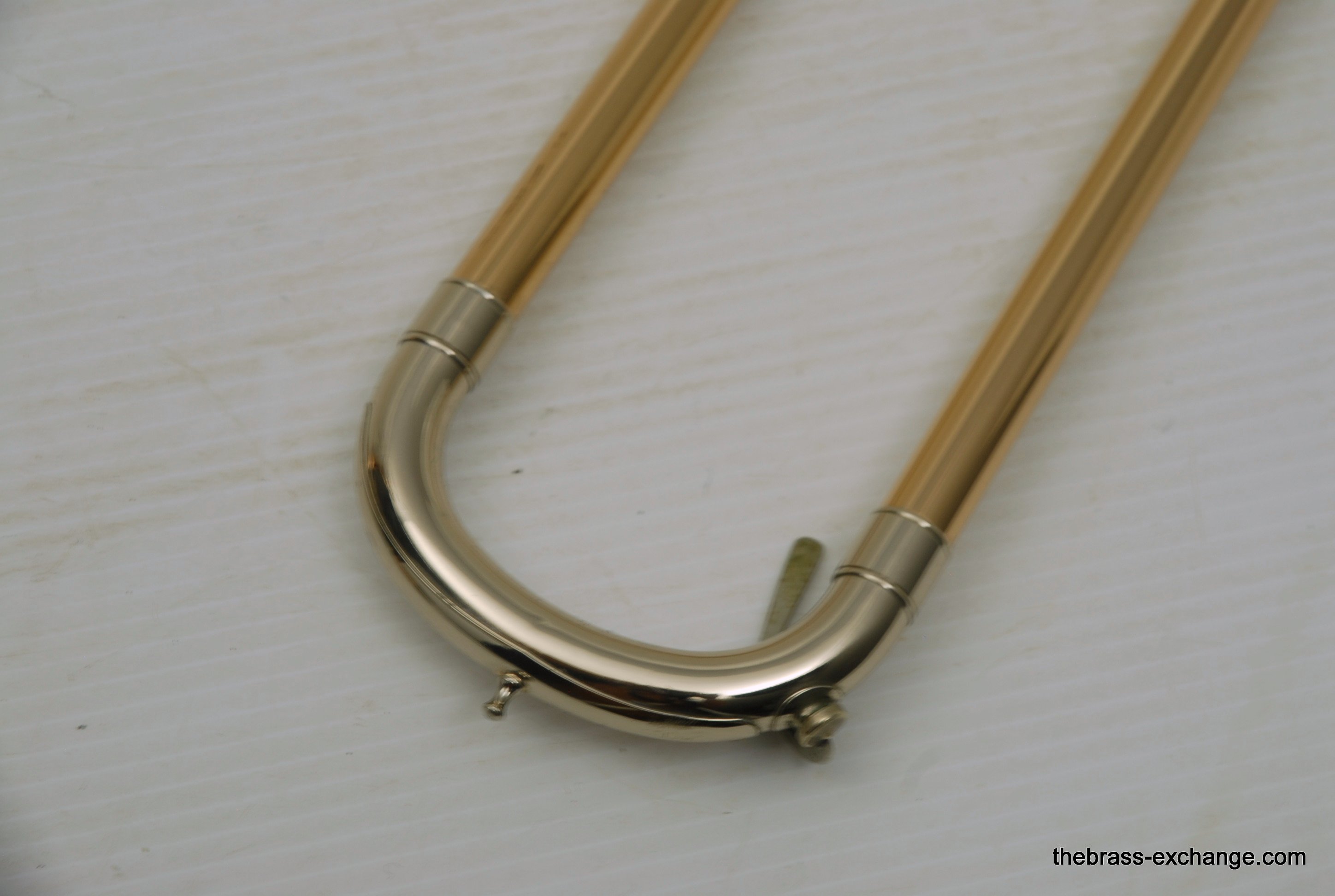
This horn features the classic 8.5" rose brass bell — the same bell profile later used in the 88H, but here paired with a straight .547 slide. The result is the unmistakable Conn character: broad, dark warmth at softer dynamics, with the ability to open up effortlessly when pushed.
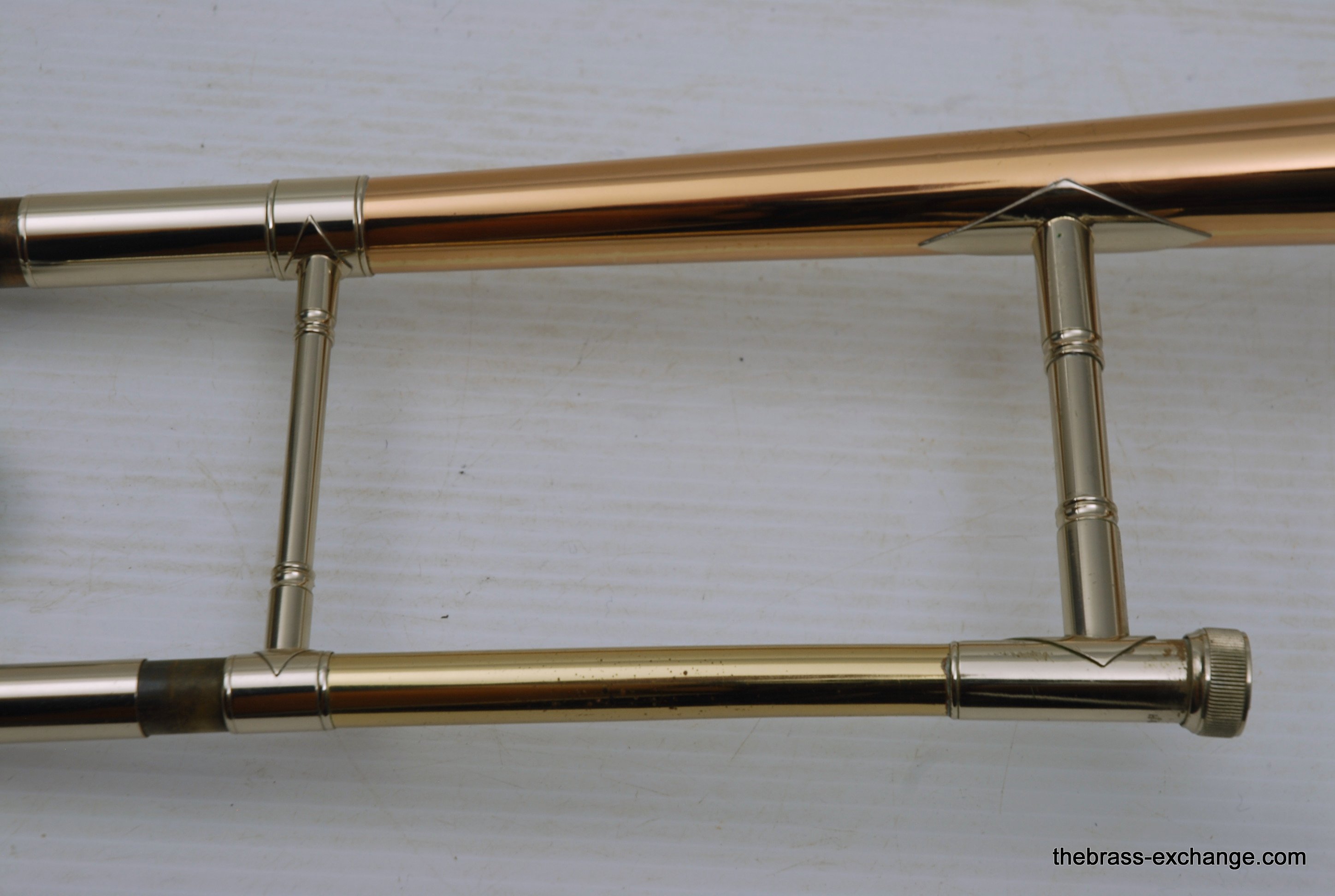
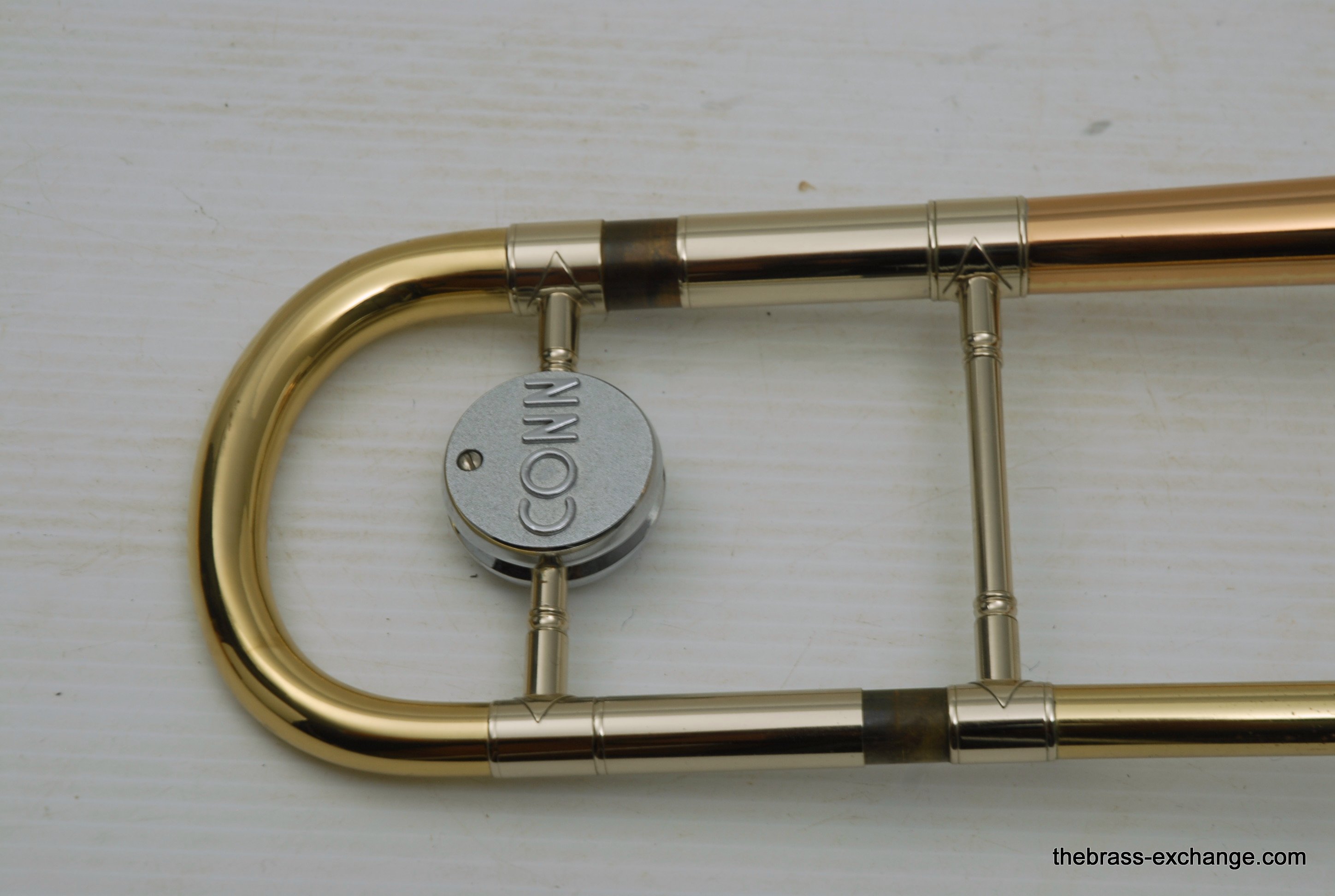
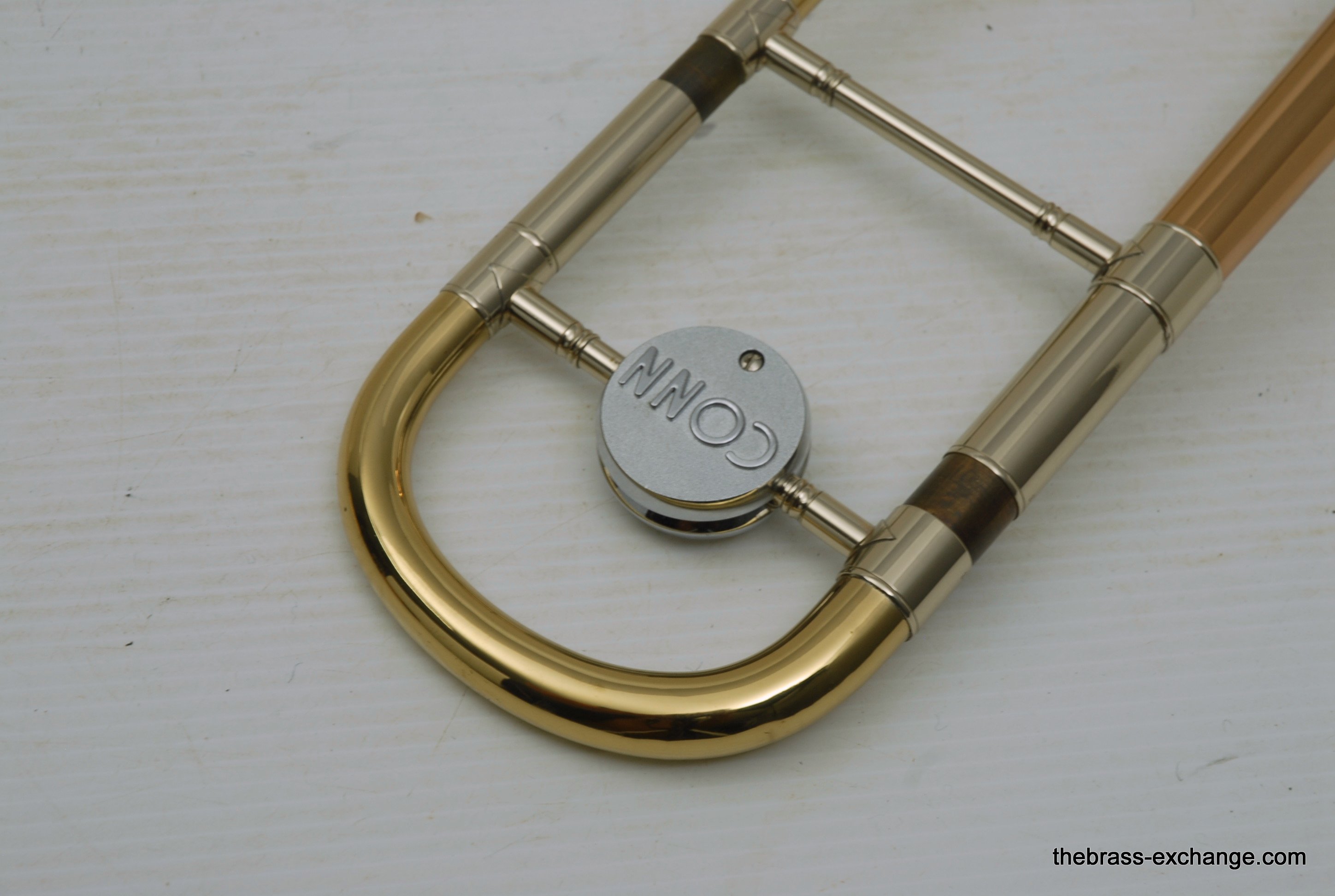
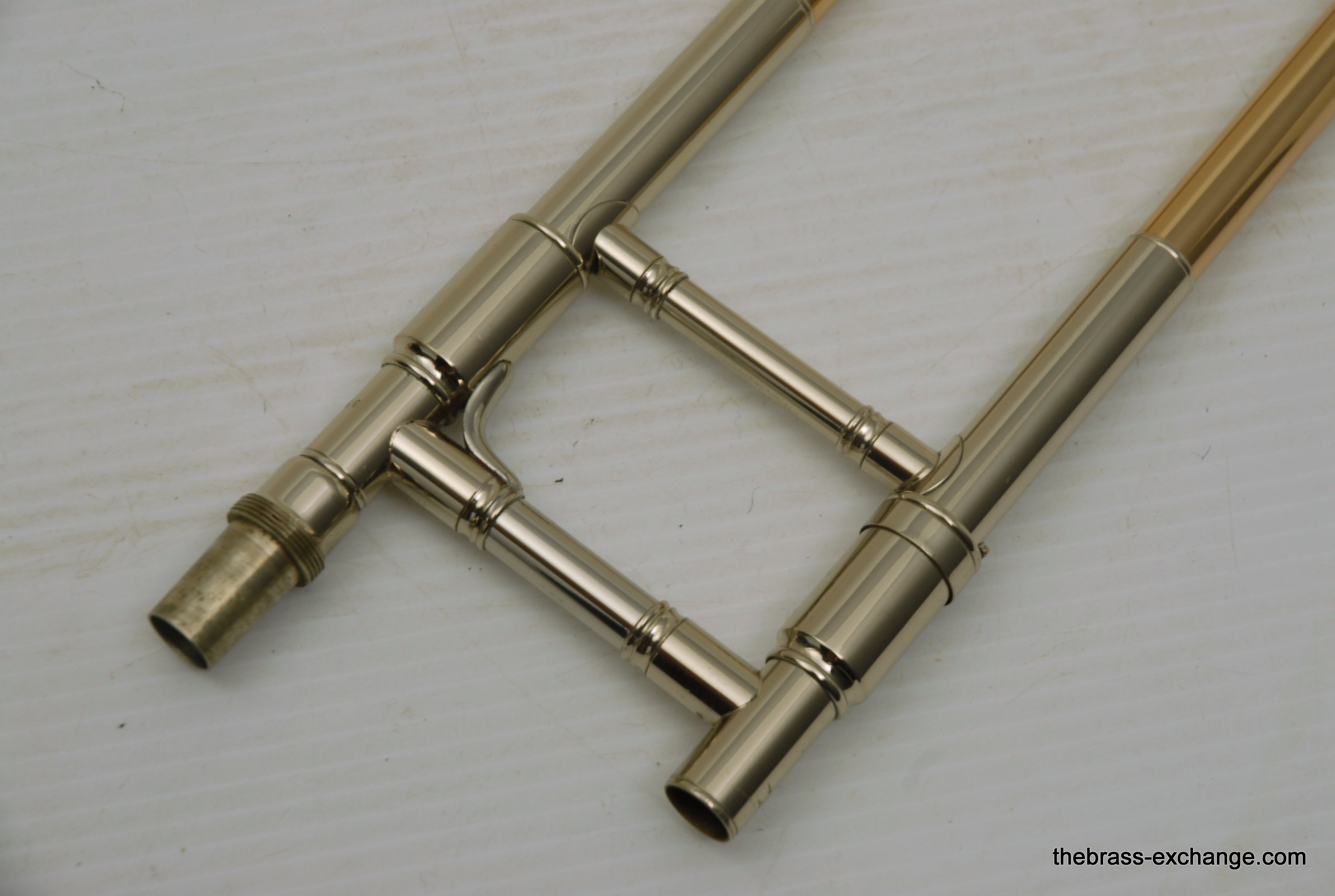
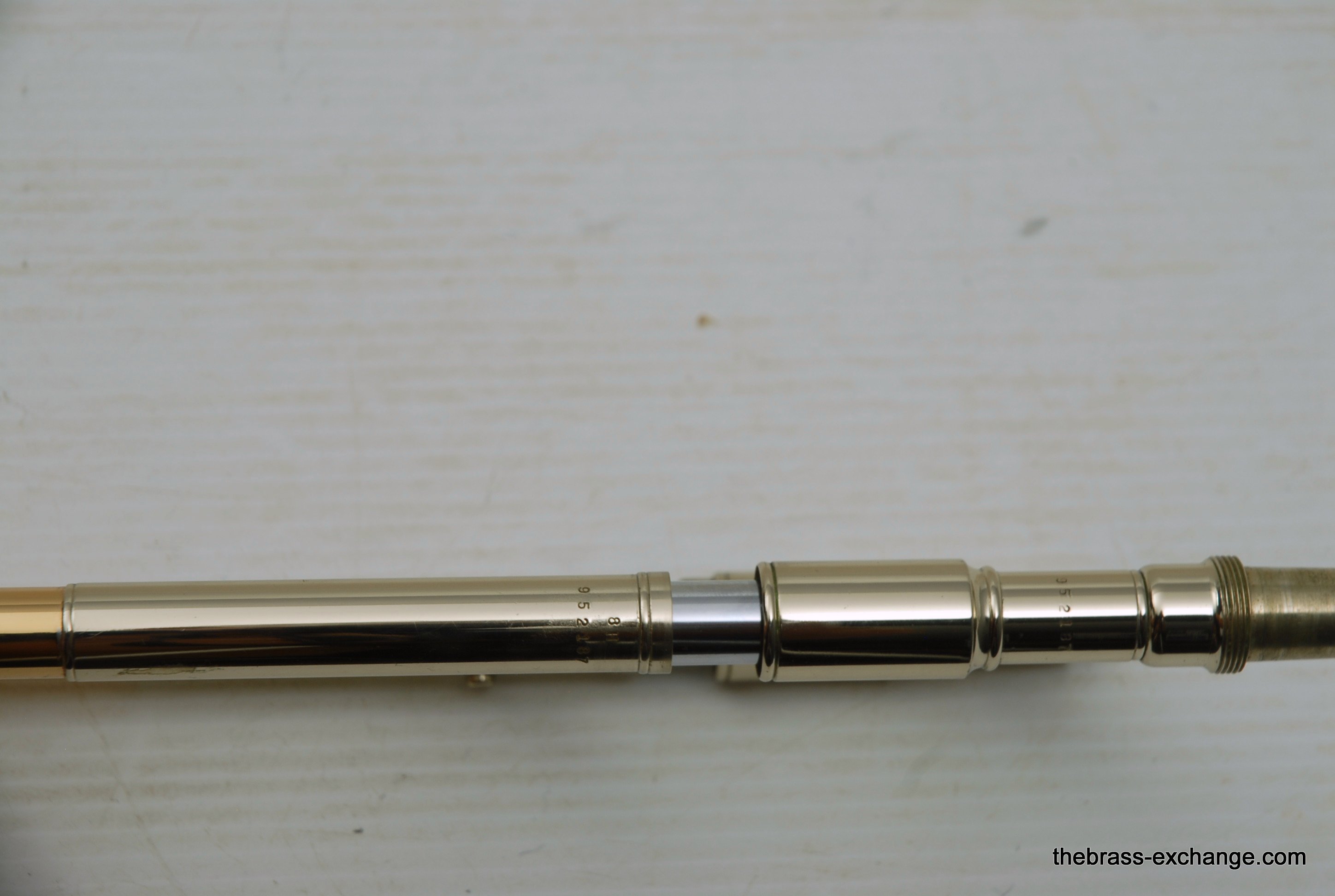
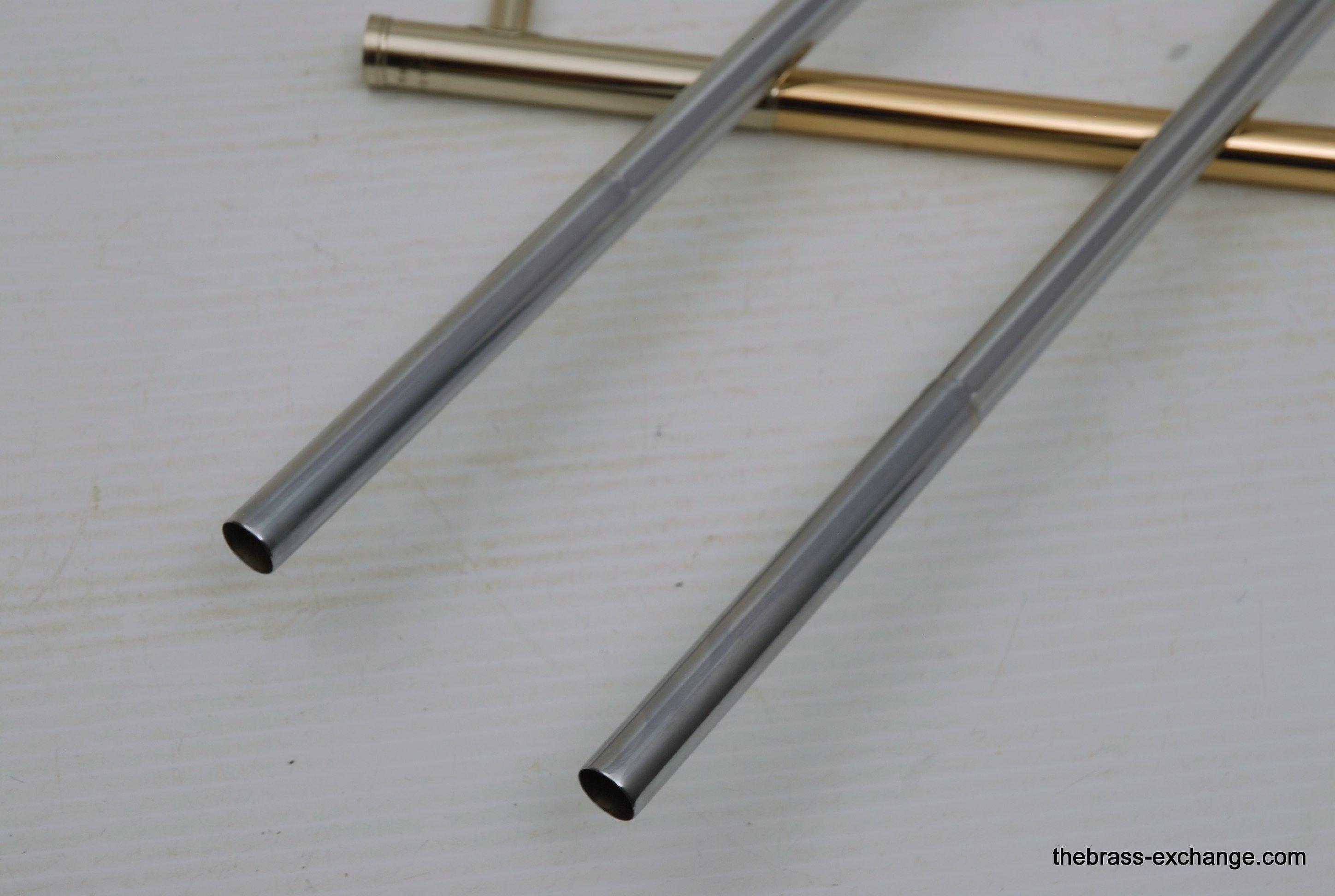
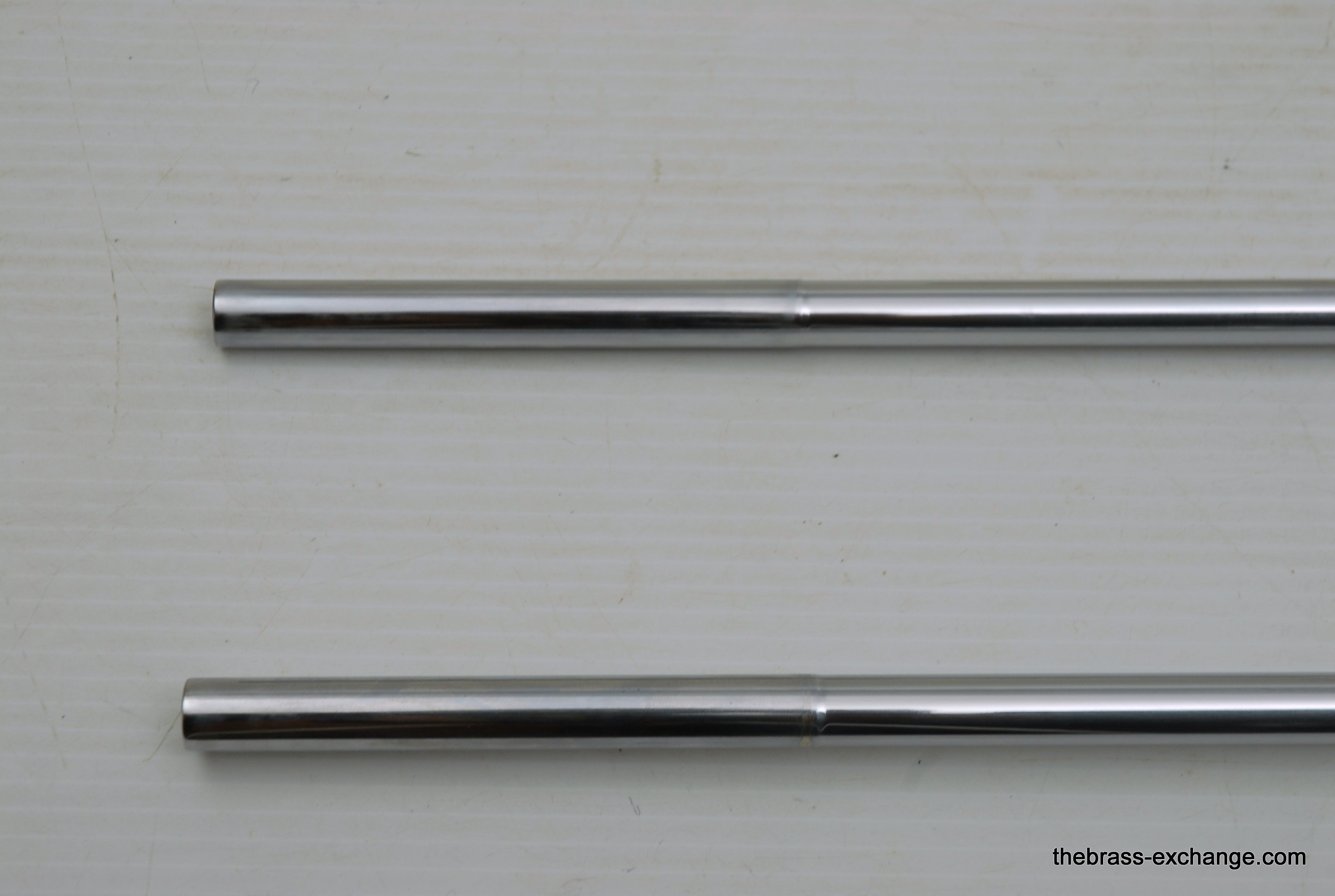
The handslide retains its original gold brass outer tubes and nickel-silver end crook, a hallmark of early-’60s Conn craftsmanship. Inner slide tubes were verified at 100% with proper alignment and tension-free action. Lacquer on both the bell and slide is original and beautifully preserved — increasingly rare for a horn of this age.
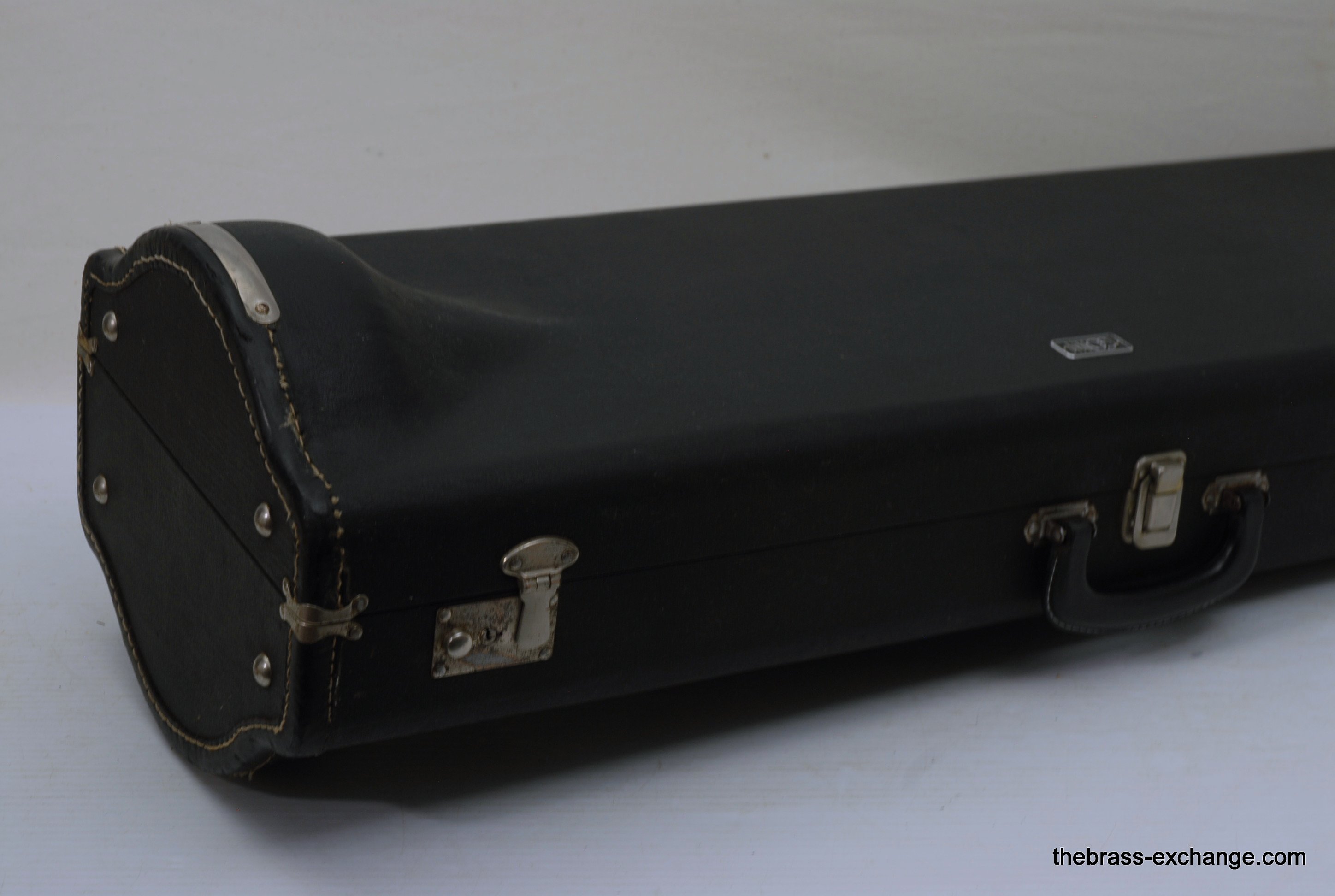
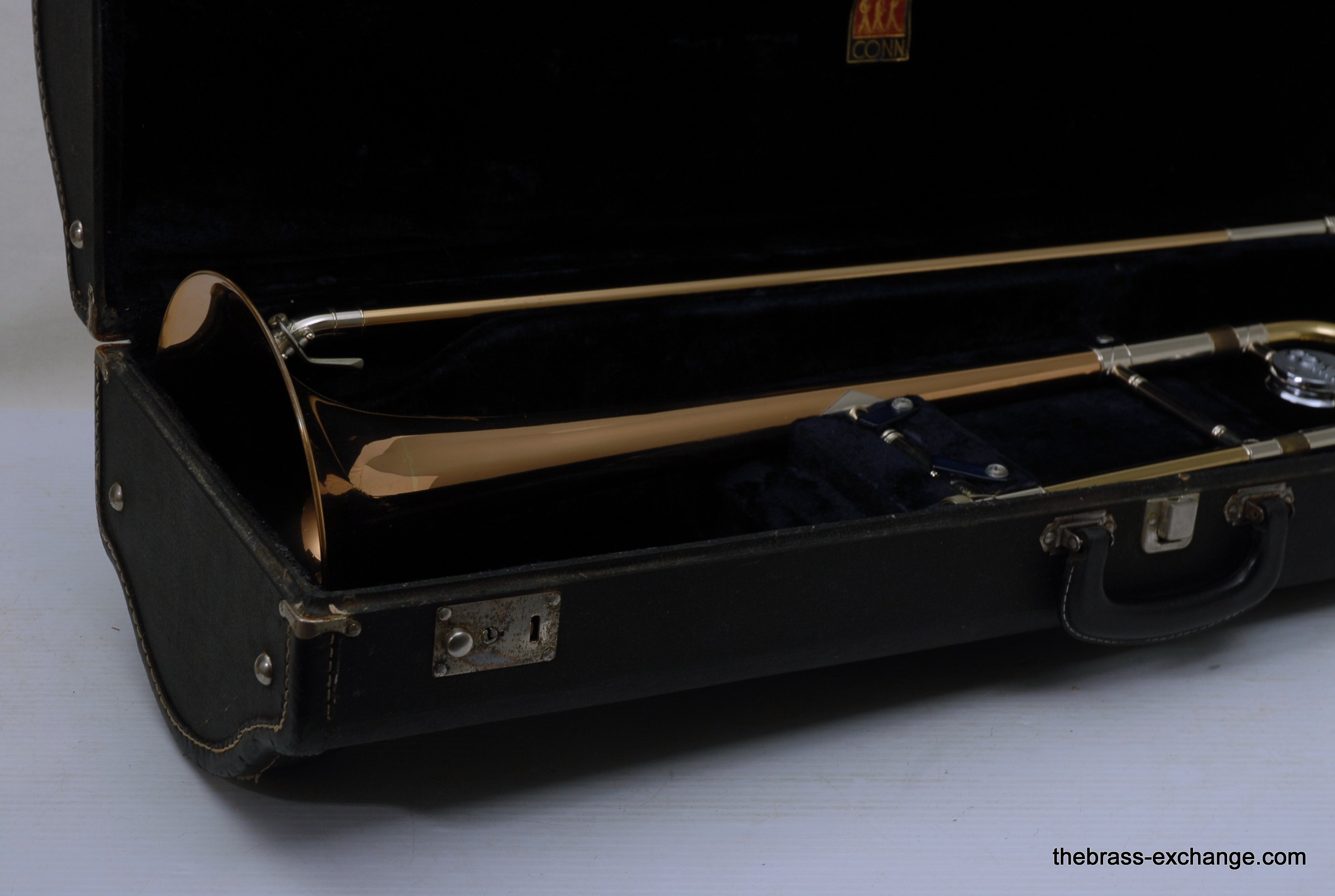
With no evidence of prior damage, dents, patches, or solder repairs, this example stands out as a remarkably intact piece of Conn history. Paired with its original case, this is one of the cleanest early-1960s 8Hs to pass through The Brass Exchange in many years.
Today, the Conn 8H remains the benchmark for players seeking a warm, open, and character-rich straight large-bore tenor. This instrument is now preserved in our Archive of Sold Instruments for long-term reference and research.
✦ Further Notes on the Model
The 8H and 88H share identical bell mandrels; the difference is the valve section, not the bell design.
Elkhart-era rose brass alloy produced a slightly softer, more resonant sound than later production eras.
Original lacquer examples from the early ’60s are increasingly rare due to decades of refinish work.
📸 These images were taken during the early years of The Brass Exchange, before our current fine-art photography workflow. While the style differs from our modern lighting and presentation, they remain an important part of our historical documentation and instrument reference library.
Why did Conn install springs inside the cork barrels on vintage 8H and 88H slides?
Conn’s first-position spring system helped players locate true first position — especially useful on large-bore slides. Some players keep them; others prefer the feel without them. Springs can be removed upon request.
What is the hallmark sound of the Conn 8H?
The 8H is known for its warm, broad, and colorful tone. The rose brass bell contributes depth and warmth, while the straight-tenor configuration provides openness and resonance without the added resistance of a valve. Ideal for orchestral playing, chamber music, and studio work.
How does the Elkhart era differ from later Conn production?
Elkhart horns typically exhibit more hand-finished craftsmanship, softer alloy characteristics, and a “livelier” bell response. Many players consider early-’60s production among the best Conn ever made.
This 1962 Conn 8H has been sold and is now preserved here in our Historical Reference Archive for musicians, collectors, and researchers studying vintage Conn designs.
👉 Browse current trombone listings
👉 Explore the Conn historical archive
🛡️ Trusted Vintage Brass Specialists
The Brass Exchange is committed to accurate historical documentation and professional evaluation of every vintage instrument we handle. Each trombone is inspected, play-tested, and verified for authenticity, with secure packing and dependable support from inquiry to delivery. Our goal is to preserve the history of these classic instruments while helping players find equipment they truly connect with.