


King Silversonic Trombone – Value, History, and Model Differences
The King Silversonic trombone is one of the most recognized vintage brass instruments ever produced—but determining its true market value is not always straightforward.
Prices can vary significantly depending on model (2B, 3B, 4B, 5B, or Duo Gravis), era of manufacture, condition, and how the instrument plays today. Two Silversonics that appear nearly identical can differ dramatically in real-world value.
This guide explains how to evaluate a King Silversonic trombone, what actually drives pricing, and how to interpret the wide range of values seen in the current market.
What Is a King Silversonic Trombone?
The King Silversonic trombone holds a unique place in American brass history. Known for its sterling silver bell and distinctive tonal character, the Silversonic line has long attracted professional players, collectors, and educators.
The term Silversonic refers to King trombones built with a sterling silver bell, rather than traditional brass construction. This was not simply a cosmetic choice—it changes how the instrument projects, carries sound, and responds in a real playing environment.
Over time, King produced Silversonic versions across multiple models—not just the 2B and 3B, but also larger instruments including the 4B, 5B, and Duo Gravis bass trombones. While these instruments share a common identity, their playing characteristics and market perception differ in meaningful ways.
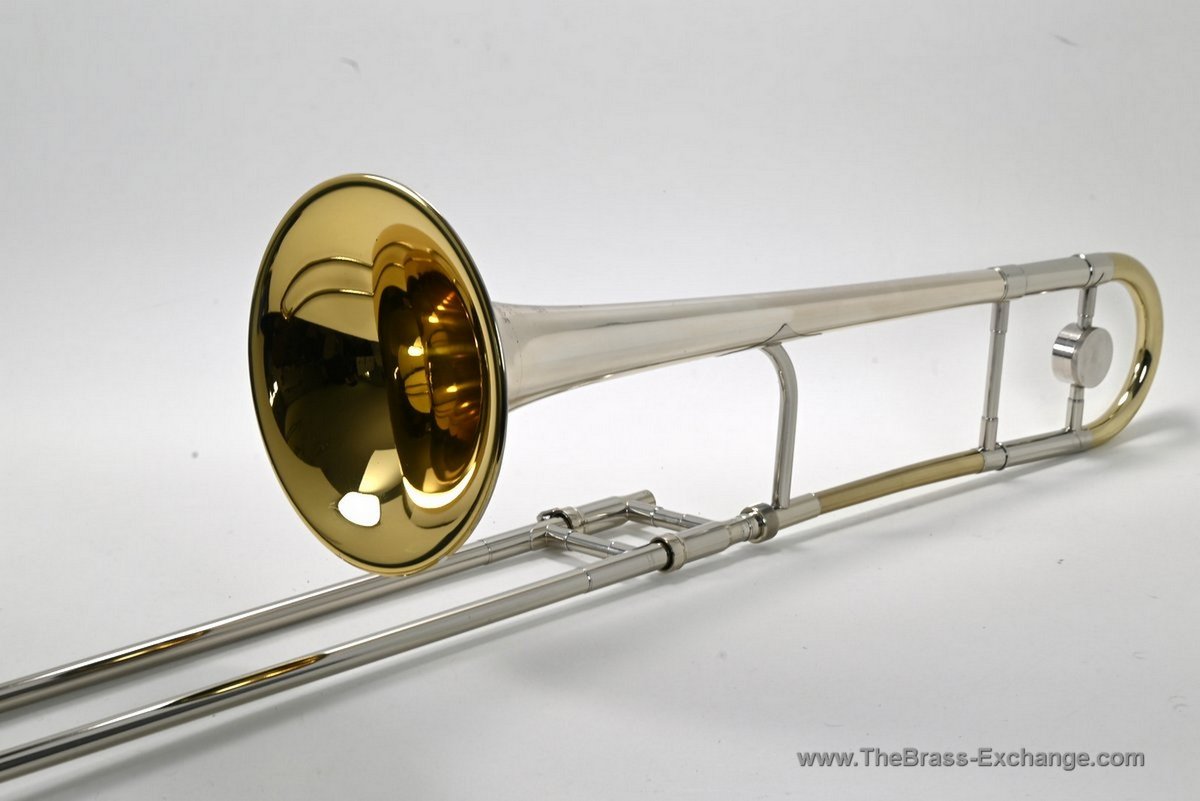

Silvertone vs. Silversonic: What’s the Difference?
One of the most common areas of confusion when researching vintage King trombones is the difference between Silvertone and Silversonic models. While the names sound similar, they refer to different eras and design approaches.
Silvertone models generally refer to earlier King instruments, many of which also featured sterling silver bell construction. These horns are often associated with the H.N. White era and can be highly desirable, particularly among collectors and players who prefer earlier build characteristics.
Silversonic, on the other hand, became the more widely recognized branding used by King for trombones with sterling silver bells across multiple models, including the 2B, 3B, and larger bore instruments. These are the instruments most commonly referenced today when discussing King silver bell trombones.
- Silvertone = Earlier era, often less standardized across models
- Silversonic = Later and more consistent branding used across the King lineup
It’s also important to note that not all King trombones with a silver appearance are sterling silver. Some instruments are simply silver-plated brass, which can look similar visually but behaves very differently from a true sterling silver bell.
👉 For example, an early Silvertone like this King 2B Silvertone H.N. White Vintage 1947 represents the earlier lineage, while later Silversonic models evolved into the more standardized configurations seen in the 2B and 3B families.
Because of these differences, values can vary widely depending on era, originality, and how clearly the instrument fits within known production patterns. When evaluating a vintage King trombone, correctly identifying whether it is a Silvertone, Silversonic, or silver-plated model is an important first step.
King 3B Silversonic
The King 3B Silversonic is one of the most recognized models in the Silversonic family. Built on the familiar 3B platform, it pairs a medium-bore slide with a sterling silver bell, producing a sound with strong core, clarity, and noticeably increased energy compared to brass bells.
The 3B Silversonic has been widely used in:
- Big band lead settings
- Commercial and studio work
- Section playing where projection and clarity are critical
Sterling silver bells behave differently than brass. From the listener’s perspective, the sound tends to carry further with more clarity at distance, while from the player’s side, it can require more energy to fully resonate. When properly driven, the result is a level of tonal energy that is difficult to replicate with traditional brass construction.
👉 A strong example like this King 3B Silversonic H.N. White 1965 sold in the $3000 range, reflecting both condition and playability.
Because production spanned multiple eras, not all 3B Silversonics are equal in value. Era of manufacture, condition, originality, and setup all play significant roles in how an individual instrument is evaluated.
King 2B Silversonic
The King 2B Silversonic serves a different musical role within the same family. Built on the smaller dual-bore 2B platform, it produces a more compact, centered sound that is closely associated with lead, first trombone, and solo playing.
The 2B Silversonic is commonly favored for:
- Lead trombone work
- Small group jazz settings
- Solo playing and commercial work
While often compared directly to the 3B, the 2B is not a lesser instrument—it is simply designed for a different application. In terms of market value, strong examples of 2B and 3B Silversonics are often comparable, with differences driven more by condition, era, and player demand than model hierarchy.
👉 A clean H.N. White-era example like this King 2B Silversonic H.N. White Era 1960 sold in the $2200 range, depending on originality and slide condition.
Other Silversonic Variants
Beyond the 2B and 3B, King produced a broader range of Silversonic instruments that are often overlooked but highly relevant in today’s market.
These include:
- 3BF Silversonic (F-attachment models) – An example like this King 3BF Silversonic Mid-1970s Tenor Trombone sold in the $2500 range, depending on condition and setup.
- Model 1485 Symphony Silversonic – Earlier large-bell designs with unique build concepts. A strong example such as this King Silversonic 1485 Tenor Trombone also sold in the $2500 range, reflecting both rarity and player demand.
- 4B Silversonic (large bore tenor) – Less commonly seen in sterling silver configuration, these instruments appeal to players seeking a broader, more orchestral sound.
- 5B Silversonic (large bore tenor) – A well-preserved example like this King 5B Silversonic Super Mint Closet Queen represents the upper end of large bore tenor Silversonic offerings.
- Duo Gravis (6B) Silversonic bass trombone – Full bass configurations with sterling bells, designed for symphonic and large ensemble use. A strong example such as this King 6B Sterling Silver Duo Gravis reflects the specialized nature of these instruments in today’s market.
👉 Larger or more specialized models tend to trade differently; for example, a well-prepared 5B or 6B Silversonic example may fall into the $2000–3000 range, possibly more, depending on configuration, condition, and how the instrument performs in a real playing environment. Instruments that have been fully serviced and set up for professional use—such as those offered through a curated shop—often command higher values than examples with visible wear, damage, or deferred maintenance requiring repair to reach full playing condition.
Why King Silversonic Values Vary So Widely
One of the most common questions is why two King Silversonic trombones can differ so dramatically in value. The answer comes down to a combination of real-world factors:
- Era of manufacture
- Condition
- Originality
- Professional setup
- Model and configuration
- Current player demand
Because of these variables, there is no single “book price” that accurately reflects every Silversonic trombone. Real-world value is determined by how a specific instrument performs within its intended musical context.
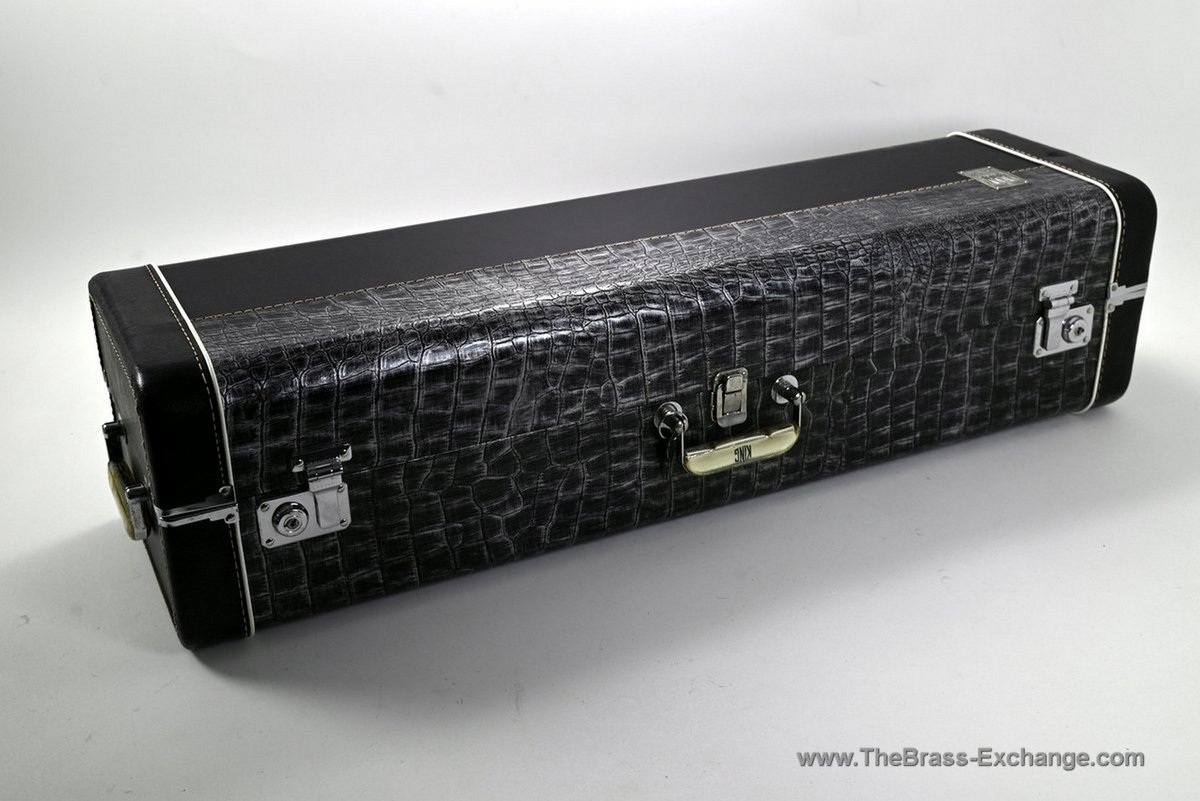
King Silversonic Trombones in Our Archive
Many King Silversonic trombones that appear in search results are no longer available for purchase. Once sold, these instruments become part of our Archive of Sold instruments, where they are preserved as historical reference examples.
Sale prices are not displayed publicly in the archive. This helps prevent misinterpretation of value, as each instrument’s context — condition, originality, and timing — plays a critical role in how it was evaluated at the time of sale.
Looking to see more examples of Silversonics? 📚 Historical Archive — The Brass Exchange 👉
Researching or Evaluating a King Silversonic?
Whether you are researching a King Silversonic you own, considering purchasing one, or trying to understand where a particular example fits within the broader market, context matters.
We regularly assist:
- Players comparing models or eras
- Collectors researching originality
- Estates and educators seeking valuation guidance
If you have questions about a specific King Silversonic trombone, feel free to reach out.
📞 Phone: 314-616-1434
✉️ Email: info@thebrass-exchange.com
📌 Archive Reference & Next Steps
This page is intended as a long-term reference for players and researchers. Individual Silversonic trombones shown elsewhere on the site may be sold and archived, but this guide remains as a stable point of context.
Looking for real-world examples? 👉 Browse our Archive of Sold trombones 🔎
Considering a valuation? Contact us for a valuation and explore your options ✍️
About The Brass Exchange
Founded in 2010 by trombonist and owner Doug Bert, The Brass Exchange specializes in professional and vintage brass instruments. Our work is rooted in hands-on evaluation, historical knowledge, and a commitment to preserving accurate reference material for the brass community.