


Overview
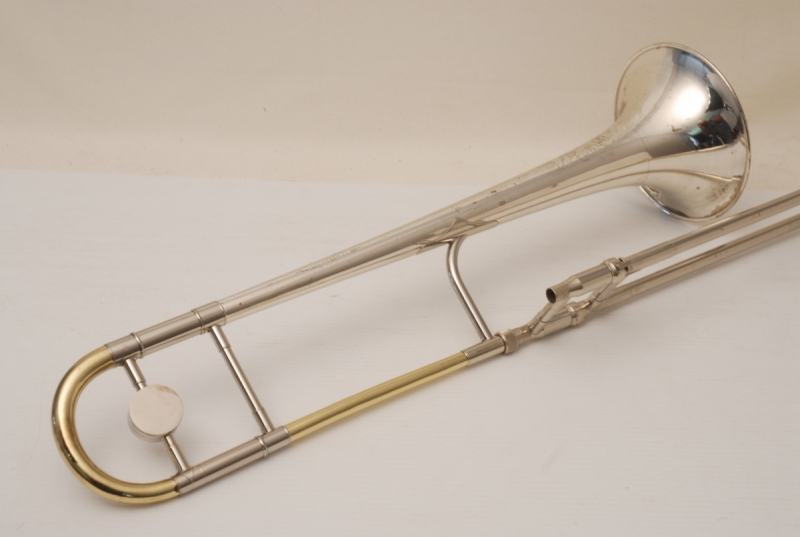
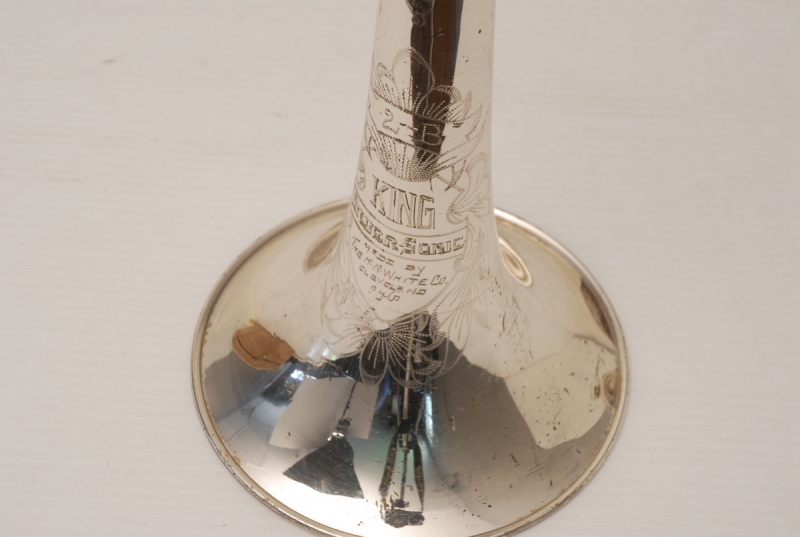
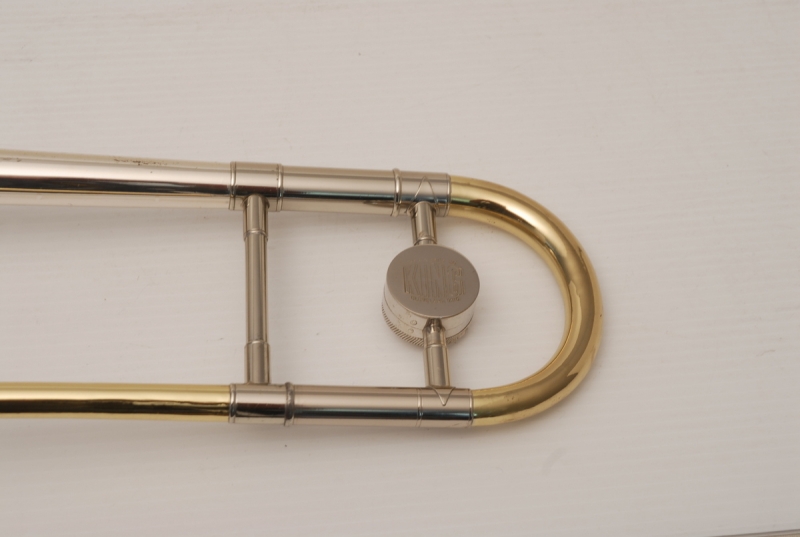
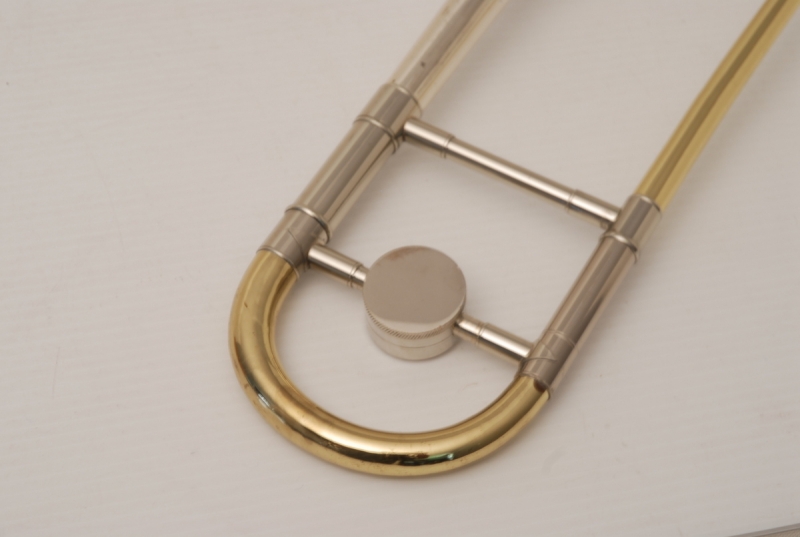
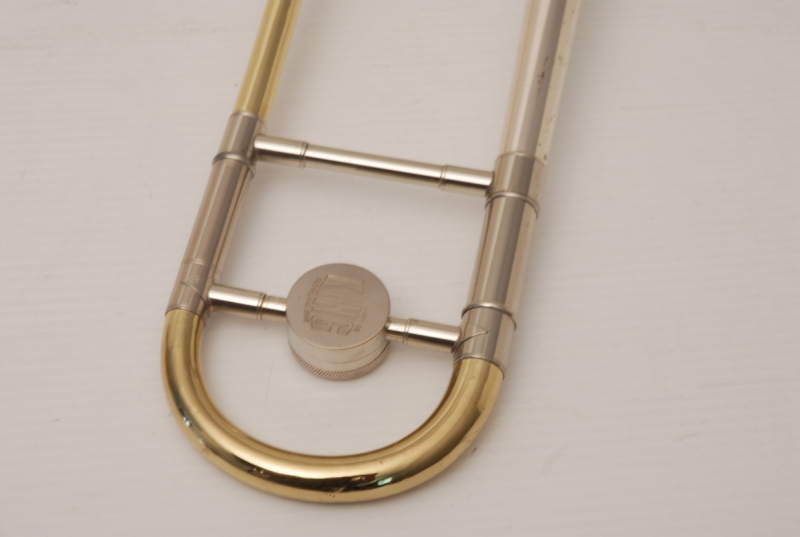
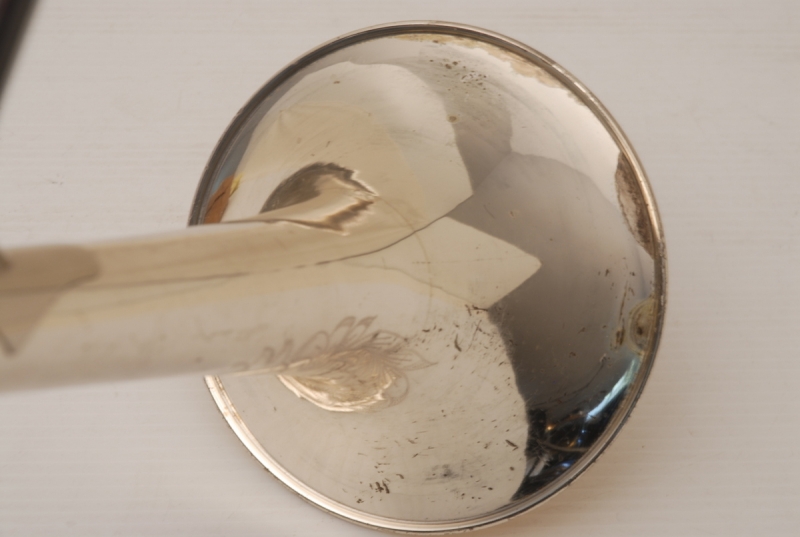
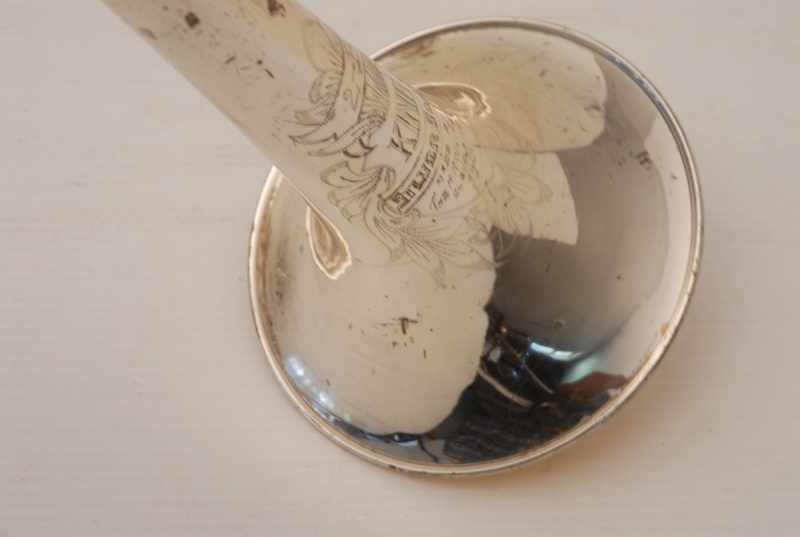
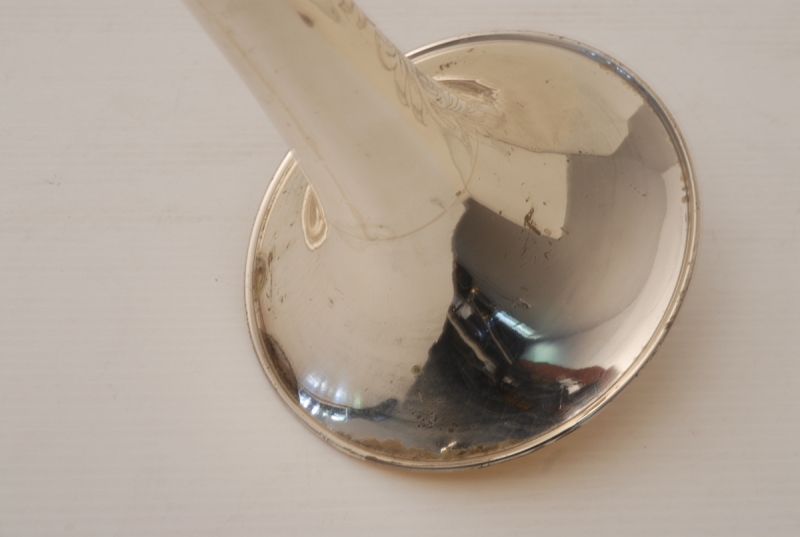
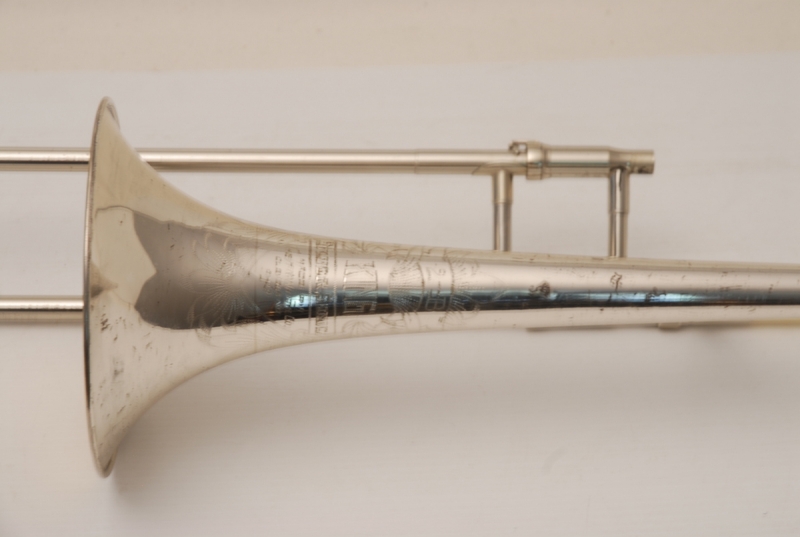
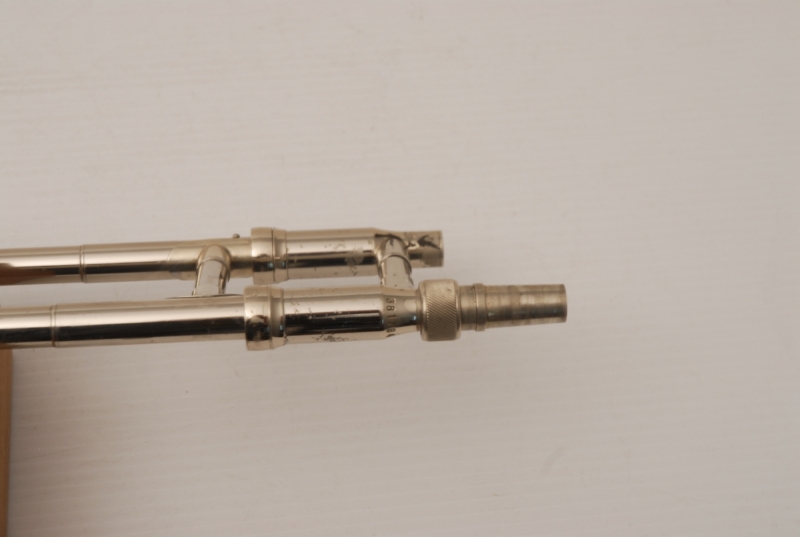
The King 2B Silversonic from the H.N. White era represents one of the most refined versions of the classic King small-bore design. Built in Cleveland, Ohio in 1960, this model features a sterling silver bell paired with the traditional dual-bore 2B handslide, offering a compact, centered sound with added tonal energy when fully engaged.
While many players associate the 2B strictly with the Tommy Dorsey-style small-bore jazz instrument, the Silversonic variant introduces a different layer of performance. The sterling silver bell does not simply brighten the sound—it changes how the instrument projects. When played with sufficient energy, the sound carries further and maintains clarity at distance in a way that differs from standard brass bells.
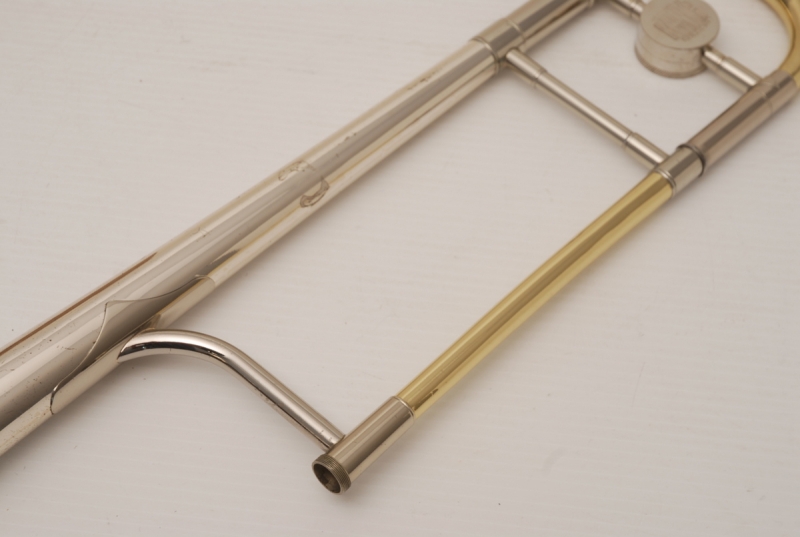
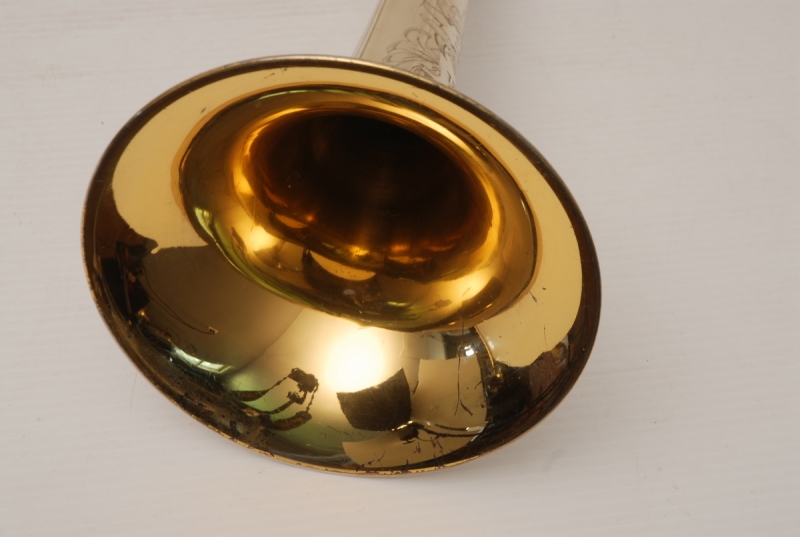
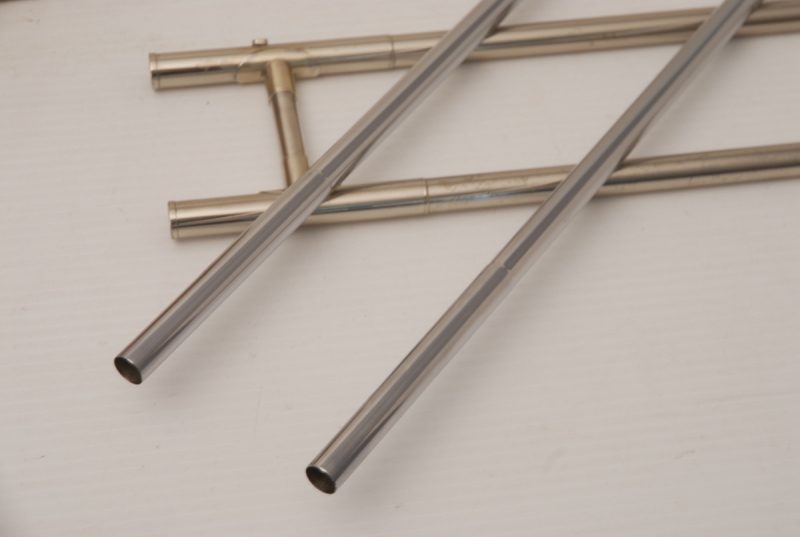
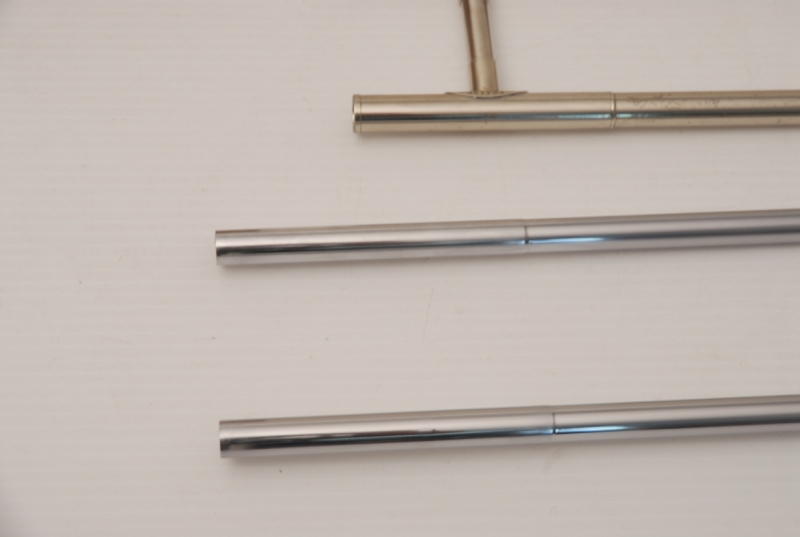
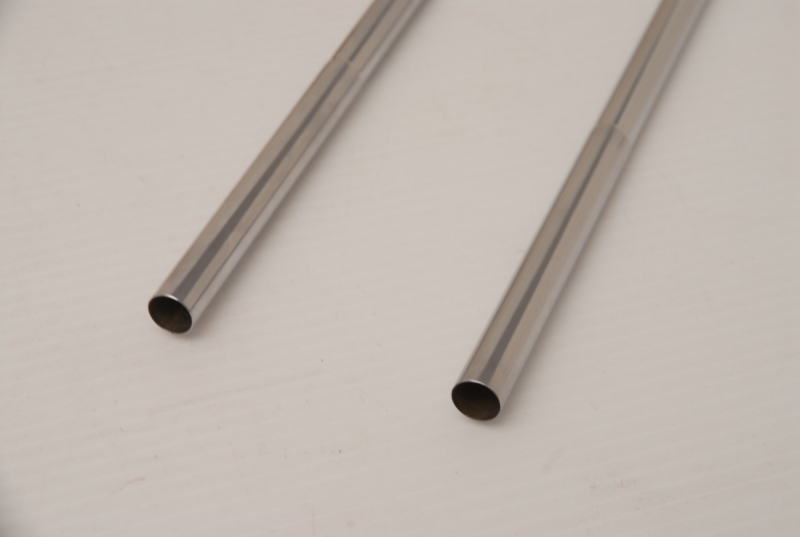
This example remains fully original, with all parts and lacquer intact at the time of acquisition. The instrument received full in-house service, including chemical cleaning, precision slide alignment, and internal tube polishing to ensure smooth, consistent action.
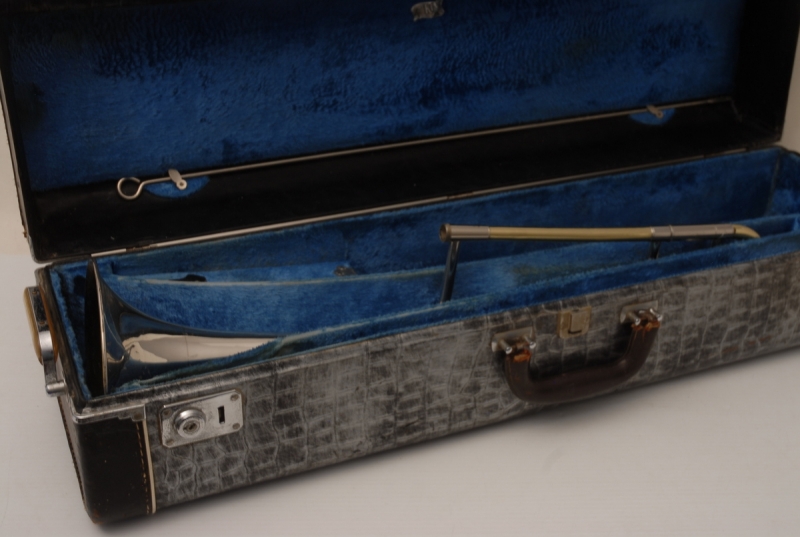
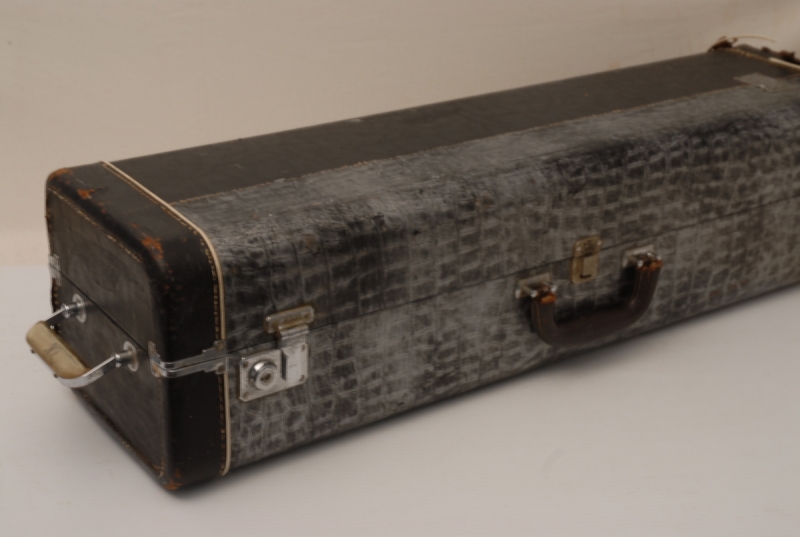
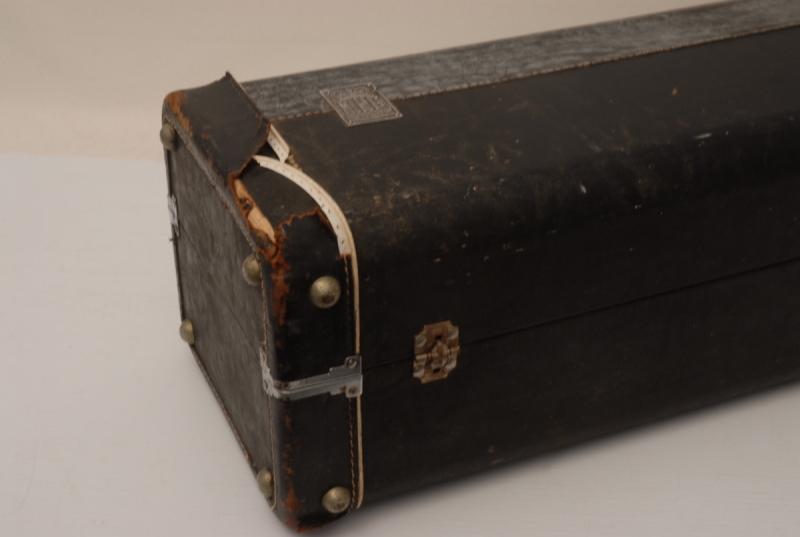
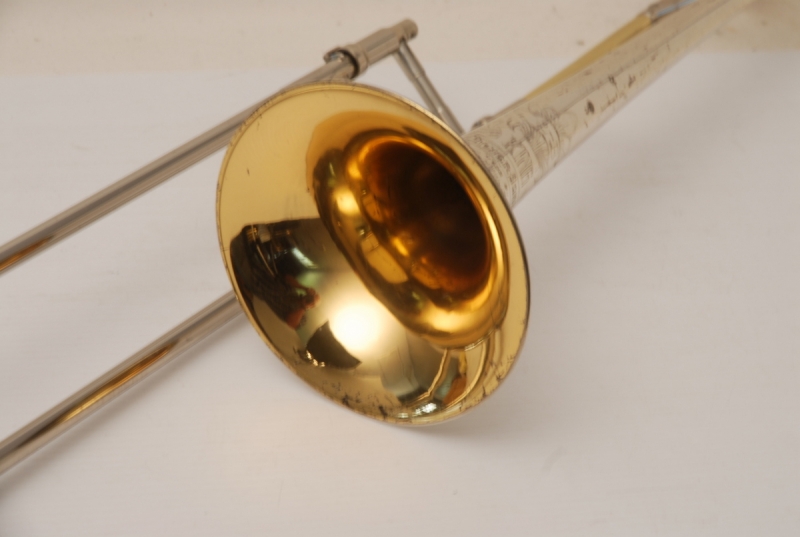
The bell was in the process of professional lacquer removal and re-application to preserve the integrity of the sterling silver flare. Updated photography would reflect the restored finish upon completion. The instrument includes its original King case.
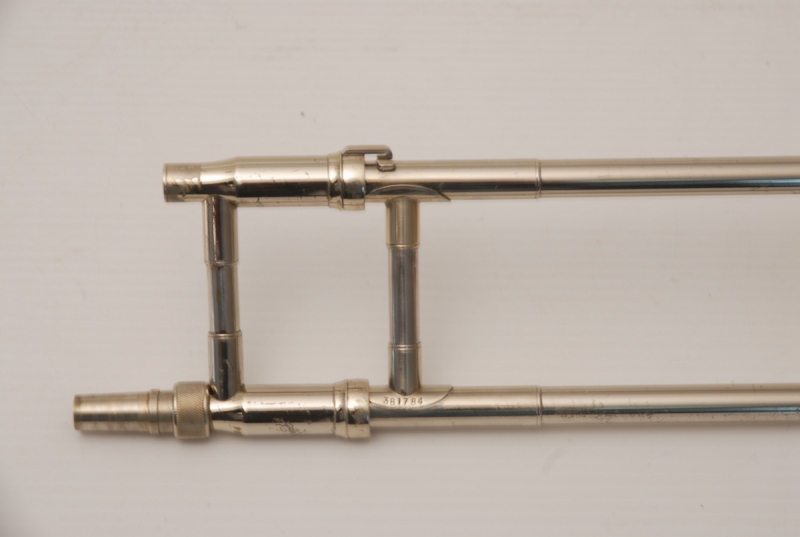
The dual-bore (.481/.491) handslide, compact wrap, and Silversonic construction combine to create a playing experience that is immediate, focused, and highly controlled—well suited for lead work, solo playing, and any setting where clarity and projection are essential.
What Makes the H.N. White Era 2B Silversonic Unique?
H.N. White-era King trombones are widely regarded by players as some of the most desirable examples ever produced. In the case of the 2B Silversonic, that appeal comes from a combination of build quality, material choice, and consistency of response.
It is also important to understand that the “2B” designation originally referred to a dual-bore slide design—not strictly the smaller Dorsey-style concept it later became known for. Earlier Silversonic examples occasionally appear with variations that challenge modern assumptions about the model, reinforcing the idea that these instruments were part of an evolving design language rather than a fixed specification.
For players and collectors, H.N. White examples tend to hold stronger appeal due to their construction quality and playing characteristics. However, as with any vintage instrument, condition, originality, and setup ultimately determine value.
Sterling Silver vs Brass – What’s the Difference?
A common misconception is that a sterling silver bell simply produces a brighter sound. In practice, the difference is more complex.
Sterling silver bells:
- Require more input energy from the player to fully resonate
- Produce greater tonal energy when activated properly
- Project with clarity over longer distances
- Offer a distinct response compared to traditional brass bells
Both materials are excellent, but they reward different approaches from the player. The Silversonic is often favored by those willing to put in the energy required to unlock its full potential.
🔧 Availability & Archive Status
This instrument has been sold and is now part of our Archive of Sold instruments. It is preserved here as a reference example for players, collectors, and those researching vintage King trombones.
📌 Archive Reference & Next Steps
This King 2B Silversonic is part of a broader historical record documenting the evolution of King trombone design.
Looking for similar instruments? 👉 Browse our current trombone listings 🔎
Considering selling a vintage King? Contact us for a valuation and explore your options ✍️
About The Brass Exchange
Founded in 2010, The Brass Exchange specializes in professional and vintage brass instruments. Our archive reflects years of hands-on evaluation, offering players and collectors accurate, experience-based insight into the instruments they research and play.