


✦ Historical Perspective
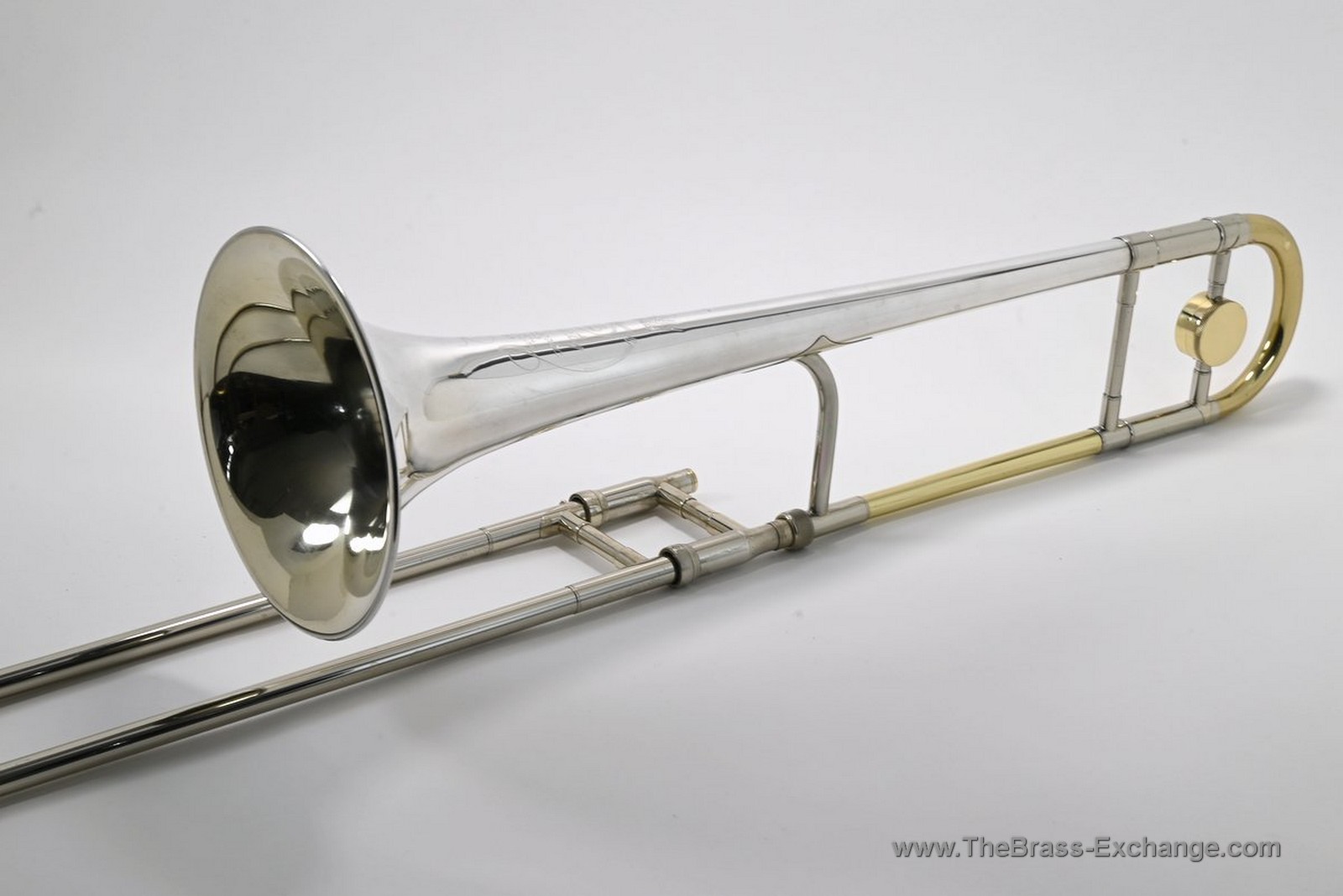
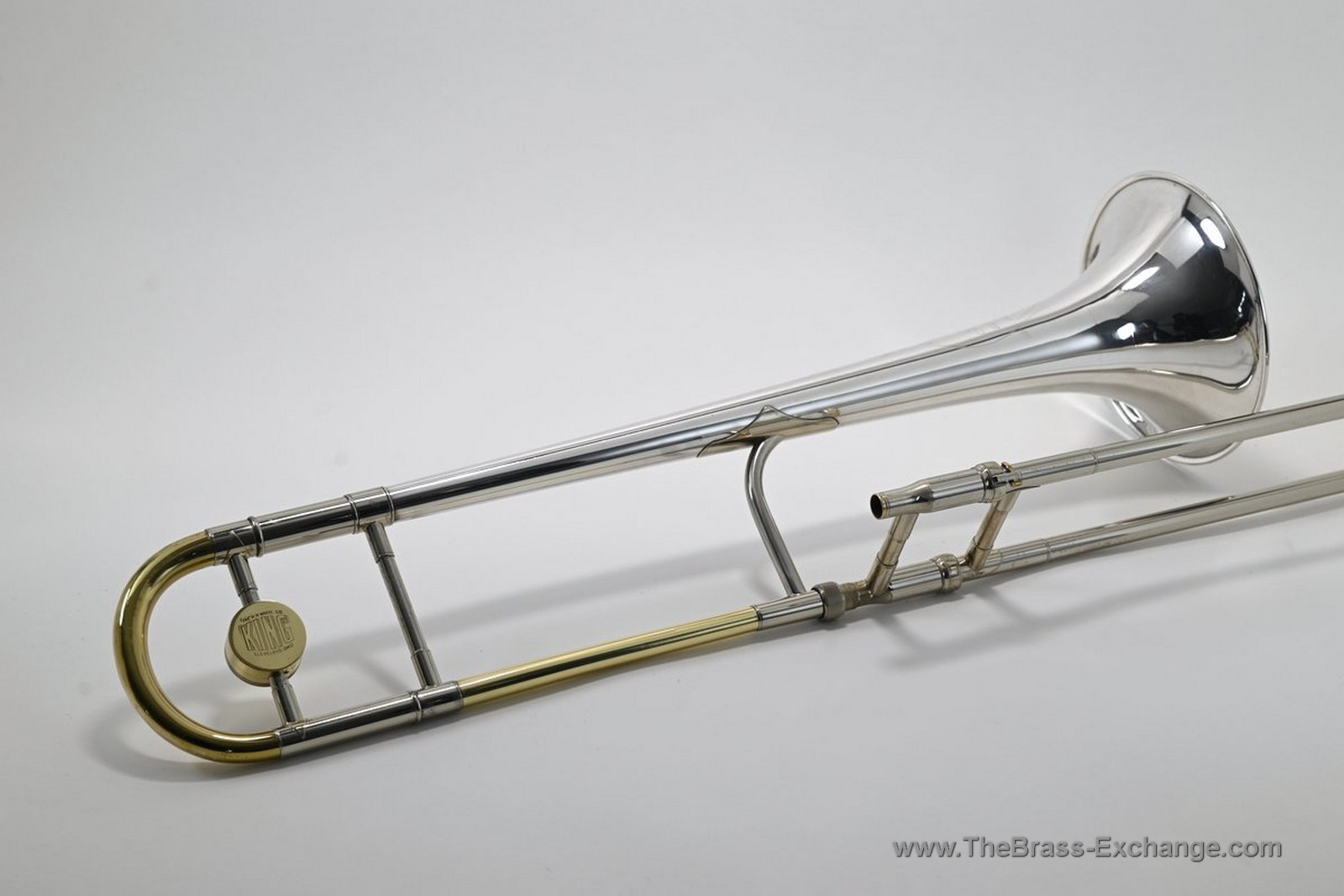
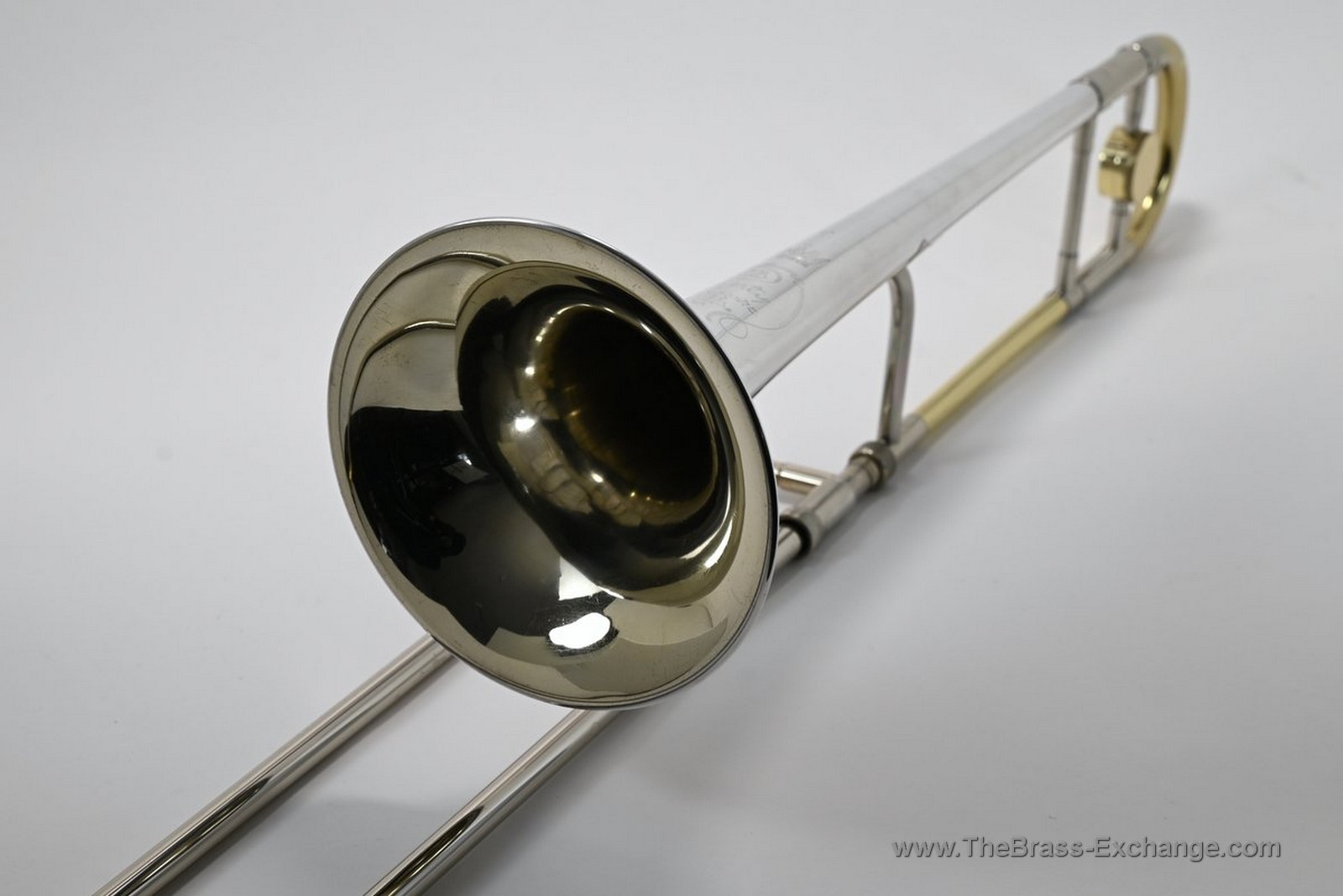
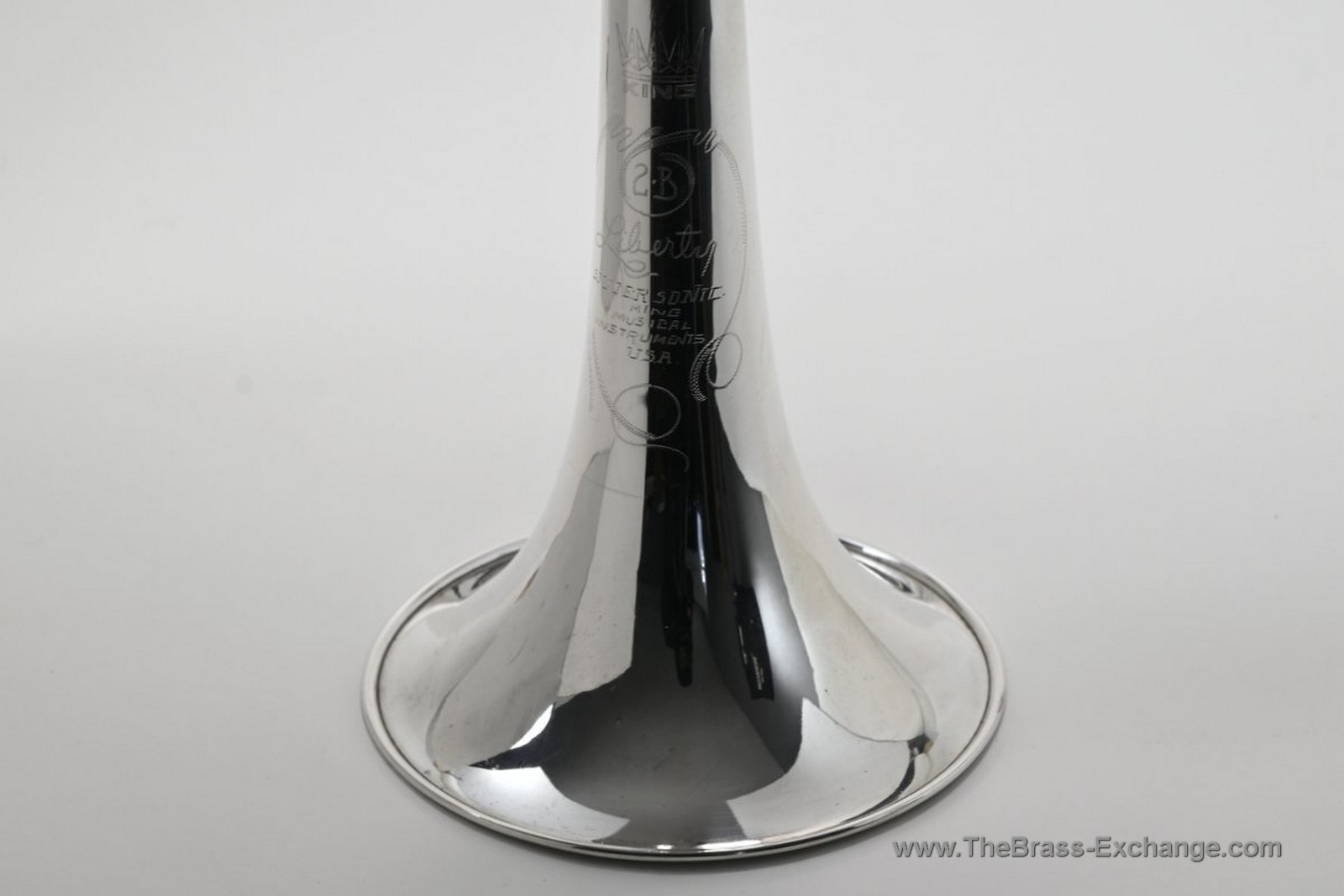
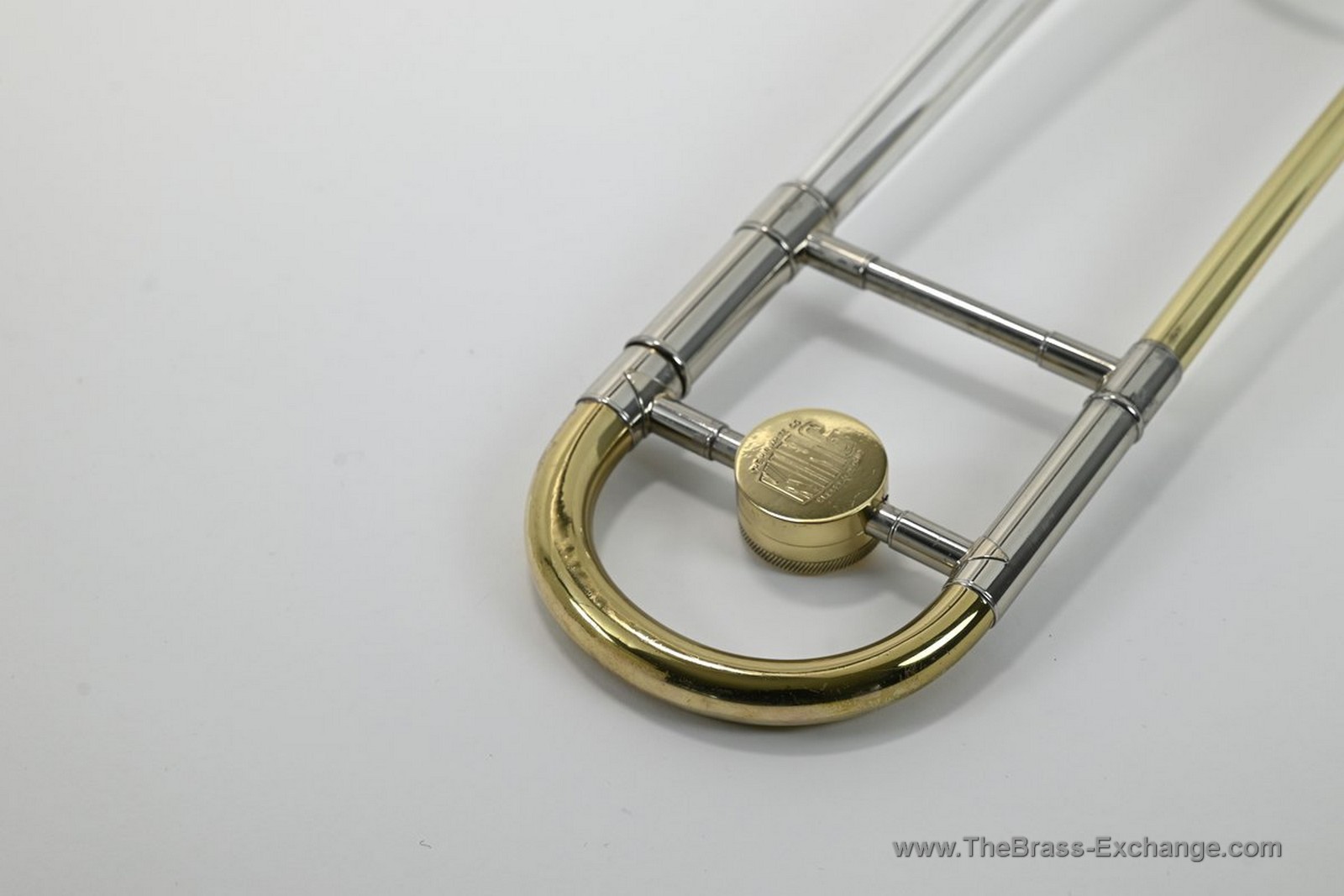
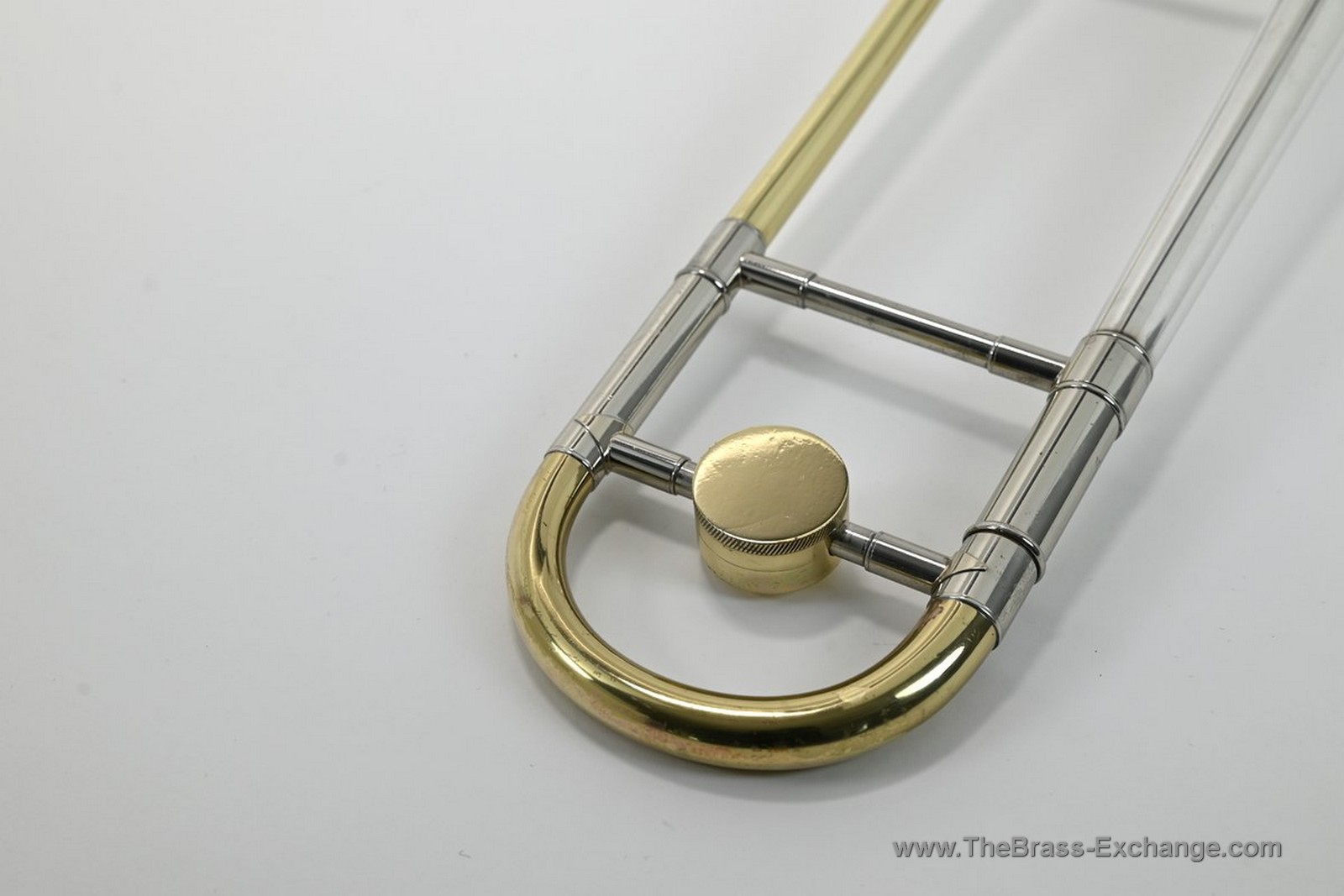
The King 2B Silversonic “Liberty” represents one of the most iconic small-bore jazz trombones ever produced. Built during the Cleveland era of King Musical Instruments, these sterling-bell models combined the quick response and brilliance of the classic 2B design with the added tonal complexity of a sterling silver bell and gold-washed interior.
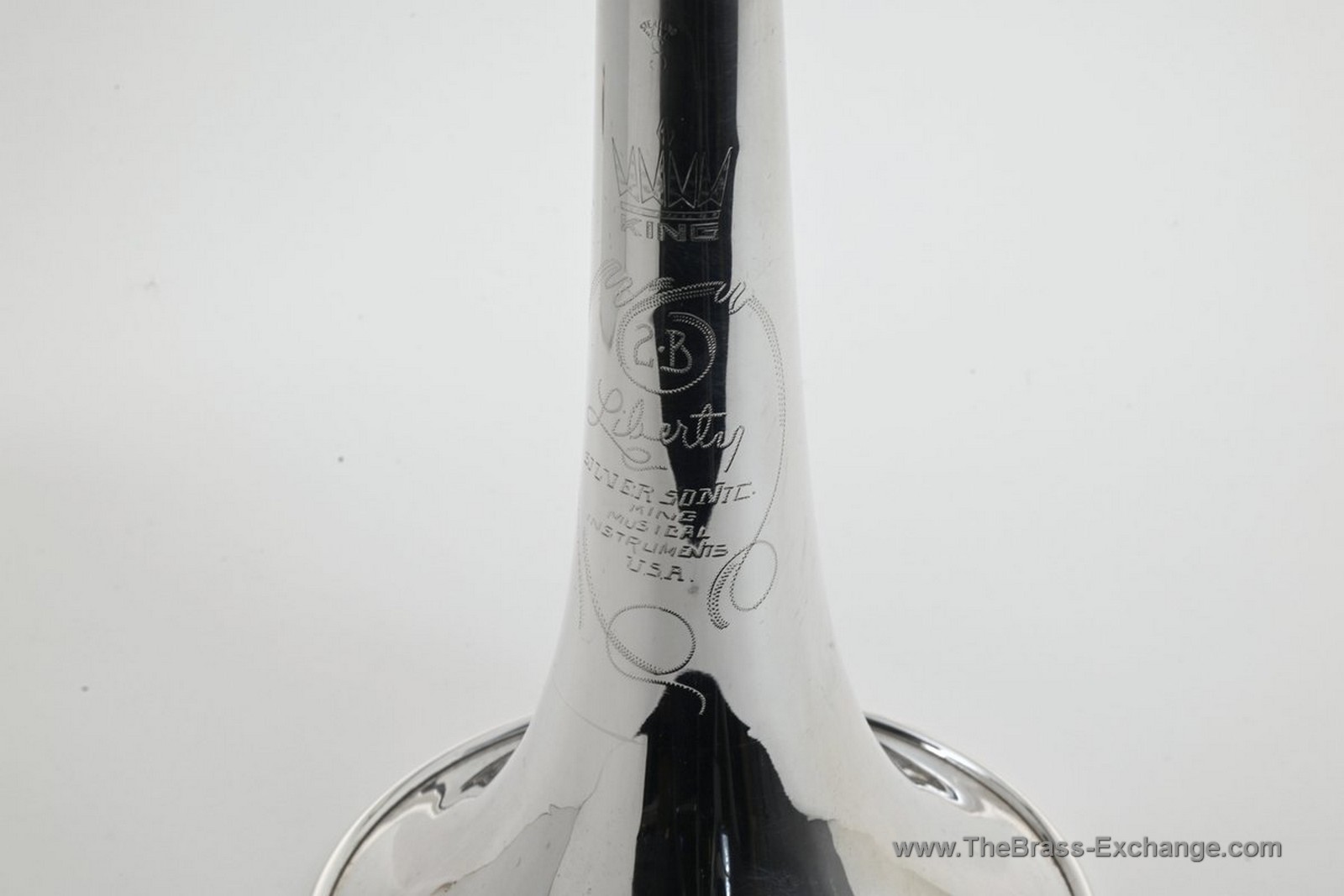
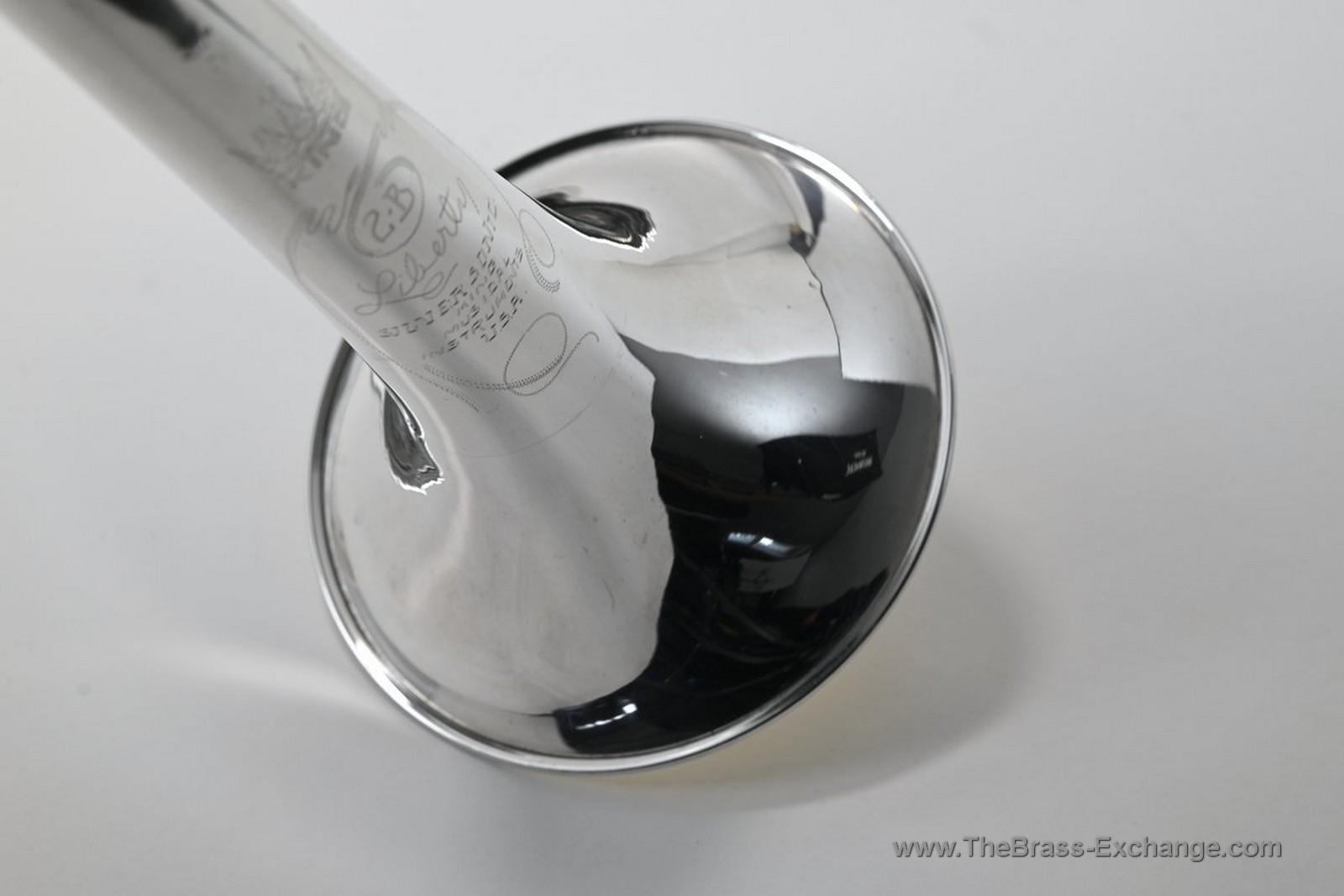
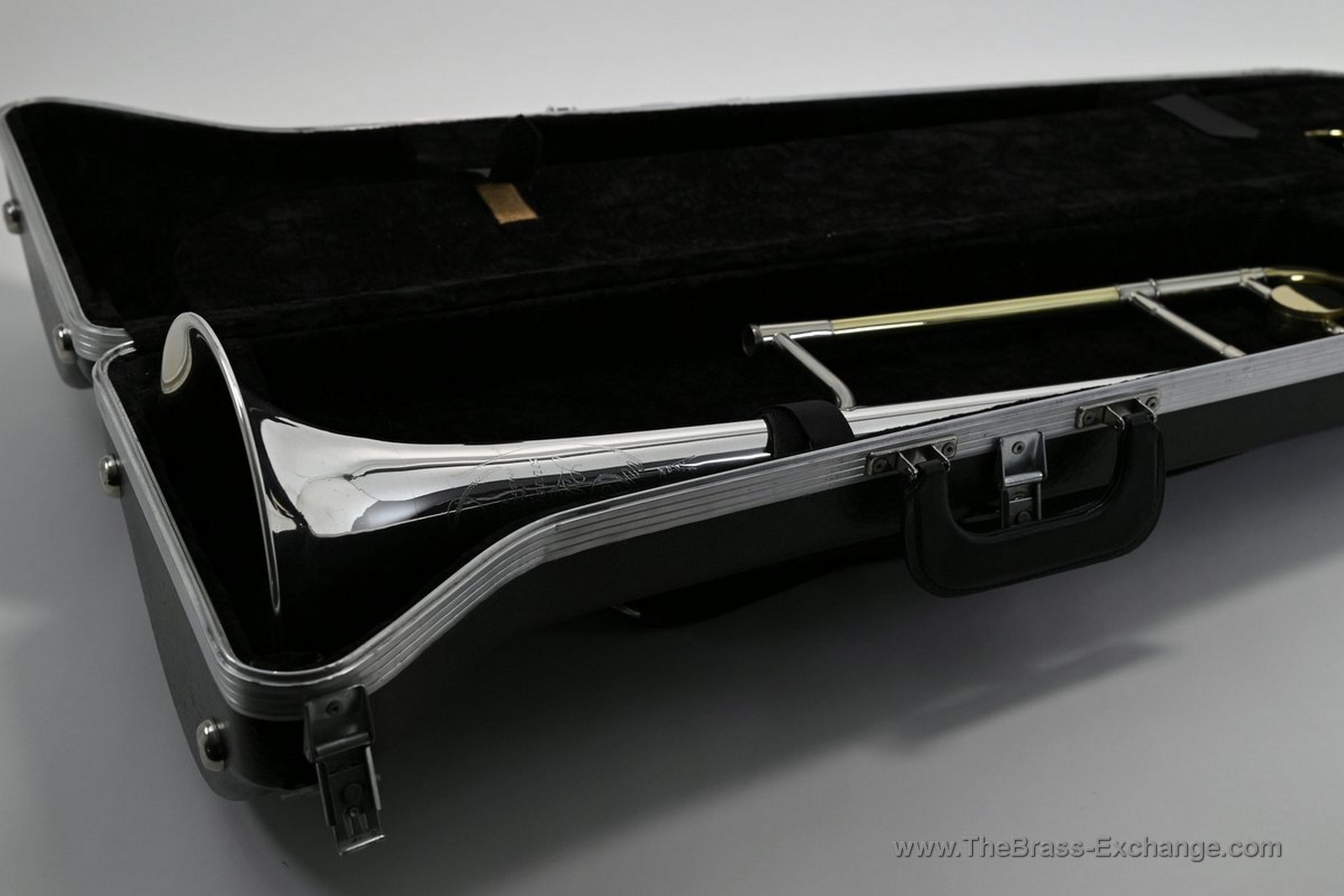
The bell engraving on this example reads “King Musical Instruments,” a hallmark of Cleveland production prior to the later Eastlake manufacturing period. Instruments from this era remain especially desirable among collectors and professional players due to their craftsmanship, materials, and distinctive tonal character.
Original Cleveland-era Silversonic trombones are particularly sought after today because sterling-bell versions are rarely produced in modern Conn-Selmer manufacturing runs. As a result, vintage examples from the 1950s and early 1960s continue to command strong interest in the professional trombone community.
On this instrument, the lacquer on the sterling-silver portion of the bell has been professionally removed and the silver polished. Many experienced Silversonic players prefer this approach because a raw sterling bell often feels slightly lighter and more immediate in response compared with a lacquered surface.
Importantly, the original gold wash inside the bell remains intact. It shows only minor natural fading from age and use, but remains clean and structurally excellent with no defects.
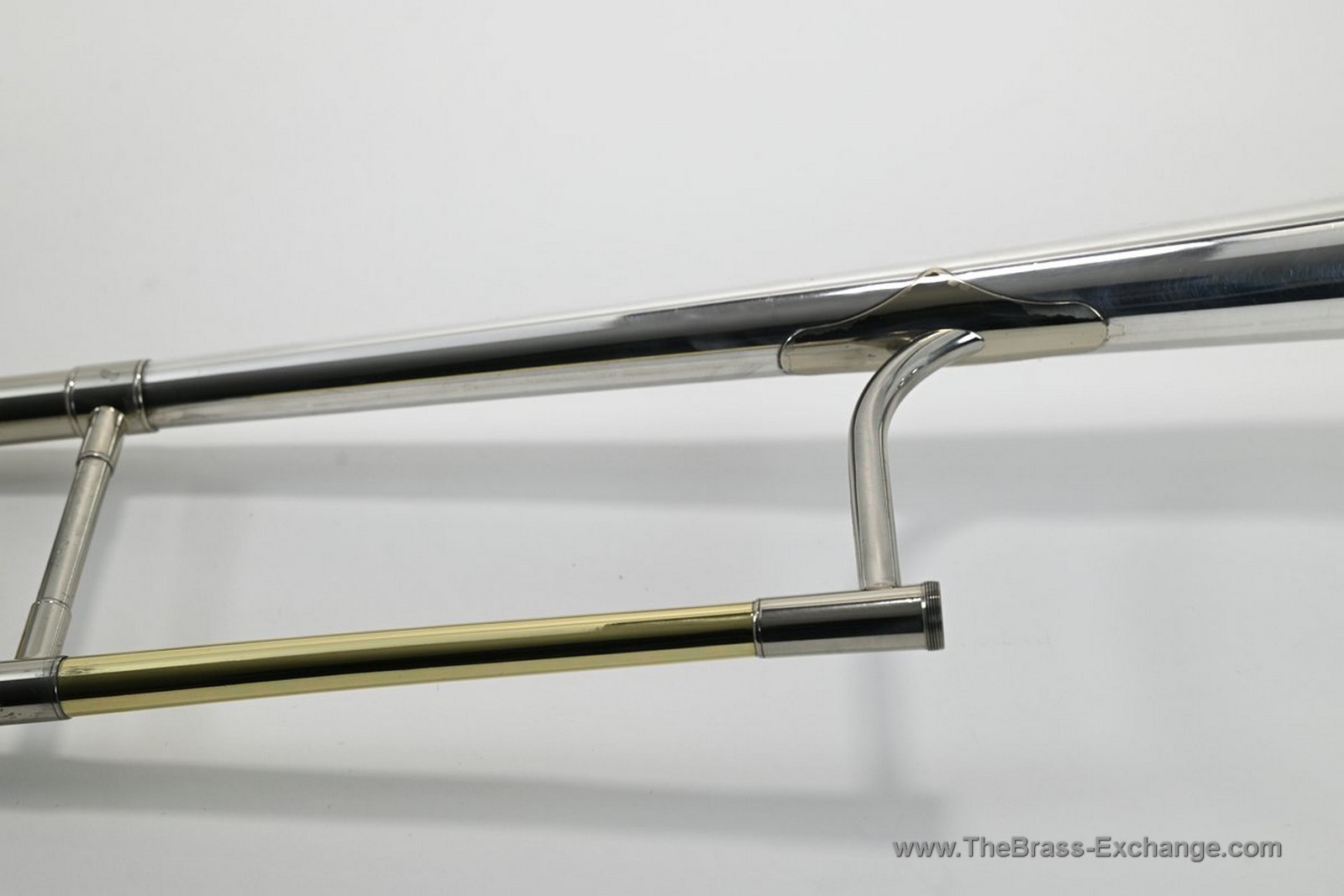
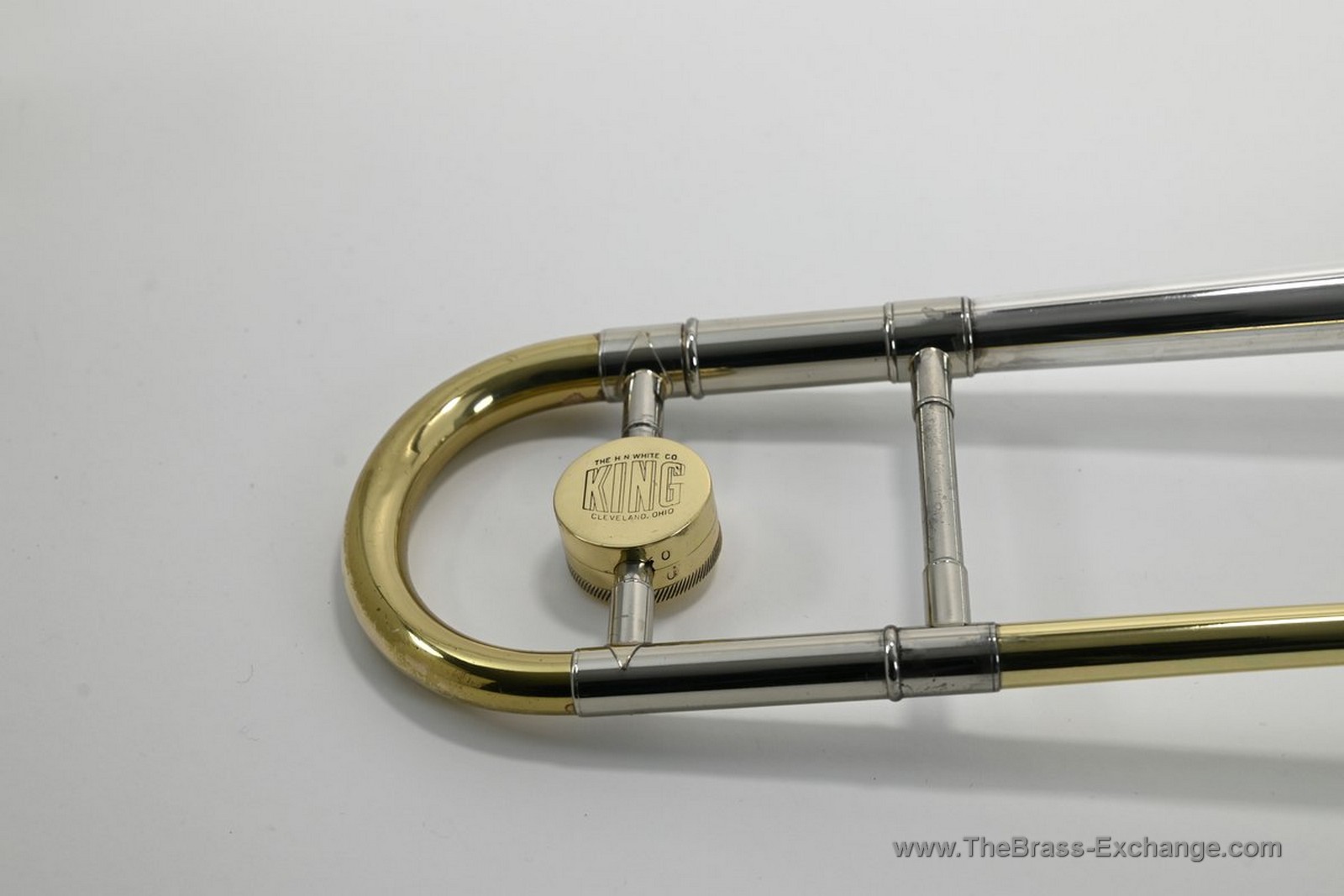
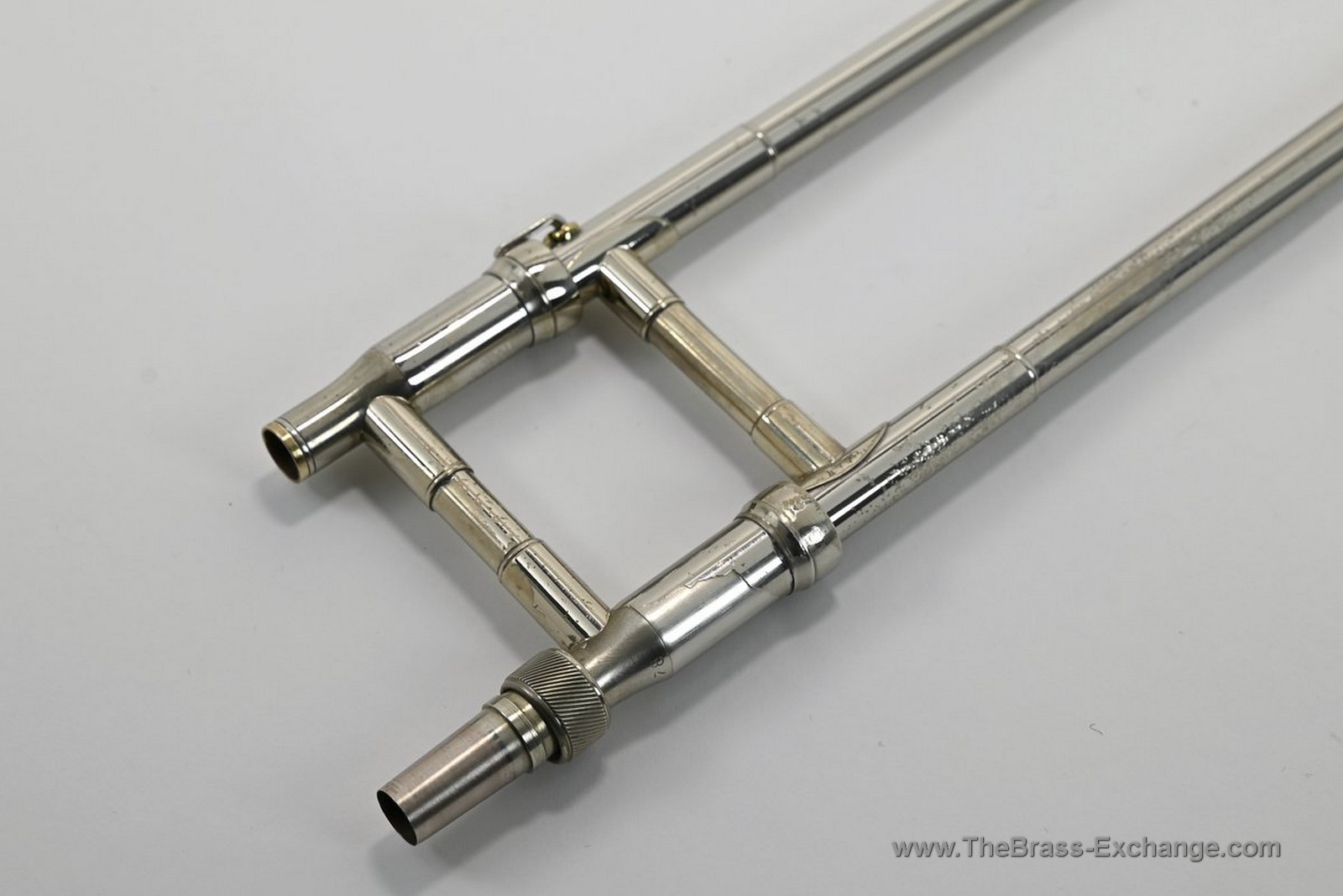
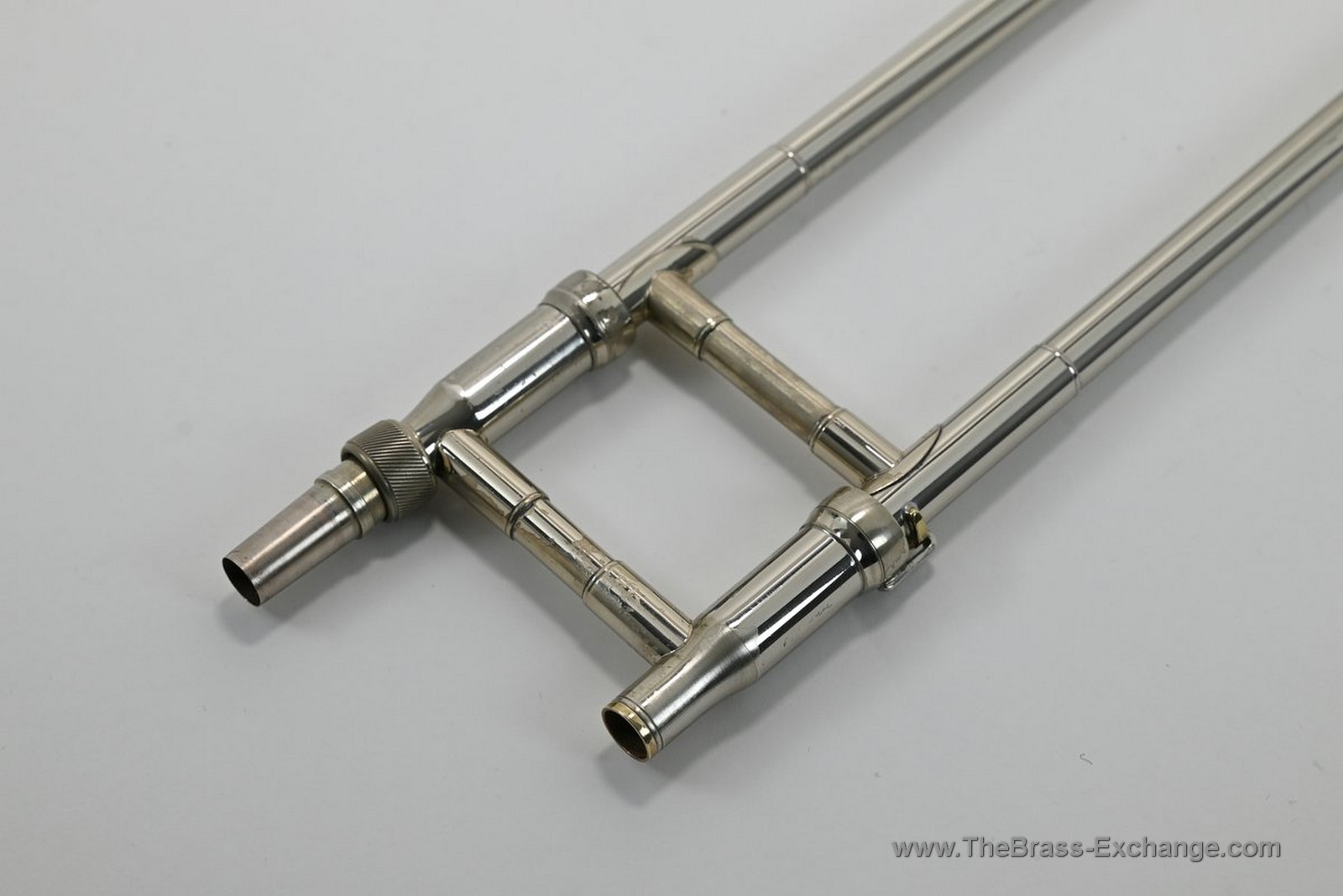
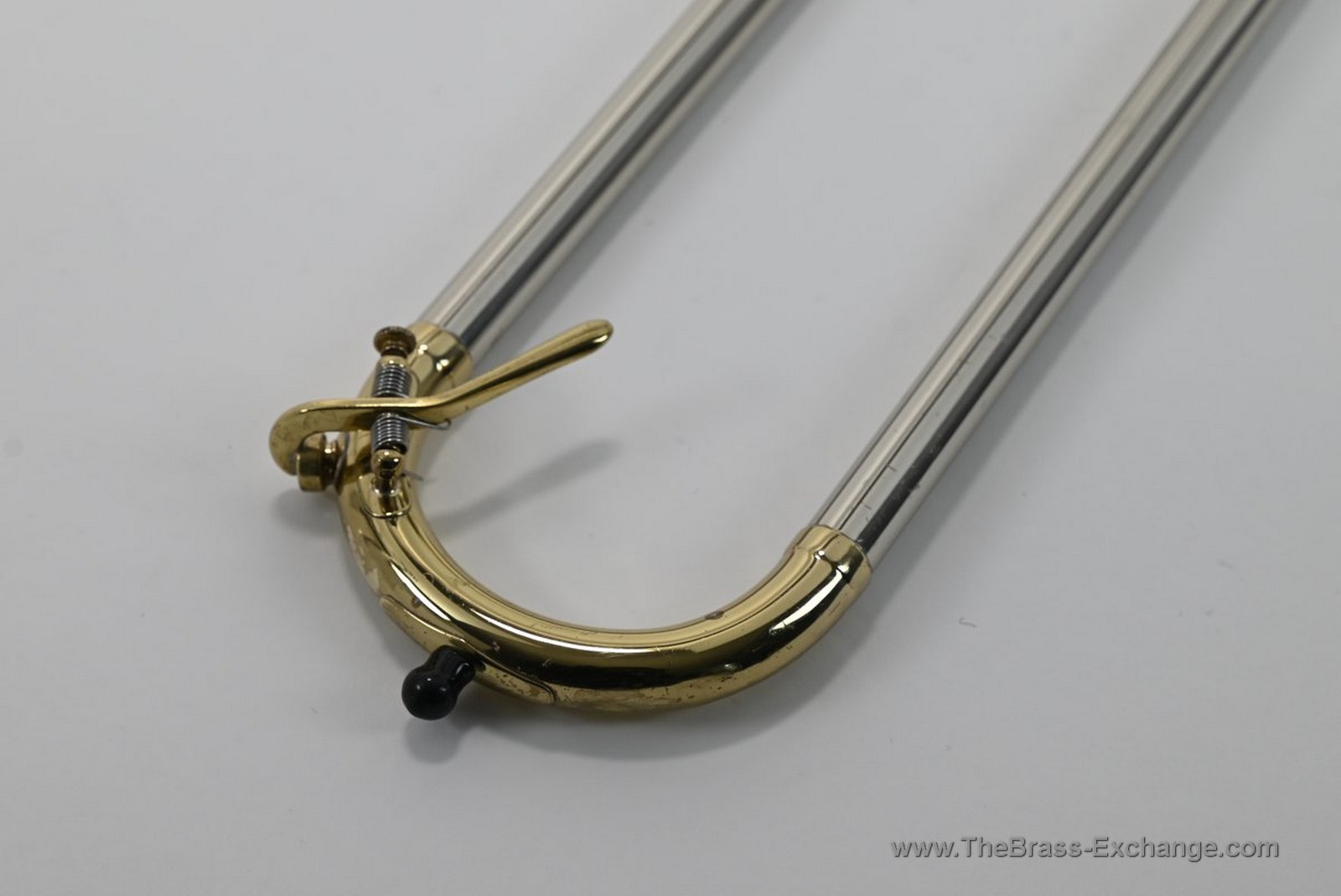
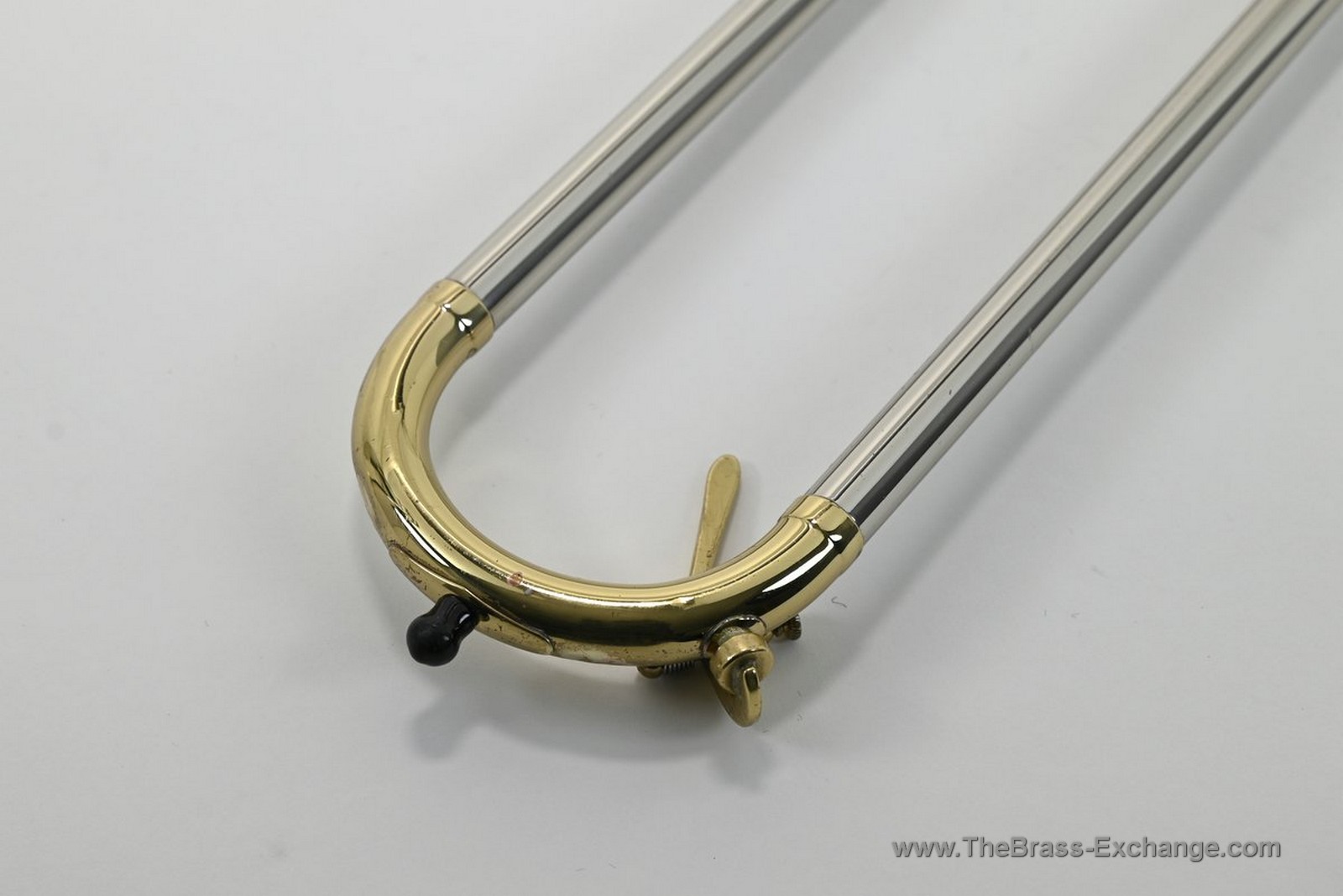
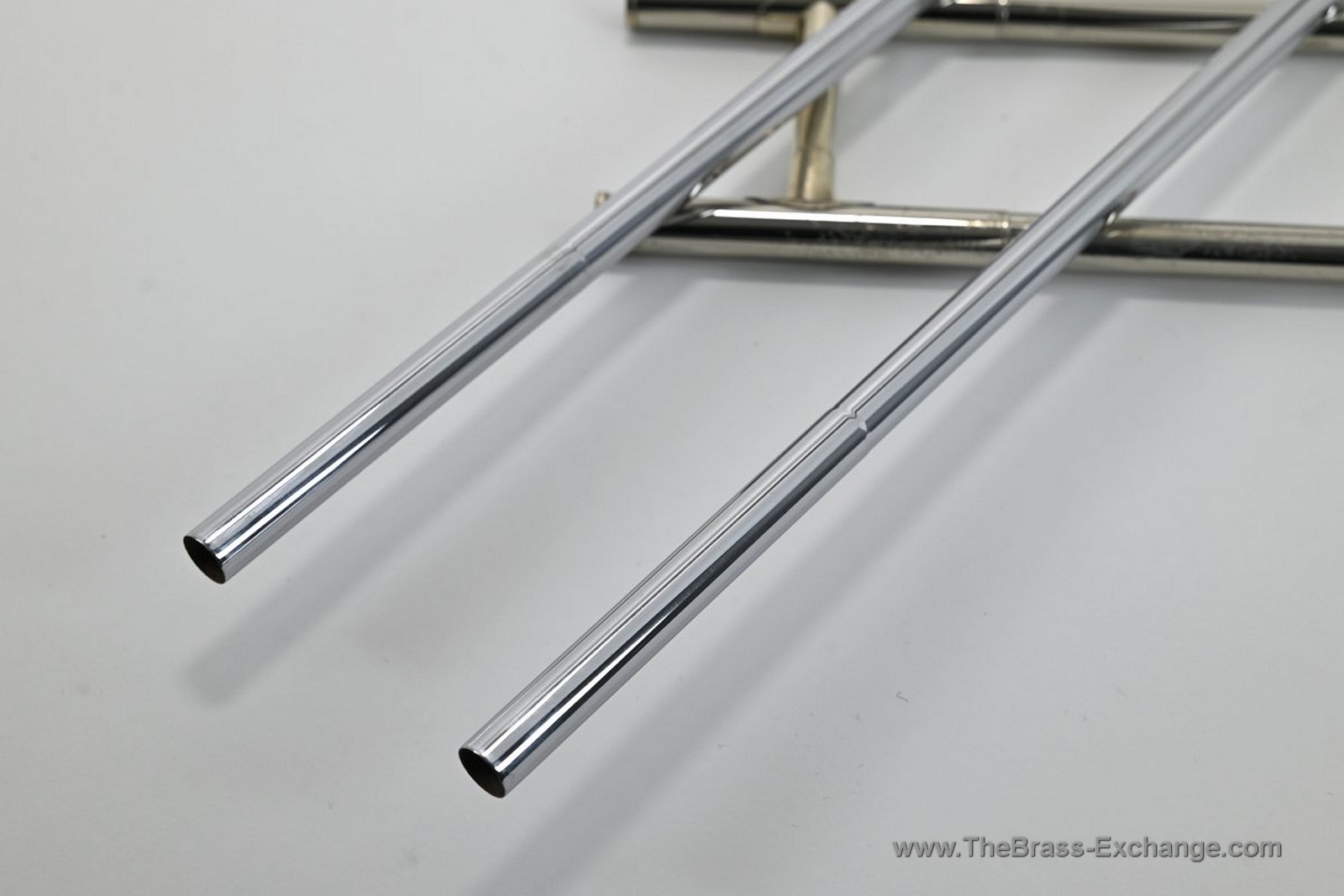
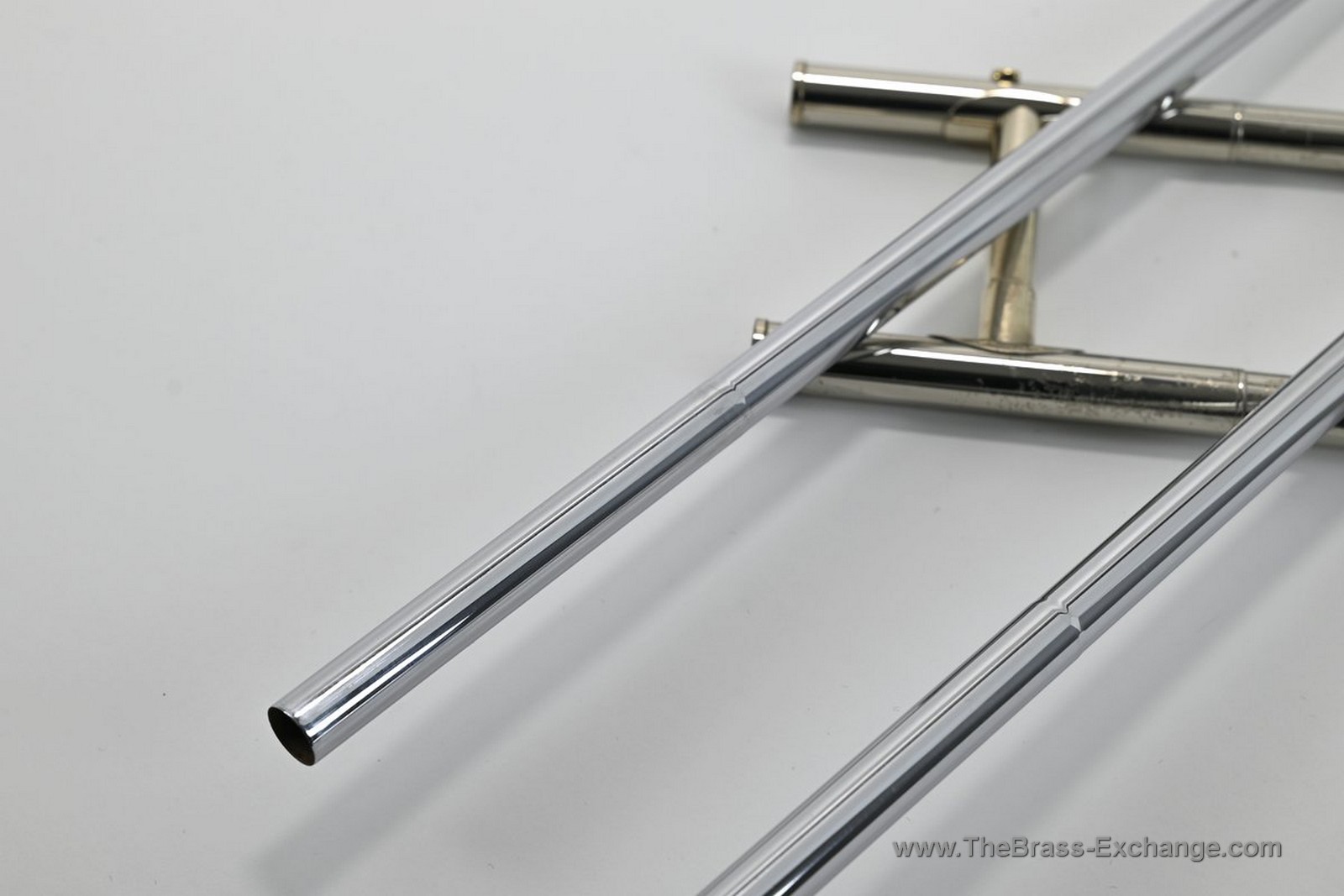
This instrument came from a trusted professional player and received full shop preparation here at The Brass Exchange before sale. The slide proved to be one of the finest examples we have encountered on a King 2B.
Standard preparation included:
• Chemical bath and complete internal flush
• Inspection for dents or prior structural damage
• Water-key pad replacement
• Slide preparation with inner and outer tube polishing to remove oxidation buildup
• Alignment check and full play-test
No repairs were required and no previous damage was discovered.
Oxidation buildup is one of the most common causes of sluggish slide feel even when tubes are straight. After proper preparation, this slide feels fast, responsive, and effortless, exactly as a professional small-bore King should perform.
The previous owner was a high-level U.S. Air Force trombonist, and it is likely this horn served as a working instrument in professional settings. It retains the classic King 2B clarity, immediacy, and projection that made these trombones famous in studio, jazz, and commercial playing.
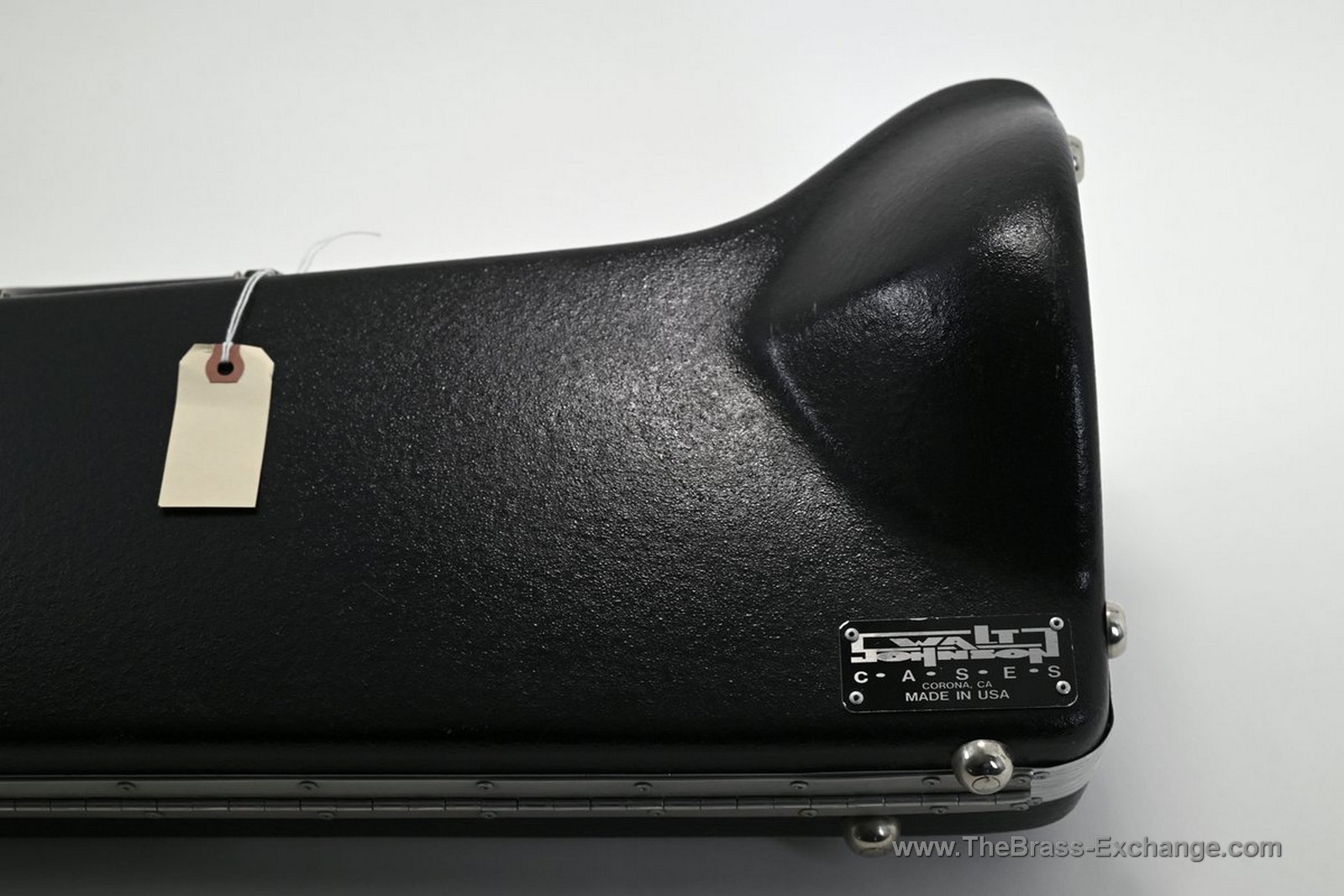
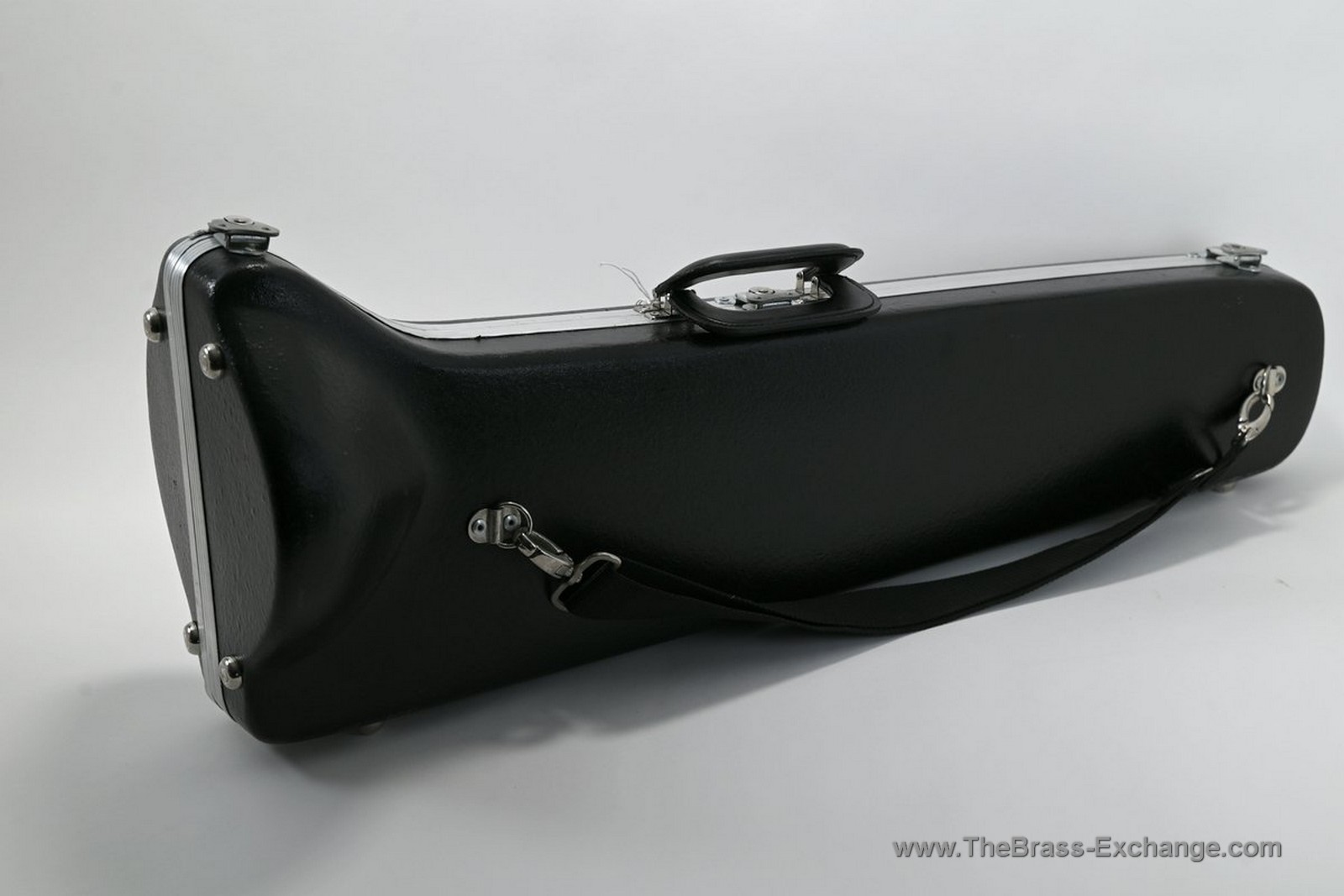
A Walt Johnson fiberglass touring case is included. These cases were widely used by touring professionals for decades and are known for exceptional durability and protection.
Questions Trombone Players Often Ask
Does removing lacquer from a Silversonic bell change the sound?
Many professional players feel a raw sterling-silver bell responds more quickly and feels lighter to play compared with lacquered versions. This example was polished with lacquer removed only from the sterling portion and plays evenly with excellent clarity.
Are assembly numbers normal on King slides?
Yes. Many Cleveland-era King trombones used internal assembly or batch numbers rather than full serial numbers. Dating these instruments often relies on engraving style, construction details, materials, and comparison with other known examples.
Is the King 2B Silversonic suitable for professional jazz playing?
Absolutely. The 2B Silversonic is one of the classic small-bore professional trombones, prized for its articulation, projection, and quick response in jazz, studio, and commercial settings.
Are sterling-silver King 2B trombones still made today?
Modern King 2B models have occasionally been offered with sterling-silver bells in limited runs, but authentic Cleveland-era Silversonic examples remain far less common and highly desirable among collectors and players.
🔧 Availability & Archive Status
This King 2B Silversonic “Liberty” tenor trombone has been sold and is now preserved in The Brass Exchange Archive of Sold instruments as a historical reference for players researching Cleveland-era King trombones and sterling-bell Silversonic models.
If you are searching for a similar vintage King 2B or another jazz-lead trombone, inventory changes frequently.
👉 Browse our current trombone listings here:
https://thebrass-exchange.com/trombones 🔎
📌 Have an instrument to sell or trade?
Contact us for a valuation and explore your options ✍️.
🏅 Why Players Trust The Brass Exchange
Since 2010, The Brass Exchange has helped thousands of professional and advancing players evaluate vintage and modern trombones through careful consultation, expert shop preparation, and real-world playing experience. Every instrument is personally inspected and play-tested so musicians can buy with confidence.