


✦ Historical Perspective
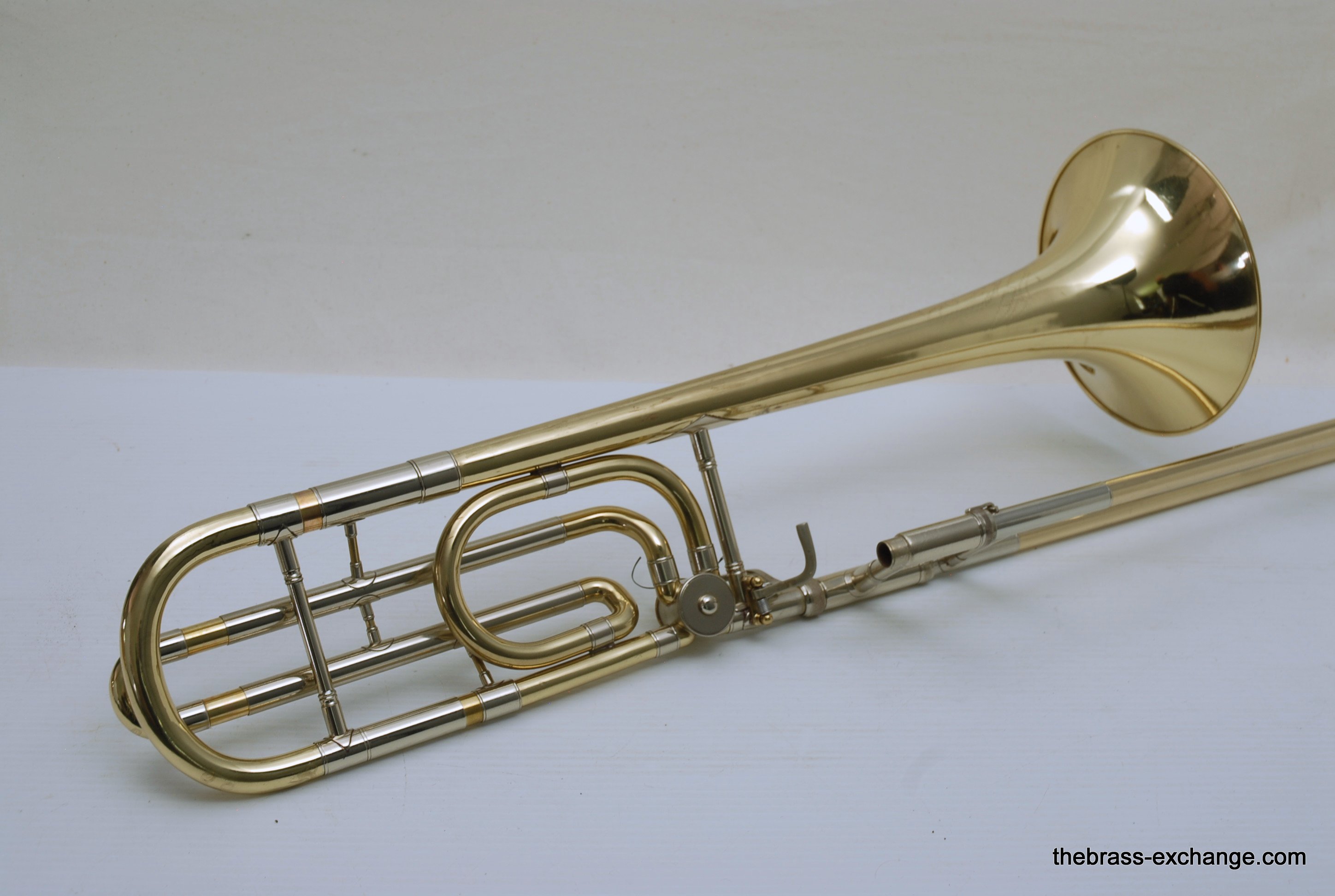
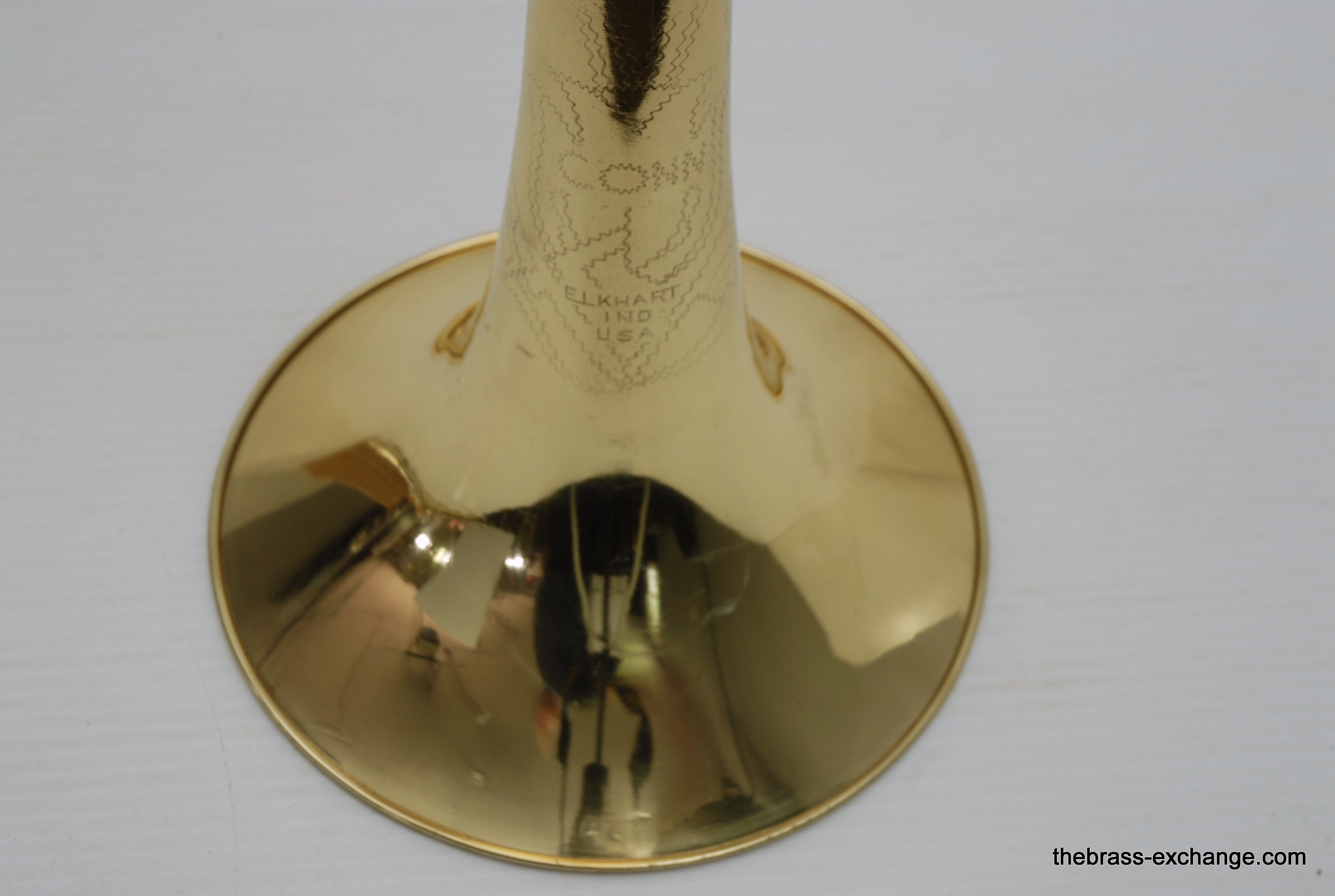
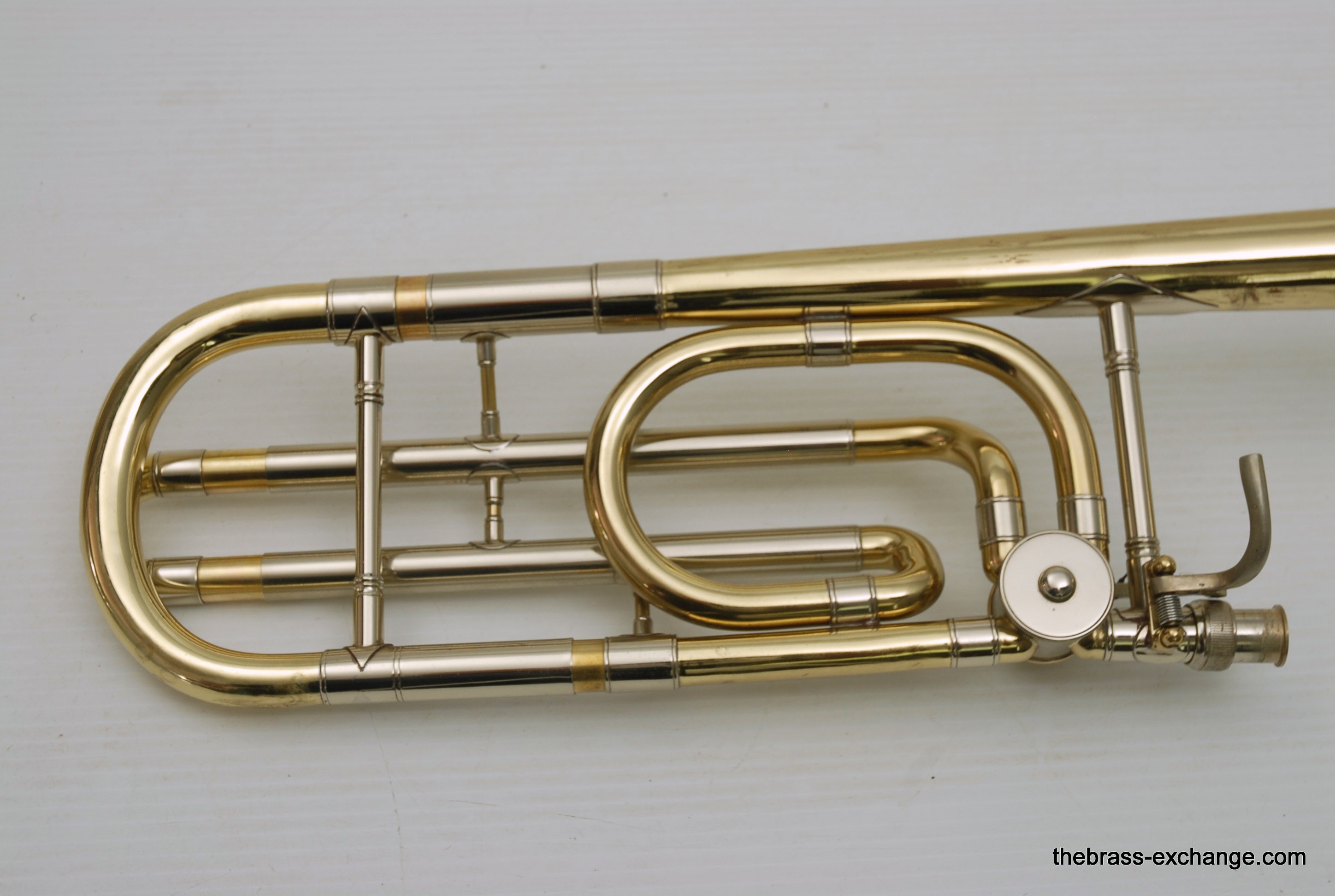
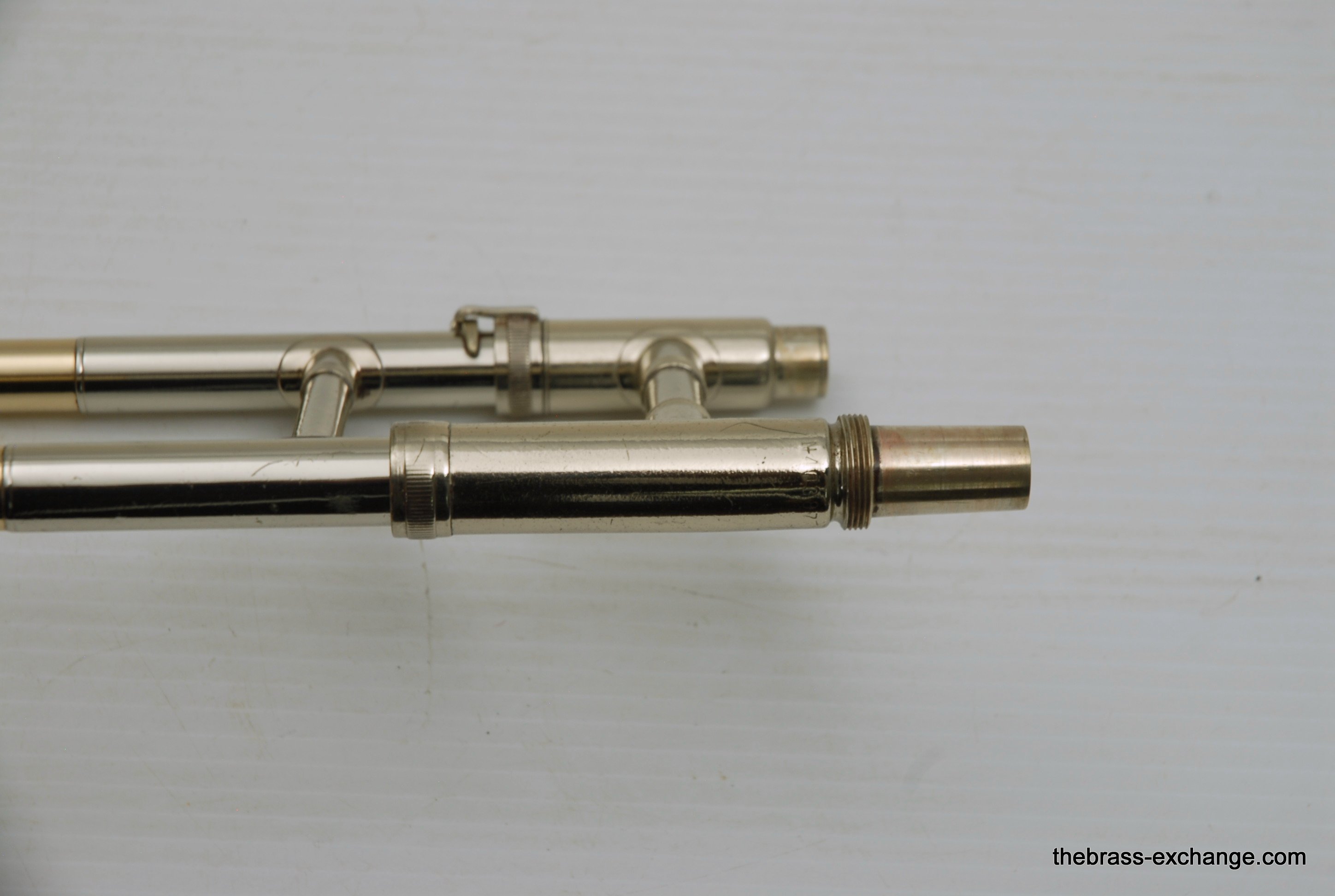
Produced during the final stretch of C.G. Conn’s Elkhart years, the 79H stood as the medium-bore counterpart to the celebrated 78H. Built just before Conn closed its Indiana factory and moved to Abilene, Texas, this 1970 example embodies the transition from handcrafted Elkhart production to later mass-manufactured models.
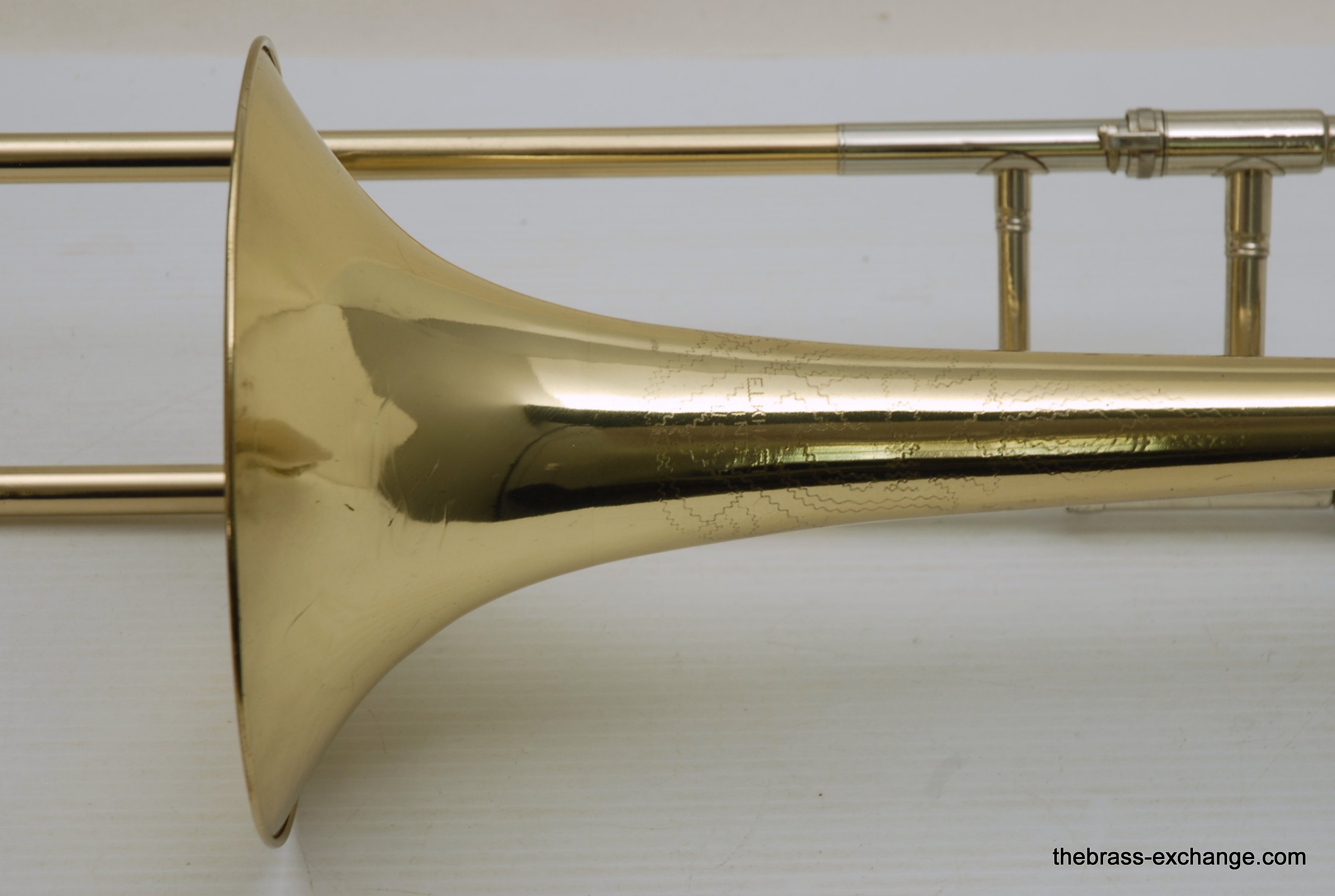
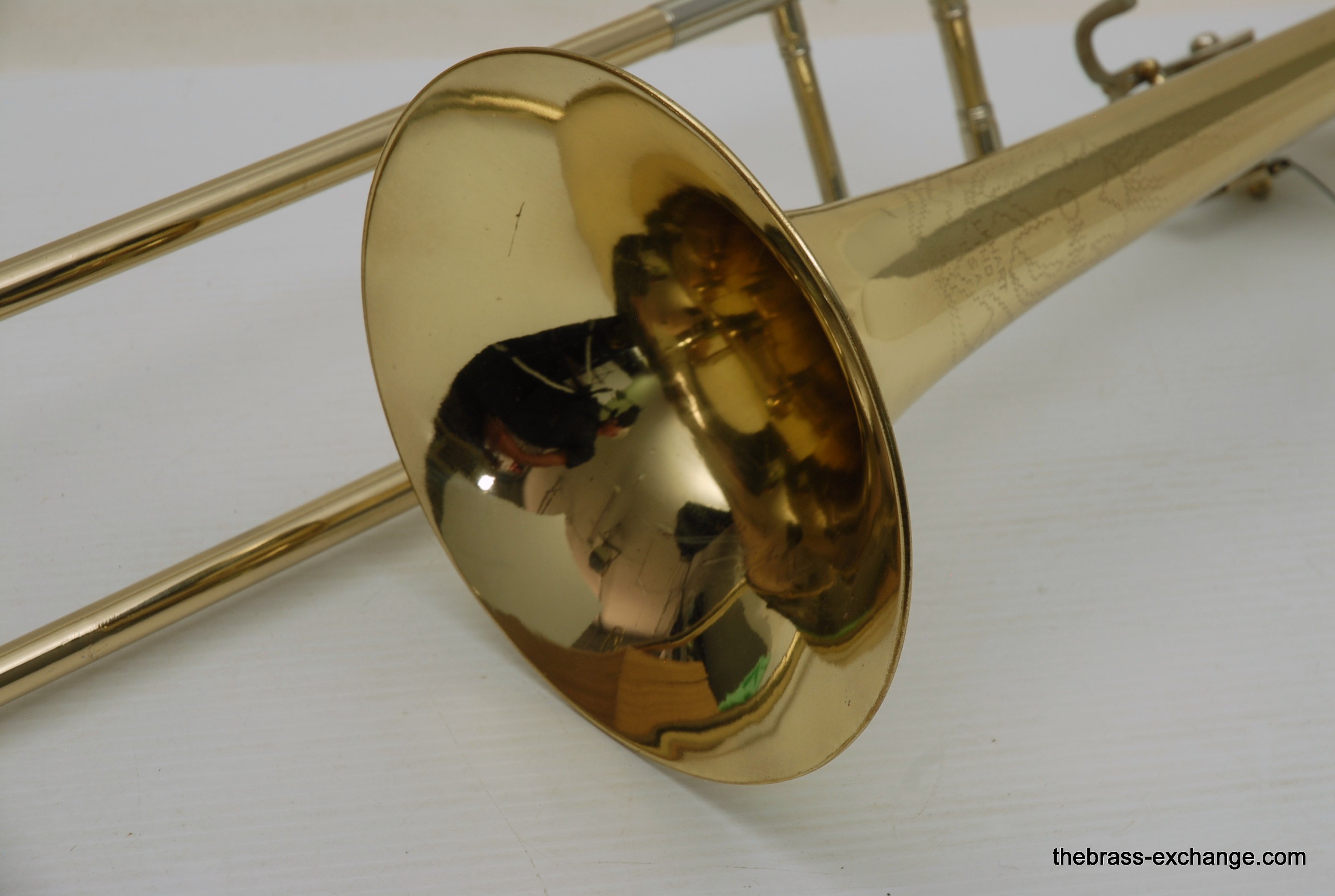
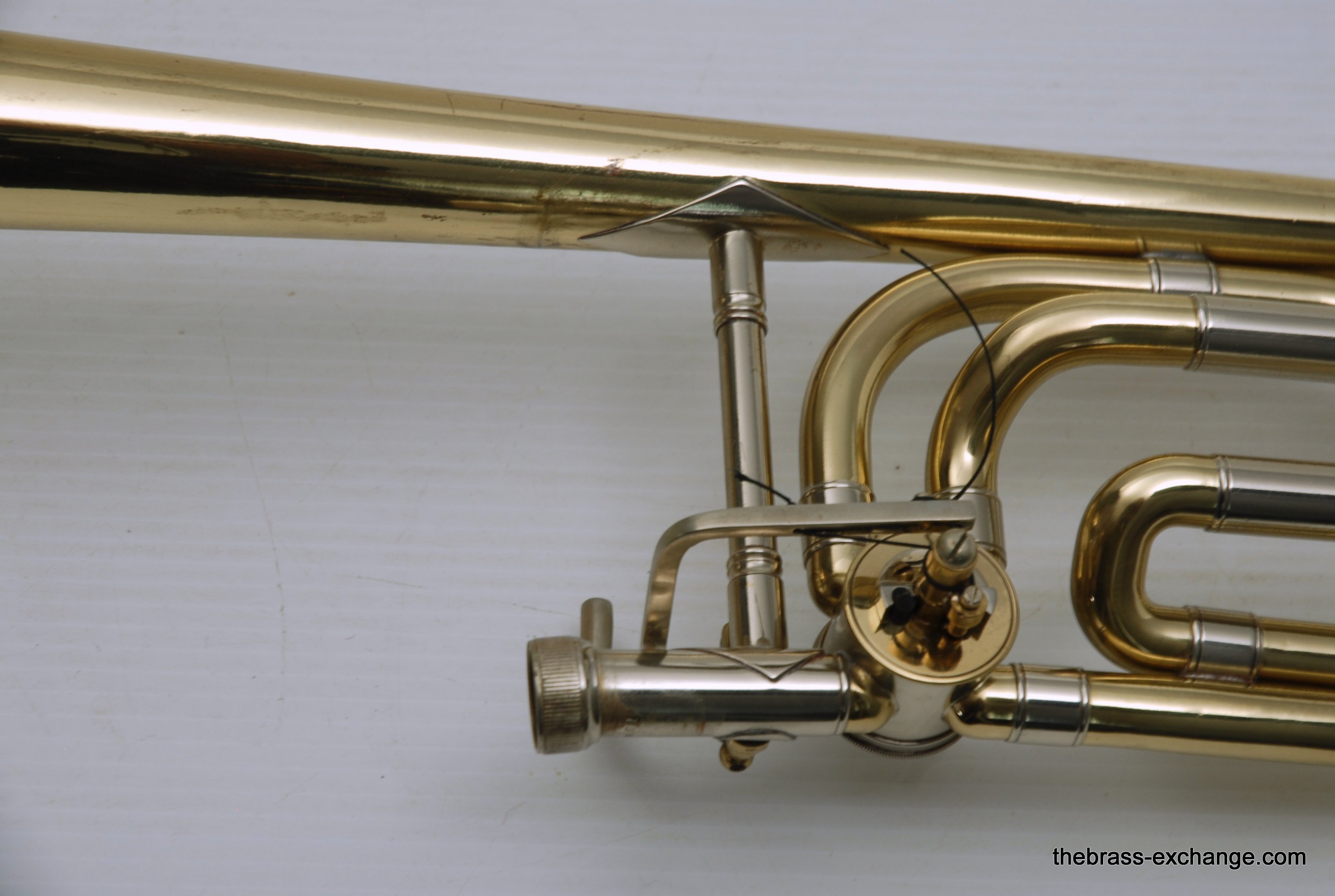
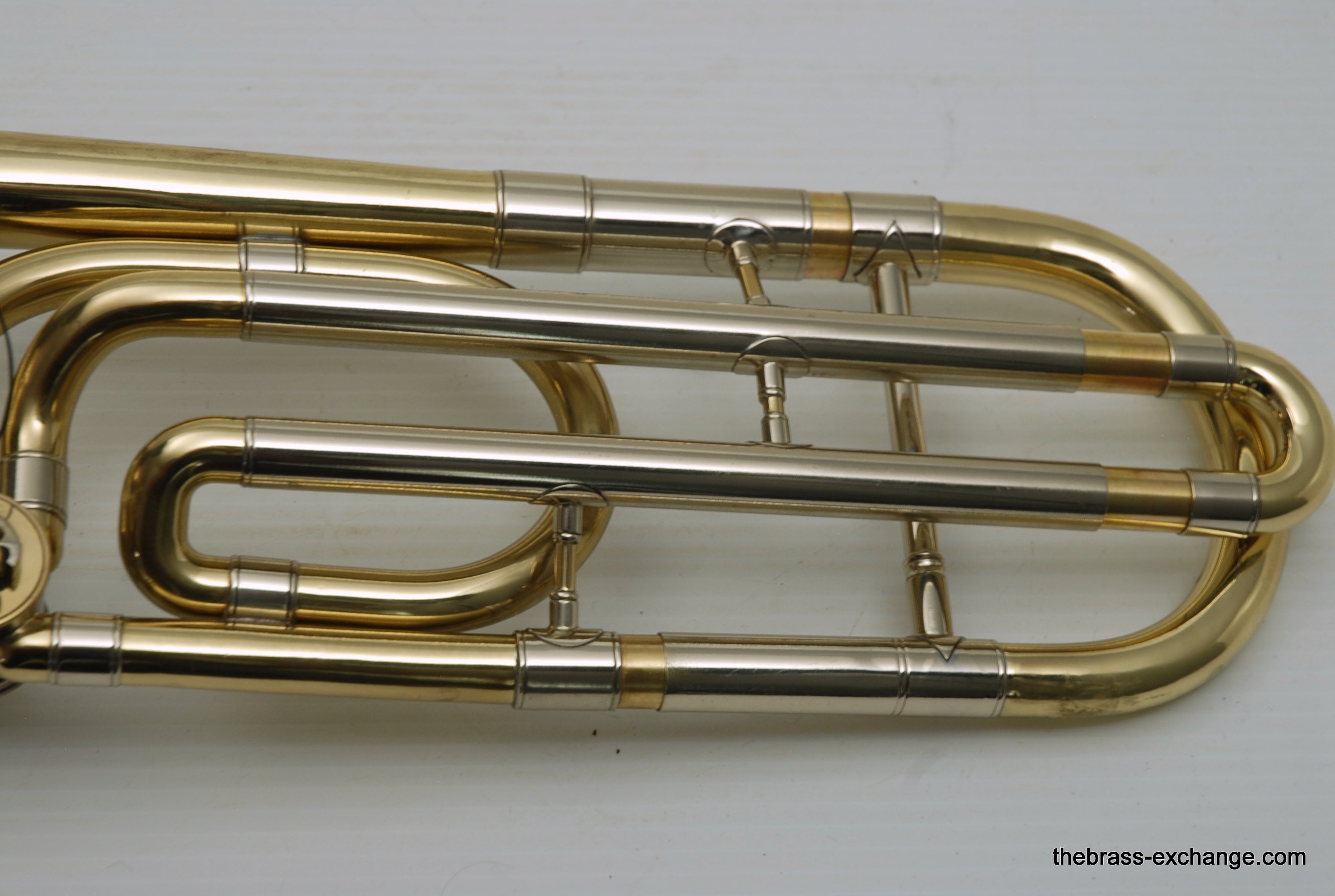
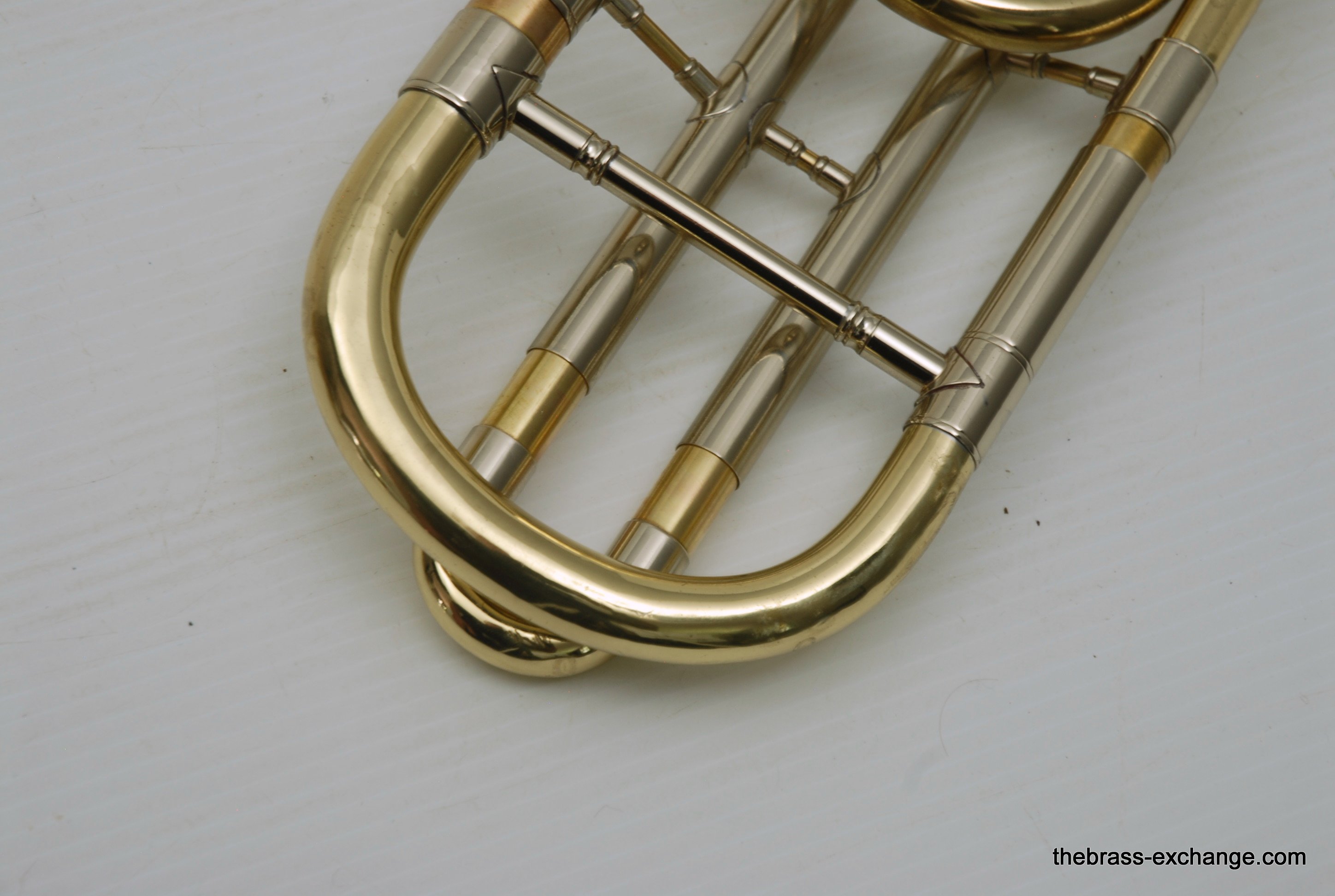
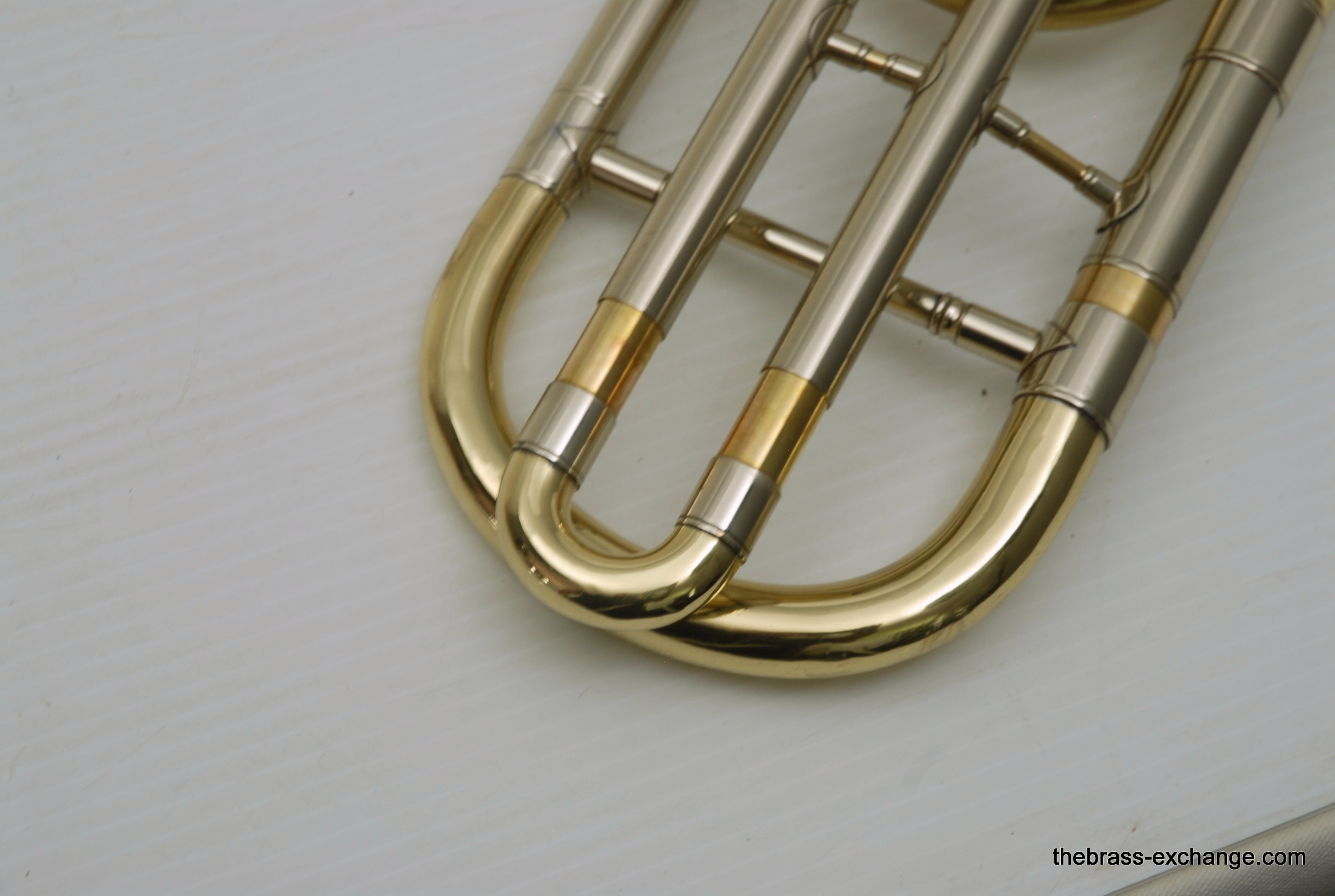
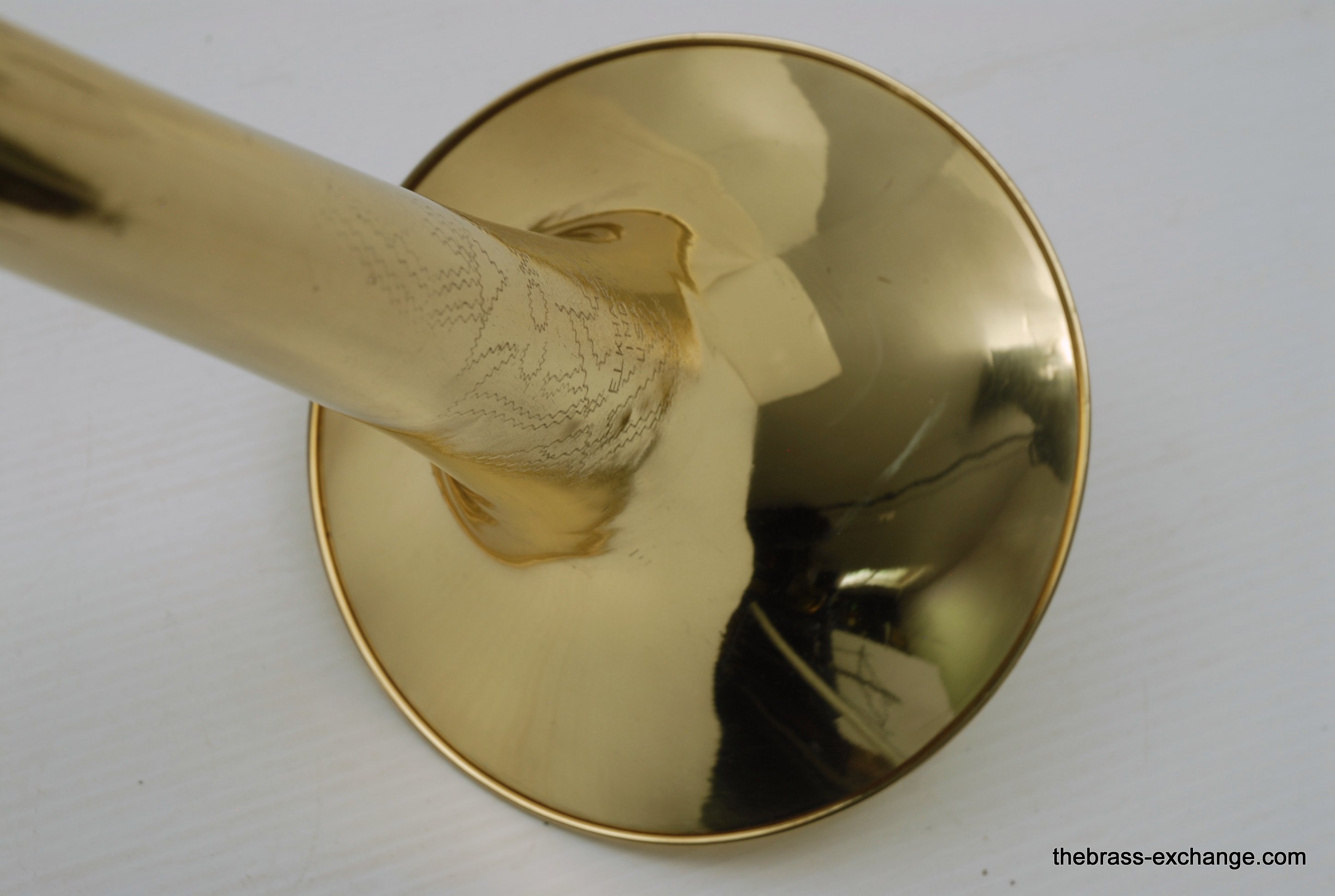
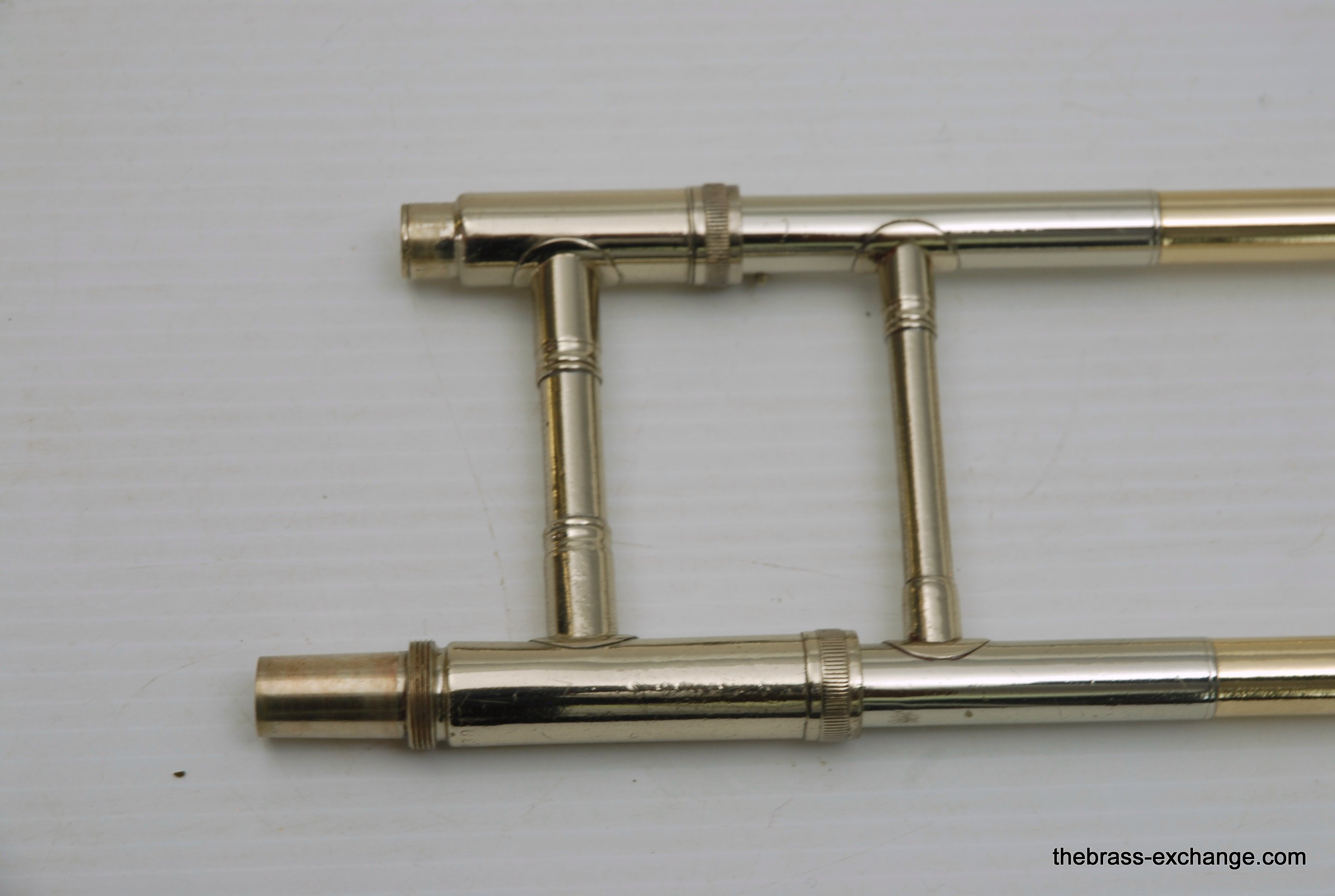
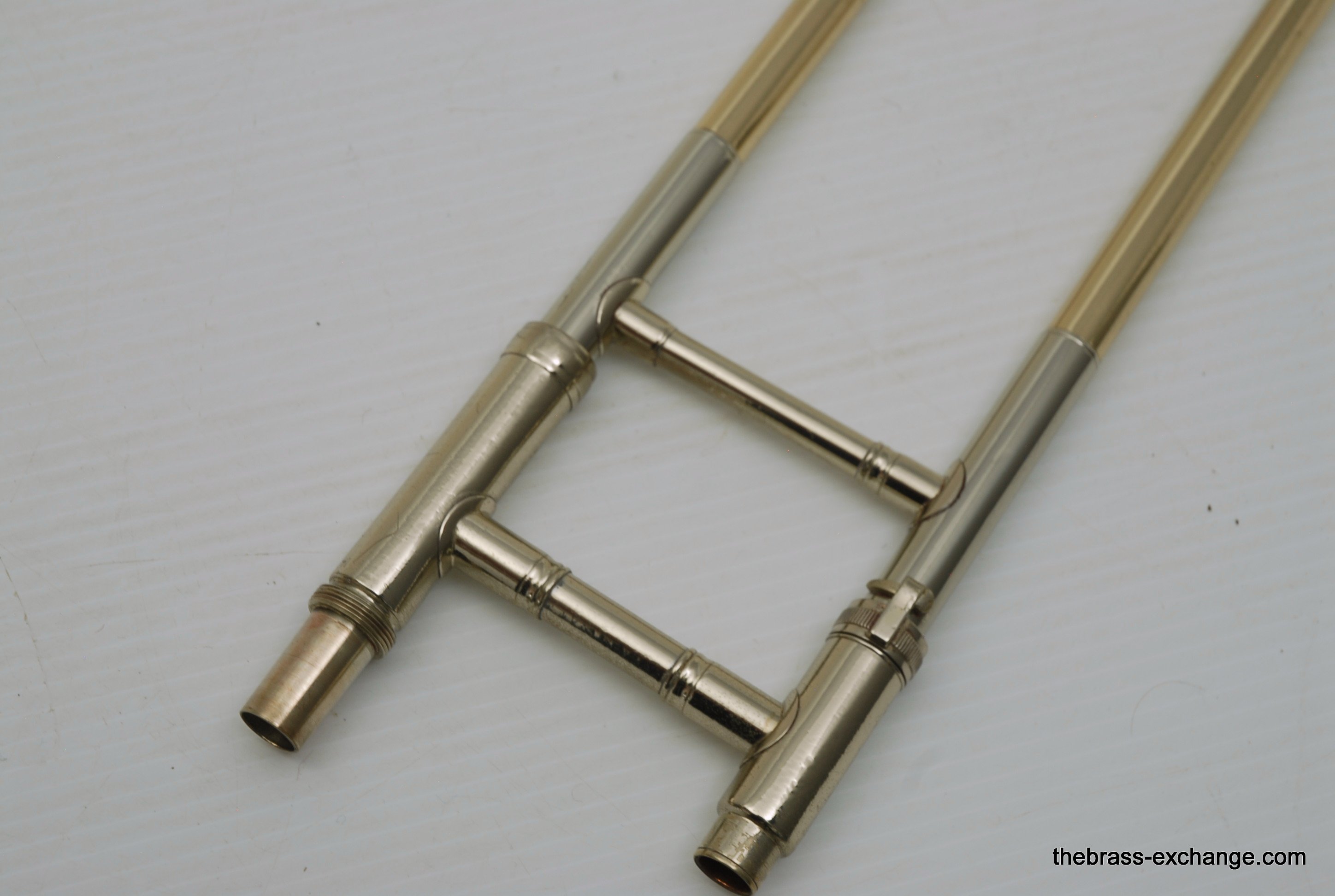
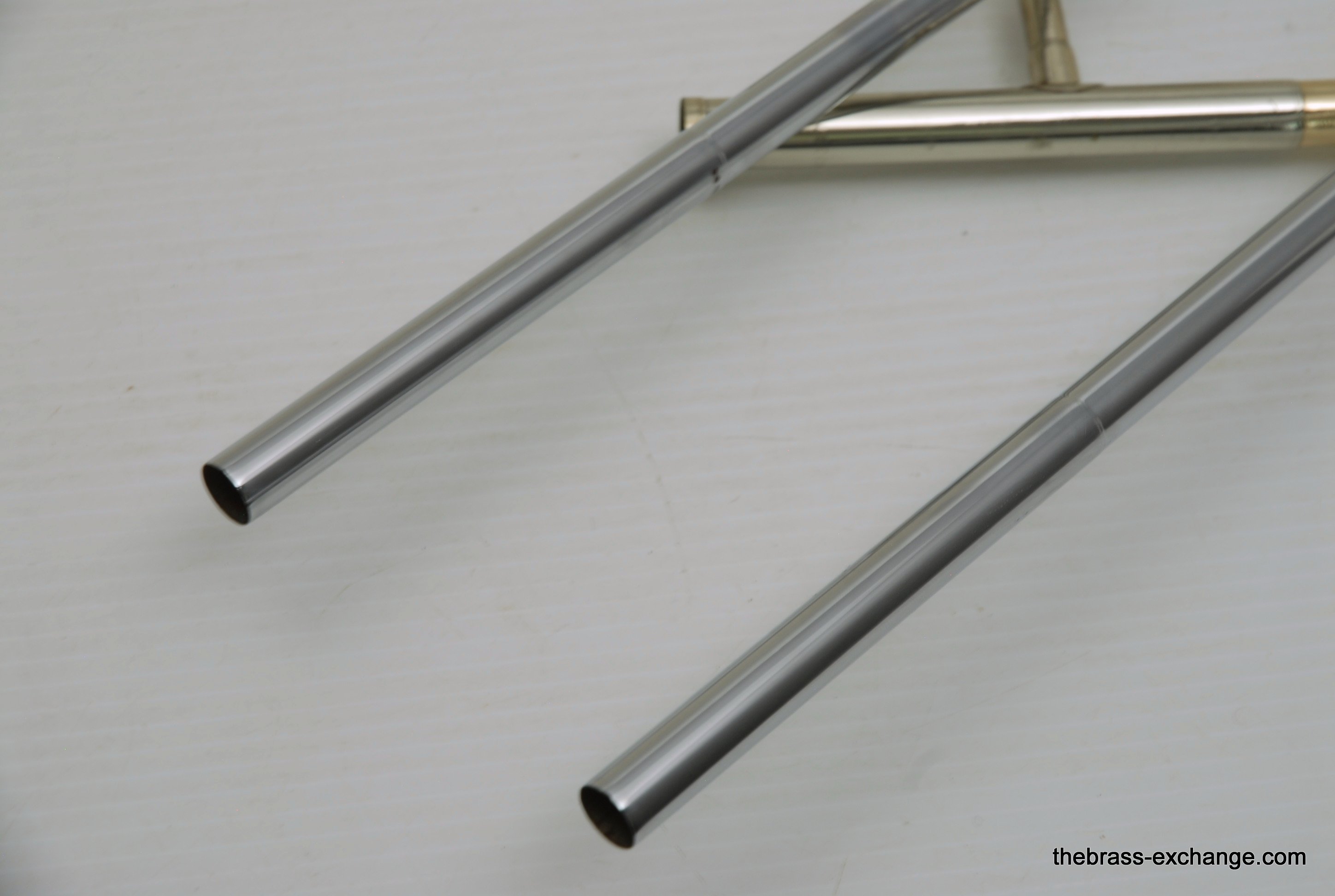
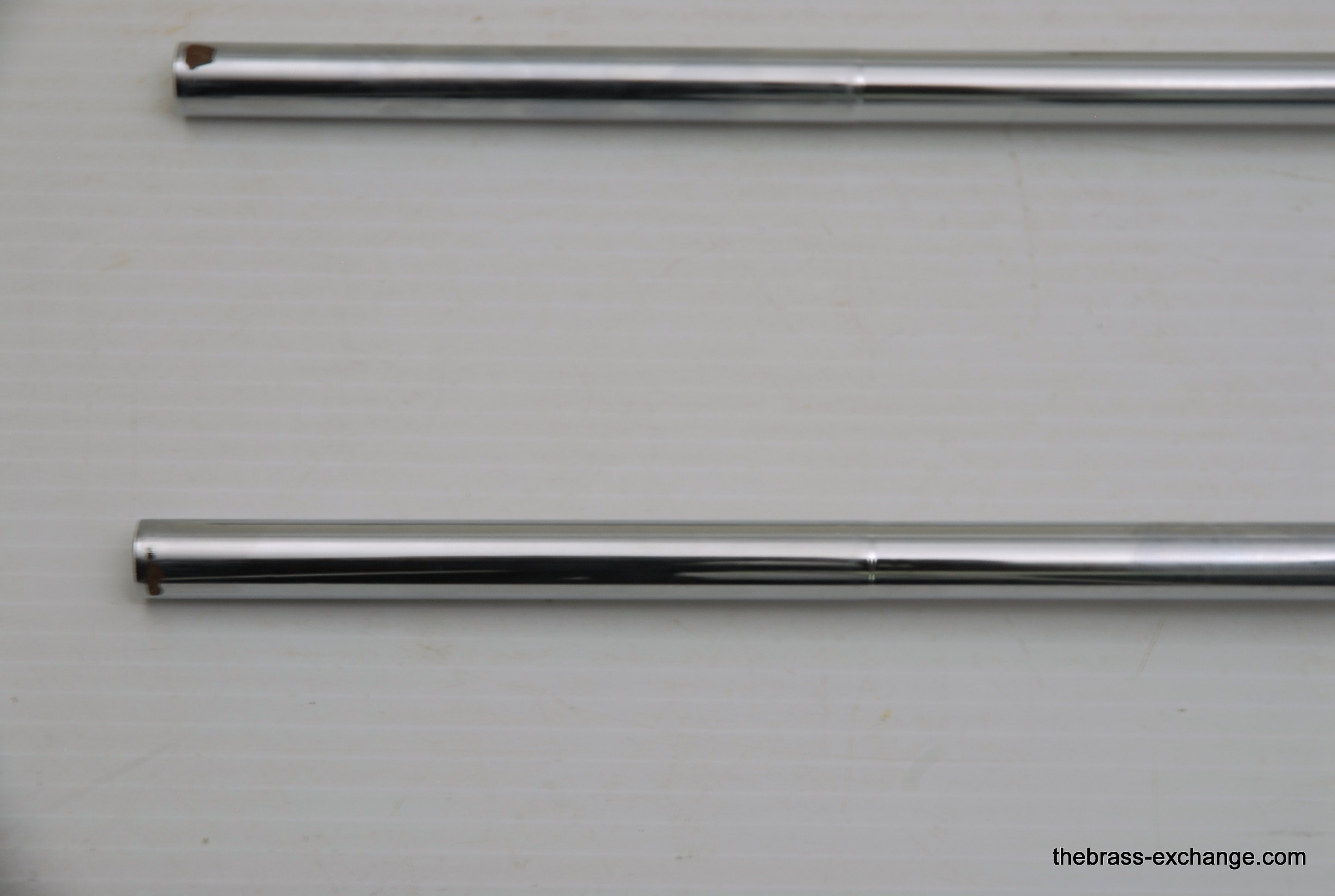
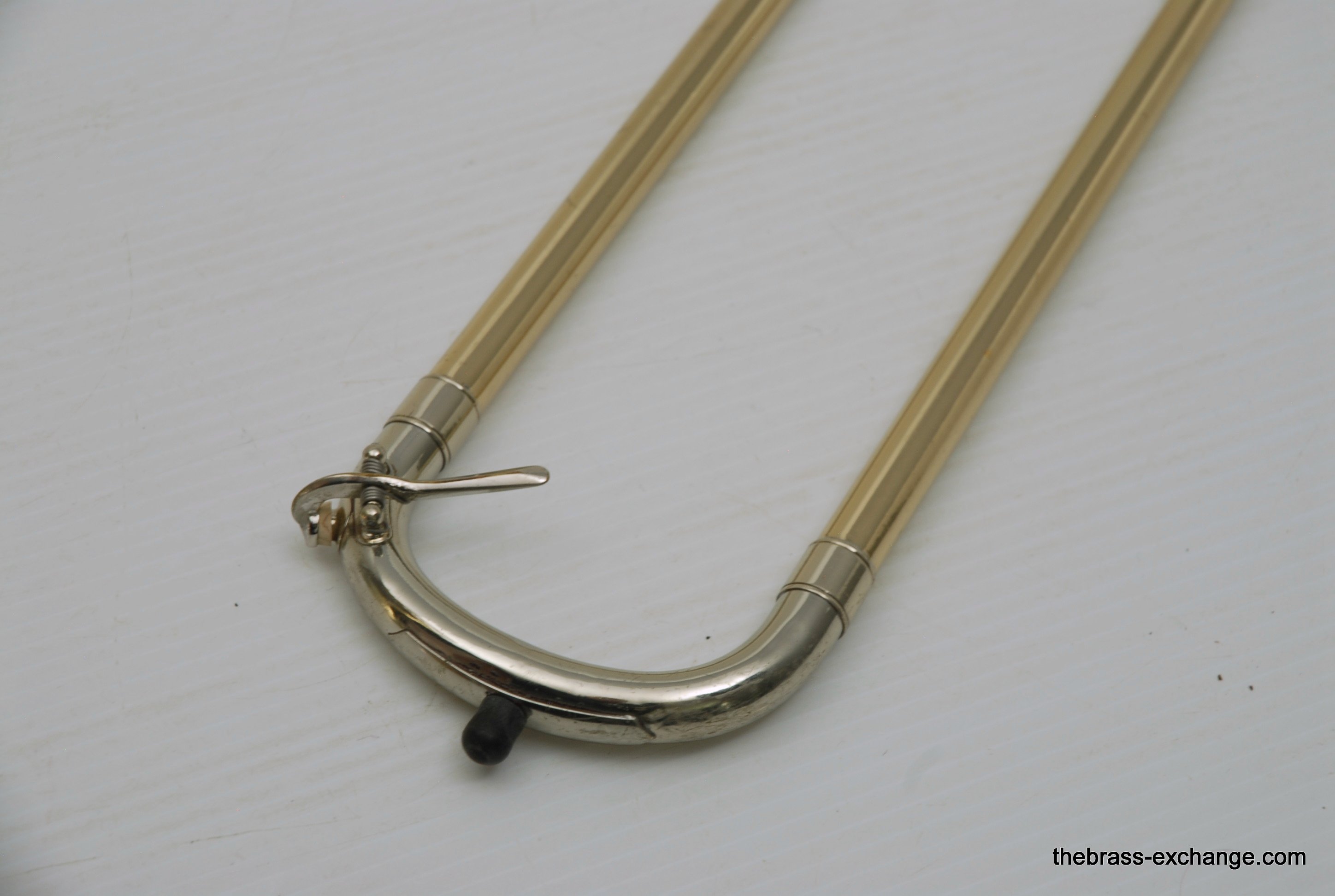
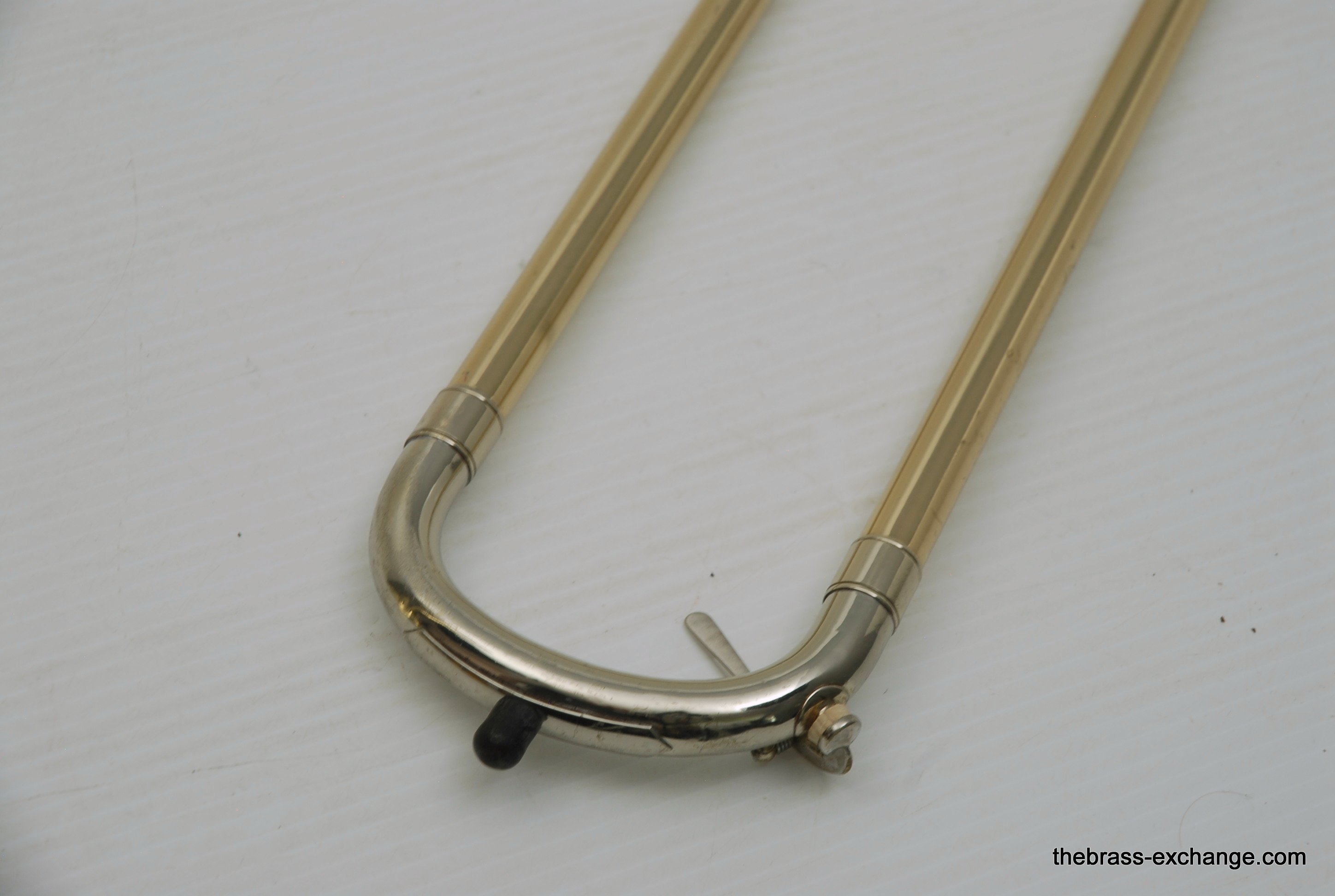
This horn retains its 8-inch yellow-brass unsoldered bell, .522-bore handslide, and small-shank receiver, giving it an agile yet resonant voice. The lacquer shows age-appropriate wear but remains factory-original. Our shop performed a full professional service, including chemical bath, rotor alignment, and precision handslide setup. The slide plating shows light wear yet performs smoothly, with excellent alignment and effortless response — the unmistakable feel of late-Elkhart Conn craftsmanship.
Q: How can you tell if a Conn 79H was made in Elkhart or Abilene?
A: The serial number prefix is the key. Conn began recording serials in 1876, moving to six-digit numbers by 1908 and keeping that format until 1963, when letters began preceding five-digit codes. For example, 1963 = “C-xxxxx.” By 1970, Conn had reached the “N” series (N-00000) — the last Elkhart production before relocation. True Elkhart horns also bear “Elkhart, Ind.” engraving.
👉 For detailed trombone serial data, visit Trombone Serial Number Search Guide.
Q: Should a vintage Conn 79H be refinished or left in its original lacquer?
A: In most cases, keep the original lacquer, especially on the bell, valve, tuning slide, and outer slide. Light spot refinishing by a skilled tech — such as re-lacquering a repaired tuning slide — can improve appearance without affecting playability. However, fully stripping and refinishing an entire instrument removes metal, softens engraving, and risks altering color or resonance. Modern baked epoxy lacquer can be applied too thickly, making the horn play less freely. Original finish nearly always preserves both tone and historical value.
Q: What’s the difference between a large-bore tenor trombone and a medium-bore model like the Conn 79H?
A: A large-bore (.547") tenor takes a large-shank mouthpiece and produces a broader, more open sound favored in orchestral settings. A medium-bore (.522") like the Conn 79H uses a small-shank mouthpiece and delivers a more compact, centered tone with quicker response. Medium-bores are popular among professional players for Broadway shows, studio, and chamber work, where clarity, flexibility, and balance matter most.
✦ Further Reading
📚 Explore more from the Conn lineage:
Conn Historical Archive Overview – a comprehensive look at Conn’s timeline and craftsmanship across decades.
Conn 78H Elkhart 1964 – Medium Bore Tenor Trombone – the straight-tenor sibling to the 79H, sharing identical bore and bell designs.
📌 Archive Reference & Next Steps
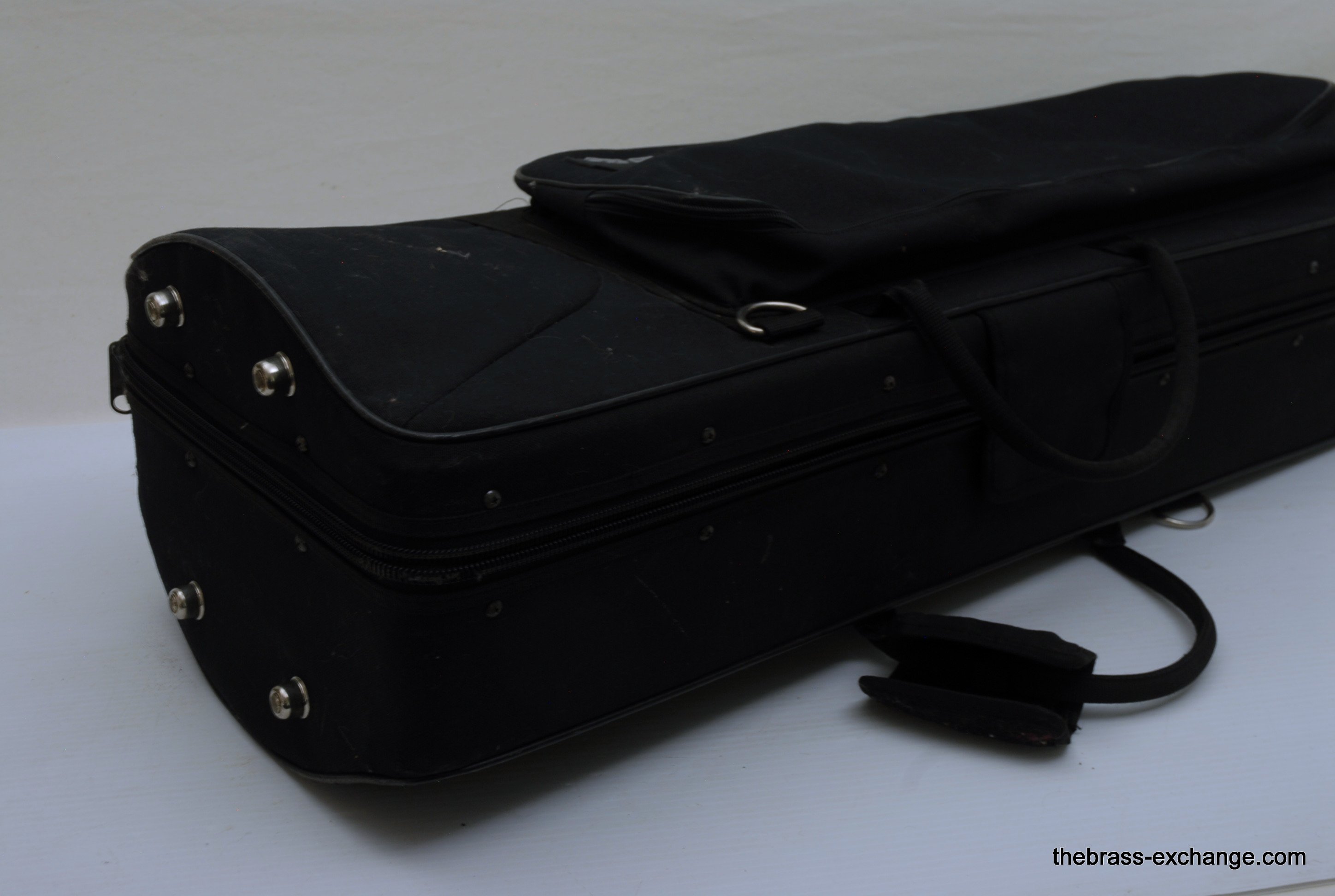
Includes an early Protec case in very good condition. This instrument has been sold and is now preserved here as a historical reference for collectors and enthusiasts studying Conn’s final Elkhart-built trombones.
Looking for something similar? 🔎 Browse current trombones in stock or contact us for a valuation and explore your options ✍️.