







✦ Historical Perspective
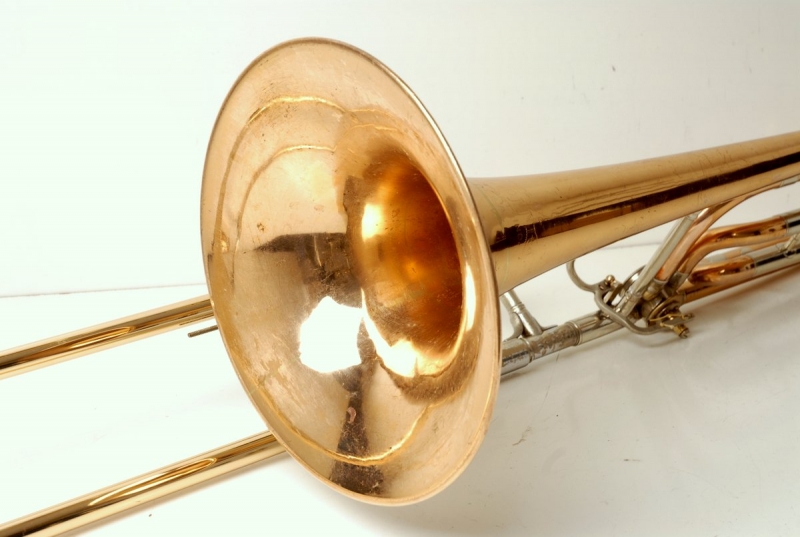
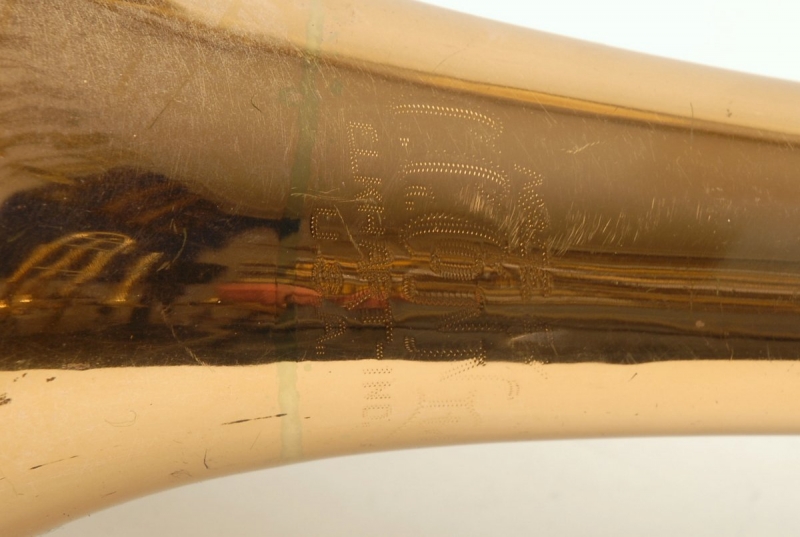
This Conn 70H bass trombone dates from 1924 and represents one of the more historically important early American bass trombone designs produced by Conn during the Elkhart era. Instruments from this period were built long before the modern bass trombone standardization that would later define orchestral playing throughout the second half of the twentieth century.
Some players refer to this model as a “Fuchs” while others debate whether it should technically carry that designation. Regardless of terminology, the instrument shares many of the same core design concepts, bell construction characteristics, and tonal philosophy associated with the famous Conn Fuchs models.
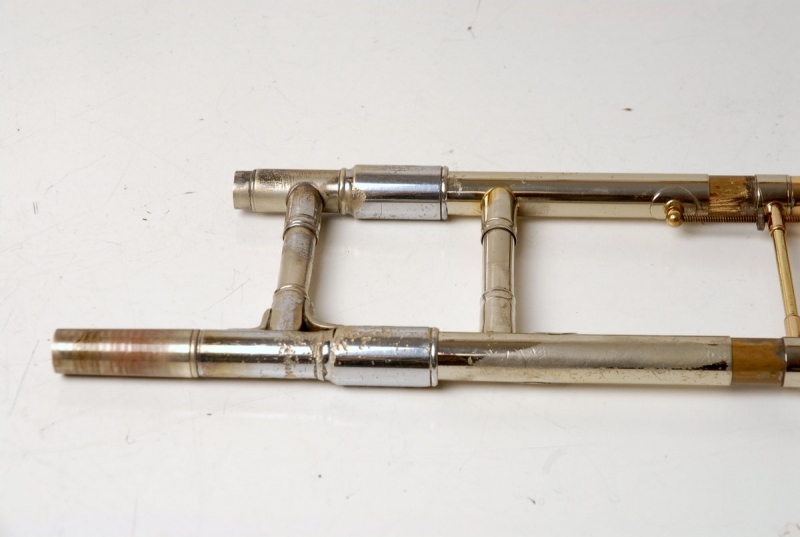
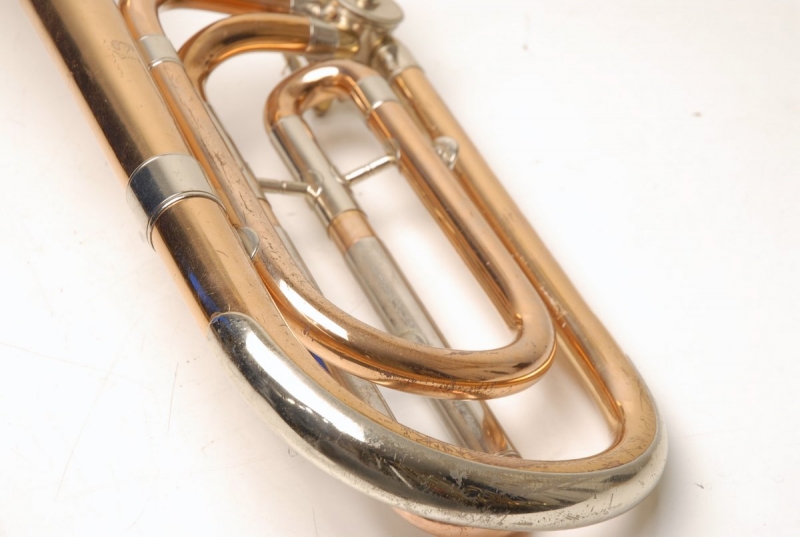
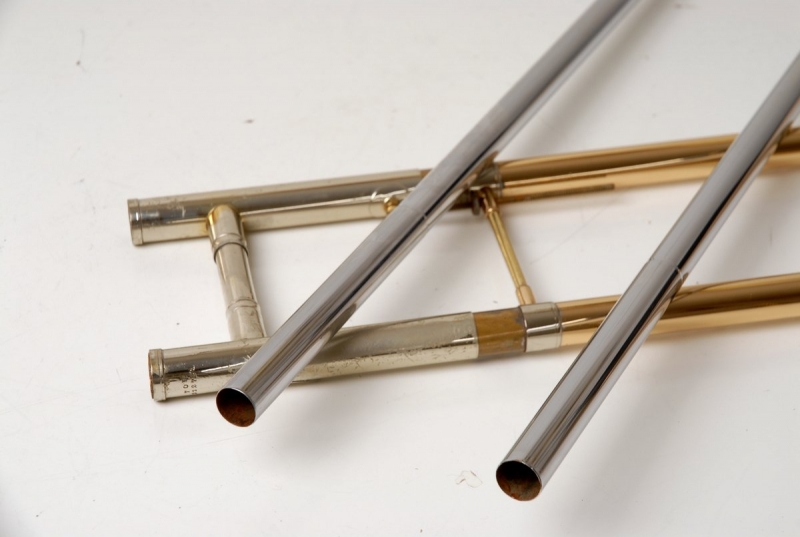
One of the most fascinating aspects of this instrument is its architecture. Unlike later Conn bass trombones such as the 62H, this model features interchangeable slides for the valve section rather than a traditional pull tuning slide system. The bell section connects to the handslide using a friction-fit design, and the original removable leadpipe remains intact and unsoldered — features rarely encountered in surviving examples today.
The bell itself measures slightly under 9.5 inches, closer to approximately 9.25 inches, and features an unsoldered rim with a one-piece bell stem construction and no bell tuning slide. These early design approaches contribute heavily to the instrument’s unique response and tonal profile.
The inner and outer slides were replaced at the Conn factory in 1959, an important part of the instrument’s documented service history. The previous owner reportedly used this trombone as a primary bass trombone in a high-level symphony orchestra for more than thirty years, a testament to both the instrument’s reliability and enduring musical value.
From a historical standpoint, this model occupies a fascinating position in the evolution of professional bass trombone design and remains highly desirable among collectors and serious vintage brass enthusiasts.
✦ Player Perspective
From a playing standpoint, this Conn 70H has an incredibly distinctive feel that differs substantially from many modern large orchestral bass trombones.
The response is dark, resonant, and surprisingly immediate. Despite the instrument’s age and historical design, the horn feels alive and flexible rather than heavy or sluggish. There is a broad tonal core throughout the instrument, but also a level of resonance and efficiency that makes it remarkably enjoyable to play.
The friction-fit construction and early Conn bell design contribute to a unique tonal openness that many players describe as unusually vibrant and responsive. It is the type of instrument that encourages extended playing because the sound and feel remain engaging even after long sessions.
While highly collectible today, this instrument was never merely a museum piece. It served as a serious working professional bass trombone for decades and still demonstrates why many vintage Conn bass trombones continue to be respected by advanced players and collectors alike.
📸 Photography From Our Early Archive
These photos date back to the earlier years of The Brass Exchange and reflect a very different stage of both the business and our photography workflow. At the time, the goal was simple: carefully document rare instruments, preserve their history, and make them visible to players who might otherwise never encounter them.
Over the years, our photography methods, editing workflow, lighting systems, and image presentation standards have evolved significantly. But pages like this remain important because they capture real instruments, real ownership histories, and genuine moments in the growth of a small specialty shop that continued learning and improving over time.
This Conn 70H remains one of the more historically significant bass trombones we have handled, and preserving these archive pages helps document not only the instruments themselves, but also the evolving history of professional brass collecting and restoration.
❓ Questions Trombone Players Often Ask
What makes the Conn 70H historically important?
The Conn 70H represents an early stage in professional American bass trombone design before later orchestral bass trombone standards became fully established. Its friction-fit construction, interchangeable valve slides, and early bell architecture make it particularly interesting to collectors and historians.
Is this considered a “Fuchs” model?
Some players refer to these early Conn bass trombones as “Fuchs” models because of their shared bell design and playing characteristics. Others consider them closely related rather than technically identical. Debate still exists among collectors and vintage Conn enthusiasts.
What is unique about the friction-fit design?
Unlike later threaded or locking connections, the handslide and bell section join together using a friction-fit receiver system. This early construction style contributes to the instrument’s resonance and historical character.
How does this compare to a Conn 62H?
While both are highly respected Conn bass trombones, the 70H represents an earlier design philosophy with different valve architecture, tuning concepts, and construction methods. Many players describe the 70H as having an especially vibrant and resonant response.
Was this instrument actively played professionally?
Yes. According to the previous owner, this trombone served as a primary bass trombone in a high-level symphony setting for more than thirty years.
🔧 Availability & Archive Status
This Conn 70H bass trombone has been sold and is now shown here as part of our historical archive of professional and vintage brass instruments. Archive pages like this continue to serve as educational references for players researching early Conn bass trombones, Elkhart-era brass design, and historically significant orchestral instruments.
🔎 Browse current trombones available now:
https://www.thebrass-exchange.com/trombones
📚 Explore additional vintage Conn models in our Archive of Sold instruments:
https://www.thebrass-exchange.com/archive-of-sold/conn
✍️ Contact us for a valuation and explore your options if you own a vintage Conn trombone or historically significant brass instrument.