


Overview
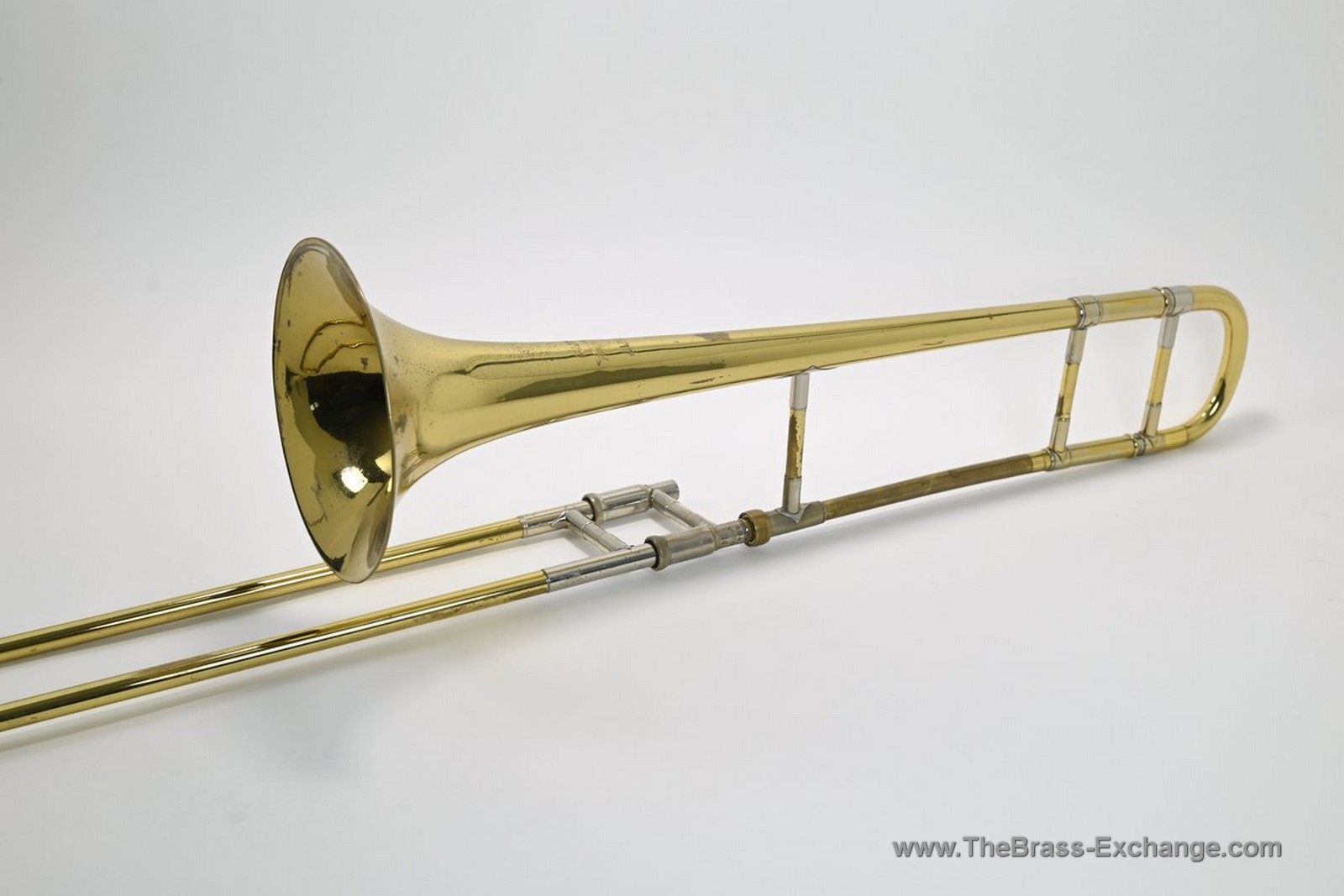
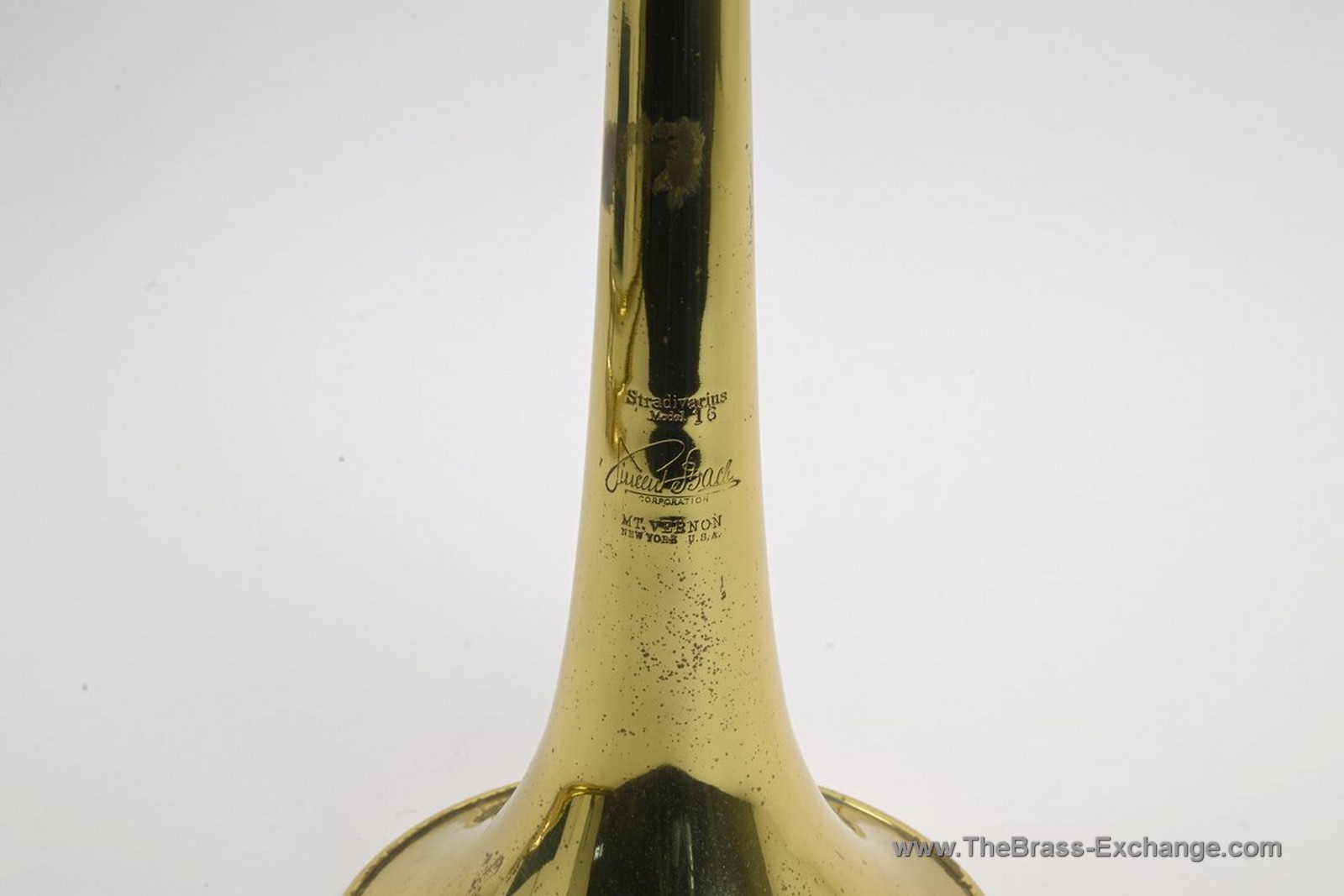
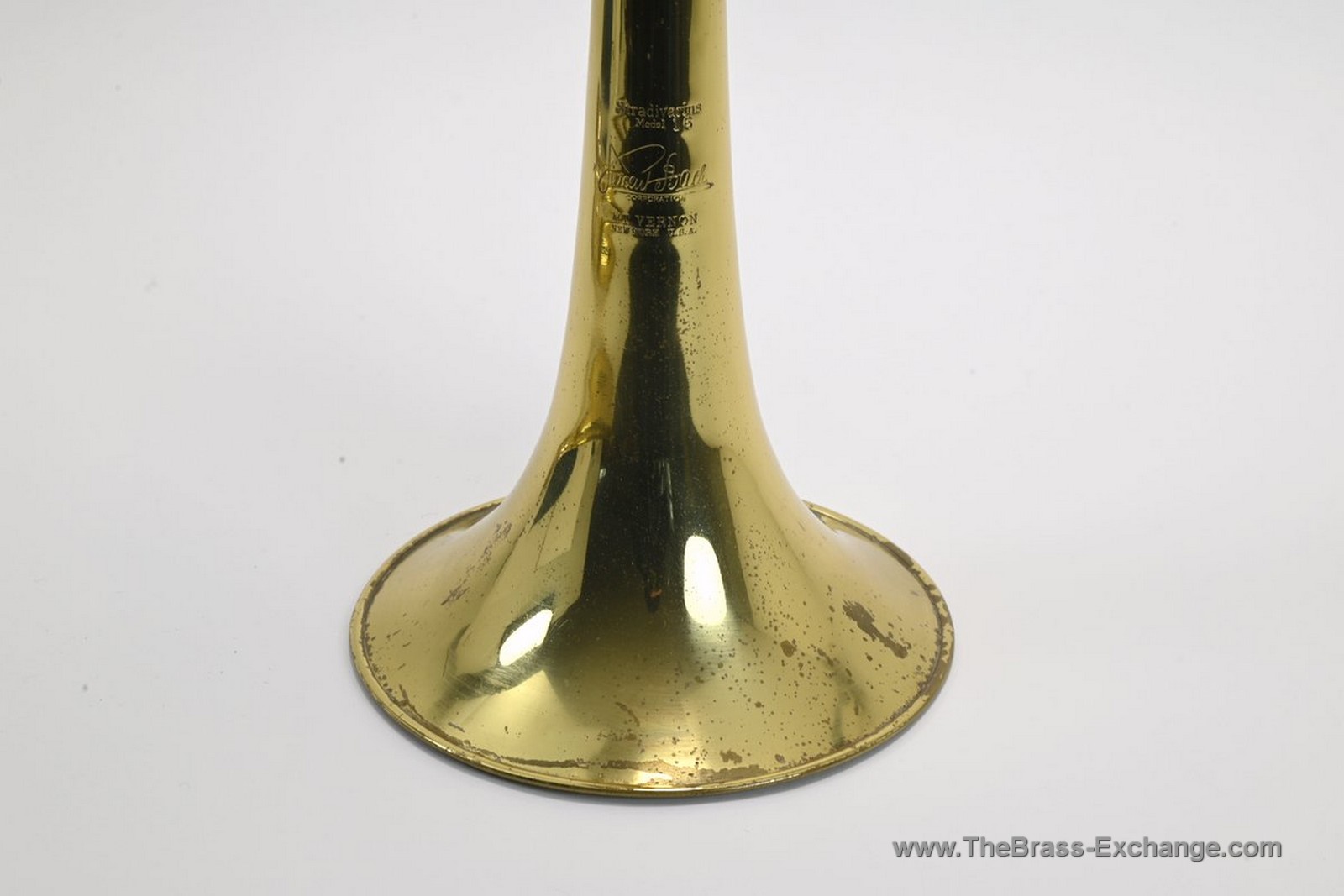
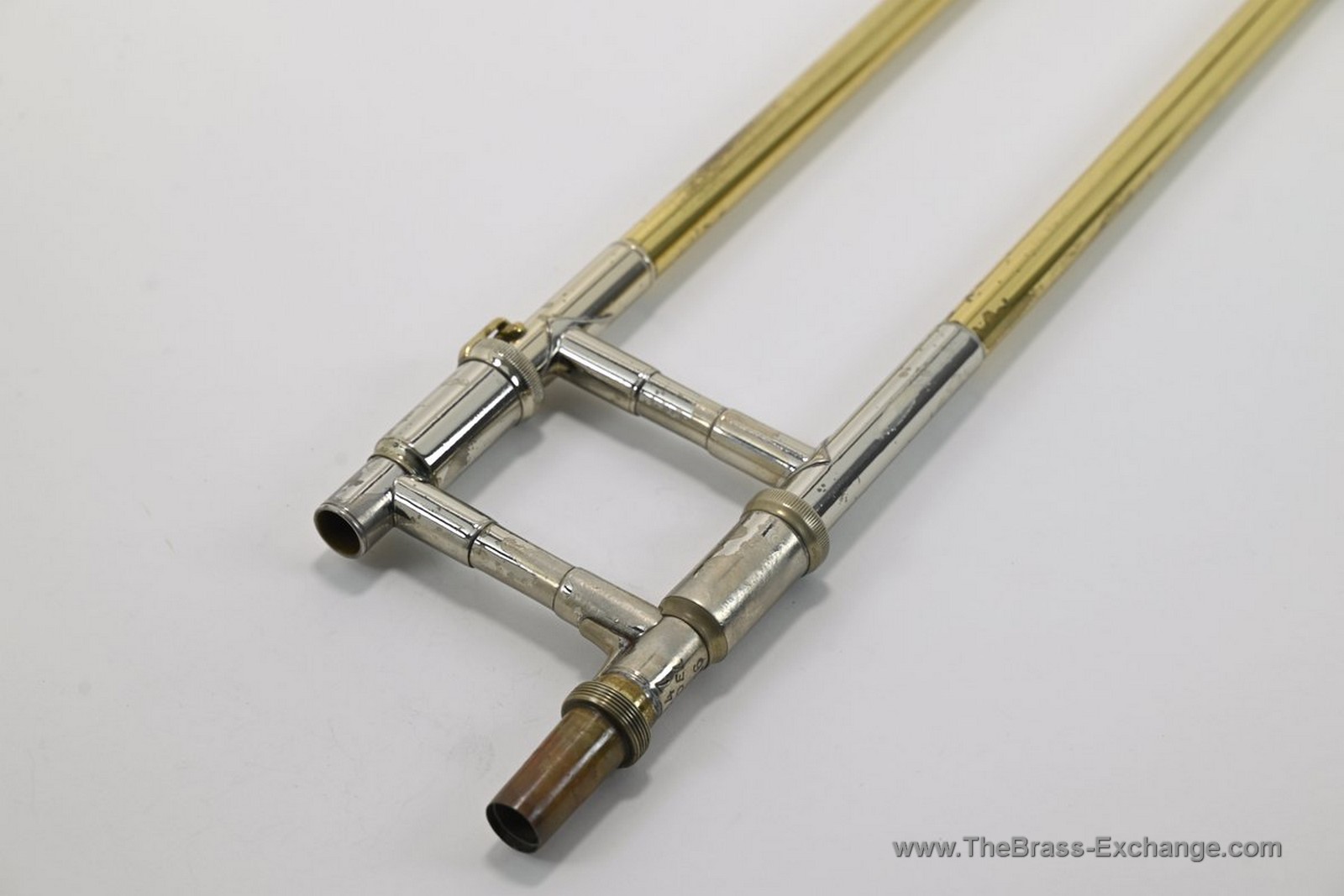
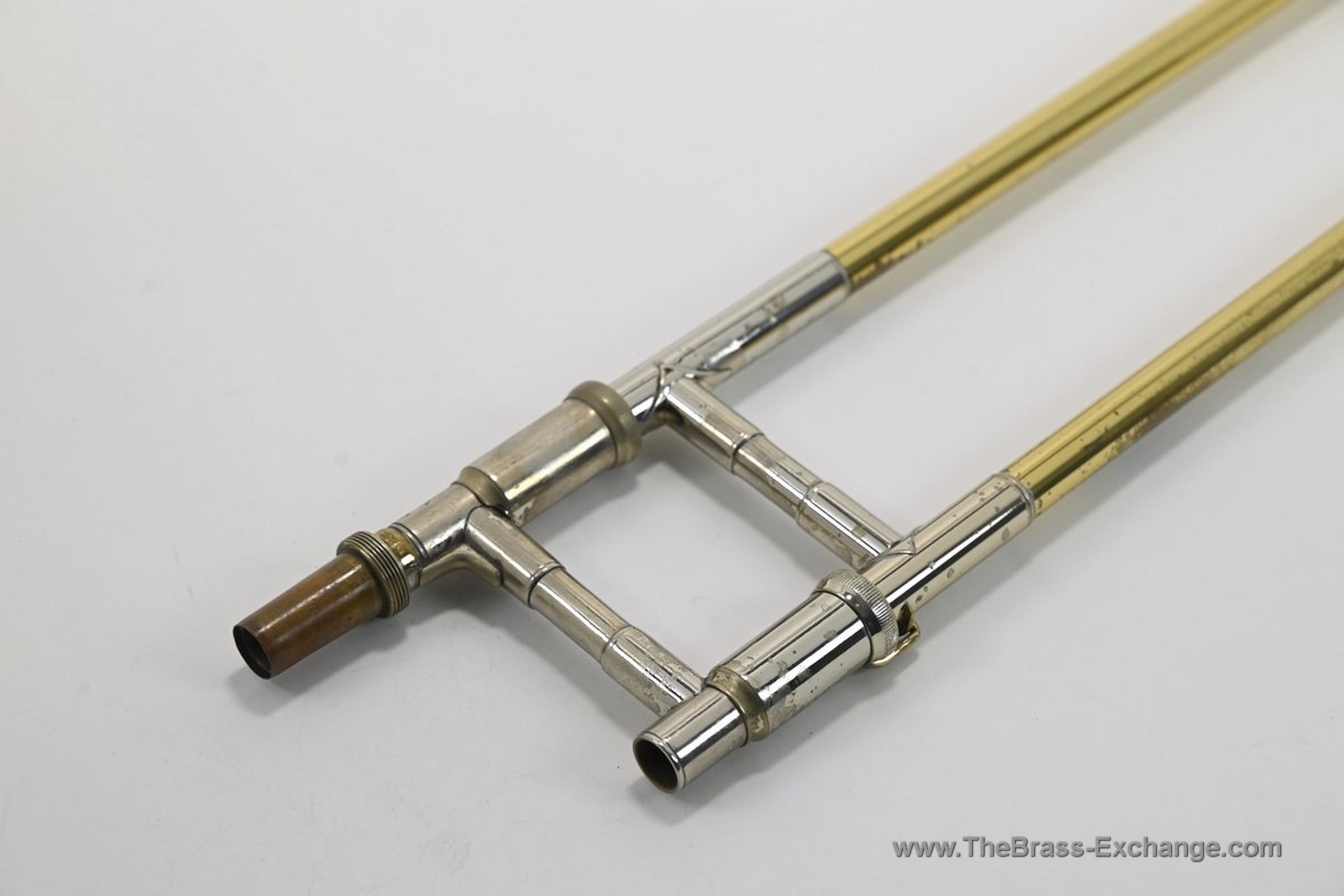
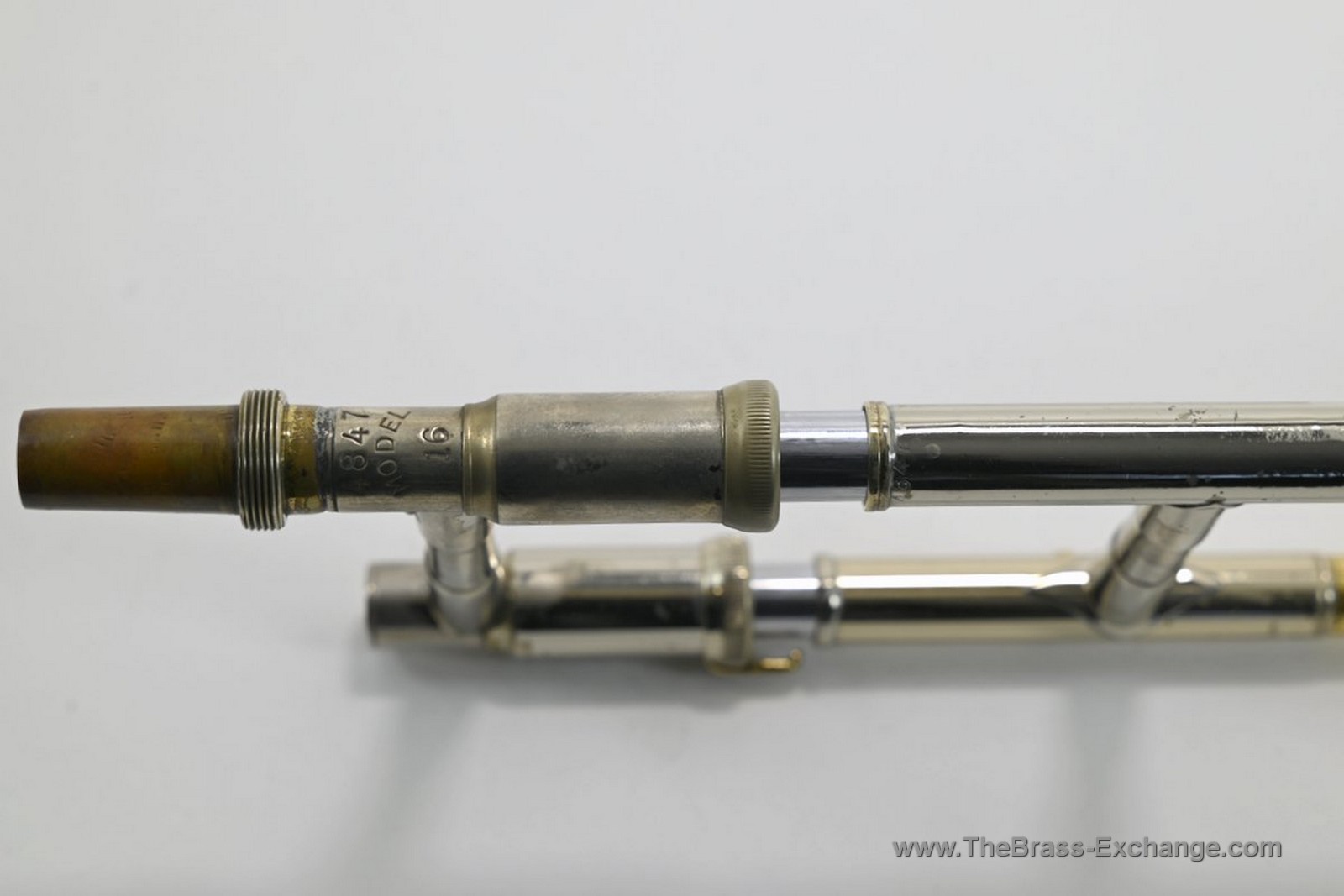
This Bach 16 trombone (SN 4847) is now part of our Archive of Sold instruments, preserved as a reference example from the highly regarded Mt. Vernon, New York production era of the mid-1950s.
This period is widely considered one of the finest in the history of Vincent Bach, known for hand-finished craftsmanship and consistent build quality.
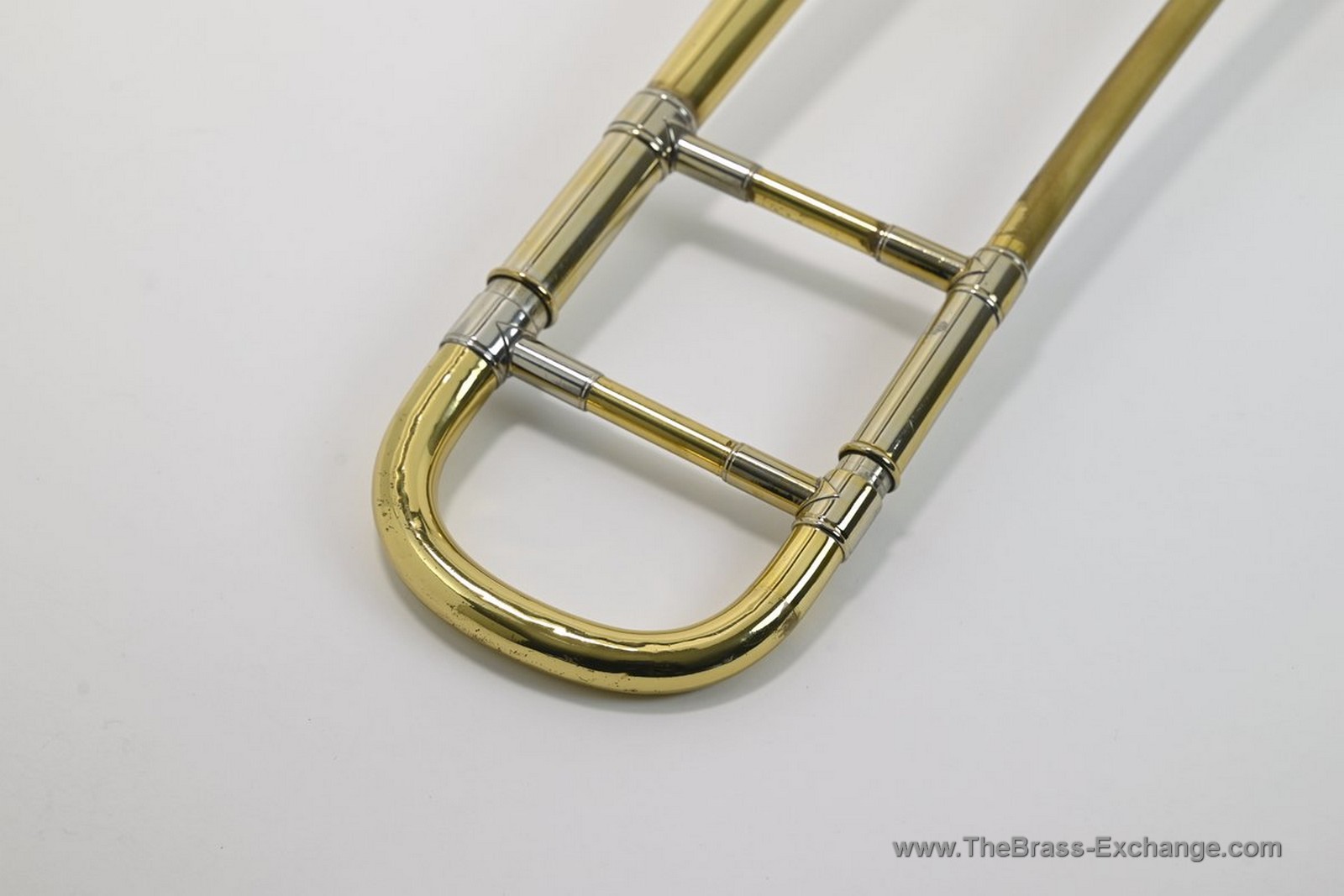
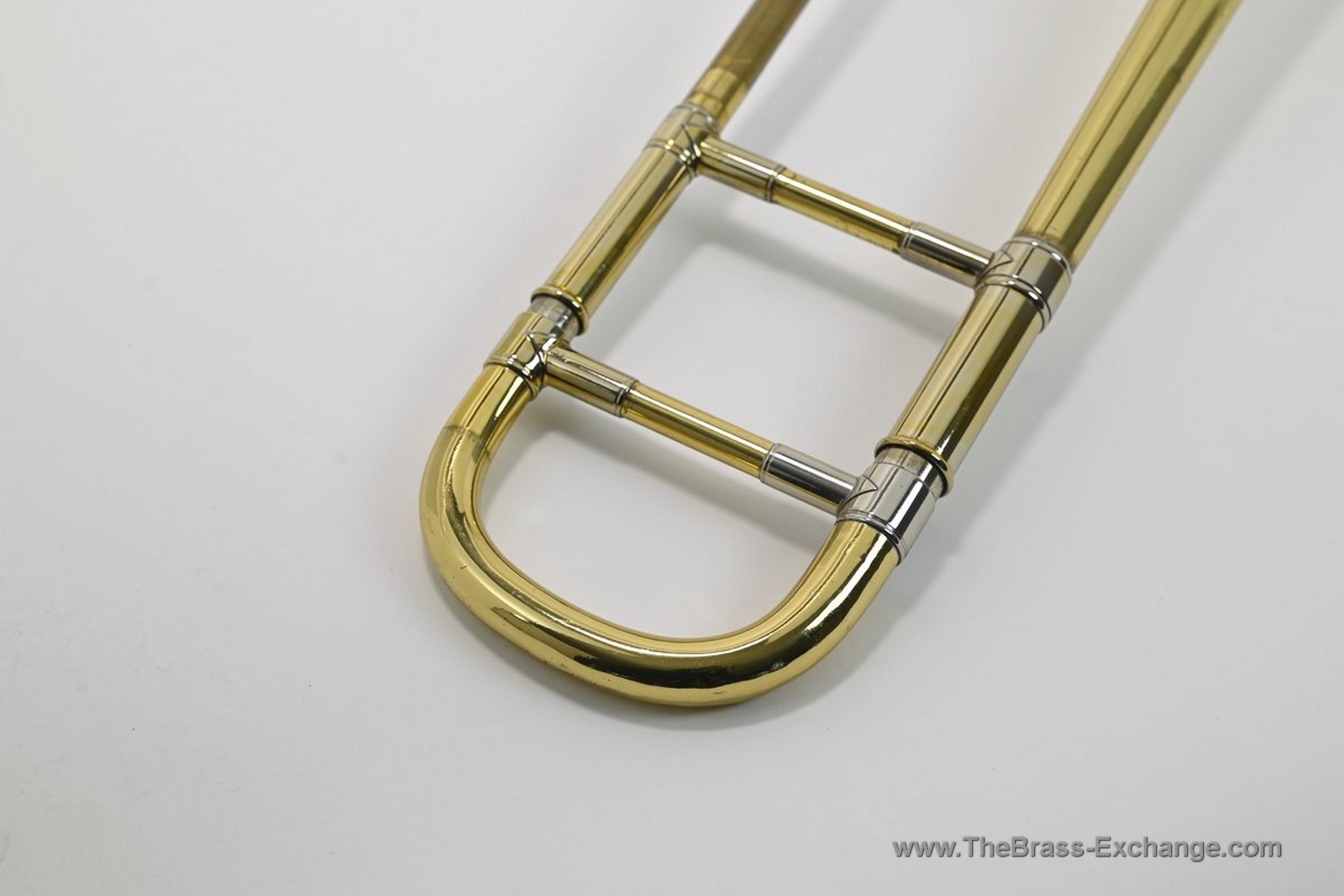
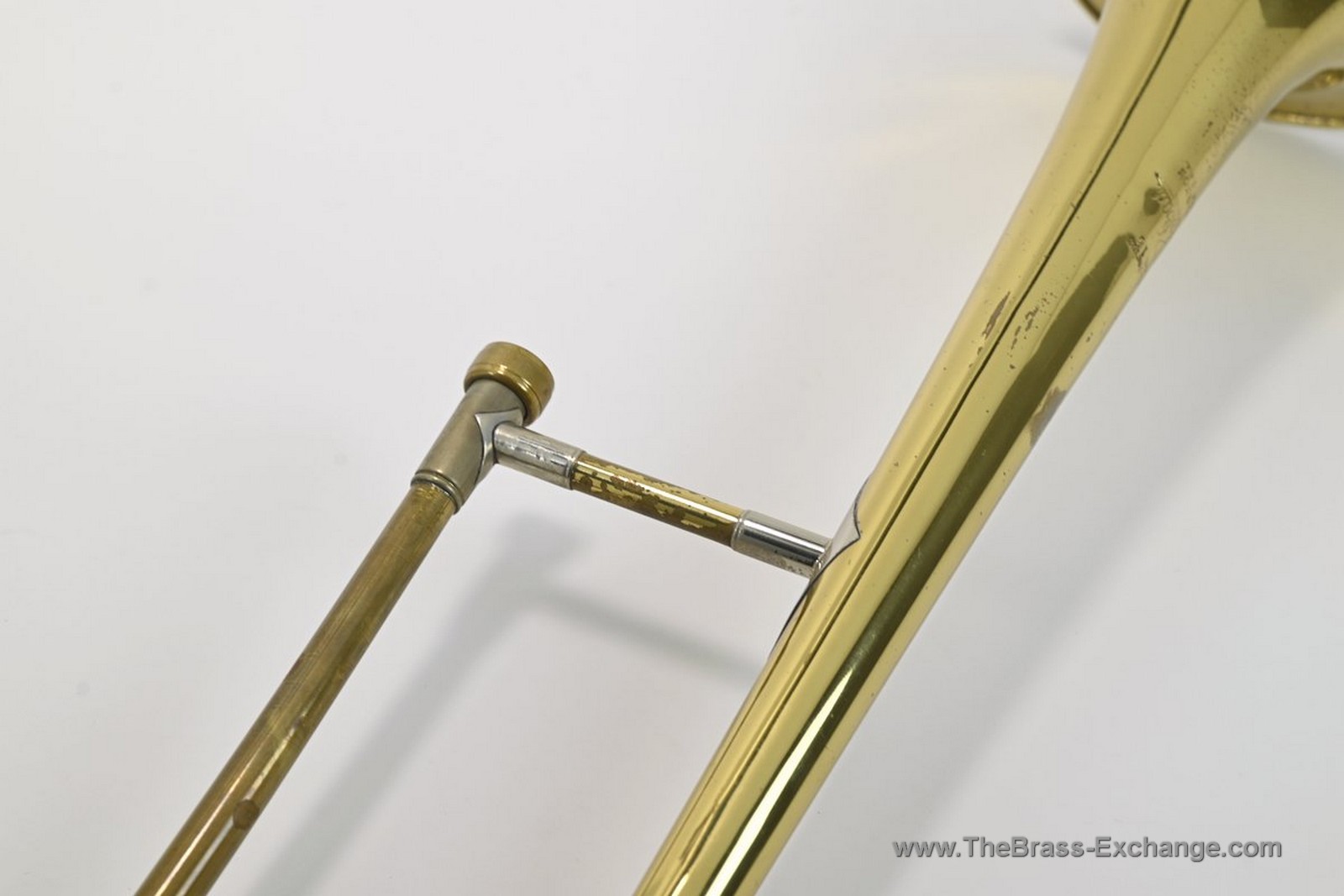
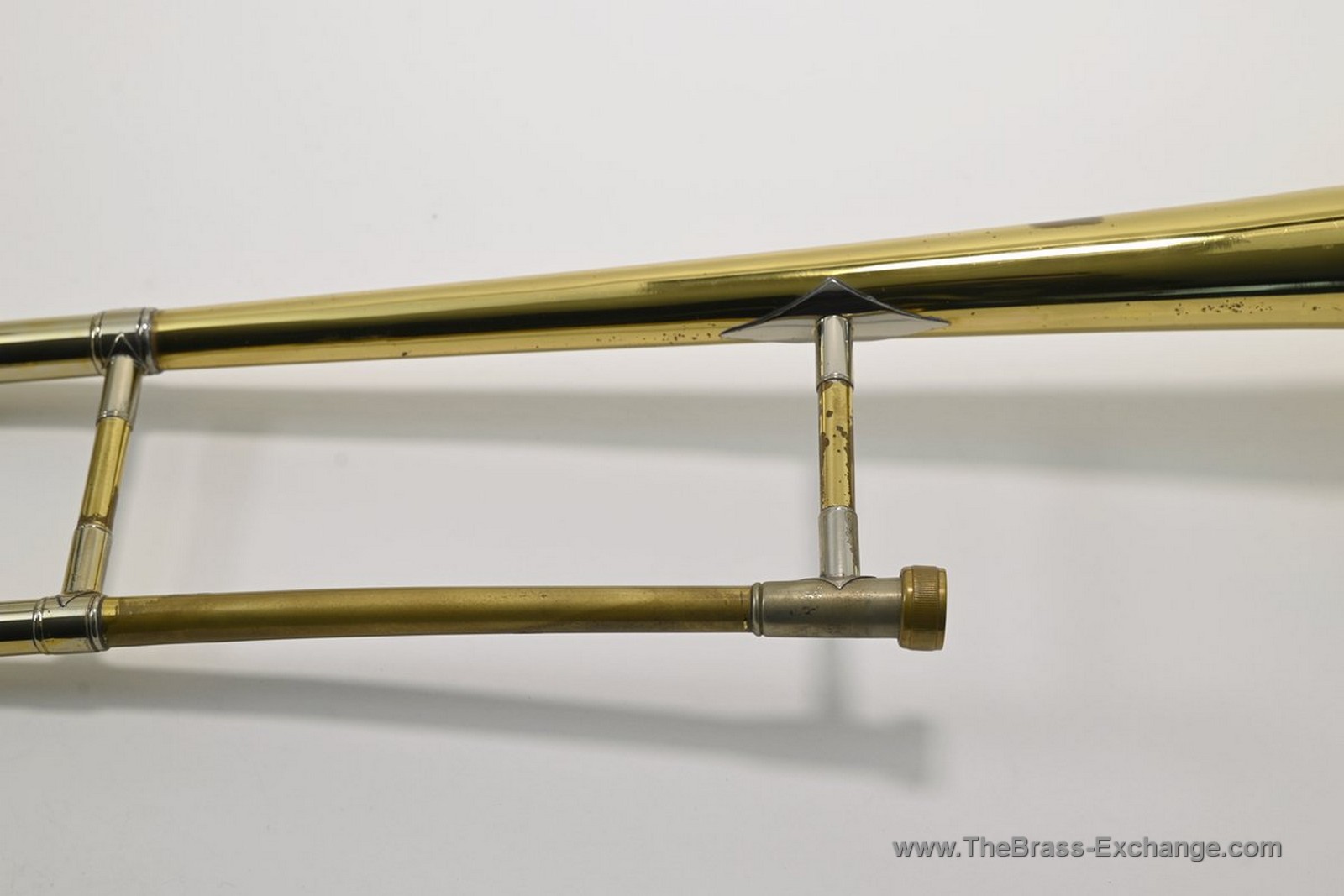
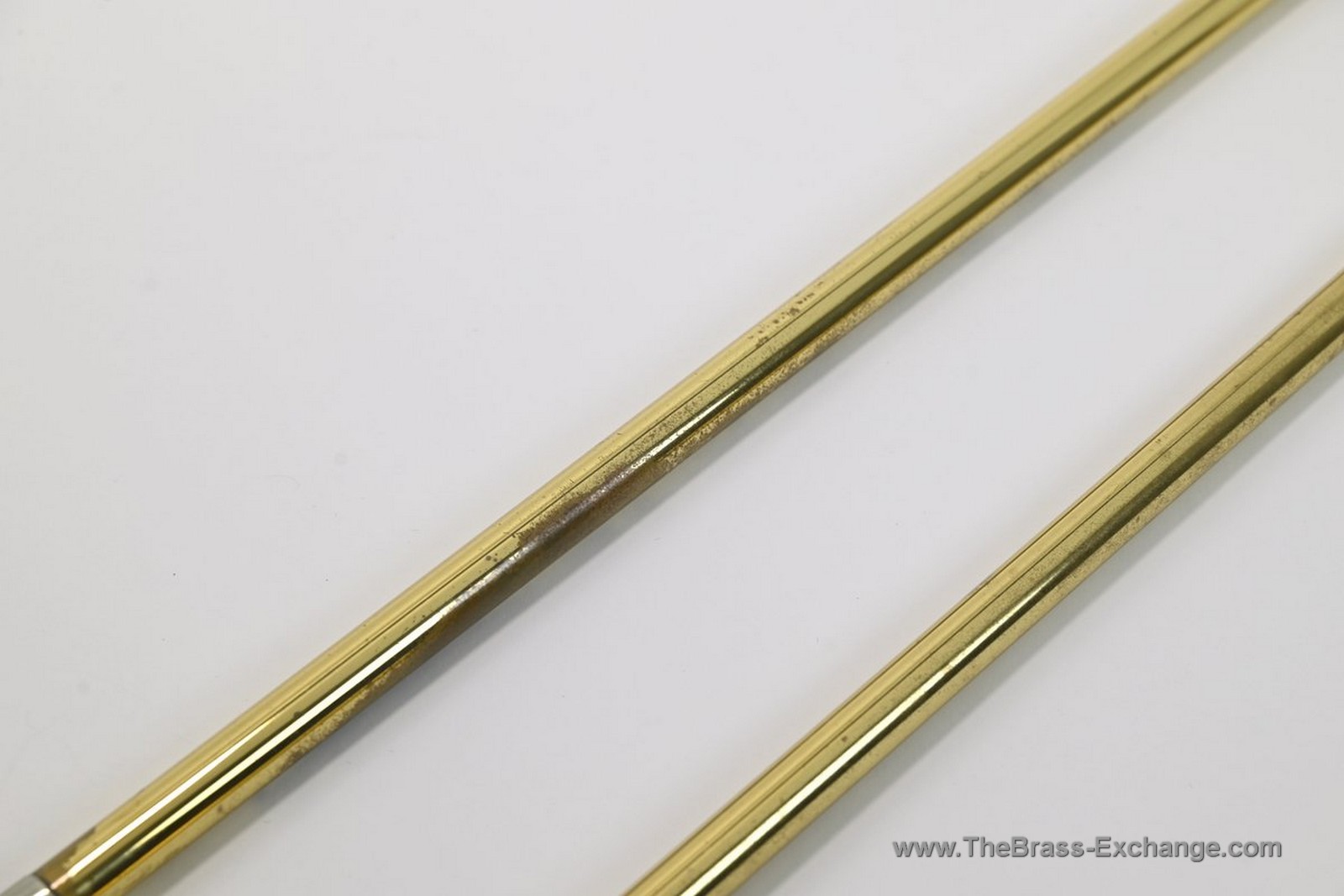
This instrument remains completely original, including factory lacquer and all component parts.
Key specifications include:
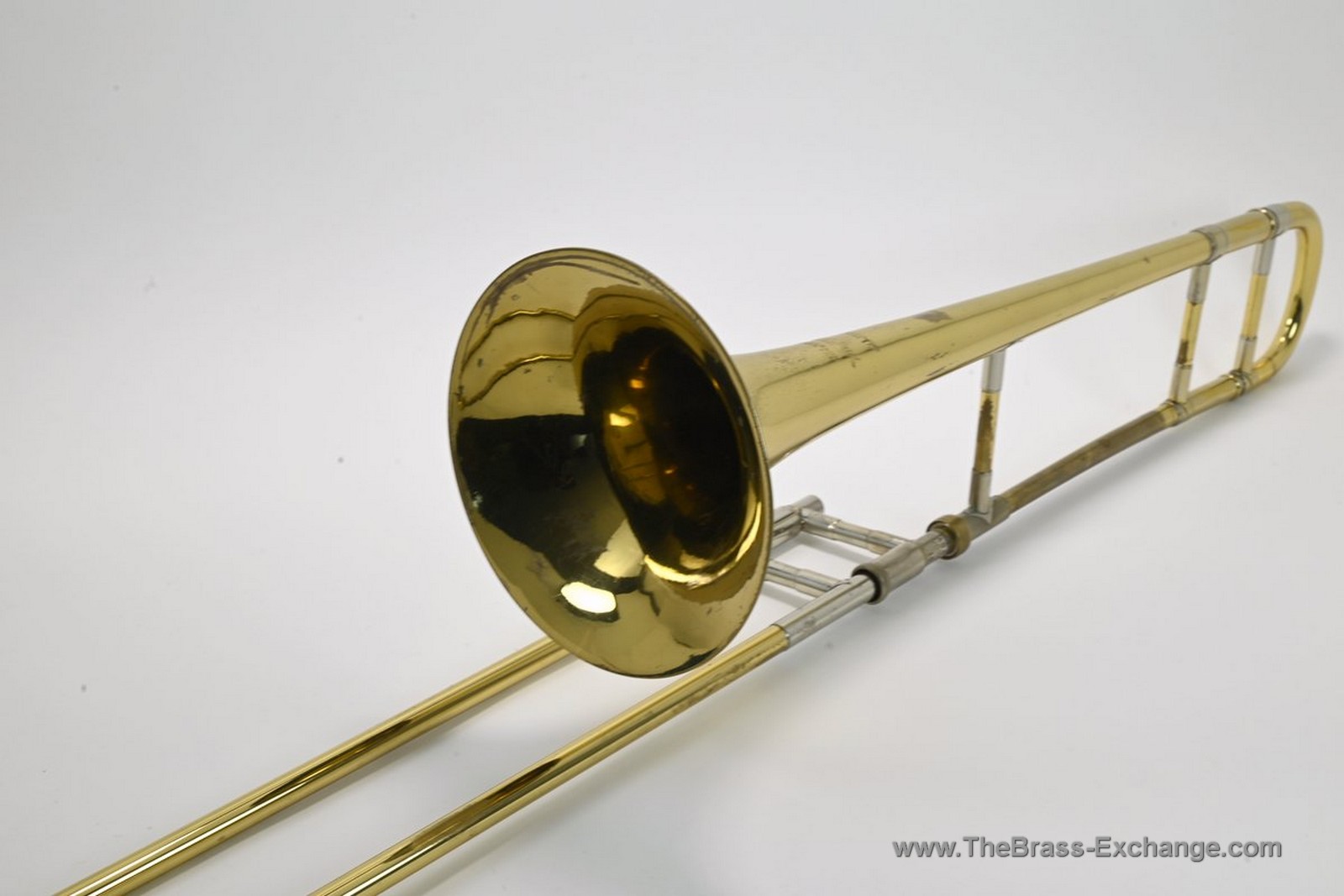
• 7.5" one-piece yellow brass bell with soldered bead-wire rim
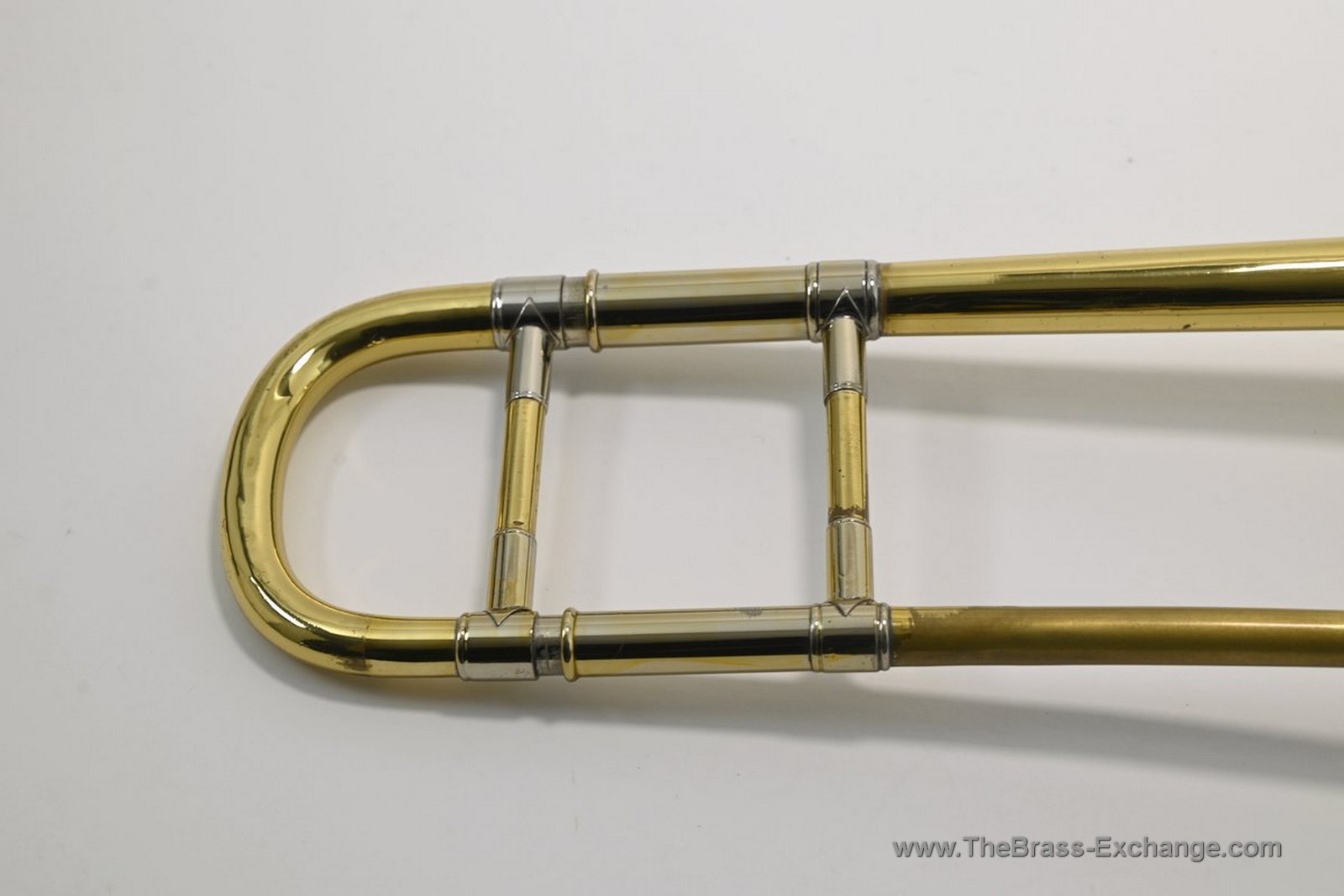
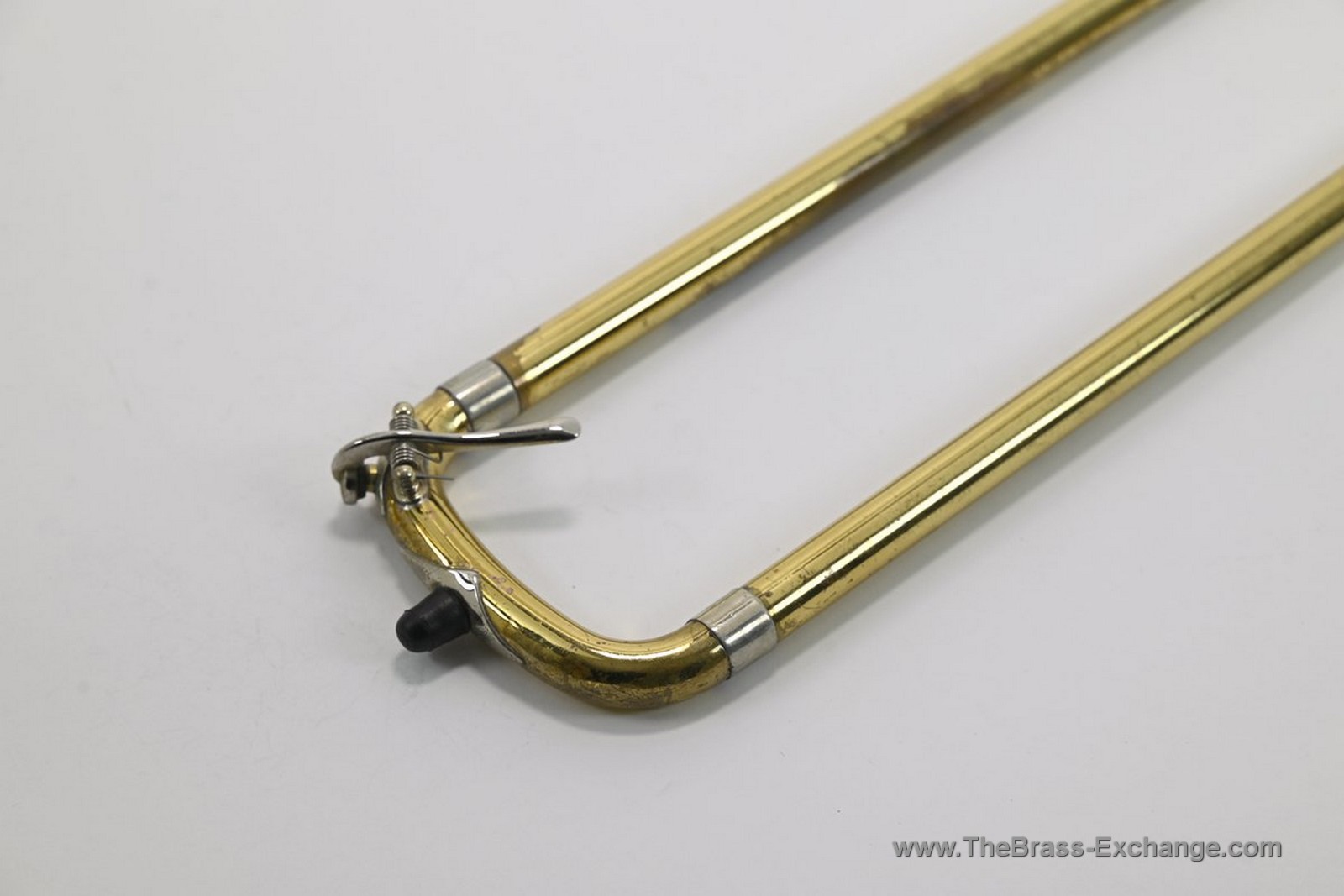
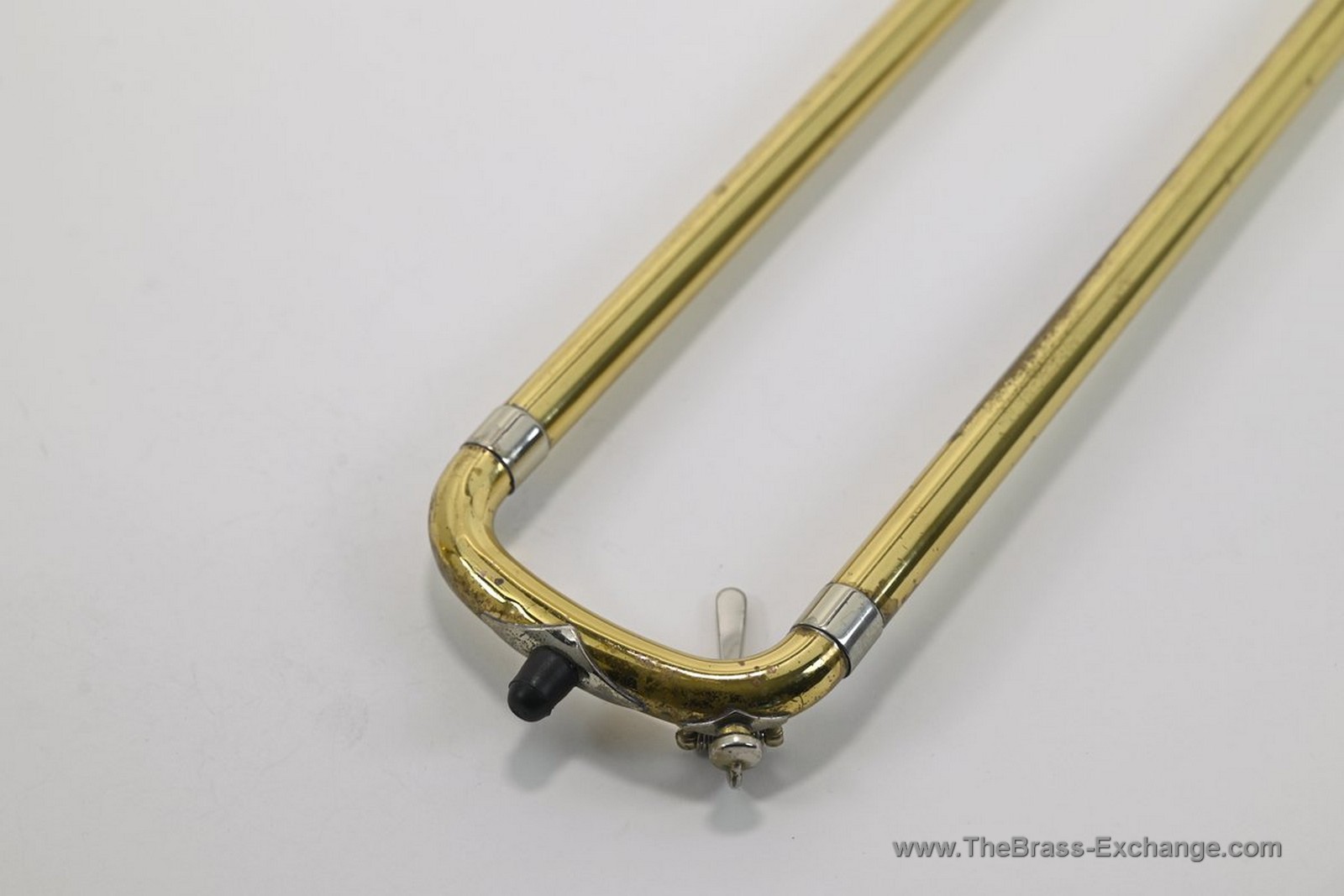
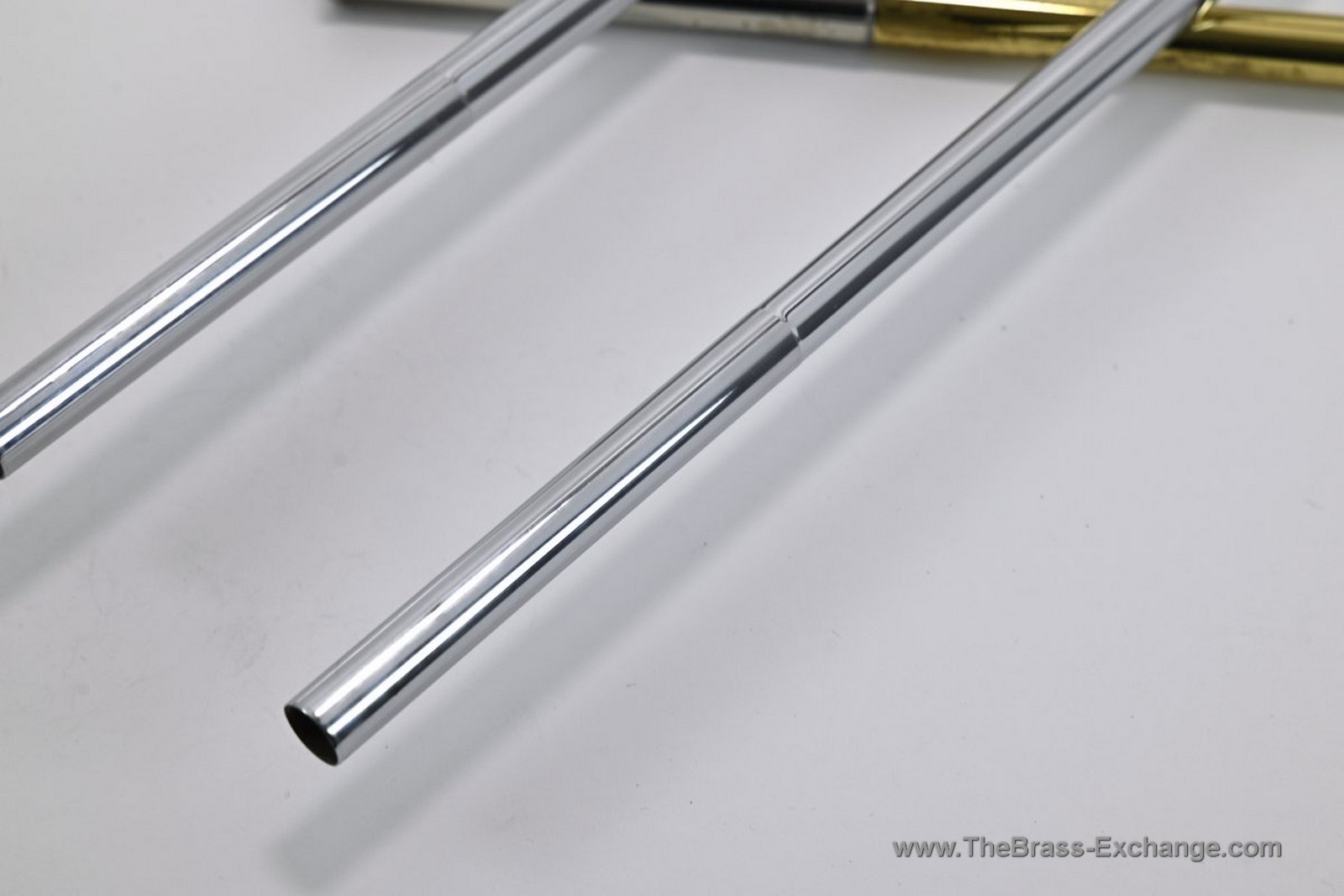
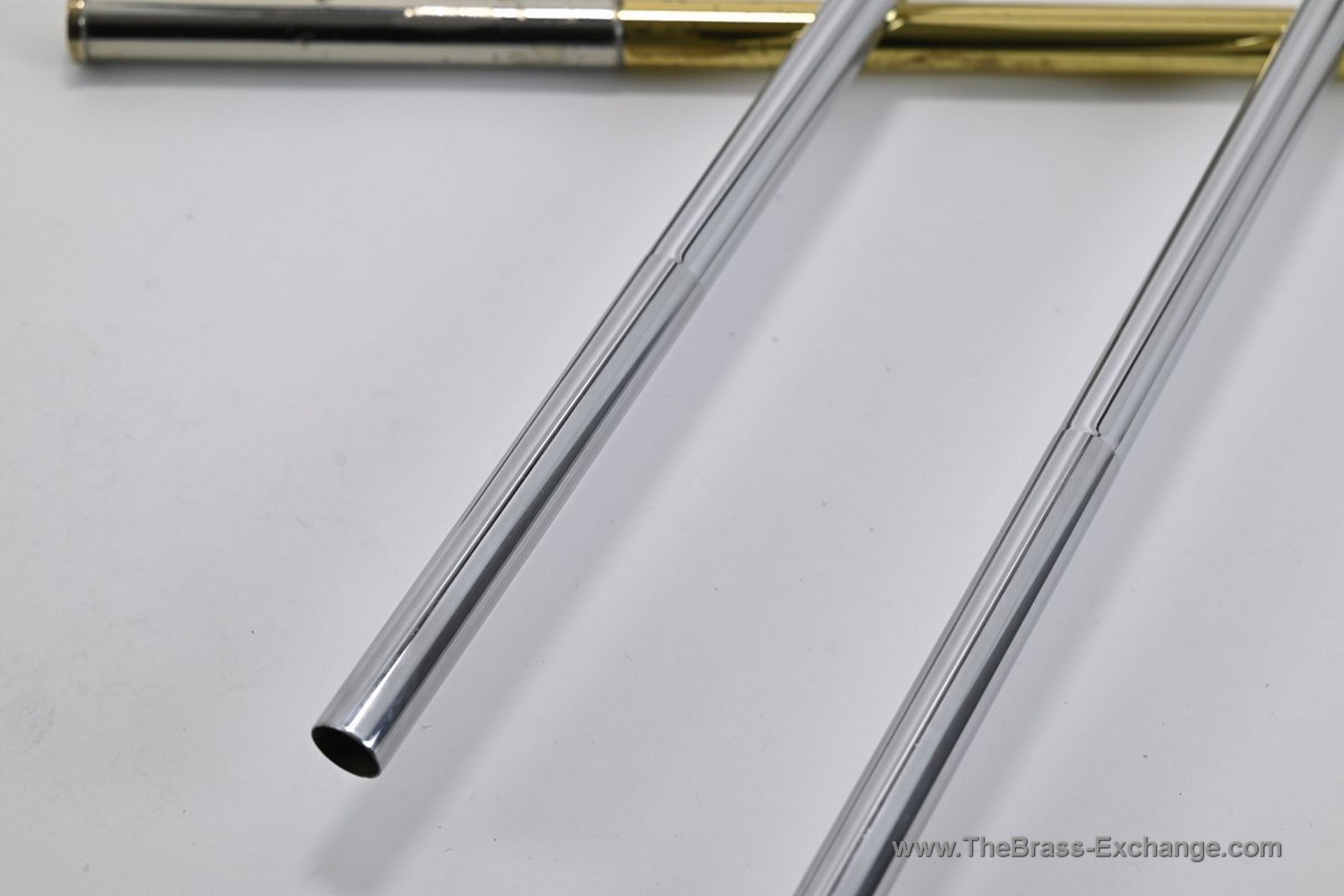
• Dual-bore slide (.495/.509)
• Original inner tubes with excellent alignment
The slide is a standout feature—smooth, responsive, and exactly what experienced players expect from a well-preserved Mt. Vernon Bach.
Cosmetically, the instrument shows:
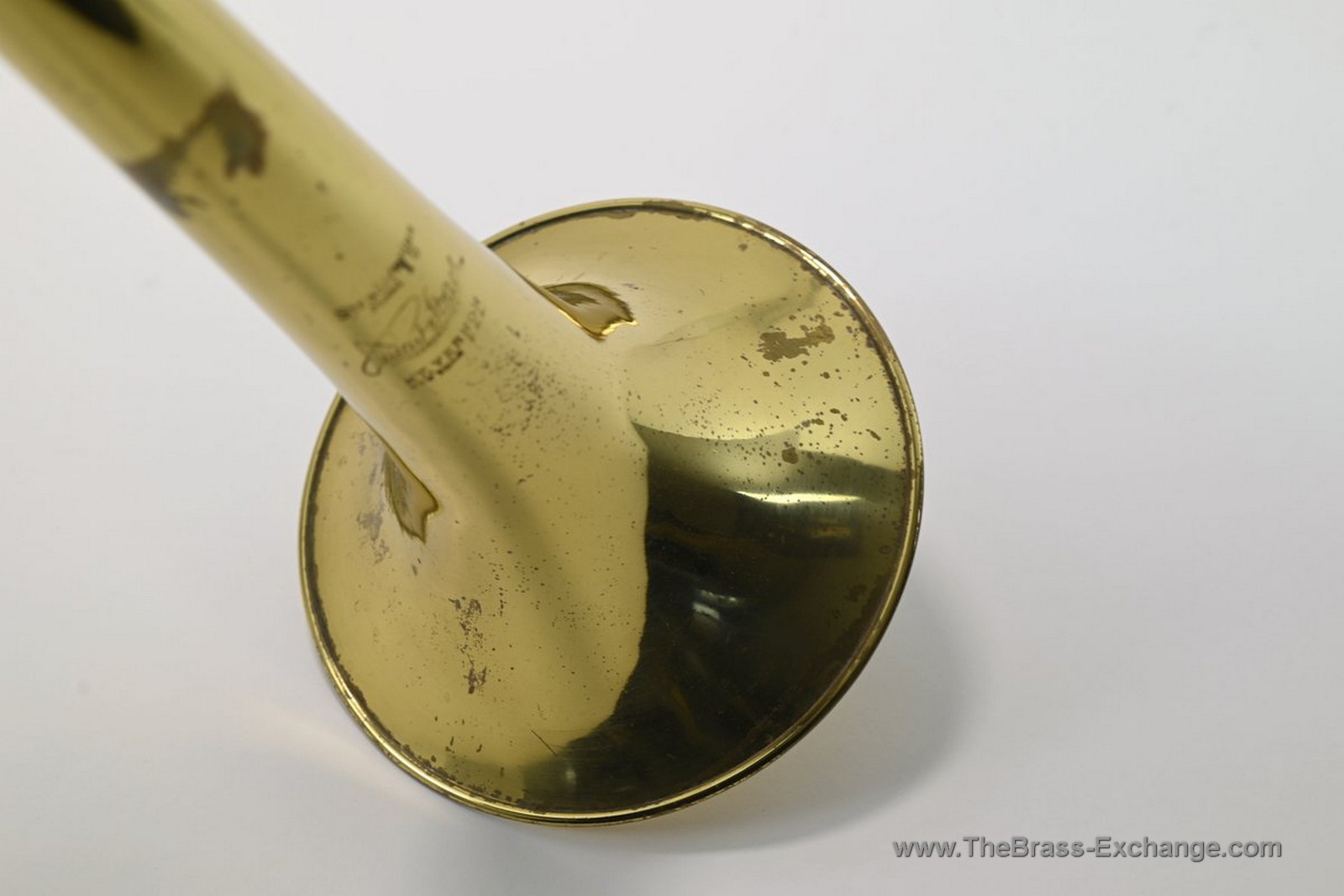
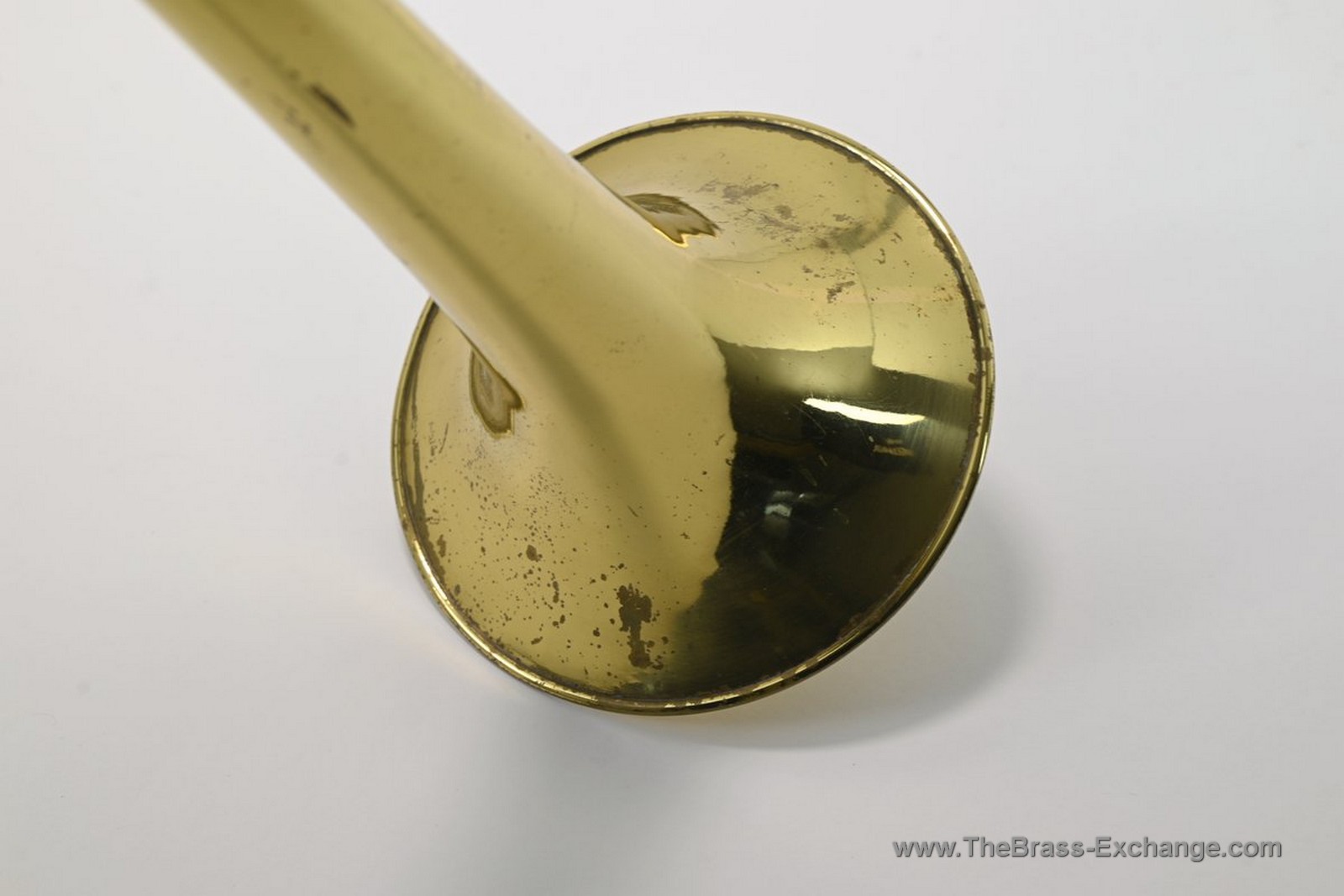
• honest lacquer wear in typical contact areas
• light oxidation where lacquer has worn
• minor cosmetic traces of past repair work
There are no structural concerns, and the instrument remains straight, stable, and highly playable.
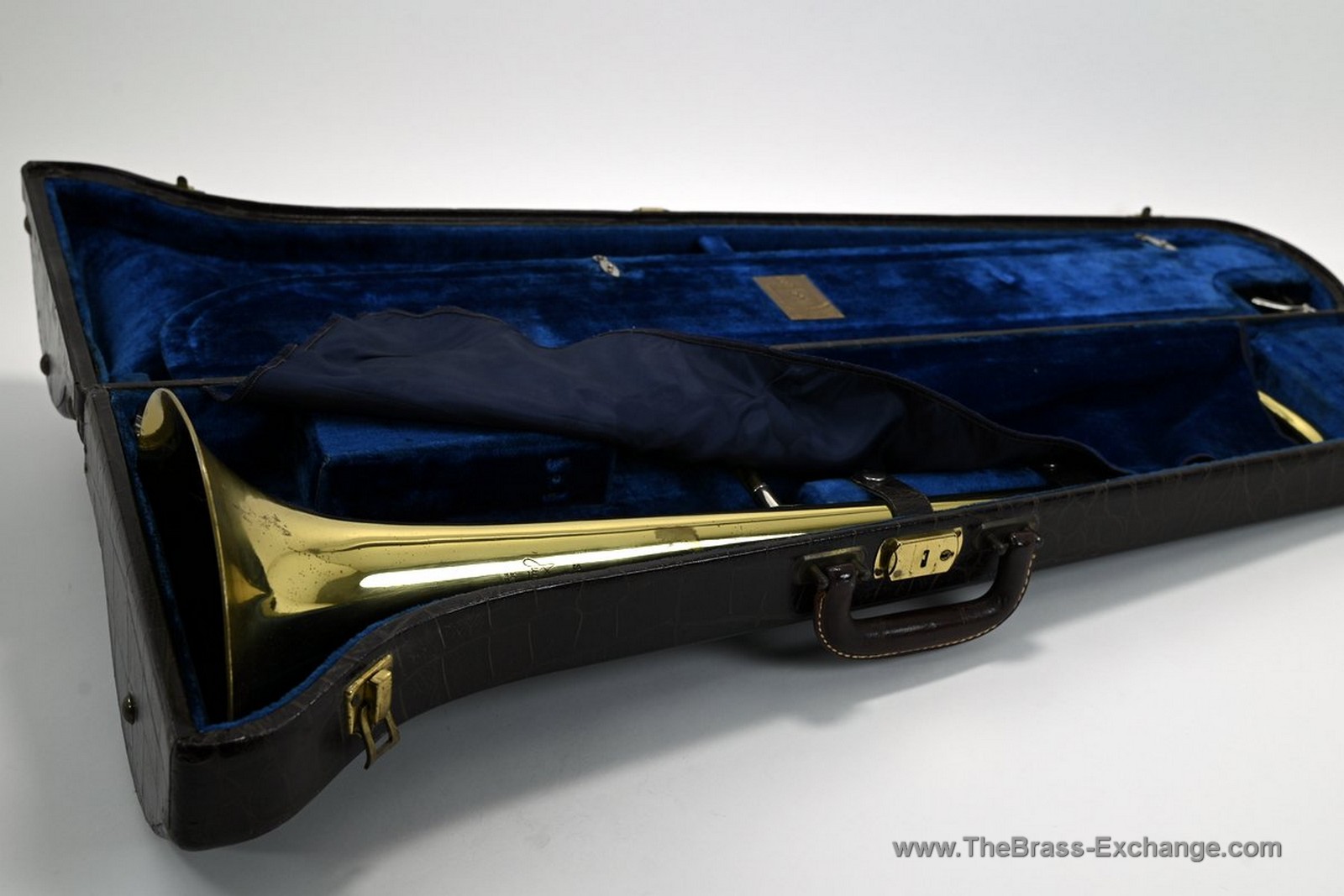
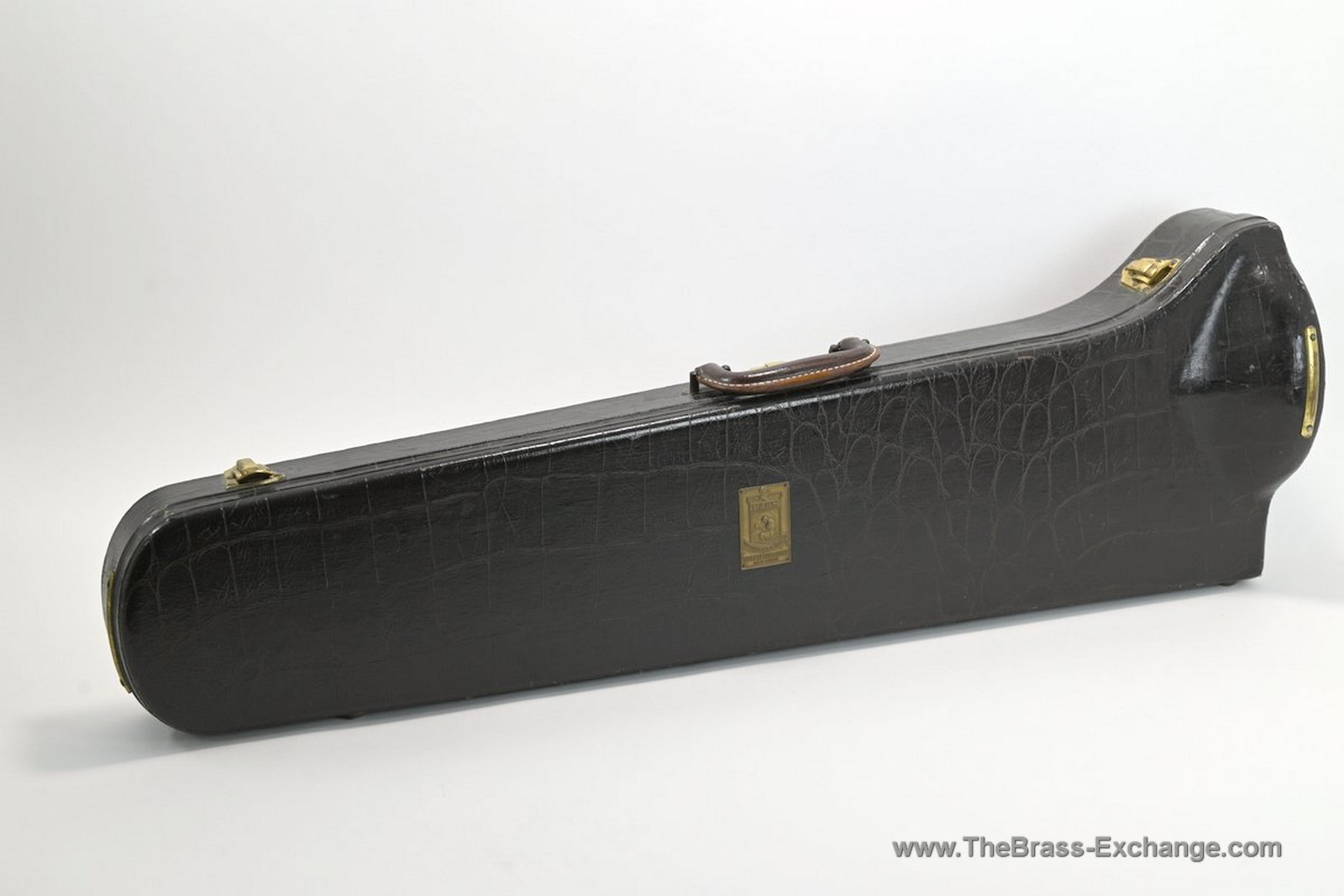
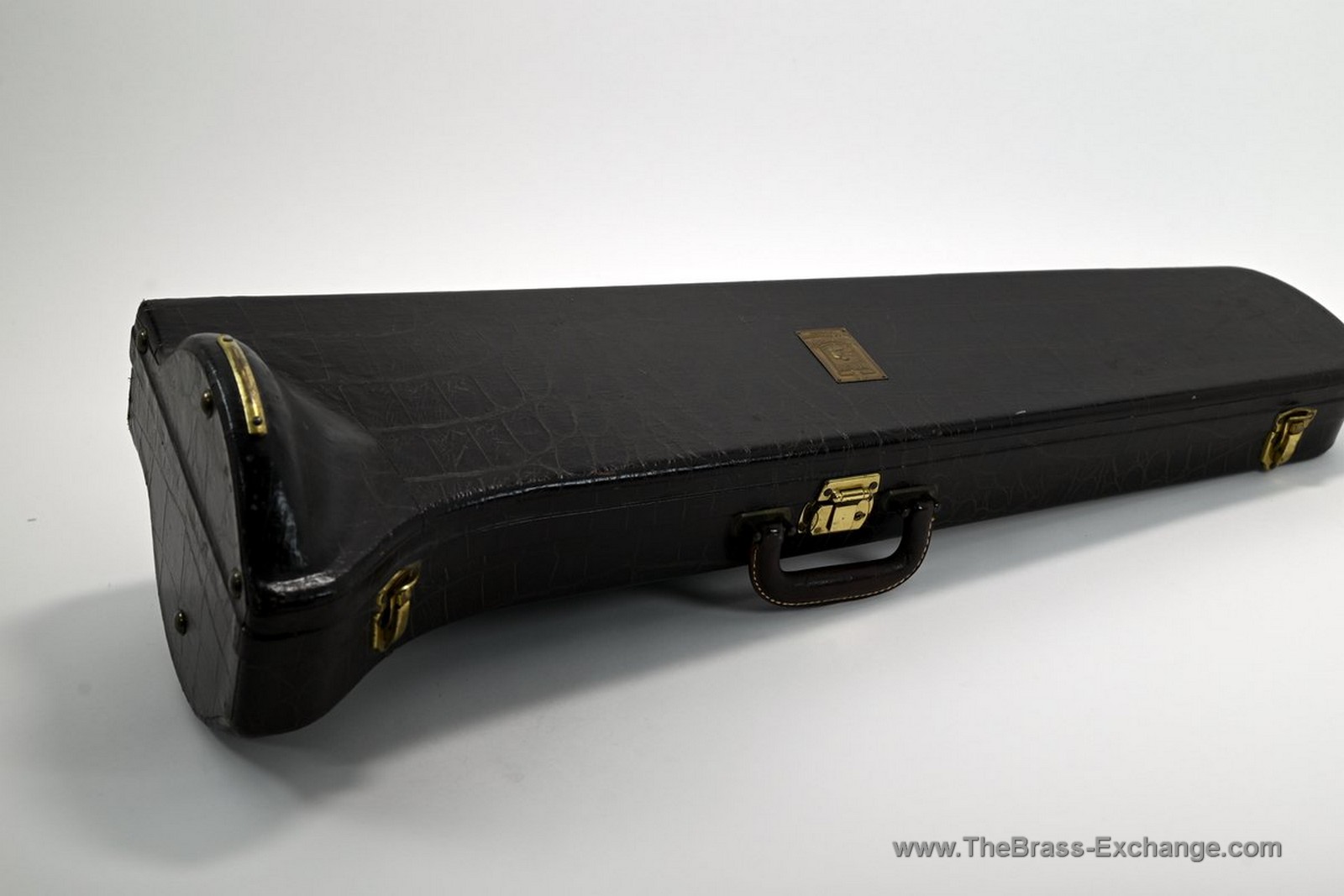
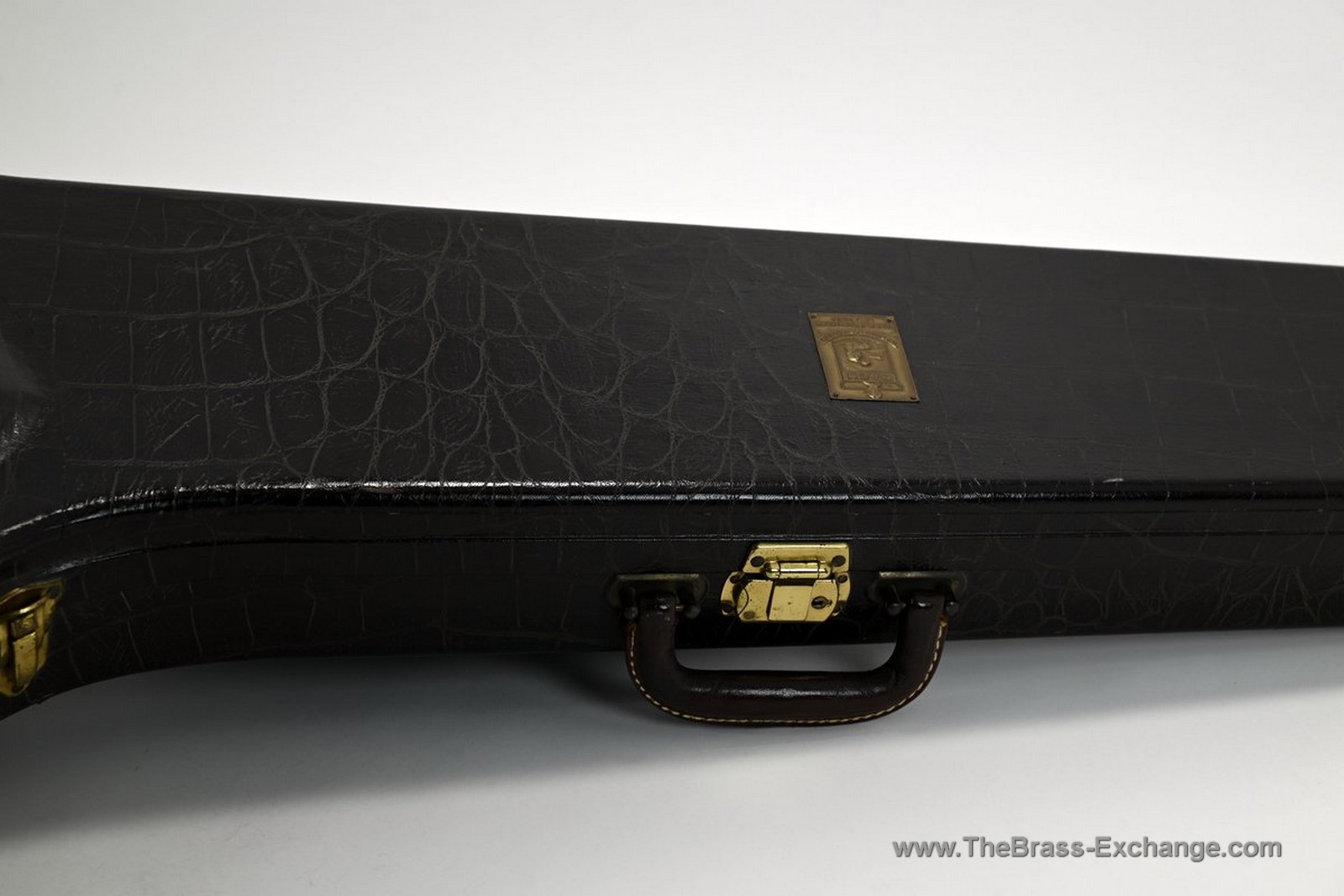
Included is an original Mt. Vernon alligator-style case in exceptional condition, along with a period-correct mouthpiece.
✦ Collector & Player Perspective
The Bach 16 occupies a unique place in the Bach lineup.
It sits between:
• smaller jazz-oriented horns
• larger symphonic models such as the 36 and 42
This gives it a compact, flexible sound well suited for:
• chamber music
• small-group jazz
• pit orchestra
• studio work
Mt. Vernon-era Bach instruments are especially valued for:
• hand-finished bells
• consistent slide geometry
• balanced tonal response
This example reflects those traits clearly—offering easy response, centered pitch, and a natural feel in the hands.
For collectors, it represents a fully original Mt. Vernon Bach.
For players, it is simply a very strong performing Bach 16.
Because it has not undergone a full cosmetic overhaul, it offered an opportunity to own a genuine Mt. Vernon example at a more accessible level.
✦ Historical Perspective
The Mt. Vernon era represents a defining period in Bach trombone production, where craftsmanship and design consistency helped establish the company’s long-term reputation.
The Bach 16 reflects a design philosophy focused on:
• versatility across musical settings
• efficient airflow and response
• tonal balance between clarity and warmth
Unlike later large-bore orchestral designs, the 16 maintains a nimble and flexible character, making it one of the more adaptable models in the Bach lineup.
Over the years, The Brass Exchange has handled and documented a substantial number of vintage Bach trombones, allowing us to compare how these instruments perform across decades of use and preservation.
👉 Explore our full archive of vintage Bach trombones
✦ Condition & Service
At the time of sale, this instrument was in strong vintage playing condition:
• Mid-1950s Mt. Vernon production
• All original parts and lacquer
• Excellent slide alignment and response
• No structural issues
• Light cosmetic wear consistent with age
Included:
• Original Mt. Vernon alligator-style case
• Period-correct original mouthpiece
This instrument had not undergone a full cosmetic overhaul but remained a professional-level player.
Questions Trombone Players Often Ask
Is it safe to use a professional trombone from the 1950s for serious playing?
Yes. When properly maintained, vintage professional instruments remain fully capable. Condition and setup matter far more than age.
How does a Bach 16 compare to a King 3B or Conn 6H?
The Bach 16 sits between small-bore and larger symphonic models. It tends to feel compact and centered compared to a King 3B, and slightly more weighted in core than a Conn 6H.
Is original lacquer important on a vintage Bach?
Original lacquer is often valued because it indicates minimal buffing and preserves engraving and structural integrity.
Vincent Bach used a relatively light lacquer compared to modern finishes, so natural wear is common. Re-lacquering involves buffing, which can affect engraving and potentially alter how the instrument plays.
For many players and collectors, honest lacquer wear is preferred, as it reflects natural aging without altering the instrument’s response.
🔧 Availability & Archive Status
This instrument has been sold and is now part of our Archive of Sold collection.
These pages serve as a historical and educational resource for players researching vintage Bach trombones and comparing models across different eras.
📌 Archive Reference & Next Steps
This Bach 16 represents a classic example of Mt. Vernon-era craftsmanship—responsive, musical, and historically significant.
If you are exploring similar instruments—or considering selling one—we’re always happy to assist.
👉 Browse current trombone inventory 🔎
https://thebrass-exchange.com/trombones
✍️ Contact us for a valuation and explore your options
🏅 Why Players Trust The Brass Exchange
Since 2010, The Brass Exchange has specialized in professional brass instruments, with deep experience in evaluating and documenting vintage Bach trombones.
Every instrument is carefully inspected, play tested, and described based on real-world shop experience.