


Overview
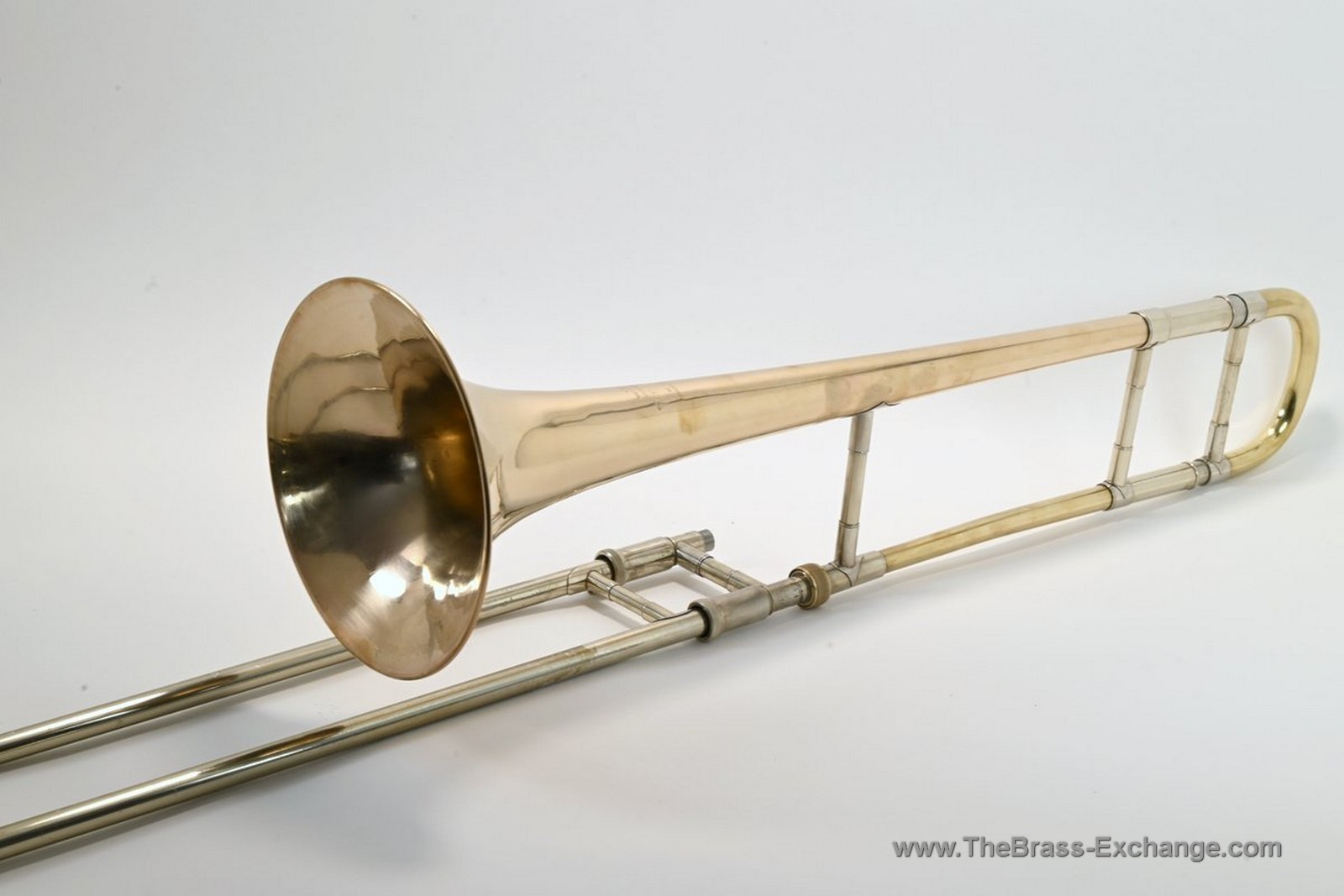
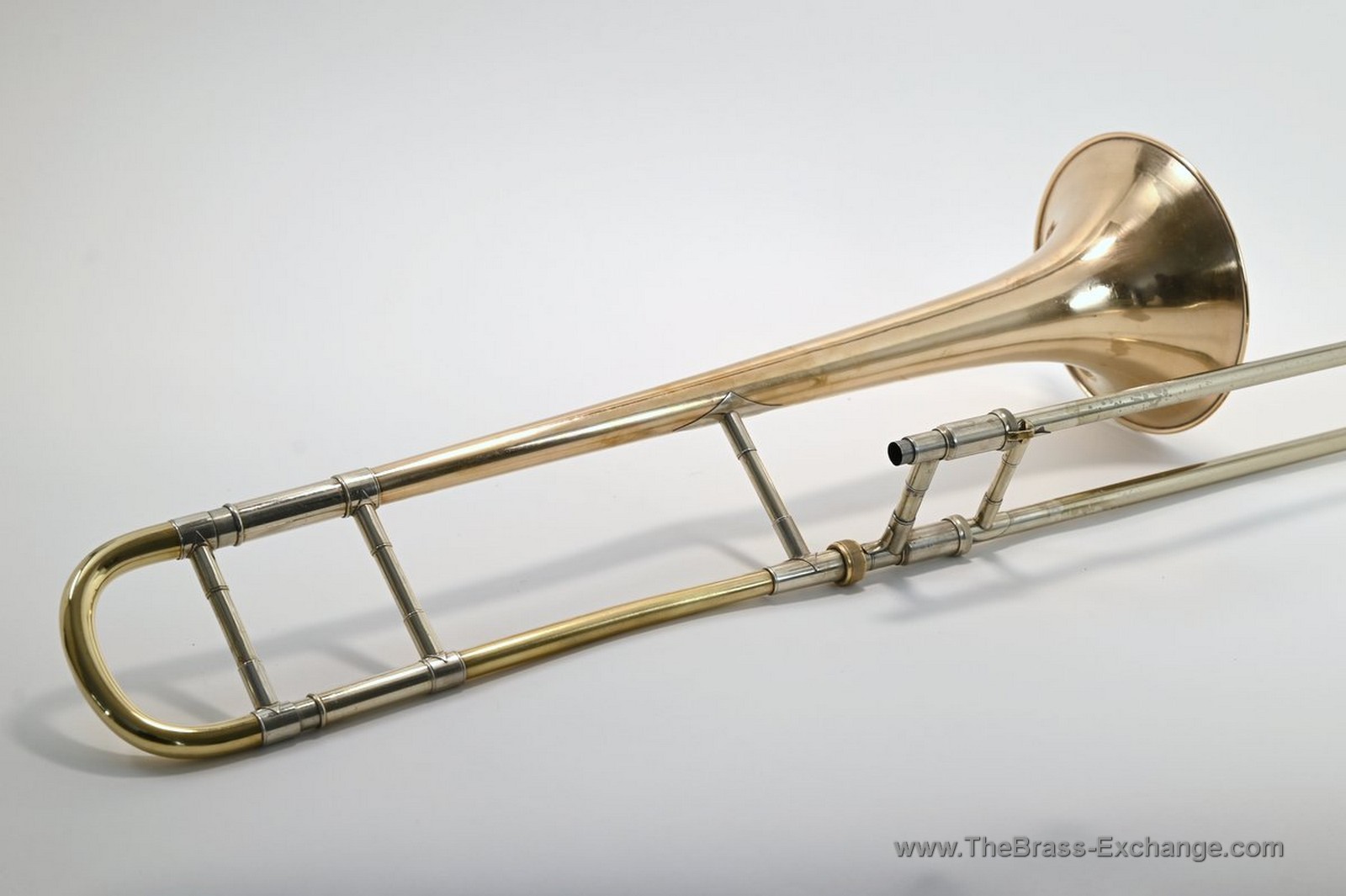
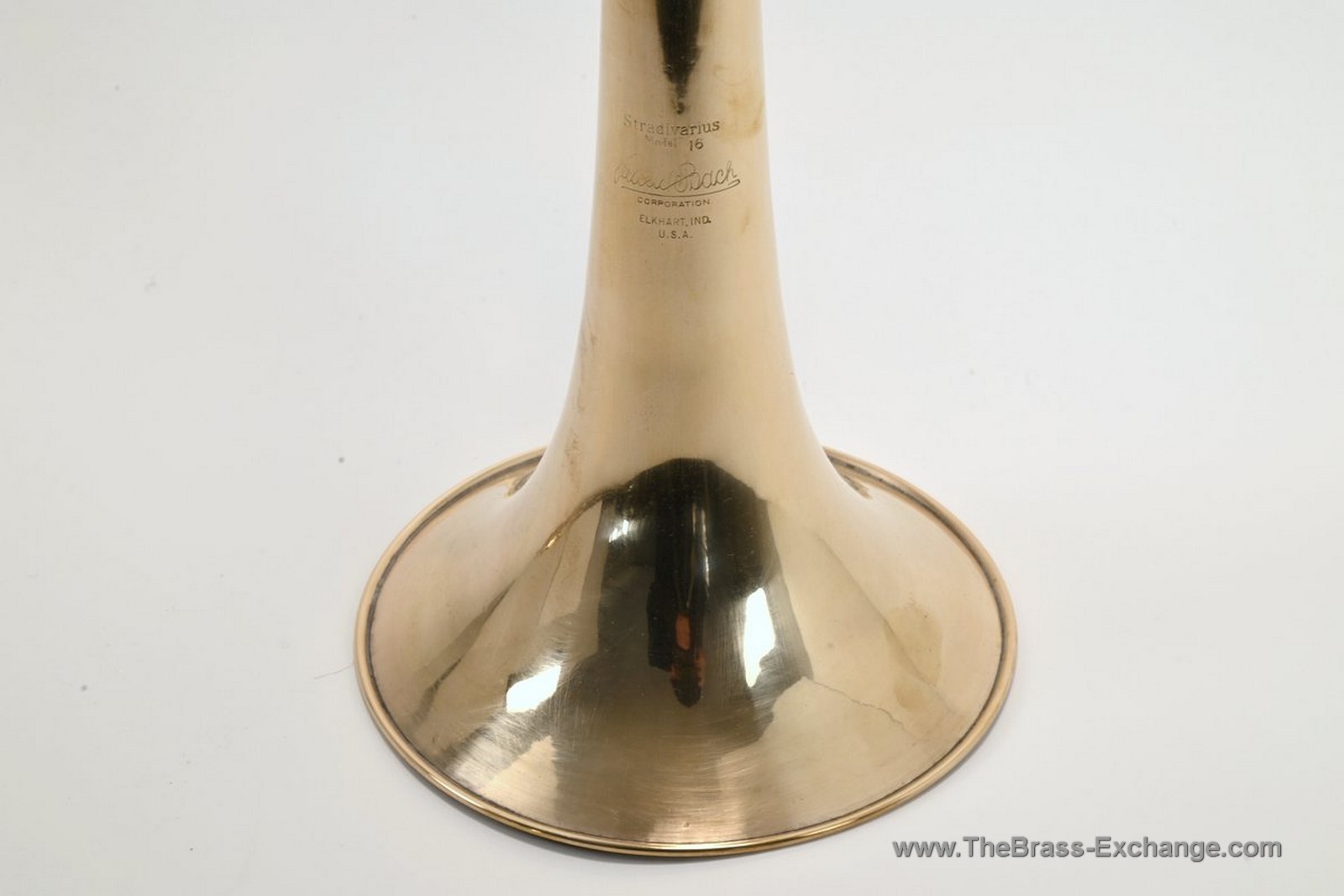
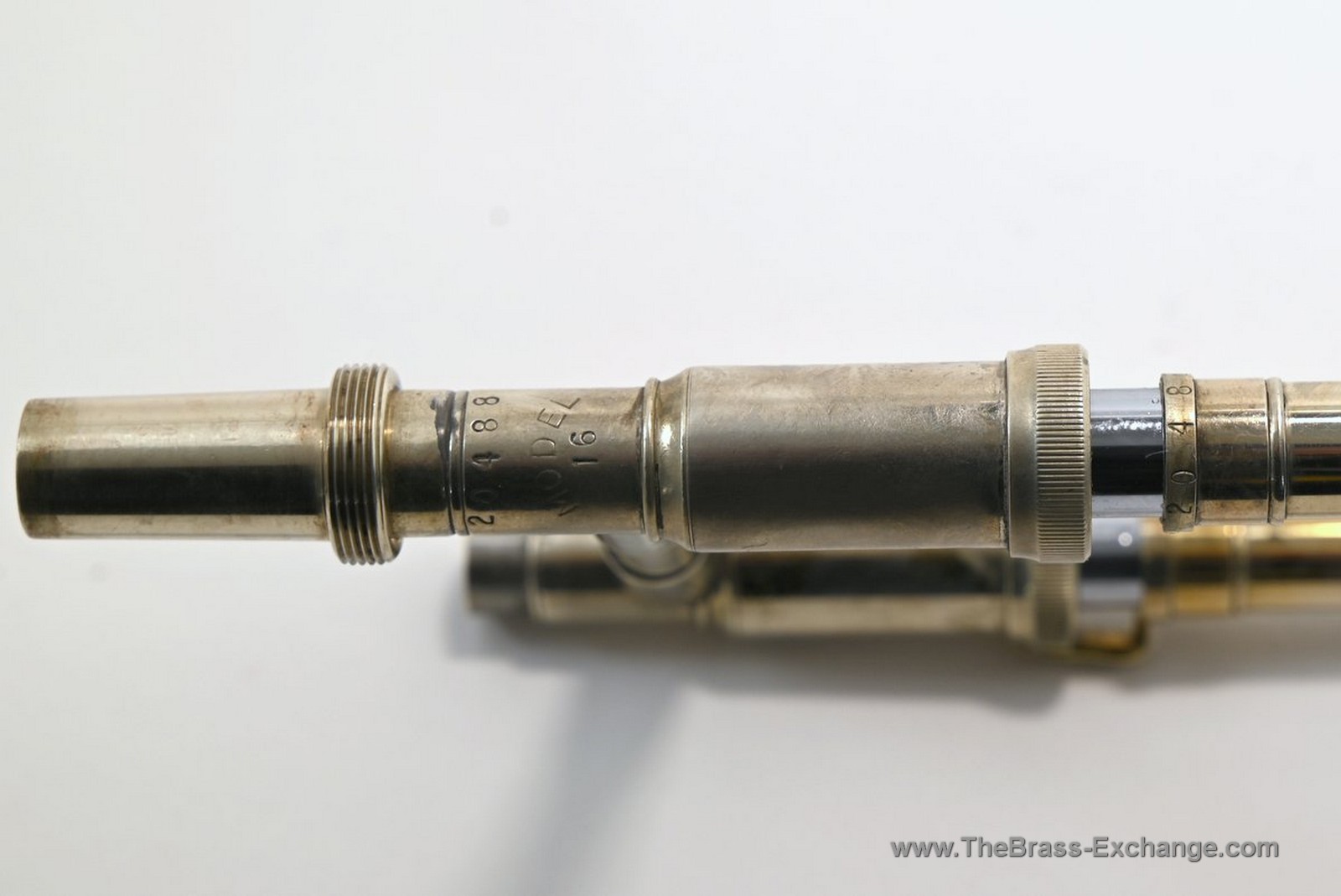
This Bach Stradivarius Corporation Era Model 16LT, serial number 20488, was produced during the mid-1970s, a period many players associate with reliable Bach manufacturing consistency and strong overall playing characteristics. The 16LT represents the lightweight evolution of Bach’s classic dual-bore small-bore design, offering fast response, flexibility, and a centered tonal core that records and projects efficiently.
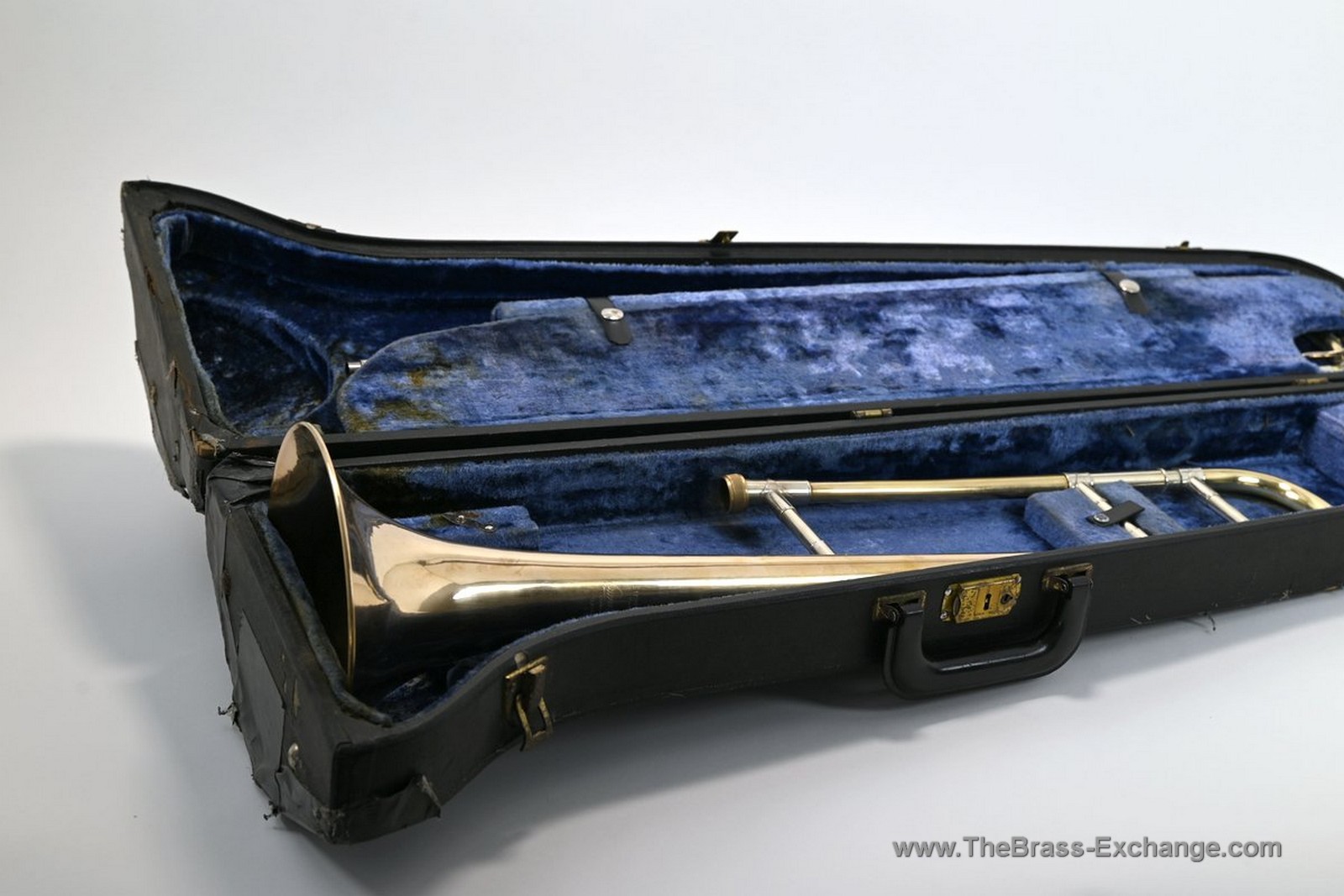
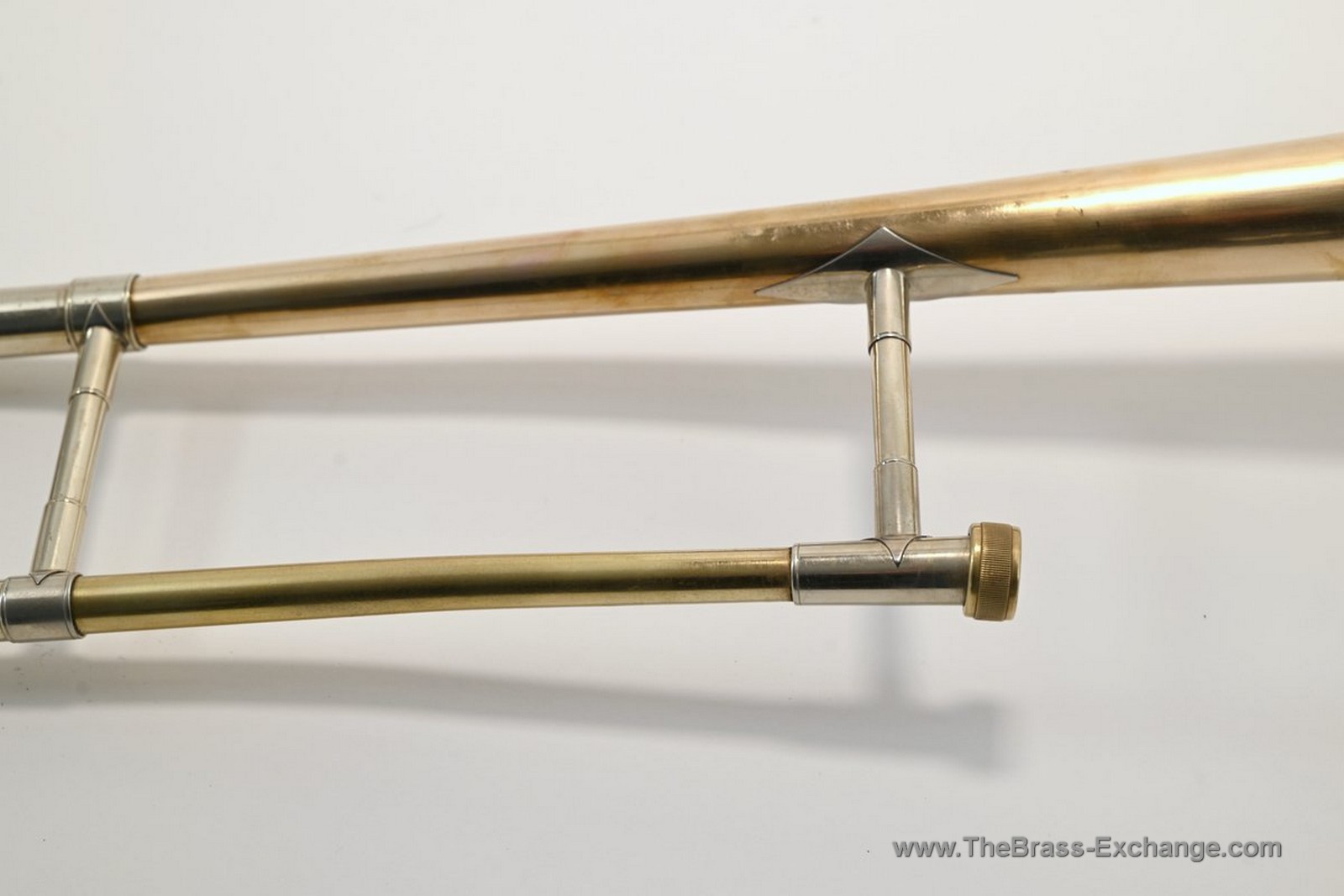
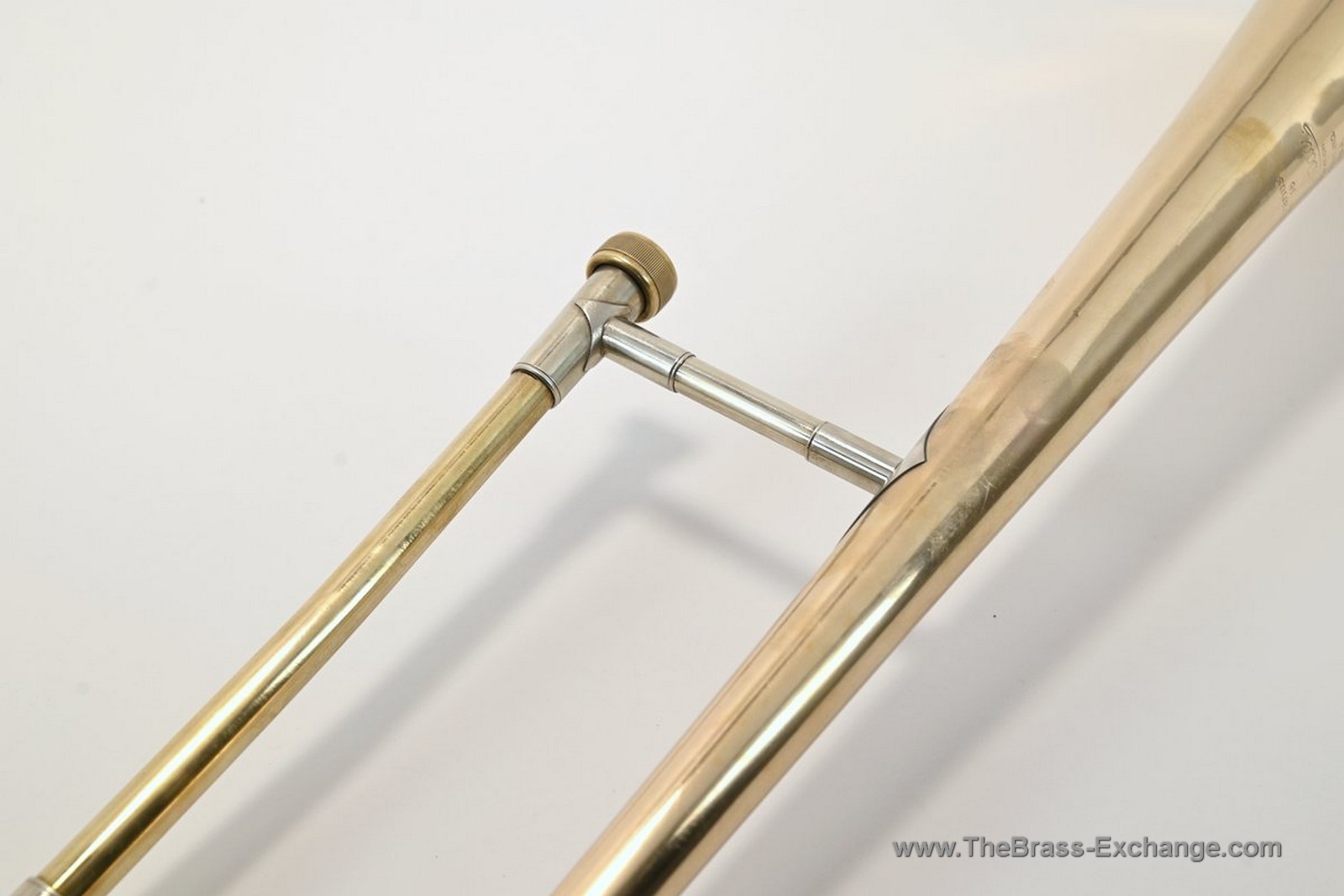
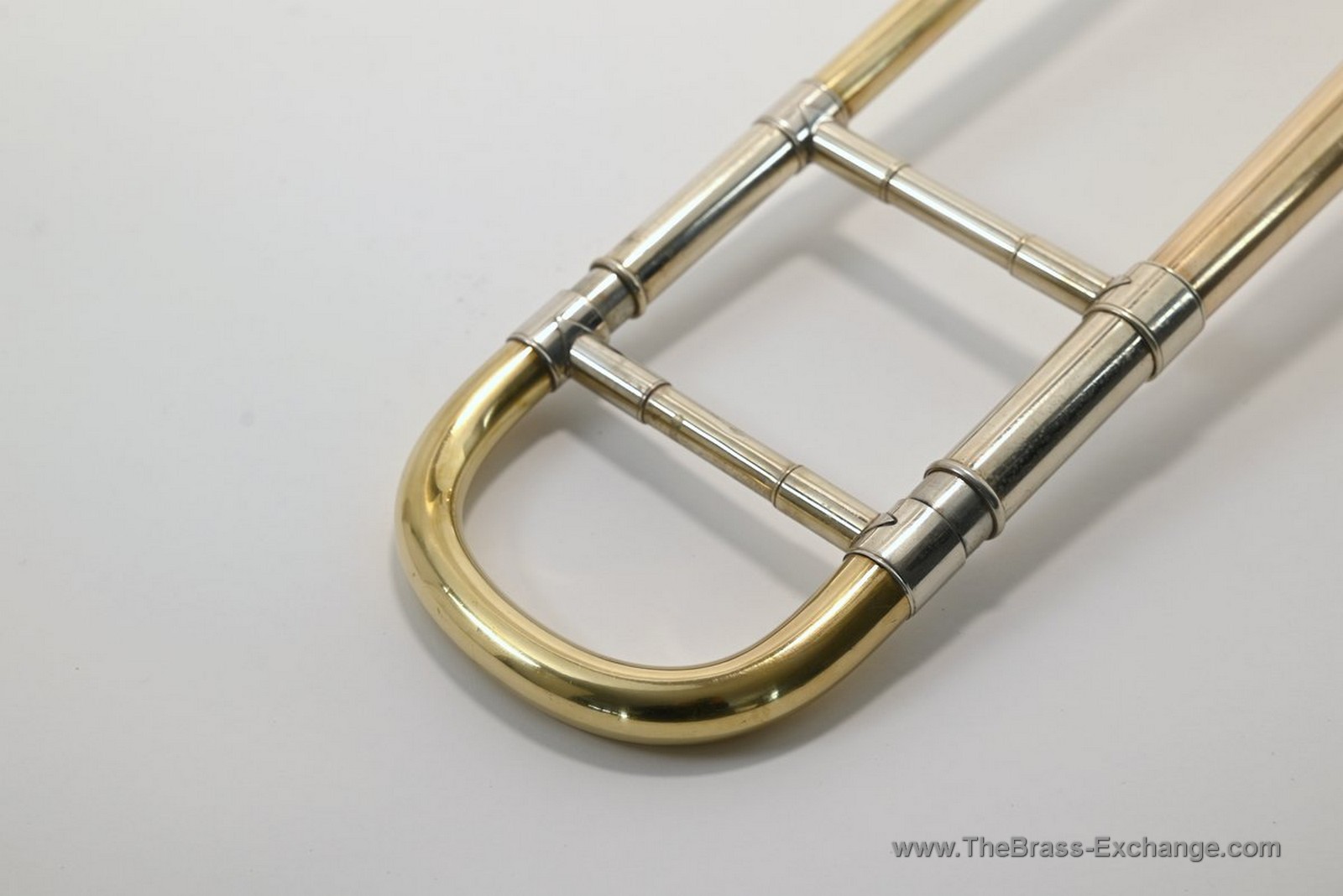
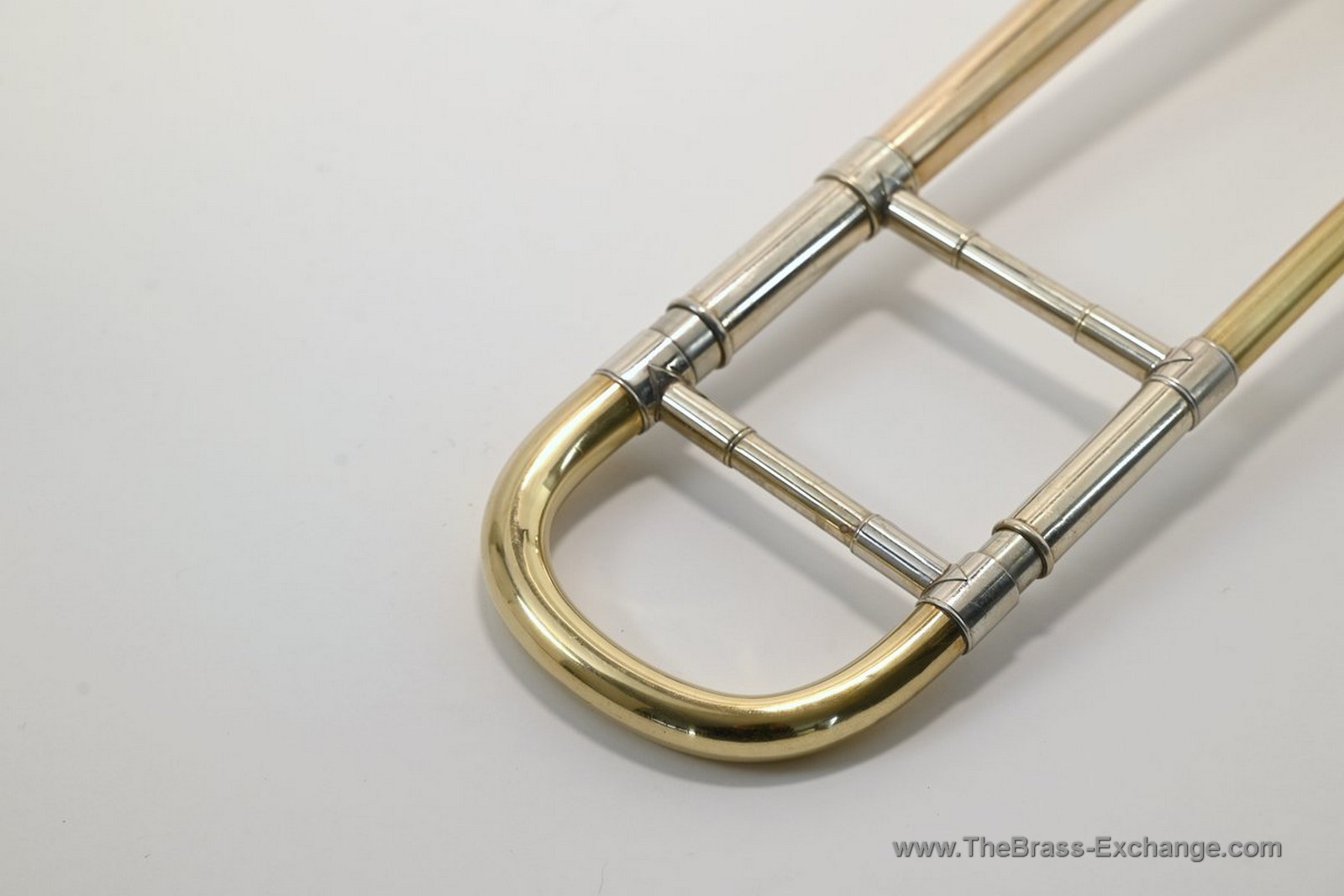
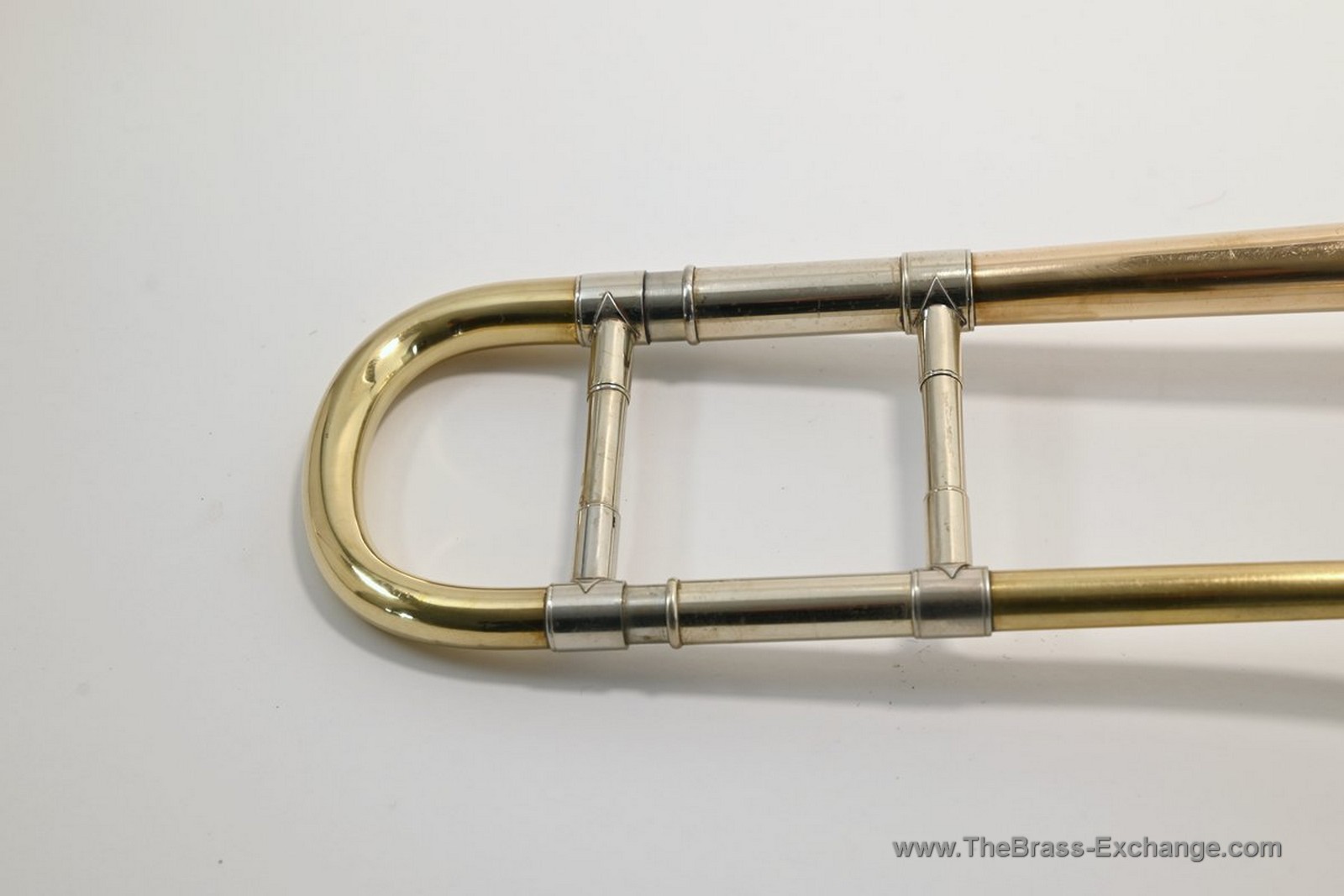
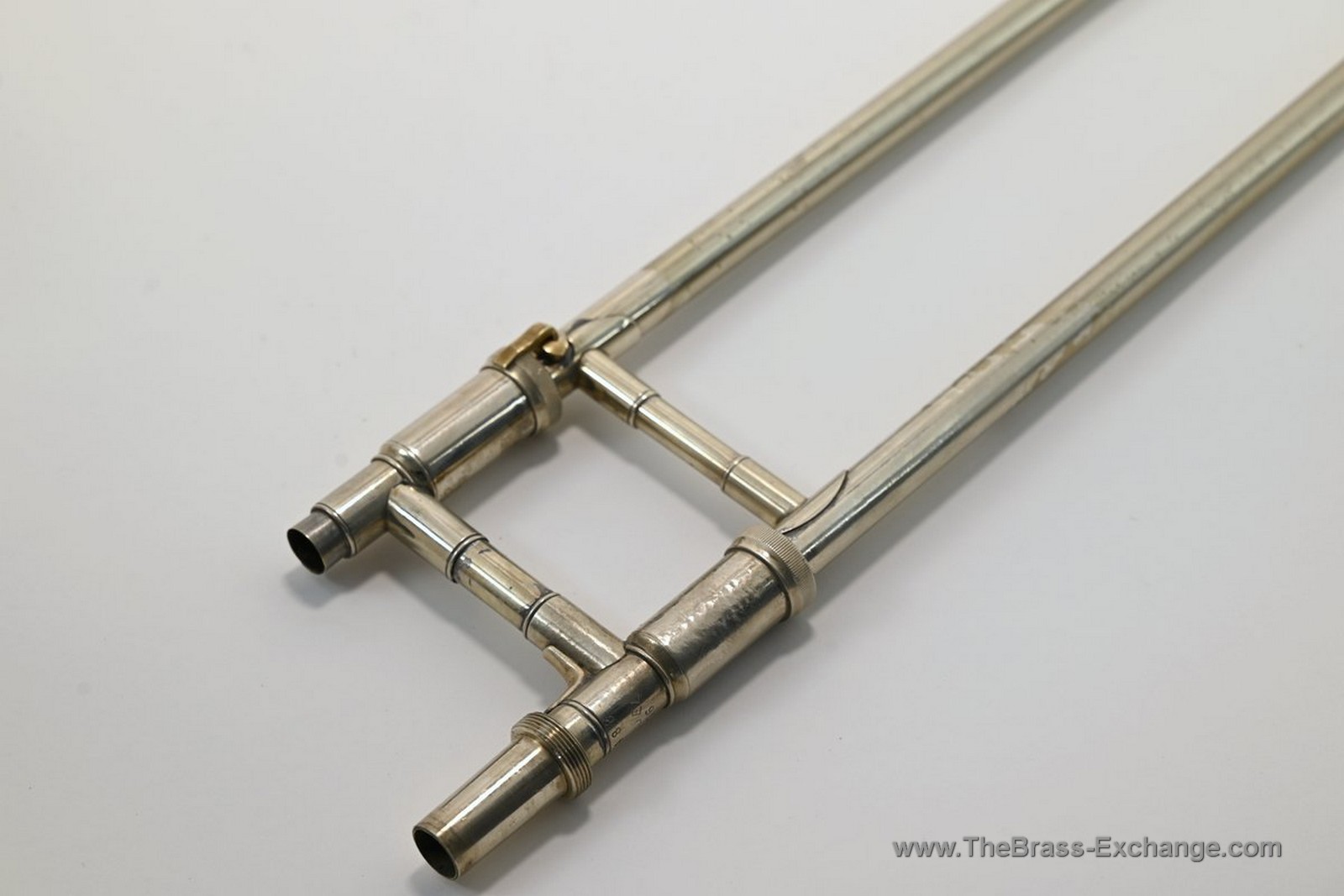
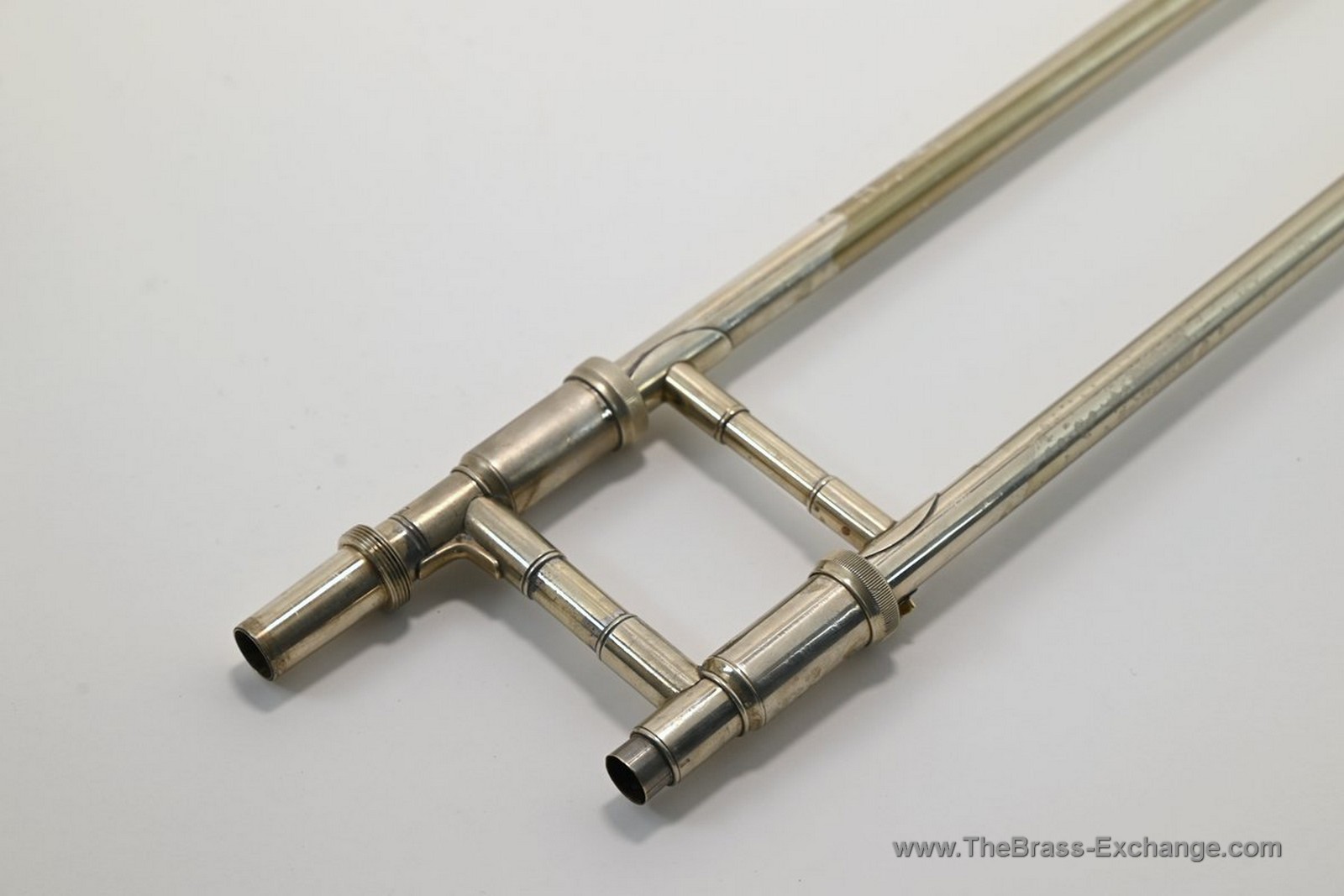
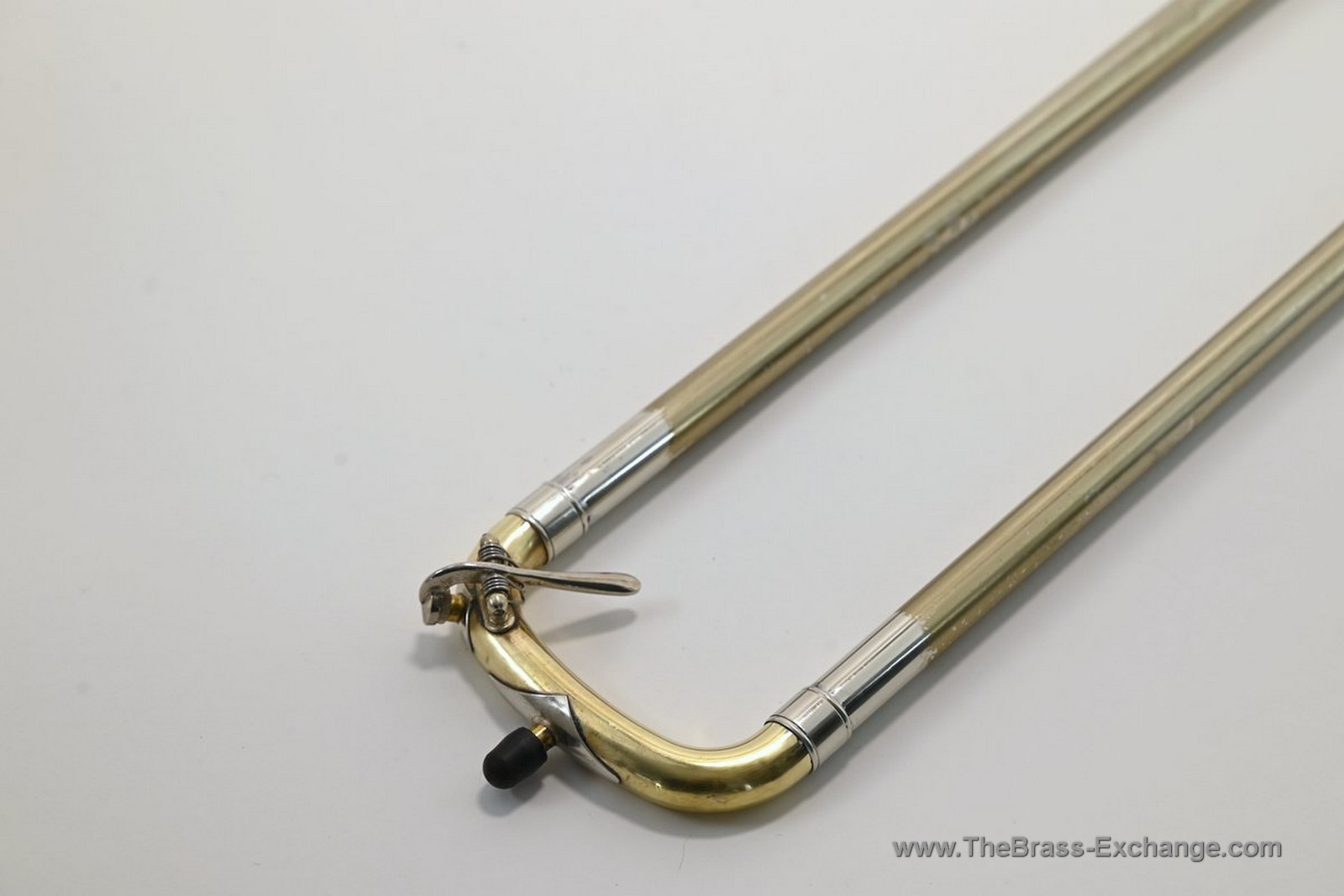
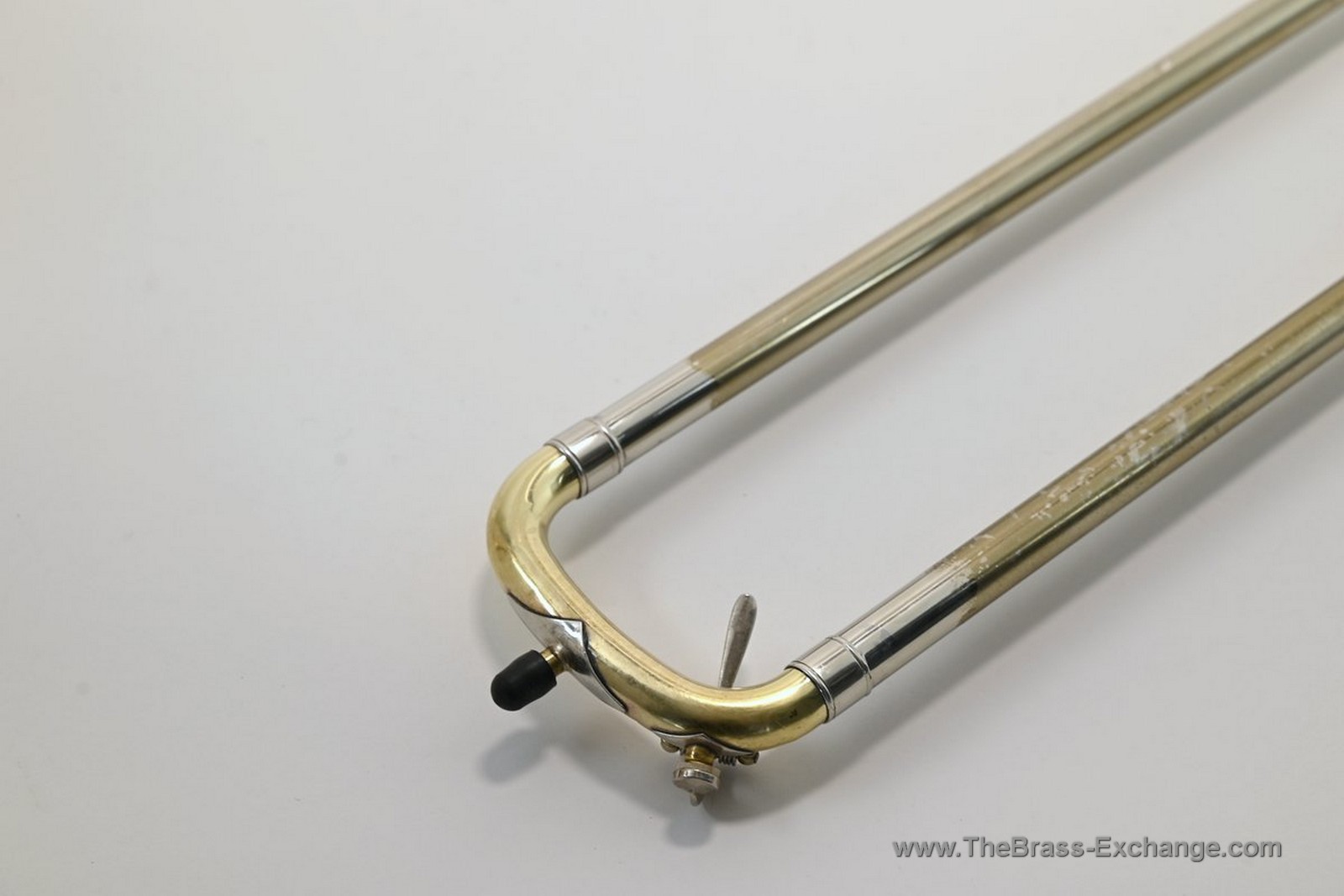
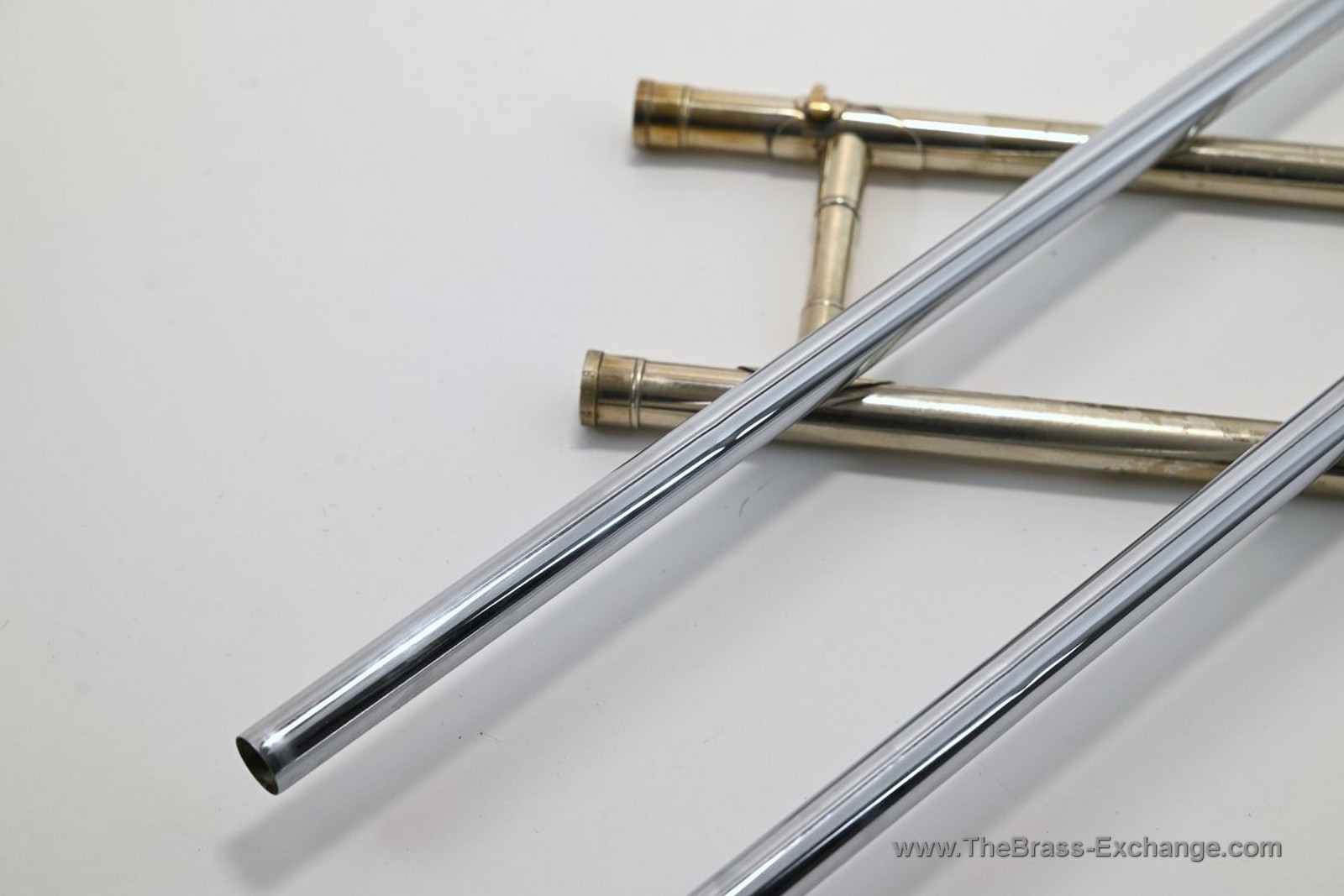
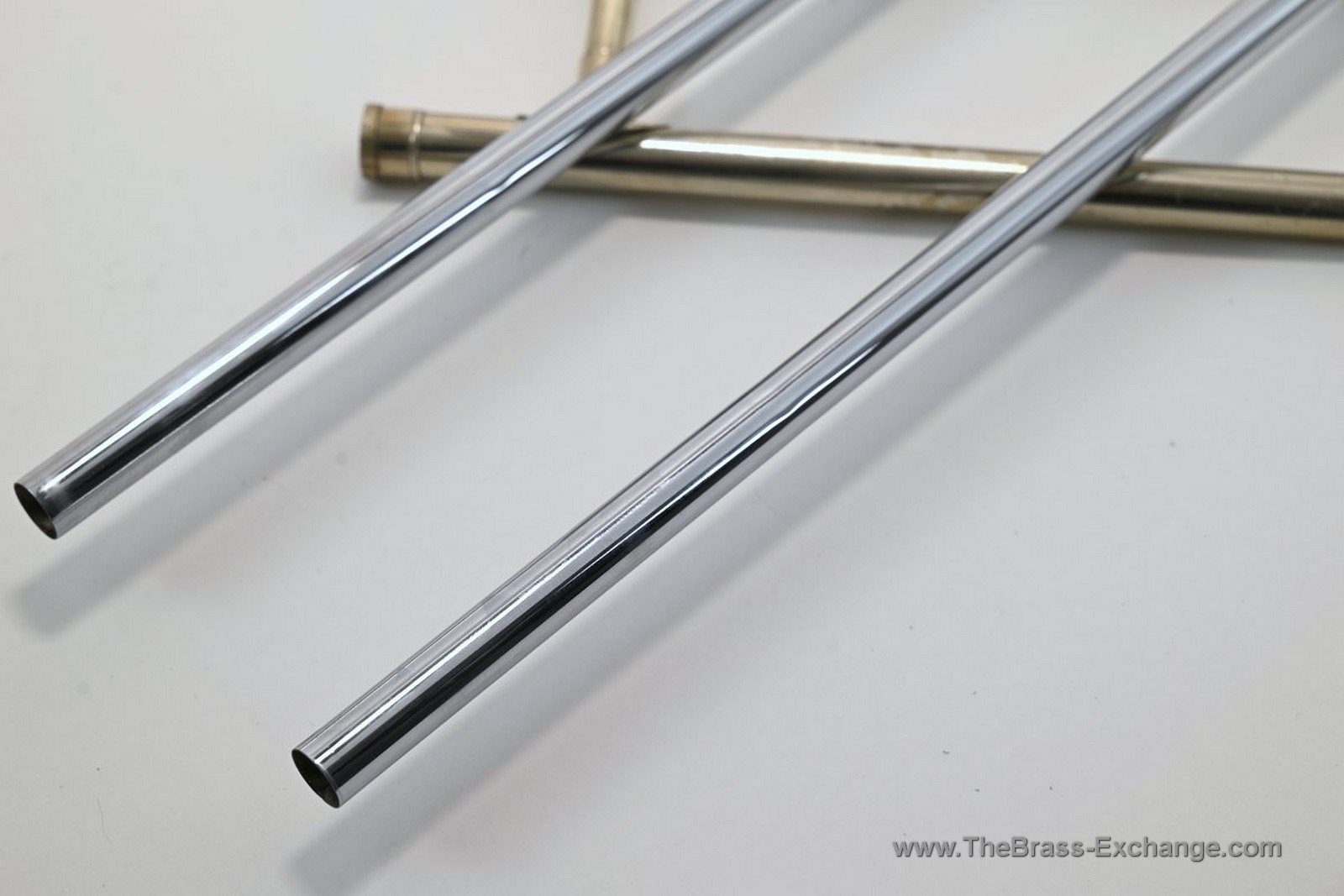
This example includes its original Bach case and was previously owned and professionally optimized by a serious player. The lightweight nickel dual-bore slide remains intact, while the original nickel end crook was professionally replaced with a yellow brass Bach end crook. The modification subtly reshapes the playing experience by adding a touch more warmth and tonal complexity without sacrificing articulation or immediacy.
While the Bach 16LT is often associated with jazz performance, these instruments are widely used in commercial work, studio recording, pit orchestra, and pops settings where efficiency, clarity, and flexibility are essential. In many situations where a larger .547 bore instrument such as a Bach 42B may feel oversized or require excessive air, the 16LT offers a considerably more agile and efficient alternative.
Over the years, The Brass Exchange has handled numerous Bach 16 trombones across multiple eras, including earlier Mt. Vernon examples that often display subtle differences in response and tonal color compared to later Corporation-era instruments.
✦ Historical Perspective
The Bach 16 series became one of the defining American small-bore professional trombone platforms during the second half of the 20th century. Designed around versatility and efficiency, the model gained popularity among players working in jazz ensembles, commercial settings, studio environments, and Broadway-style pit orchestras where quick response and flexibility were critical.
The lightweight “LT” configuration further refined the concept by reducing overall slide mass and increasing responsiveness. Many players appreciate the immediate articulation, efficient airflow, and compact tonal focus these instruments provide compared to larger symphonic tenor trombones.
Corporation-era Bach trombones from the 1970s continue to remain popular among working players because they often combine strong manufacturing consistency with a mature, stable playing feel that differs somewhat from both earlier Mt. Vernon production and some later modern-era examples.
Player Perspective
This Bach 16LT plays exactly as a strong lightweight Bach example should—responsive, resonant, and efficient throughout the full dynamic range. The lightweight dual-bore slide feels fast and agile, making the instrument especially comfortable for extended rehearsals, doubling situations, studio sessions, and commercial work where clarity and endurance matter.
The brass end-crook modification slightly broadens the tonal response and adds a touch of warmth while maintaining the quick articulation and efficiency players expect from a lightweight slide design.
Compared to other Bach tenor trombones:
- More agile and compact than a Bach 36
- Significantly lighter and quicker than a Bach 42
- Requires less air while still maintaining a full tonal center
The result is a professional small-bore trombone that feels flexible, immediate, and highly playable without becoming thin or overly bright.
Condition Summary
- Fully serviced in-house at The Brass Exchange
- Lightweight dual-bore slide is straight, aligned, smooth, and quiet
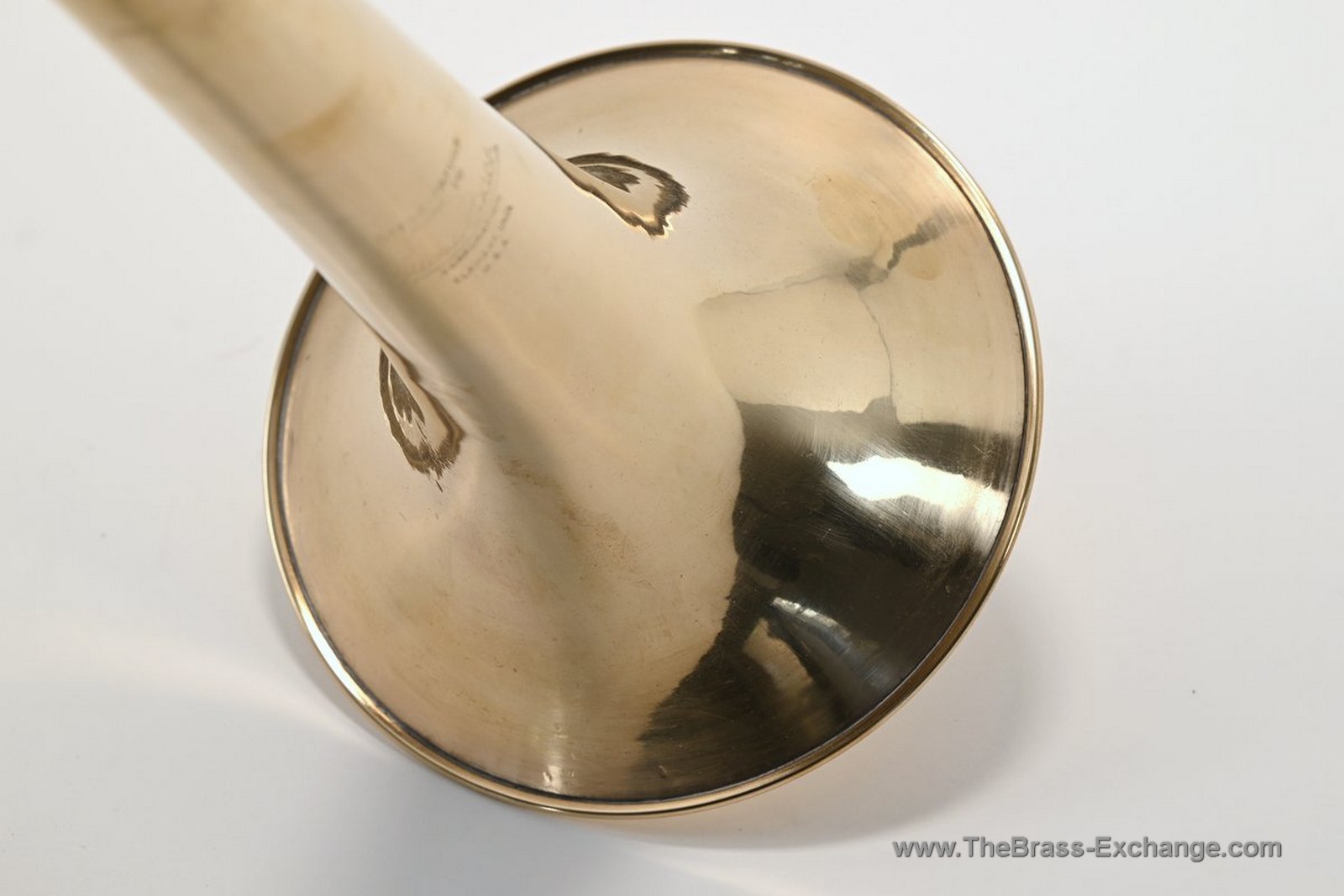
- Bell is clean with no structural damage or significant repair history
- Tuning slide functions properly
- Press-fit leadpipe configuration as optimized by prior professional owner
- No known history of major trauma or severe repair work
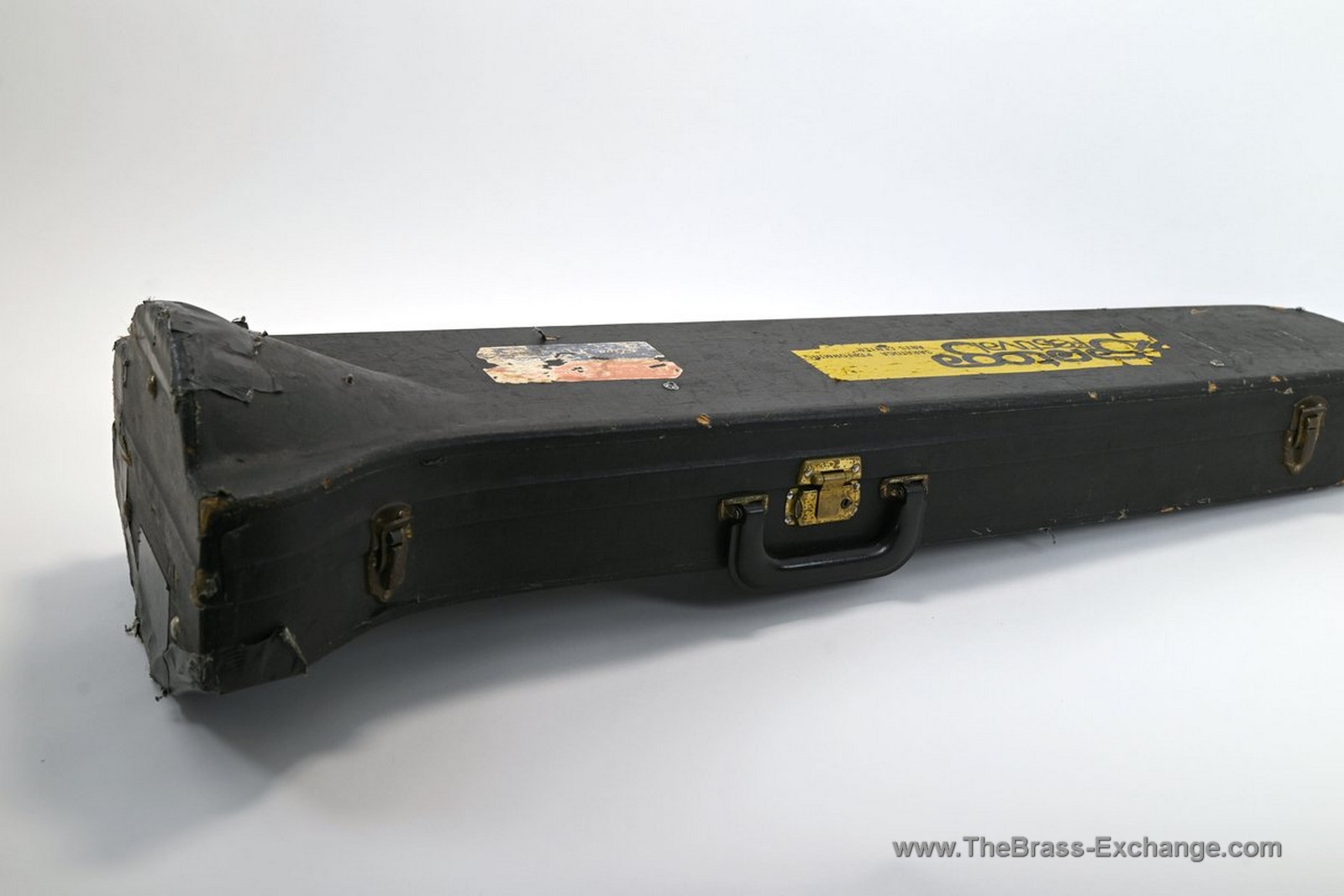
- Original Bach case included
Bell Color Note
In certain lighting conditions, the bell may appear slightly warmer or more red-gold in photographs. This instrument is not designated as a gold brass (16G) model. Minor alloy variation, lacquer aging, and lighting conditions can influence the visual appearance of yellow brass bells over time.
Questions Trombone Players Often Ask
Is the Bach 16LT suitable beyond jazz playing?
Yes. While frequently associated with jazz and commercial settings, many professional players use Bach 16-series trombones for studio work, pops orchestra, pit orchestra, church work, and versatile ensemble situations requiring quick response and clarity.
How does a Bach 16 compare to a Bach 36 or Bach 42?
The Bach 16 is smaller, lighter, and considerably more agile. The 36 and 42 provide broader symphonic projection and greater overall mass, while the 16LT emphasizes efficiency, articulation, and flexibility.
What does the dual-bore design contribute?
The dual-bore slide design helps balance flexibility and stability while keeping the instrument responsive and free-blowing across multiple registers.
Does the brass end crook significantly alter the instrument?
The change is subtle but noticeable. The brass end crook slightly increases warmth and tonal complexity while preserving the lightweight slide’s fast response and articulation.
🔧 Availability & Archive Status
This Bach Stradivarius Model 16LT is available at the time of listing creation. Inventory at The Brass Exchange changes frequently, and some instruments later become part of our historical archive used by players, collectors, and researchers studying professional Bach trombones from different production eras.
For current availability, shipping details, or trade-in discussion, please contact The Brass Exchange directly.
👉 Browse trombones currently in stock if you’re looking for an instrument to play right away
🔄 Considering a trade-in or partial trade? Complete our Trade-In Form ✍️
📣 Contact us for a valuation and explore your options
🏅 Why Players Trust The Brass Exchange
Since 2010, The Brass Exchange has specialized in professional and vintage brass instruments with an emphasis on real-world playability, accurate representation, and long-term player support. Thousands of Bach trombones across multiple eras have passed through the shop, providing valuable perspective into the subtle differences between production periods, configurations, and playing characteristics