


Overview
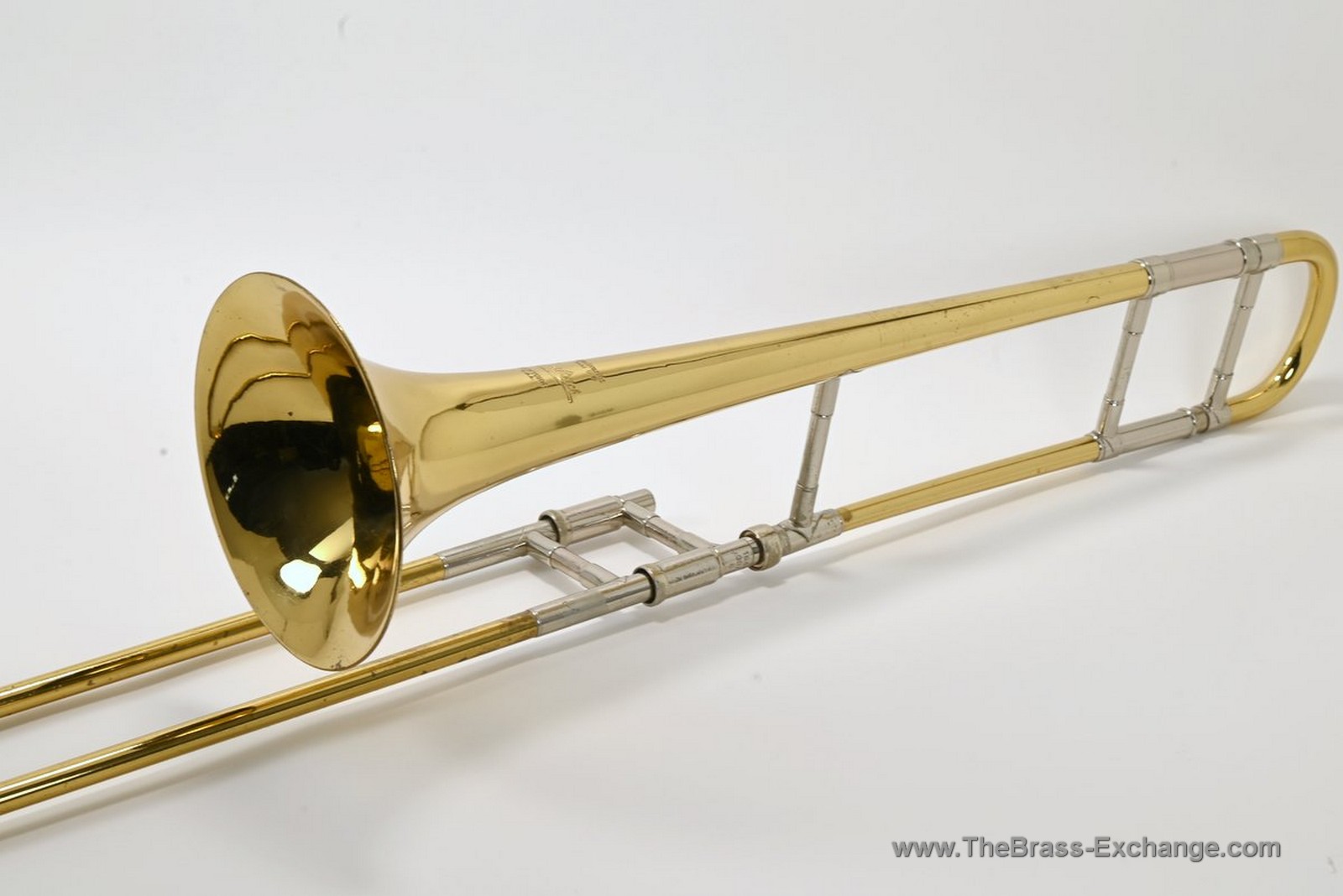
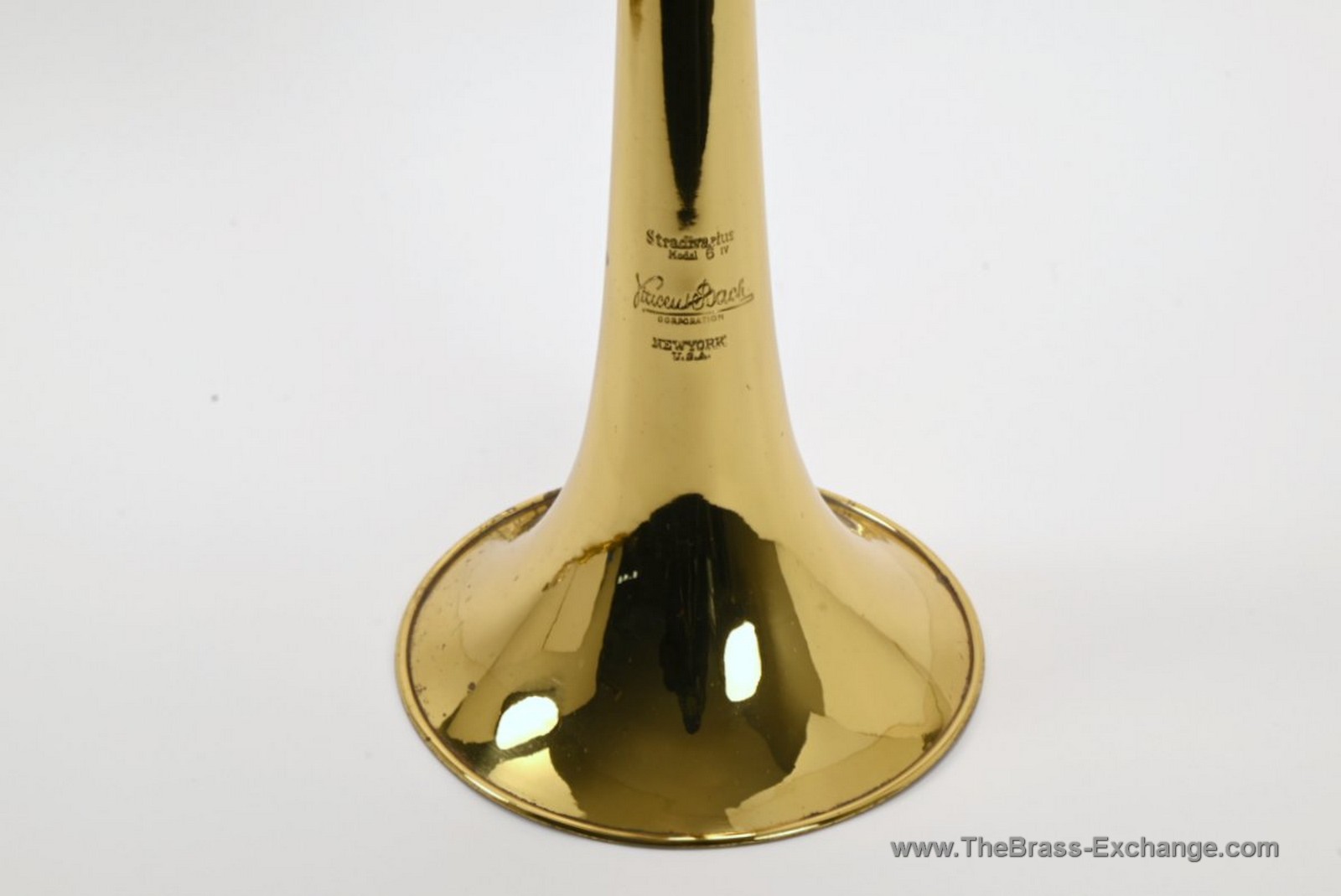
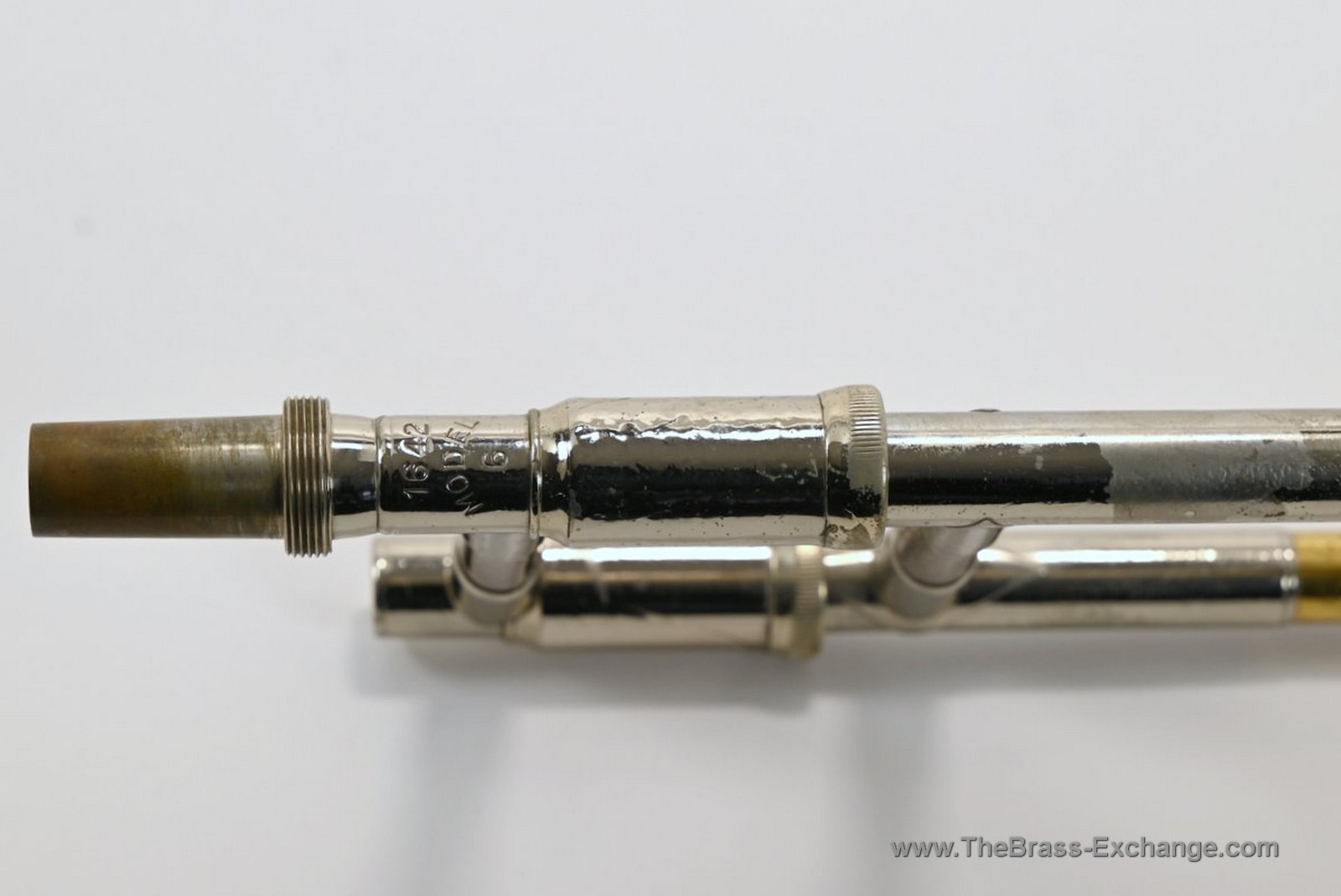
This Bach 6 IV small bore tenor trombone, serial number 1642, dates to approximately 1940, placing it at the height of the Big Band era and within Vincent Bach's highly regarded New York production period. Instruments from this era are prized for their craftsmanship, efficient design, and the focused clarity that defined professional trombone sections of the time.
The Bach 6 IV became one of the most respected small bore tenor trombones of the 1930s and 1940s. Bandleader Glenn Miller is widely believed to have required his trombone section to perform on this model, contributing to the tight blend and unmistakable sound that became synonymous with his orchestra.
This instrument was curated from the estate of a professional U.S. Air Force musician, creating a fascinating connection between its era of manufacture and its long professional life in service and performance.
Examples from the New York Bach period remain highly sought after by players and collectors because they represent Vincent Bach's earliest production years before the later Mt. Vernon and Elkhart eras.
✦ Historical Perspective
During the 1930s and 1940s, professional trombonists favored compact, efficient instruments capable of projecting clearly while blending seamlessly within large sections. The Bach 6 IV emerged as one of the defining trombones of that period.
Its .485 bore and 7-inch bell provided the quick response and clarity required for swing-era section work while maintaining enough tonal depth for solo and ensemble performance.
The model became closely associated with the classic American Big Band sound and remains an important reference point for players seeking historically authentic jazz and swing-era performance equipment.
Today, original New York Bach trombones represent some of the most desirable instruments in the company's history due to their craftsmanship, rarity, and direct connection to one of the most influential periods in American music.
✦ Player Perspective
With its .485 bore and 7-inch yellow brass bell, the Bach 6 IV delivers the quick response, clean articulation, and focused brilliance that made it a cornerstone of Big Band trombone playing.
The instrument excels in:
• Traditional jazz
• Swing and Big Band performance
• Early commercial styles
• Historically informed ensembles
• Pit orchestra work
Many modern players continue to appreciate the efficiency and clarity of these early Bach designs. This example offered the lively, centered, and expressive playing characteristics expected from a great New York Bach while remaining fully practical for contemporary performance.
It was not simply a collector's piece—it remained a professional instrument designed to be played and enjoyed.
✦ Condition & Service
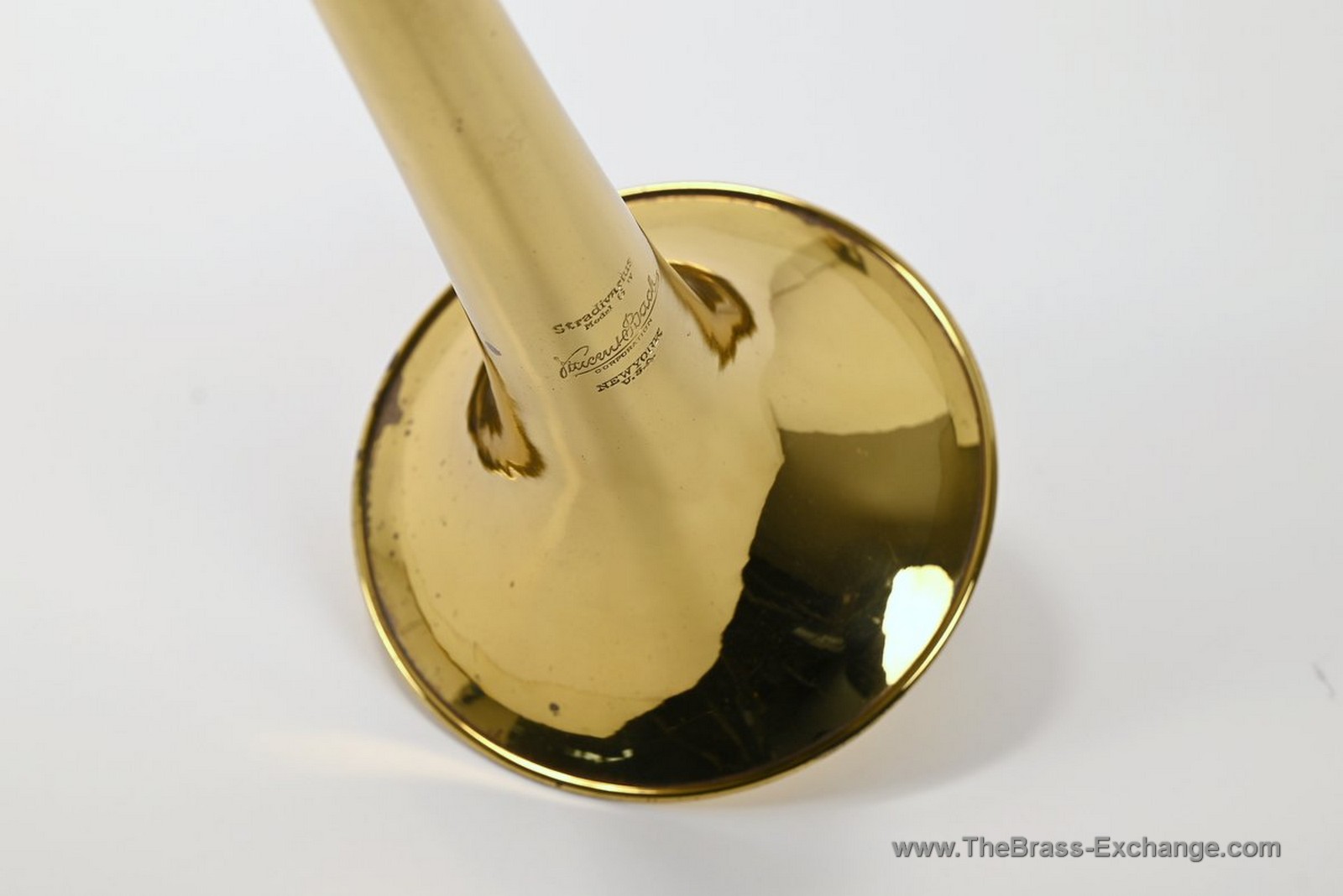
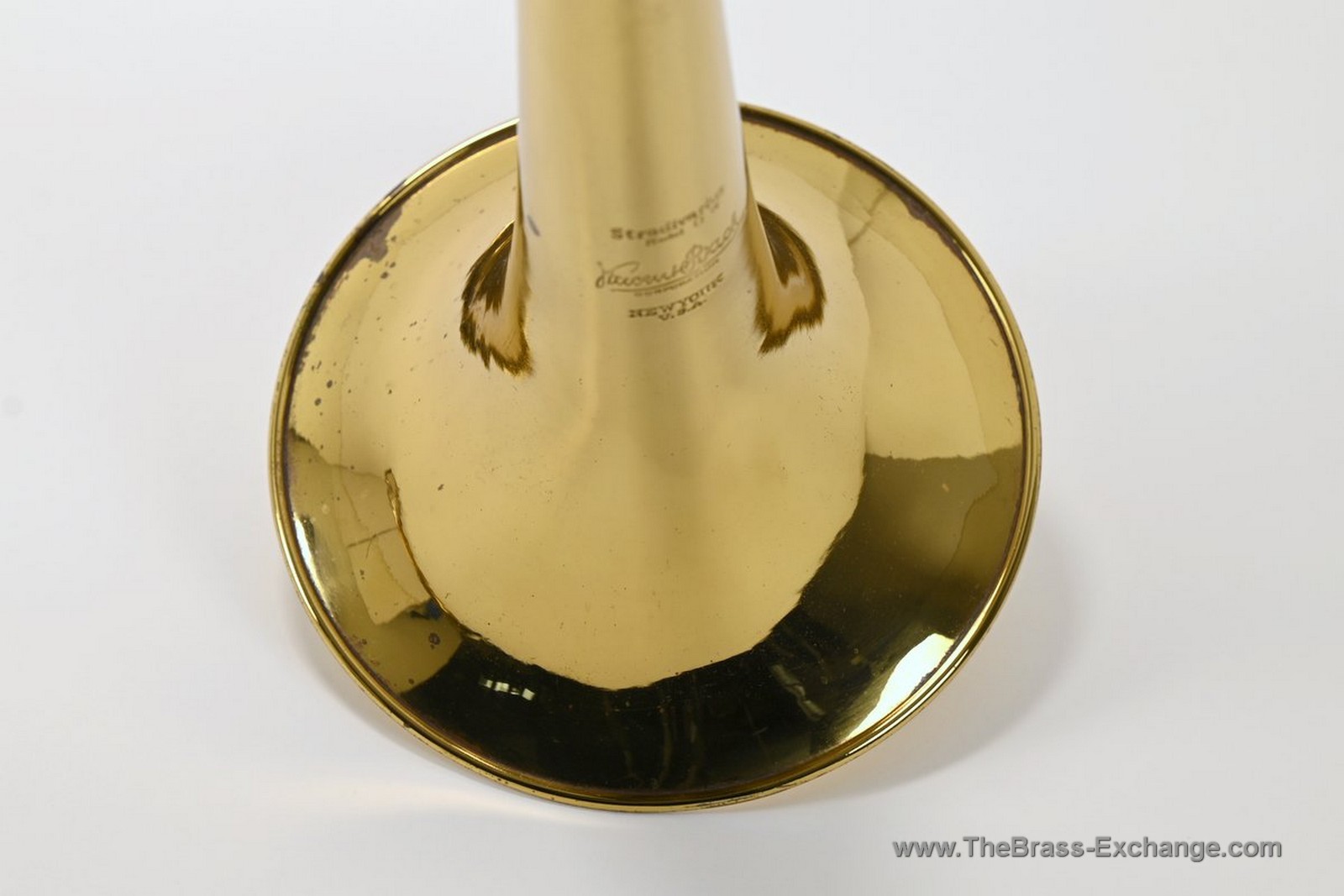
The bell lacquer remained in excellent condition for its age, retaining strong originality and visual integrity.
A small area of acid bleed was present at the bell rim. This condition is stable, cosmetic in nature, and not expected to worsen. Moderate lacquer wear in the neck area was consistent with decades of professional use.
Importantly, the bell showed no evidence of prior damage or structural repair. There were no major dents, creases, trauma, or significant interventions. All parts remained original.
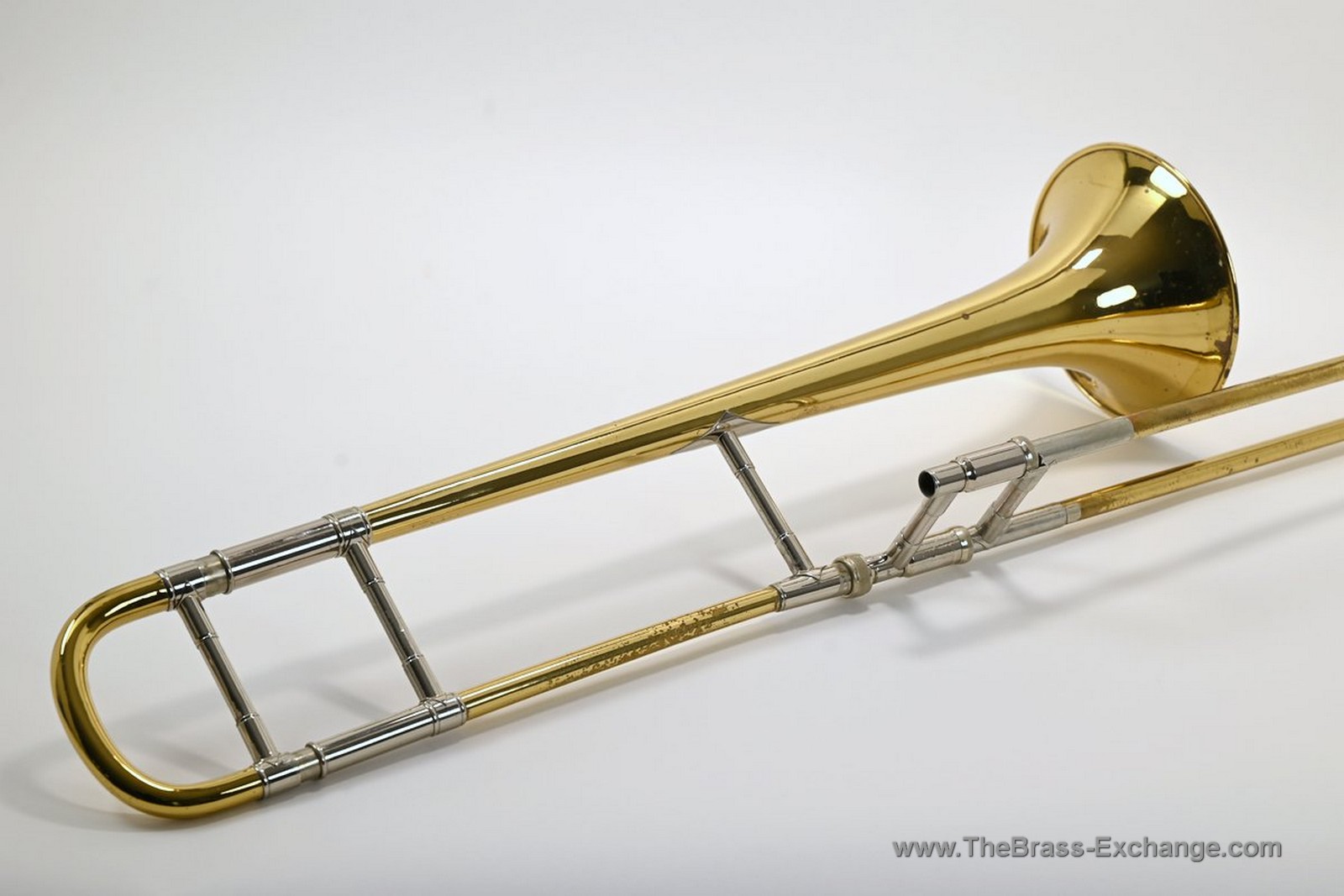
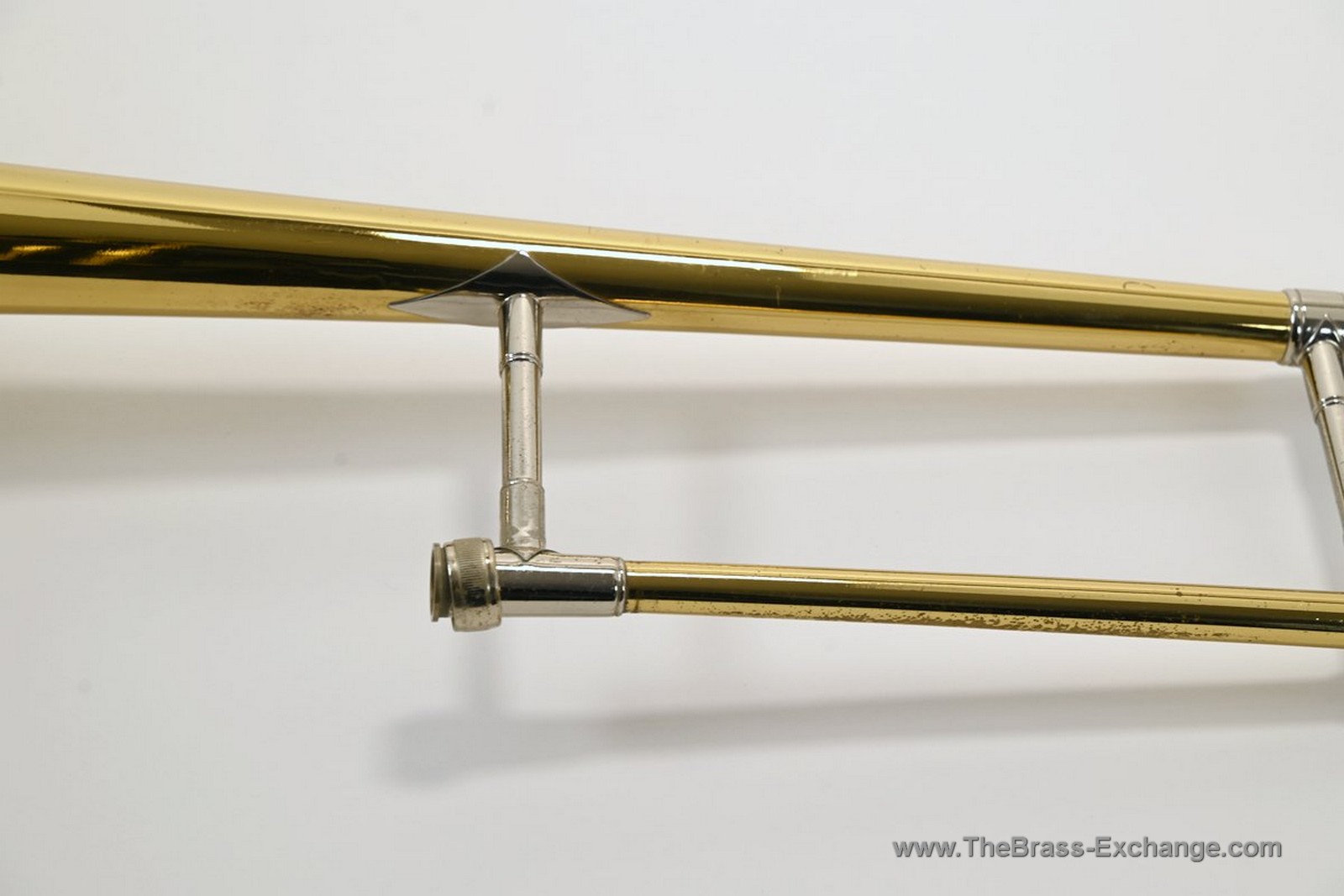
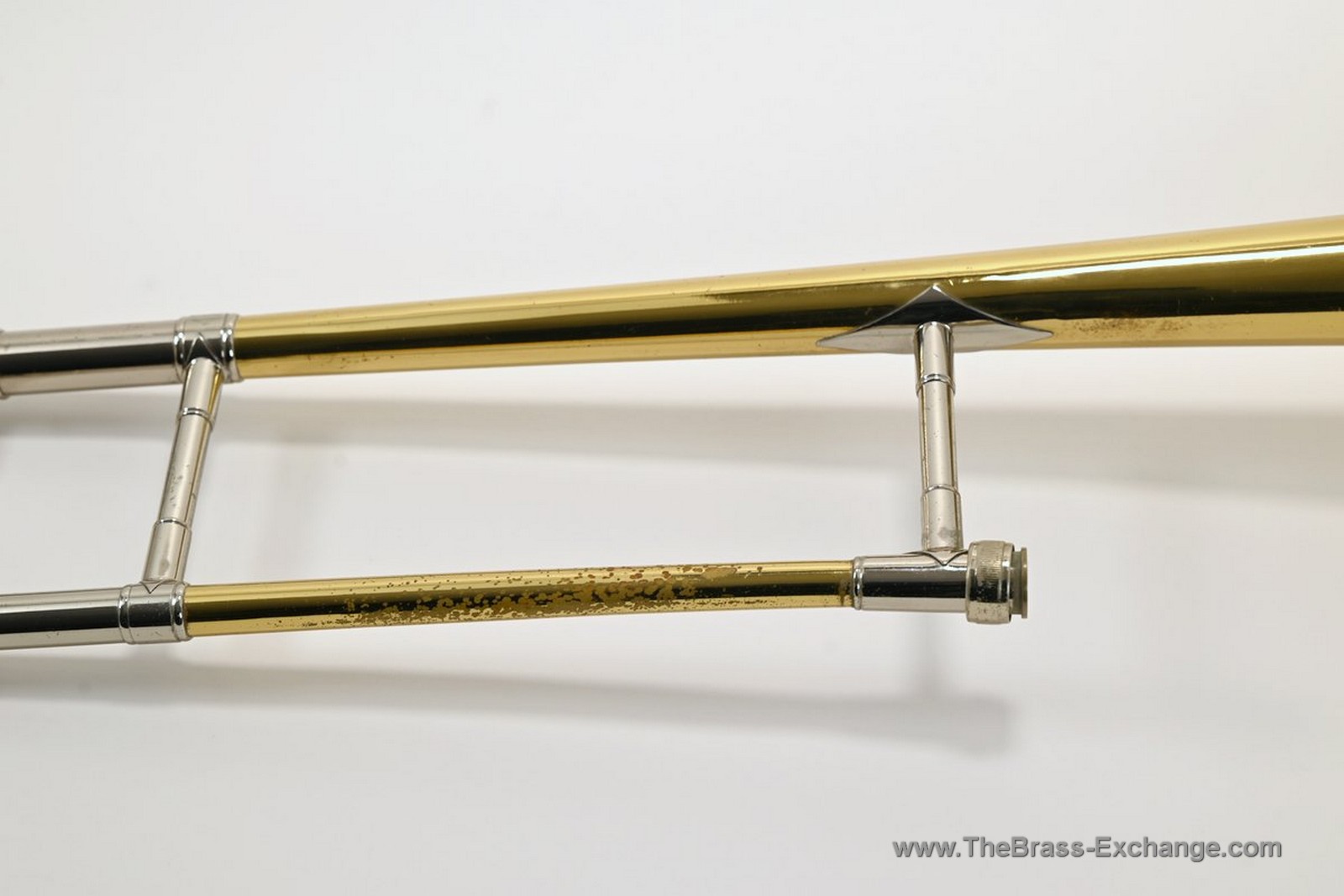
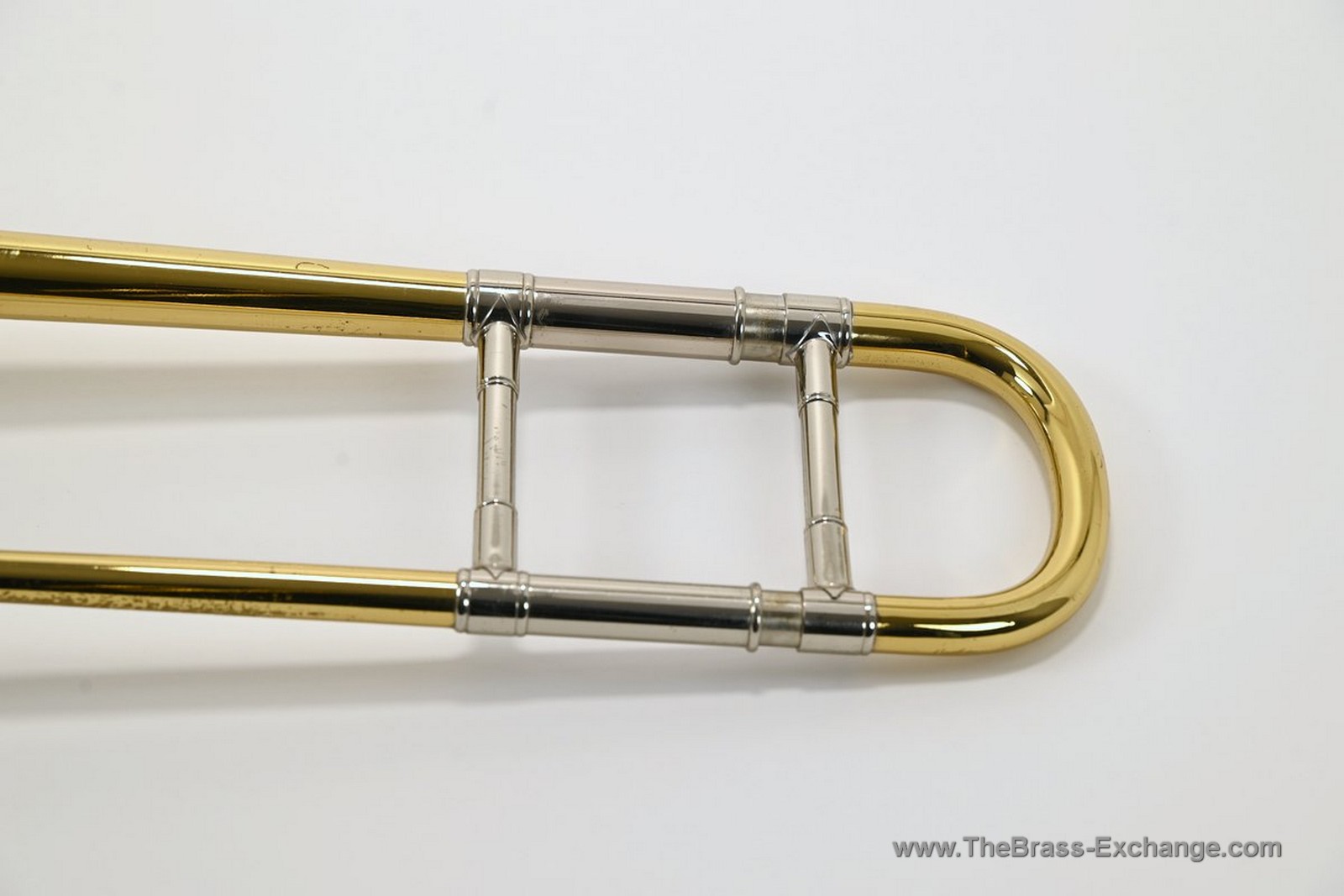
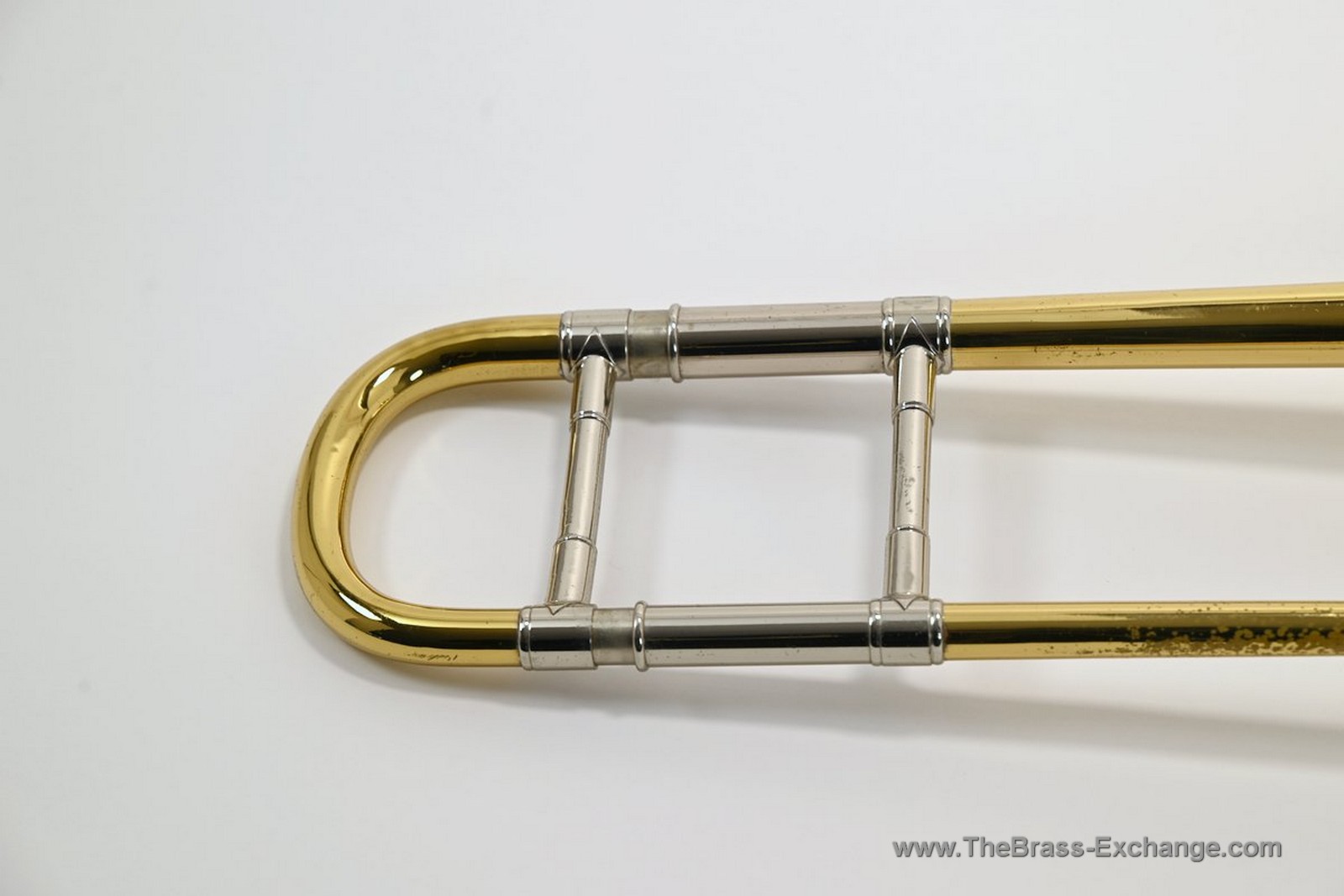
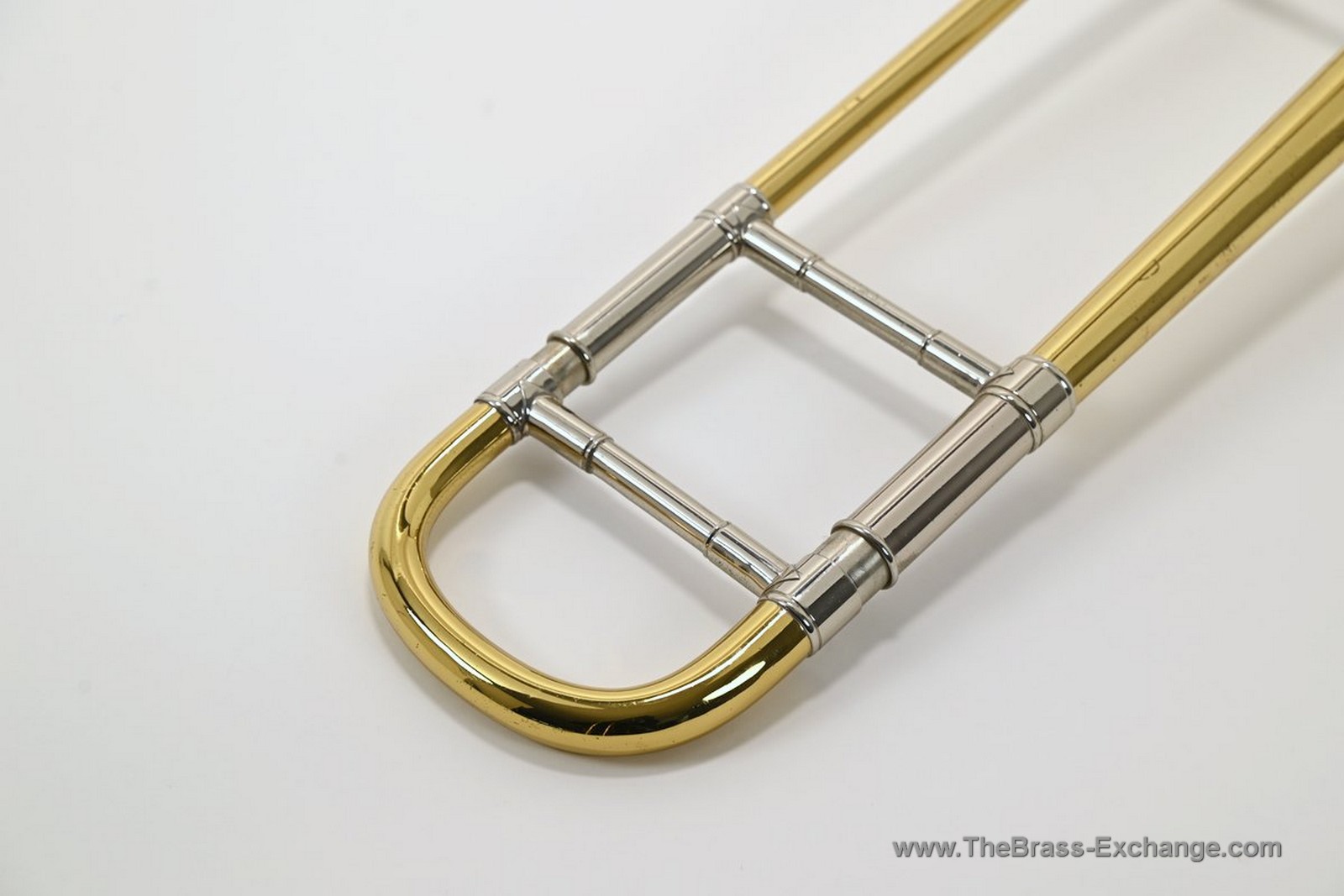
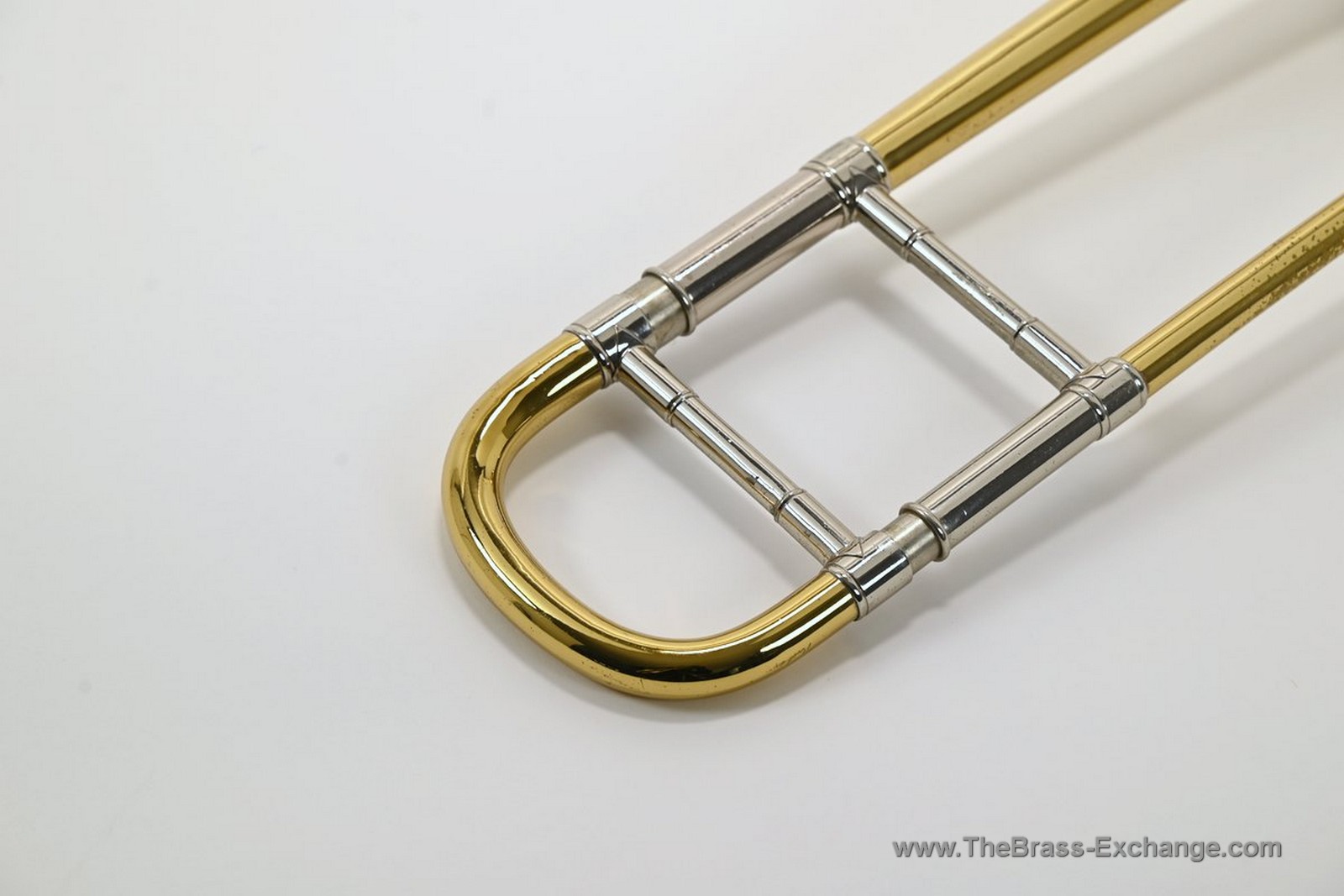
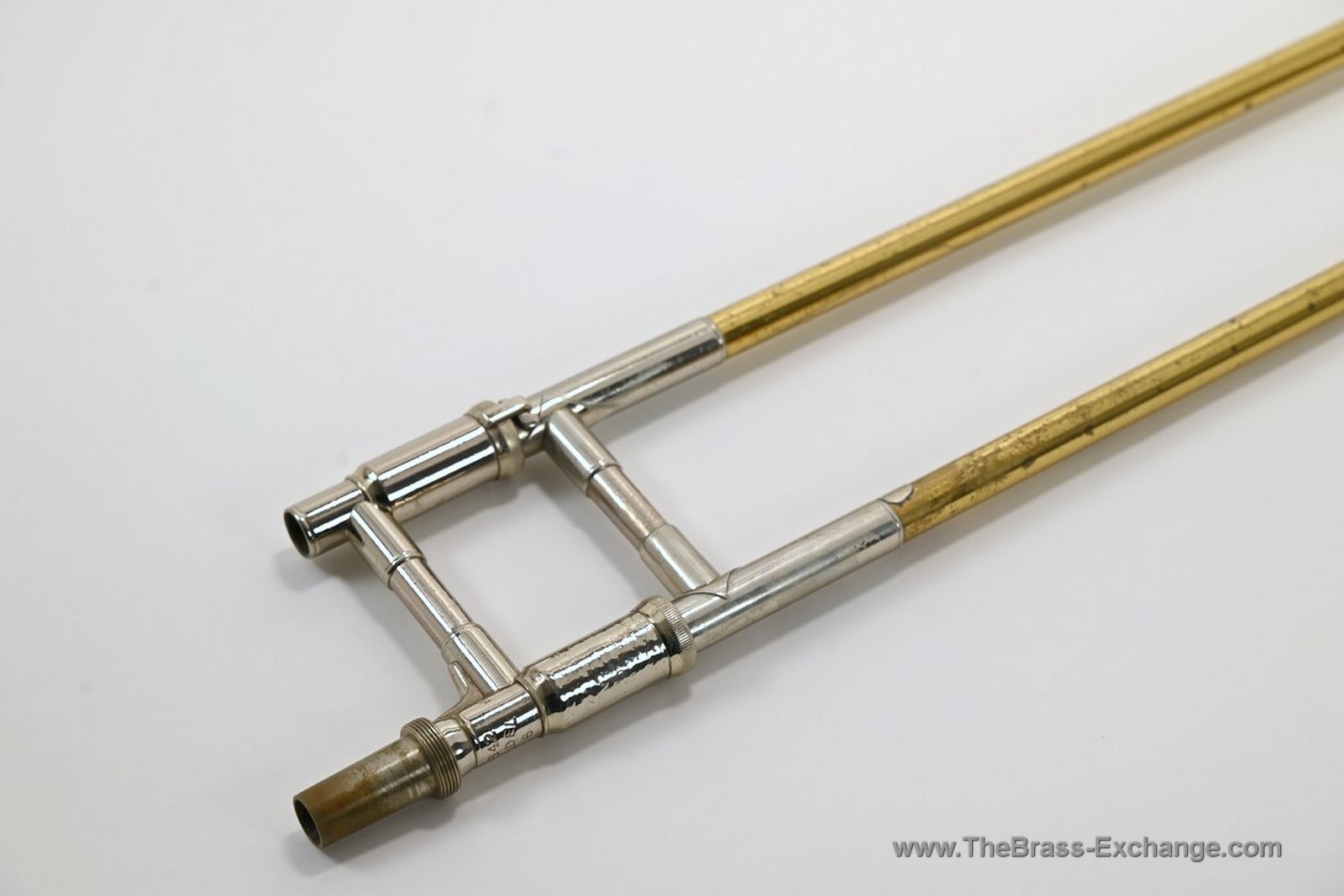
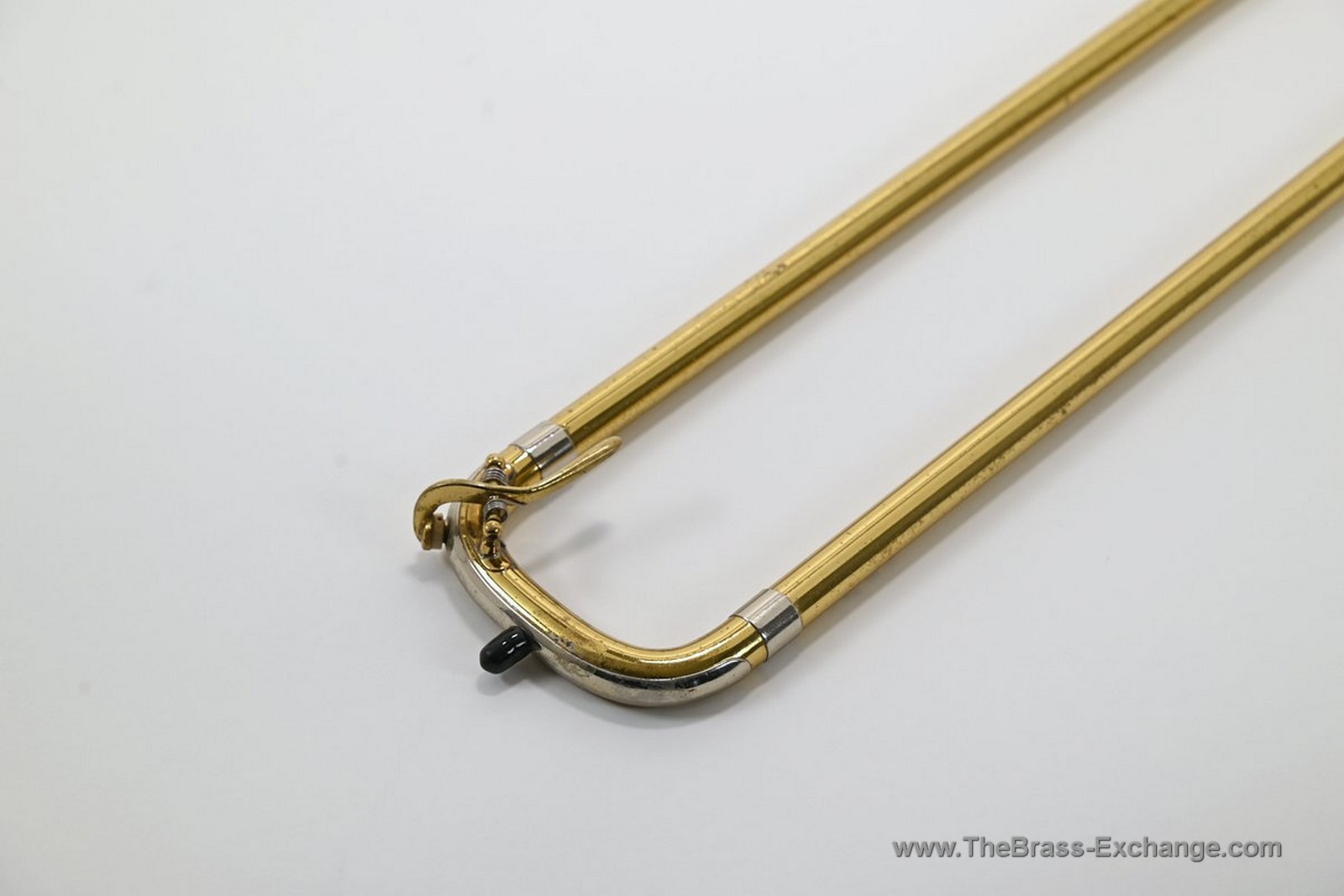
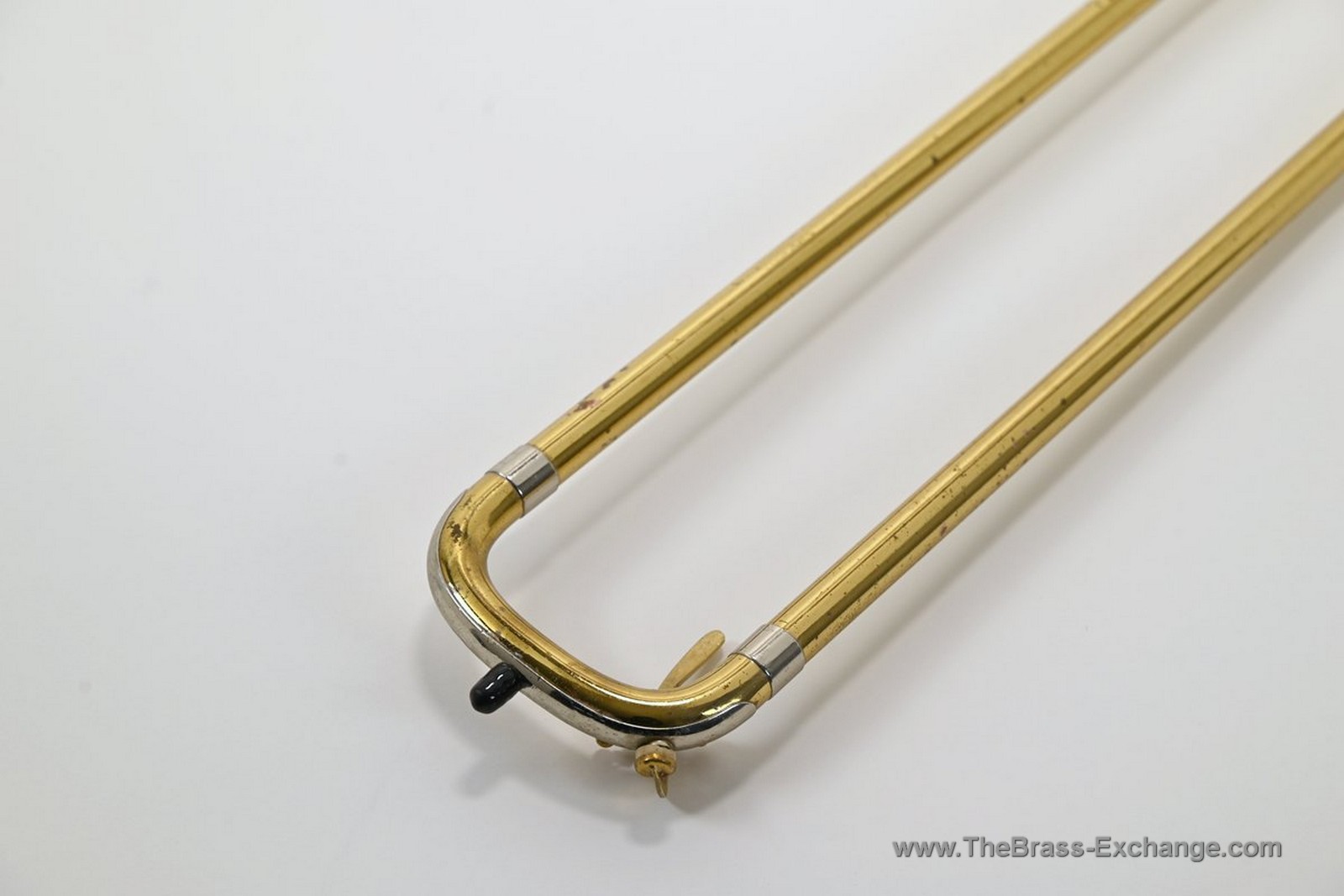
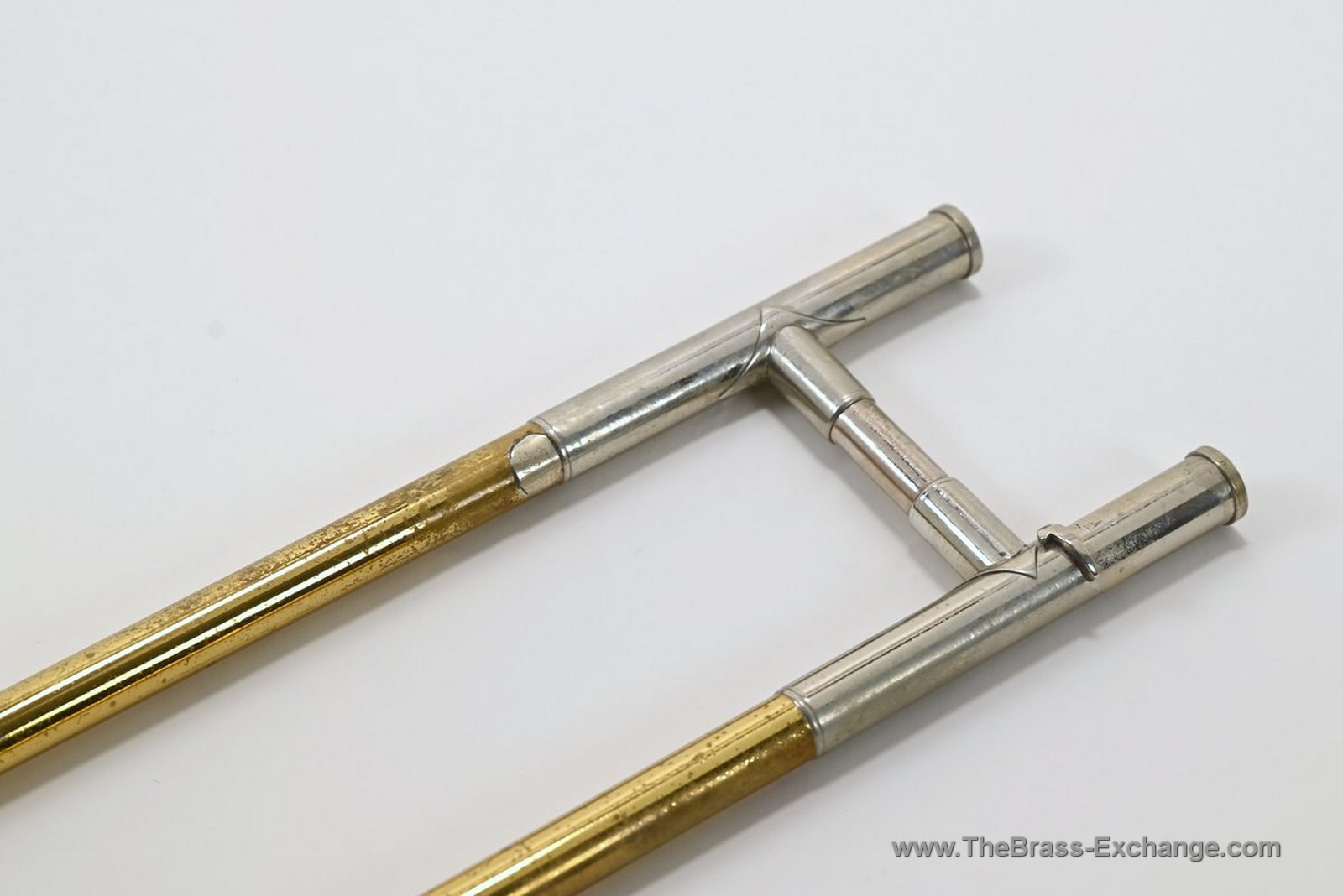
This early example also featured a nickel silver slide crook guard over the brass crook, a correct and desirable period detail.
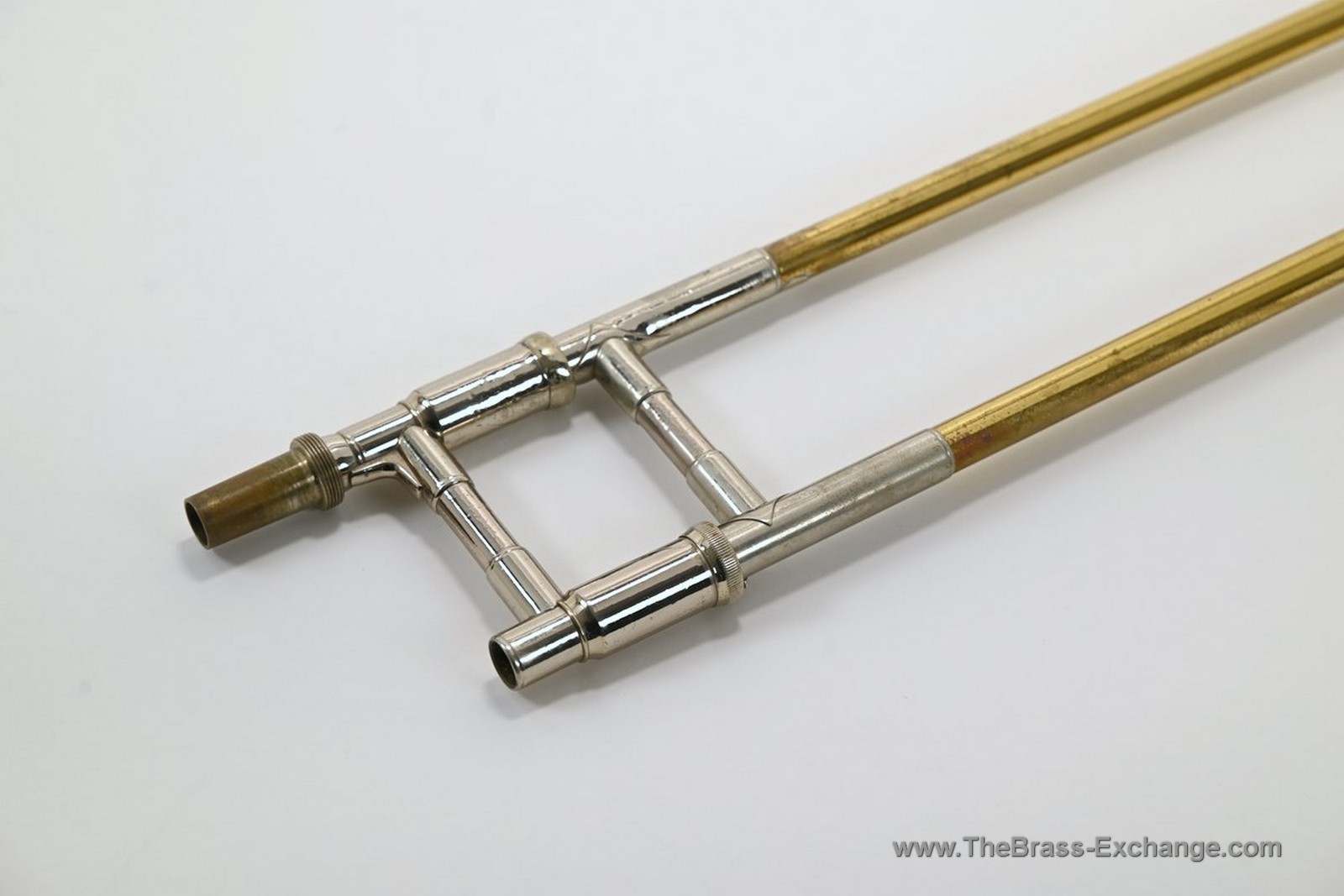
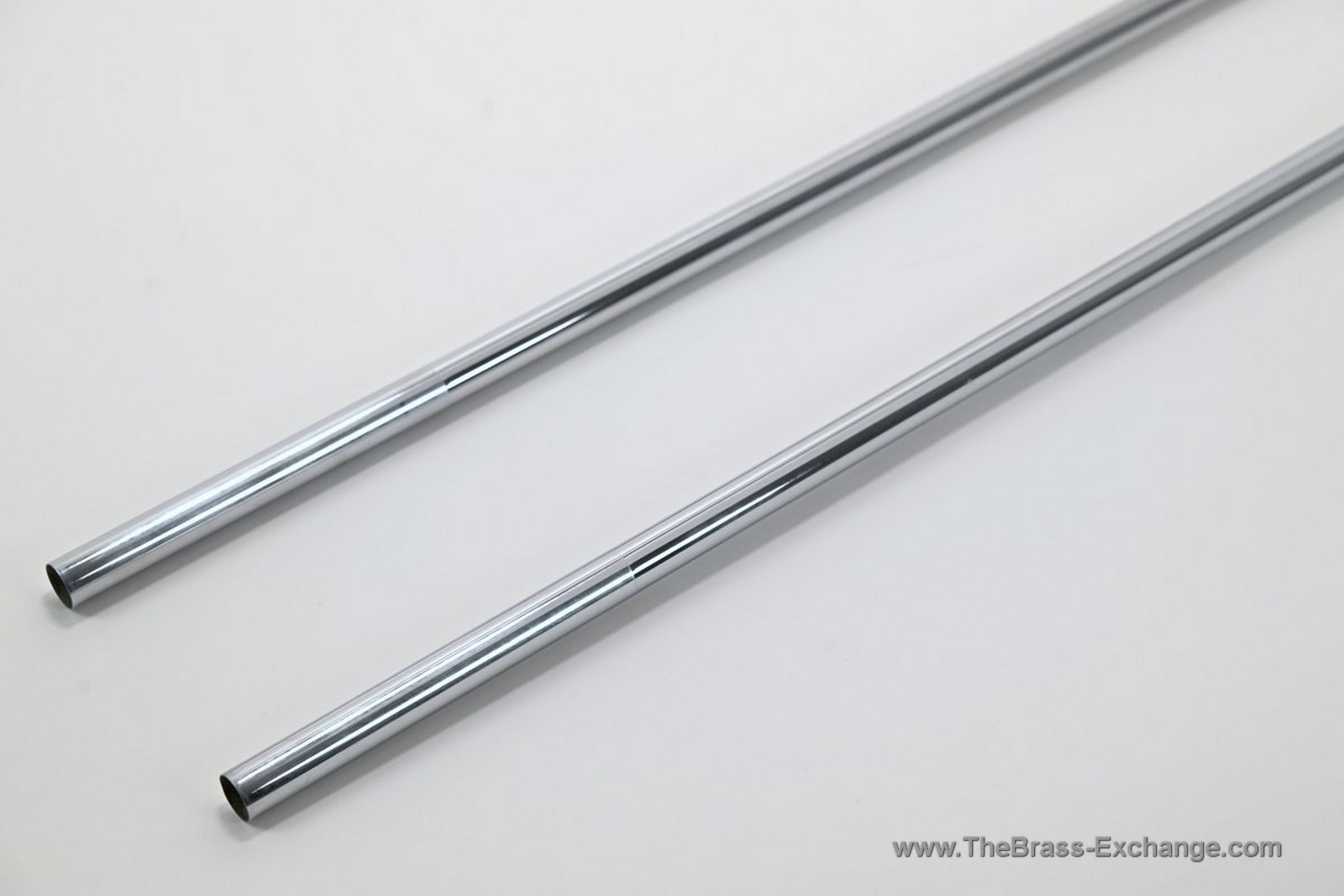
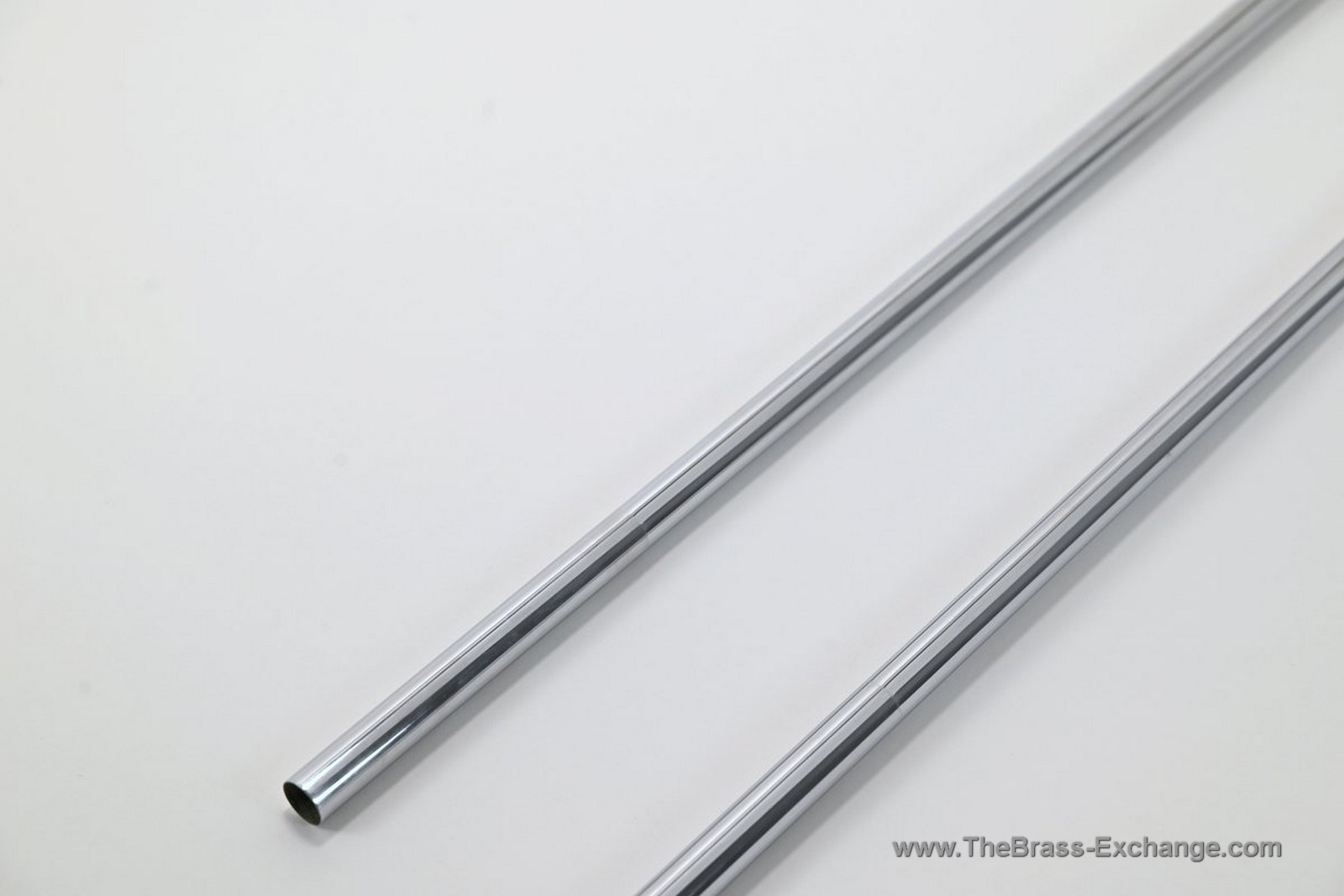
The handslide remained in excellent playing condition with smooth action and reliable alignment. At some point, likely during the 1980s, minor cosmetic work had been performed including light touch-up lacquer in the slide grip area and a small sterling silver patch approximately the size of a dime on one outer slide tube. These repairs were stable, fully disclosed, and had no impact on performance.
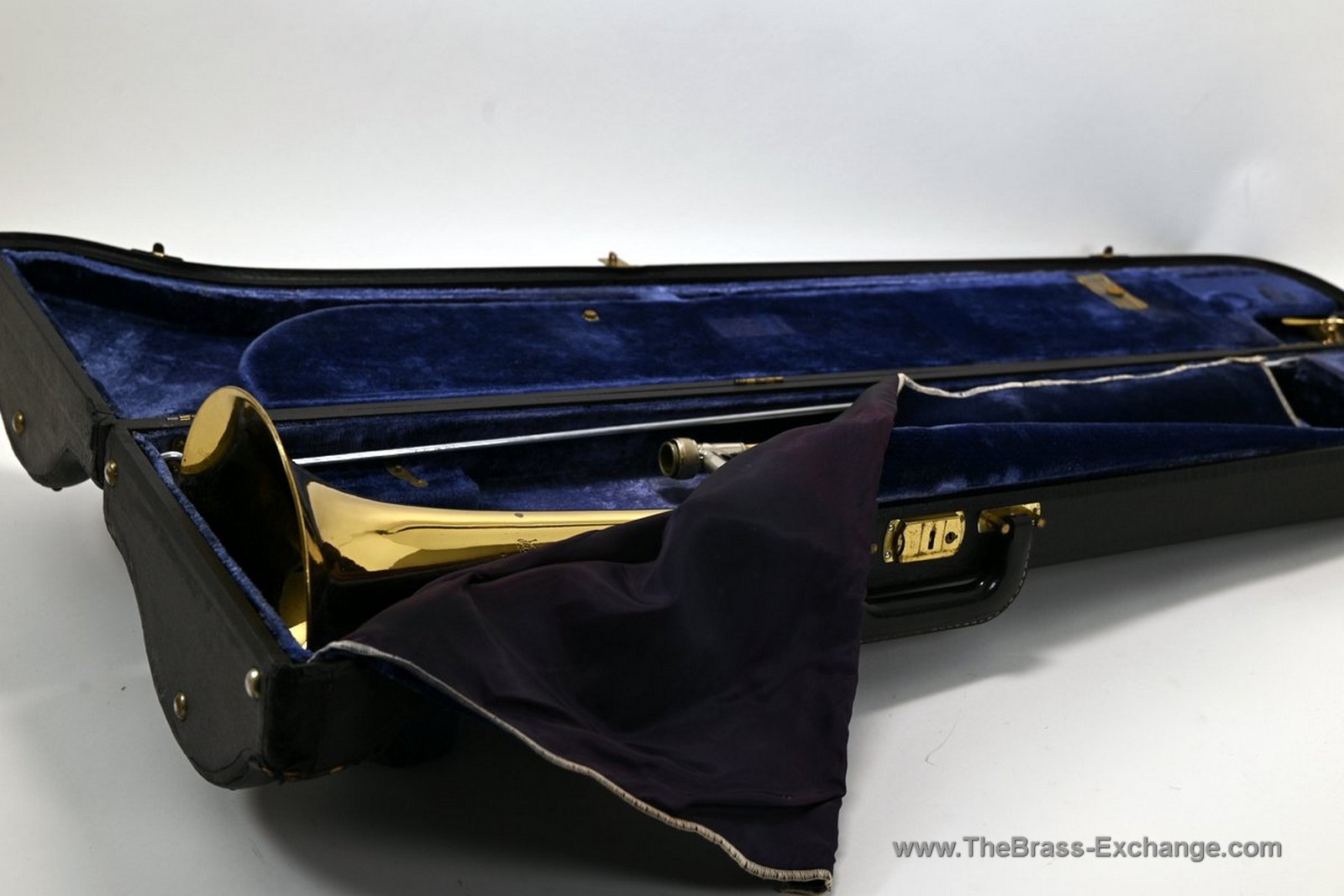
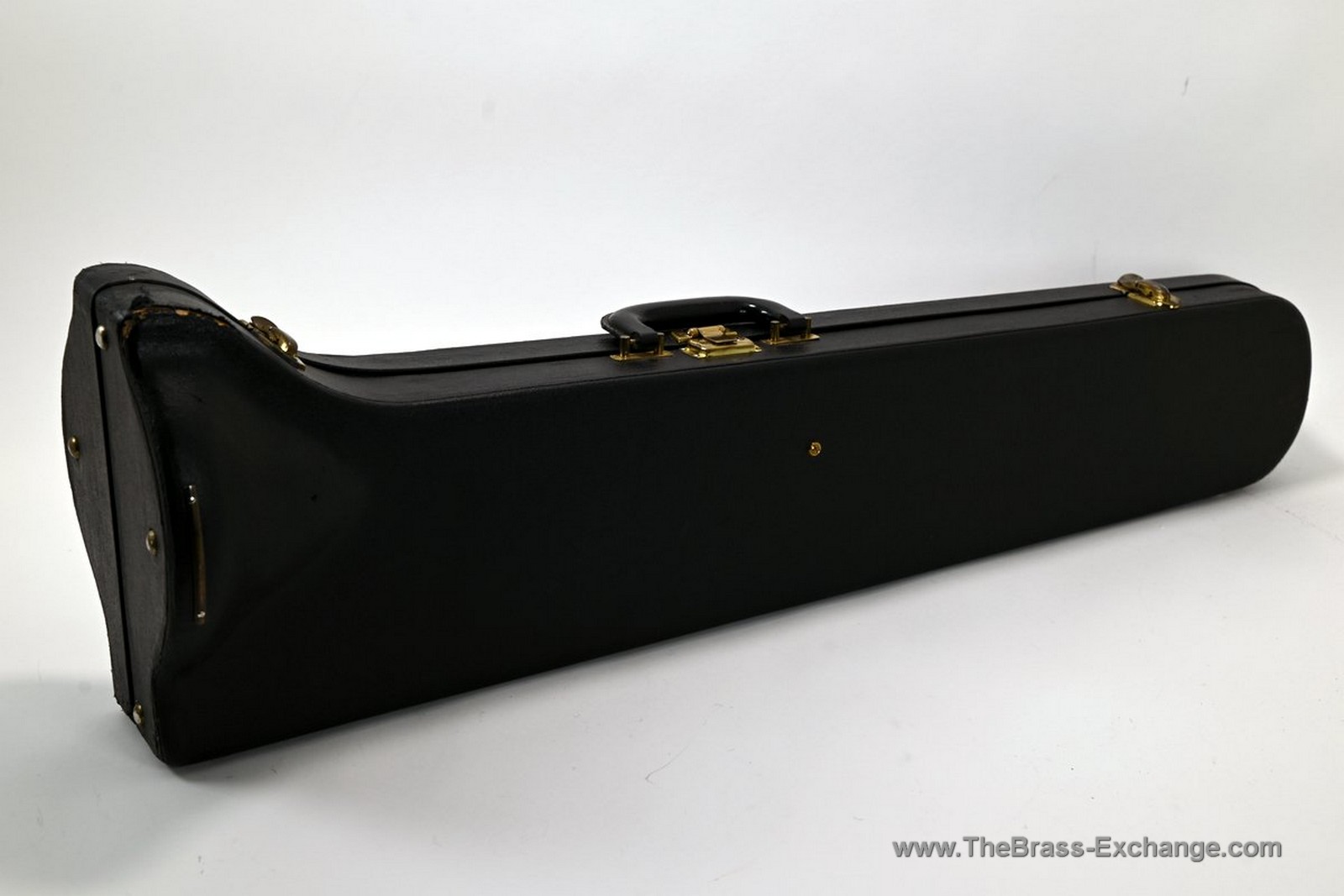
The original case was included and remained in excellent condition for its age.
🏅 Why Players Trust The Brass Exchange
Since 2010, The Brass Exchange has specialized in professional-level brass instruments with a strong emphasis on historical accuracy, transparency, and true player readiness.
Over the years we have handled numerous New York, Mt. Vernon, and Elkhart Bach trombones, helping players and collectors better understand the differences between production eras and their impact on performance and value.
Our Archive of Sold collection serves as a growing educational resource for musicians researching historical instrument development and market history.
Questions Trombone Players Often Ask
What trombones were commonly used during the Big Band era?
Small bore models such as the Bach 6 IV were favored for their clarity, agility, and ability to blend tightly in section playing—essential characteristics for swing and early jazz orchestras.
What is acid bleed on a lacquered brass instrument?
Acid bleed is a cosmetic chemical reaction that can appear along exposed edges of lacquer, often at the bell rim or seams. It originates during the original fabrication process and does not affect sound, structural integrity, or playability.
Is the Bach 6 IV still practical for modern players?
Yes. While rooted in historical design, the Bach 6 IV remains highly effective for jazz, traditional big band, pit work, and stylistic crossover settings where clarity and efficiency are priorities.
🔧 Availability & Archive Status
This Bach 6 IV New York Era tenor trombone has been sold and is no longer available. Archive of Sold pages are maintained as historical references for players, collectors, educators, and researchers studying significant brass instruments and production eras.
Similar New York Bach trombones appear only occasionally, making surviving examples particularly desirable among vintage trombone enthusiasts.
📌 Archive Reference & Next Steps
This Bach 6 IV small bore tenor trombone is now part of our Archive of Sold collection and remains an excellent example of a professional New York-era Bach from the height of the Big Band era.
Interested in comparing Bach production periods? 📚 Explore our Historical Bach Trombone Archive to see how New York, Mt. Vernon, and later Bach eras evolved over time.
Own a vintage Bach trombone and wondering about its value? ✍️ Contact us for a valuation and explore your options.