


📌 Archive Note
This instrument has been sold and is now part of our Archive of Sold instruments at The Brass Exchange. The listing remains as a historical reference for players, collectors, and those researching vintage Bach trombones.
✦ Historical Perspective
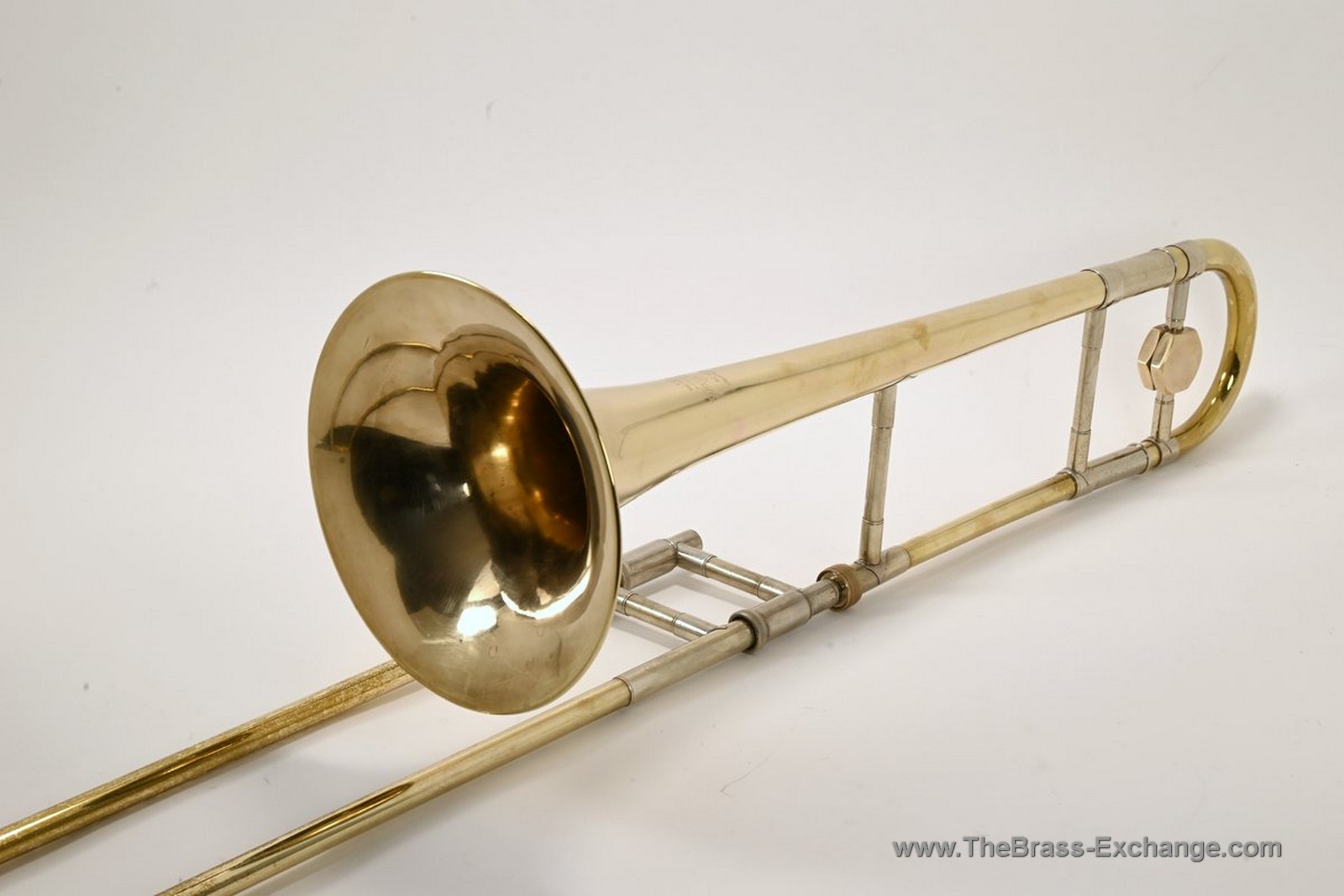
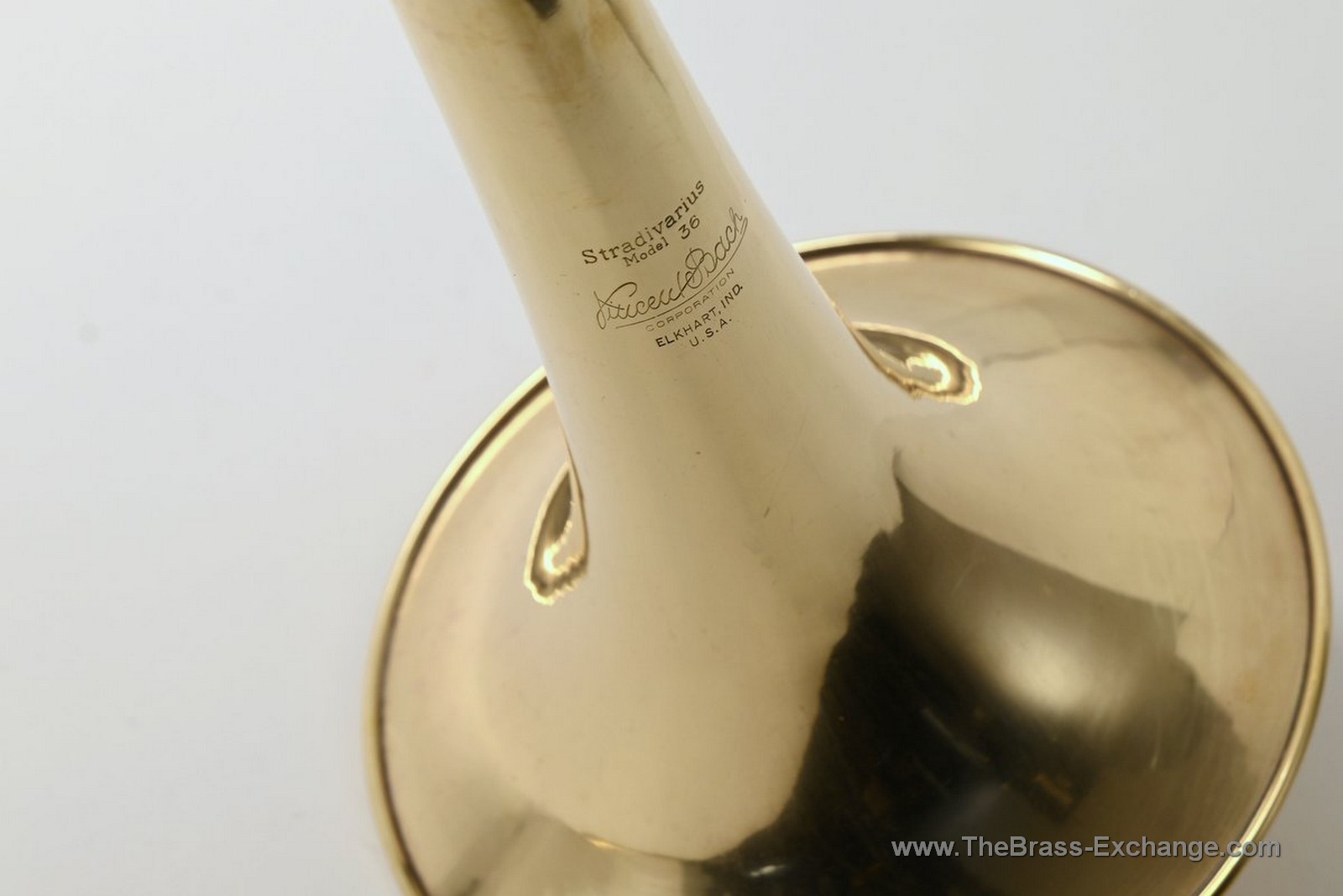
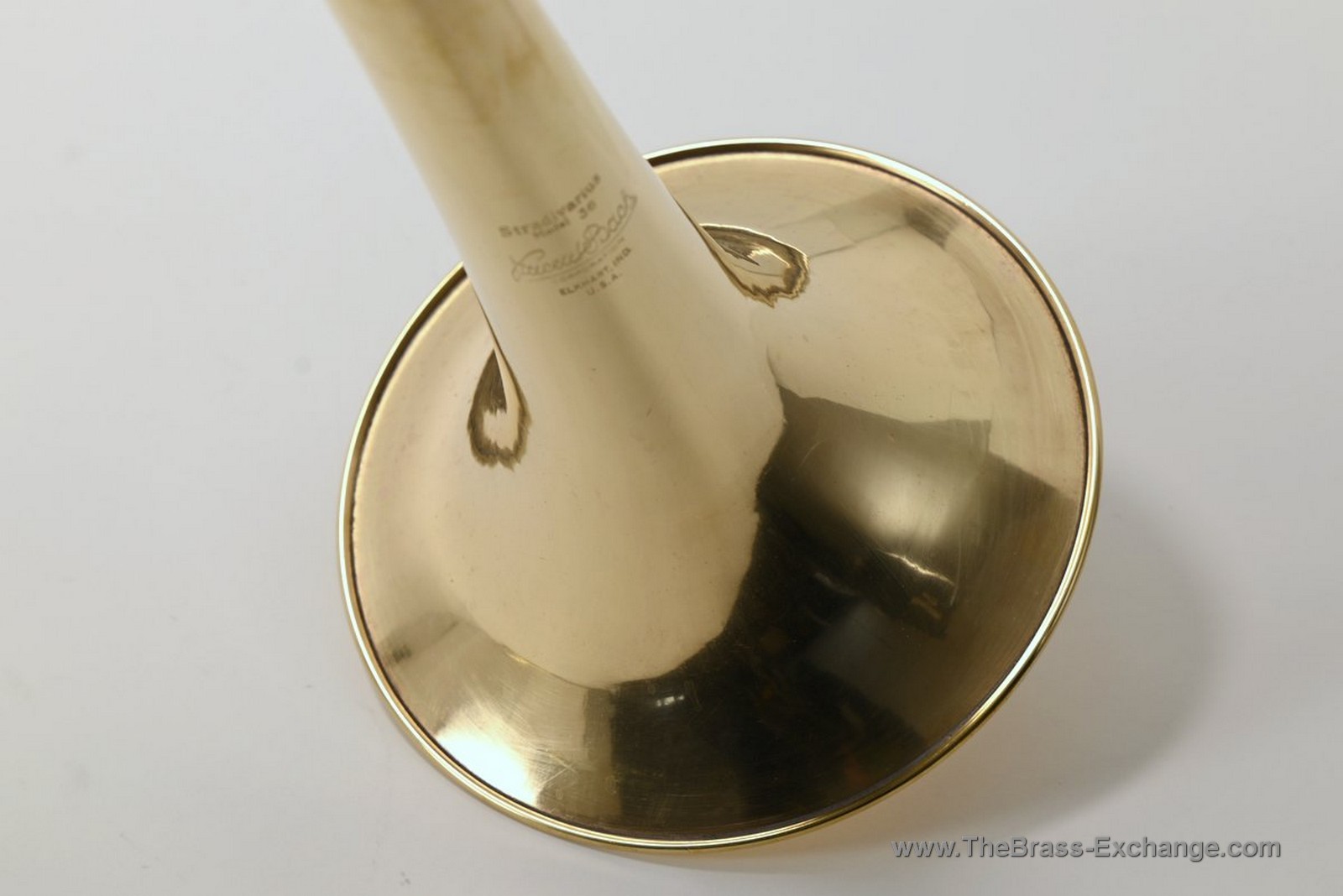
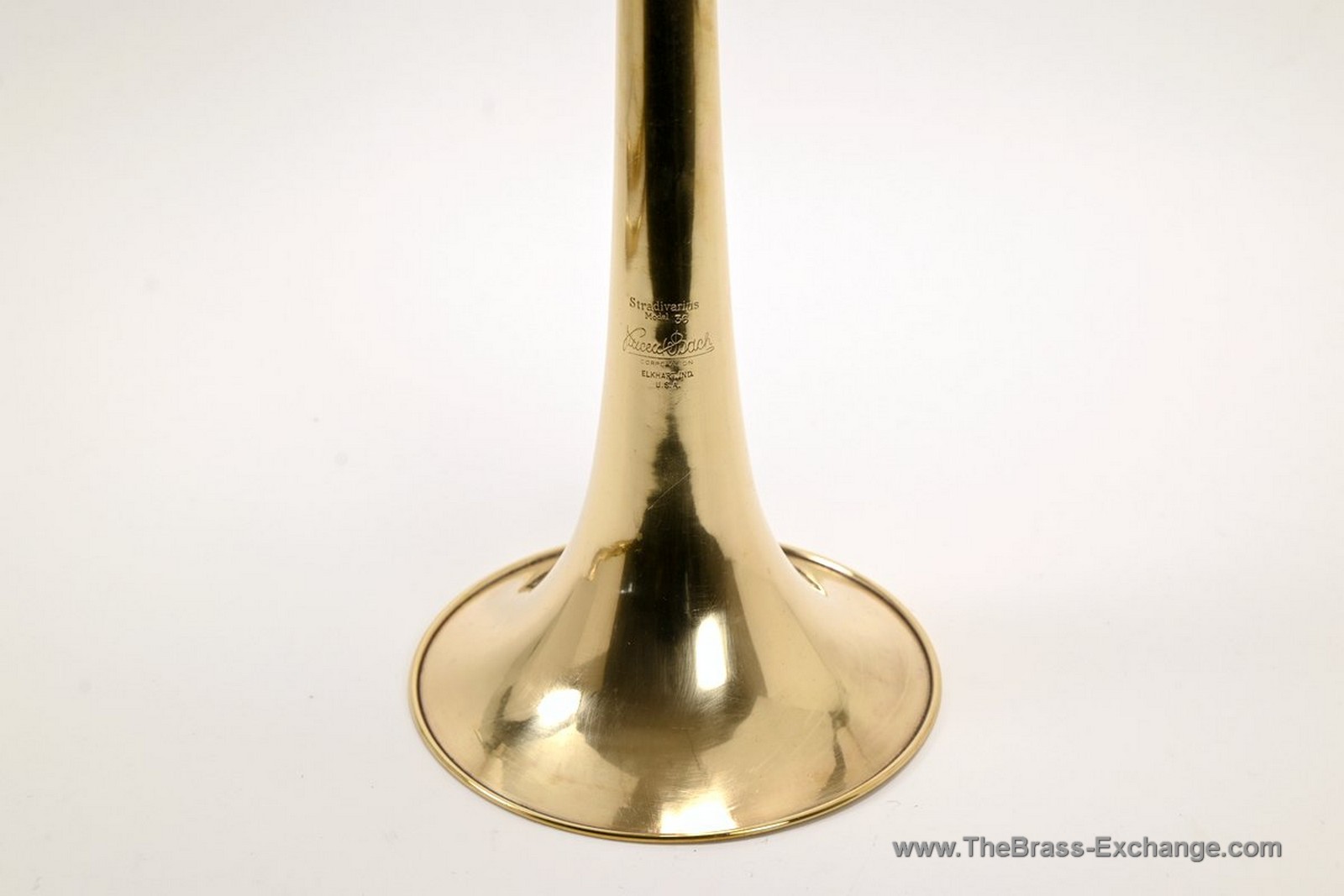
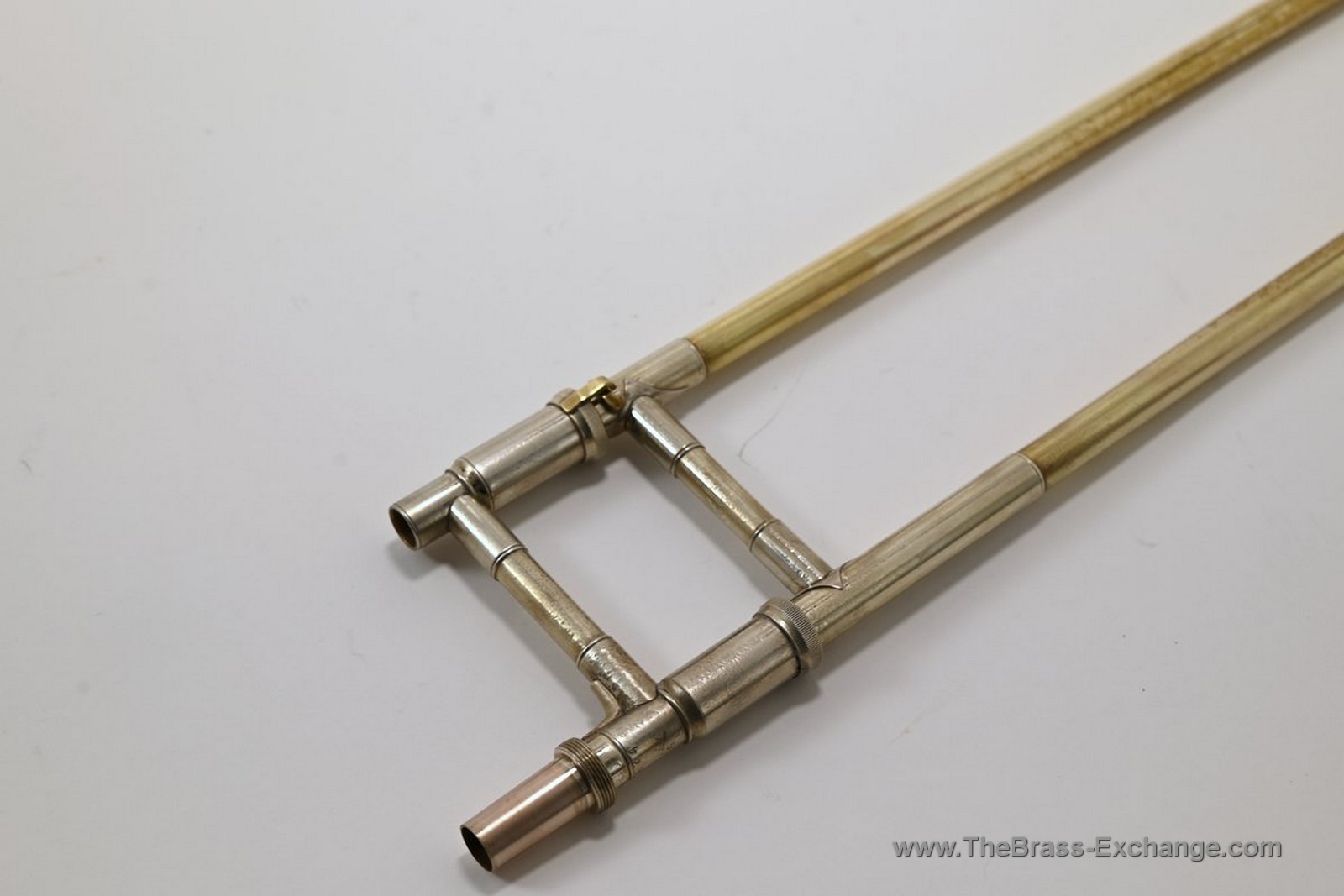
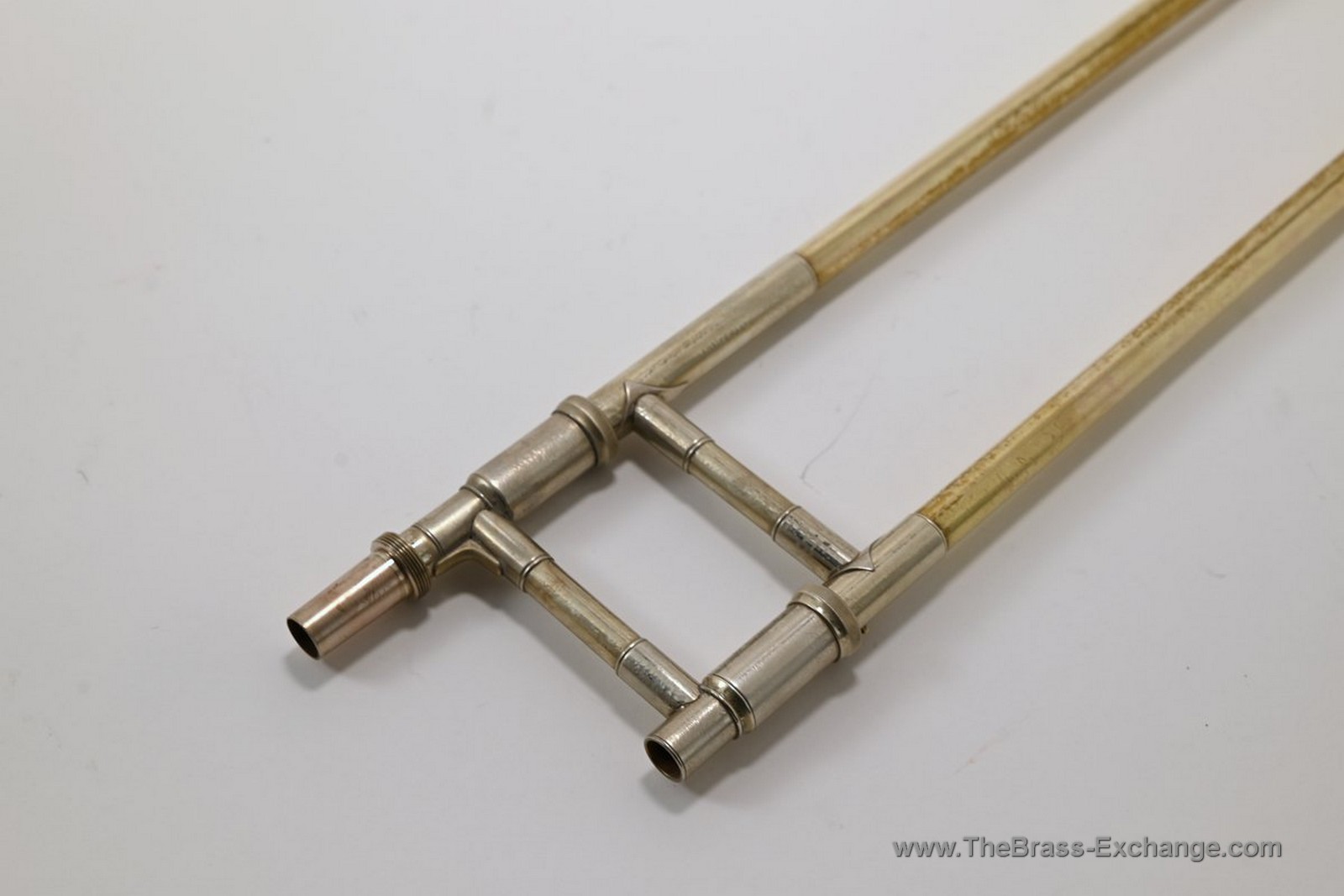
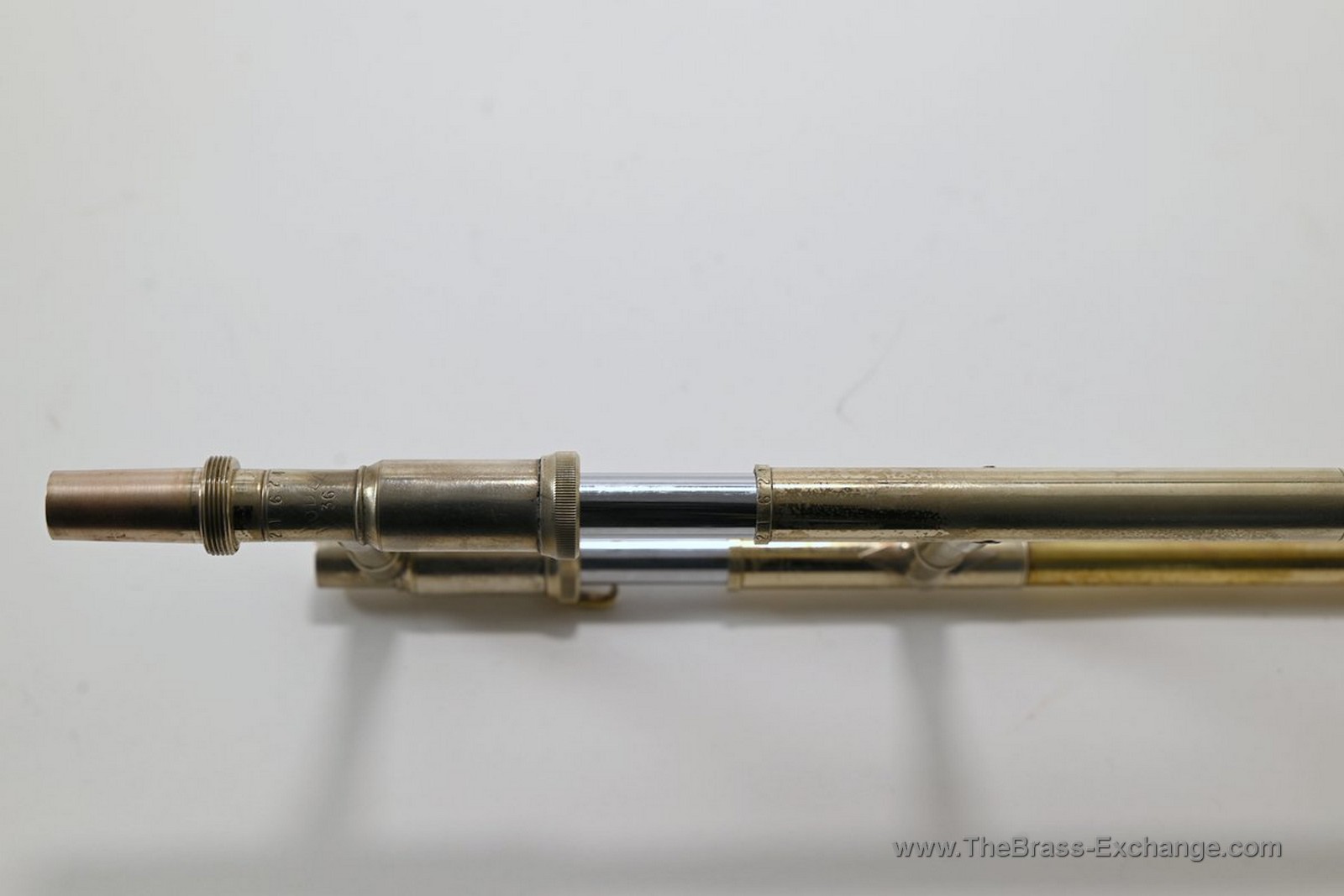
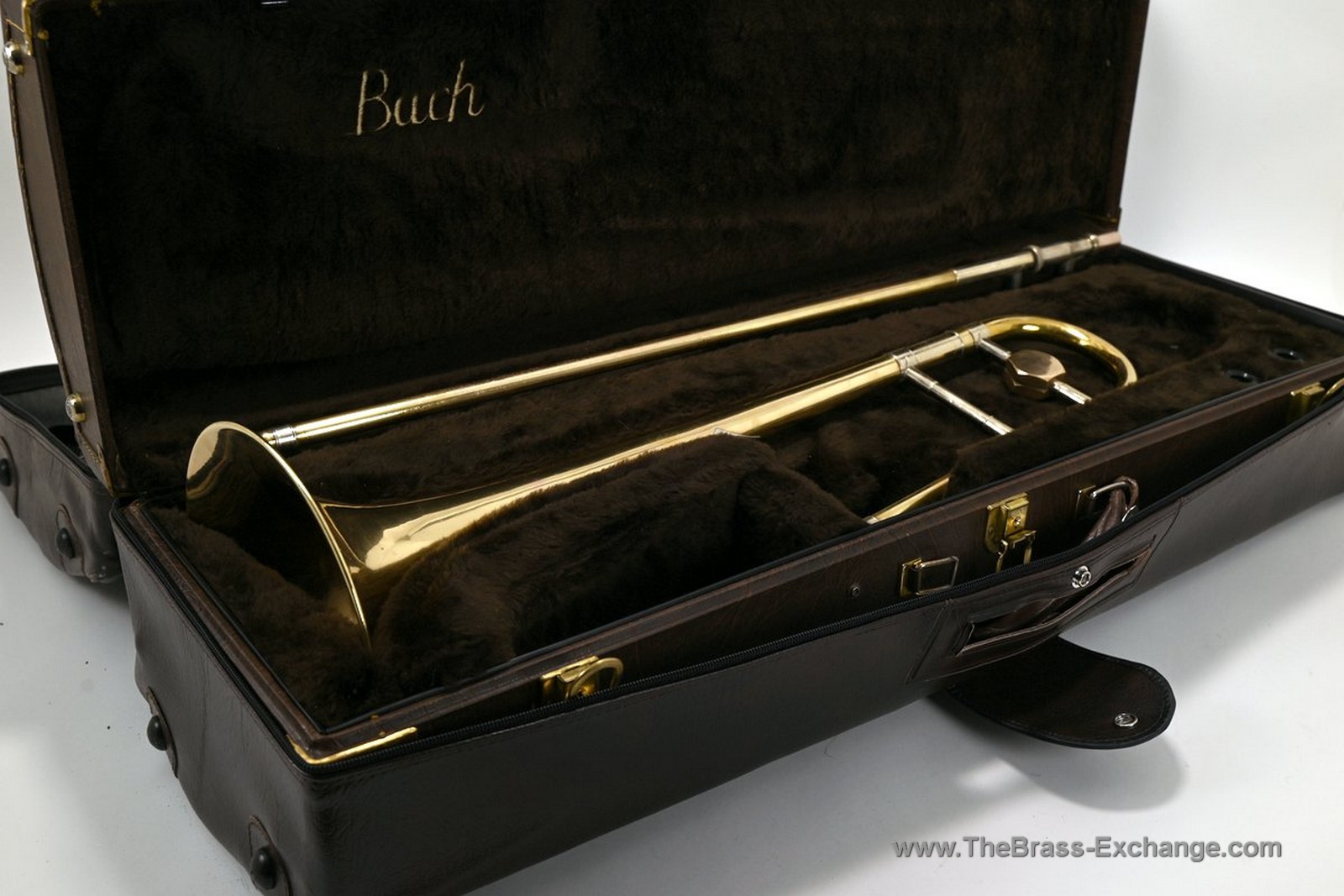
This Bach 36 medium bore tenor trombone (SN 21624) was built in the mid-1970s during the Bach Corporation Era — a period widely respected for production consistency, stable build quality, and dependable playing characteristics.
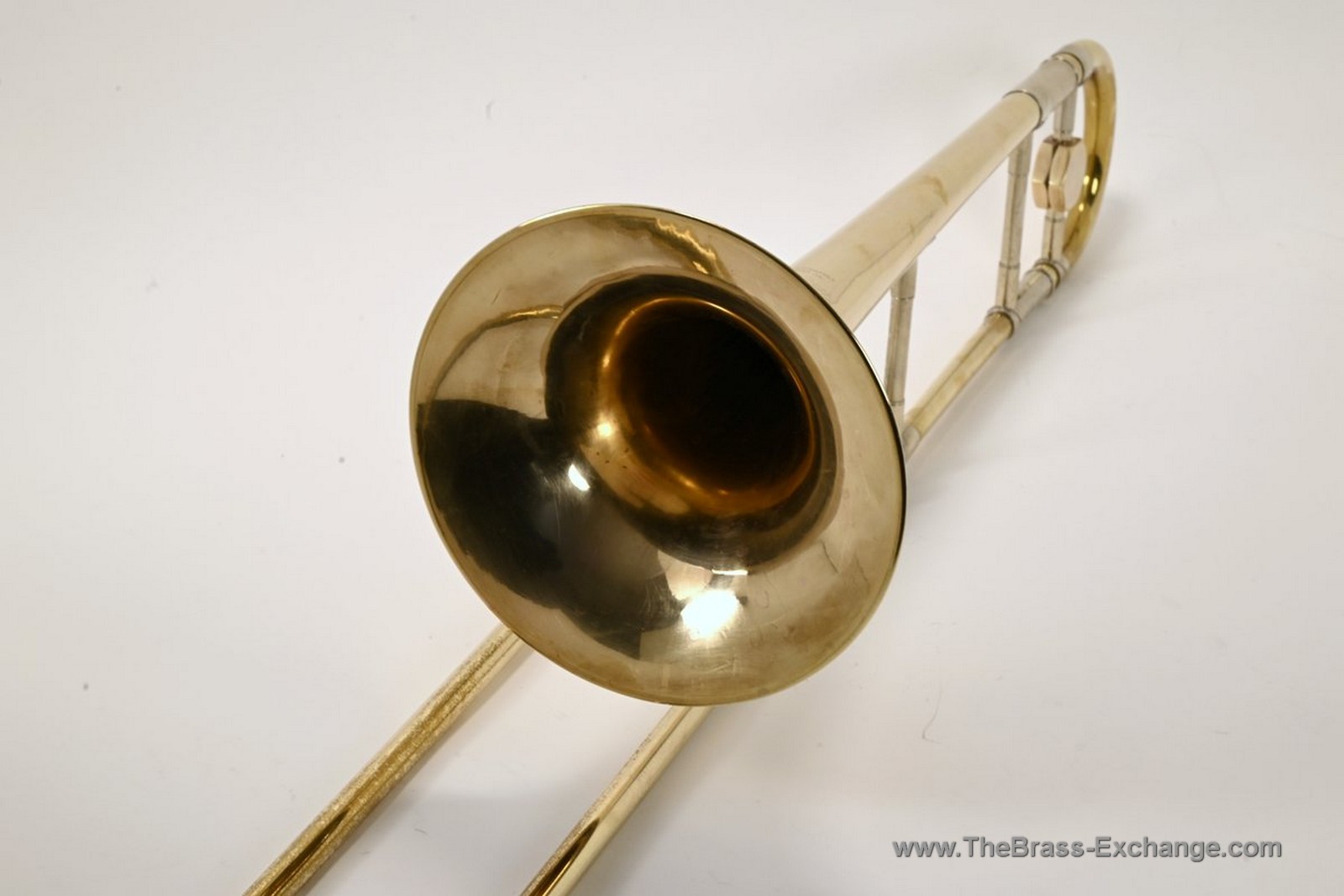
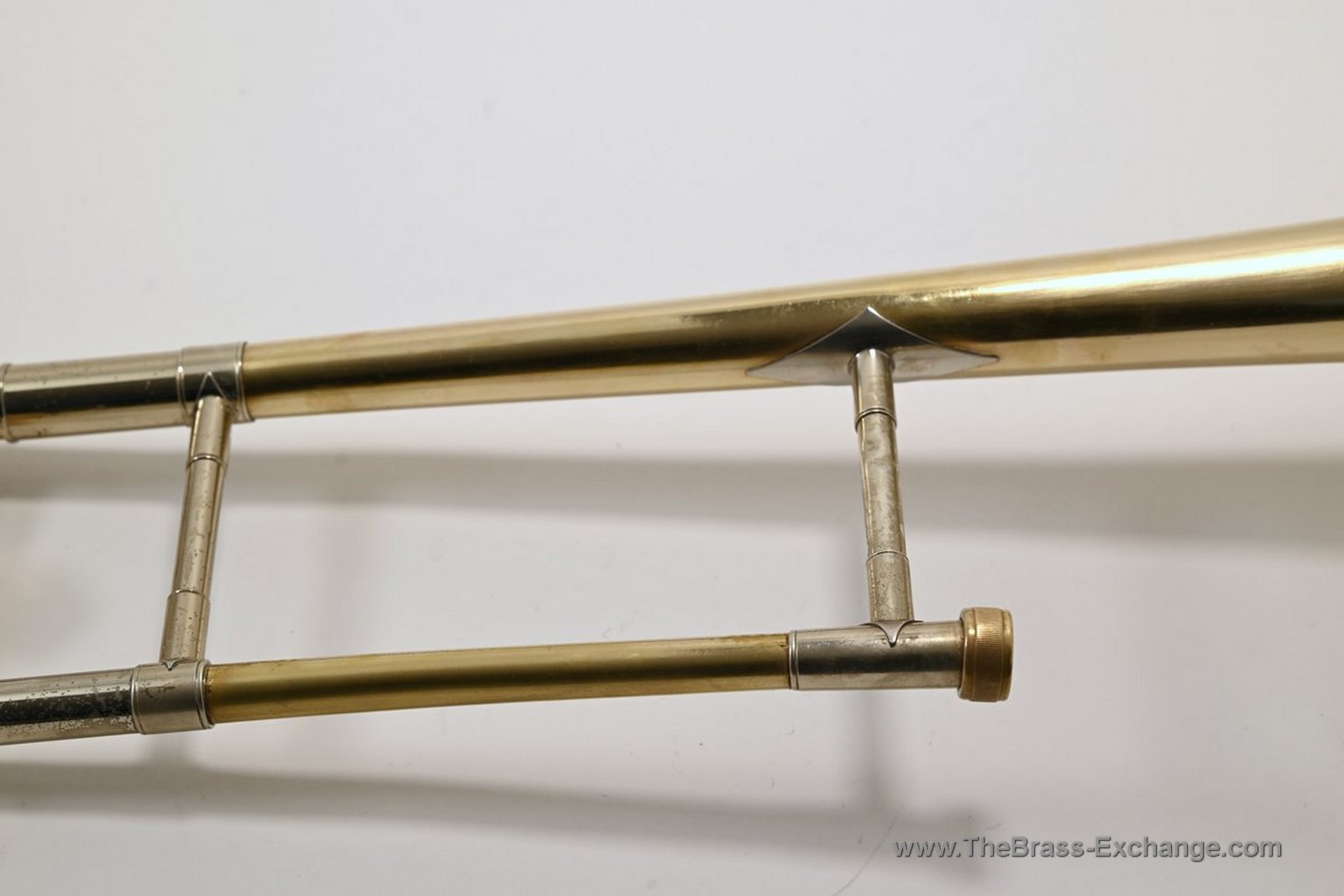
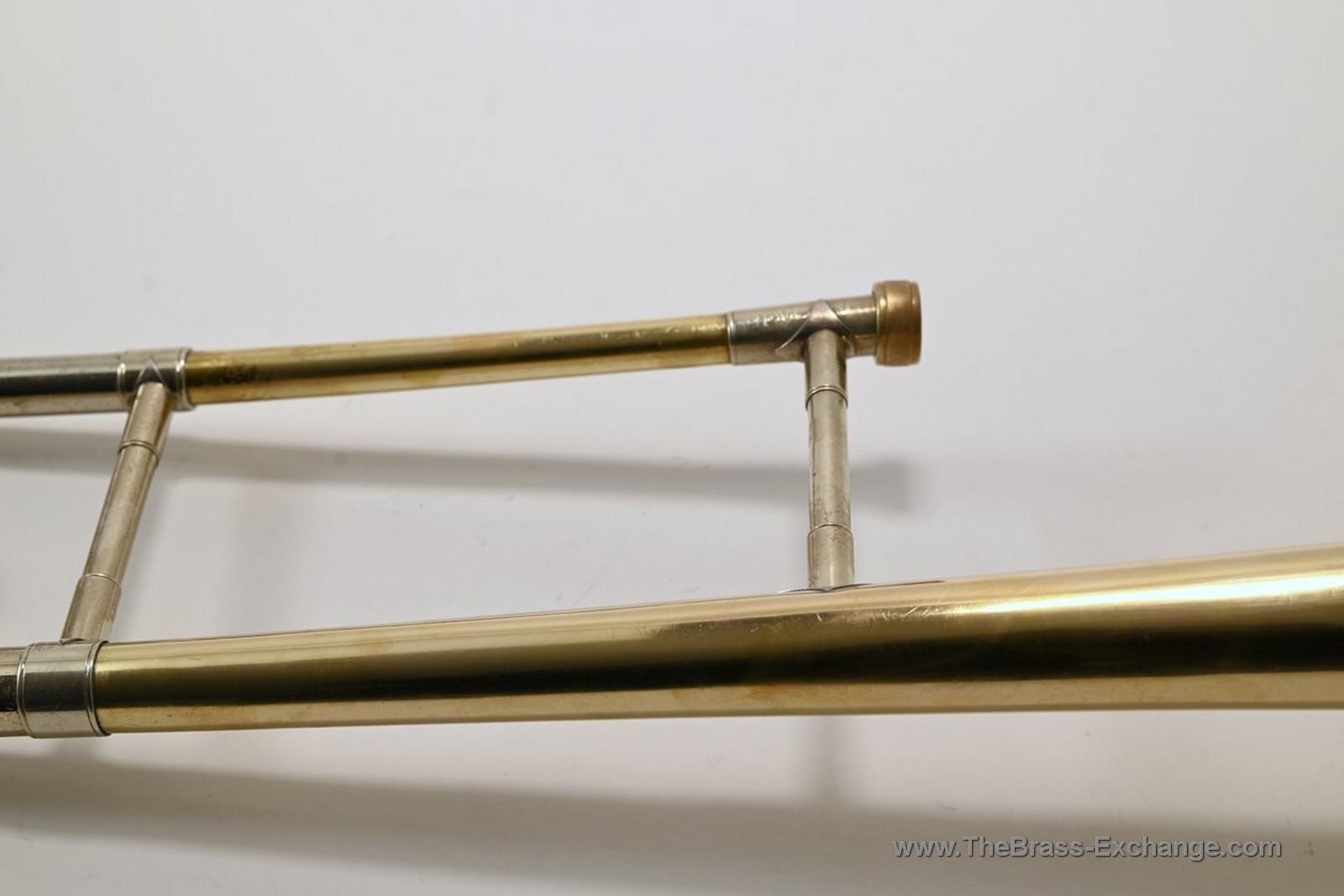
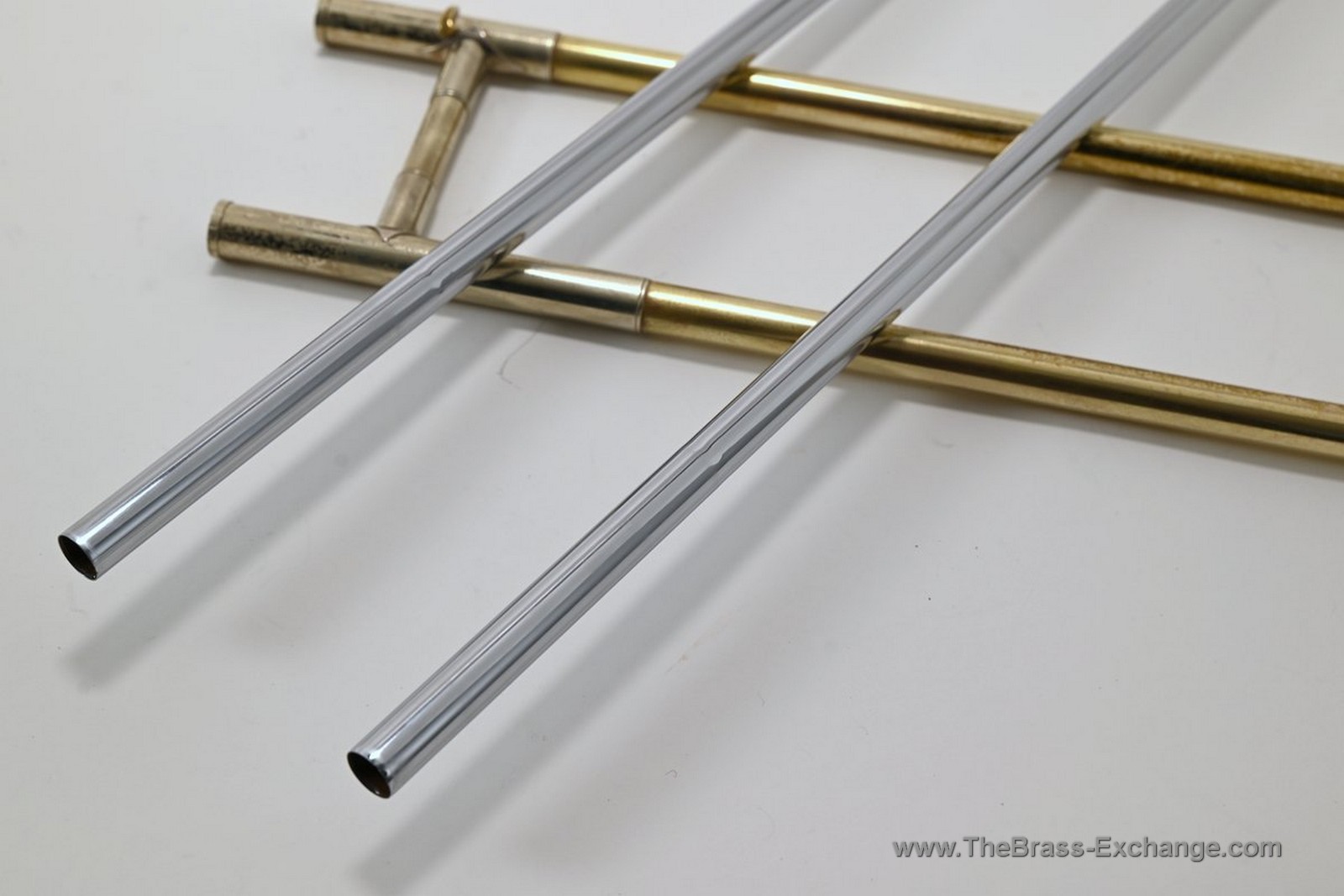
Featuring the classic 8" yellow brass bell and standard-weight .525 bore handslide, the Bach 36 occupies one of the most useful size categories in the modern professional landscape. For many orchestral players, this model functions as a secondary straight tenor that complements a primary .547 bore F-attachment instrument.
It is especially valued in modern orchestral programming and film score work, where clarity, efficiency, and tonal flexibility are often more important than maximum mass. The .525 bore allows players to move easily between contemporary orchestral literature, studio sessions, chamber settings, and crossover repertoire without compromise.
✦ Player Perspective
Among orchestral and studio professionals, the Bach 36 has become a quiet essential. The .525 bore provides more core and projection than a small jazz tenor while remaining more agile and compact than a full .547 bore trigger horn when a valve is unnecessary.
This particular instrument responds immediately and speaks cleanly across the range, making it especially effective for modern orchestral writing and film scoring that demand fast articulation, clean attacks, and precise dynamic control.
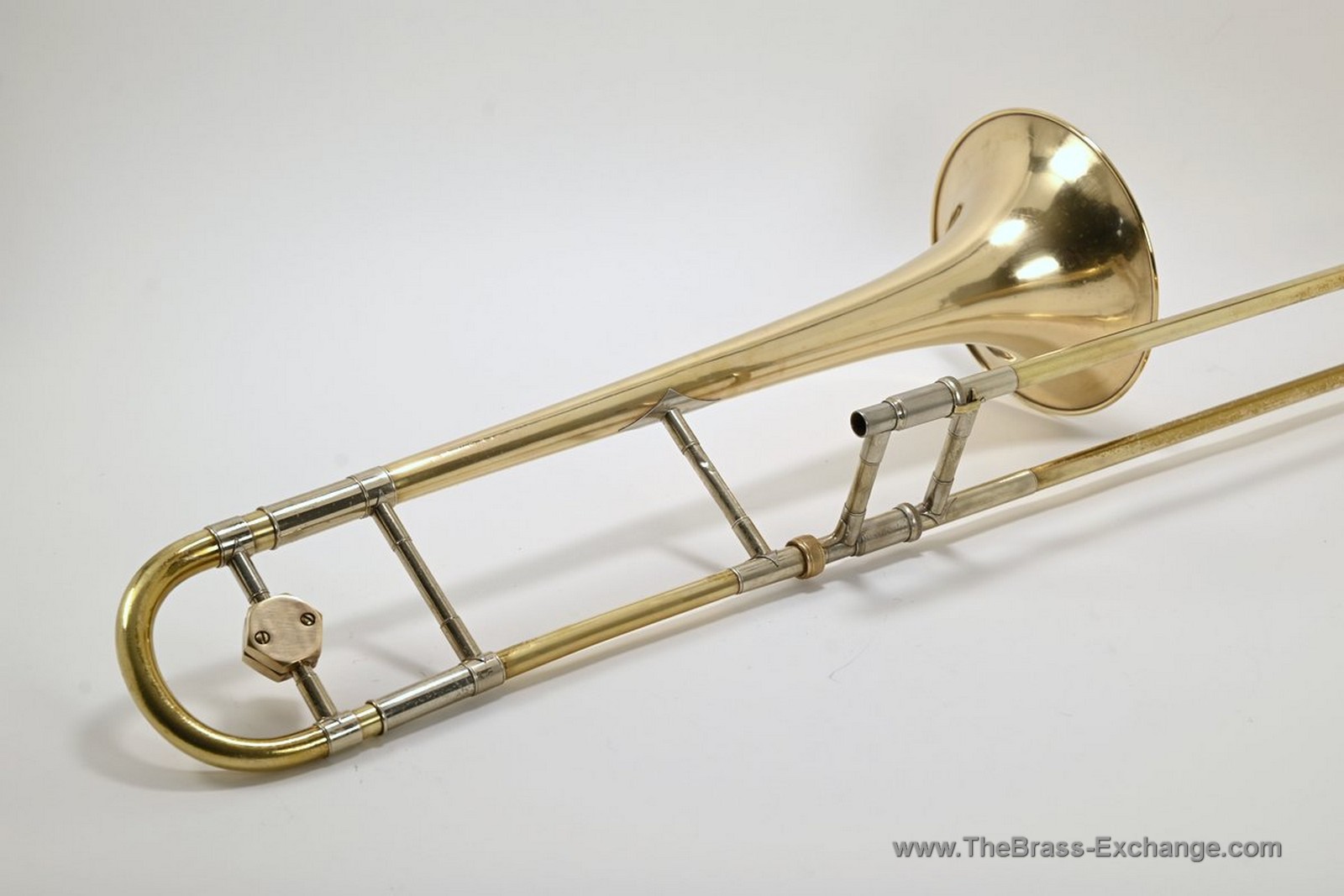
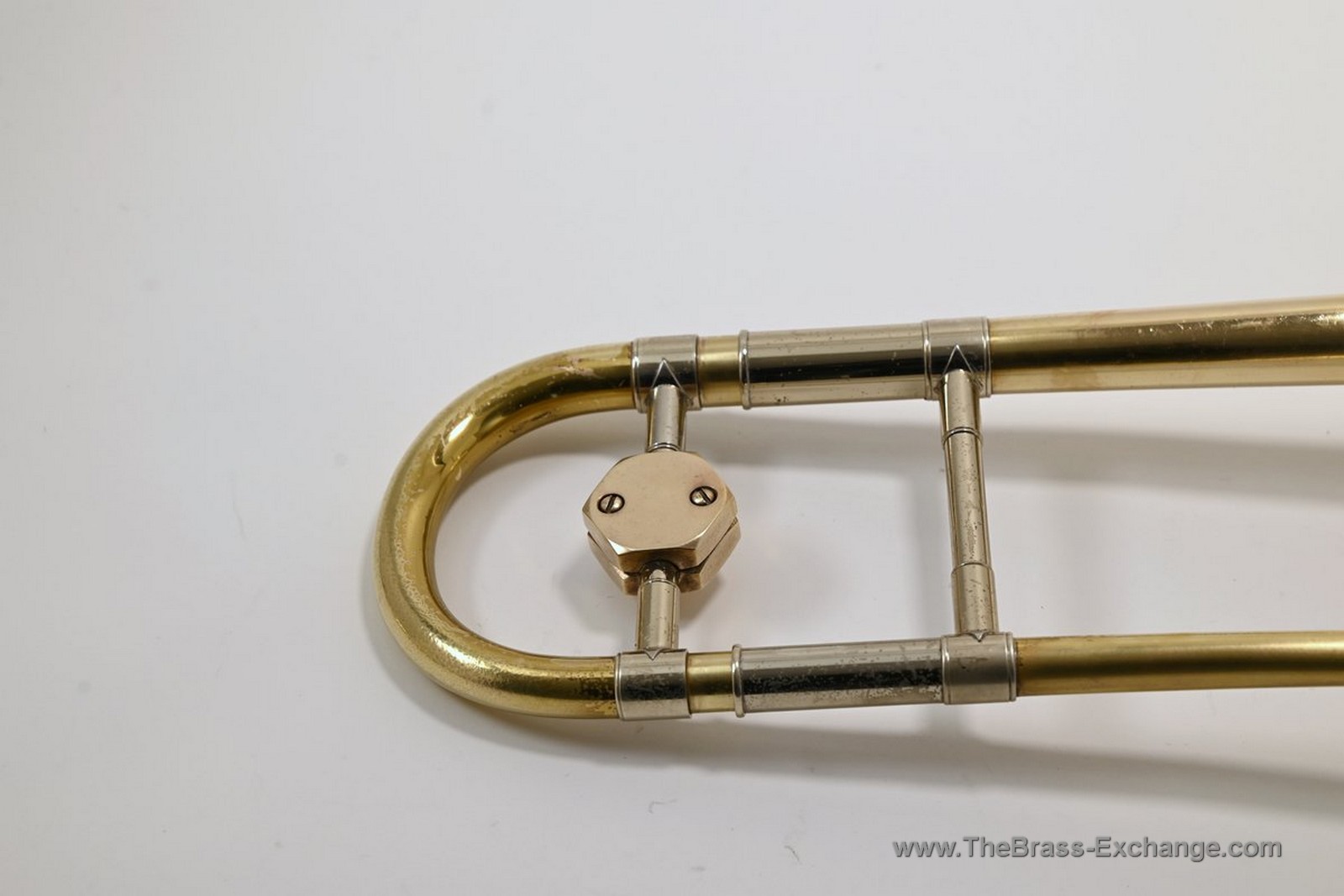
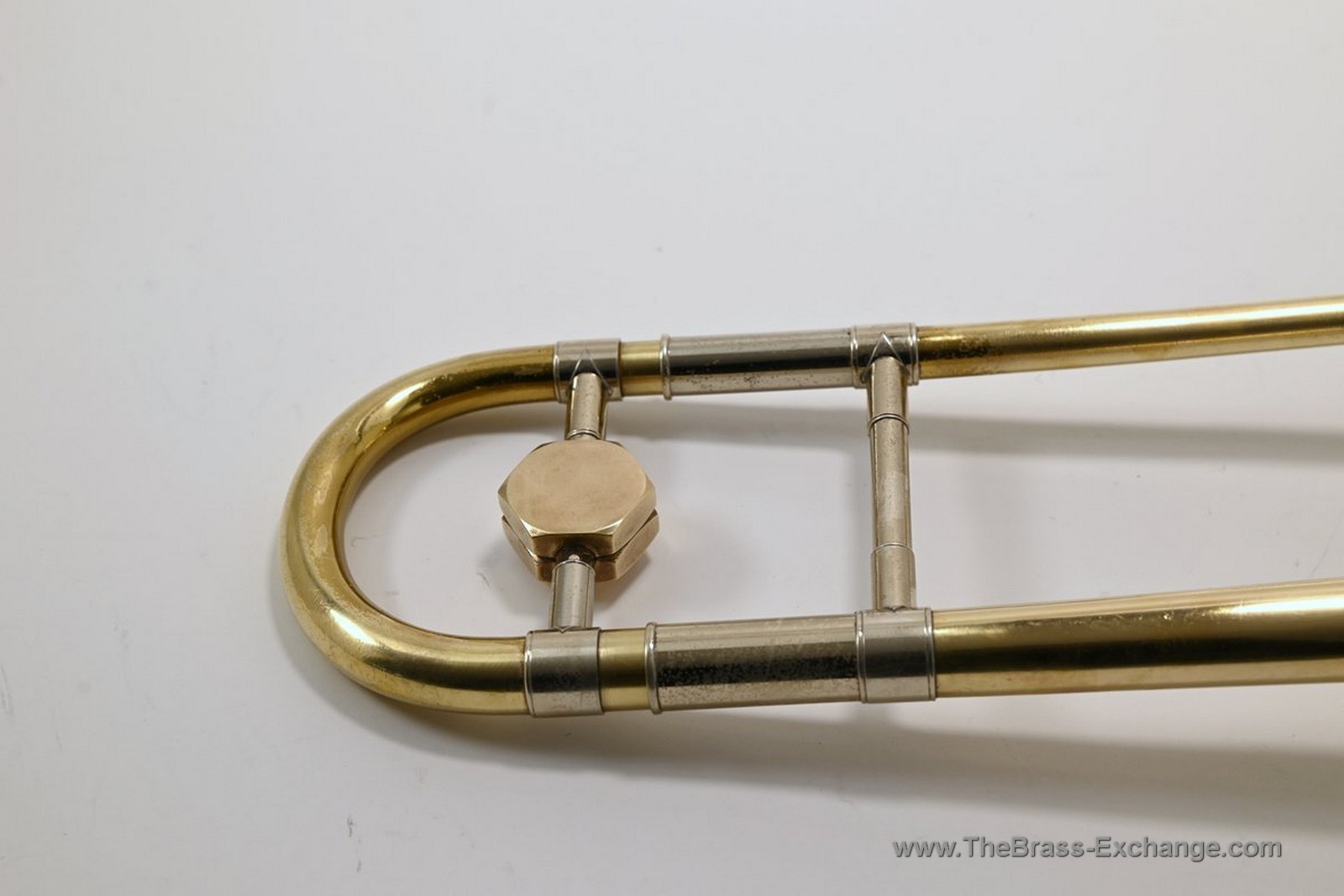
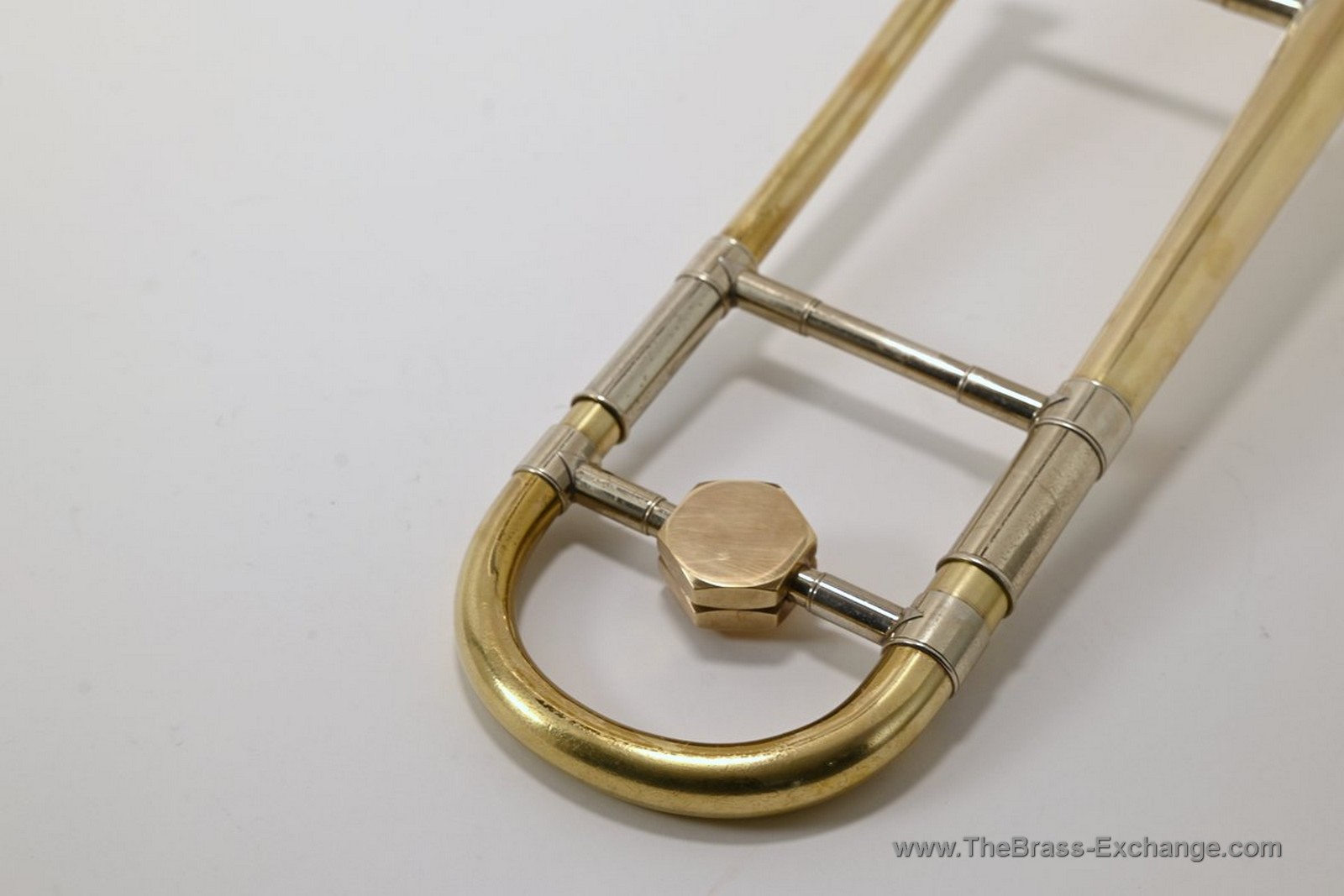
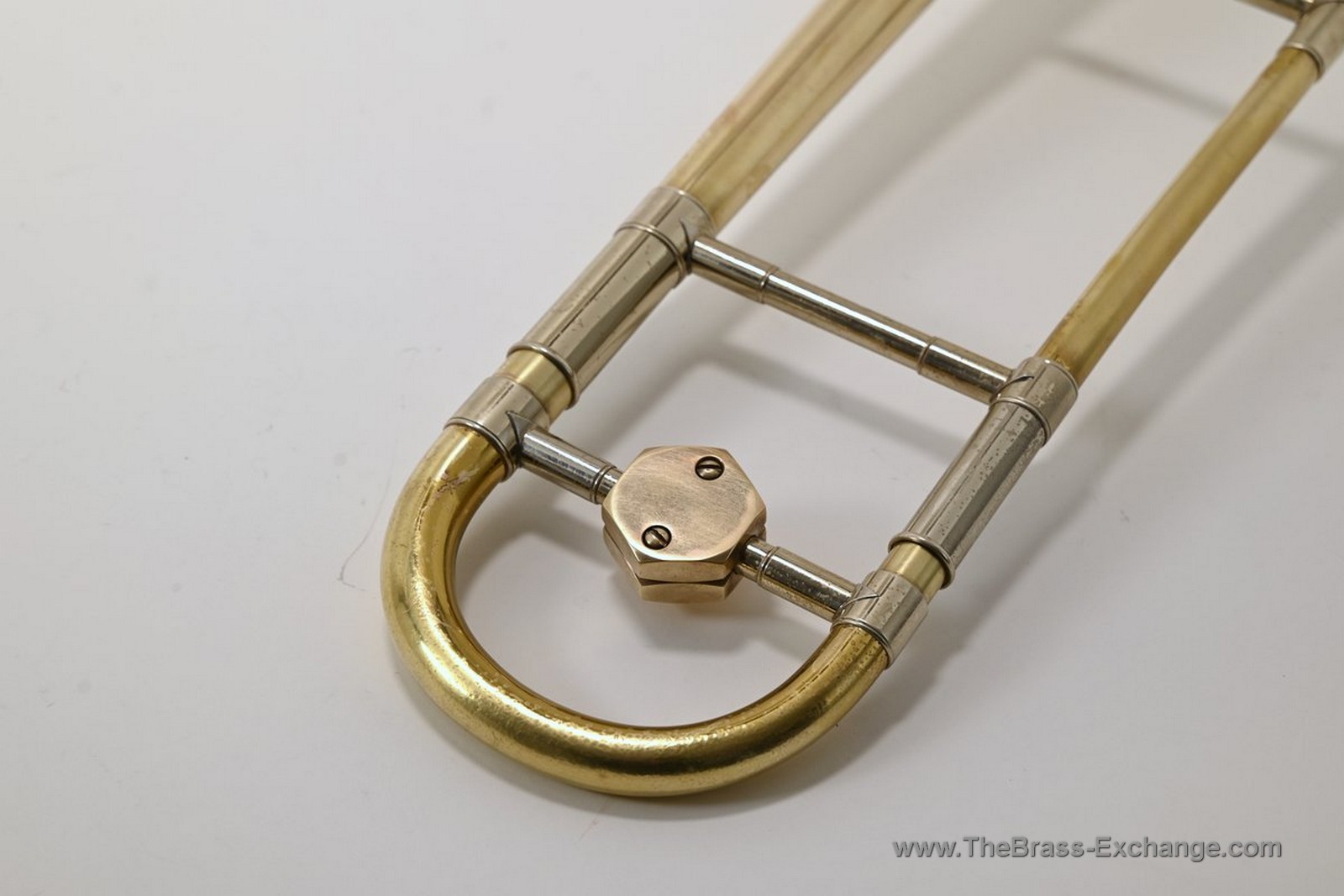
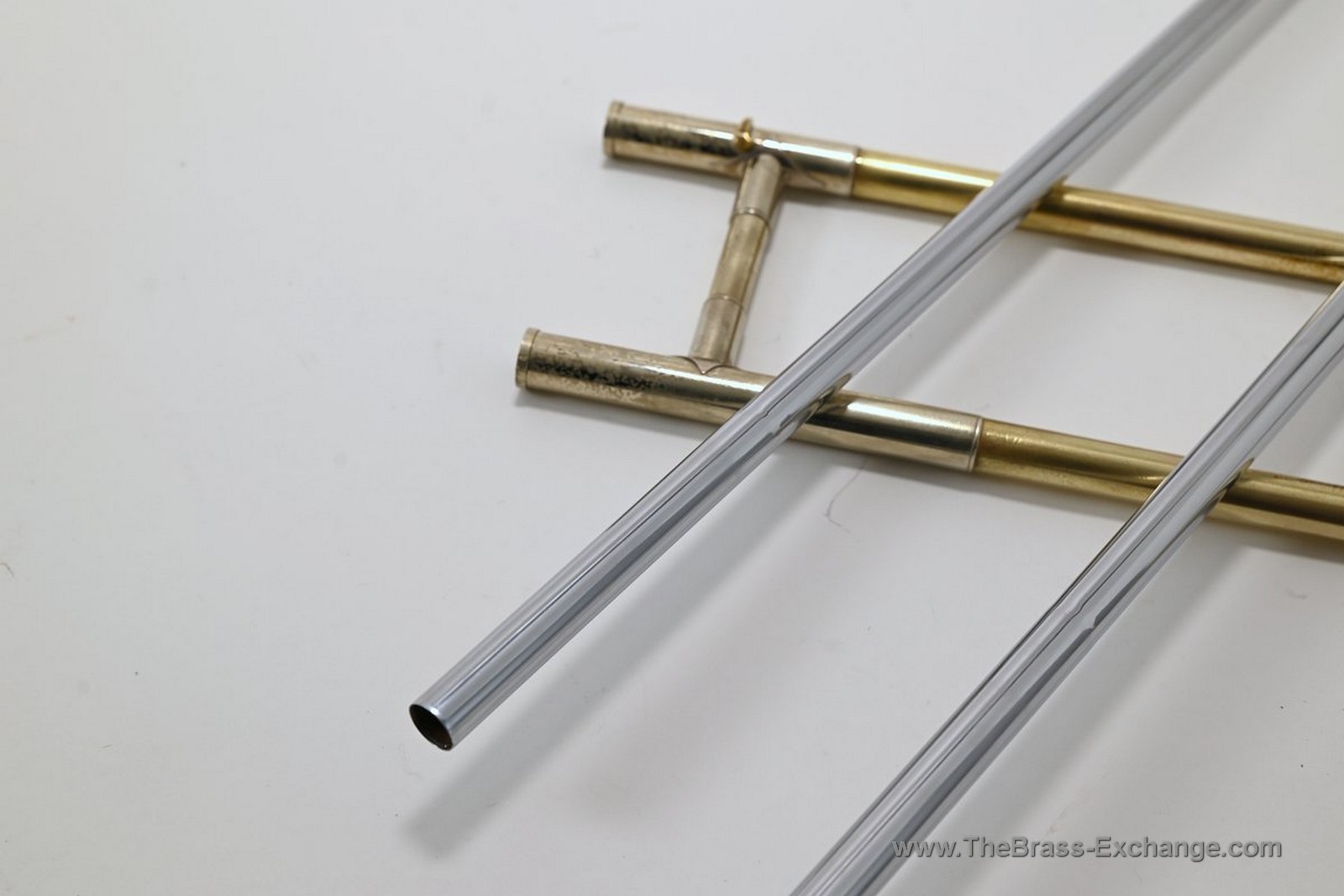
A custom, one-of-a-kind balance weight had been fitted, improving overall ergonomics and helping the instrument sit naturally during long rehearsals, pit work, or recording sessions — a meaningful refinement for real-world professional use.
✦ Condition & Service
This was clearly a professional player’s instrument at the time of sale and had not experienced structural damage or major repair work. Most of the original lacquer had been removed — a common and often intentional modification from this era, as many players believed it enhanced resonance and response.
The trombone received full professional shop service at The Brass Exchange, including a chemical bath and complete mechanical evaluation. At the time of sale, it was fully player-ready with no deferred work.
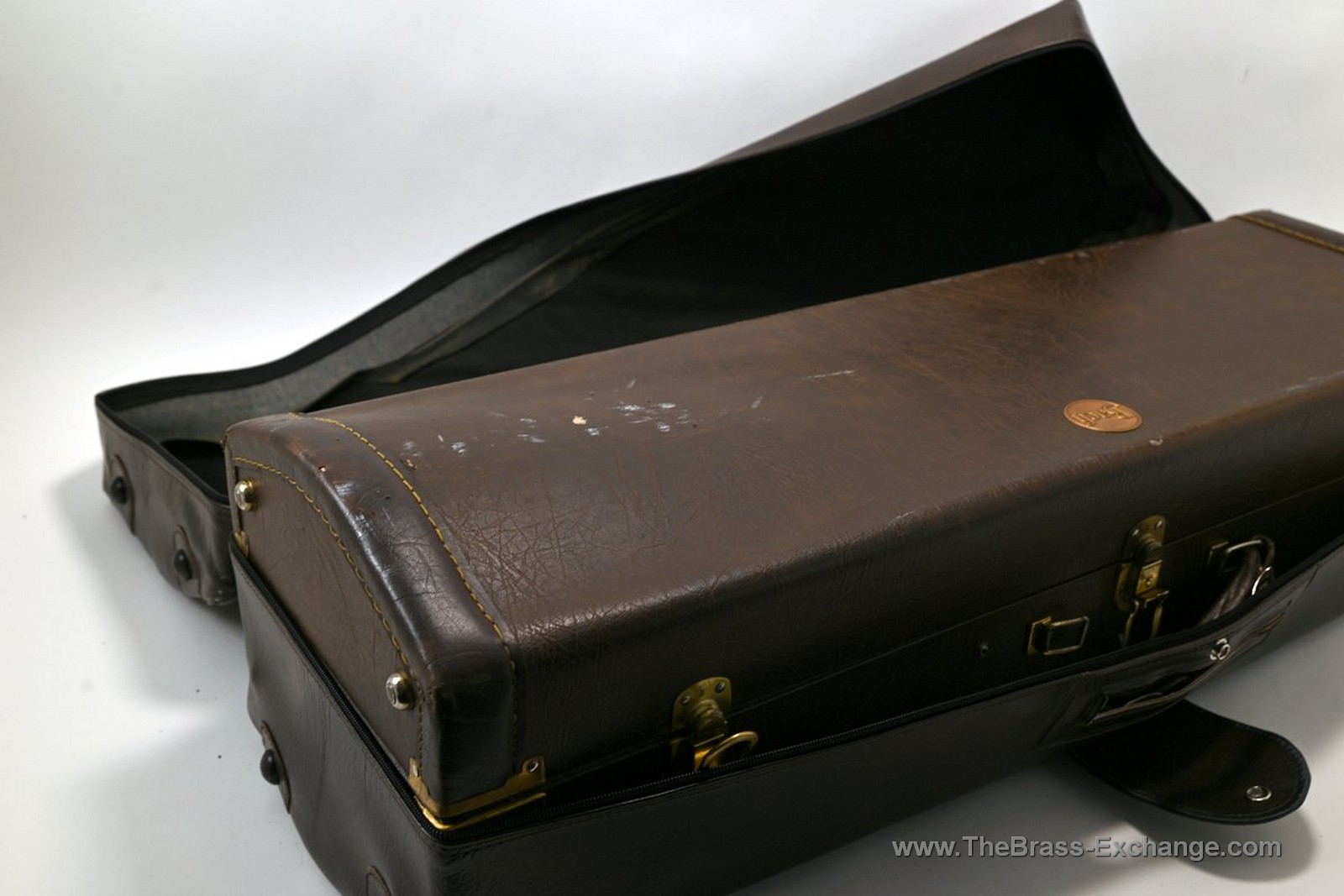
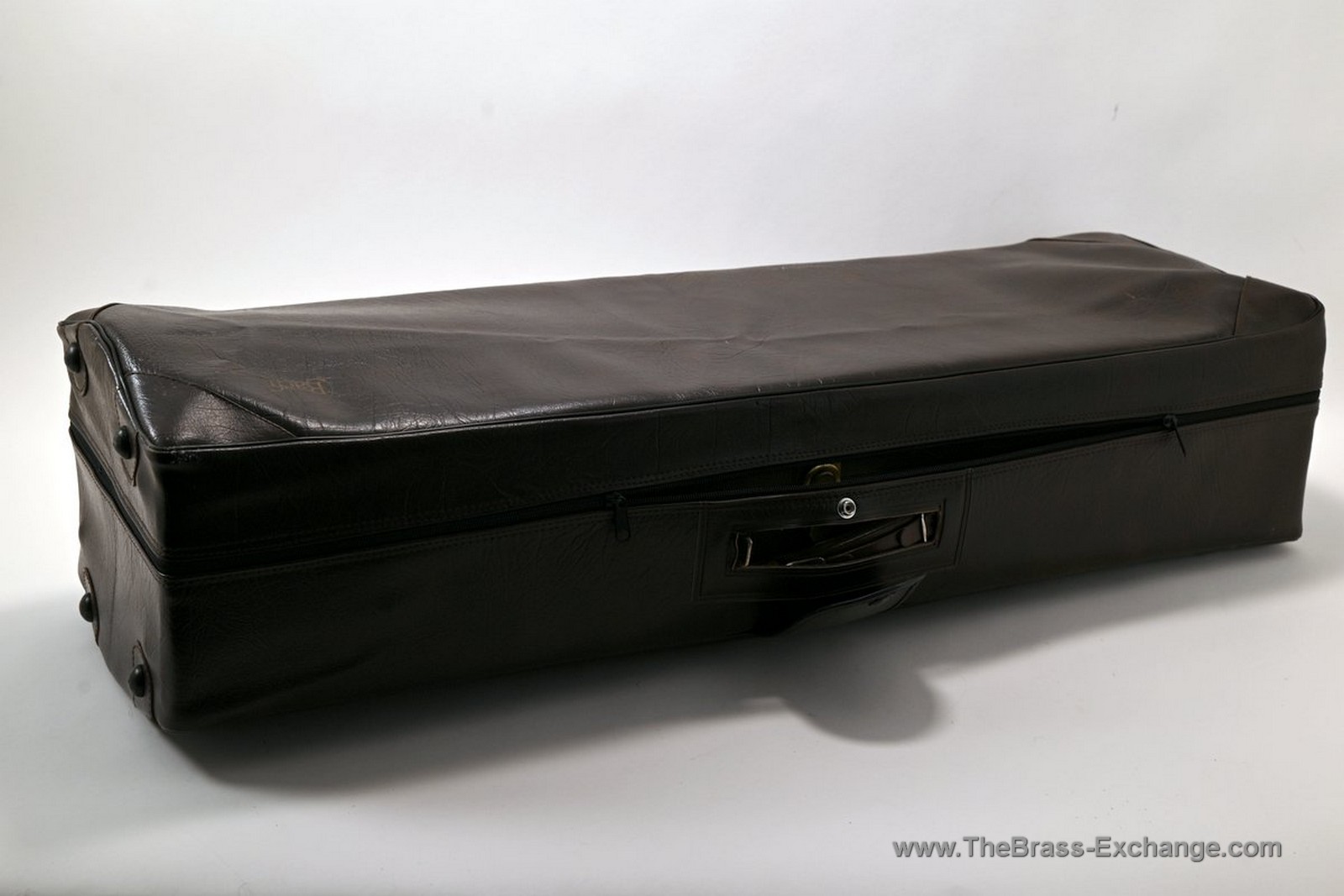
The original Bach case was included. The case remained structurally sound, with the main handle strap requiring replacement — a simple and common maintenance item.
✦ Key Questions About This Trombone
What makes the Bach 36 a popular professional tenor trombone?
The Bach 36 is valued for its .525 bore design, which balances projection, clarity, and flexibility. It is widely used by orchestral and studio players who need a responsive straight tenor that complements a larger .547 bore instrument.
How much is a vintage Bach 36 trombone worth today?
Value depends on condition, originality, and slide performance. Well-maintained Corporation Era examples typically command stronger prices when professionally serviced and sold through specialist dealers like The Brass Exchange.
Can I sell a Bach 36 trombone like this to a dealer?
Yes. Professional shops such as The Brass Exchange evaluate instruments based on condition, playability, and market demand, offering either direct purchase or consignment for higher-value trombones.
✦ Questions Trombone Players Often Ask
Why do orchestral players keep a straight tenor like the Bach 36?
Many professionals use a straight tenor for modern orchestral works, film scores, and mixed programming where clarity, speed, and balance are prioritized over maximum tonal weight.
Is a .525 bore large enough for orchestral use?
Yes. While not a replacement for a large-bore trigger horn, the .525 bore offers excellent projection and blend in many contemporary settings and is often preferred for specific repertoire.
Does lacquer removal affect performance?
Many players believe lacquer removal increases resonance and immediacy of response. This was a common and often intentional practice during the era this instrument was played professionally.
🔧 Availability & Archive Status
This Bach 36 Corporation Era tenor trombone has been sold and is retained here as part of our historical archive.
Looking for something similar? 👉 Browse our current trombone inventory 🔎
How do I find out the value of my older Bach trombone today?
The best way to determine value is through a professional evaluation that considers condition, originality, slide performance, and current market demand. At The Brass Exchange, we regularly work with players and collectors to assess vintage Bach trombones and provide realistic market guidance.
Considering selling or trading? Contact us for a valuation and explore your options ✍️.
🏅 Why Players Trust The Brass Exchange
Since 2010, The Brass Exchange has specialized in professional-level brass instruments, with a focus on accuracy, transparency, and instruments that are genuinely ready to play. Every trombone is evaluated, serviced, and represented honestly so players can make informed decisions with confidence.
🔧 Availability & Archive Status
Archive of Sold listings on The Brass Exchange are maintained as historical references for collectors, players, and those researching instrument value. Availability applies only to current listings.