


Overview
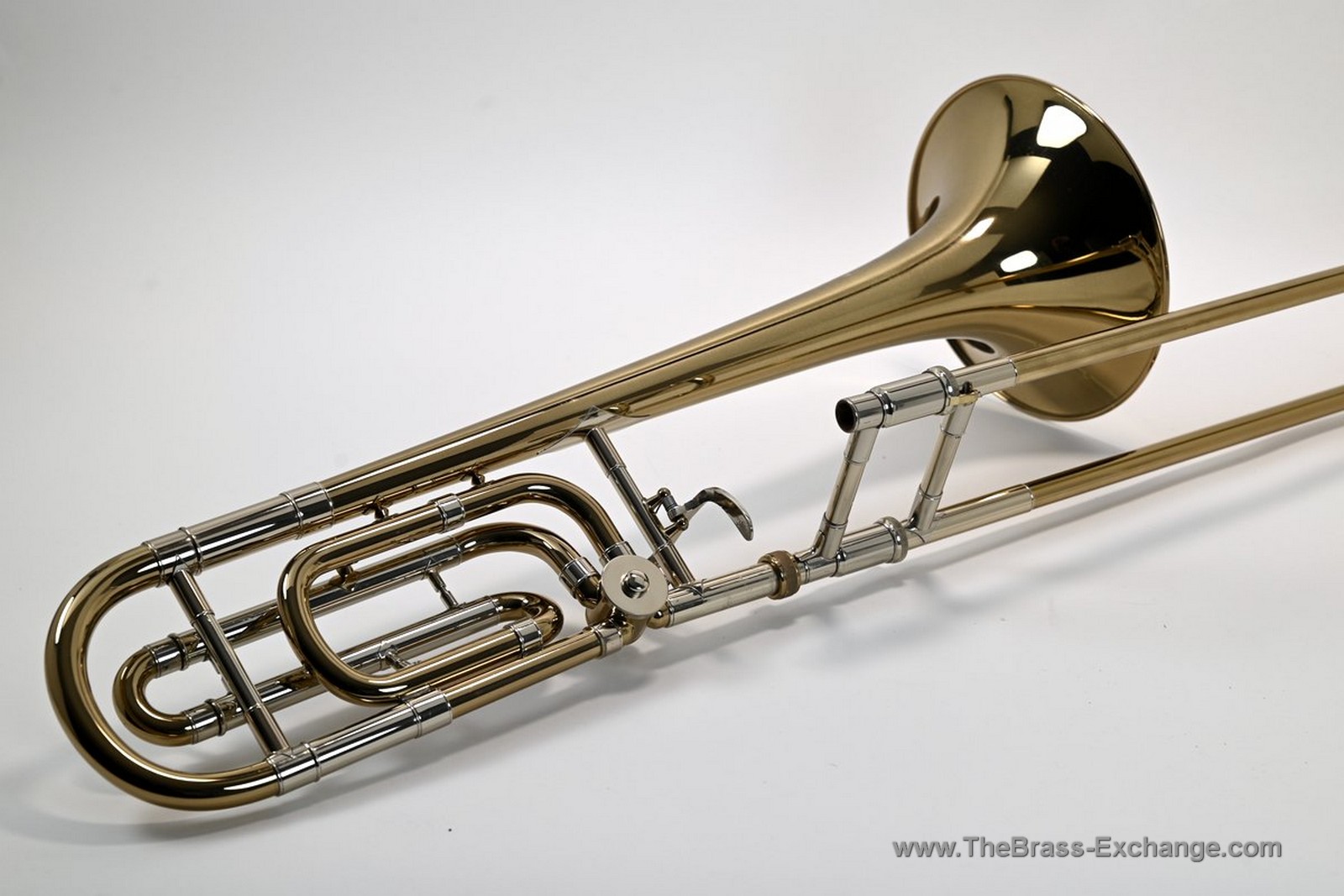
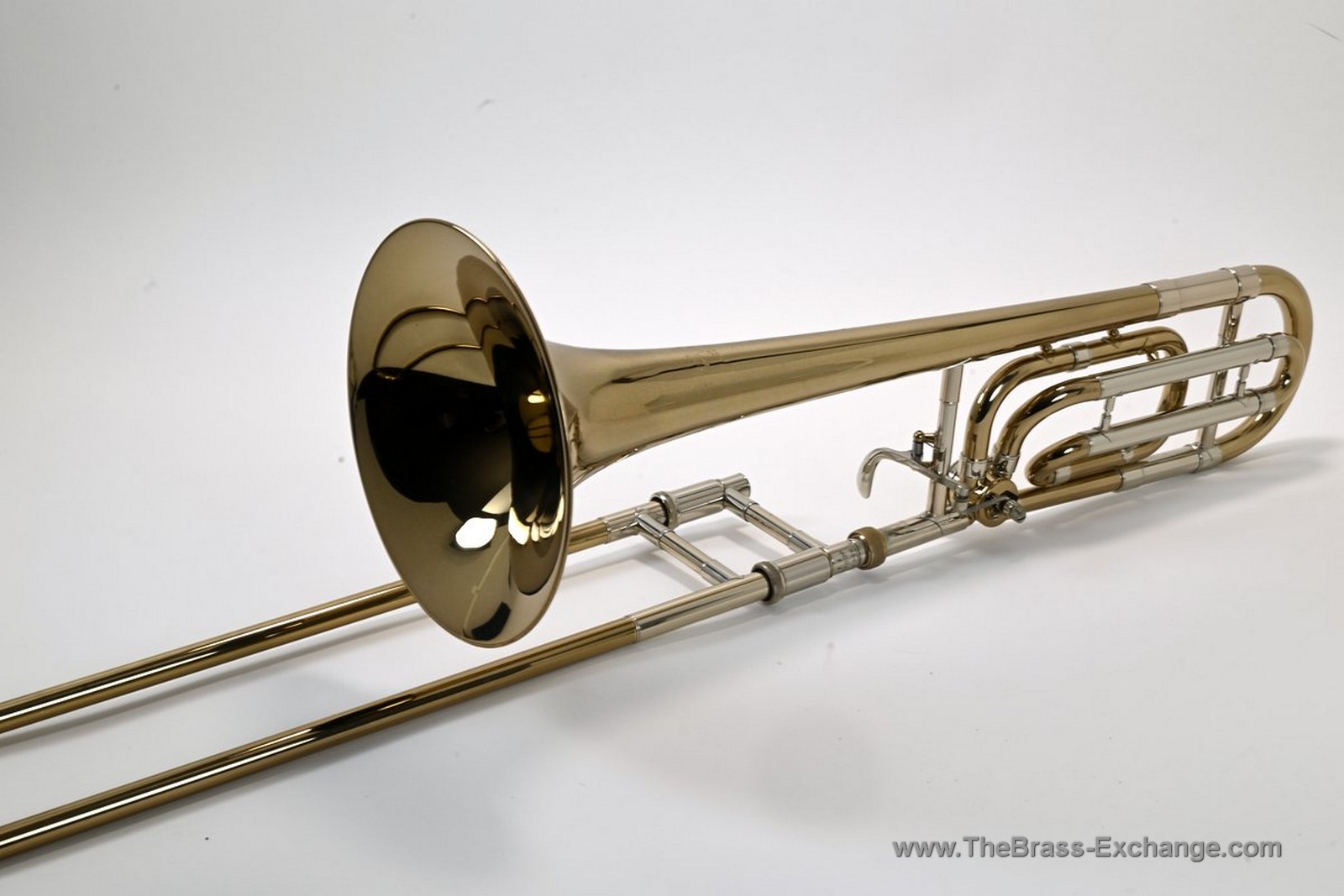
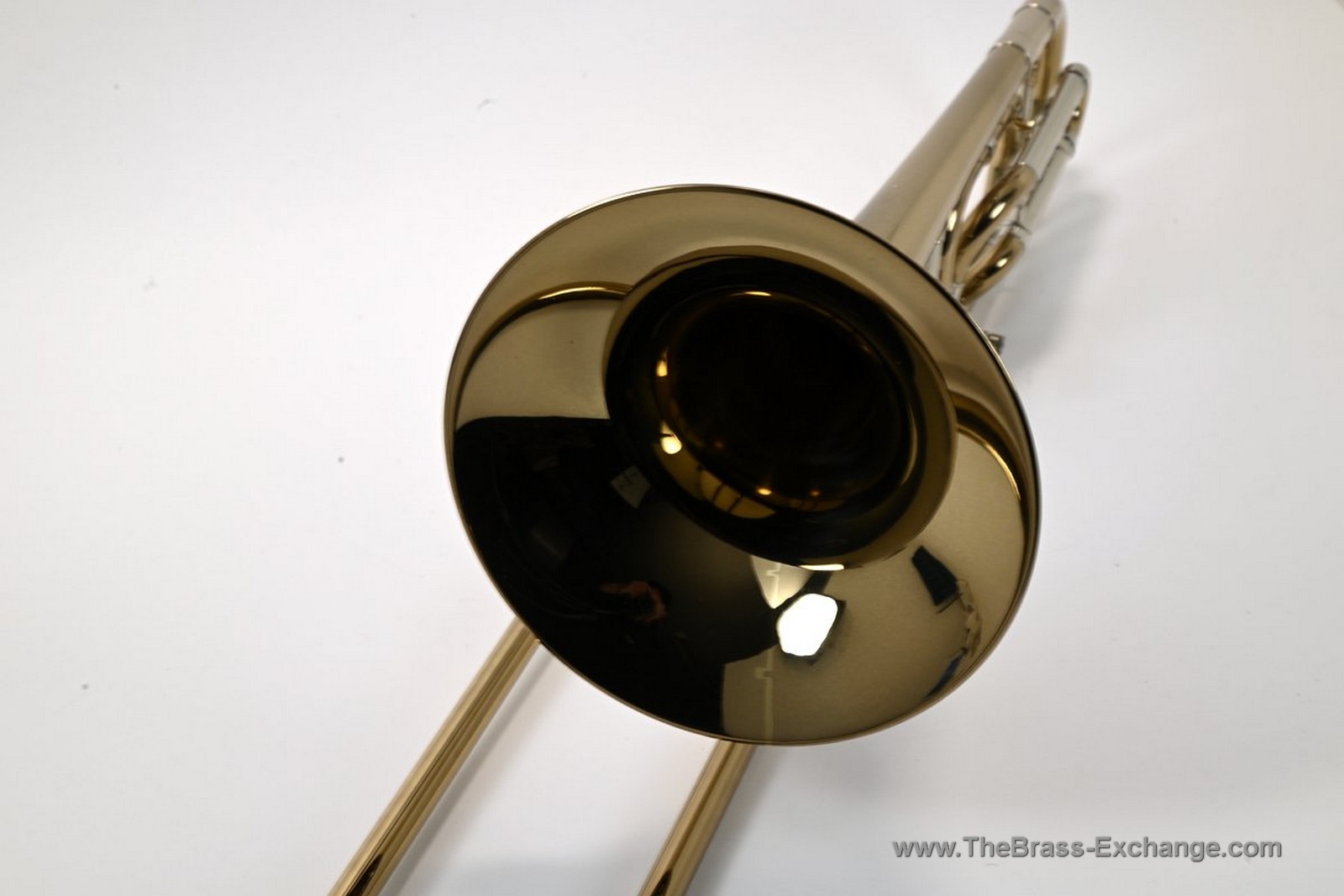
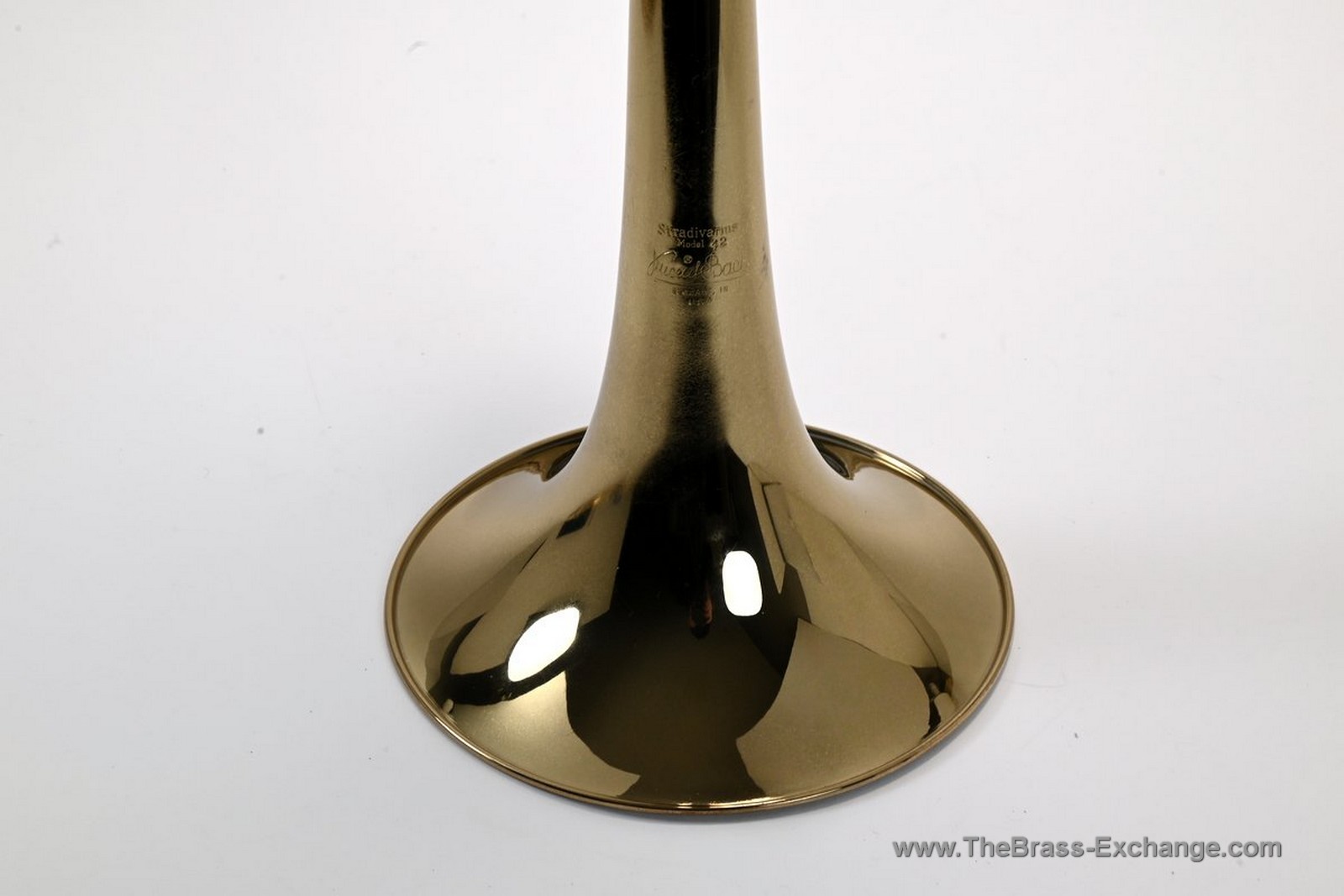
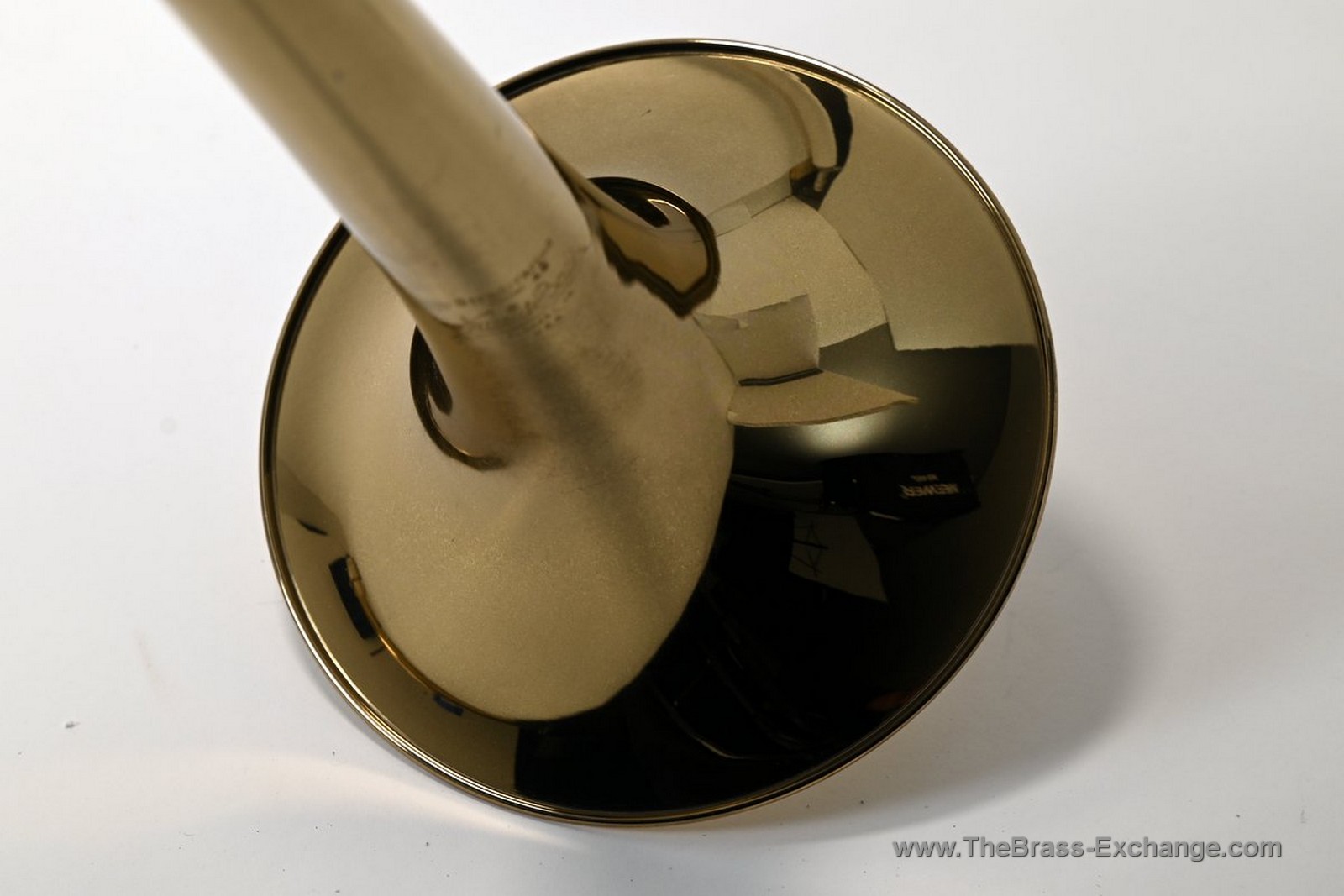
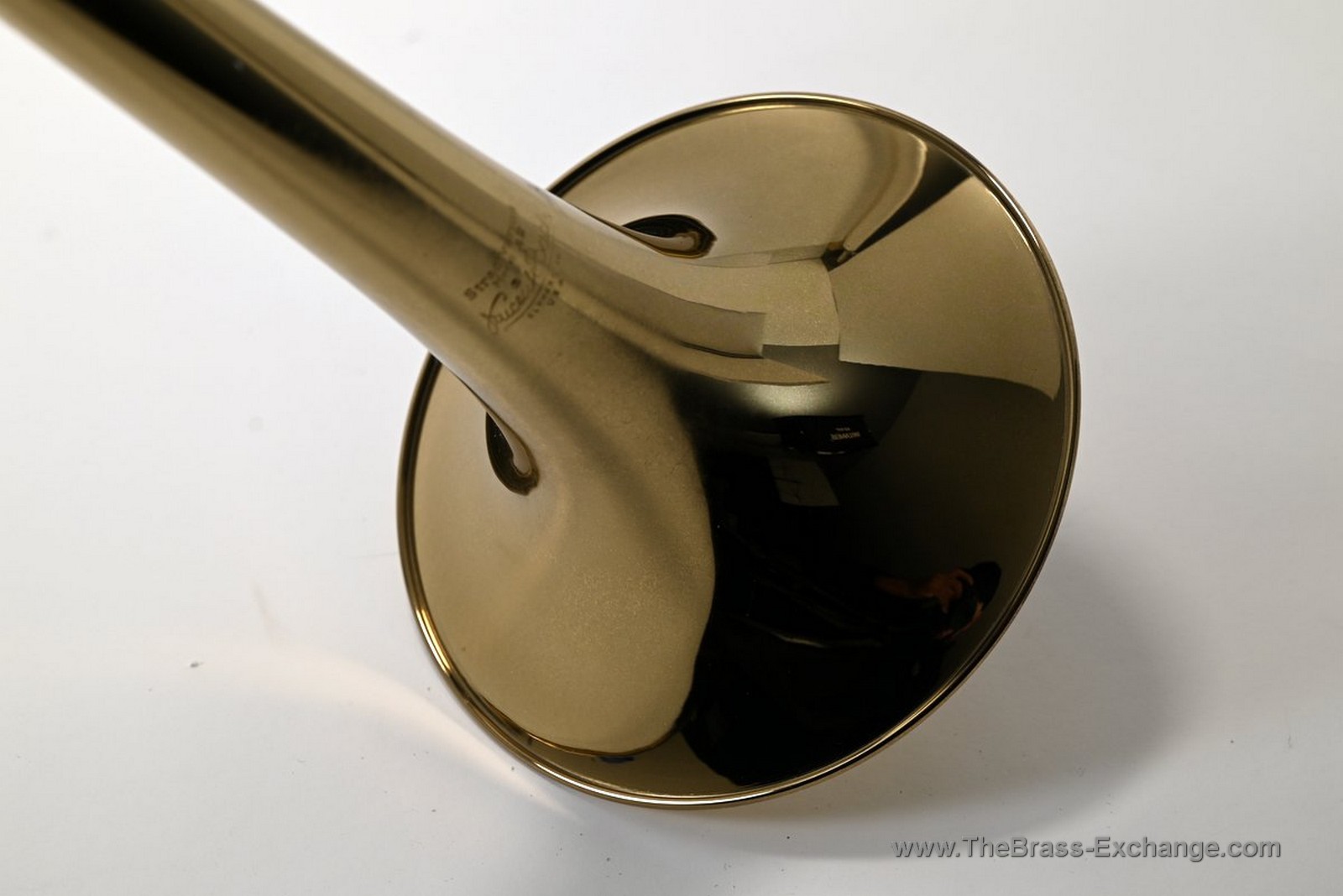
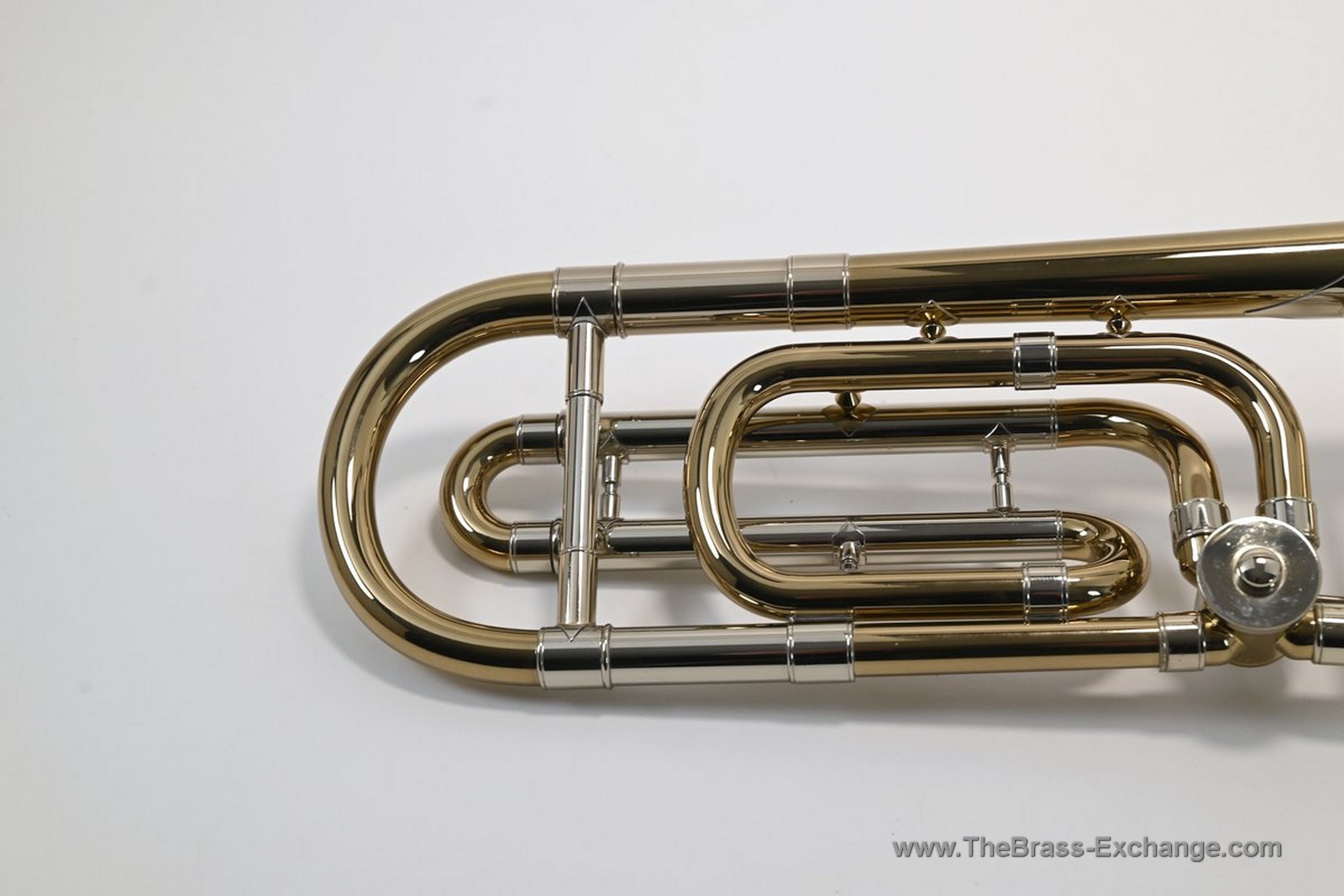
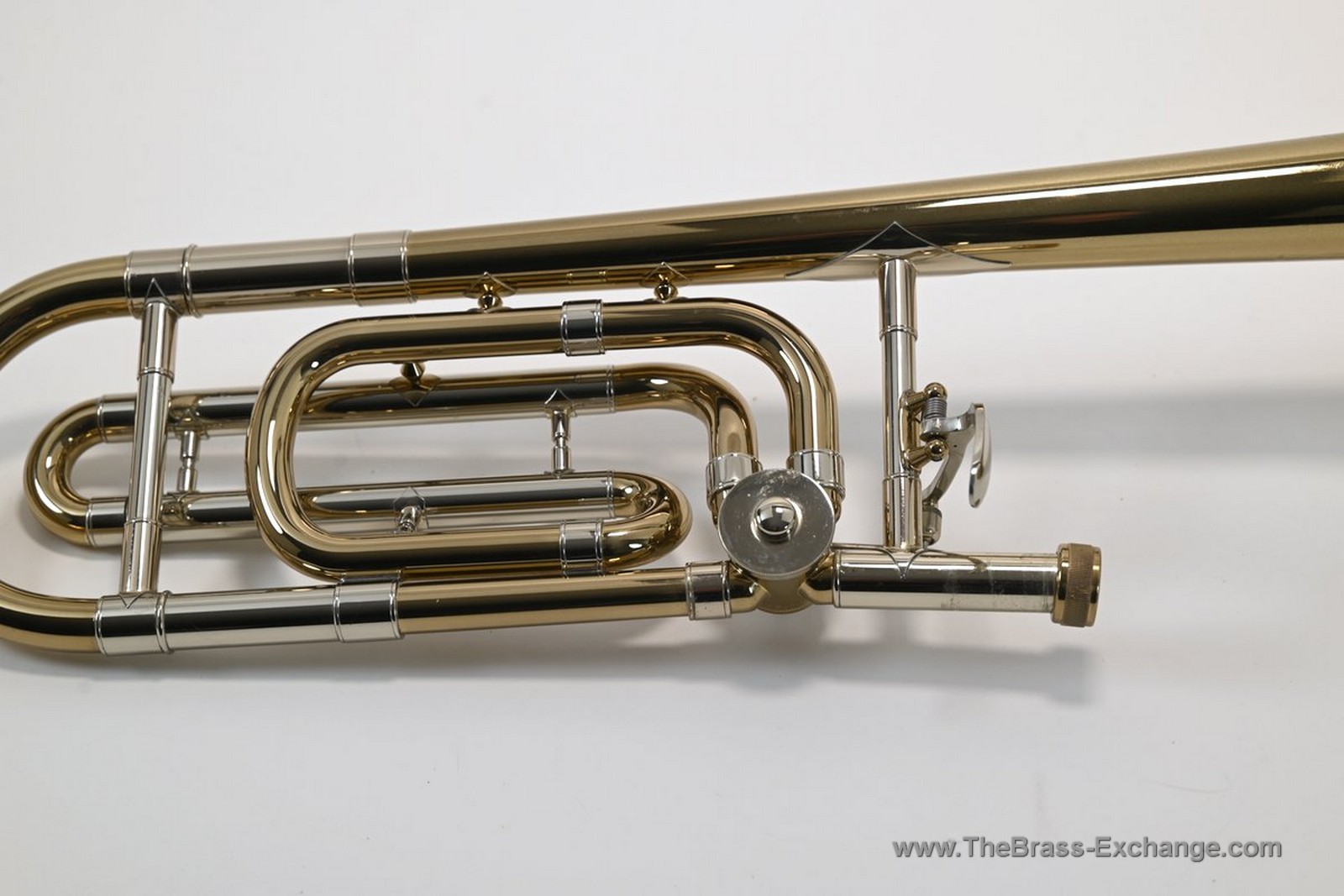
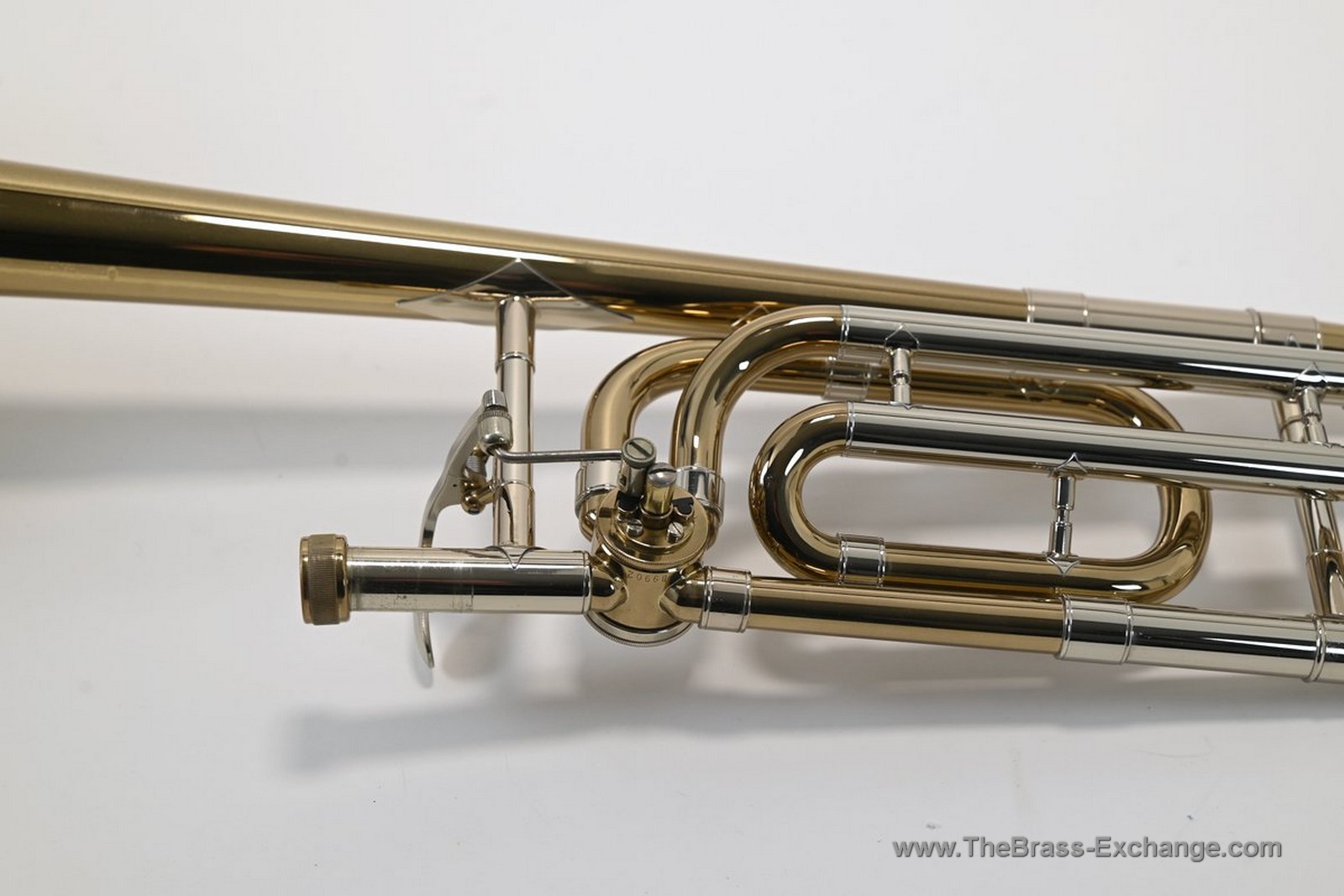
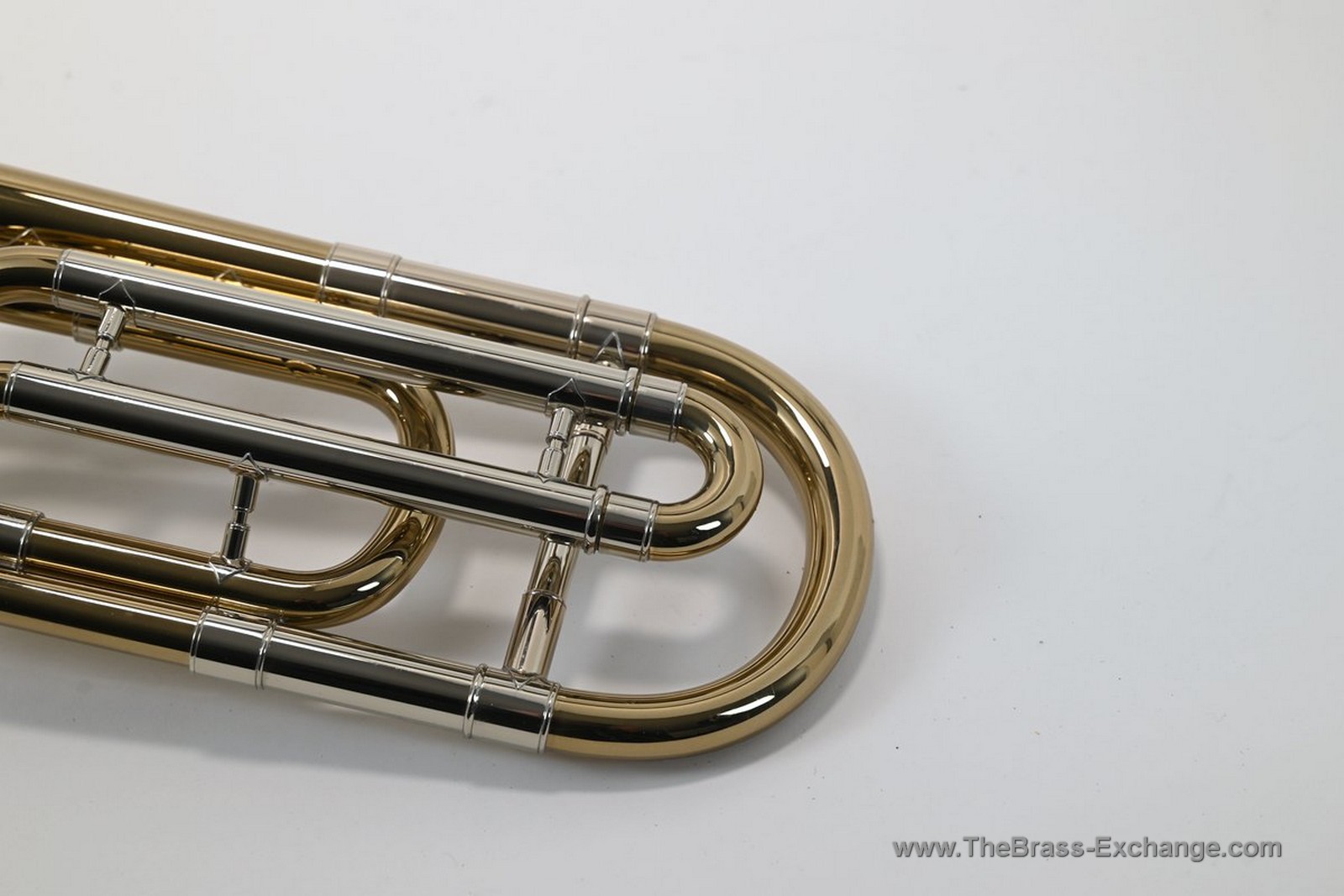
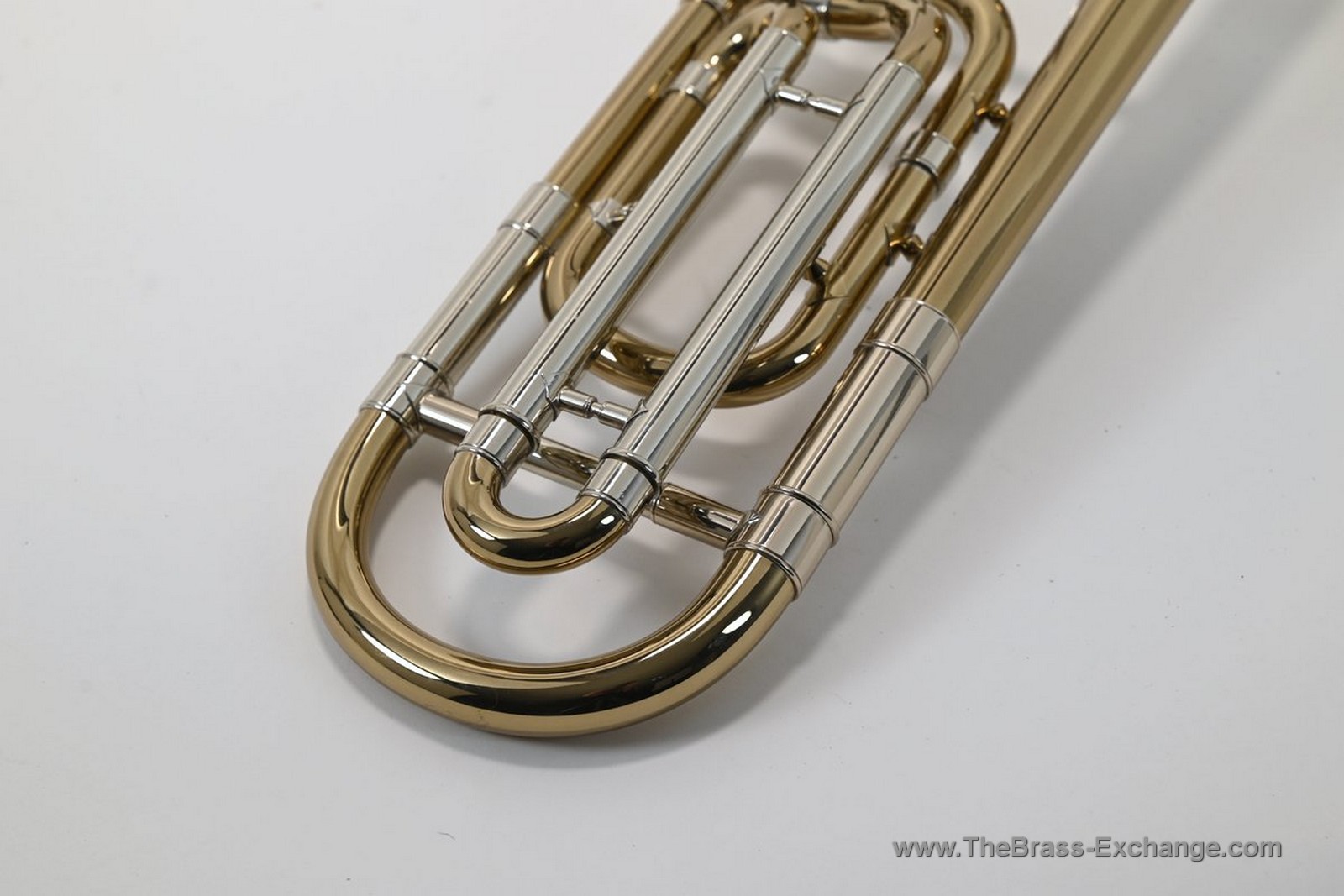
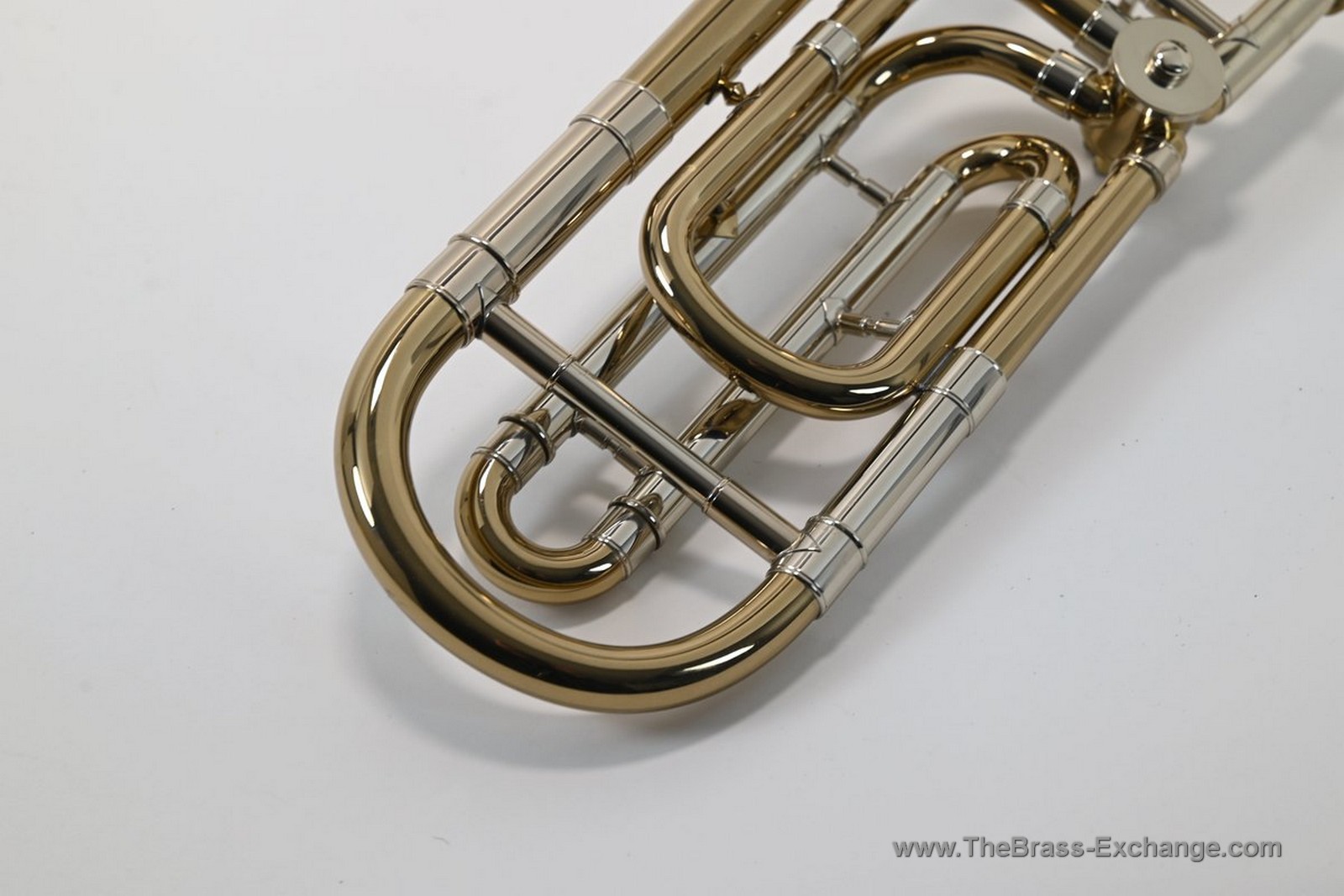
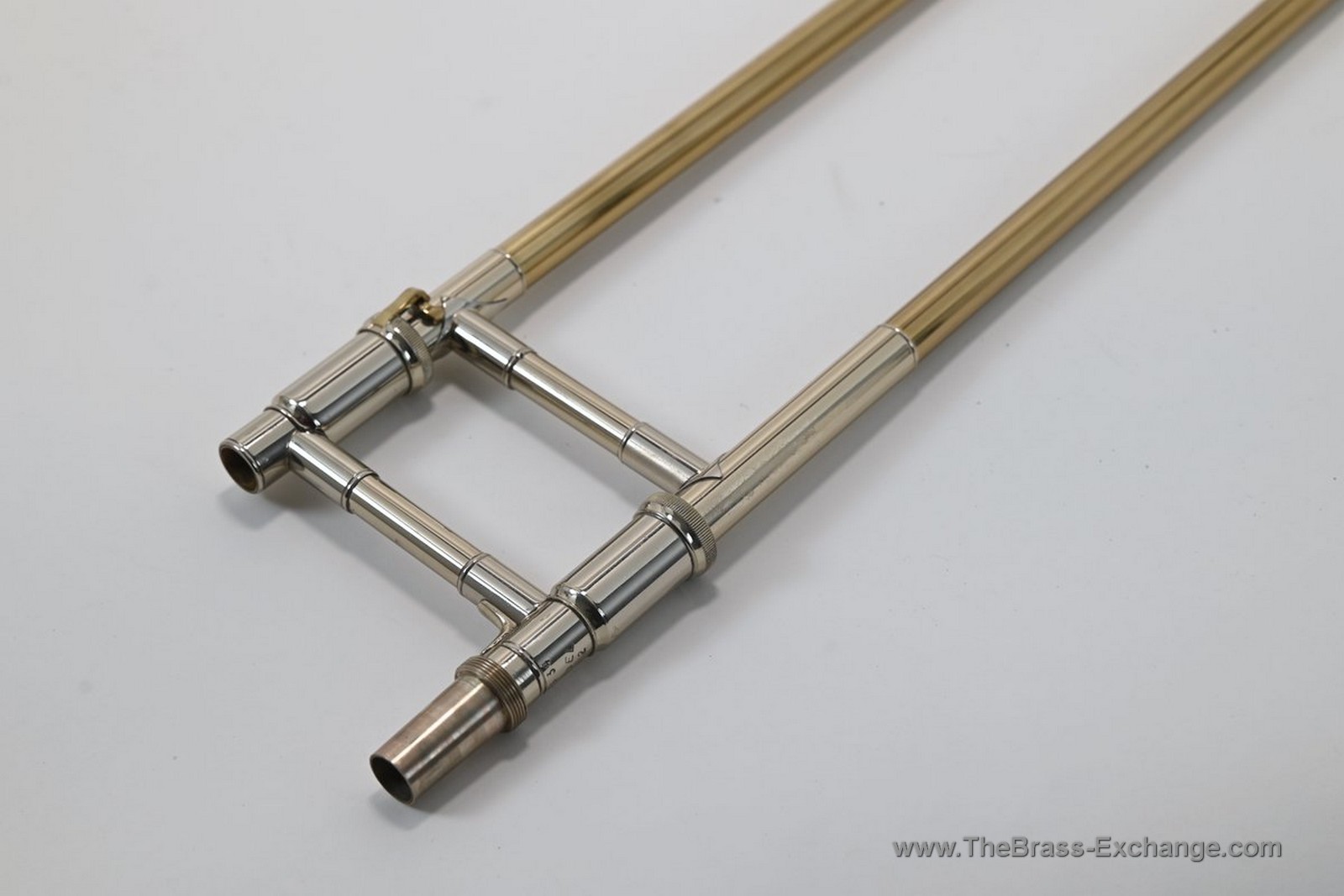
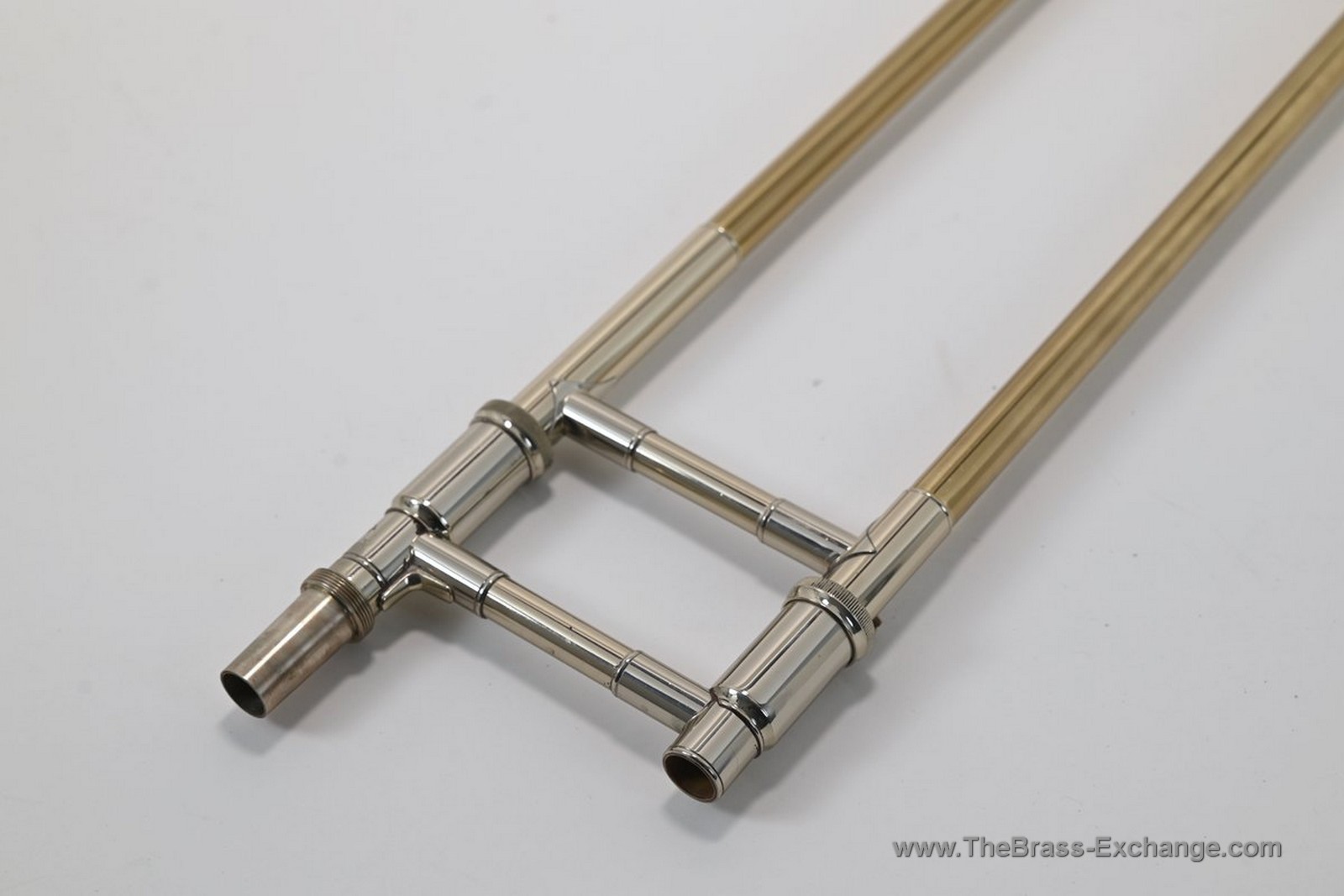
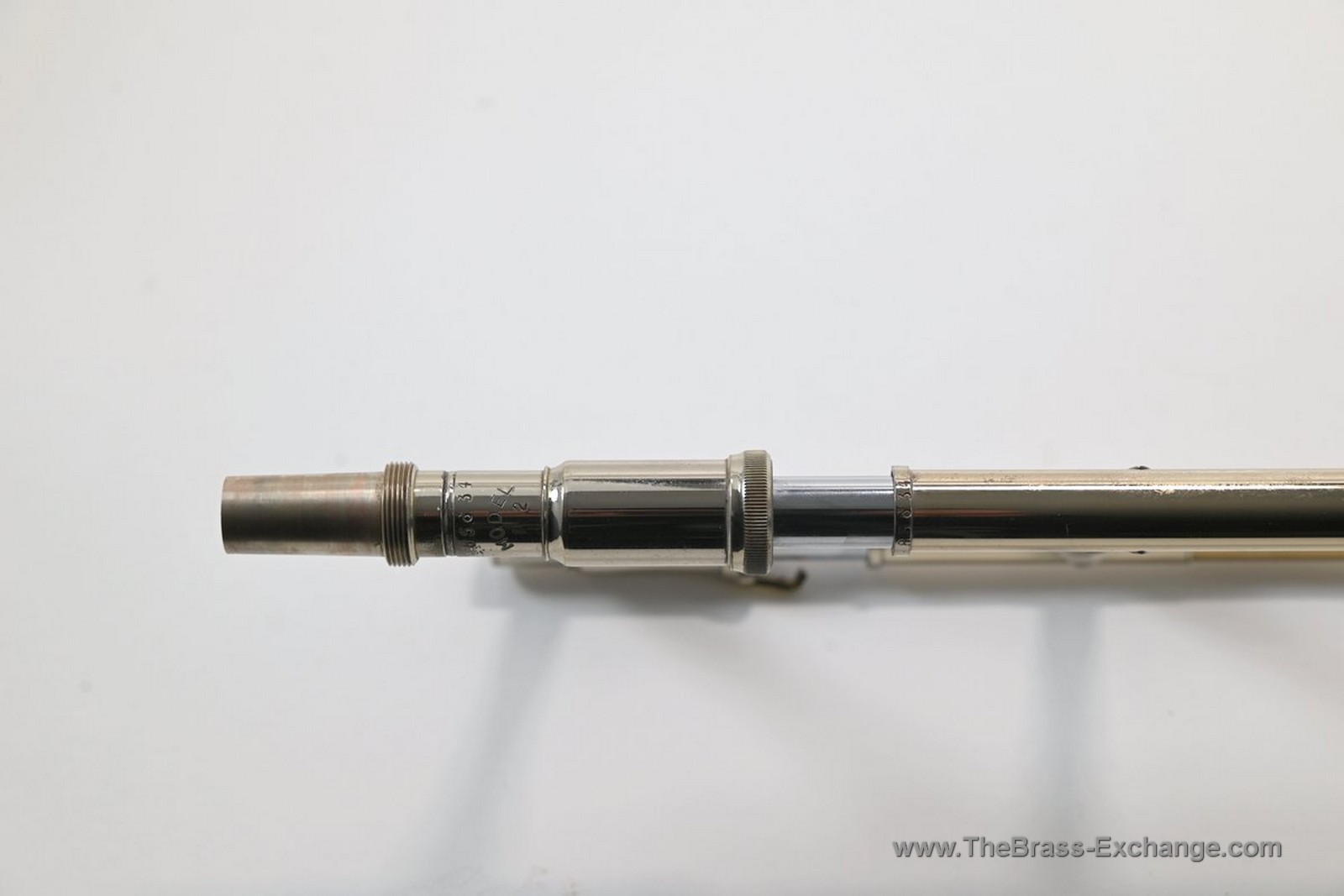
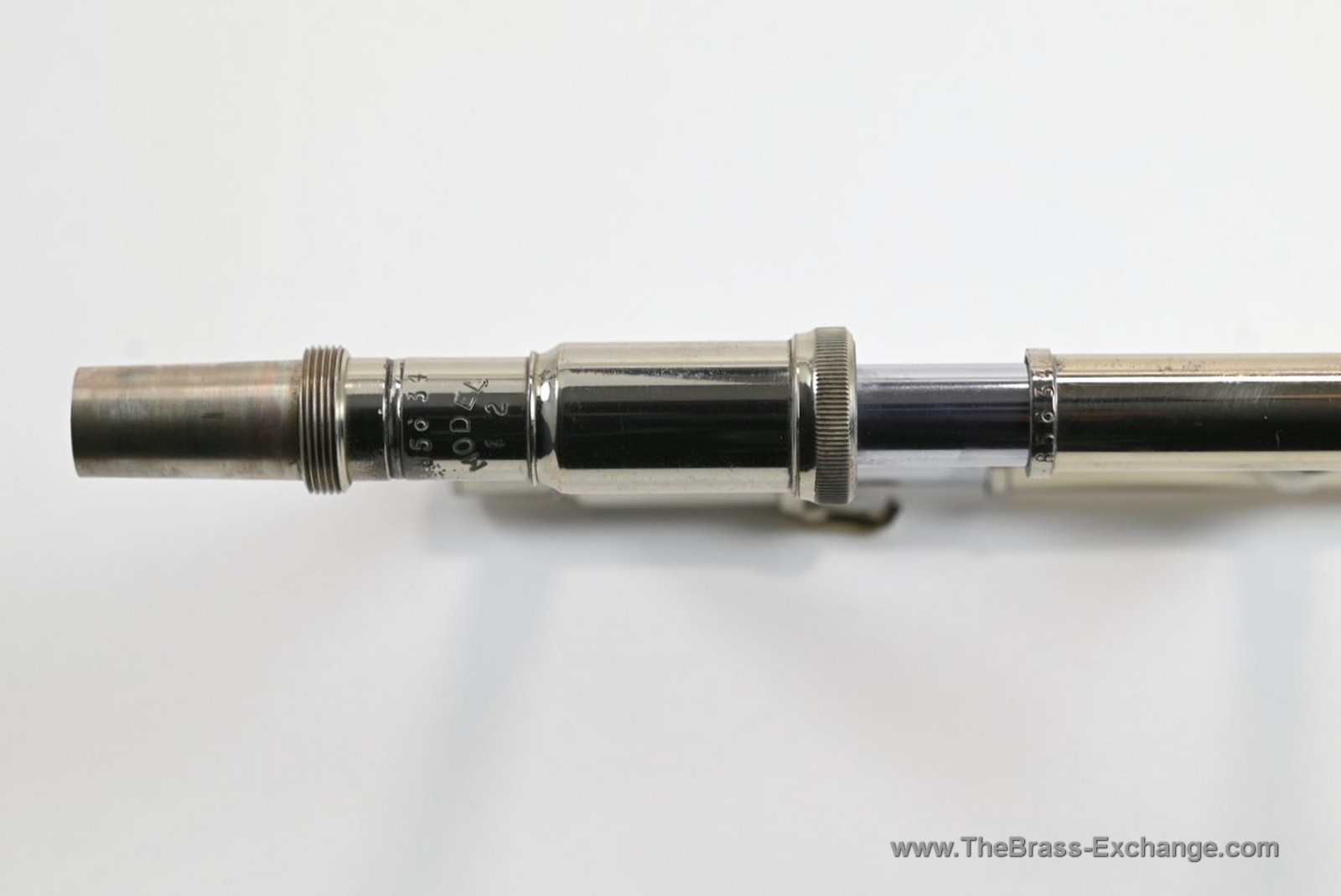
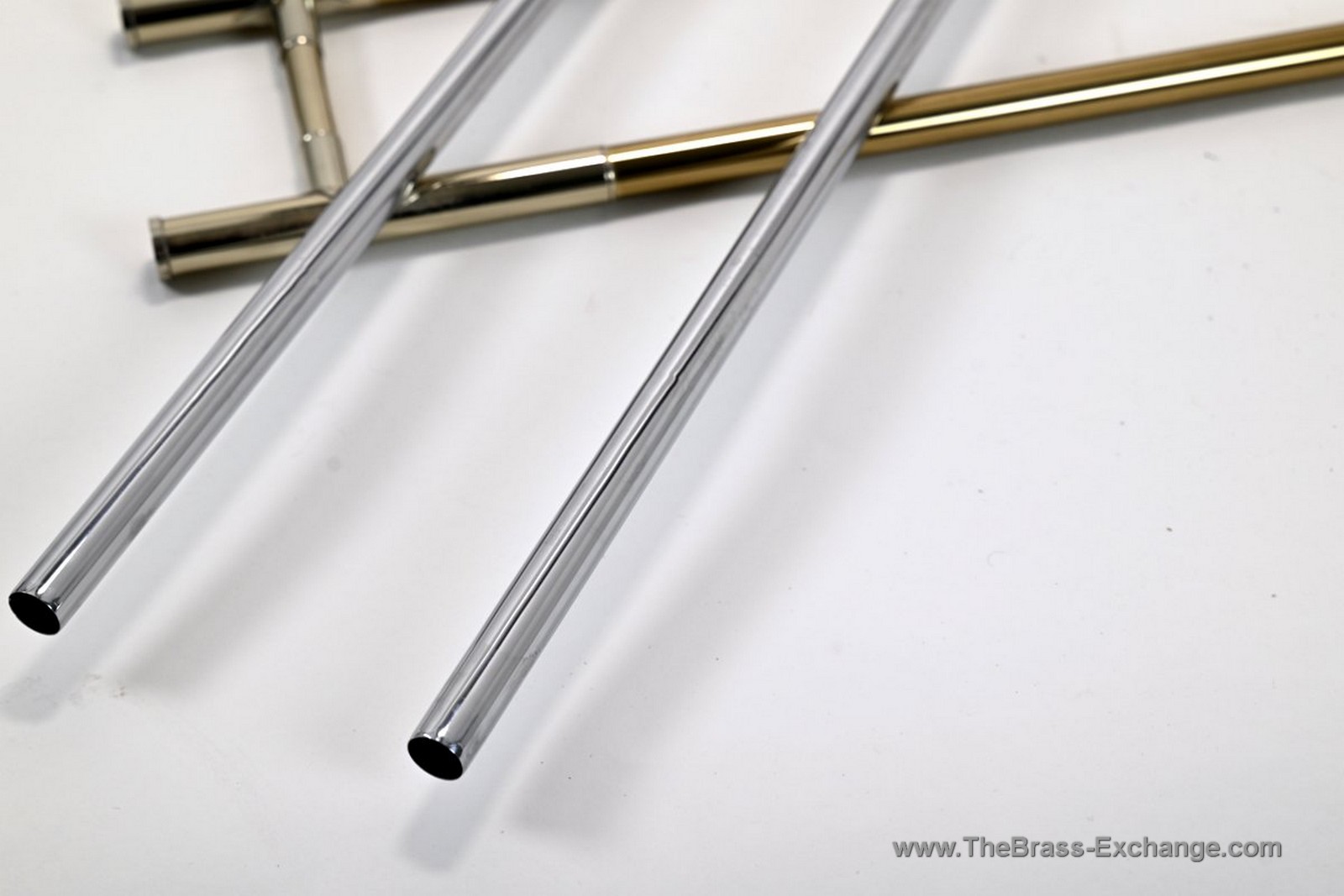
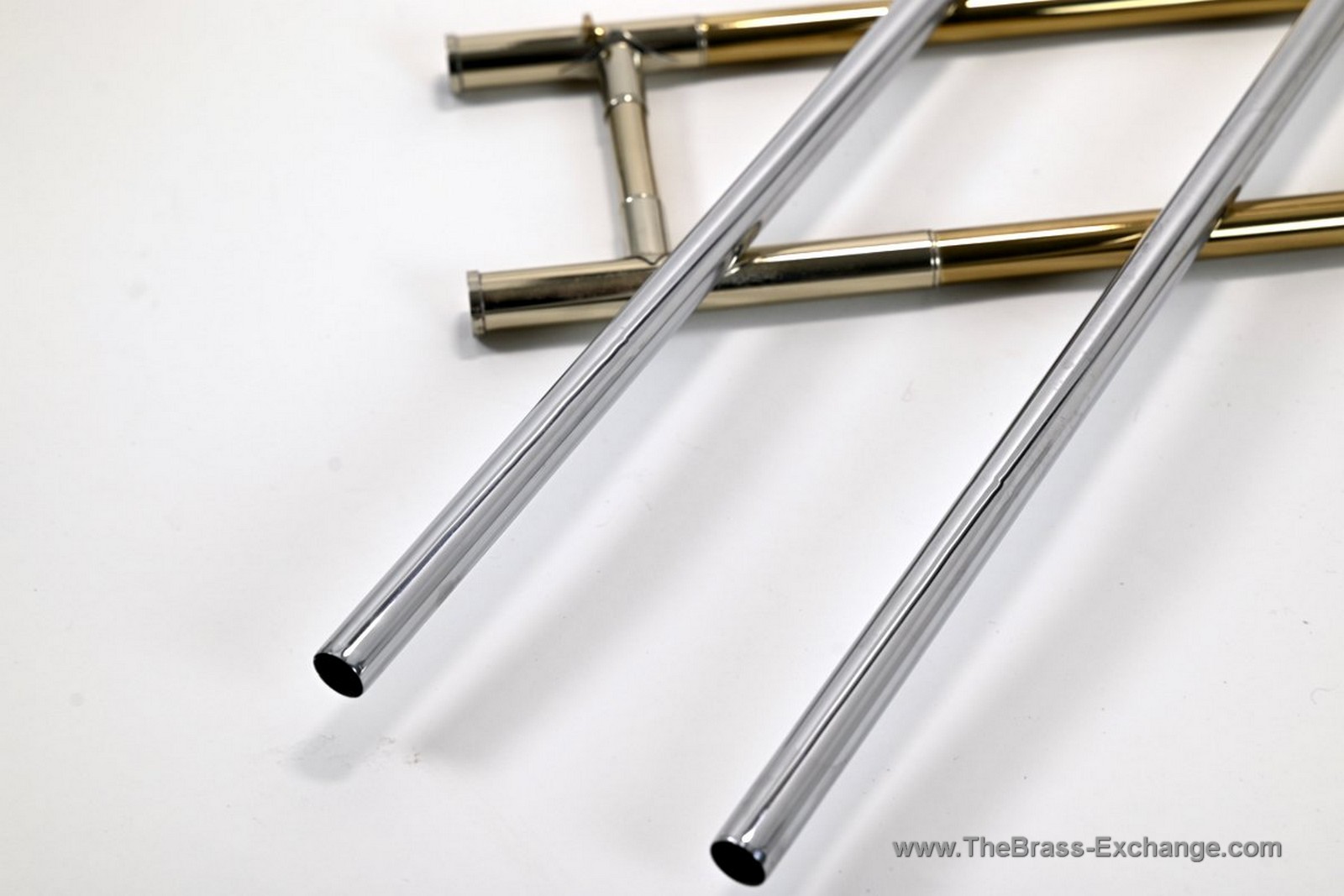
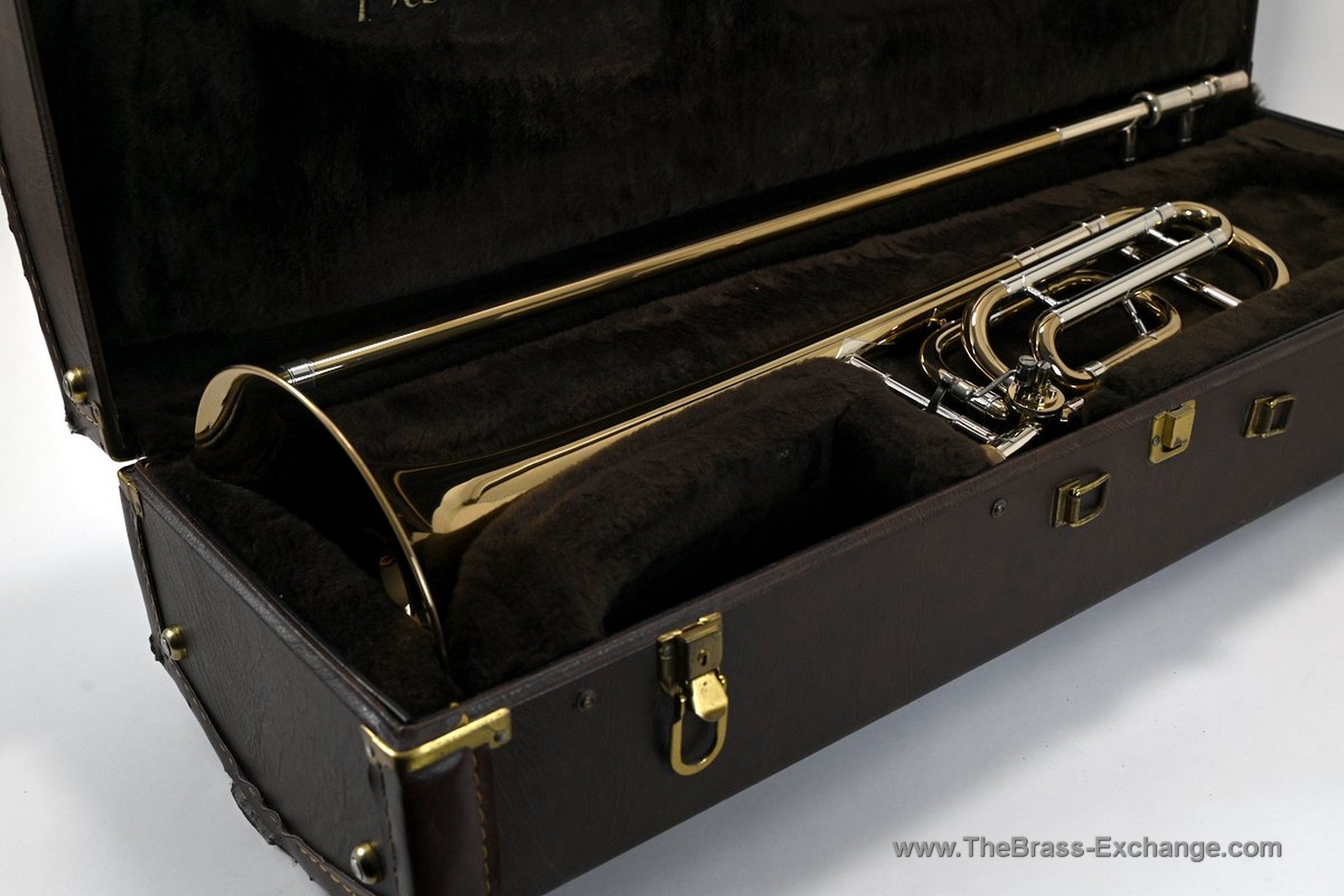
This Bach 42B Traditional Wrap tenor trombone from the 1980s is a textbook example of one of the most widely respected large-bore orchestral designs ever produced. Built with a one-piece 8.5" yellow brass bell and a standard-weight .547 large bore yellow brass handslide, the 42B has long been a benchmark for symphonic, wind ensemble, and professional freelance playing.
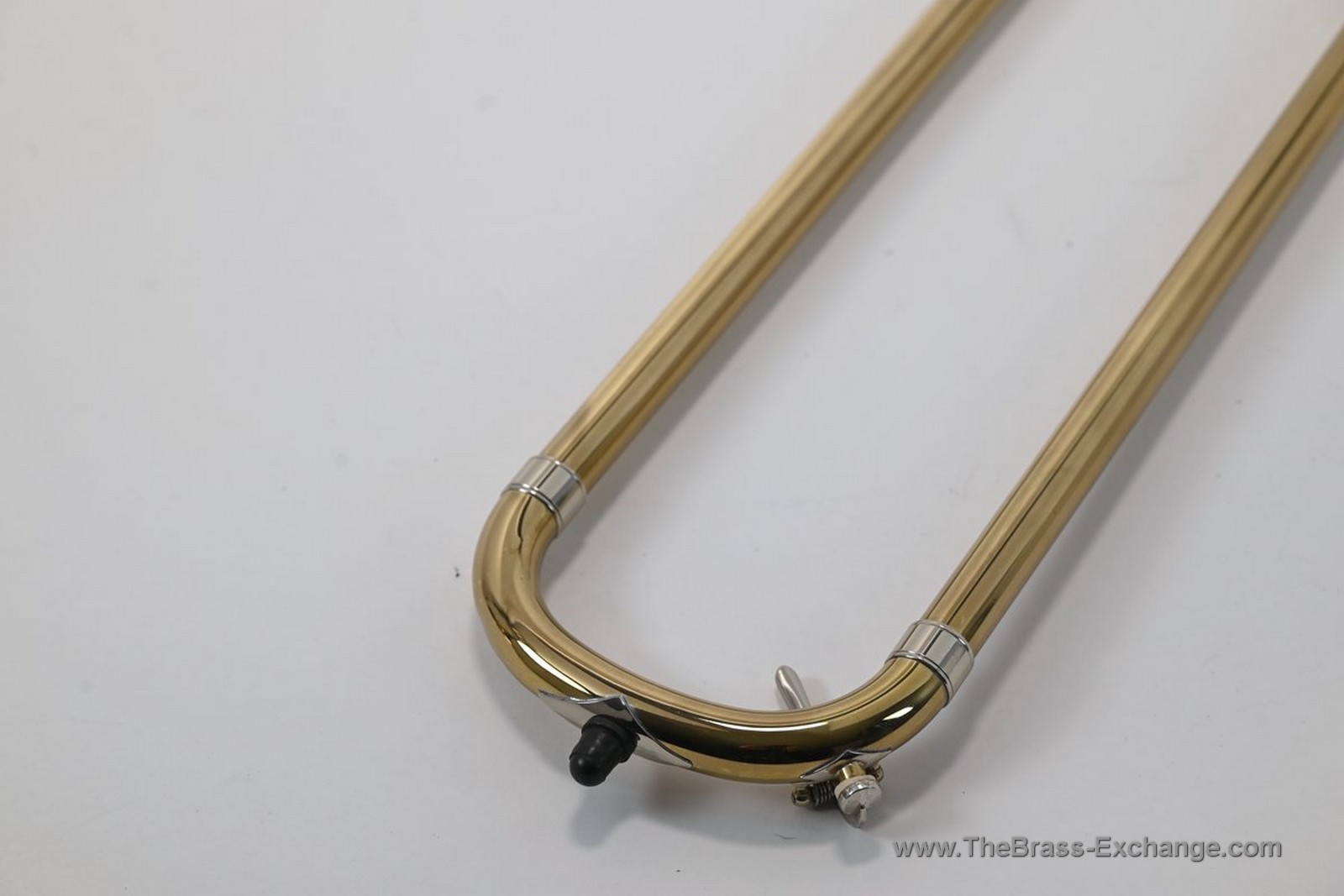
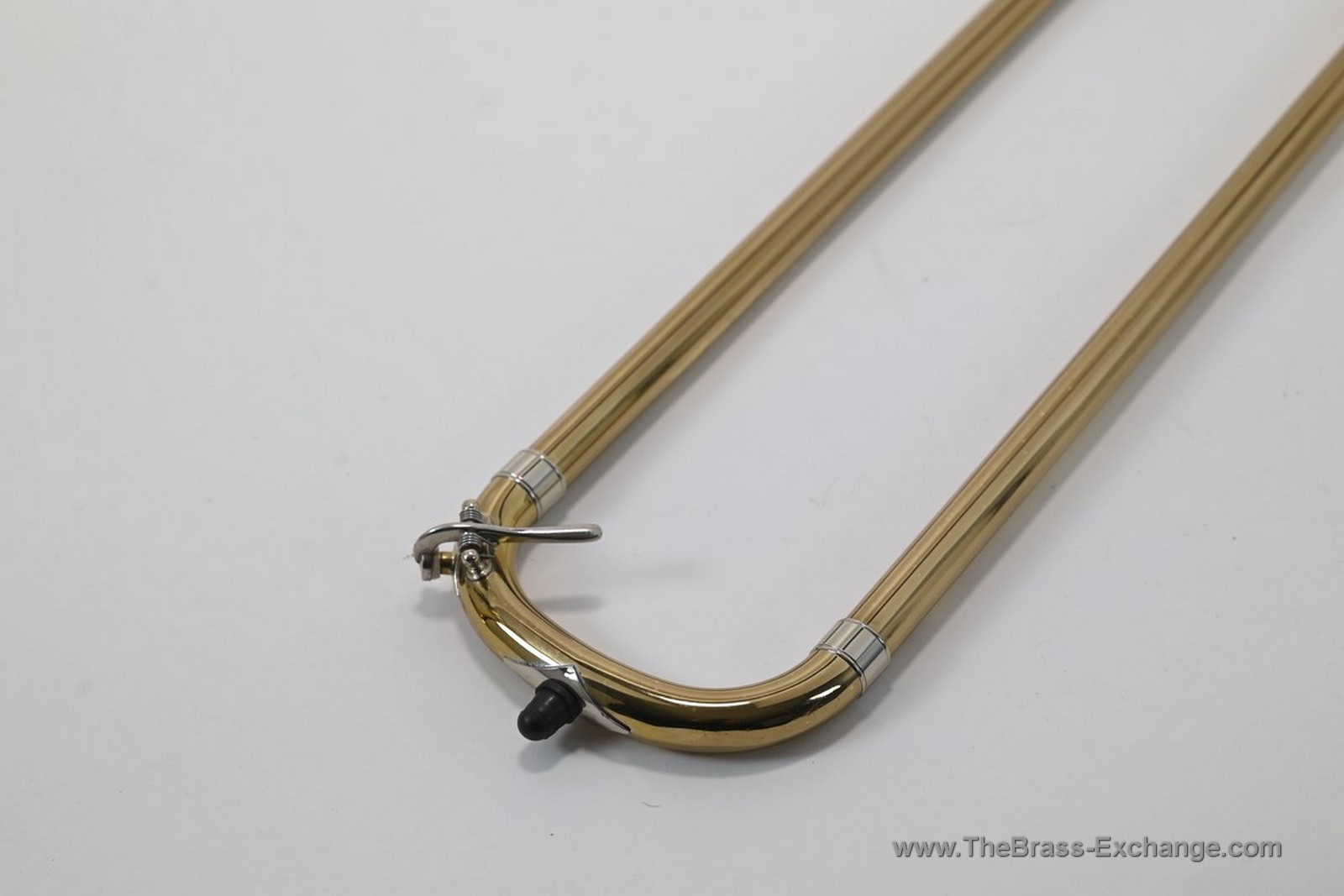
This instrument stands out for its exceptional originality and condition. All parts and lacquer are original, with no evidence of past damage or repair work. There are no dents, no dings, no red rot, and no structural concerns. It presents as a well-cared-for professional instrument rather than one that has been heavily worked or repeatedly altered.
The instrument shown here has been sold and added to our Archive of Sold instruments. 📣
Player Perspective
The traditional wrap 42B offers a centered, dependable response with a broad tonal core that blends easily in large ensembles while still allowing projection and clarity when required. The standard-weight slide provides stability without excess resistance, and the classic Bach bell profile supports a sound that remains warm, focused, and familiar to players across orchestral, band, and studio settings.
Many players value the simplicity and predictability of the traditional wrap design. With fewer variables than more complex valve layouts, the instrument responds consistently and rewards efficient airflow and balanced technique.
Condition Summary
All original parts and original lacquer
No dents, dings, or evidence of prior repairs
No red rot or dezincification
Excellent overall preservation for the era
Professional Shop Service Completed:
This trombone has received full in-house service, including:
Complete chemical cleaning (chemical bath)
Rotor serviced and aligned
Water key aligned and pad replaced
Handslide optimized for smooth, quiet, and consistent action
This is a very good slide and will not disappoint.
Original Case:
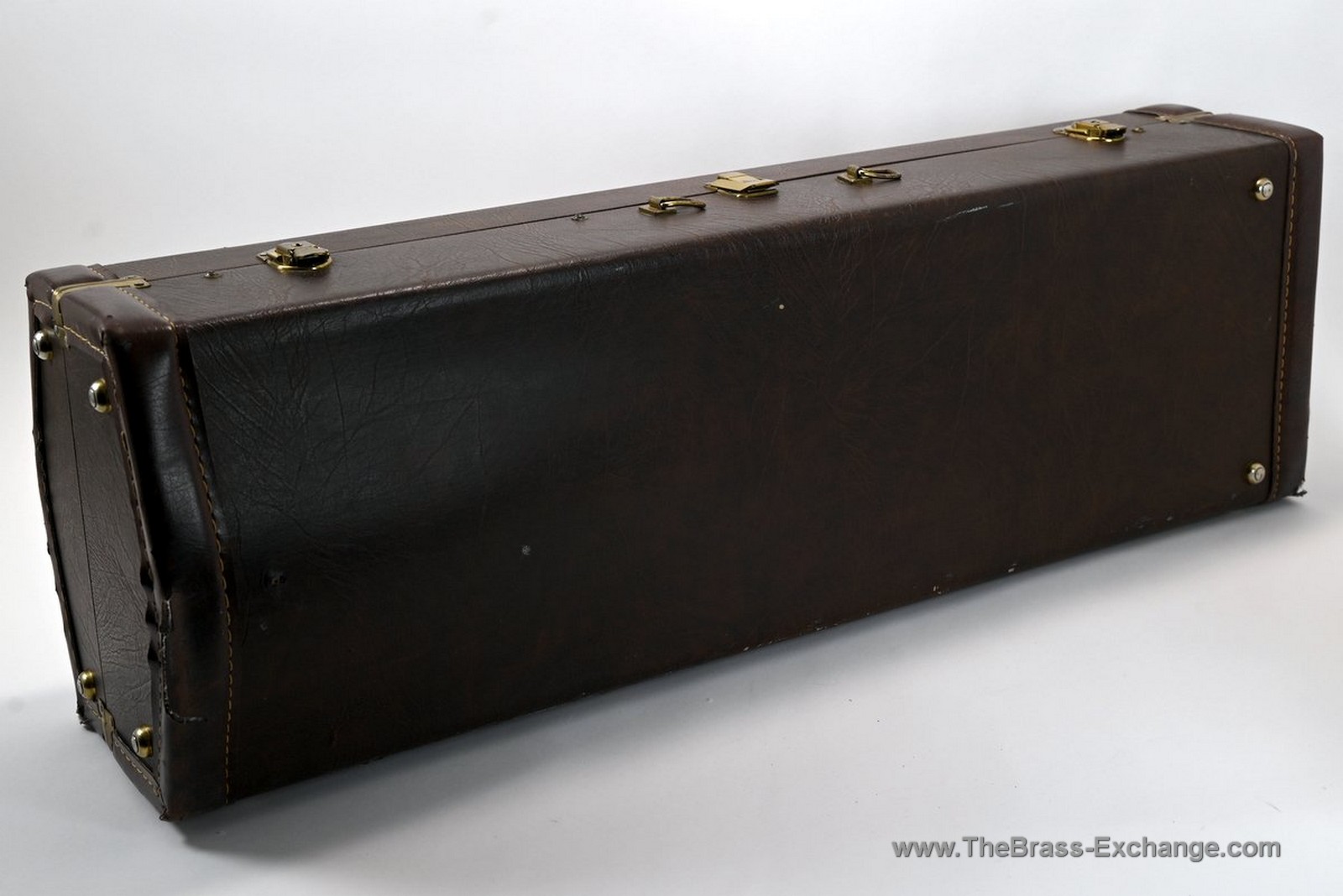
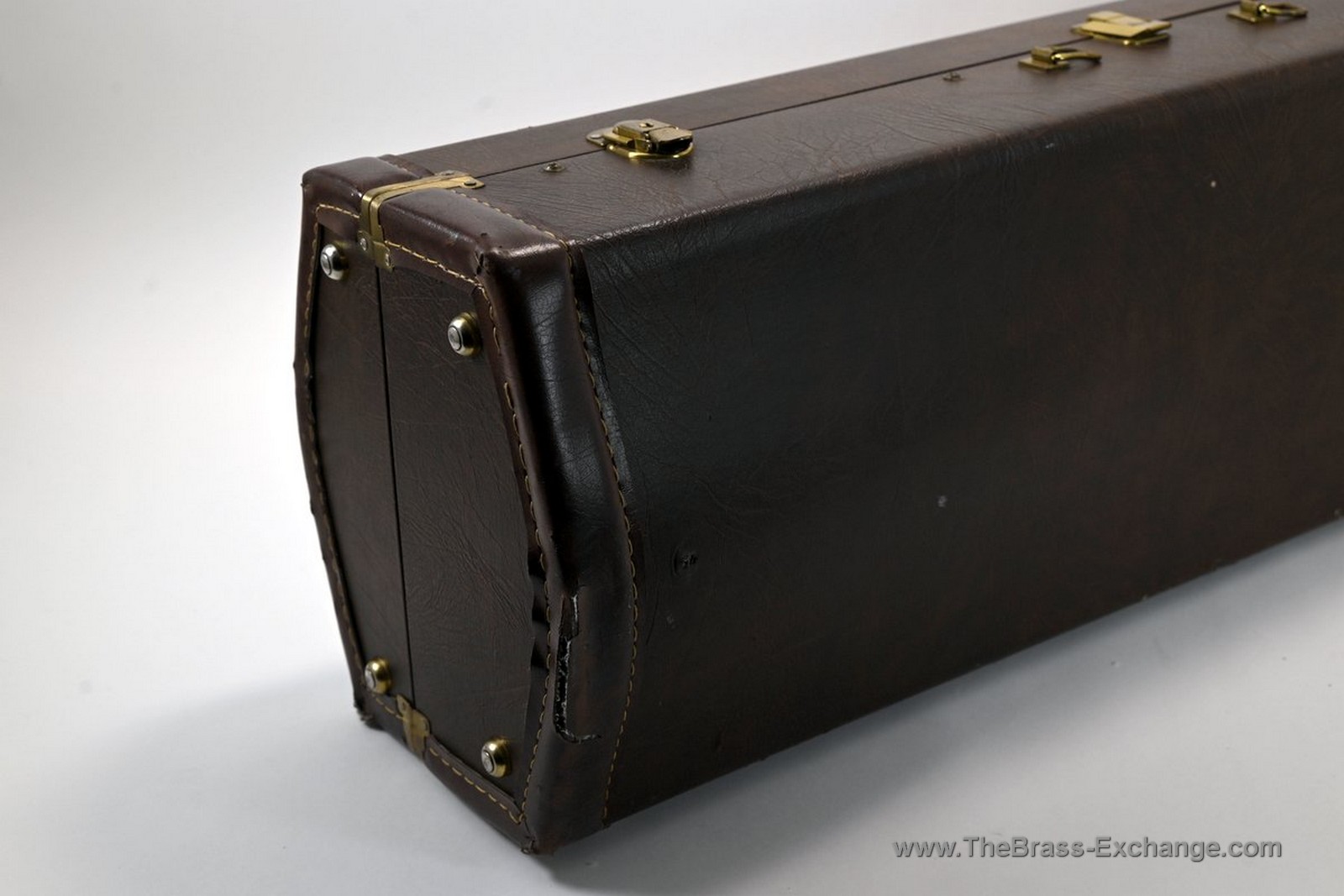
Includes the original Bach case, which remains in very good overall condition. The leather handle has broken, a common issue on older cases where the leather dries and fails over time. The case would benefit from a replacement handle if intended for daily use.
Mouthpiece:
No mouthpiece is included.
Questions Trombone Players Often Ask
Why is the Bach 42B so widely recommended by band directors and trombone instructors?
The Bach 42B is often recommended because it offers a rare combination of predictable response, balanced resistance, and long-term reliability. Its .547 large bore and traditional bell design provide enough breadth and projection for advanced ensemble playing, while remaining manageable for developing players transitioning into professional-level equipment.
From an instructional standpoint, the 42B rewards good fundamentals rather than compensating for poor habits. It responds consistently across registers, blends easily in ensemble settings, and has a long track record of durability. Because of this, directors and instructors trust the model as a safe, proven recommendation for serious students, university players, and professionals alike.
What is red rot, and should I worry about it on a trombone?
Red rot is a form of dezincification, where zinc slowly leaches out of brass and leaves behind a weakened, copper-rich structure. Over time, this process can lead to thinning, pinholes, or structural failure. The concern is most commonly associated with trumpets, where thinner tubing, tighter bends, and higher internal moisture make the issue far more prevalent.
On trombones, true red rot is uncommon. When it does occur, it is typically found around the outer slide end crook or at the junction where the outer slide meets the end crook. It’s also important to understand that true red rot begins from the inside of the tubing, not the outside. Many instruments suspected of having red rot are simply showing aging lacquer wear or surface oxidation that disappears after proper cleaning.
Even in the rare cases where a very small amount of red rot is present on a trombone, progression is typically extremely slow. Because trombone tubing is thicker and experiences far less internal stress than trumpets, it can take **many years — often decades — before any structural change becomes noticeable to the player. In most real-world scenarios, minor dezincification never progresses far enough to affect playability during the usable lifespan of the instrument.
Why Players Trust The Brass Exchange
Why do players trust The Brass Exchange?
🛡️ Since 2010, The Brass Exchange has focused on accurate, in-hand evaluation and honest representation of professional brass instruments. Every instrument is inspected, described with care, and presented transparently — without inflated claims or shortcuts. Our goal has always been long-term trust built one instrument at a time, not high-volume sales.
Final Note & Historical Context 📚
Over the years, The Brass Exchange has curated hundreds of Bach 42B trombones, spanning multiple decades of production. That depth of hands-on experience provides valuable perspective on how these instruments age, respond, and perform in real-world playing environments.
👉 Interested in learning more or comparing eras? Explore historical Bach trombones in our Archive of Sold Instruments and see how models like the 42B have evolved over time.