




Overview
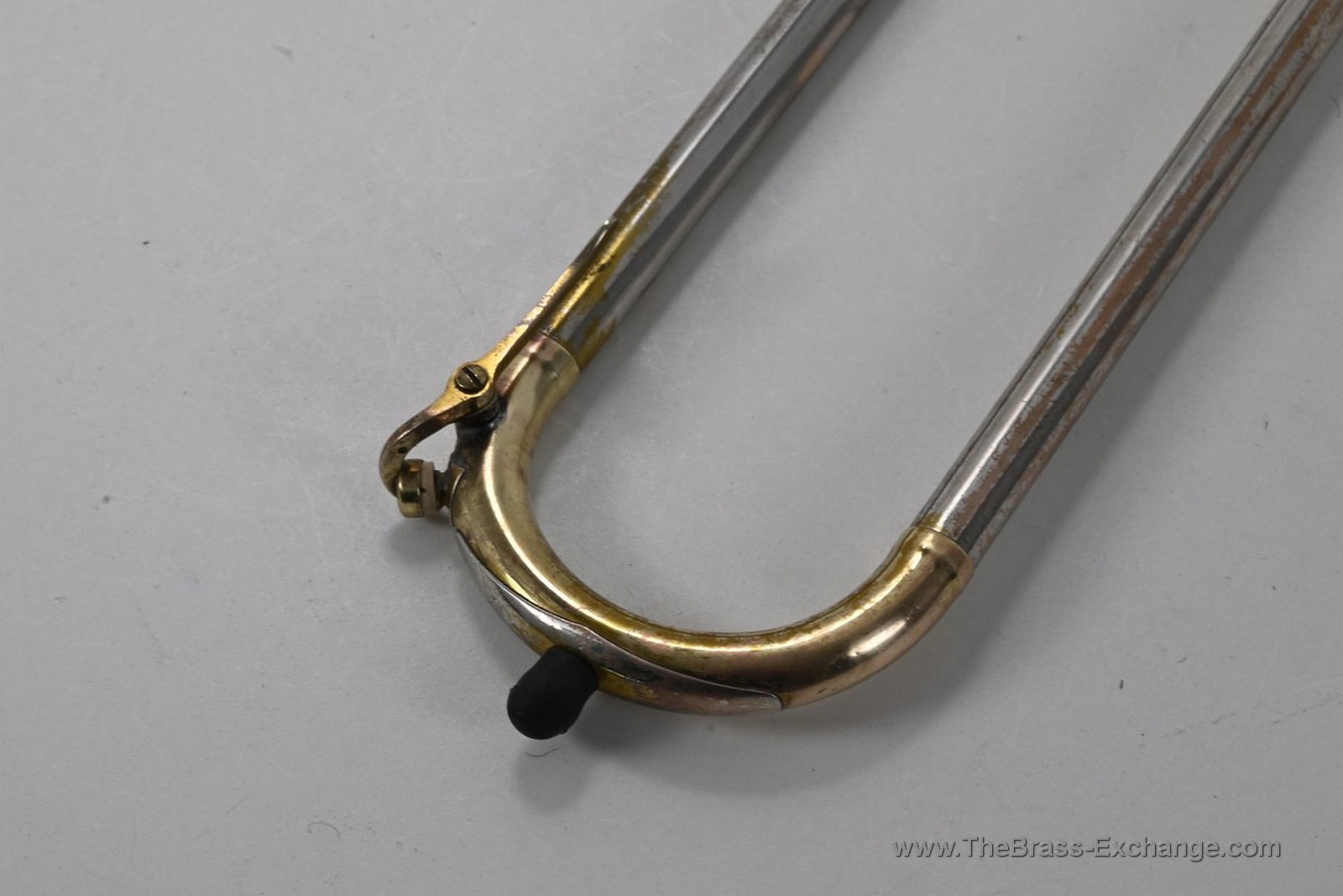
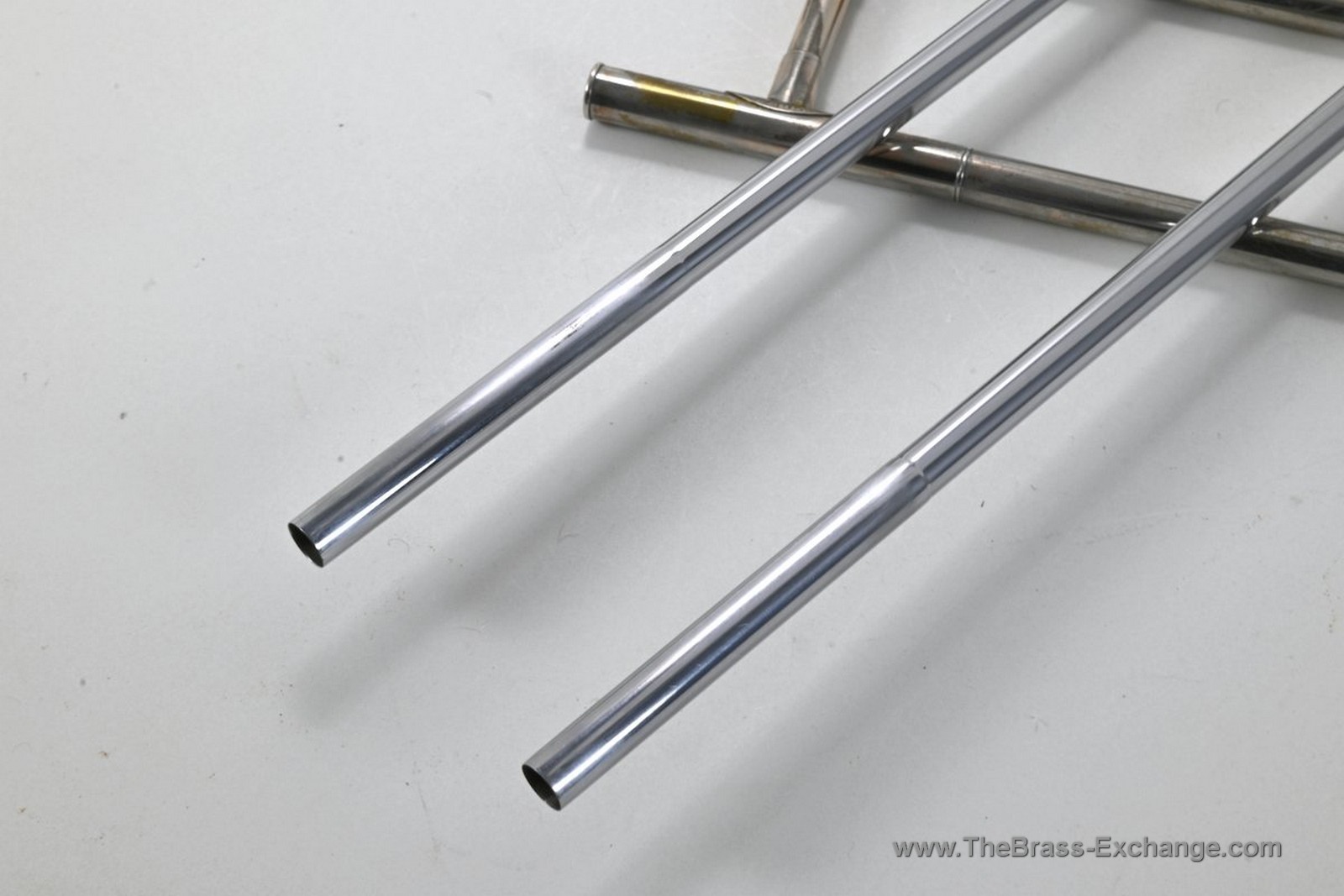
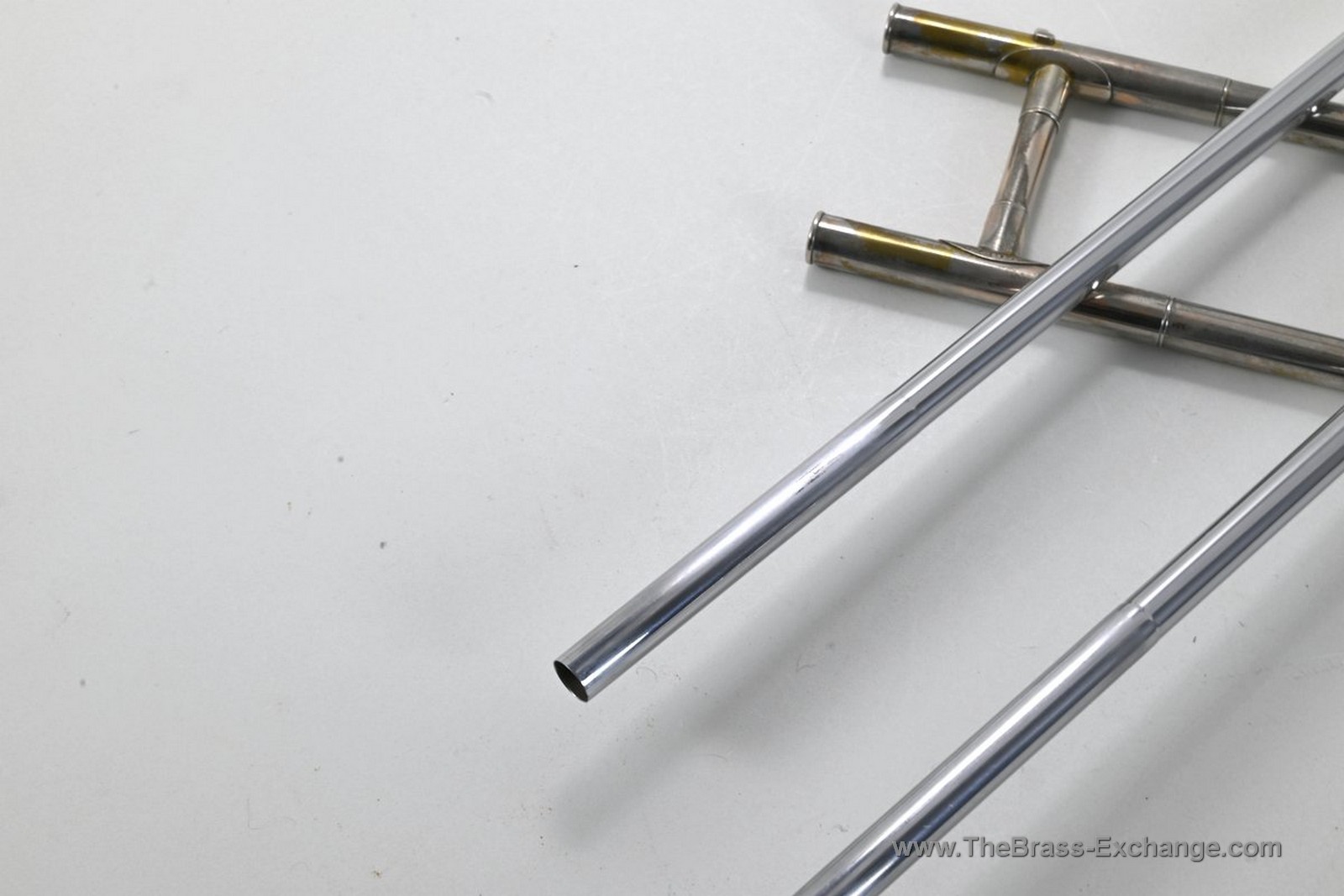
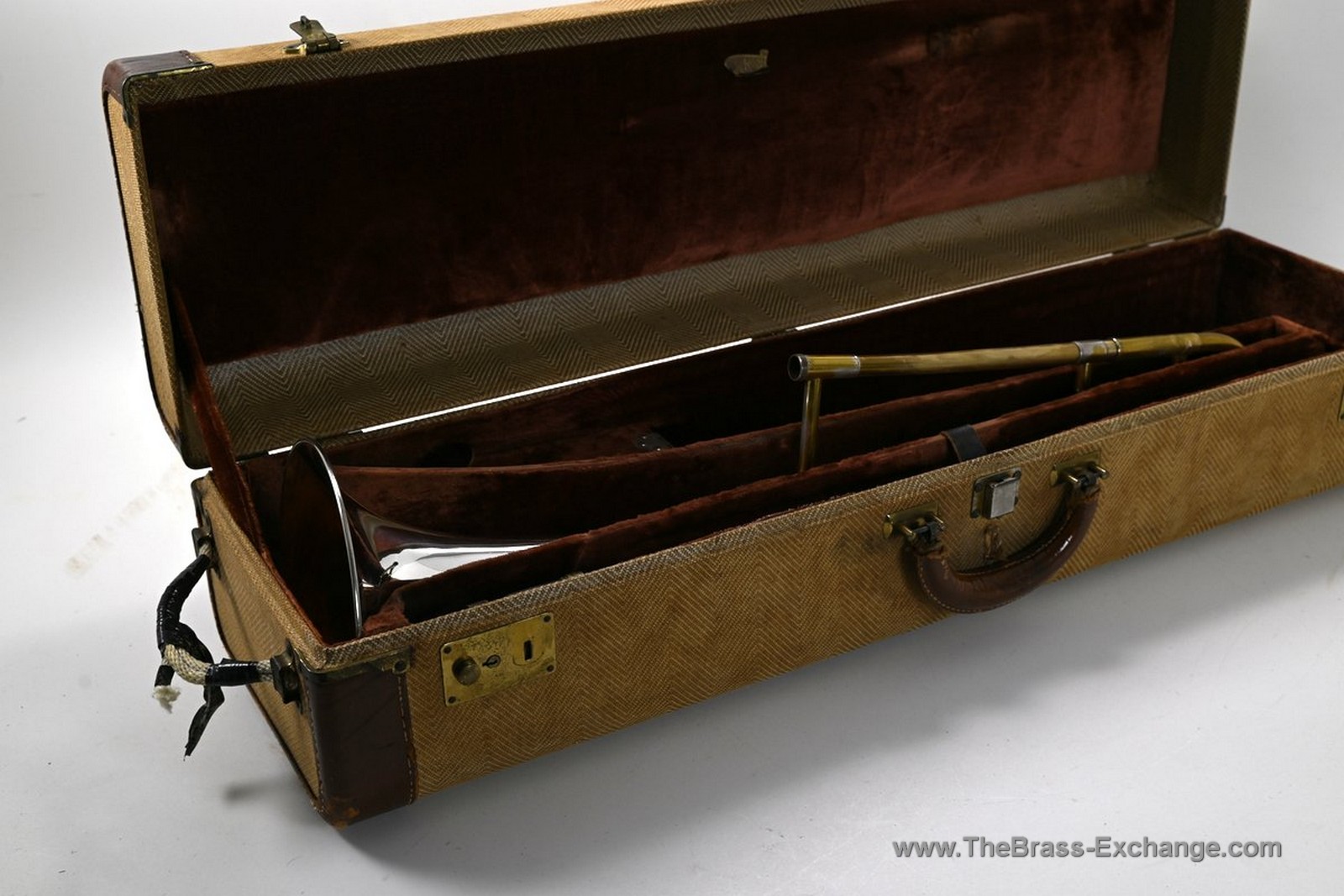
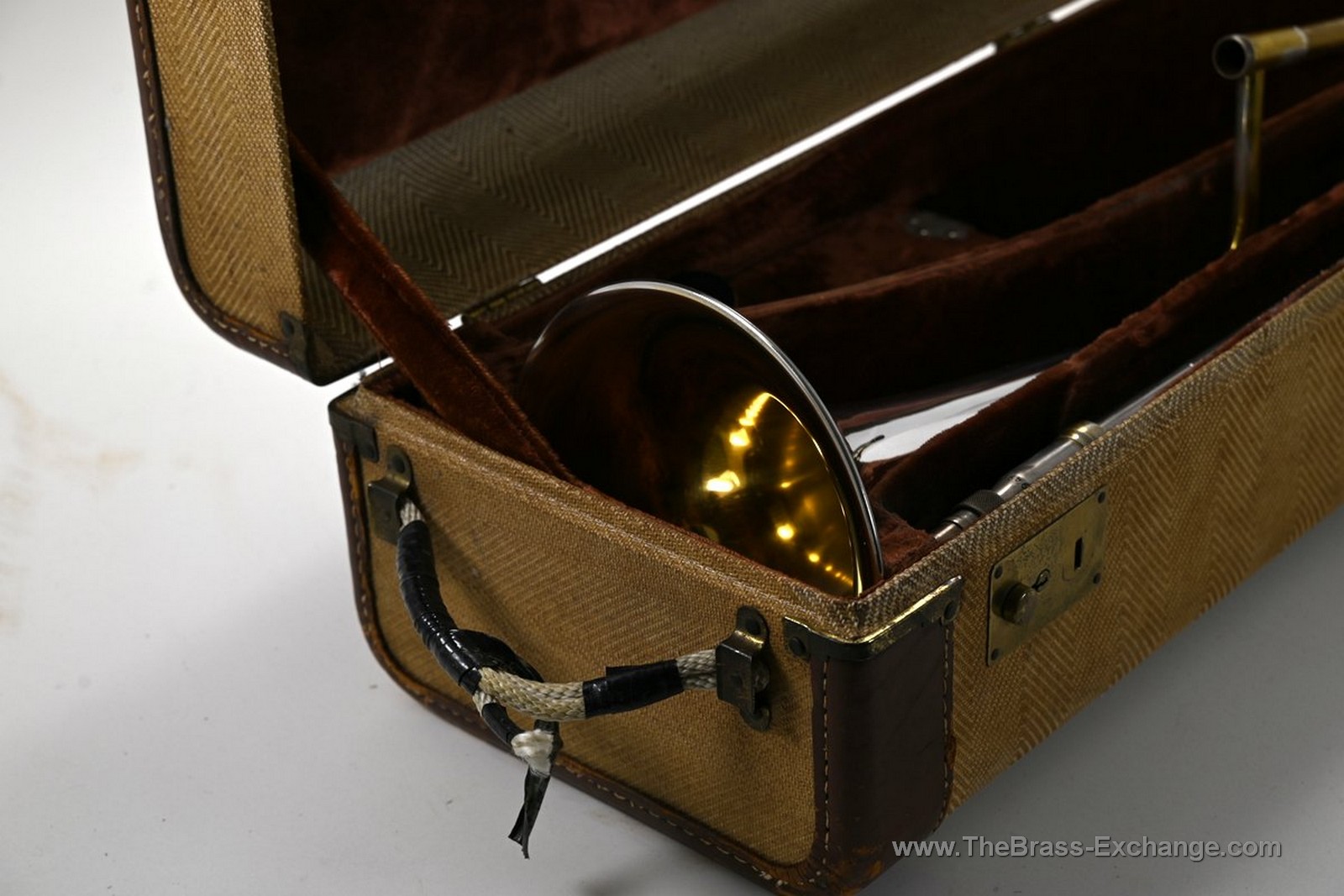
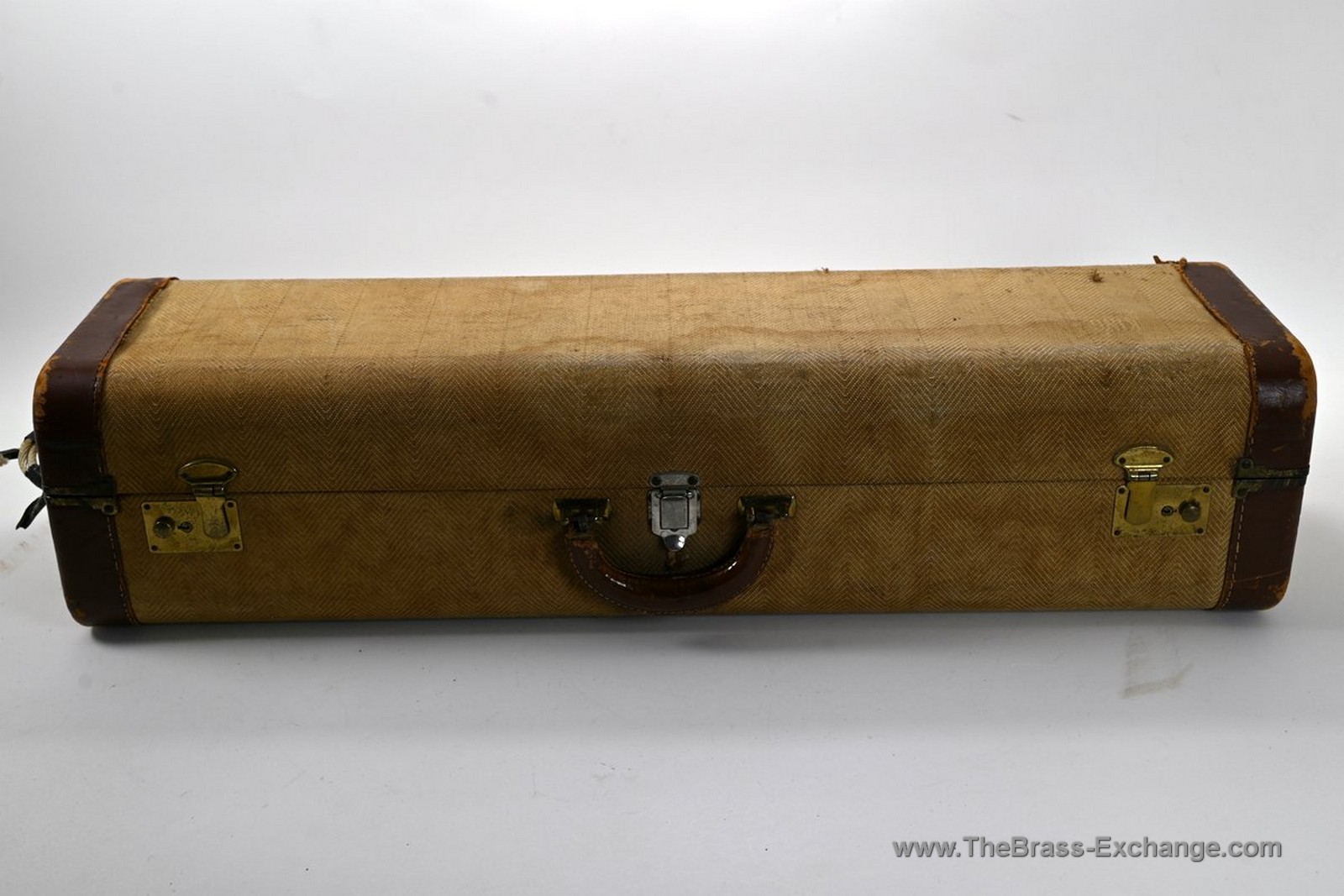
This King 2B Silvertone Trombone (serial number 294965) is now part of our historical archive at The Brass Exchange.
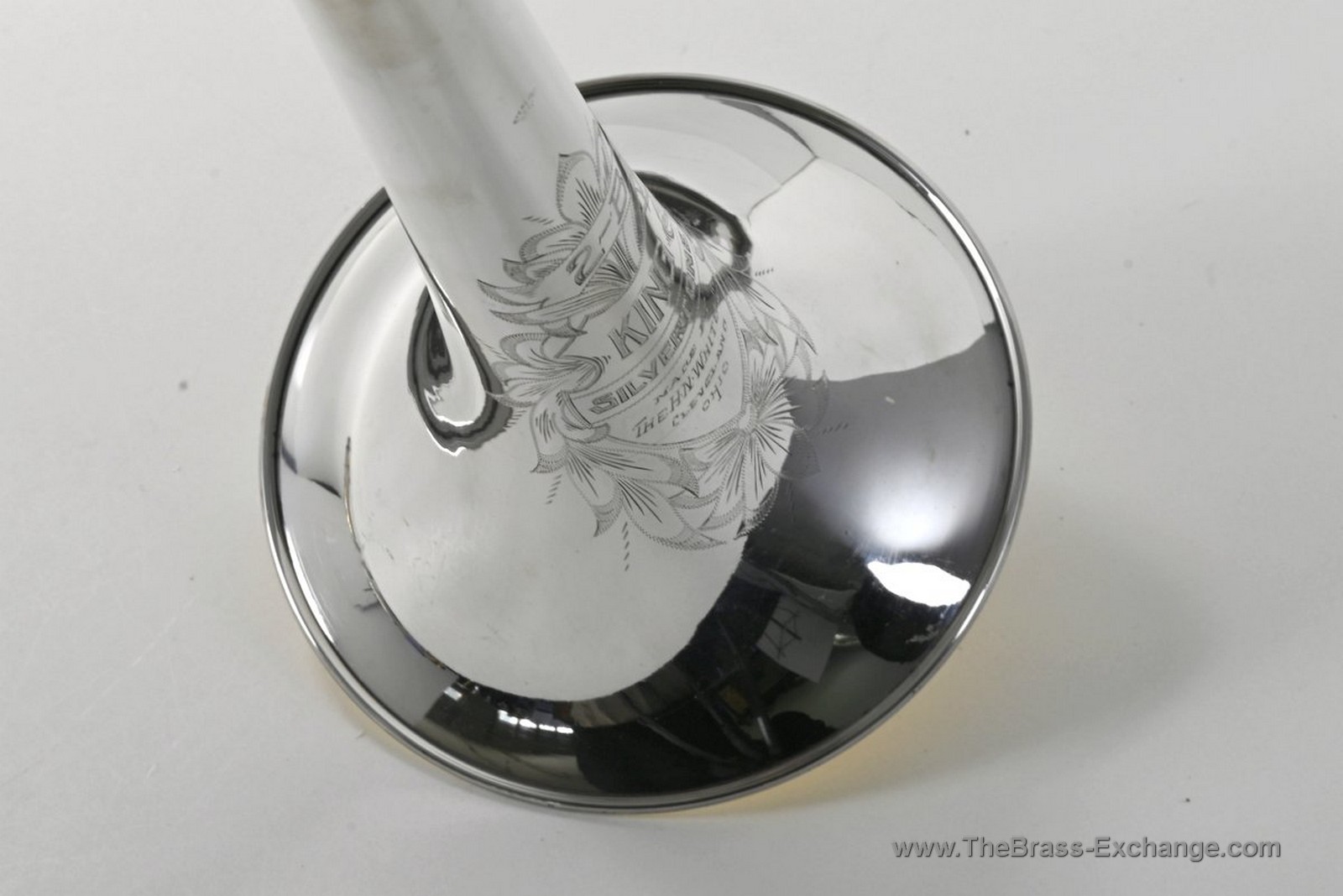
Originally built during the years immediately following World War II, this instrument represents one of the most interesting transitional periods in American brass manufacturing. During this era, King briefly used the "Silvertone" designation for its earliest sterling silver bell trombones before transitioning to the now widely recognized Silversonic branding.
This example reflects the craftsmanship and musical identity of the Big Band era—a time when artists such as Tommy Dorsey and Glenn Miller helped define the sound of American popular music. Instruments like this were built for clarity, projection, and agility, qualities that continue to define the King 2B design today.
The Brass Exchange has handled hundreds of vintage King Silvertone and early Silversonic trombones over the years. Examples from this late-1940s transitional period remain especially desirable due to their sterling silver bells, detailed engraving, and lively response.
✦ Historical Perspective
The King Silvertone occupies a unique position in the evolution of King trombones.
Before the Silversonic name became widely recognized, King produced a limited number of sterling silver bell instruments under the Silvertone designation. These transitional models combined the company's celebrated craftsmanship with the tonal characteristics of a sterling silver bell, creating instruments that would later become highly sought after by collectors and players alike.
Early post-war King instruments are also notable for the attention given to manufacturing details. Features such as matching serial numbers stamped throughout the instrument reflect a level of production consistency and quality control that became less common in later years.
Today, original Silvertone models serve as important historical links between the earliest sterling-bell Kings and the more familiar Silversonic instruments that followed.
✦ Player Perspective
This particular Silvertone came from the collection of a top-call Los Angeles professional musician—a player who clearly understood what makes a great vintage King 2B special.
The sterling silver bell remained undamaged with crisp engraving and excellent structural integrity. A careful cleaning and professional silver polish restored the brilliance of the bell while preserving its original character and patina.
One of the appealing aspects of early King 2B designs is their continued compatibility with later King slides. Because King maintained consistent thread specifications, players can pair a historic sterling silver bell section with a later optimized slide while preserving the instrument's original tonal identity.
From a playing standpoint, these early sterling silver bell King trombones are prized for their quick response, lively articulation, and unmistakable lead trombone sound that helped define much of the classic Big Band era.
✦ Collector Notes
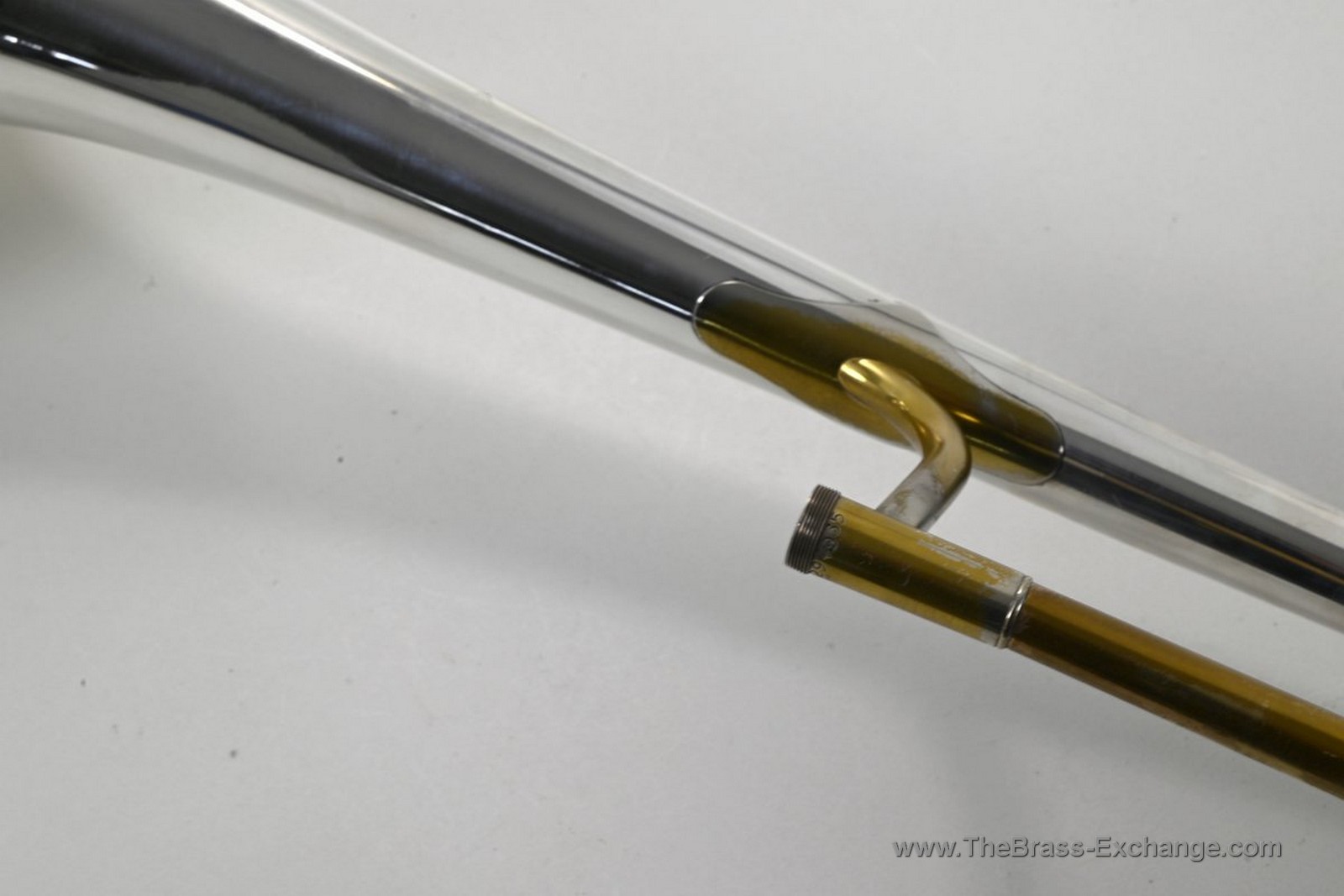
Early King 2B trombones from the 1930s and 1940s often carried serial numbers stamped in multiple locations throughout the instrument.
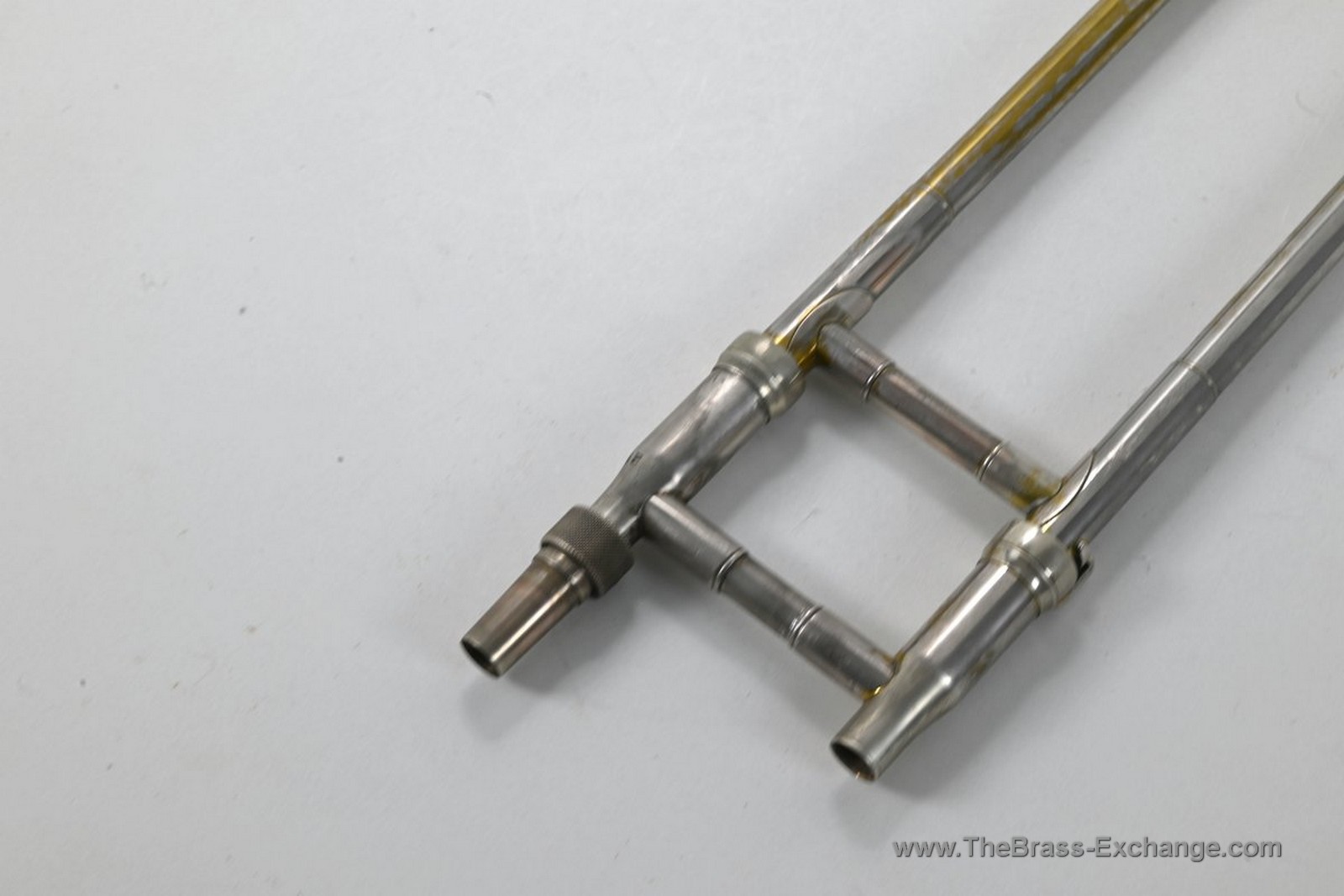
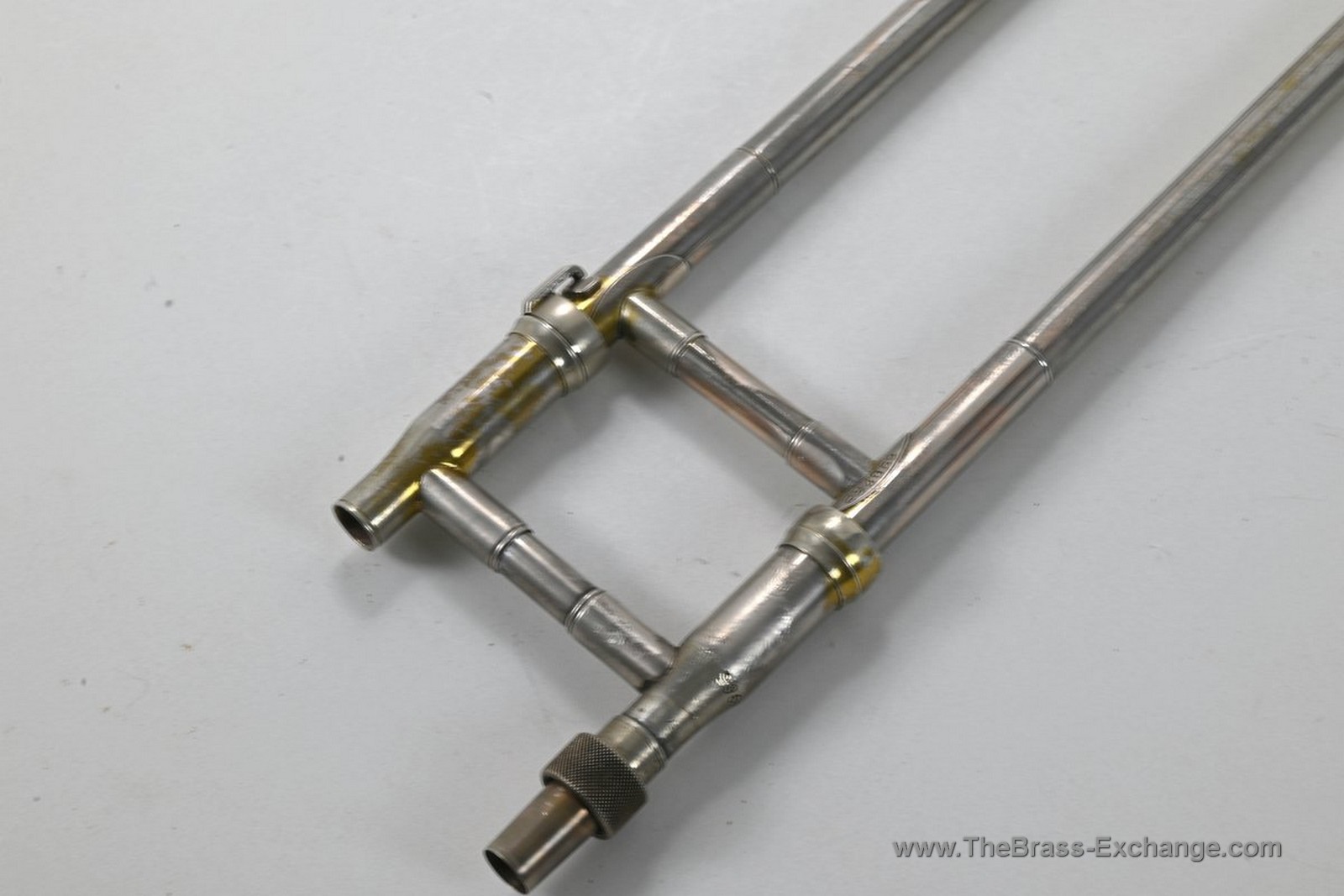
This example featured matching serial numbers in four locations:
• Lower outer slide tube below hand brace
• Back of slide cork barrel
• Bell section receiver above threaded connection
• Tuning slide brace
Matching numbers are widely regarded as strong indicators of originality and are highly valued by collectors evaluating early King instruments.
🏅 Why Players Trust The Brass Exchange
Since 2010, The Brass Exchange has documented and sold thousands of professional brass instruments while building one of the largest publicly accessible archives of vintage trombones available anywhere.
Our Archive of Sold collection helps players, educators, collectors, and researchers better understand instrument history, originality, specifications, and market trends across generations of brass instrument manufacturing.
Questions Trombone Players Often Ask
Why are early King Silvertone trombones important?
Silvertone models represent King's earliest sterling silver bell trombones before the adoption of the Silversonic name. These transitional instruments are prized for their historical significance, craftsmanship, and playing characteristics.
Are vintage King 2B Silvertones still useful for modern jazz playing?
Absolutely. Many modern lead trombone players appreciate the clarity, speed, and articulation of early 2B designs. A well-preserved sterling silver bell example offers tonal characteristics that many players feel are difficult to duplicate with modern instruments.
Will this bell fit later King 2B slides?
Yes. King maintained consistent thread patterns across generations of 2B instruments, allowing many later slides to fit earlier bell sections.
🔧 Availability & Archive Status
This King 2B Silvertone trombone has been sold and is no longer available. Archive of Sold pages are maintained as historical references for players, collectors, educators, and researchers interested in vintage brass instruments.
Similar King 2B, Silvertone, and Silversonic trombones occasionally become available, although clean transitional examples from the late 1940s remain increasingly difficult to locate.
📌 Archive Reference & Next Steps
This King 2B Silvertone trombone is now part of our Archive of Sold collection and remains an important example of King's early sterling silver bell production before the introduction of the Silversonic name.
Researching King Silvertone or Silversonic trombones? 📚 Explore our King Silversonic valuation resources and historical archive to learn more about model variations, identification details, and market history.
Own a King Silvertone, Silversonic, or other vintage King trombone? ✍️ Contact us for a valuation and explore your options.