


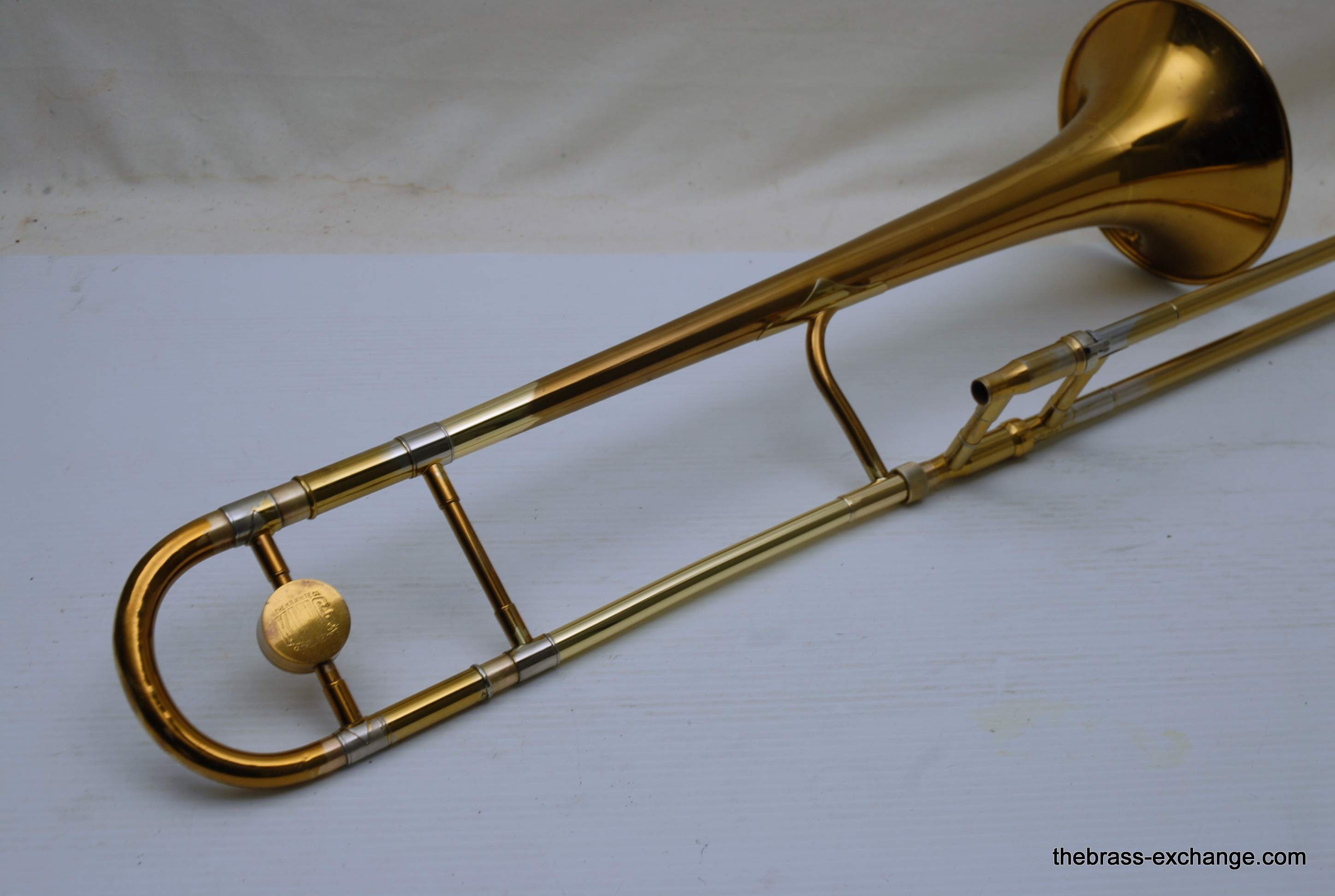


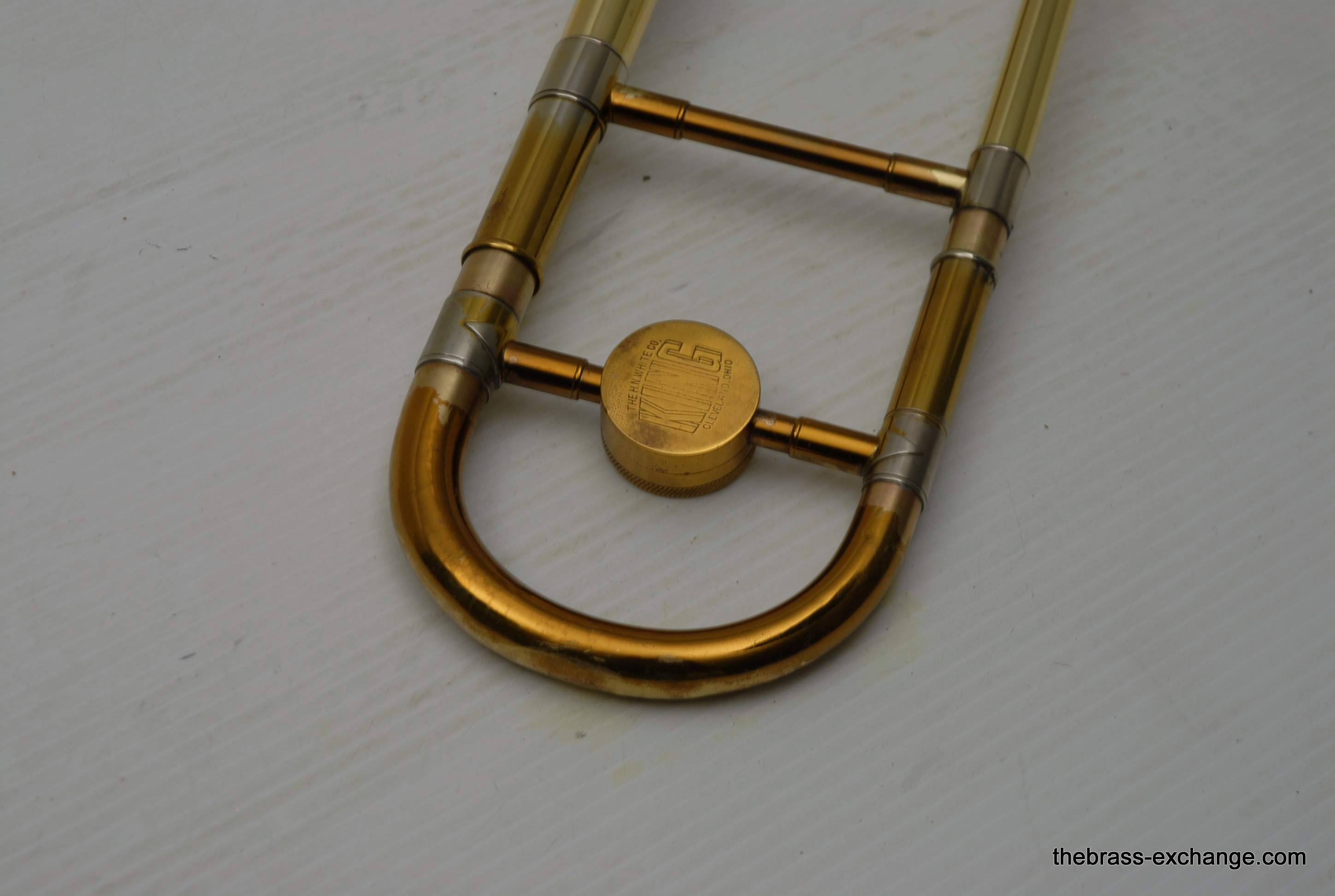
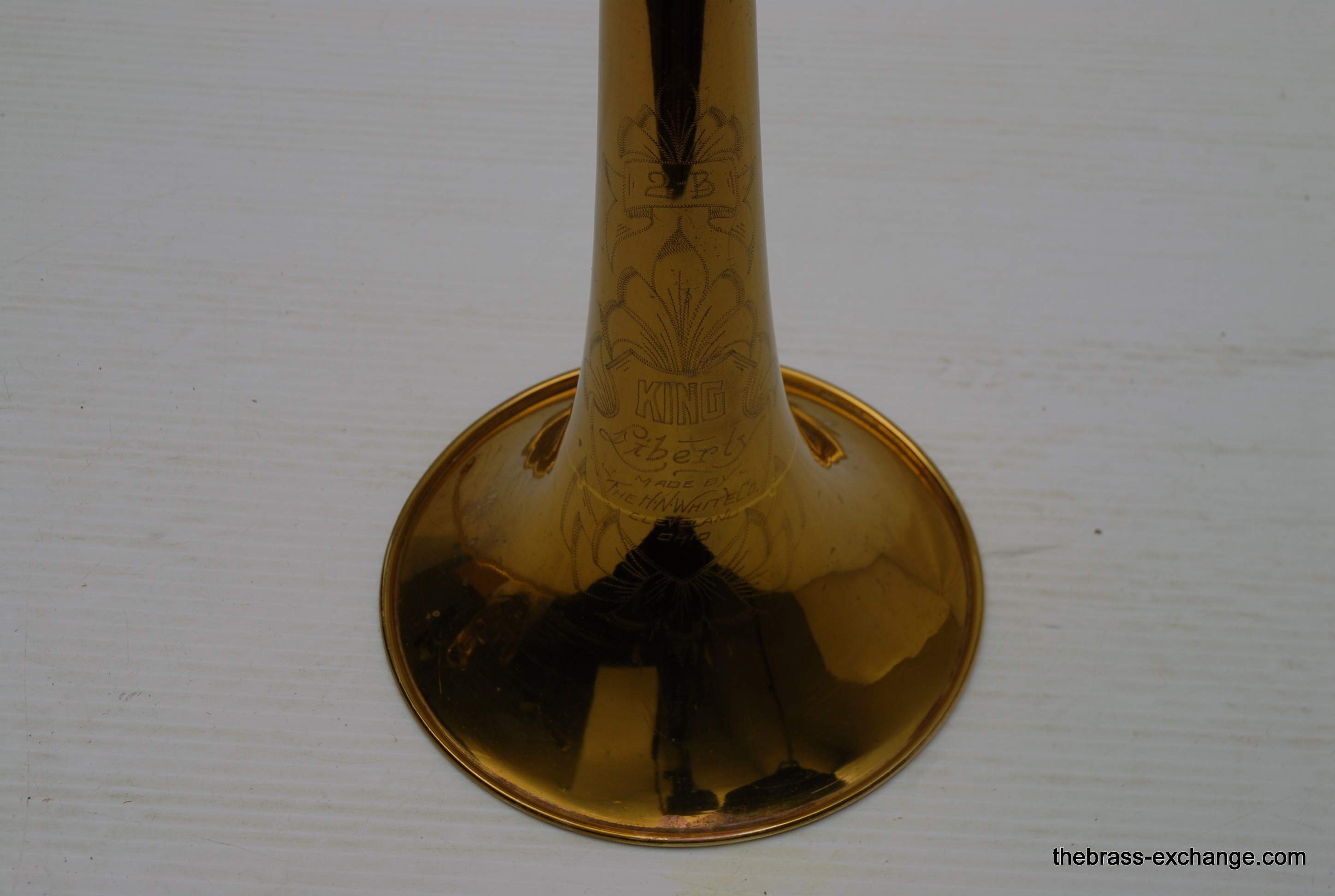
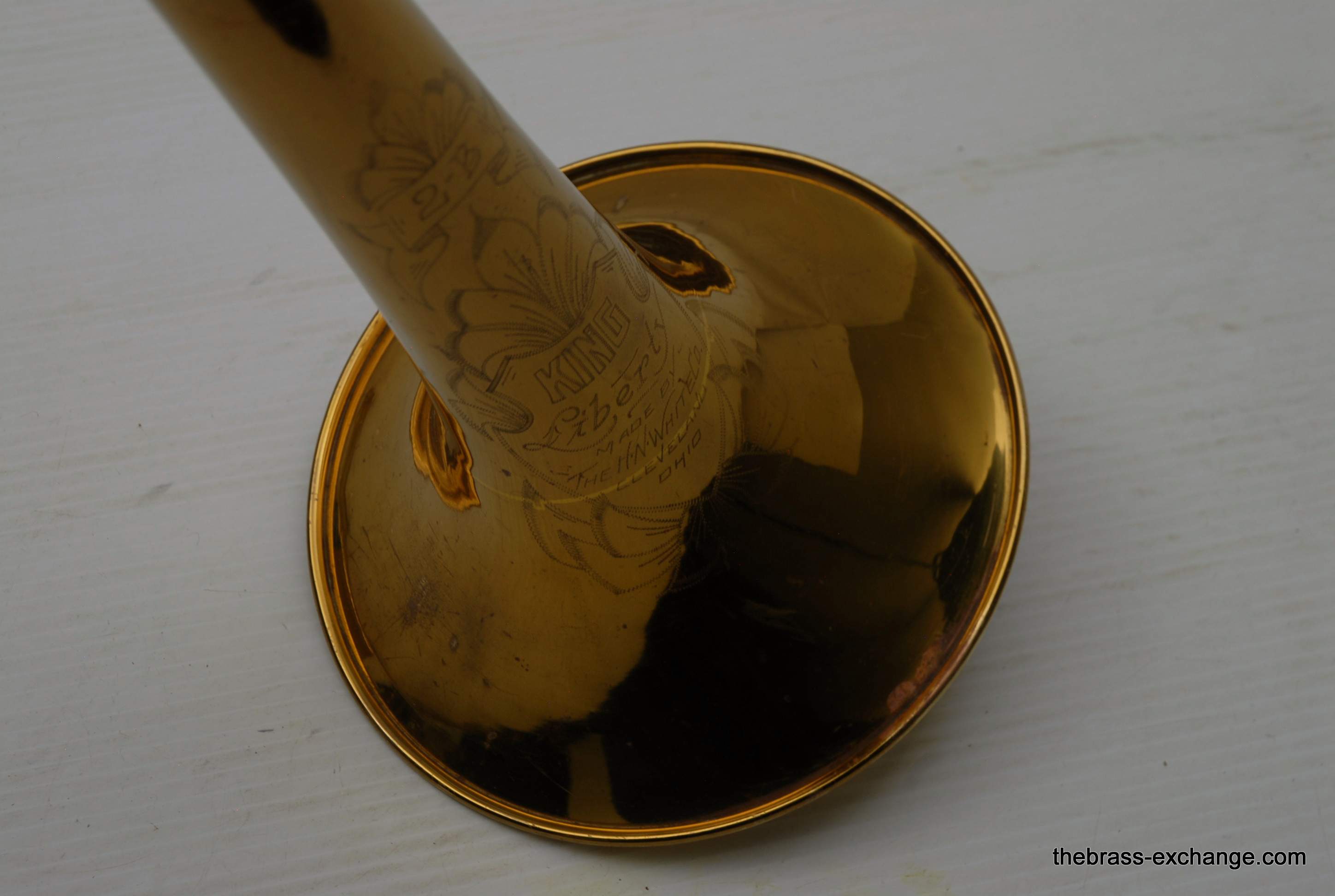
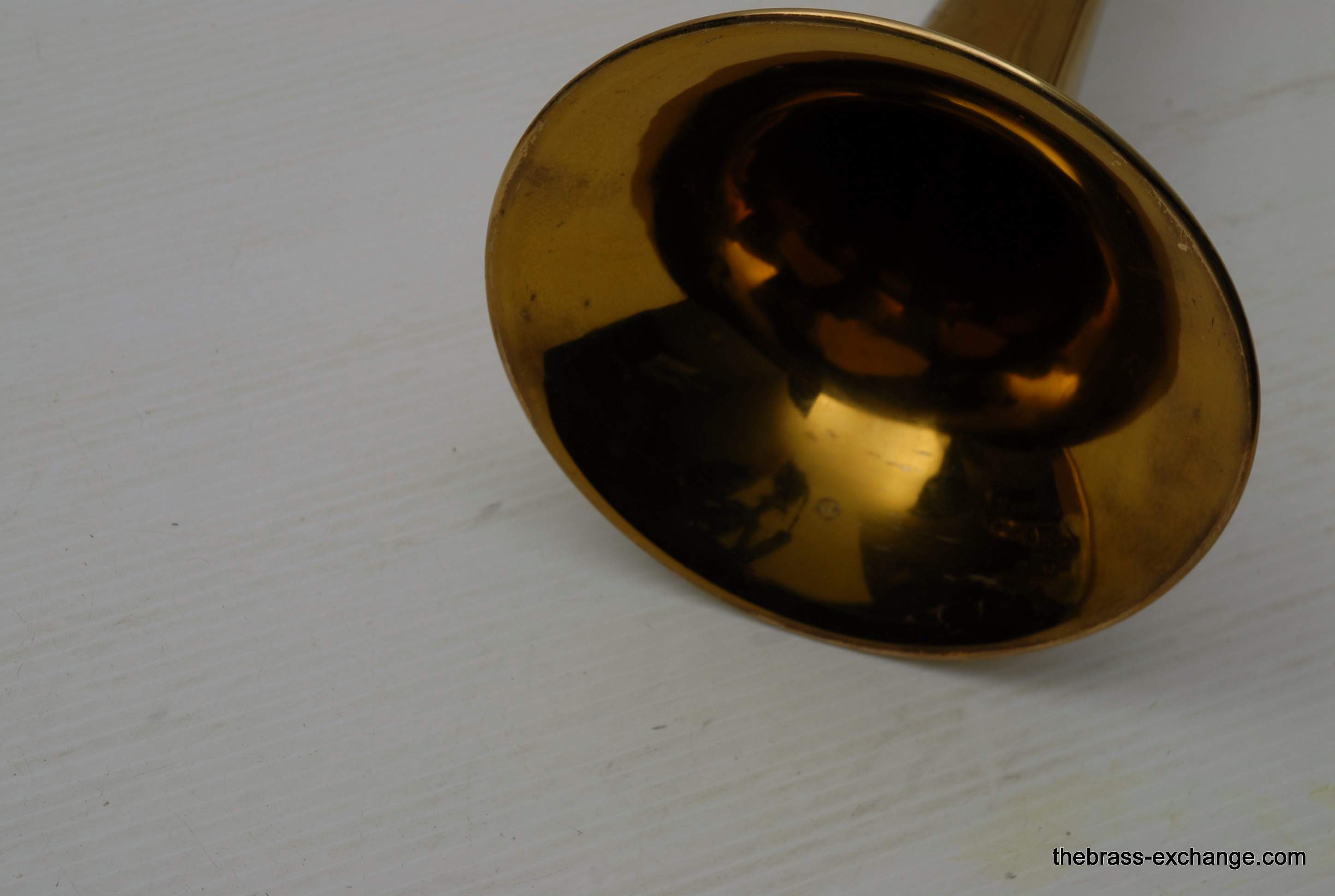
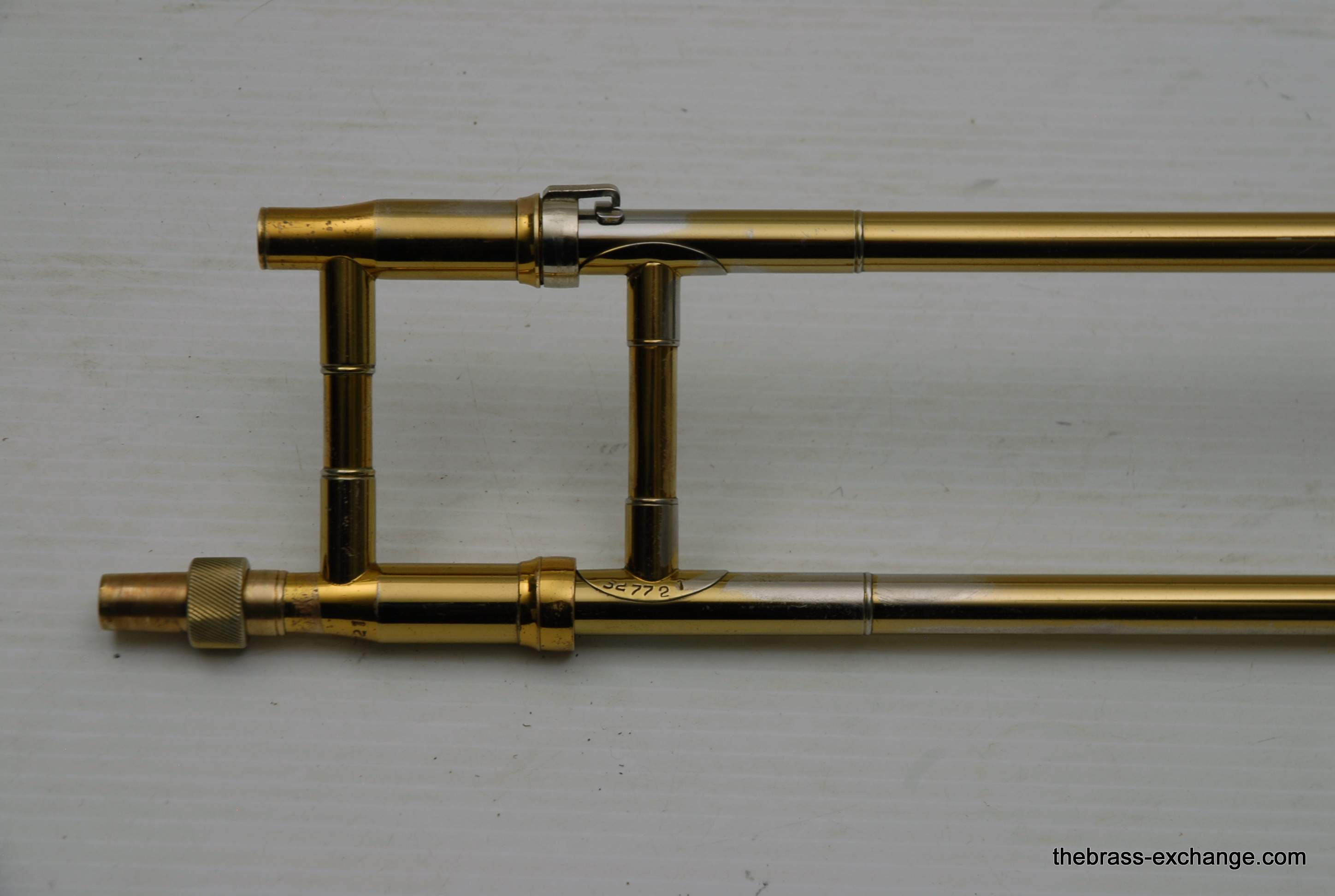
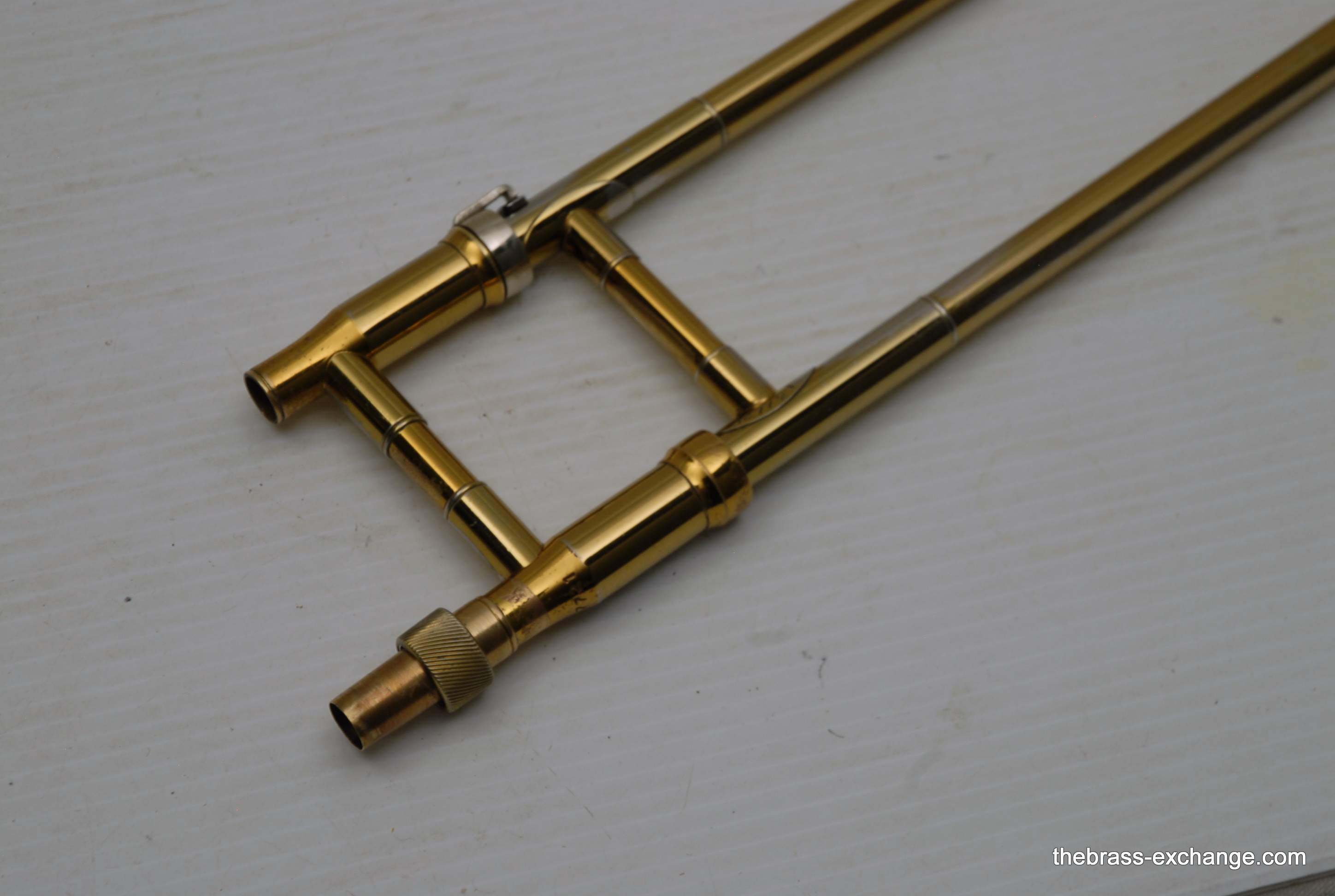
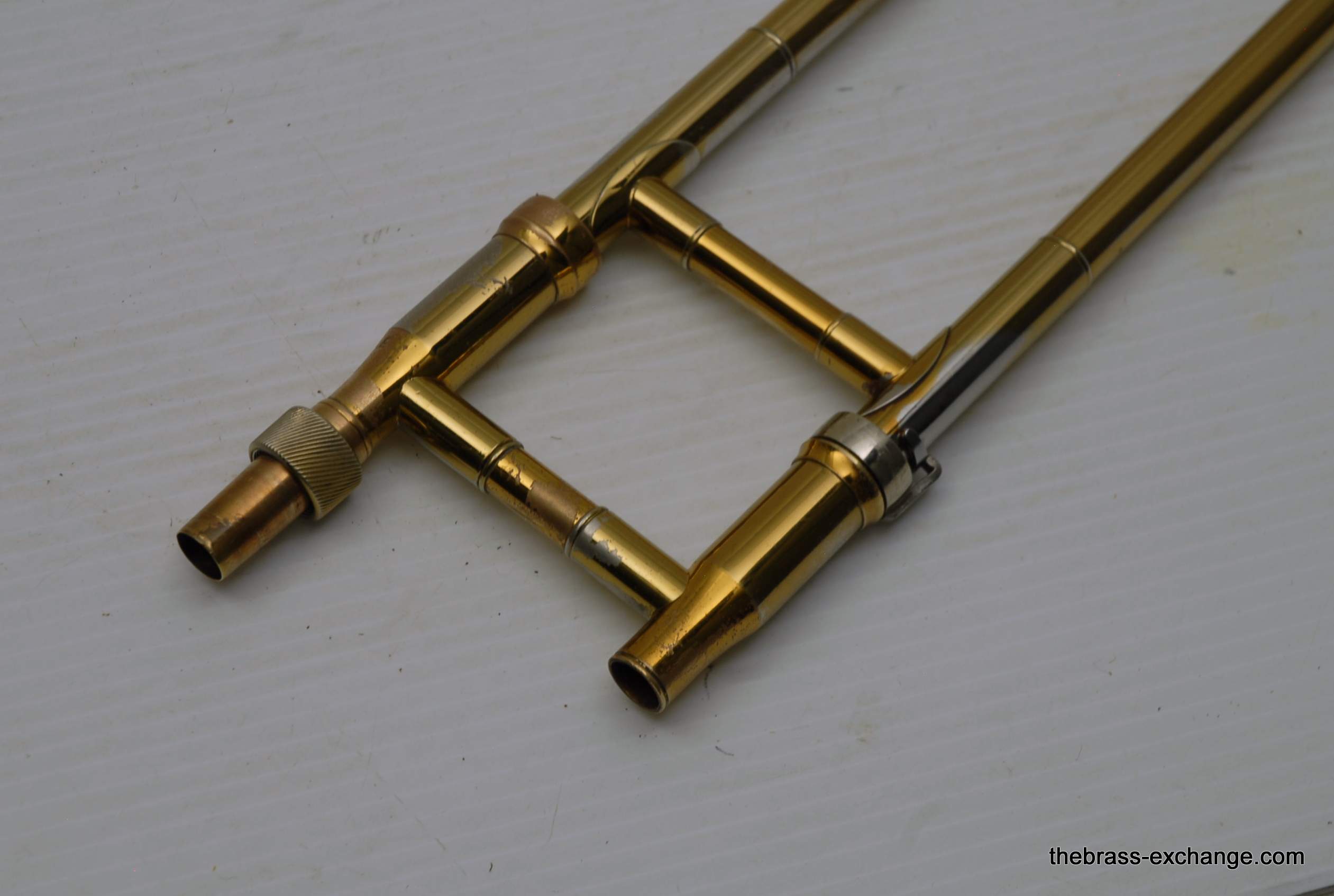
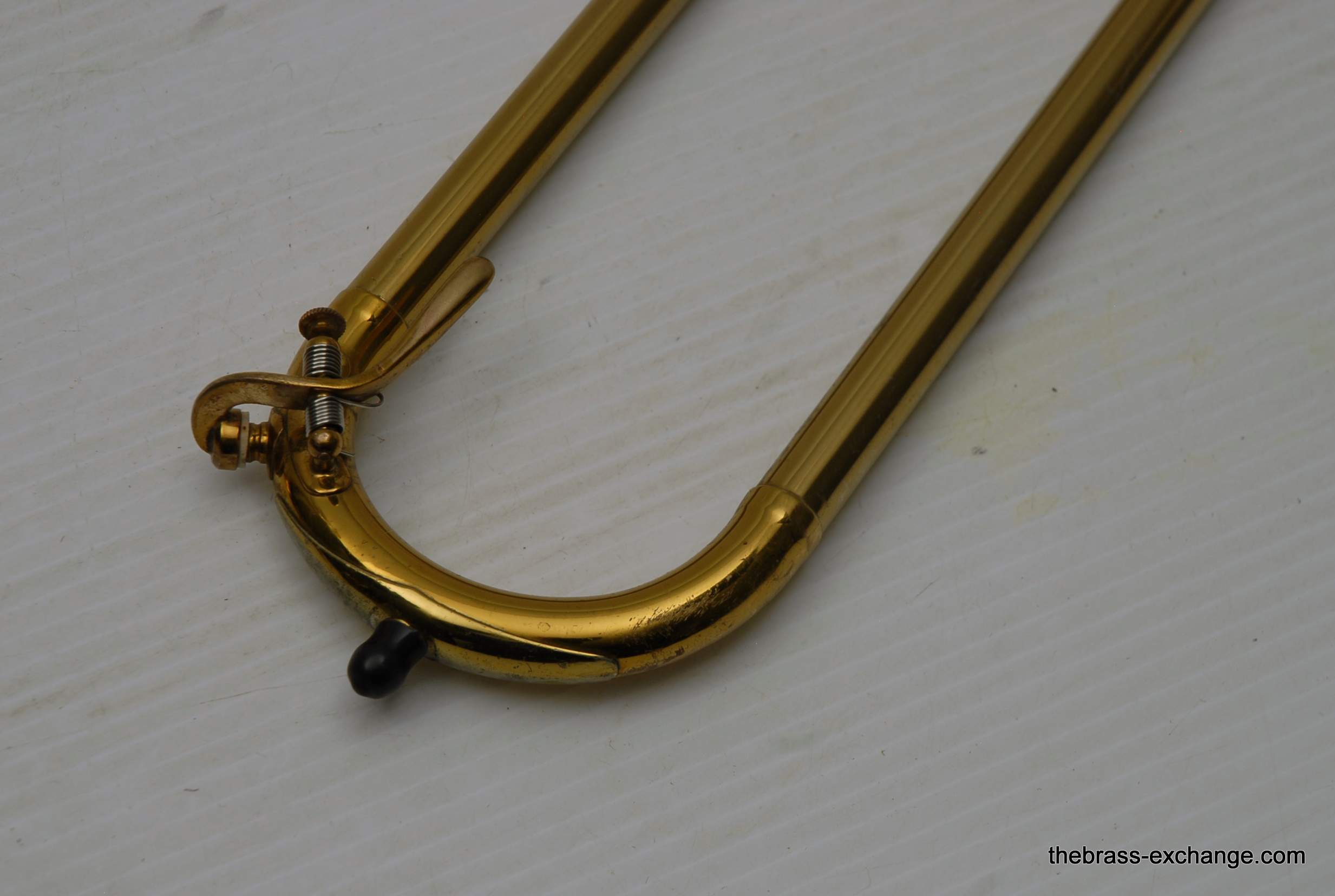
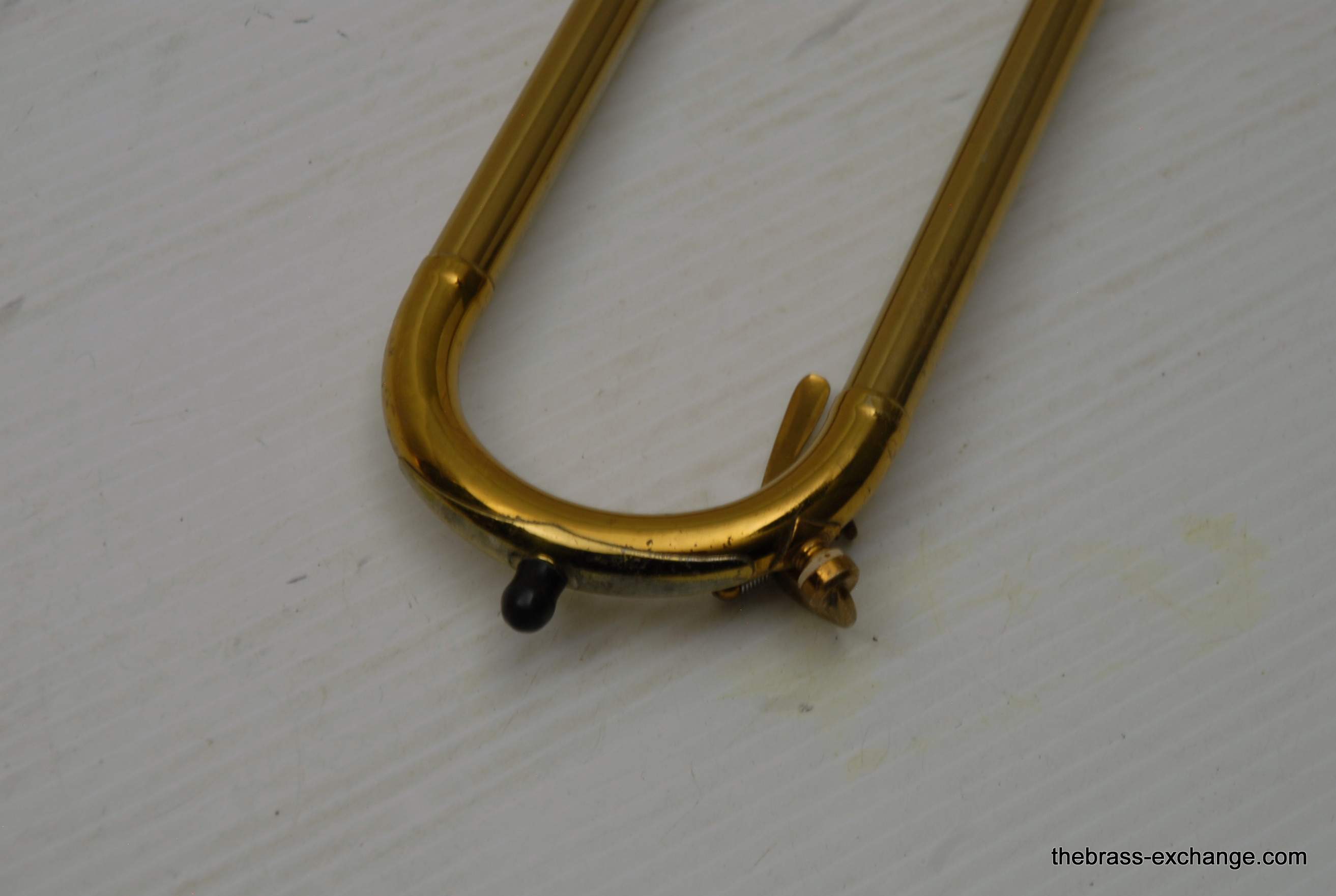
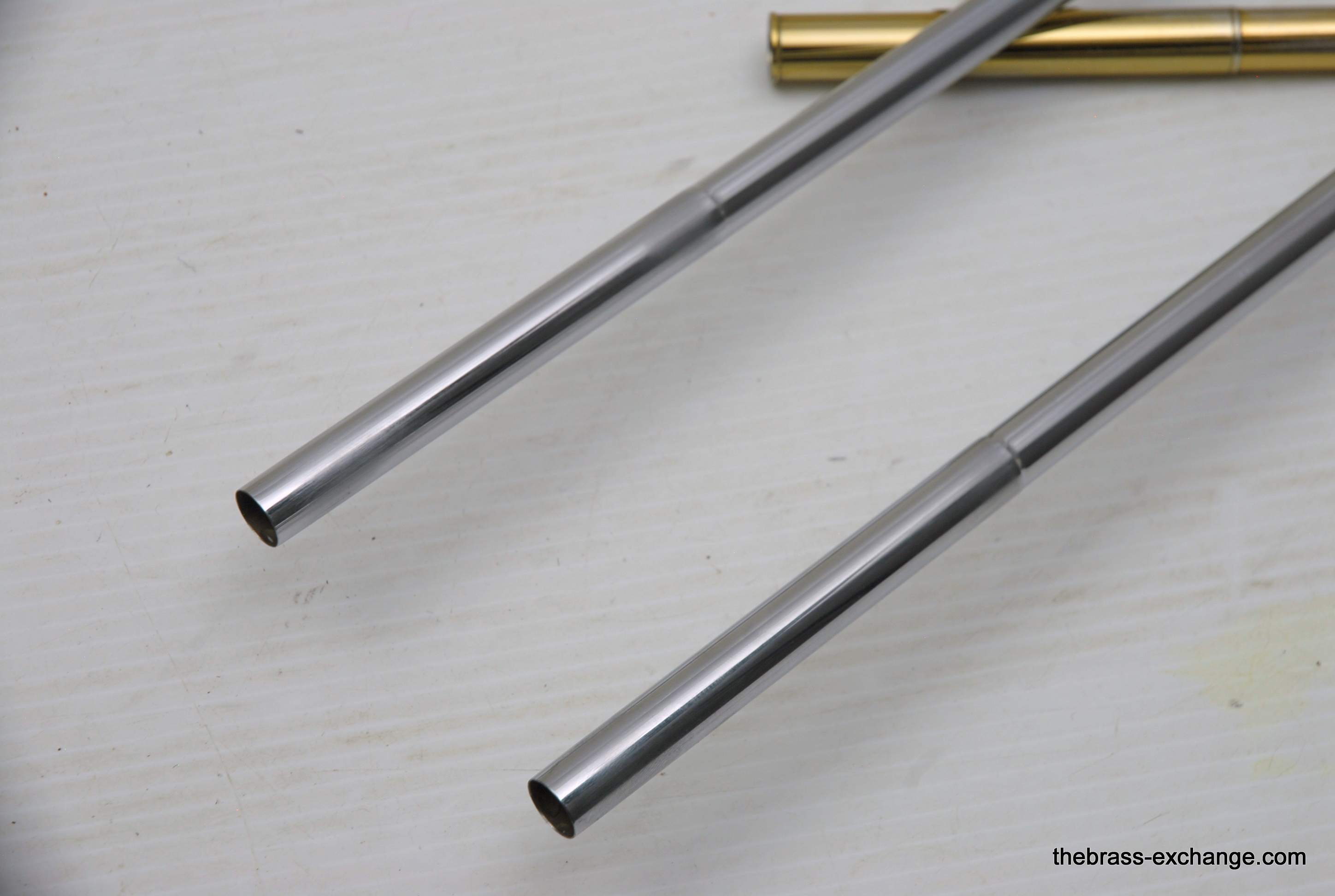
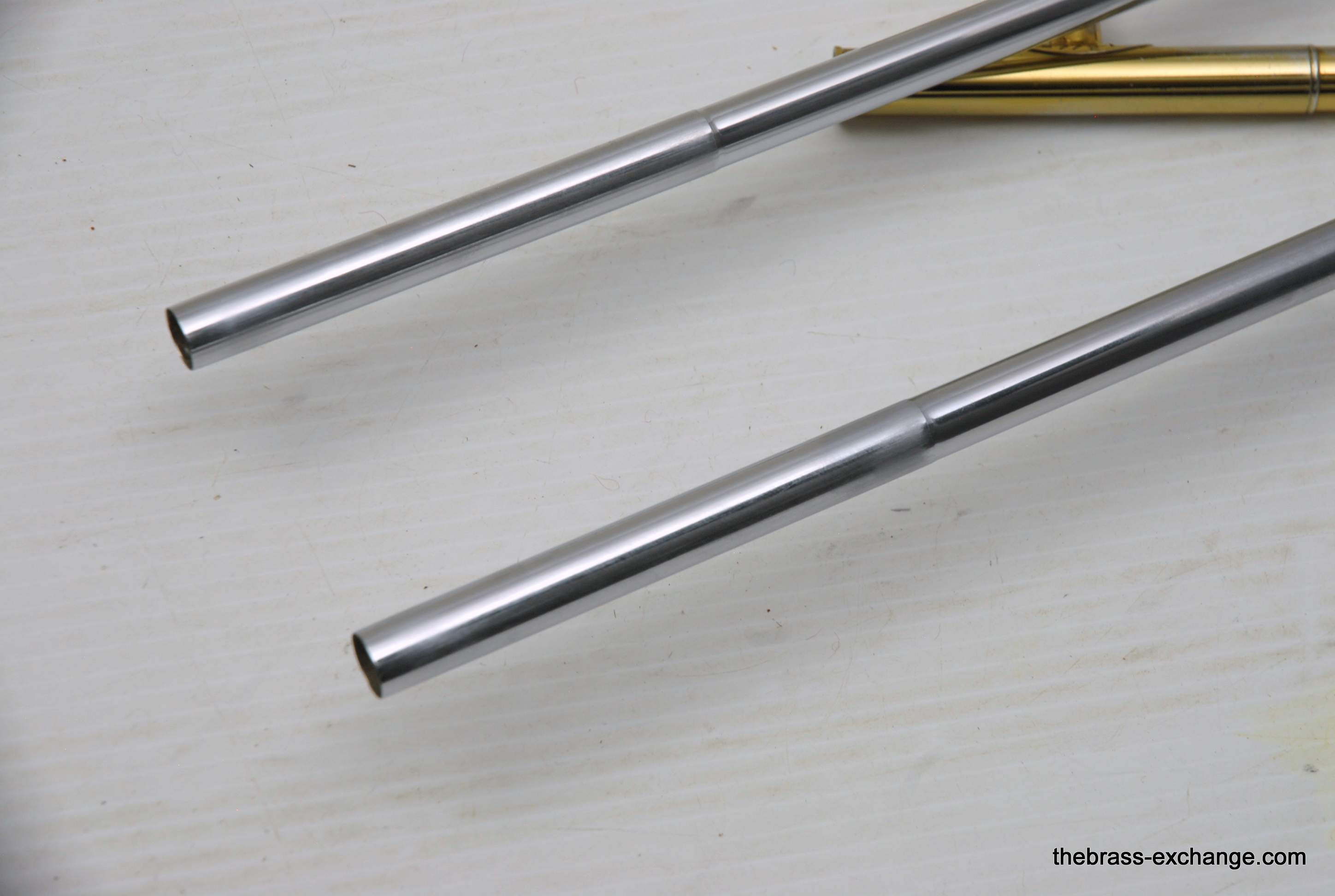
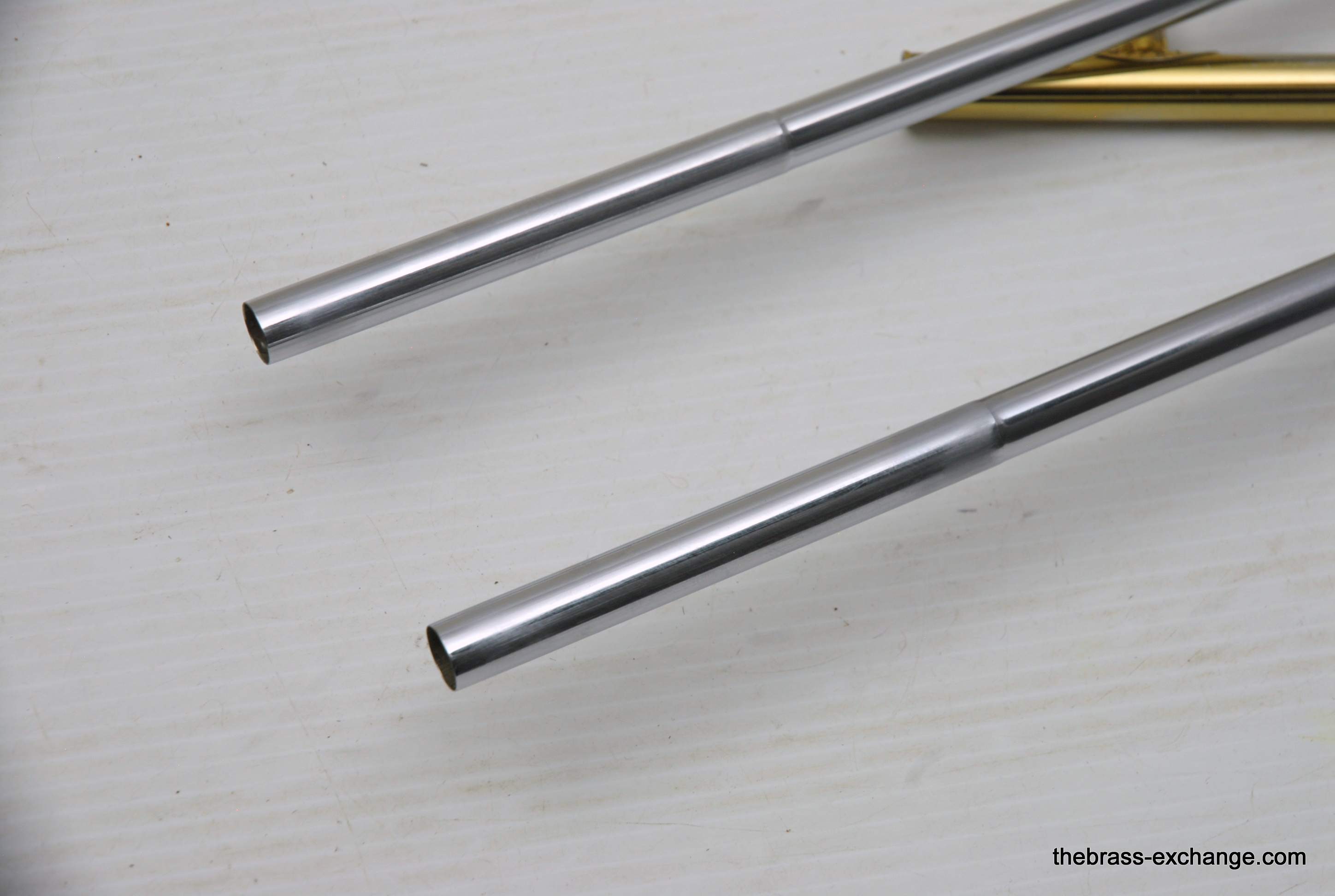
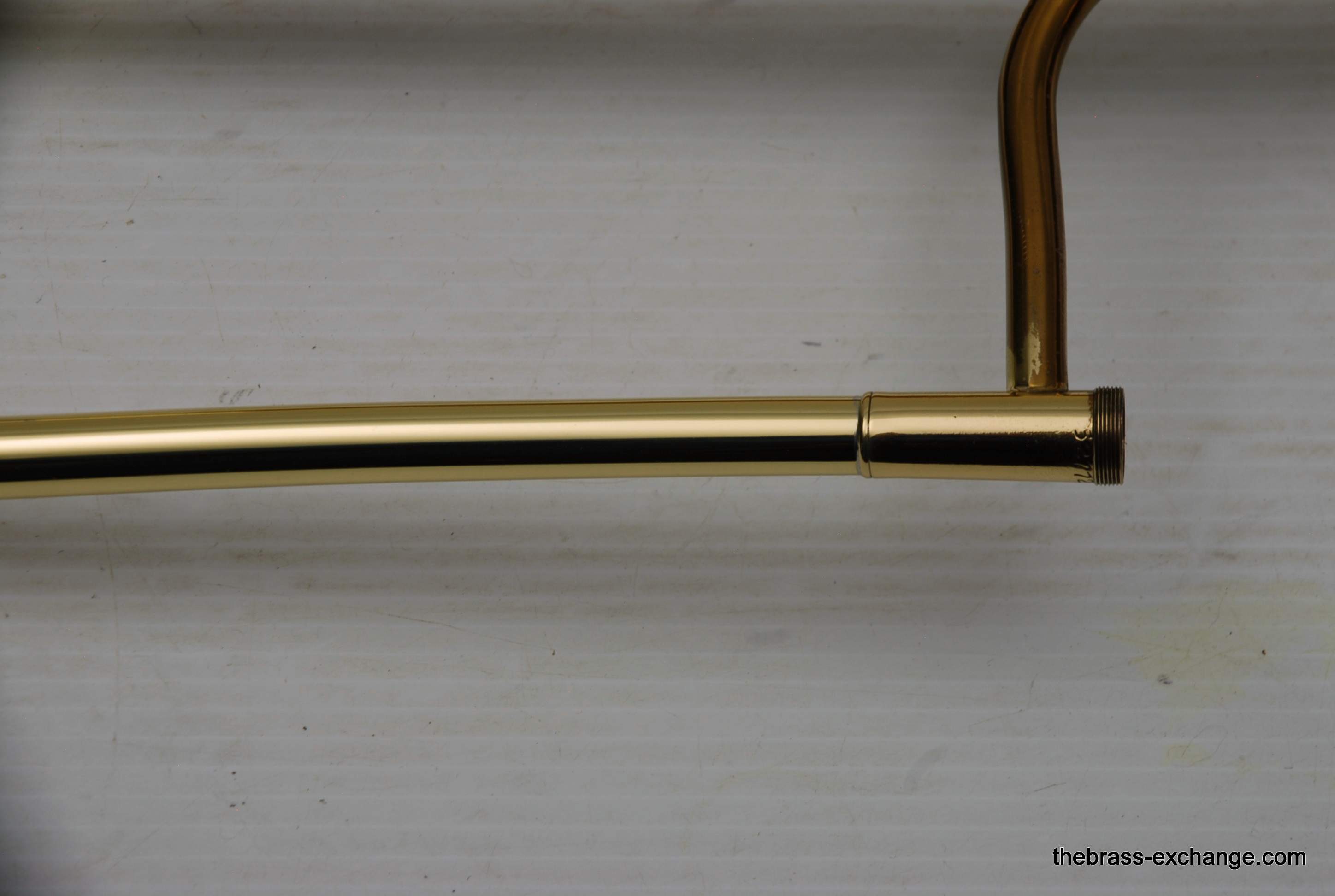
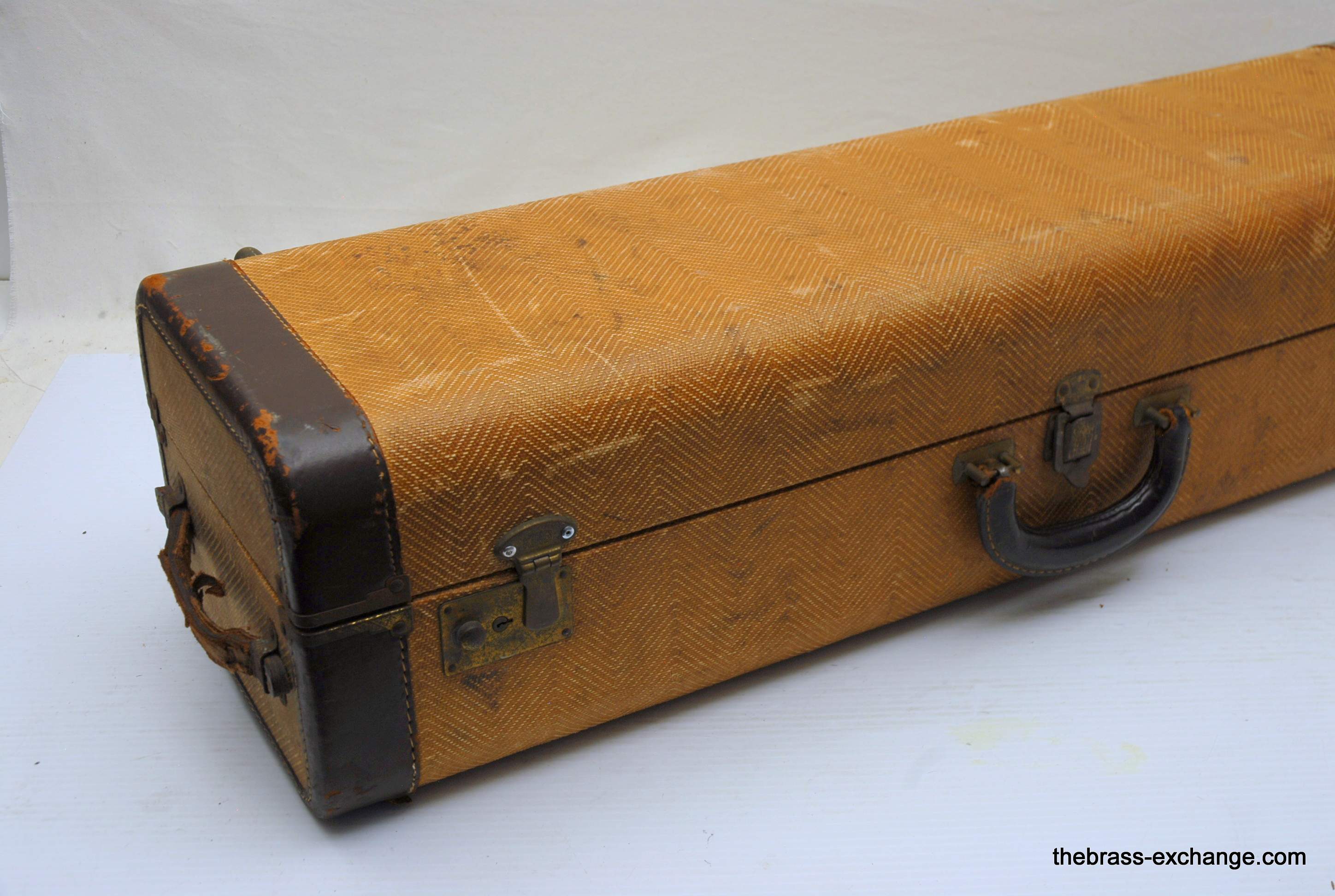
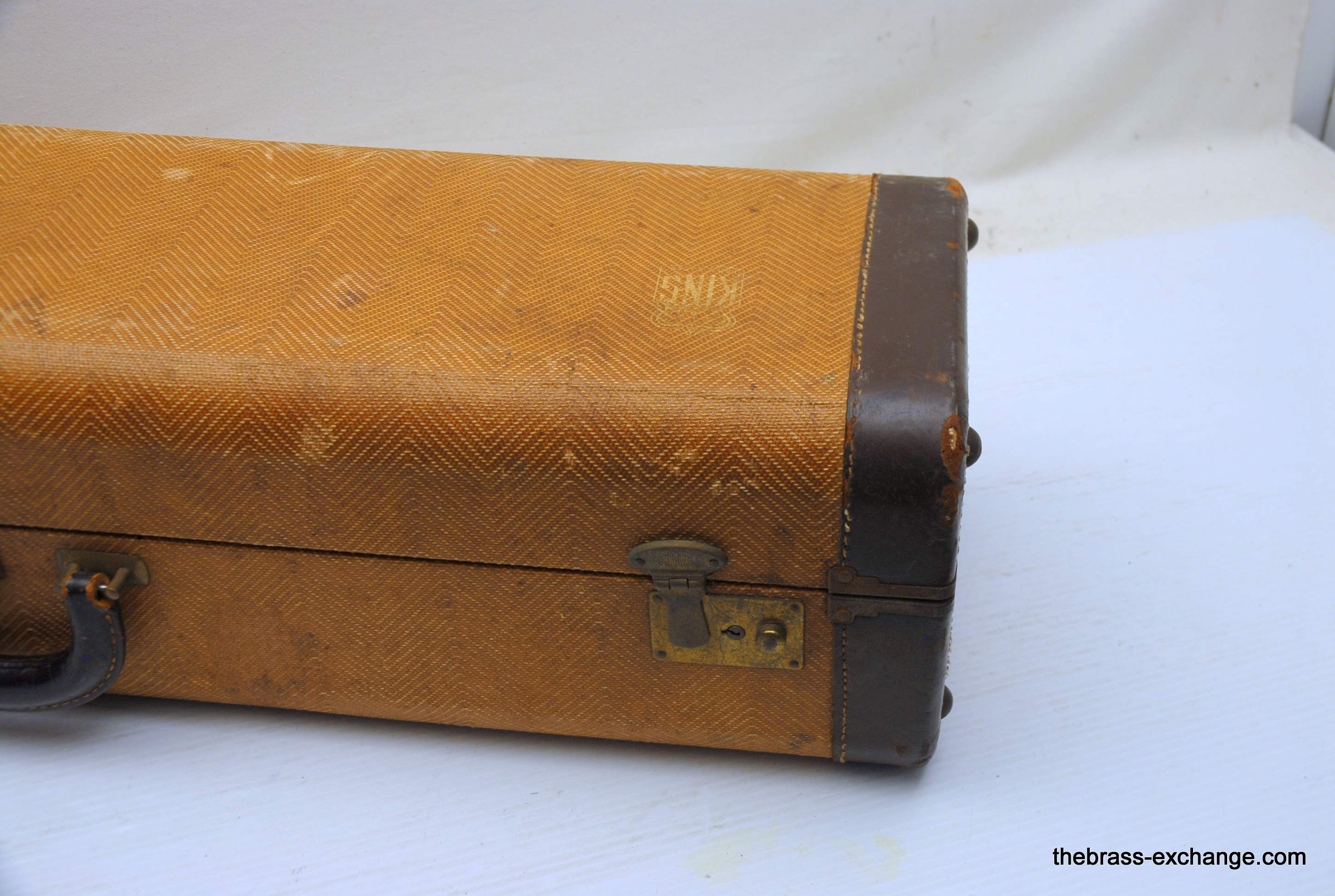
📜 This instrument is part of The Brass Exchange Historical Archive, preserved for collectors and players researching the golden age of American brass craftsmanship. Images shown here are from an earlier era in our shop’s photography. They remain authentic to the original presentation of this King 2B Liberty and represent the early visual documentation methods that helped build The Brass Exchange archive.
✦ Historical Perspective
Manufactured in 1952 during the height of the H.N. White Cleveland era, this King 2B Liberty embodies the handmade precision and musical personality that defined post-war American trombone building.
The 2B was the lead horn of the Big Band Era, immortalized by Tommy Dorsey and the celebrated trombone section that carried his name.
Built by craftsmen using hand-drawn tubing, spun bells, and meticulous slide alignment, these instruments were the benchmark for projection and agility in jazz and commercial music.
By the early 1950s, King’s Cleveland plant represented the apex of U.S. small-bore production—before automation and mass tooling changed brass manufacturing in later decades.
The 2B’s .481"/.491" dual-bore slide and 7 3/8" yellow-brass bell gave it a quick, brilliant response and the signature “sweet” tone that still defines King’s reputation today.
✦ Instrument Details & Condition
Serial number 327721 confirms mid-1952 production.
This example retains all original parts and most of its factory lacquer.
It received a full professional shop service at The Brass Exchange—repairs to the neckpipe, minor cosmetic correction, and a careful re-lacquer of the bell section while preserving the horn’s authentic appearance.
The slide tubes remain straight and plating-intact, with smooth, responsive action that feels effortless.
Despite decades of rest, this trombone plays easily, producing that unmistakable King shimmer and centered resonance.
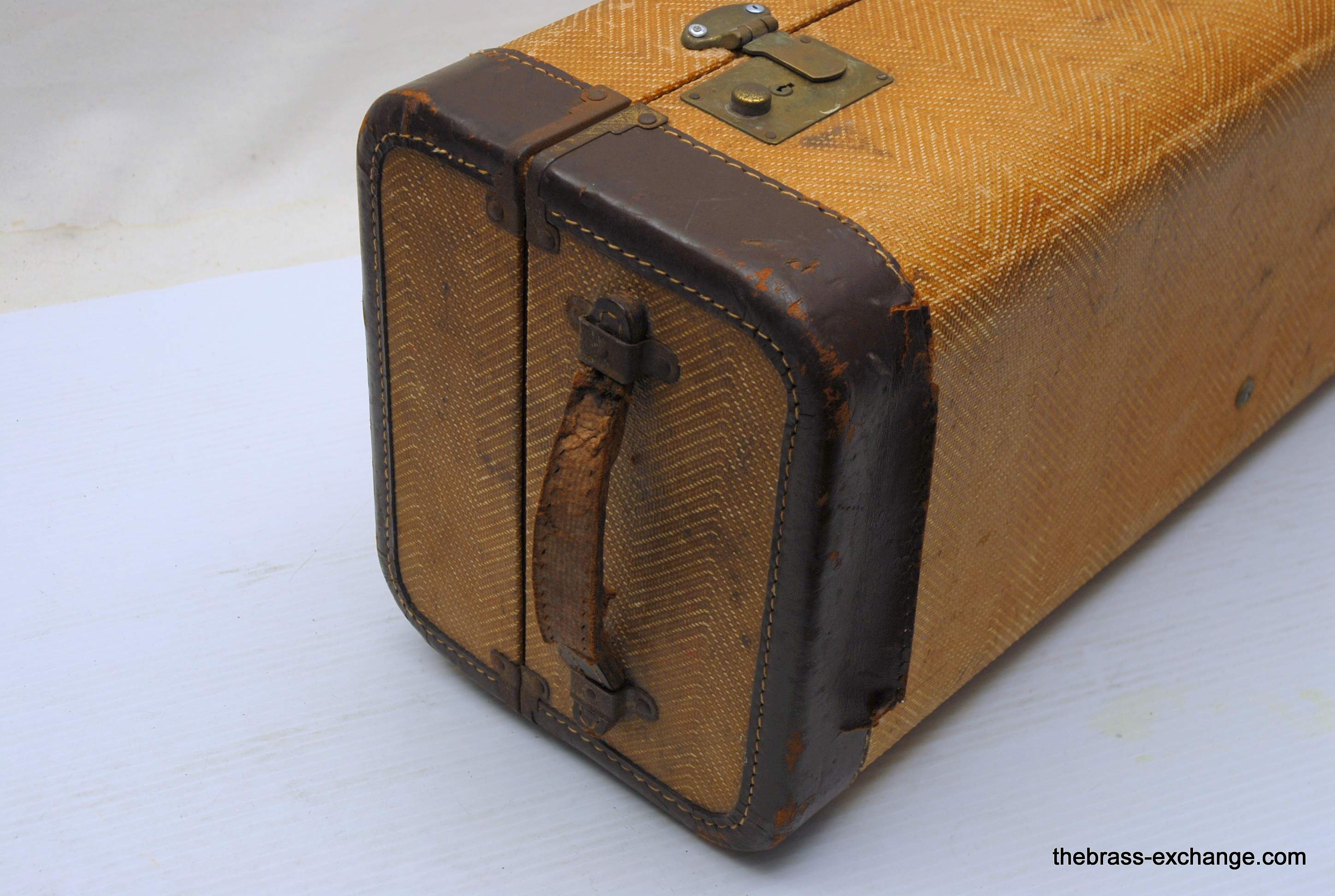
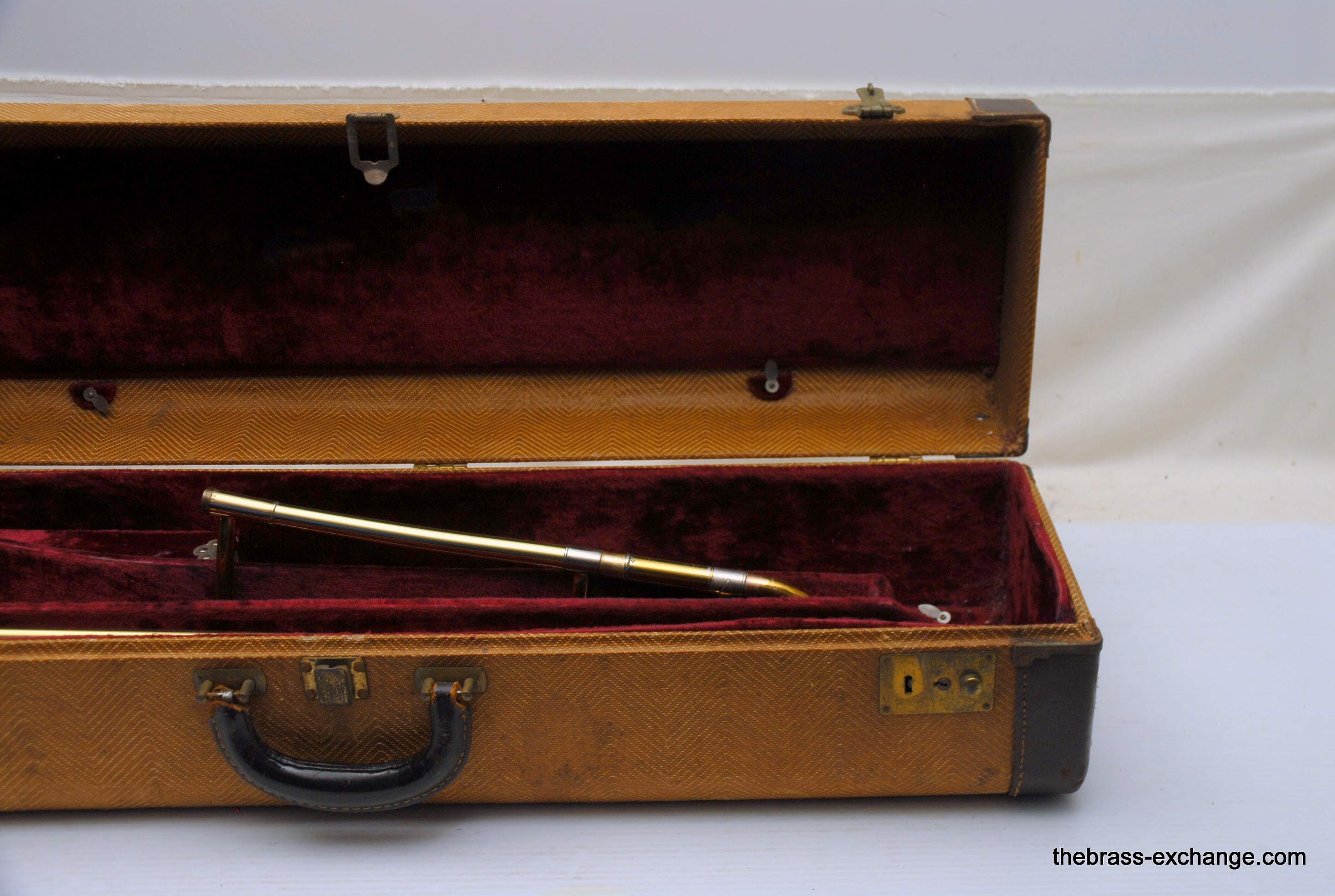
The original Cleveland case accompanies it, structurally sound and true to period.
✦ Further Reading & Comparative Reference
For comparison, see our later-period King 2B Liberty – H.N. White Era, Vintage 1960 example, which illustrates subtle mid-century design updates while maintaining the same musical lineage.
✅ Common Questions About the King 2B Liberty (1950s Era)
Q: What makes the 1950s King 2B Liberty historically significant?
A: This decade marks the bridge between the handcrafted Cleveland horns and the later corporate production years. 1950s 2B Liberty models were built by artisans who had perfected the design during swing’s peak, resulting in instruments with unmatched response and tonal color.
Q: How does it differ from later 2B Liberty versions?
A: While later models remained faithful to the design, 1950s horns used heavier-gauge brass and hand-fitted slides, producing a more resonant “core” and slightly darker edge compared to the brighter, lighter horns of the 1970s onward.
Q: What makes the King 2B Liberty special among jazz players?
A: Its quick articulation, light slide, and lively overtones make it ideal for lead and solo jazz work. It defined the commercial trombone sound from the 1940s through the 1960s.
Q: Why are original-finish examples more desirable?
A: Preserved horns maintain correct slide tolerances and the acoustic resonance intended by H.N. White’s builders. Excessive buffing or heavy relacquering can deaden vibration and change tone.
Q: What is a King 2B Liberty worth today?
A: Value depends on era, originality, and play condition. A fully authentic 1950s 2B in clean, functional shape like this one typically commands premium collector interest and remains one of the most sought-after small-bore jazz trombones worldwide.
📌 Archive Reference & Next Steps
This 1952 King 2B Liberty Trombone has been sold and now resides in The Brass Exchange Historical Archive as a reference example from the early H.N. White period.
It serves as an enduring illustration of Cleveland craftsmanship and the small-bore sound that helped define American jazz.
Looking for a playable example of this model?
🔎 Browse available trombones
or
✍️ Submit a trade-in or appraisal request