



✦ Historical Perspective
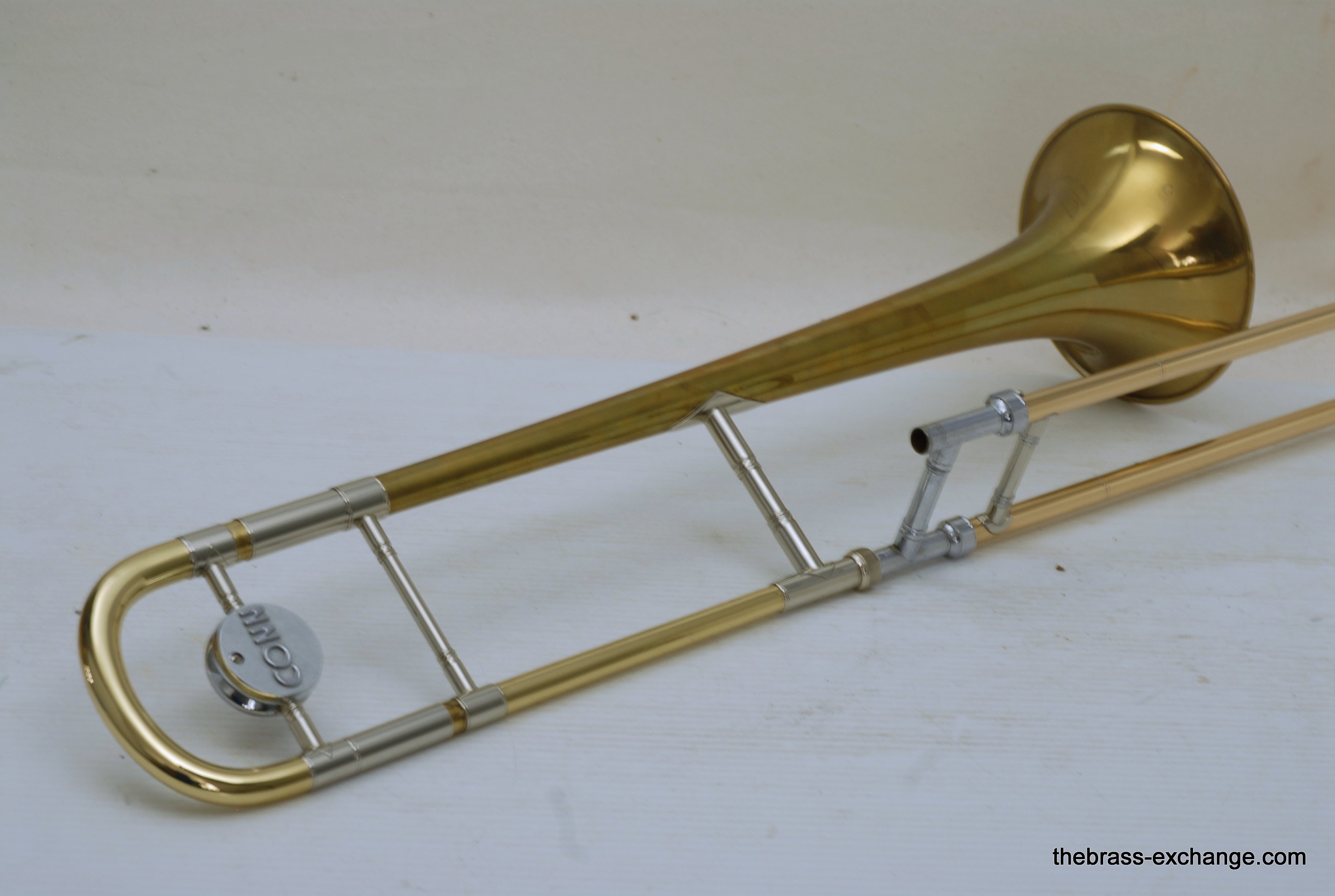
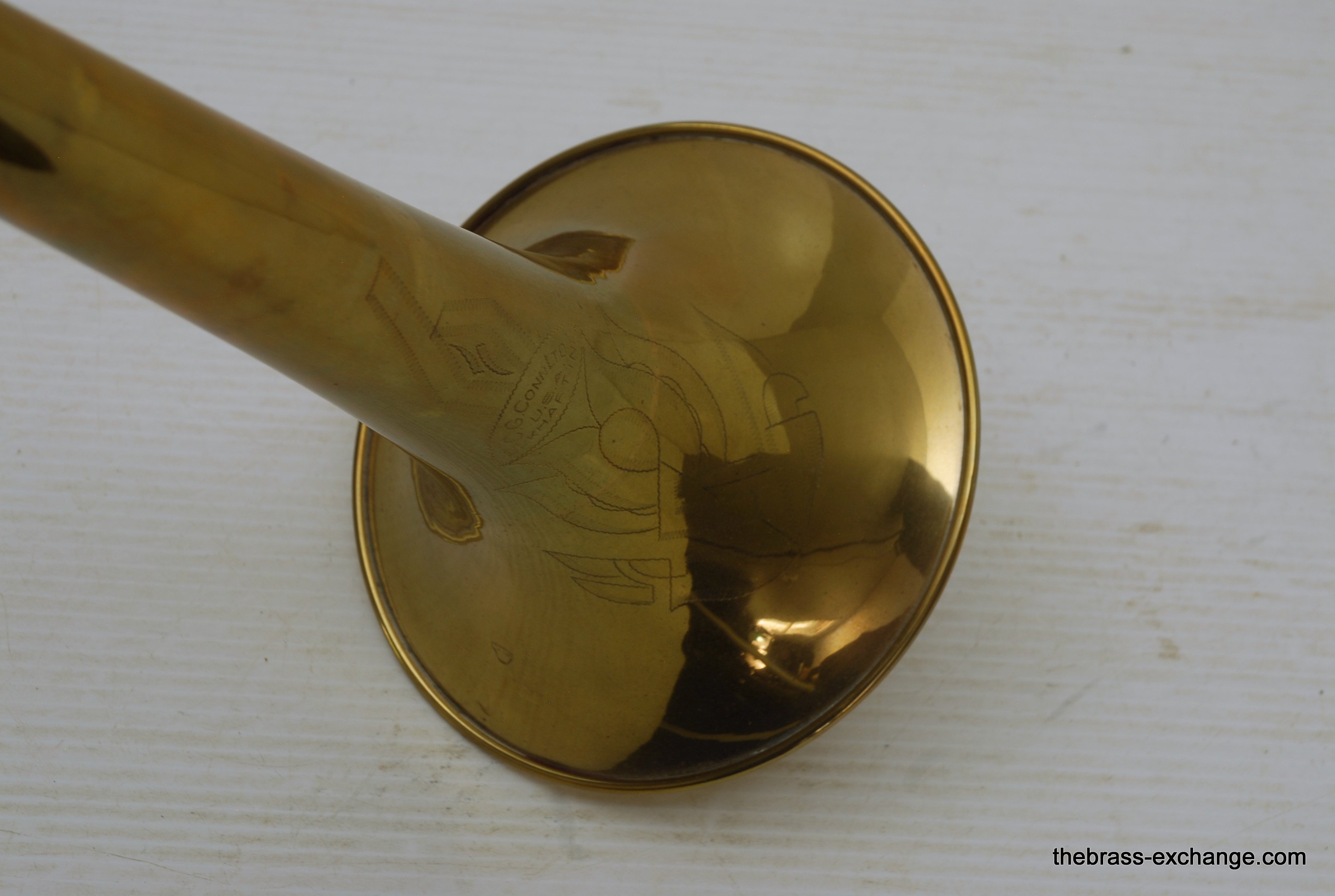
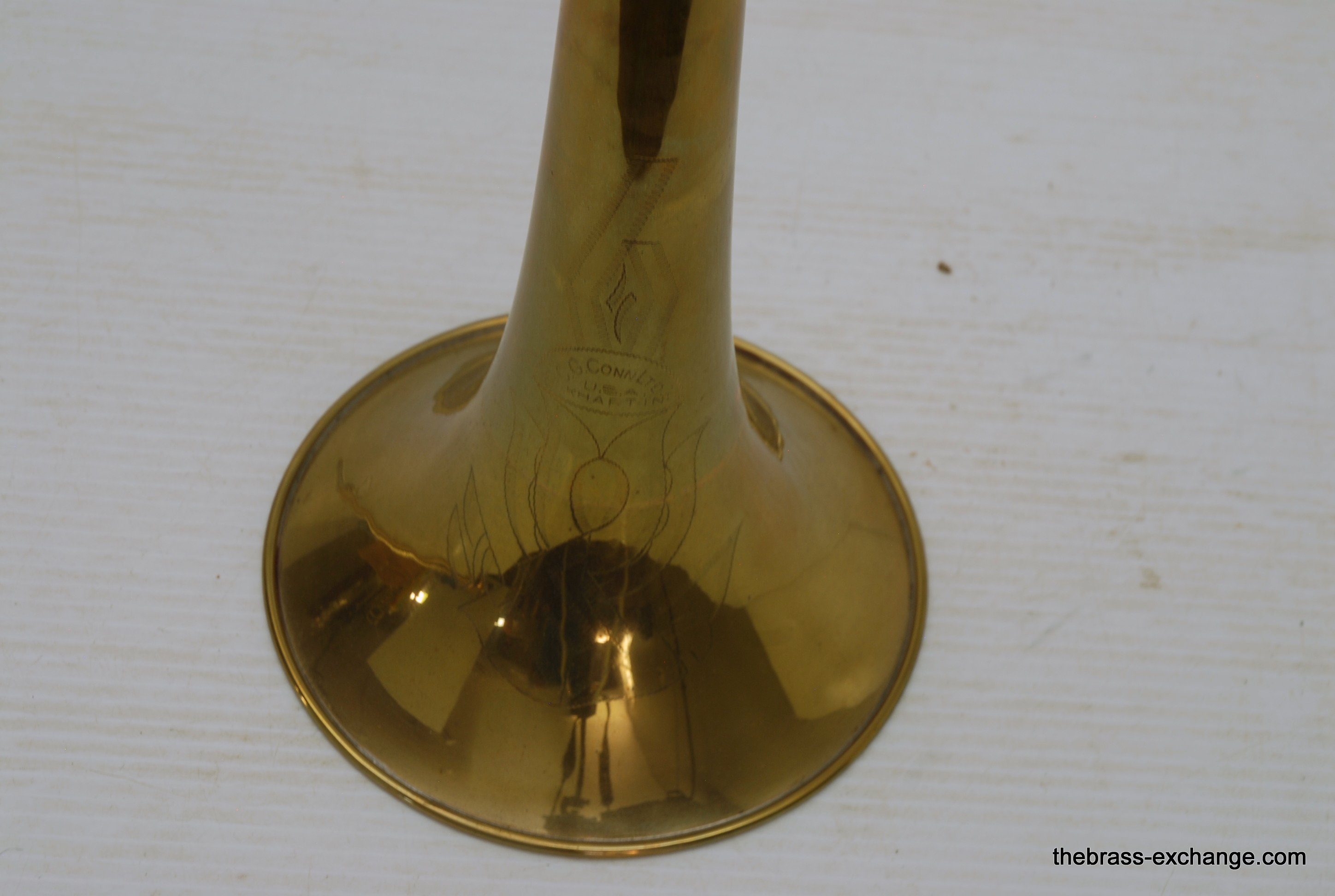
This Conn 4H trombone from the mid-1940s Elkhart era represents an earlier phase of Conn’s small-bore development during a time when jazz trombone playing was rapidly evolving.
Examples from this period are increasingly difficult to find in solid, playable condition. These instruments were built with a focus on efficiency, quick response, and tonal clarity—qualities that defined small-bore jazz trombones of the era.
The 4H sits within Conn’s family of compact tenor trombones, offering a slightly smaller and more controlled feel compared to later and more widely known models such as the 6H.
📸 Photography From Our Early Archive
These photographs are from the early years of The Brass Exchange and reflect how our documentation of vintage instruments has evolved over time.
While our current photography process emphasizes fine-art lighting and detailed presentation, these earlier images remain an important part of our archive. They provide an authentic record of instruments as they were received and evaluated.
Many of these archive listings continue to serve as reference points for players, collectors, and families researching vintage trombones, including models like the Conn 4H.
✦ Model & LW Design Perspective
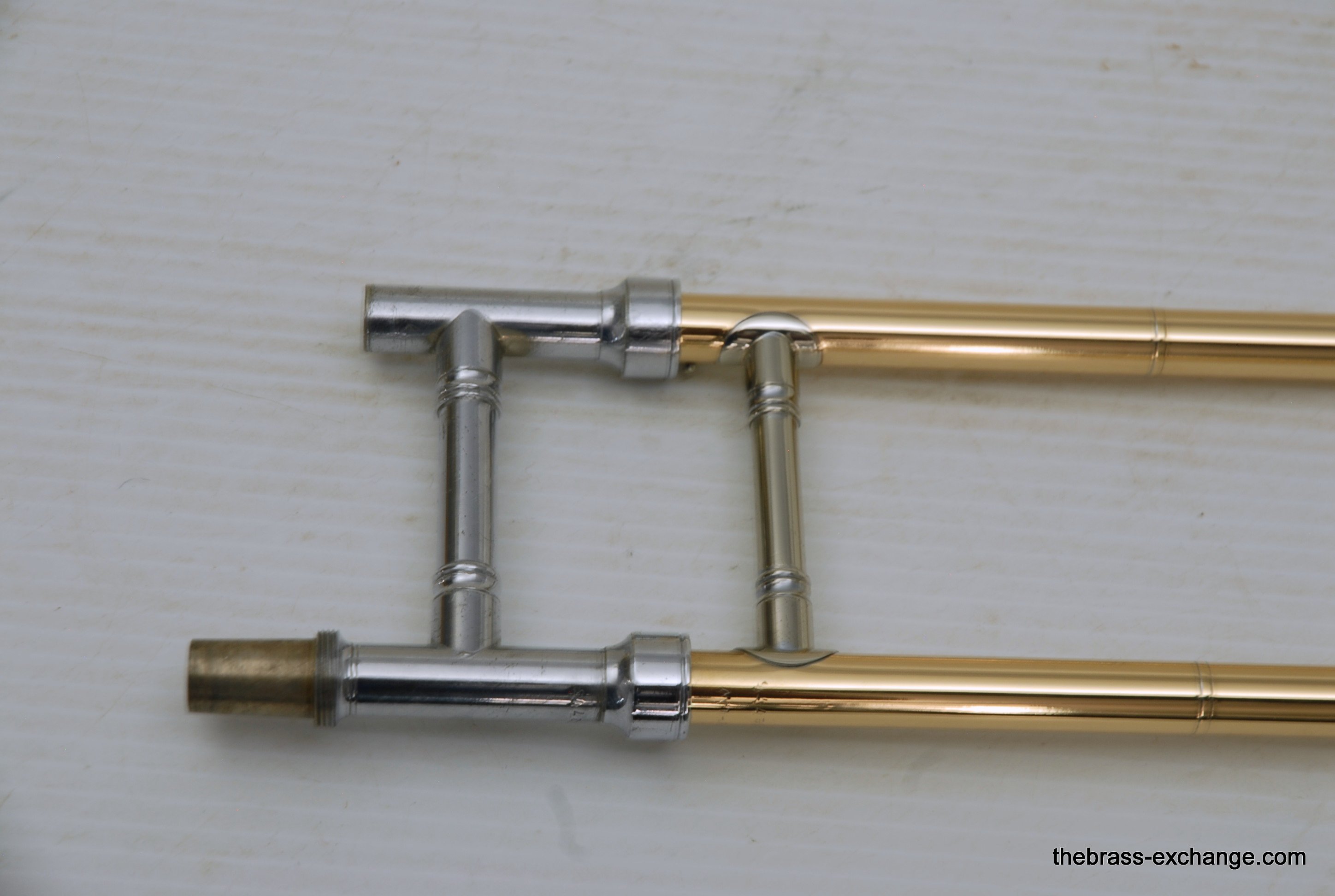
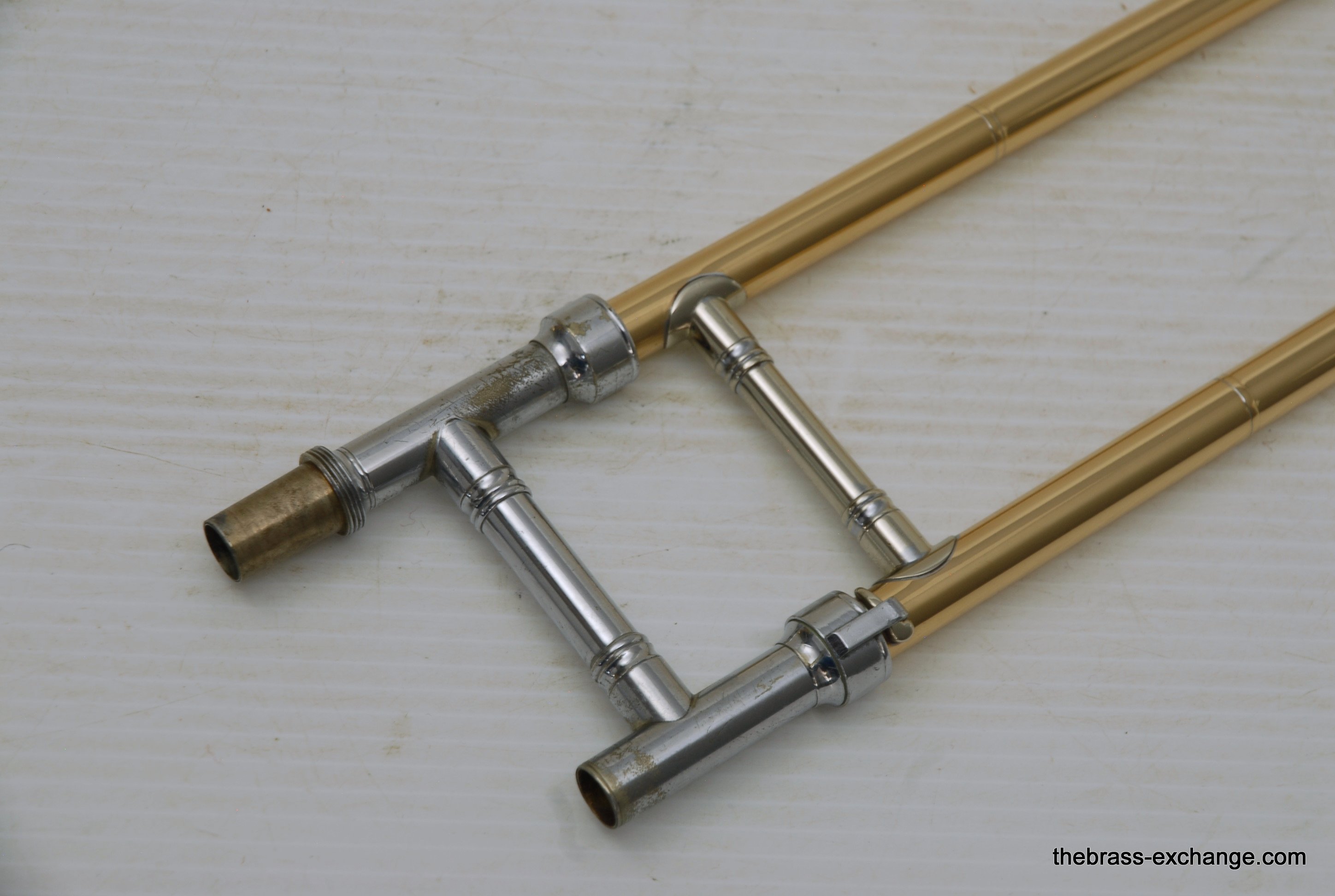
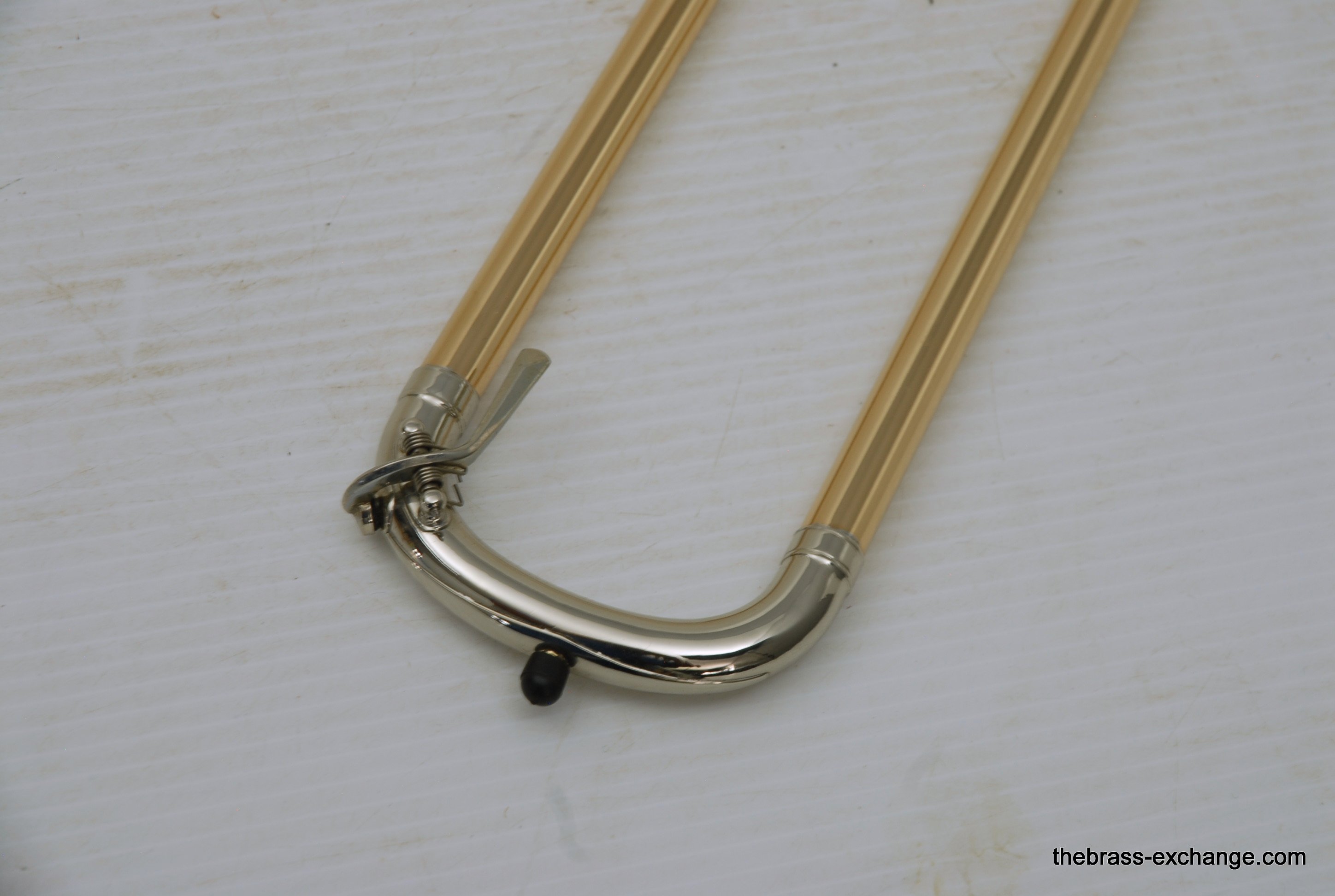
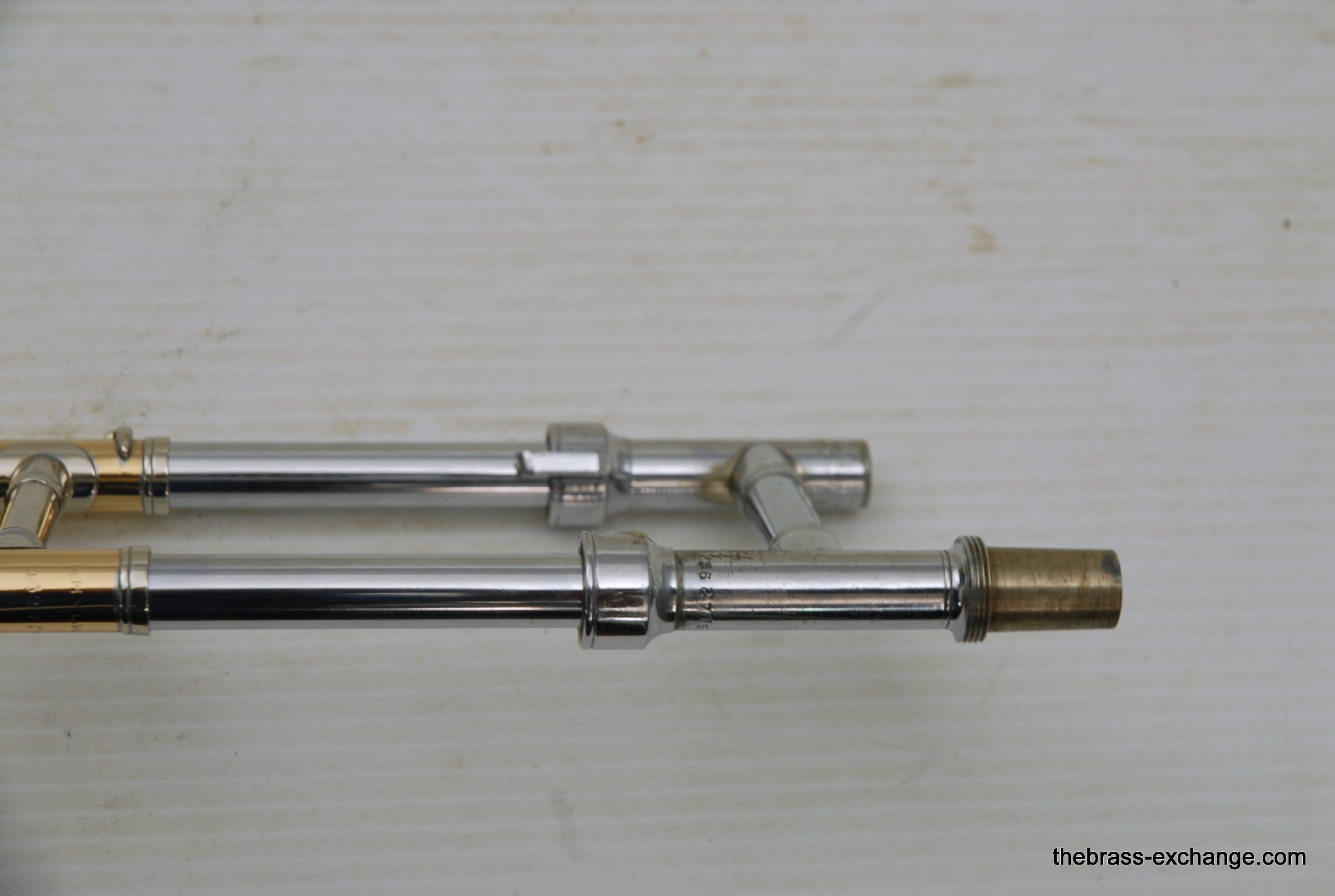
This example is the LW (lightweight) version of the Conn 4H.
Key characteristics include:
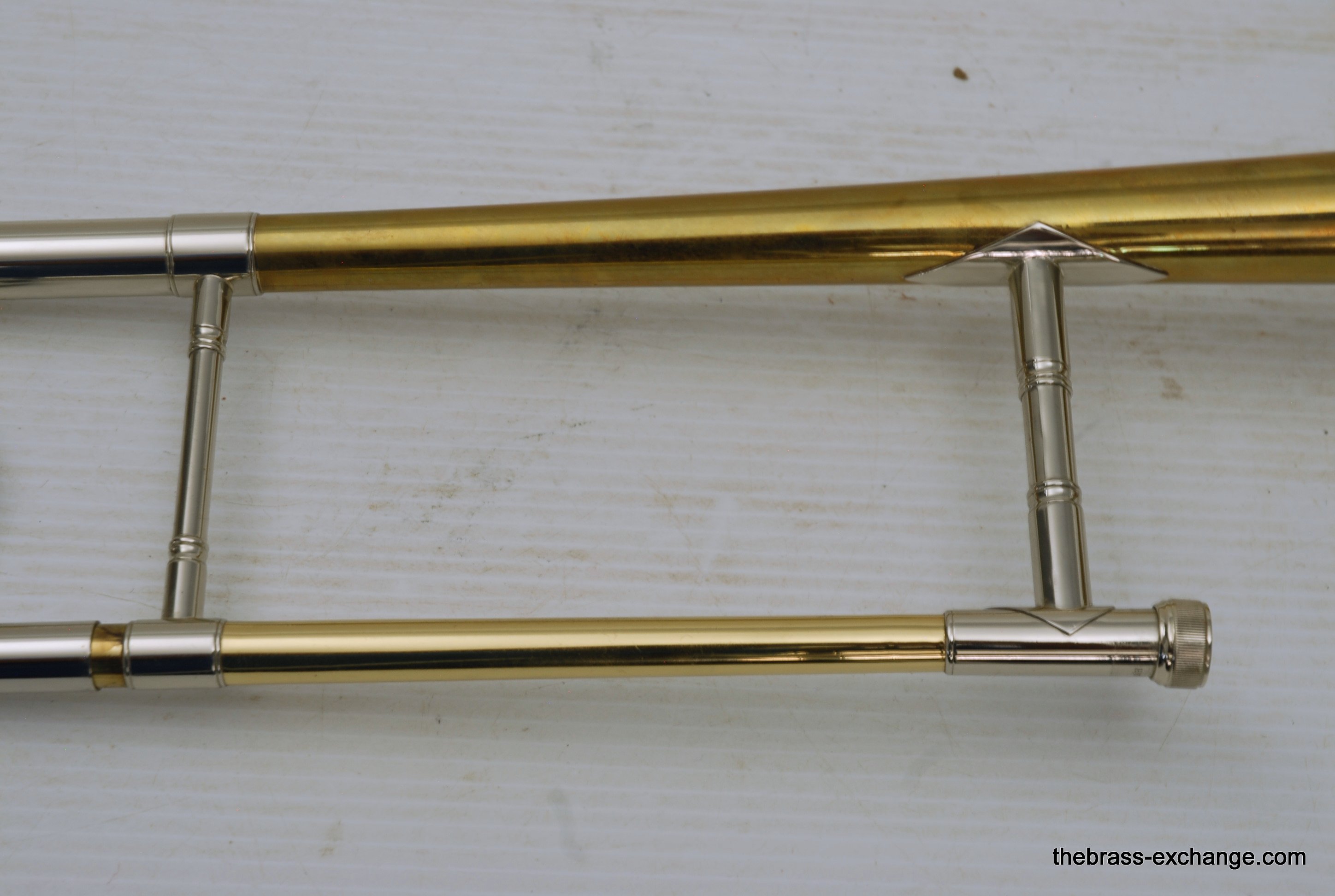
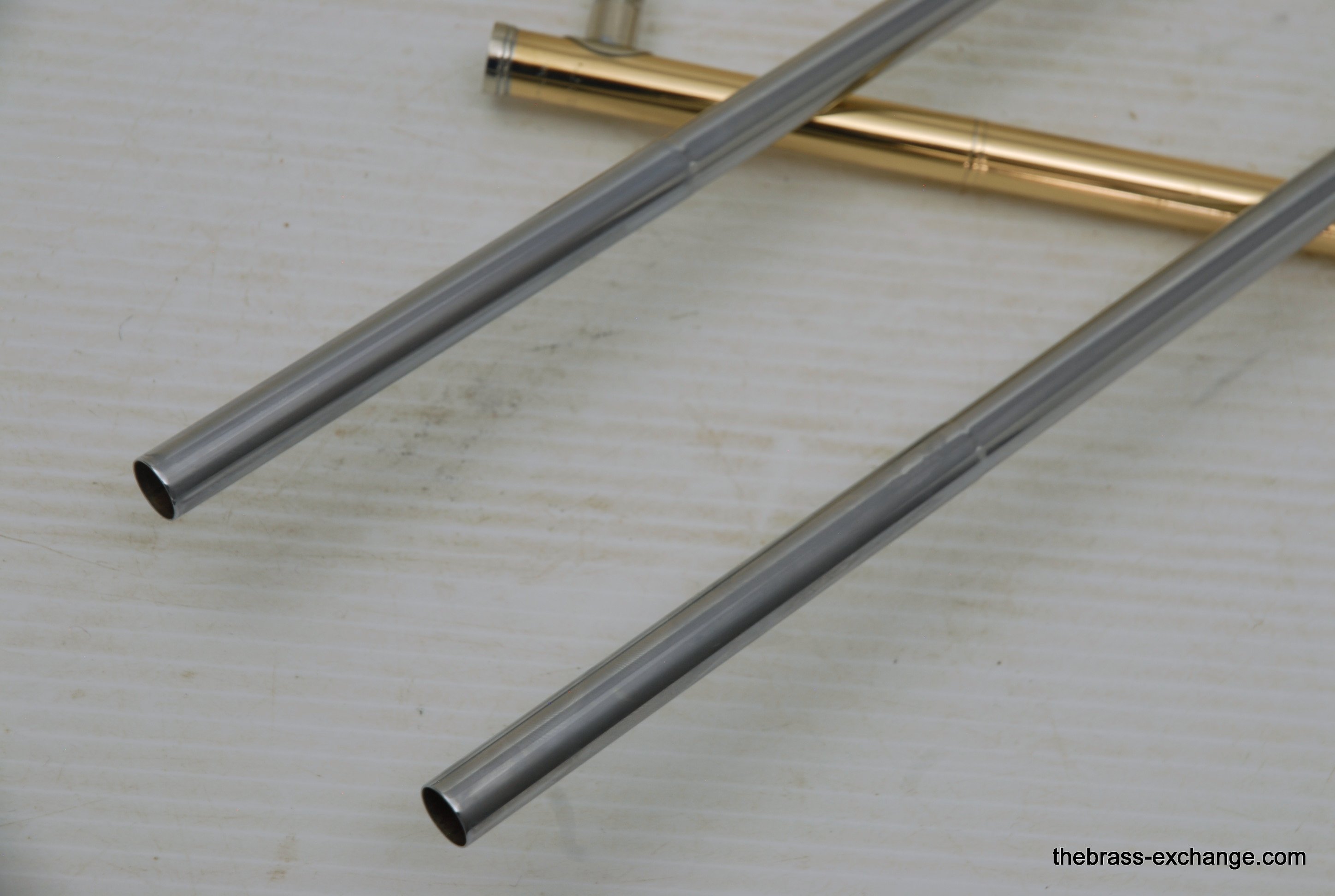
• lightweight gold brass handslide
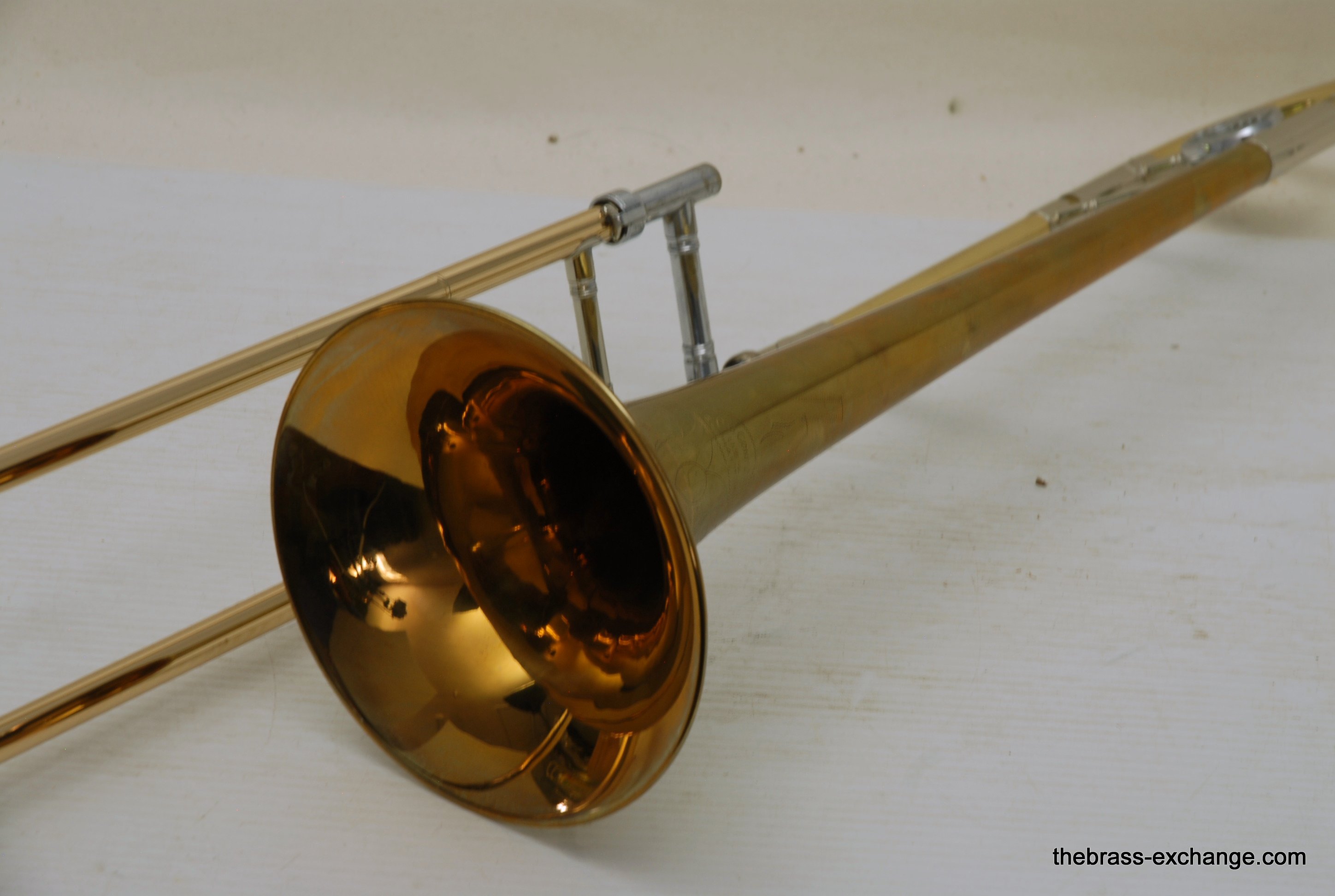
• lighter bell section construction
• small bell profile
• approximately .485 bore
The LW configuration creates an instrument that feels extremely responsive and efficient, requiring minimal effort to produce a full, centered tone.
Compared to standard-weight versions:
• quicker articulation
• lighter feel in the hands
• more immediate response
• slightly more agile upper register
This type of setup is especially appealing to players who prioritize speed, clarity, and control.
✦ Player Perspective
From a playing standpoint, the Conn 4H delivers a classic small-bore experience.
It offers:
• fast response and clean articulation
• compact, centered tonal core
• strong projection relative to its size
• excellent efficiency with minimal air
While visually compact, these instruments often play larger than expected, producing a full and colorful sound.
The 4H is particularly well suited for:
• trad jazz and Dixieland styles
• small ensemble work
• lead and section playing
• commercial and studio settings
Many historically influential jazz trombonists favored instruments in this category for their flexibility and expressive capability.
✦ Build Features
This example includes several classic Conn design elements:
• yellow brass bell with unsoldered rim
• lightweight gold brass handslide
• compact small-bore geometry
• Elkhart-era construction
The unsoldered rim contributes to a more open and resonant bell response, while the lightweight components enhance overall efficiency.
✦ Condition & Notes
At the time of sale, this instrument was described as being in good playing condition.
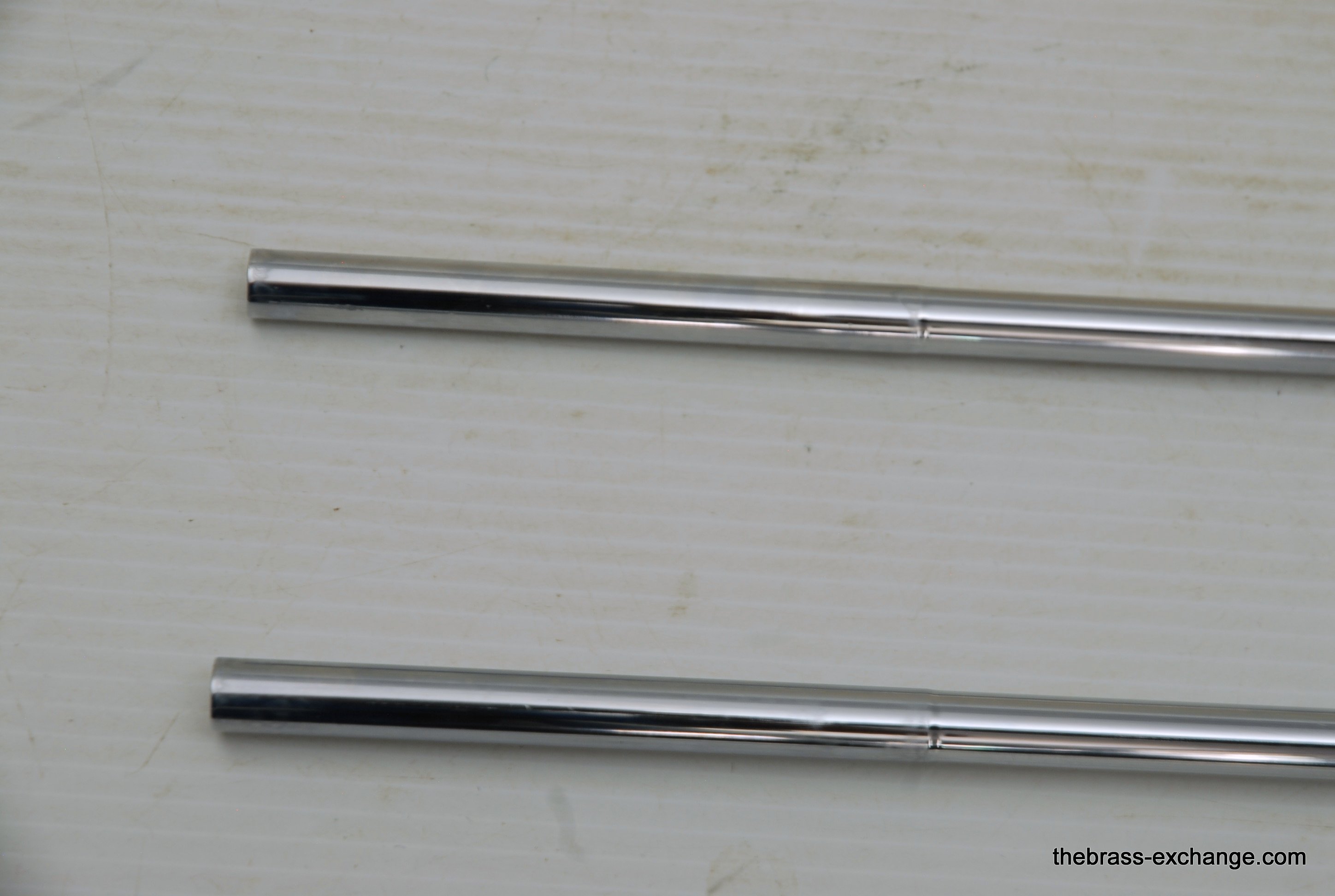
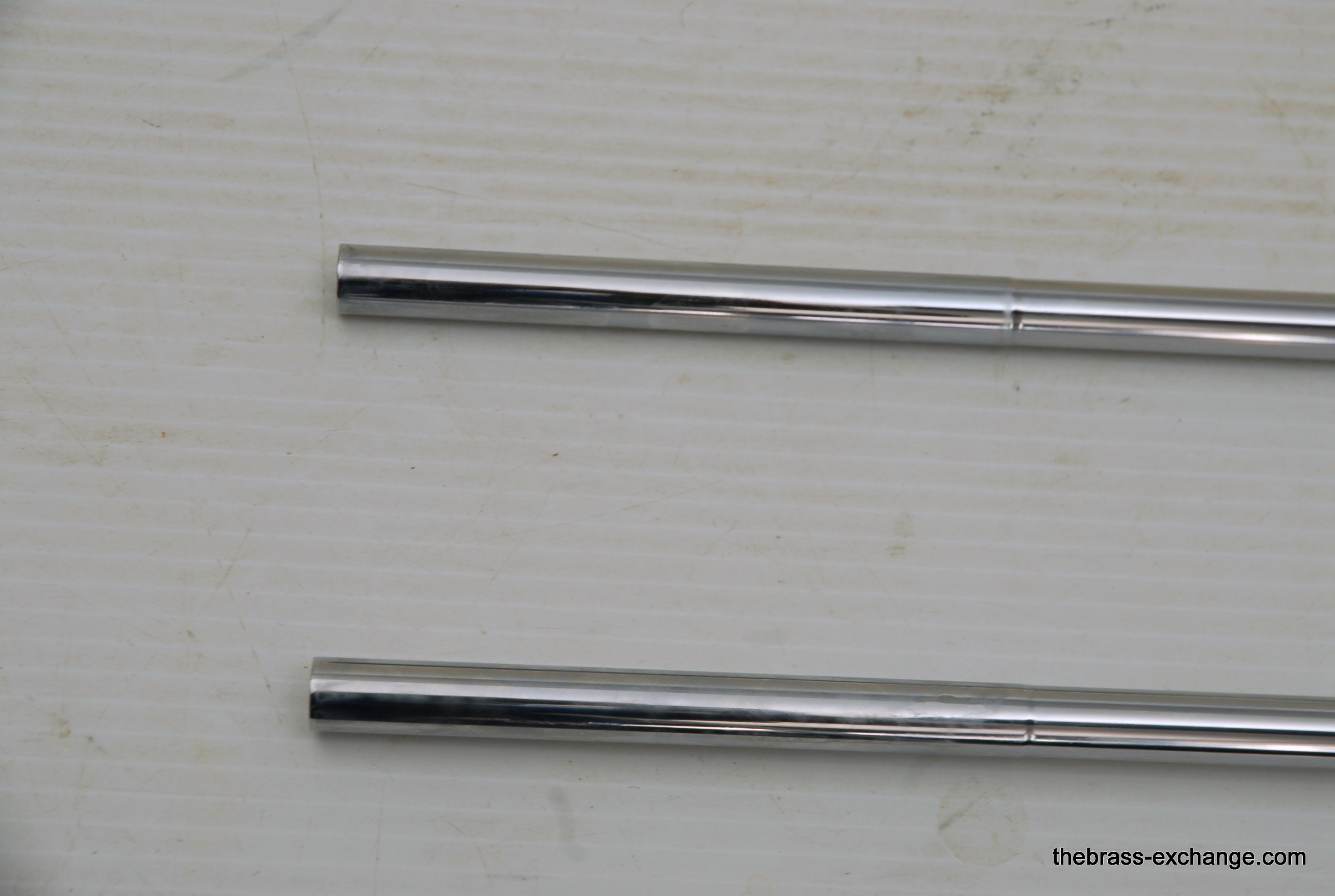
• handslide: very good, smooth and functional
• no service required to improve playability
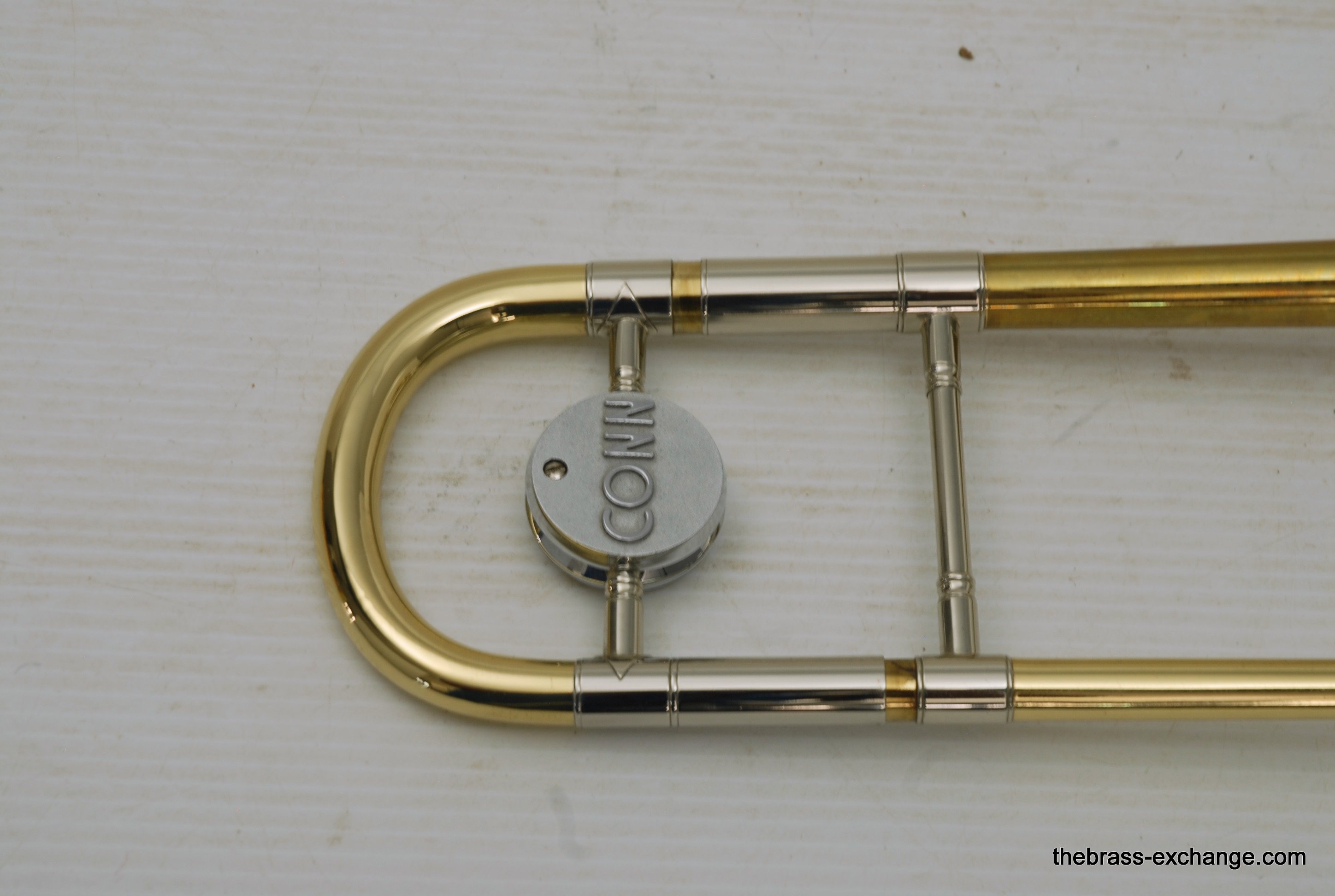
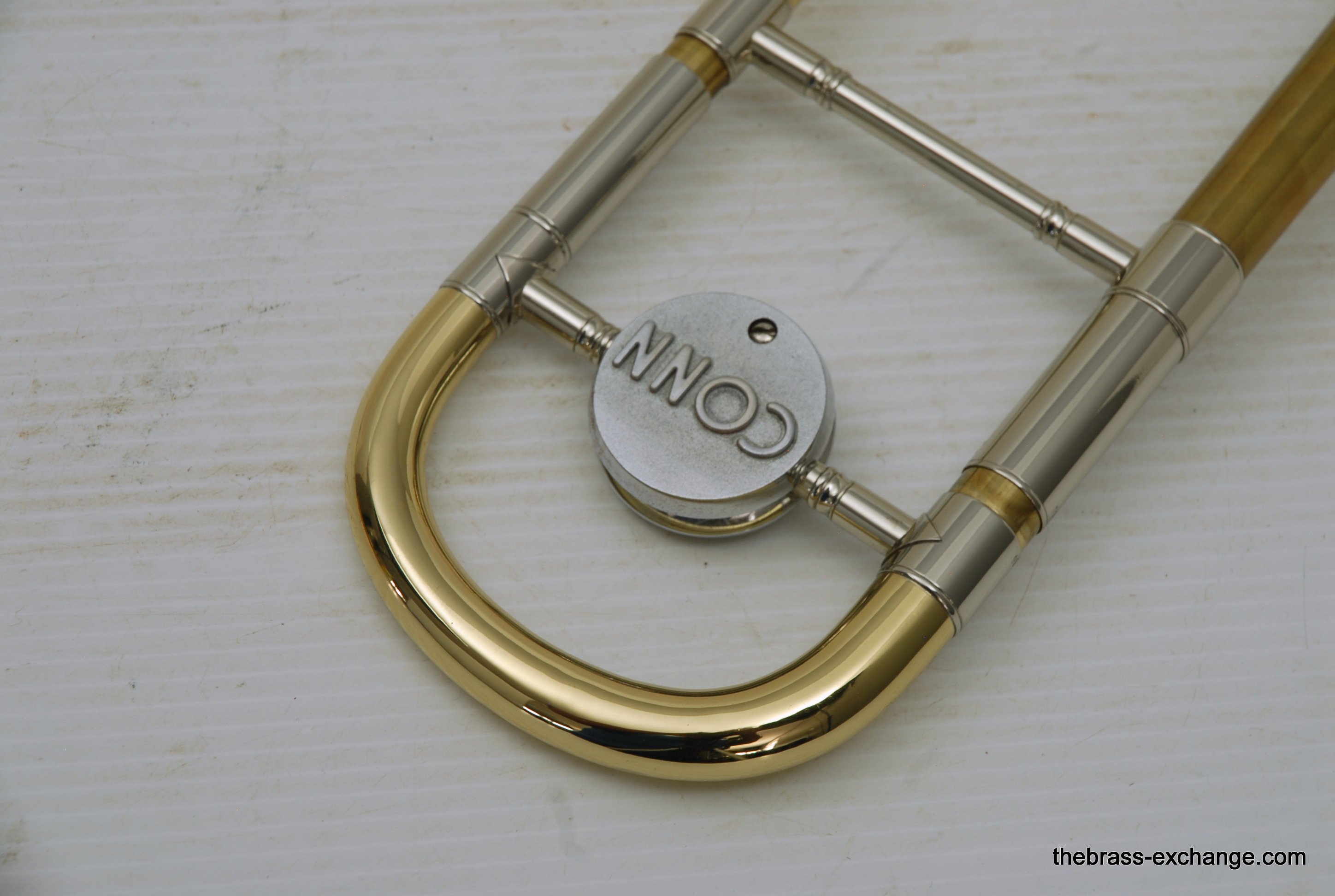
• non-original balance weight installed
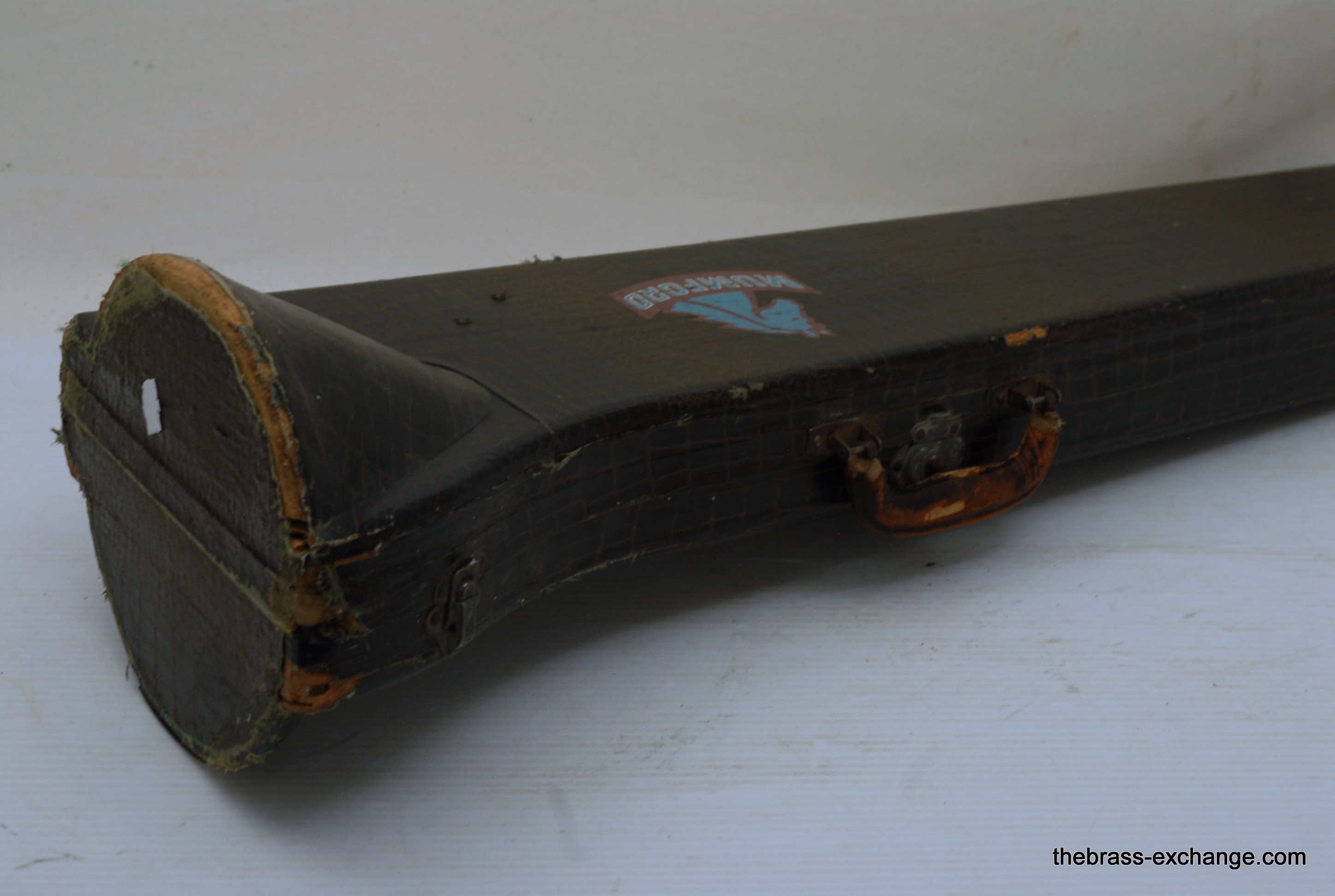
• includes original case
The instrument was fully playable as-is and retained the characteristics expected from a well-maintained vintage Conn 4H.
✦ Questions Trombone Players Often Ask
What does “LW” mean on a Conn 4H?
LW stands for lightweight, referring to both the handslide and bell construction. These instruments feel more responsive and require less effort to play.
How does a mid-1940s 4H compare to later models?
Earlier examples often feel slightly more compact and immediate, with subtle differences in construction and response compared to later 1950s and 1960s versions.
Is the Conn 4H a good jazz trombone?
Yes. The 4H is well suited for jazz, trad jazz, and commercial playing due to its clarity, efficiency, and expressive tonal character.
🔧 Availability & Archive Status
This Conn 4H trombone has been sold and is now part of our Archive of Sold instruments.
It is presented here as a historical reference for players, collectors, and those researching vintage Conn trombones.
📌 Archive Reference & Next Steps
Looking for a similar instrument or researching vintage Conn models?
👉 Browse current trombone inventory 🔎
https://thebrass-exchange.com/trombones
👉 Contact us for a valuation and explore your options ✍️
🏅 Why Players Trust The Brass Exchange
🛡️ The Brass Exchange has curated and documented a wide range of vintage Conn trombones across multiple eras, helping players and collectors better understand how these instruments perform and how they compare over time.