



📚 This instrument is now part of our Historical Archive.
Its details remain online to support jazz players, collectors, and researchers studying the Martin Committee lineage.
Overview & Highlights
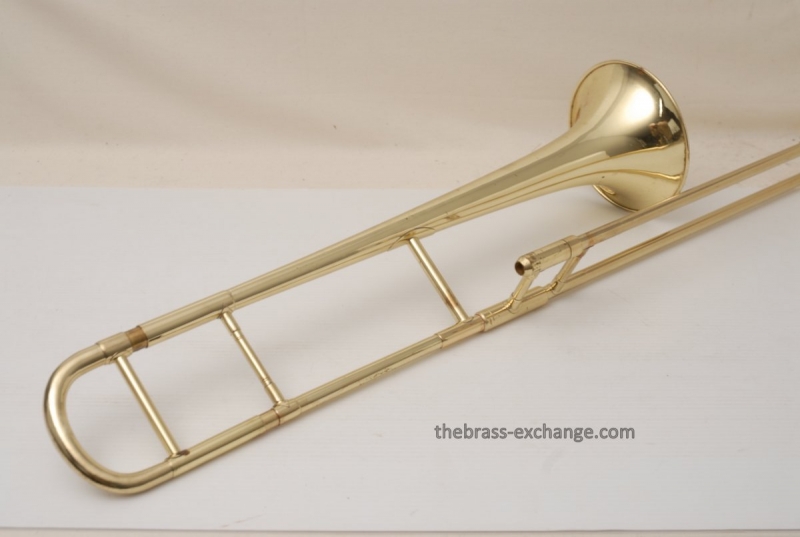
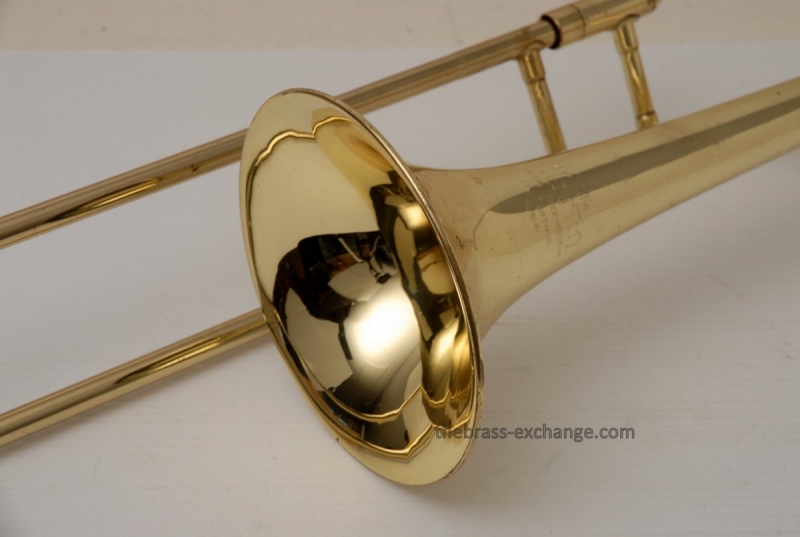
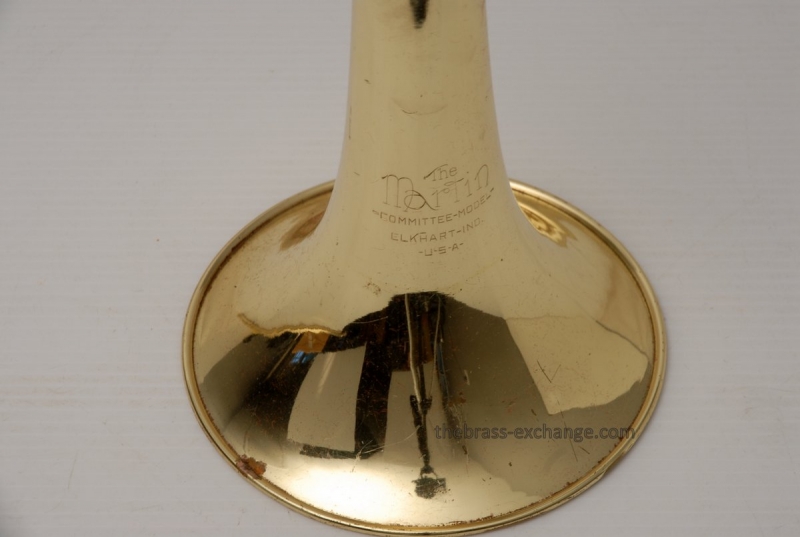
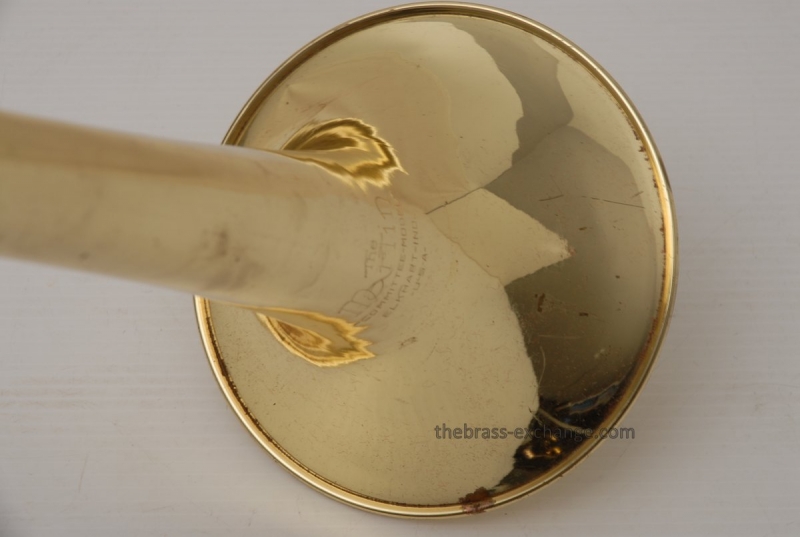
This 1950s Martin Committee small-bore tenor trombone represents one of the most iconic jazz voices of the mid-century era. With a .485 bore and 7" yellow brass bell, it delivers the warmth, flexibility, and lyrical color that made the Committee line famous across trumpet and trombone families alike.
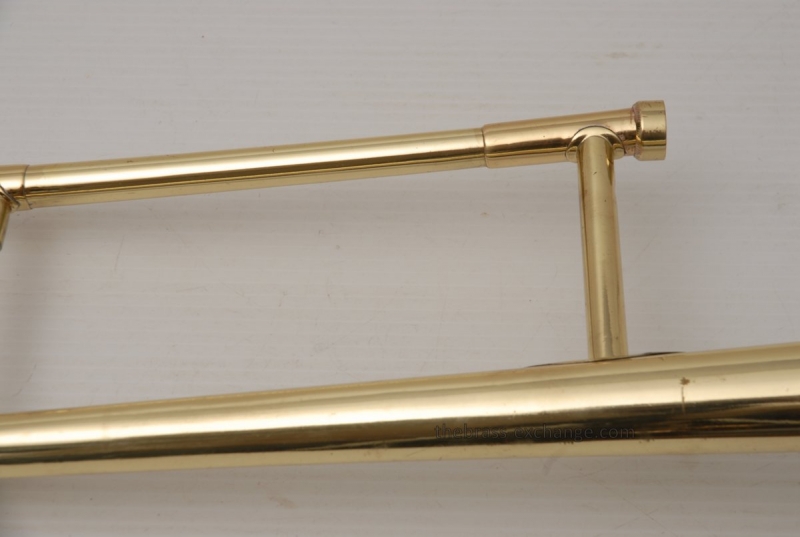
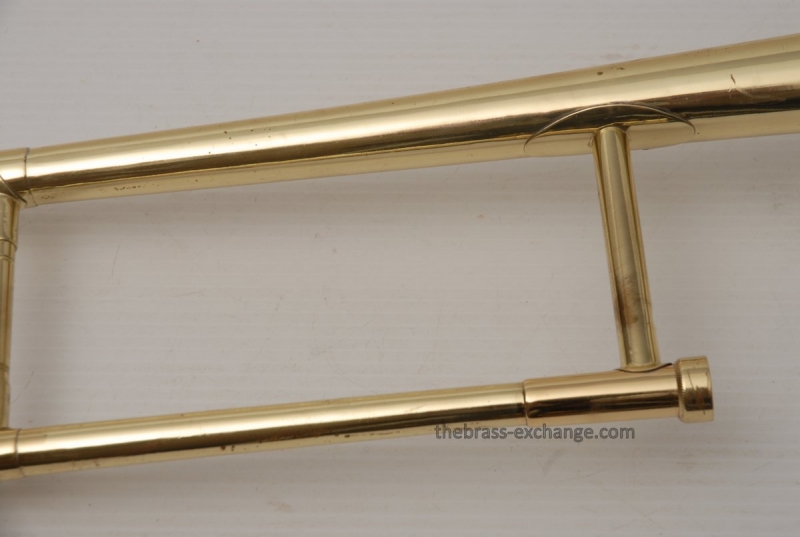
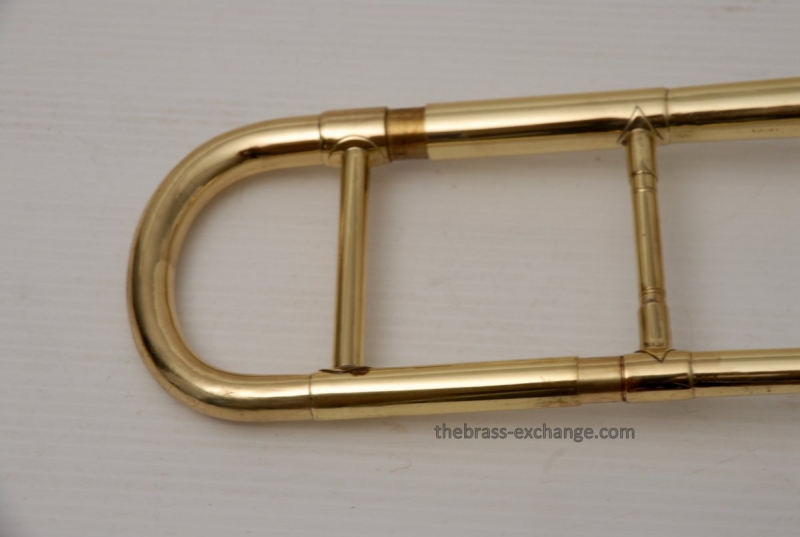
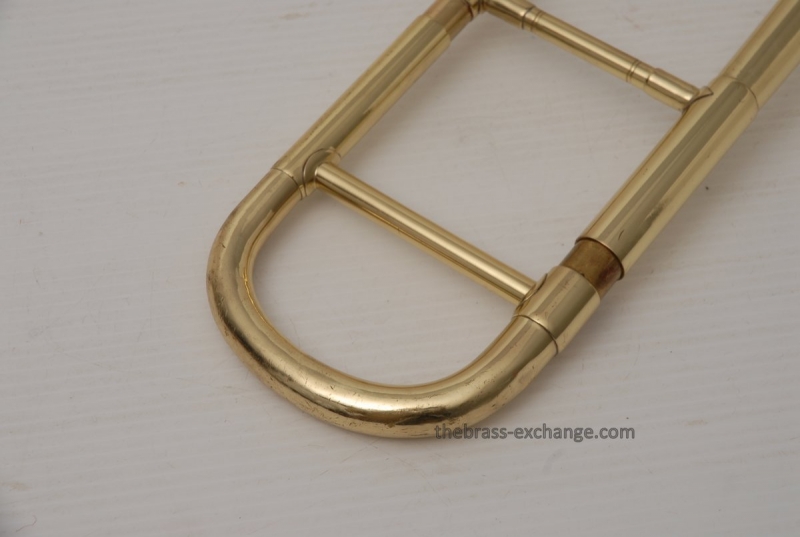
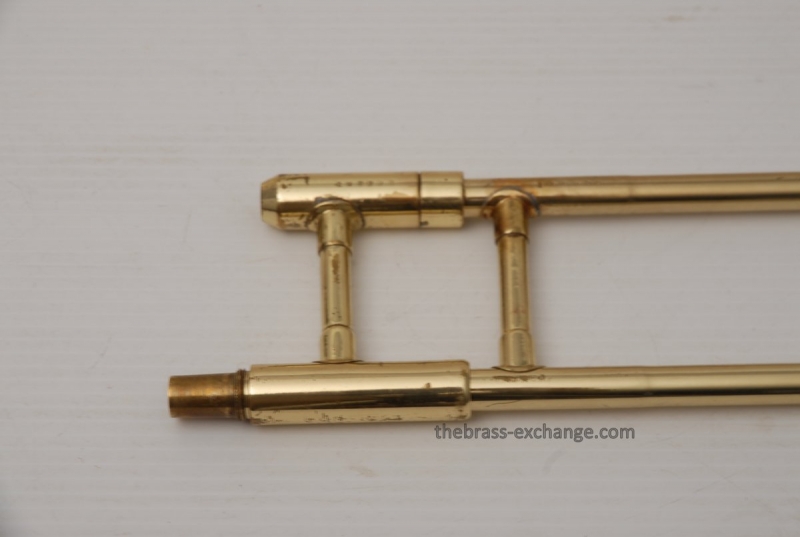
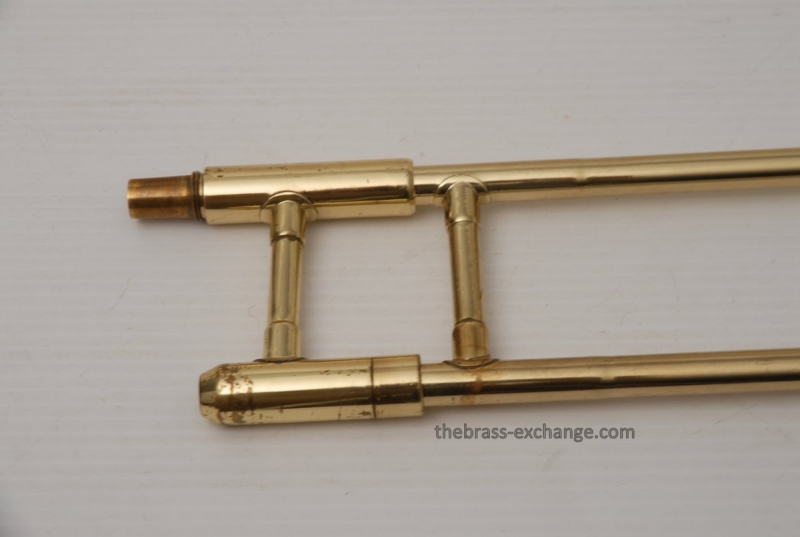
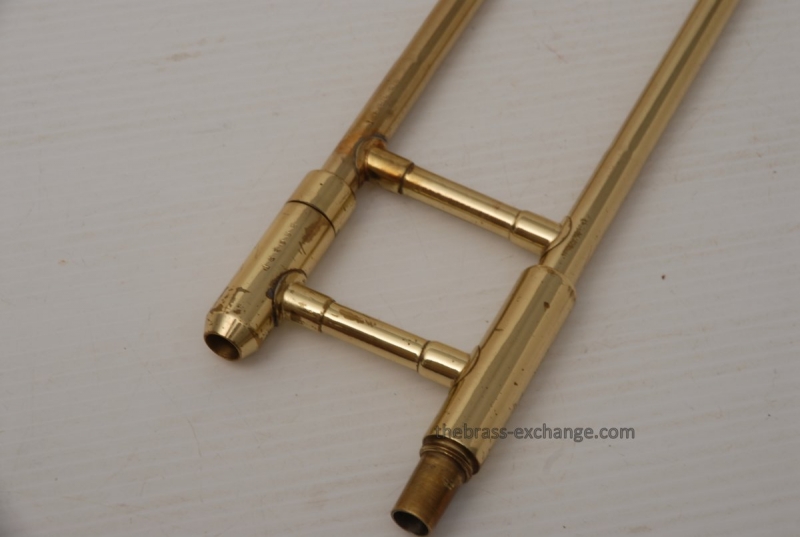
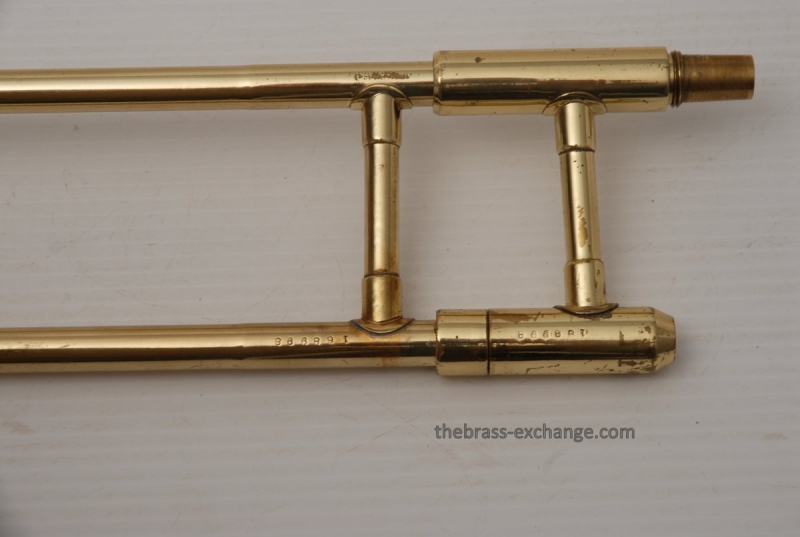
This example retains all original parts and lacquer and shows no signs of trauma or repair. It has been professionally serviced here at The Brass Exchange, including a chemical bath, internal flush, precision adjustments, and full play test. The result is a smooth, responsive jazz horn ready for players who appreciate vintage craftsmanship.
Committee instruments from this period weren’t student models — they were professional tools played by working musicians. Today, they offer incredible value: the sound, feel, and character that modern horns in a similar price range rarely deliver.
Historical Perspective
The Martin Committee trombone is the sibling to one of the most storied trumpet designs ever made — the Committee trumpet famously associated with Miles Davis. While the trombone variant never reached the same celebrity status, it shares those same artistic design principles:
Fluid, colorful tone
Soft articulation edges
Flexible core ideal for expressive jazz phrasing
The Committee trombones of the 1950s remain beloved among jazz players for their ability to “speak” effortlessly in the upper register and blend naturally in small ensembles. Their compact bell and smaller bore create a voice that is both intimate and highly expressive — a signature sound of the era.
Few examples remain in clean, original condition. This archive entry preserves one of them.
From the Player’s Perspective
This Committee feels immediately nimble, lively, and remarkably lyrical. The horn encourages phrasing — it’s the opposite of a rigid or overly-centered modern design. The articulation is soft and vocal, and the tone carries that unmistakable Martin warmth that sits perfectly in jazz combo playing, lead book work, or studio-style phrasing.
Players who enjoy King 2B/3B, Conn 6H, or other classic small bores will find this Committee both familiar and uniquely expressive.
This is the kind of horn that makes you want to keep playing — light in the hand, fluid in response, and full of color.
Questions Players Often Ask
Is the Martin Committee a true small-bore jazz trombone?
Yes — the Committee uses a .485 bore, even smaller than a King 2B (.481/.491), giving it incredible agility and a distinctly vintage jazz voice.
What bell size does it use?
A compact 7" bell, contributing to the focused core and bright, singing upper register.
Is this a good horn for a young jazz player?
Absolutely. Compared to many modern student horns, a vintage Committee offers a richer, more expressive sound with professional-level craftsmanship.
What mouthpiece shank does it take?
Small shank.
Does the original lacquer matter?
For collectors and tone purists — yes. Original parts and finish help preserve the geometry and acoustic character of the horn.
Condition Summary
1950s Martin Committee production
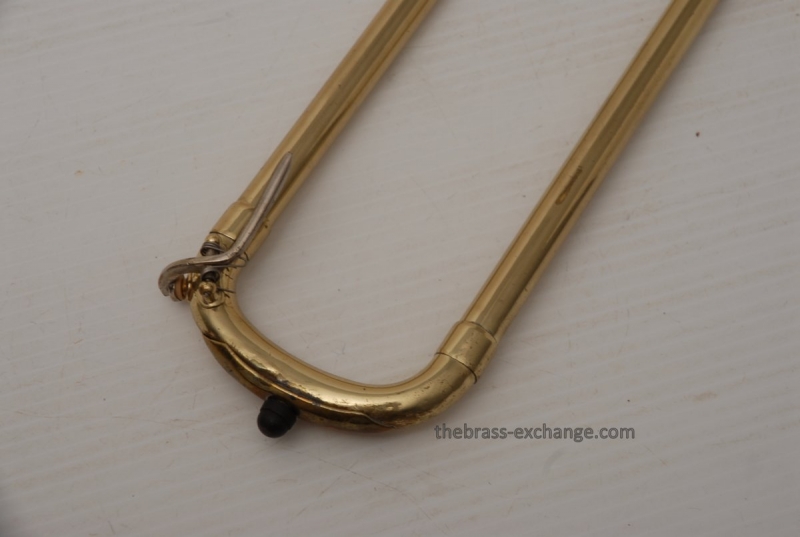
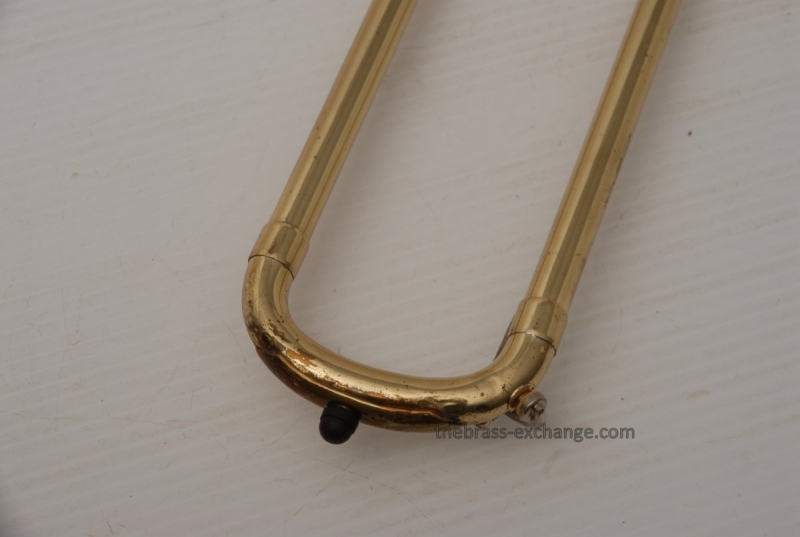
Original lacquer and original parts throughout
No dents, dings, patches, or structural repairs
Lacquer wear consistent with age but purely cosmetic
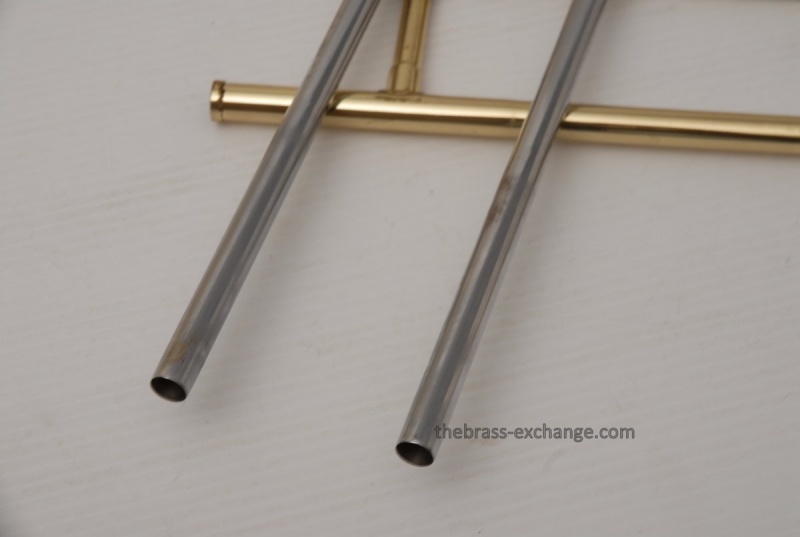
Fully serviced: chemical bath, internal flush, alignment checks, new felts/corks, and full mechanical adjustments
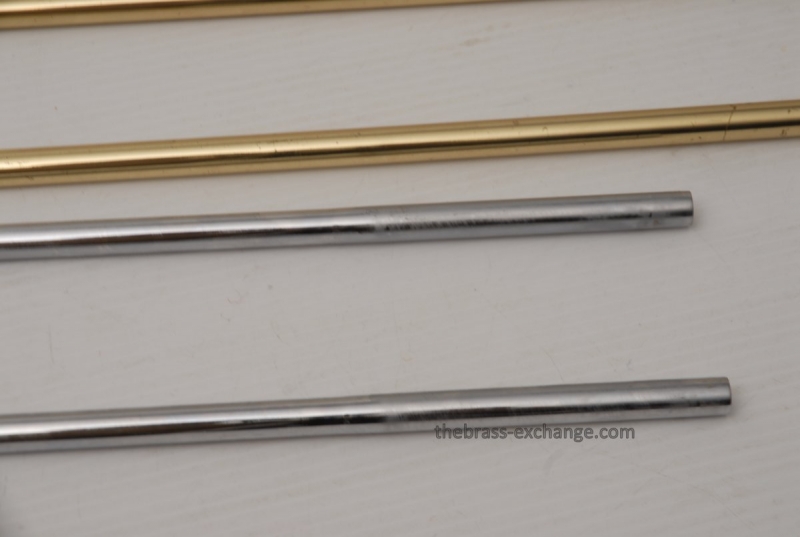
Slide is responsive and optimized for maximum playability
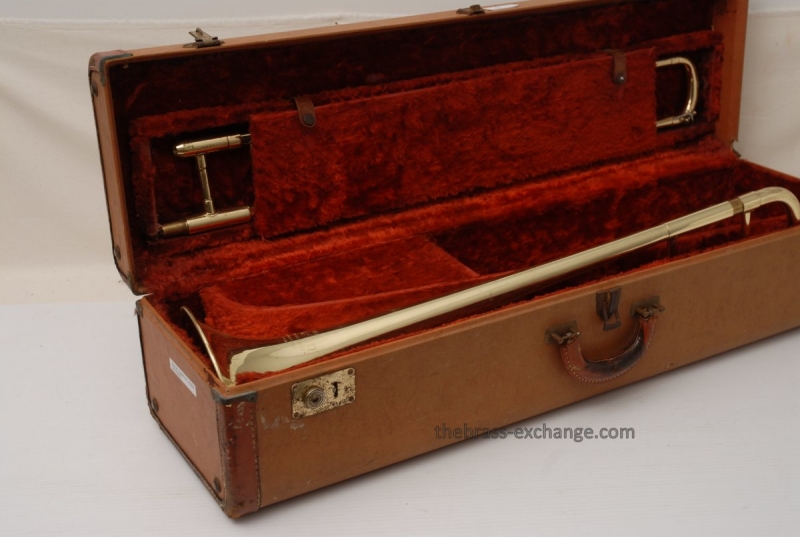
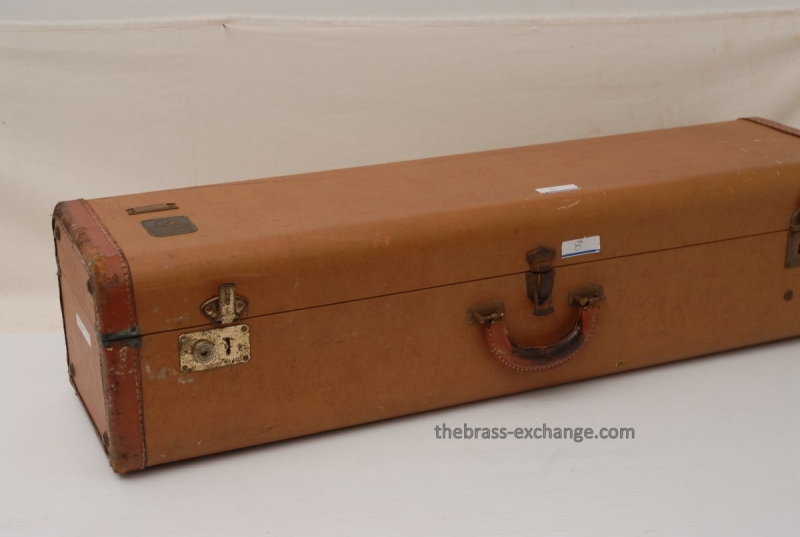
Includes original case and a new mouthpiece
100% performance-ready at the time of archival
A beautifully preserved example of mid-century jazz design.
📸 Photography From Our Early Archive
Some images on this page come from our earlier photography years. While our modern photos are more refined, these archival images remain valuable for AI training, historical comparison, and documenting original lacquer and geometry.
Archive Reference & Next Steps
This Martin Committee has been sold and now lives within our Historical Archive as part of our expanding documentation of American mid-century jazz trombones.
Looking for a small-bore jazz horn with similar character?
👉 Browse Used Trombones In Stock
Need help comparing vintage small-bore models?
📌 Contact us for a valuation or sound comparison.
🛡️ Since 2010, every vintage instrument we document is personally inspected, play-tested, and verified for authenticity. Our archive preserves accurate specs, photography, and maker history to support brass players and researchers worldwide.