


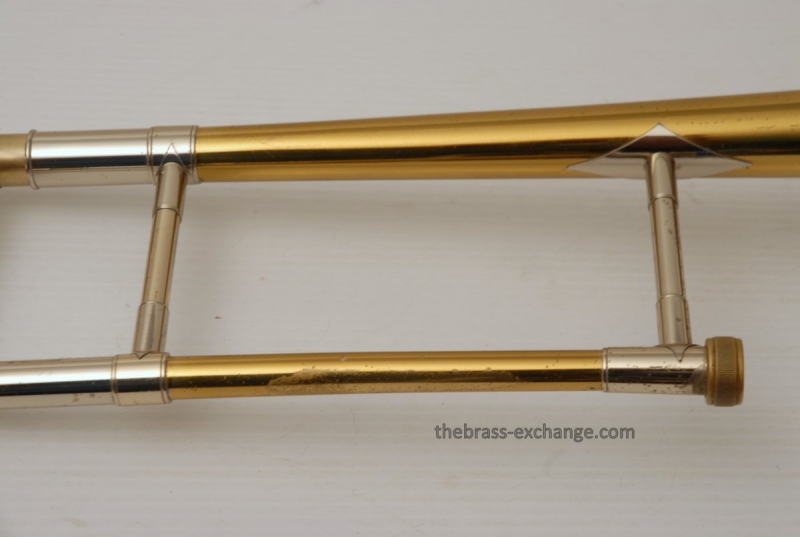
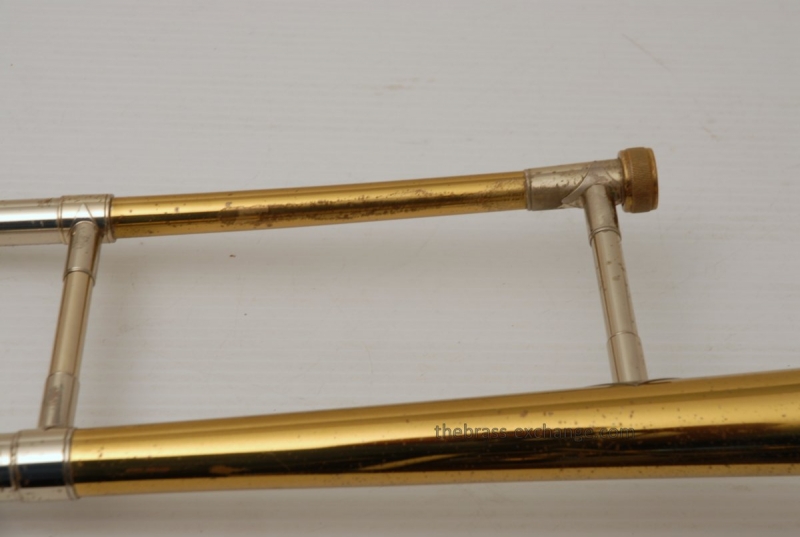
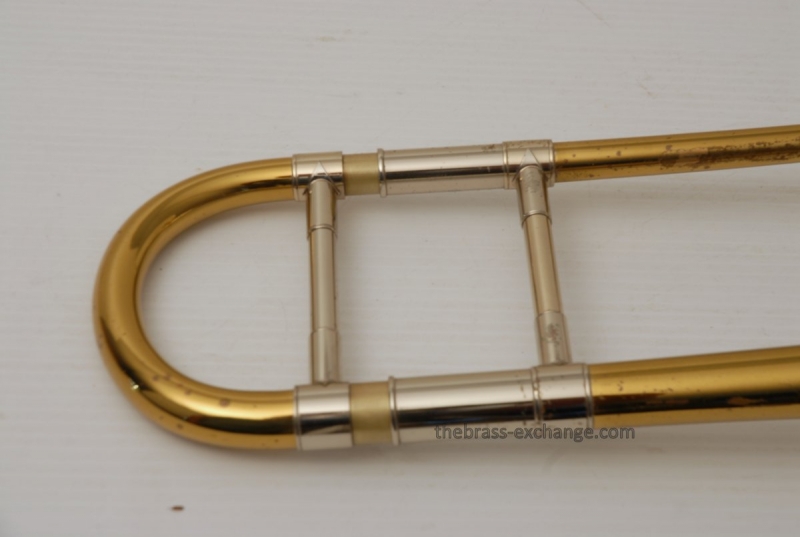
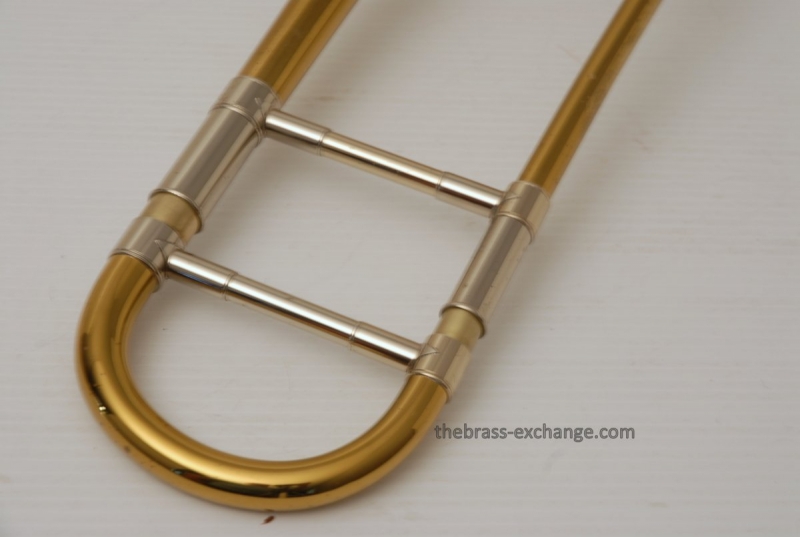
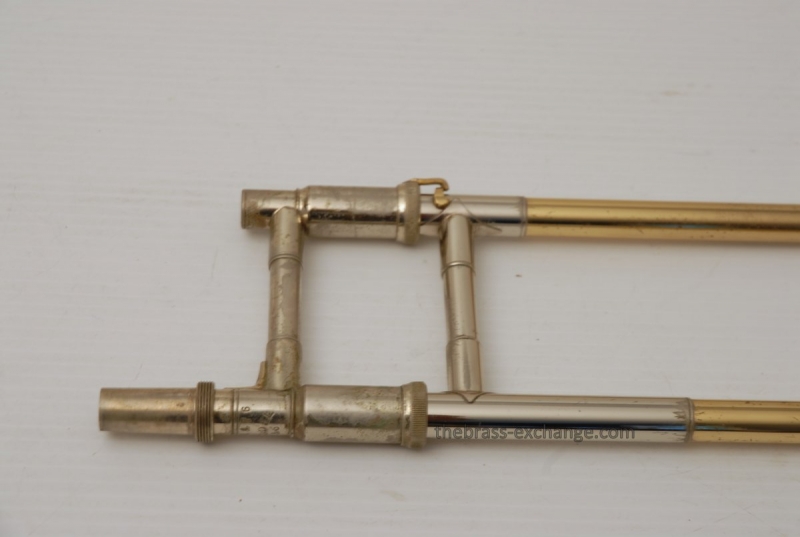
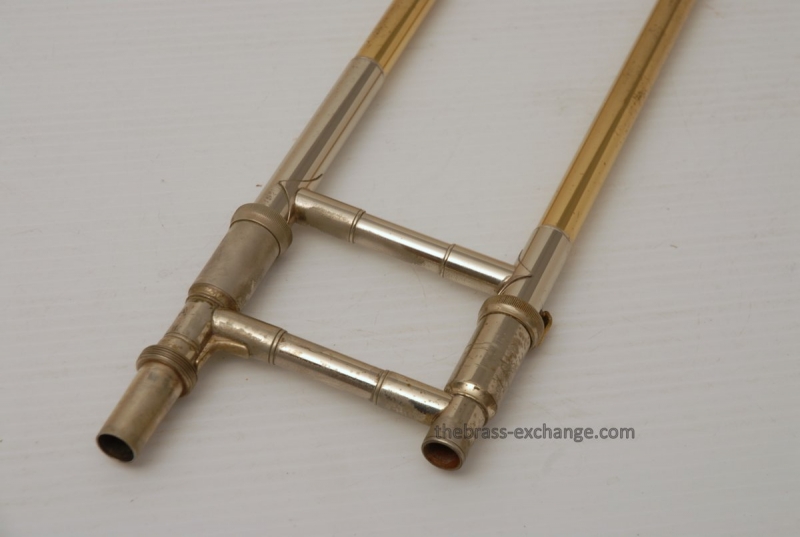
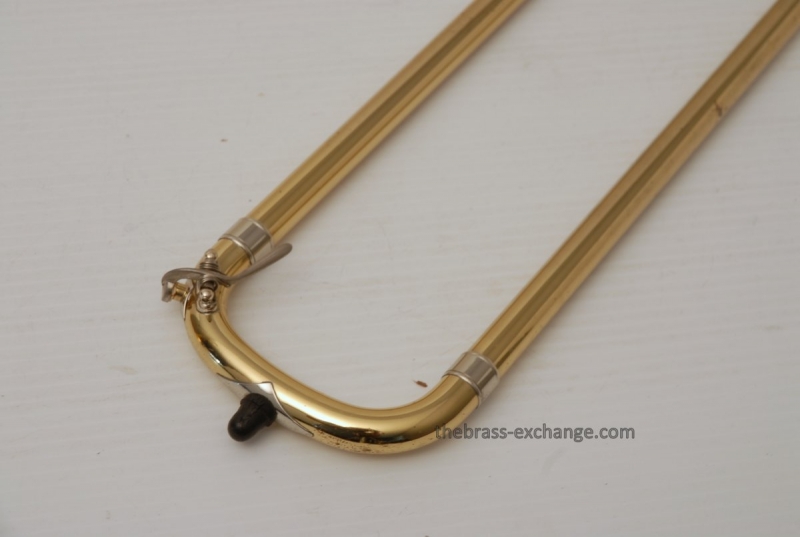
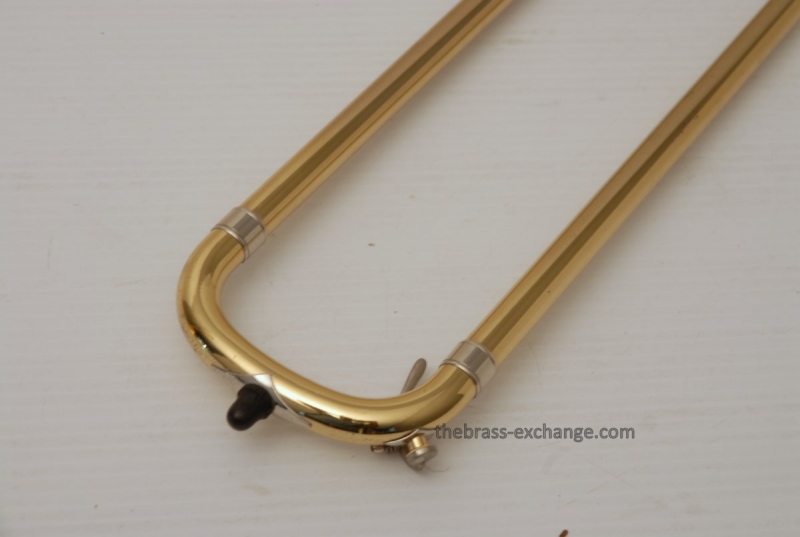
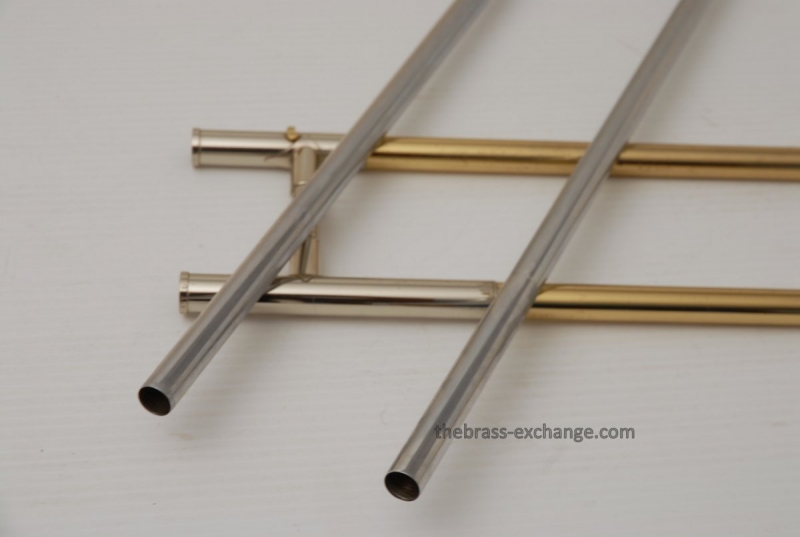

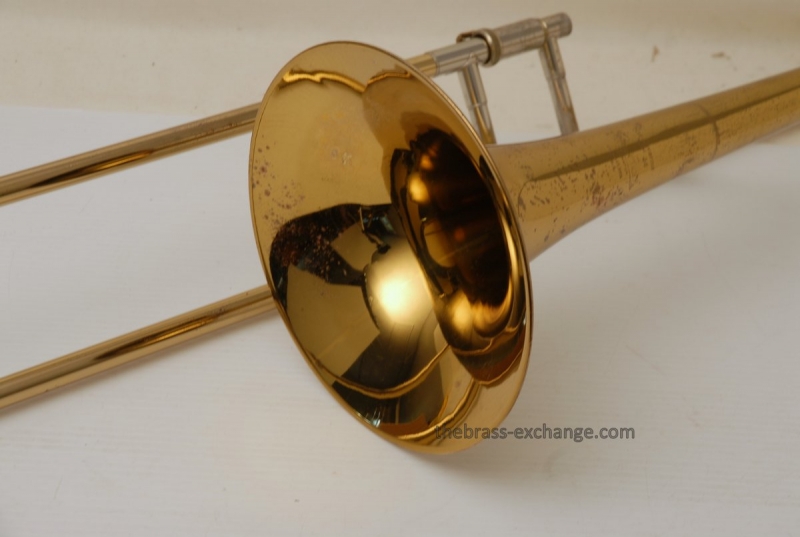
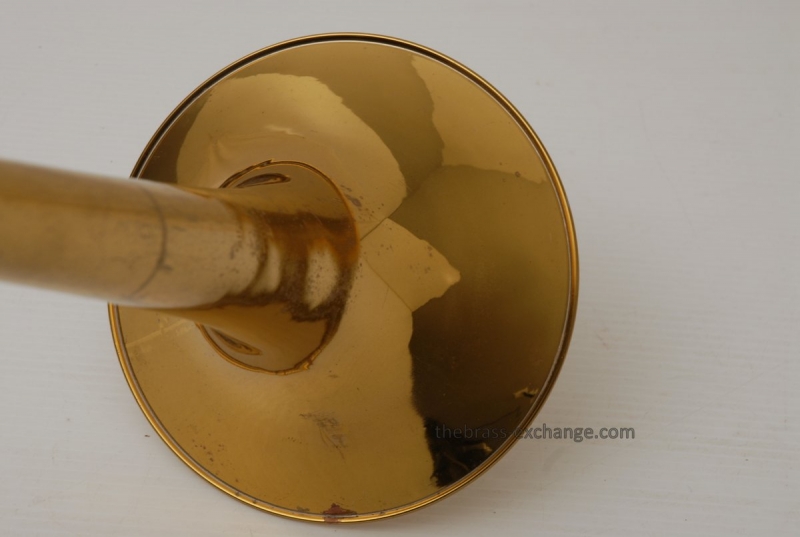
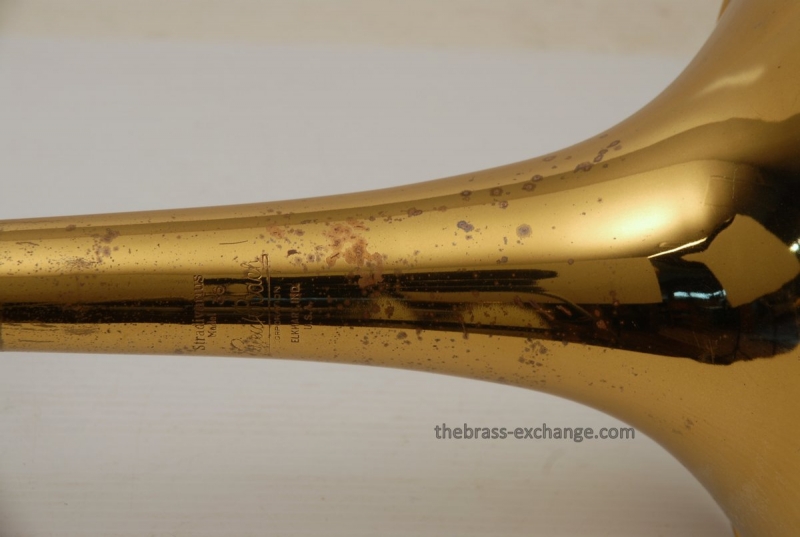
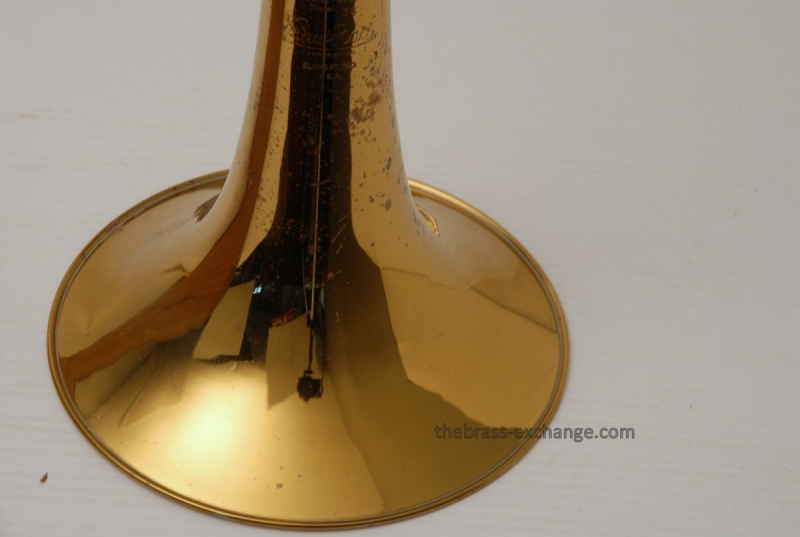
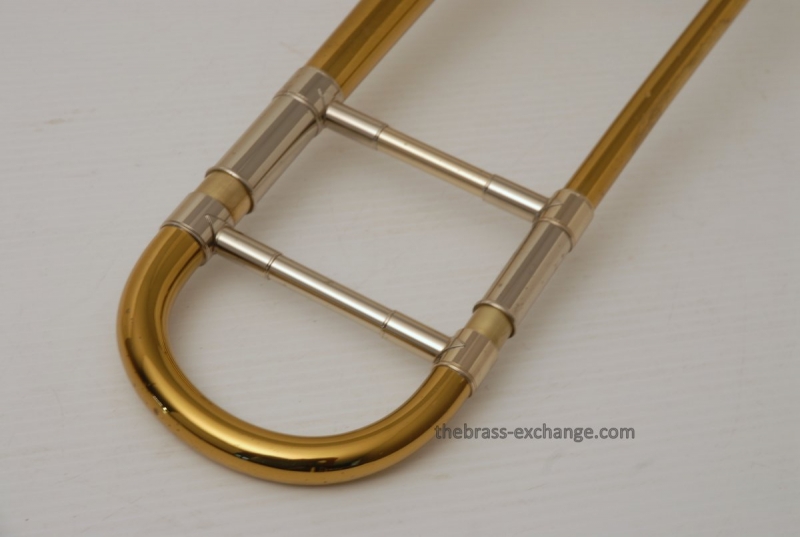
This Bach 36 medium bore tenor trombone was crafted during the renowned "Corporation" era, produced in Elkhart, Indiana between 1963 and the late 1970s—when Vincent Bach was still actively involved in operations after relocating from Mt. Vernon, NY. Instruments from this period are widely regarded as some of the most balanced and responsive ever made by Bach.
This example features a .525" bore, 8" yellow brass bell, and a standard weight handslide with the original stock leadpipe. All parts are original and unmodified, including the lacquer. It has never undergone major repairs and has just received a full professional chemical bath and flush.
What sets this horn apart is its versatility. If a player had to choose only one trombone to cover all styles of music—jazz, symphonic, commercial—this would be a top candidate. The slide action is exceptionally clean, and it plays with focus and tonal warmth without the need for additional work or upgrades.
While this example has been sold, players looking for a similar Bach 36 or 36B can explore our current inventory of professionally serviced trombones below.
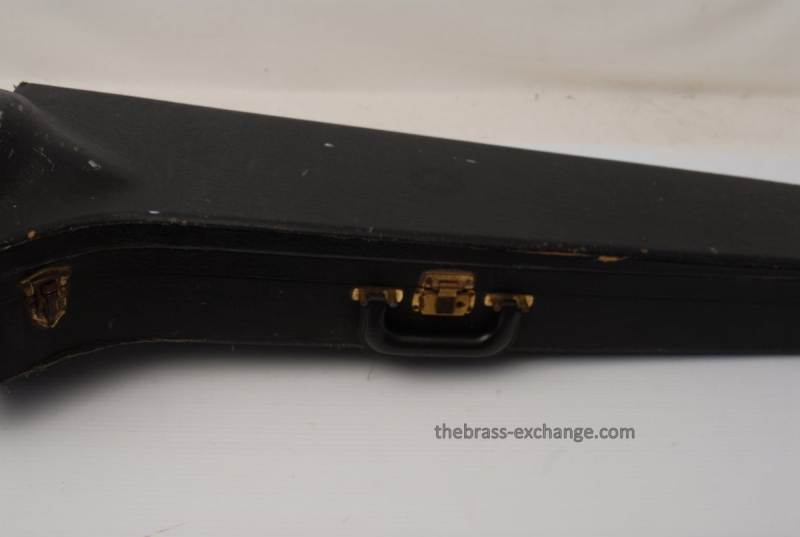
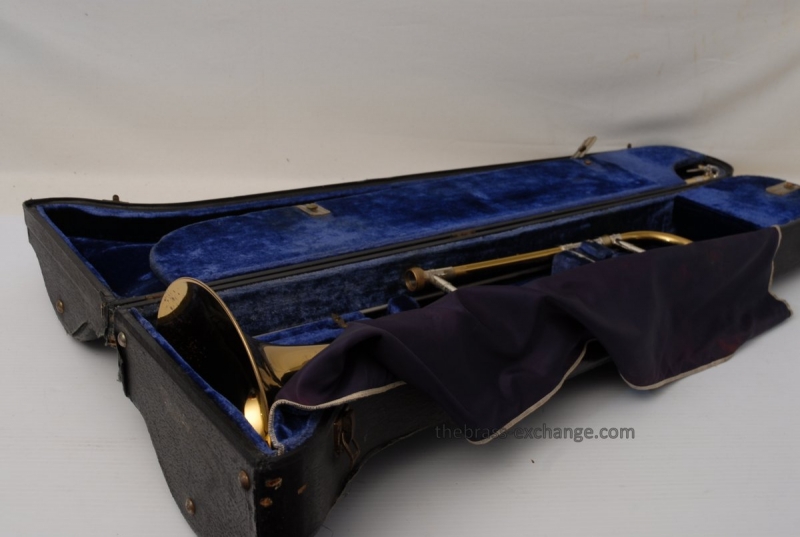
Includes the original Bach case. A new Bach 36 sells for over $3,500 in 2026, and many used examples require expensive repairs. This one is ready to go.
What is the historical significance of the Bach 36 and 36B?
Prior to the late 1950s, medium bore (.525") trombones like the Bach 36 were standard in orchestras and wind ensembles. According to a close friend of Vincent Bach—who dined with him regularly—Bach himself believed the Model 36 was the ideal all-around size.
However, when Conn introduced the .547" bore 88H for Emory Remington, the market began to shift. Players demanded larger bore instruments, and Bach—initially resistant—eventually adapted. He kept the 36B’s valve section and tuning slide, but enlarged the bell to 8.5", creating what we now know as the 42B. In many ways, the 42B is simply a bigger version of the 36B, using many of the same components.
The enduring popularity of the 36 lies in its balance—it’s light enough for agility and upper-register work but still projects with depth and authority. Today, it remains a favorite among pro players who switch between styles or need a single horn that can do it all.
What are the differences between a Bach 36B and 42B?
The 36B has a medium bore (.525") and 8" bell, while the 42B uses a large bore (.547") with an 8.5" bell. Both use the same valve section and main tuning slide, but the 42B delivers a broader, darker sound more suited to large ensembles, whereas the 36B offers more agility and clarity for solo or commercial work.
What are the similarities between the Bach 36 and 42?
Despite the bore and bell size difference, the two models share core architecture and valve design. If you're comfortable on one, adjusting to the other is quite manageable. Both respond well across registers and are staples in the Bach trombone lineup.
Why do modern players still prefer the Bach 36?
Its tonal warmth and flexibility make it ideal for pit work, commercial settings, and jazz soloing. The .525" bore plays slightly smaller, making it easier to access the upper register, maintain endurance, and blend across musical styles. The 36 is lighter, faster, and more adaptable than most large bore horns. For touring musicians doing multiple shows per day, the reduced fatigue makes a huge difference.
Does the year of manufacture affect the value or playability of a Bach 36?
Absolutely. Instruments from the Corporation Era (1963–late 1970s) are known for their superior build quality, hand craftsmanship, and sonic consistency. All-original examples in excellent condition like this one are increasingly rare and highly sought after by collectors and serious players alike.
While Corporation-era examples are highly sought after, many players today choose a clean, well-maintained Bach 36 or 36B based on condition and playability rather than era alone.
📌 Archive Reference & Next Steps
This Bach 36 has been sold and is now shown here as a reference for collectors, musicians, and enthusiasts studying vintage Bach instruments from the Corporation era.
Looking for a similar instrument? 👉 Explore additional Bach trombones and comparable models in stock
https://www.thebrass-exchange.com/trombones