


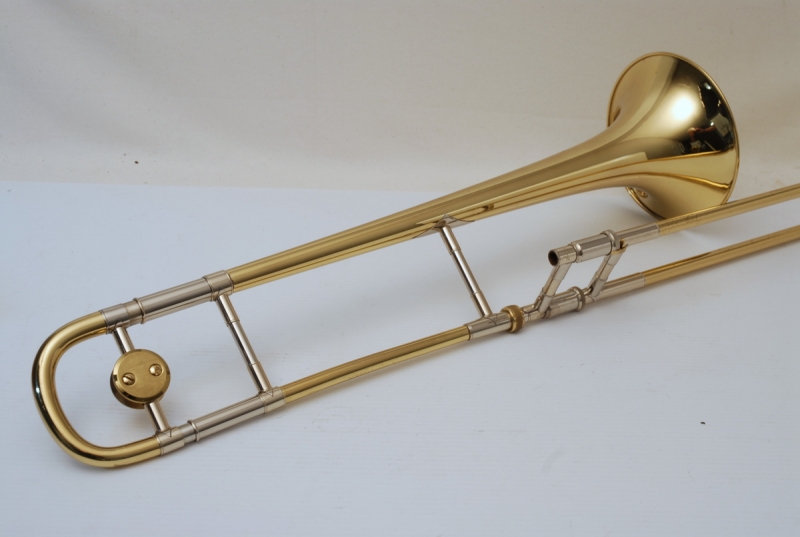
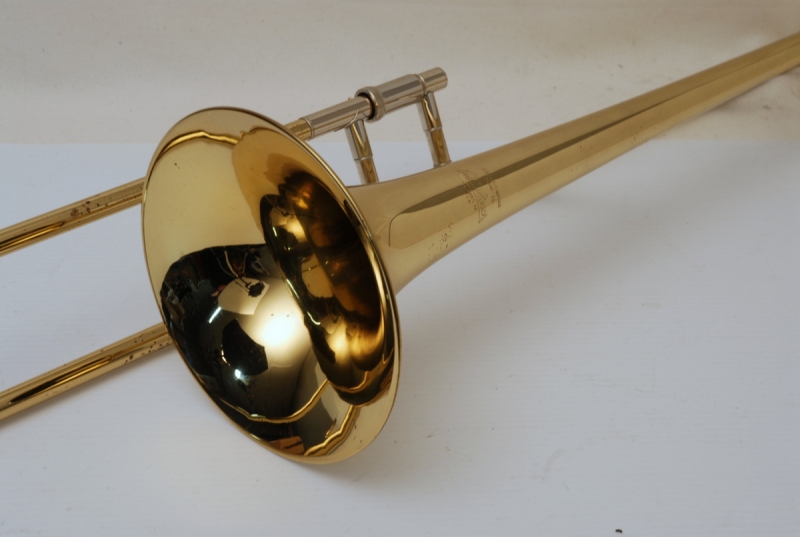
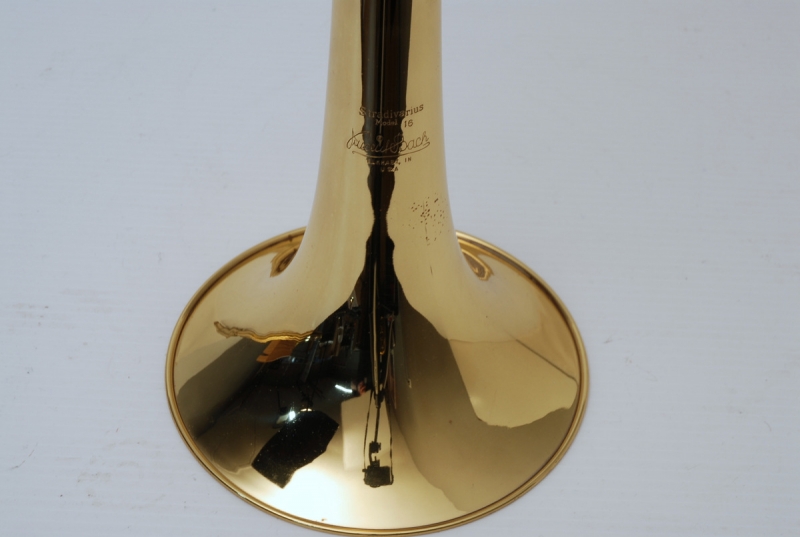
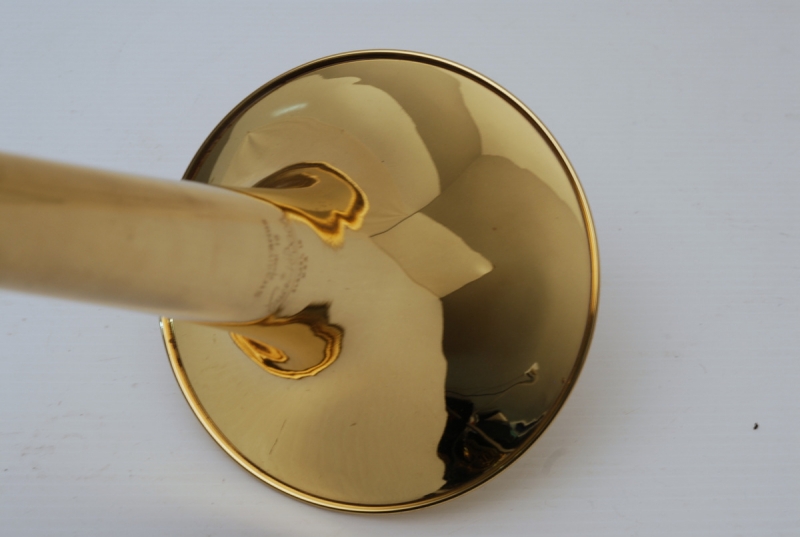
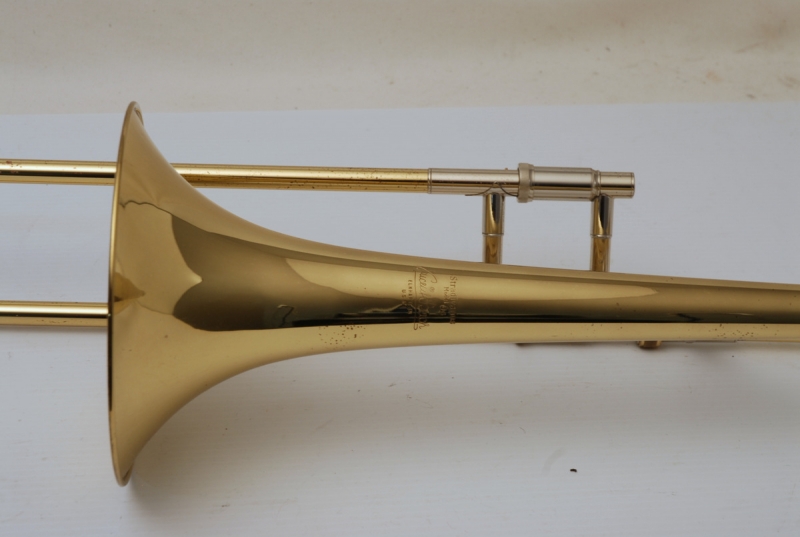
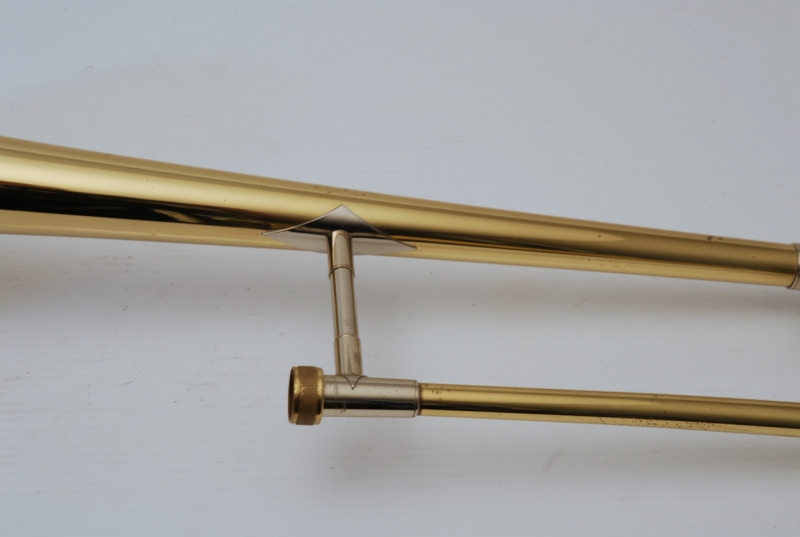
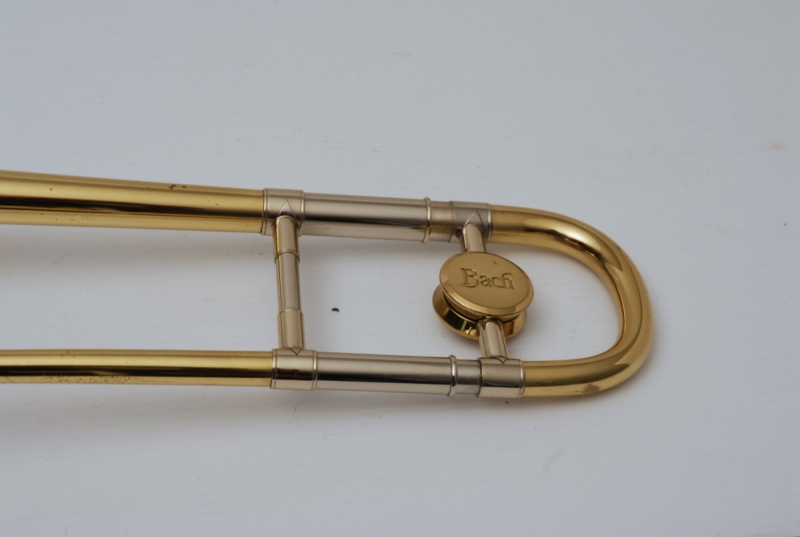
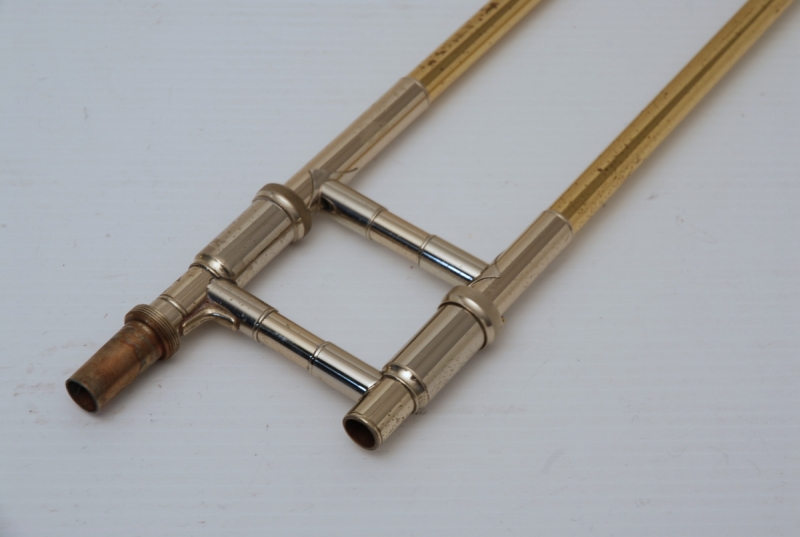
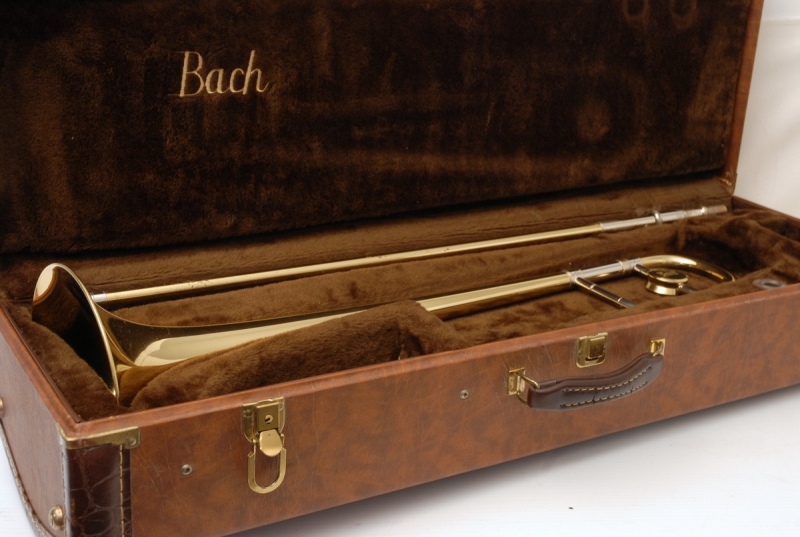
This Bach 16 is now preserved in our Archive of Sold Instruments, serving as a historical and educational reference for players, collectors, and researchers.
✦ Historical Perspective: Bach’s Small-Bore Masterwork of the 1980s
By the early 1980s, the Bach 16 had established itself as one of the most respected small-bore tenor trombones in the professional world. Its lineage traces back to the ’60s and ’70s era when players like Bill Watrous elevated the model to iconic status — a Bach alternative to the King 3B, but with its own tonal signature: broader core, velvety warmth, and unmistakable Stradivarius clarity.
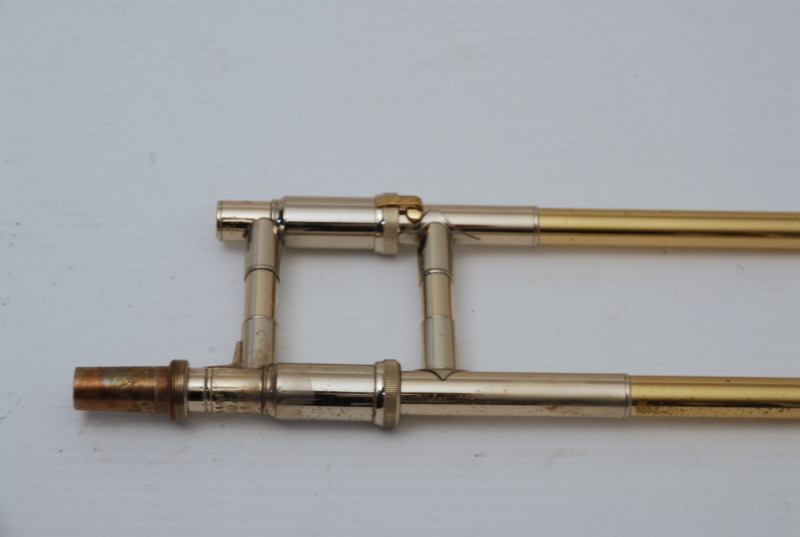
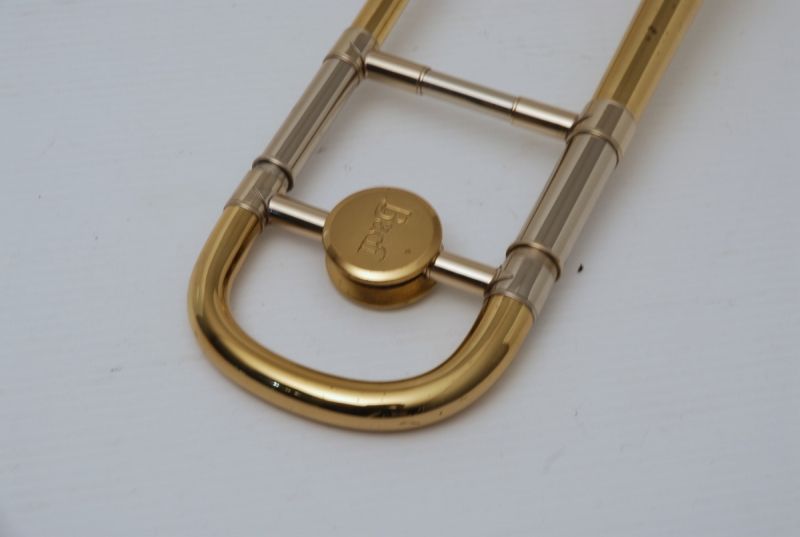
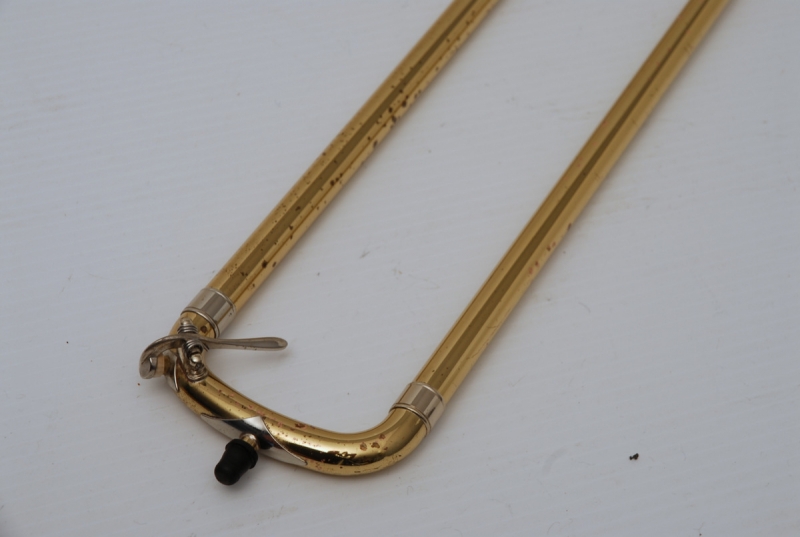
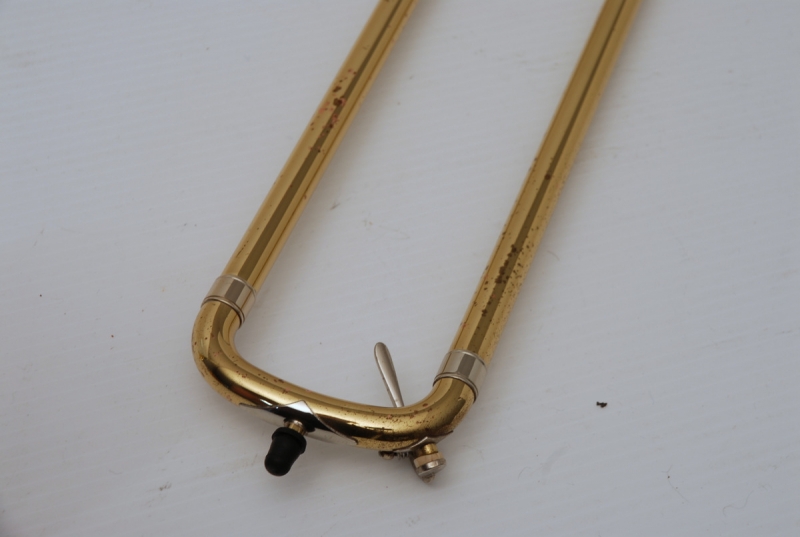
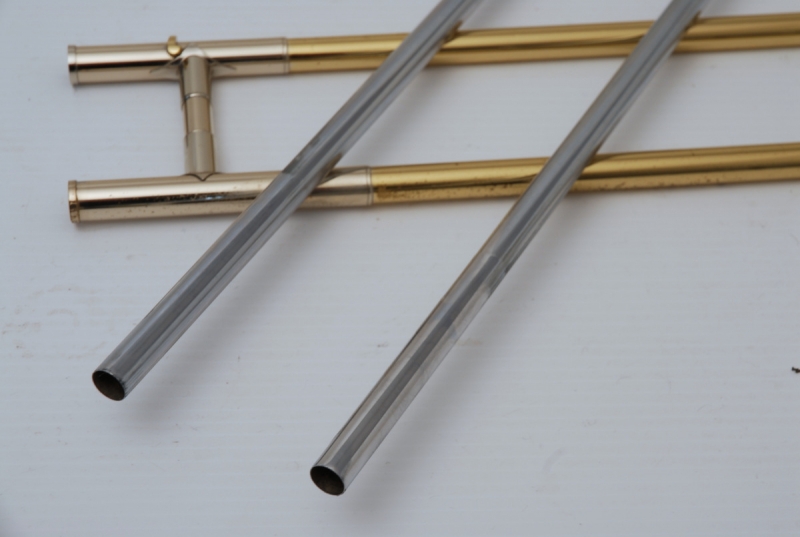
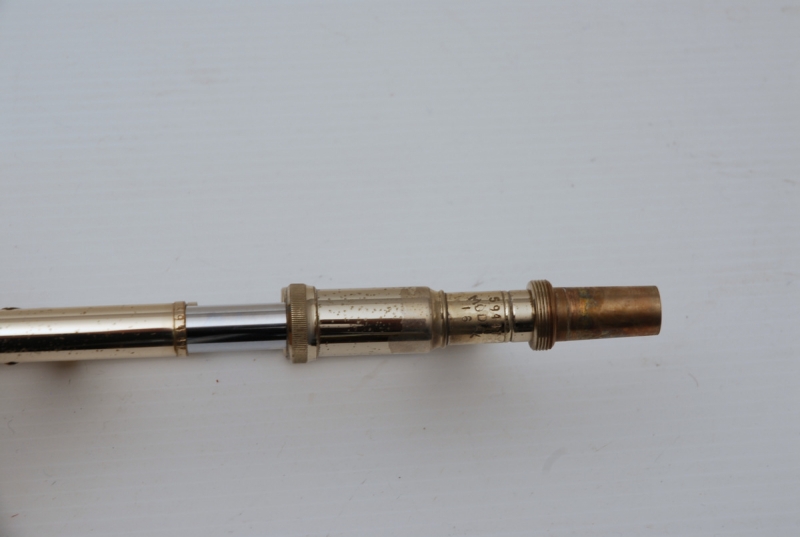
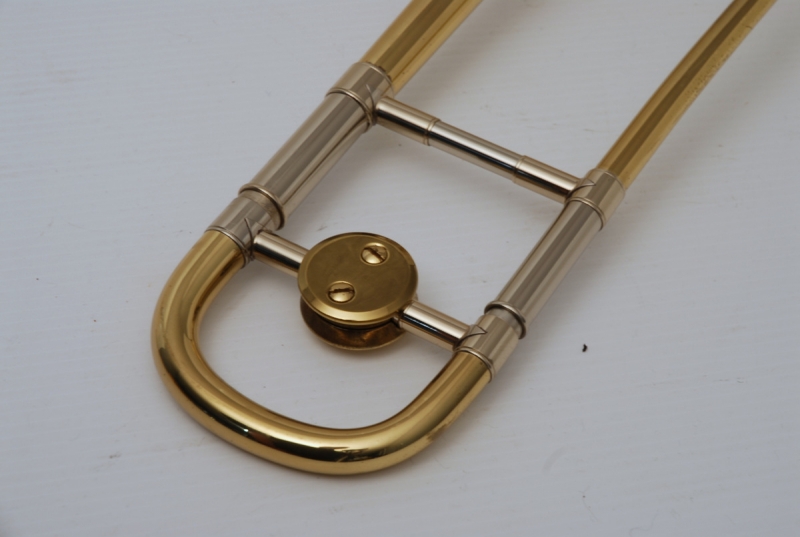
This example, built around 1983, remained with its original owner and was carefully maintained throughout its life. The horn shows no evidence of damage, dent work, or prior repairs — a rarity among working professional instruments of this age. Prior to listing, it received a full chem clean, slide alignment, and mechanical service, bringing it into optimal playing condition.
The standard 7.5-inch yellow brass bell speaks with brilliant ease, while the dual-bore handslide offers quick response and crisp articulation. For players accustomed to Bach, Edwards, or Shires setups, the 16 offers a familiar feel in a compact, commercial-friendly format. Classical musicians often kept a 16 in their arsenal for big band, pit, or jazz doubling work. And for players searching for something in the 3B family but with a more colorful, Bach-like voice, the 16 remains a standout option.
Early-1980s Bach craftsmanship is highly regarded — lighter, resonant, and, as many argue, more consistent than much of today’s production. With new Bach 16 models regularly exceeding $2,600, this vintage example represented exceptional playability and value.
📸 Photography From Our Early Archive
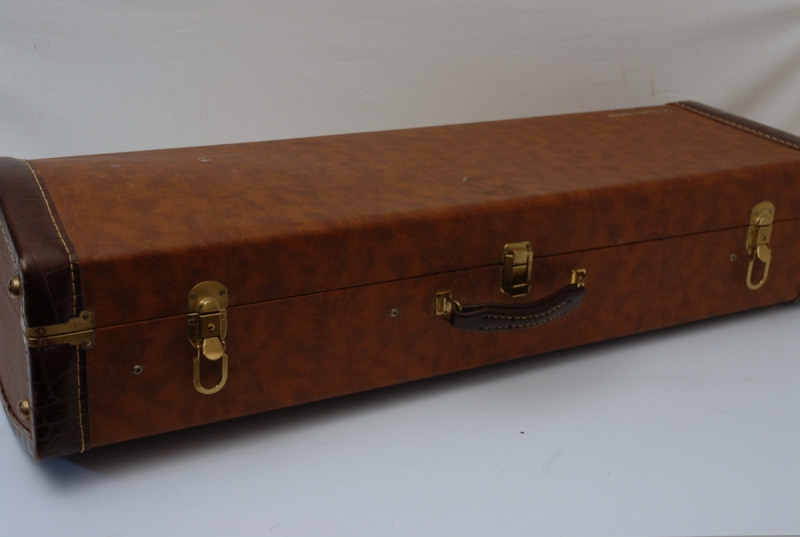
These images were captured during an earlier phase of our documentation process and are included here for historical accuracy.
✅ Questions Trombone Players Often Ask
How does the Bach 16 compare to a King 3B?
The 3B is brighter and more compact; the Bach 16 has a broader core, more warmth, and a flexible tonal palette. Many players switch between them depending on the musical setting.
Why are early-1980s Bach small-bores desirable?
This period is known for consistent slides, lively bells, excellent build quality, and a balance of resonance and stability that many players feel outperforms newer production.
📌 Archive Reference & Next Steps
This Bach 16 has been sold and is now part of our historical archive for reference and research.
Browse current trombones in stock 🔎
TBE Trusted Source 🛡️ — Over 15 years of curated expertise in vintage and modern Bach instruments.