


Overview
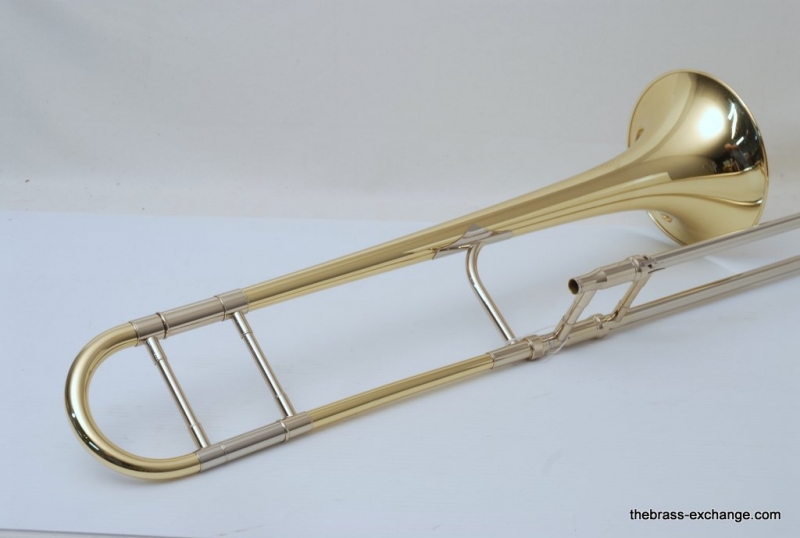
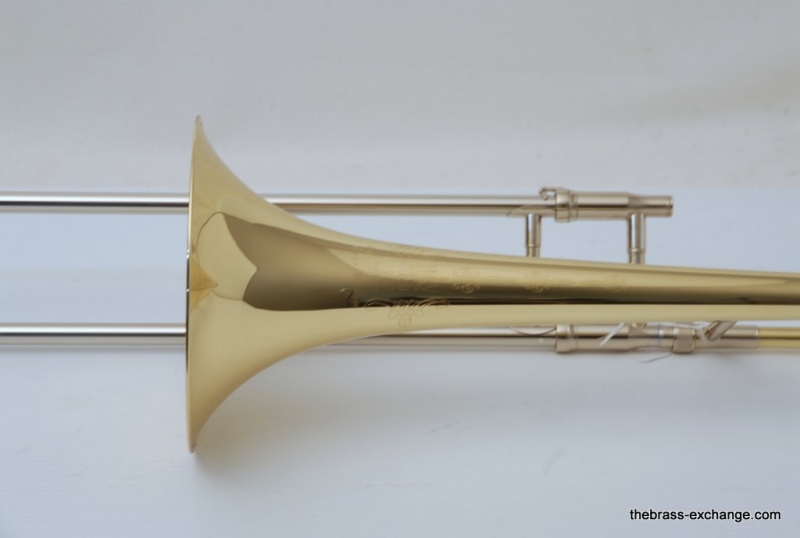
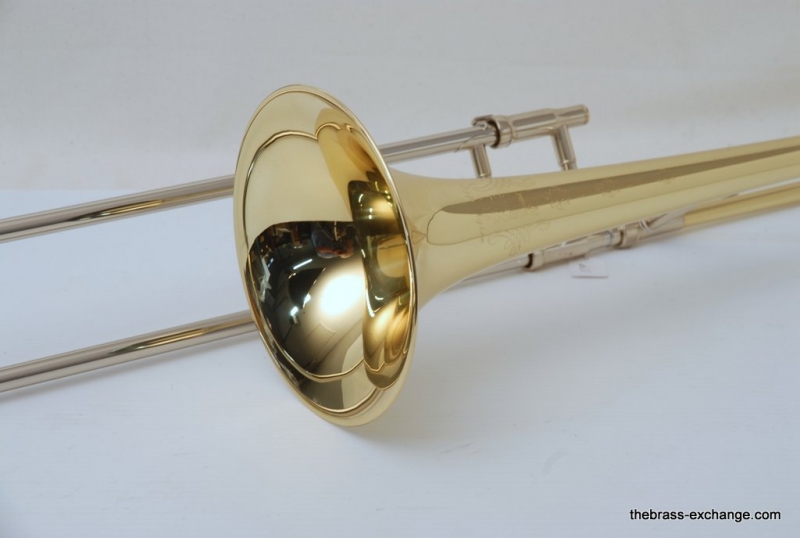
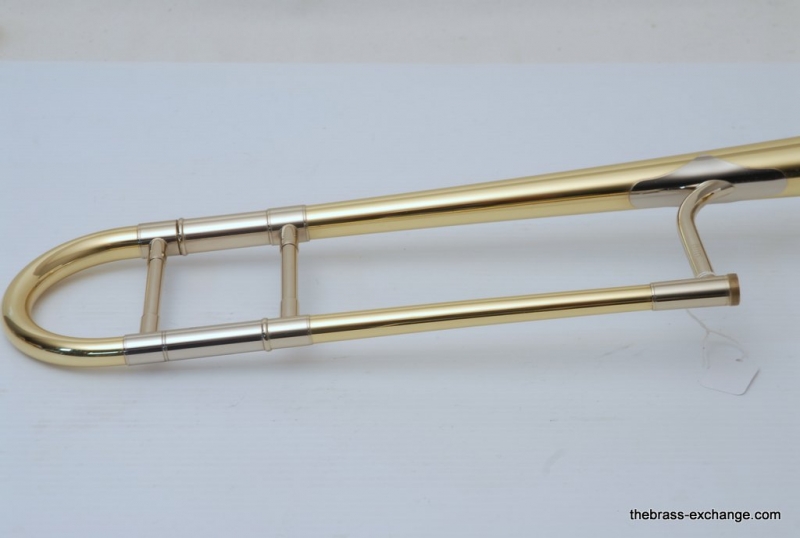
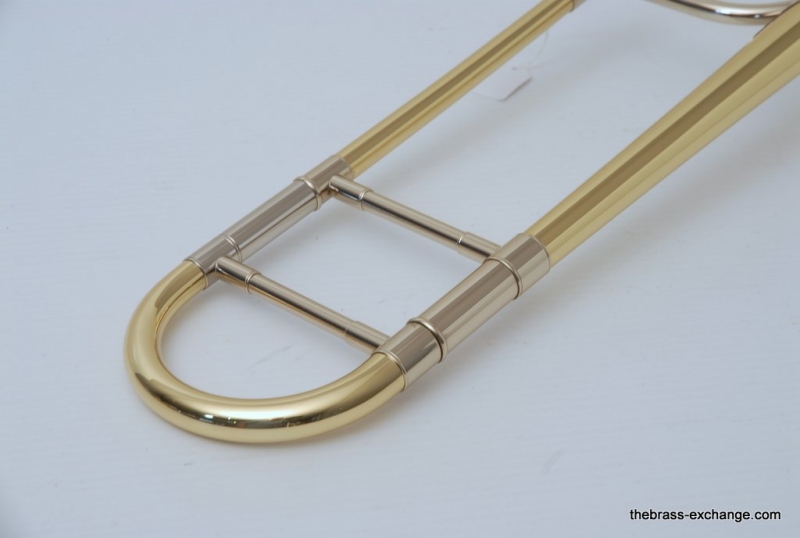
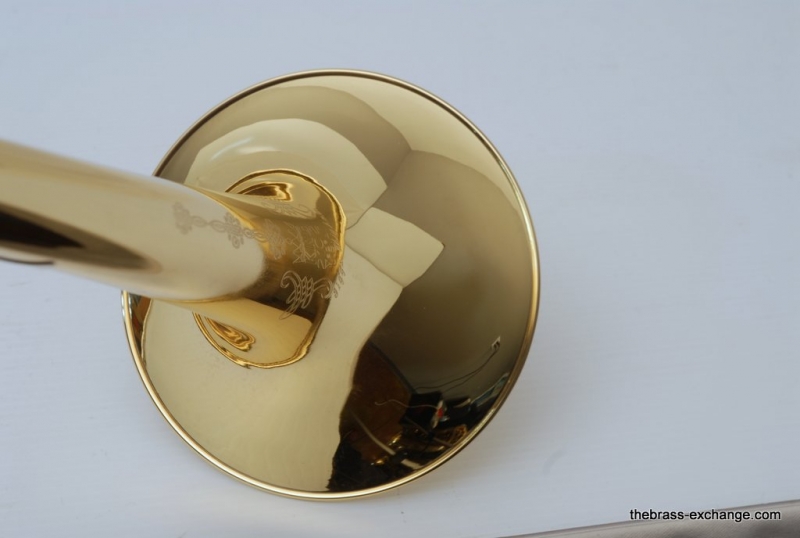
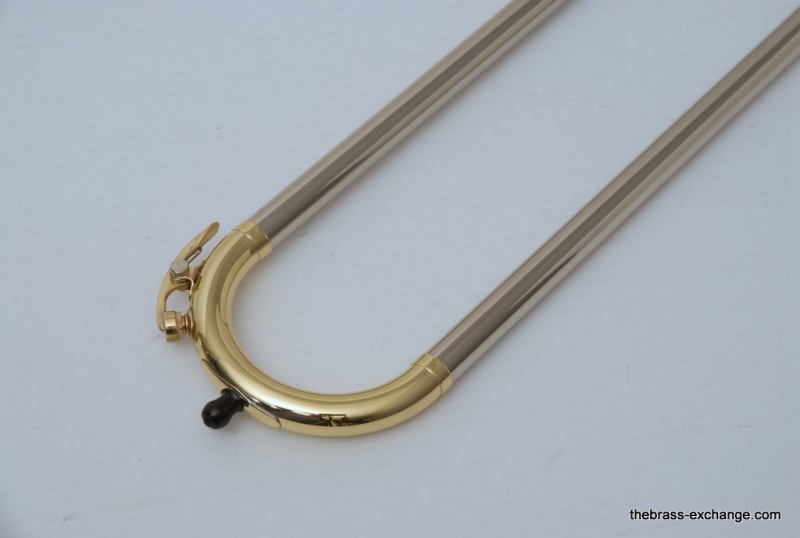
This King 2102 2B Jiggs Whigham Model trombone is presented in new condition and includes the original factory/retail tag—a rare detail that reflects how lightly the instrument was handled prior to sale. It was only minimally played and tested, making it a true showroom-level example of one of King’s most respected jazz trombone designs.
Known for its quick response and brilliant, focused sound, the King 2B Jiggs is an outstanding choice for lead, jazz, solo, and big band settings. The instrument offers a lively, immediate feel that experienced King players recognize instantly—efficient, responsive, and capable of projecting clearly in both small ensemble and commercial performance environments.
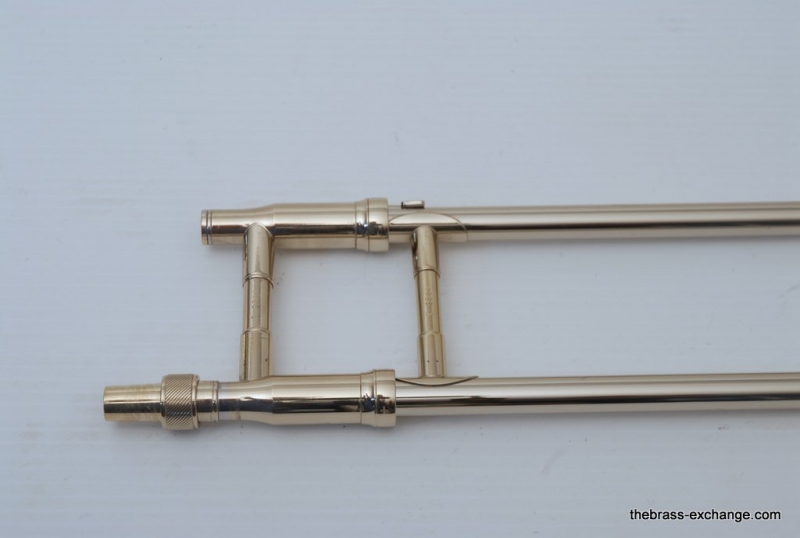
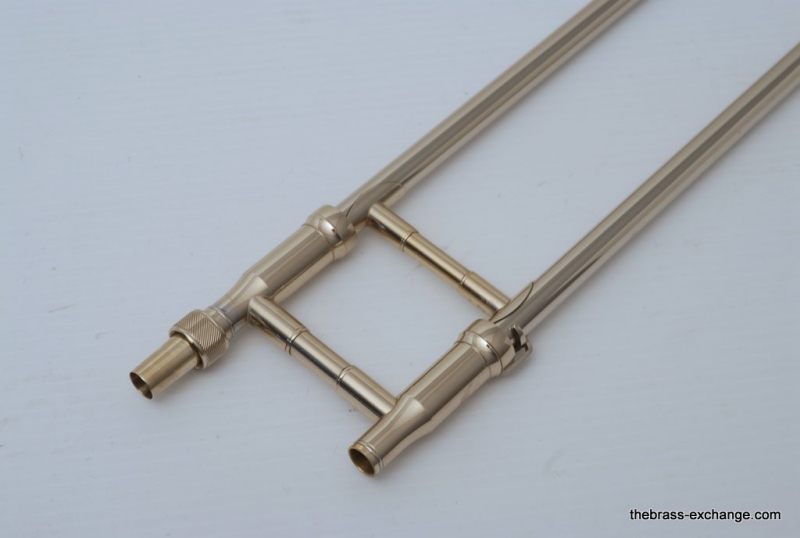
This specific horn was hand-selected by a seasoned professional player, ensuring exceptional playability right from the start. The slide is excellent, providing fast articulation and smooth action ideal for advanced jazz phrasing and high-level performance demands.
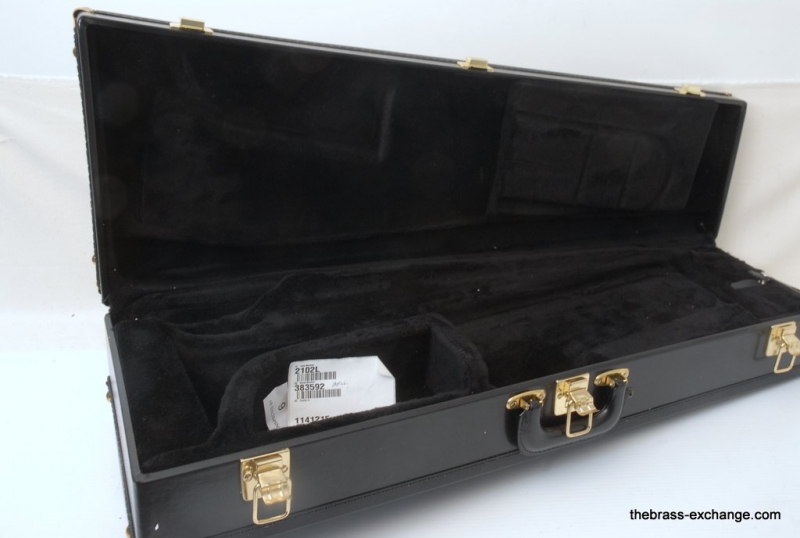
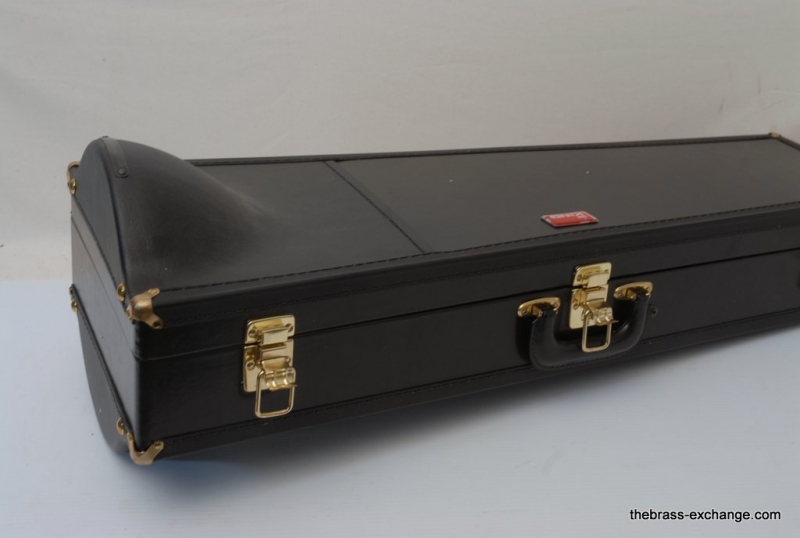
The original King case is included. A mouthpiece was not included with this instrument at the time of sale.
At the time of original retail availability, this model sold new for over $3,000, with select “open box” examples sometimes appearing in the $2,400 range depending on condition and source. Pricing in this category can vary significantly based on how instruments are classified and presented by dealers.
Player Perspective
The King 2B Jiggs Model has long been a favorite among jazz players due to its quick, lively response and unmistakable tonal character. The smaller bore and lightweight feel allow for greater flexibility and dynamic control, making it easier to shape phrases and execute fast passages with precision.
Players often appreciate how efficiently the horn “speaks,” with excellent slotting and a brilliant sound that carries well in both lead and solo roles. For those familiar with classic King designs, the 2B Jiggs represents a refined evolution that maintains the brand’s signature feel while offering modern consistency.
Condition Summary
This instrument was in new condition at the time of sale, with minimal handling and only light play-testing. The original factory tag remained attached, indicating it had not seen regular use. The slide action was excellent, and all components were functioning as intended.
What Does “Open Box” Really Mean for Brass Instruments?
Buying a brass instrument labeled “open box,” “demo,” or “B-stock” can be confusing—and sometimes intentionally so. These terms are often used loosely across online listings, especially by large retailers trying to advertise discounted inventory without violating Minimum Advertised Price (MAP) rules.
At The Brass Exchange, we believe musicians deserve clarity, not marketing language. Here’s what those terms typically mean—and what to watch for.
What Is an Open Box Instrument?
Traditionally, an open box instrument is one that was purchased, opened, and then returned—either by a customer or unboxed by a dealer for inspection or photography.
But the key question is:
👉 Why was it returned?
Was it simply handled—or did a player notice an issue with response, slide alignment, or valve performance?
“Open box” can describe anything from a lightly handled instrument to one that was played, rejected, or adjusted before resale.
💡 Tip: Always ask why the instrument was labeled open box—and who verified it is performance-ready.
What Is a Demo Model?
A demo instrument is typically used at trade shows, in showrooms, or by multiple players.
- Often plays well but has seen use
- May show cosmetic handling wear
- Warranty coverage varies
Demos can offer value—but they are not truly new instruments.
What Is B-Stock?
B-stock (factory second) refers to instruments that did not pass full cosmetic or minor inspection standards at the factory.
- May include finish blemishes or assembly inconsistencies
- Sometimes sold at reduced cost to dealers
- Playability can vary
Always ask for documentation when purchasing B-stock.
Questions to Ask Before Buying
- Was the instrument previously owned or returned?
- Why was it labeled open box, demo, or B-stock?
- Were any repairs or adjustments made?
- Is the factory warranty still valid?
- Are photos of the exact instrument provided?
- Who inspected and approved it for resale?
The Brass Exchange Approach
At The Brass Exchange, we don’t blur the line between new and used.
If a horn is used, we’ll say it.
If it’s mint, we’ll show it.
If there’s wear, you’ll see it clearly documented.
Every instrument is professionally serviced, play-tested, and presented with transparency—because our customers expect accuracy, not ambiguity.
📸 Photography From Our Early Archive
The images shown in this listing come from an earlier period of The Brass Exchange, reflecting the evolution of our approach to fine-art photography of brass instruments. At the time, our process was more utilitarian—focused on clear documentation of condition and features rather than the highly refined visual standards we use today.
While these photos may appear simpler compared to our current work, they remain an important part of our archive. They accurately represent the instrument as it was presented at the time of sale and continue to serve as a valuable visual reference for players and collectors researching this model.
Over the years, we have invested heavily in developing a more advanced photography workflow—exploring lighting techniques, surface control, and image consistency to better capture the true character of each instrument. This progression reflects our broader commitment to transparency, documentation, and helping musicians make informed decisions.
If you’re interested in how we approach photographing musical instruments today, or how to evaluate condition from listing images, our newer listings provide a clear look at that evolution.
🔧 Availability & Archive Status
This King 2B Jiggs Model trombone has been sold and is now shown as part of our historical reference collection. These pages are maintained to help musicians and collectors research specific models, understand market context, and evaluate comparable instruments.
Looking for a similar trombone? 👉 Browse our current selection of trombones and brass instruments in stock:
https://thebrass-exchange.com/trombones 📌
Why do jazz players love the King 2B Jiggs Model trombone?
Jazz players often favor the King 2B Jiggs Model because of its quick, lively response and focused, brilliant sound that cuts beautifully in both small group and big band settings. The lightweight design allows for expressive phrasing and precise articulation, while the classic King tonal profile delivers clarity and projection without sacrificing flexibility.
Closing Note
This King 2B Jiggs Model trombone has been sold and is now preserved here as a reference example for players researching professional jazz trombones and the long-standing appeal of King’s 2B design.