


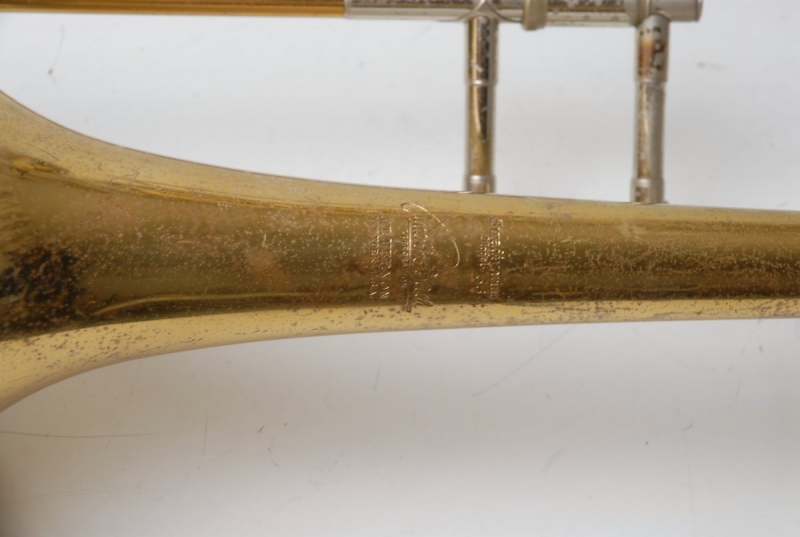
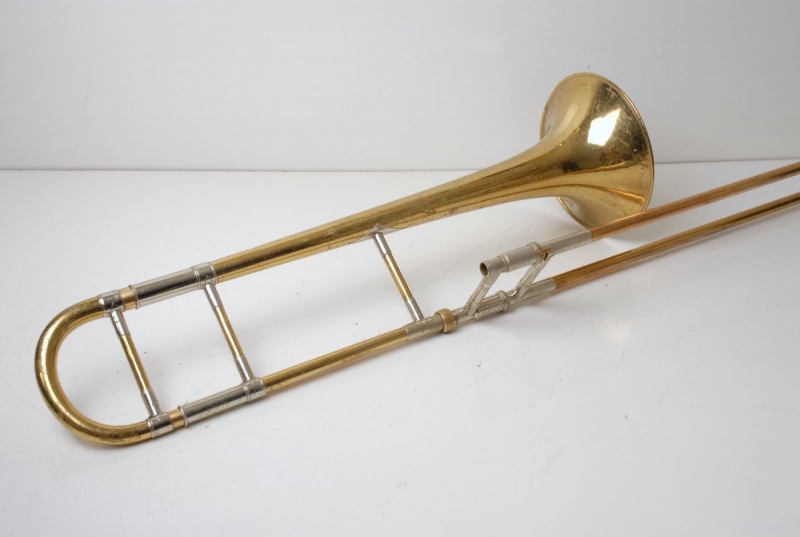

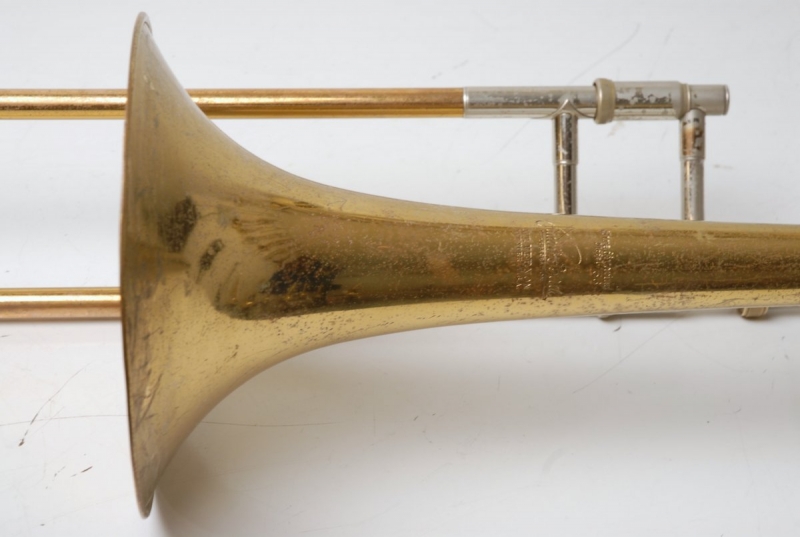
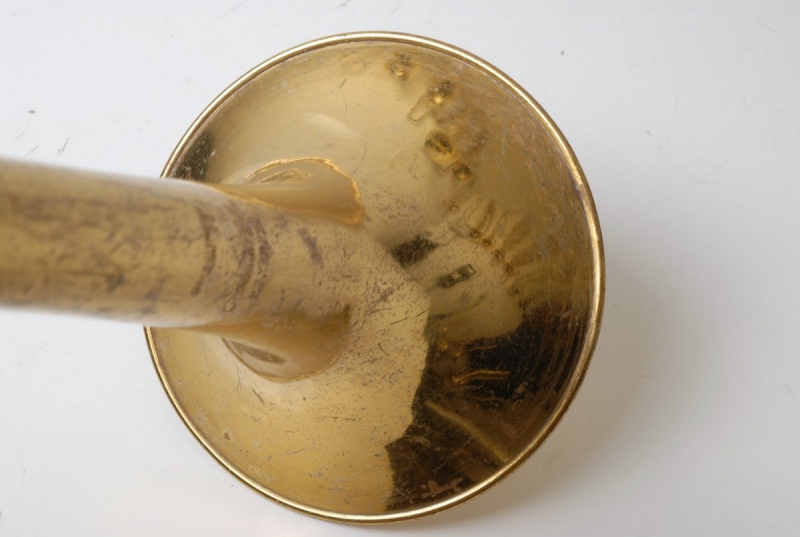
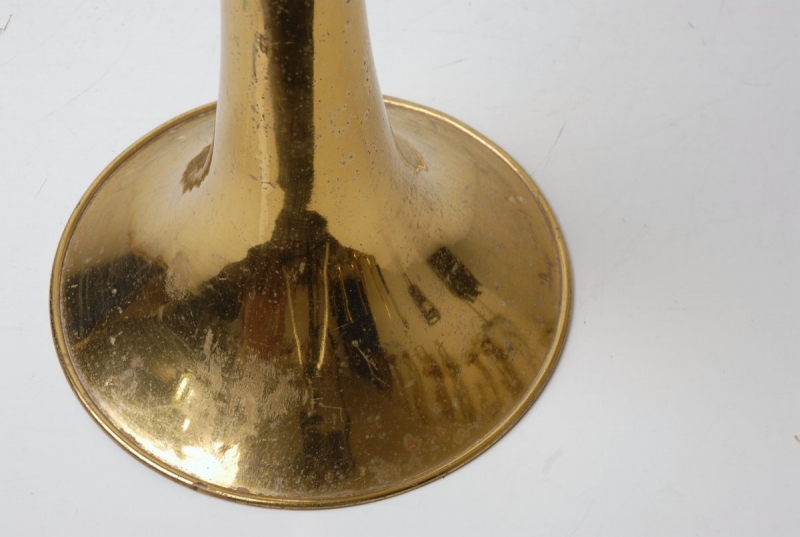
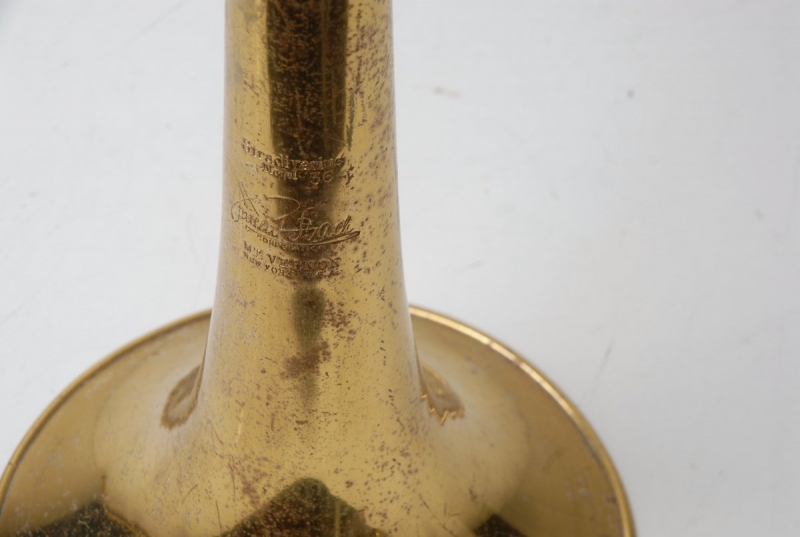
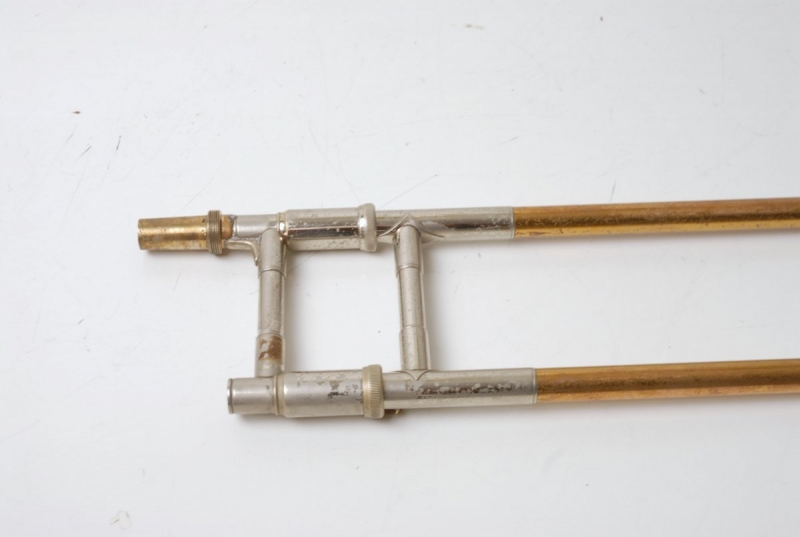
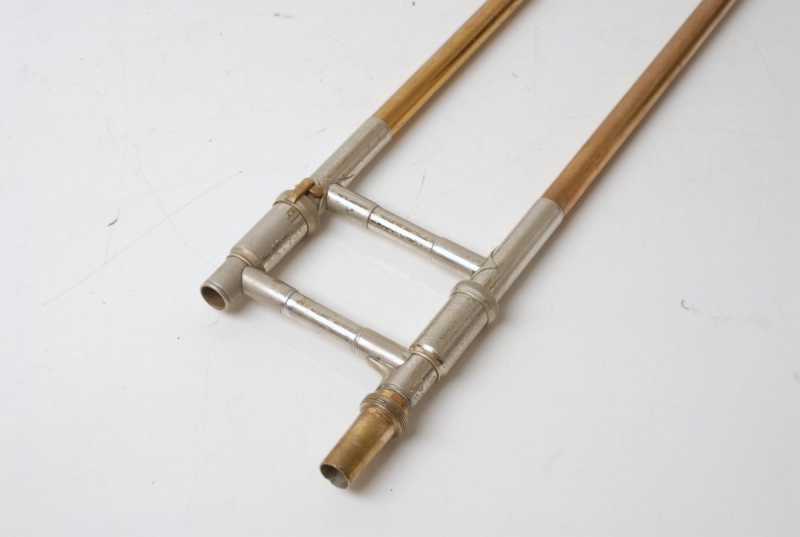
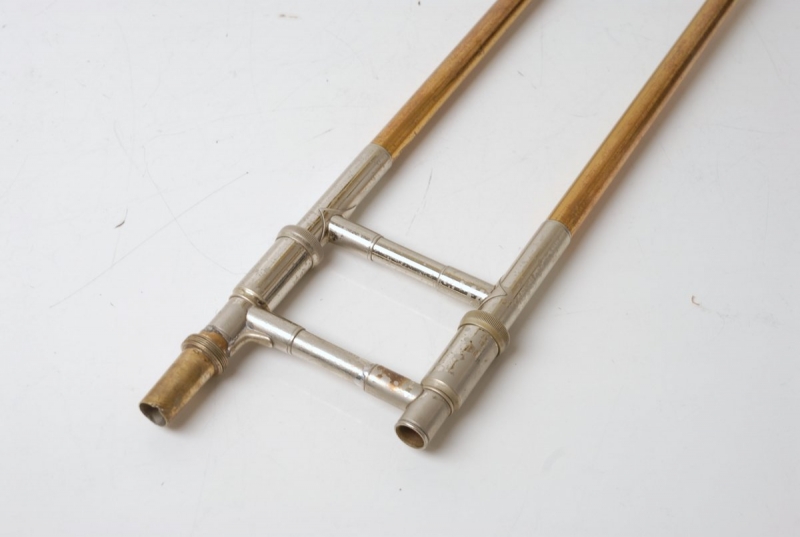
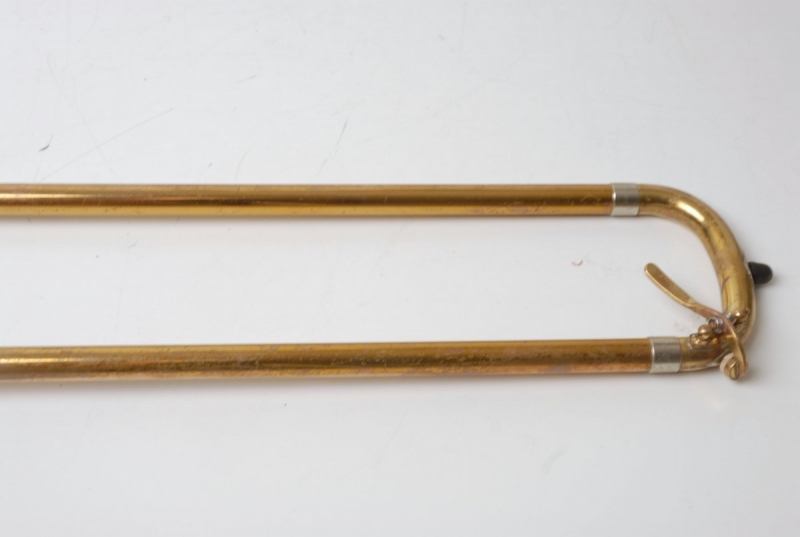
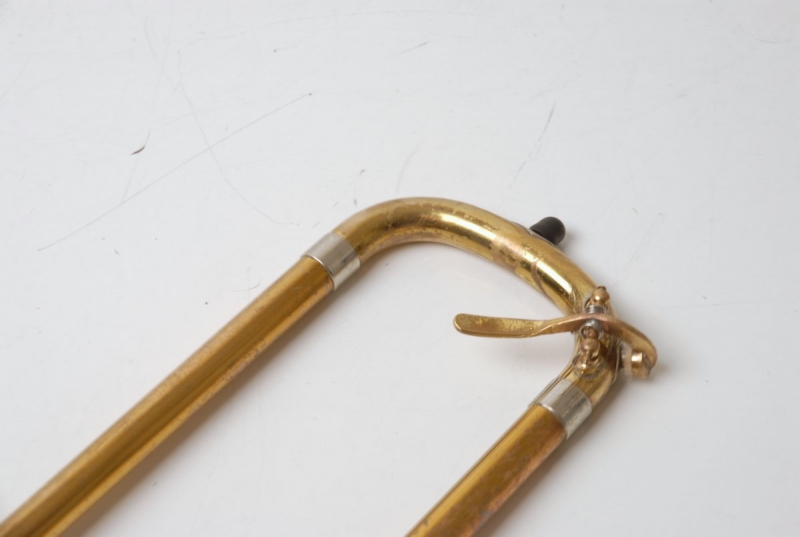
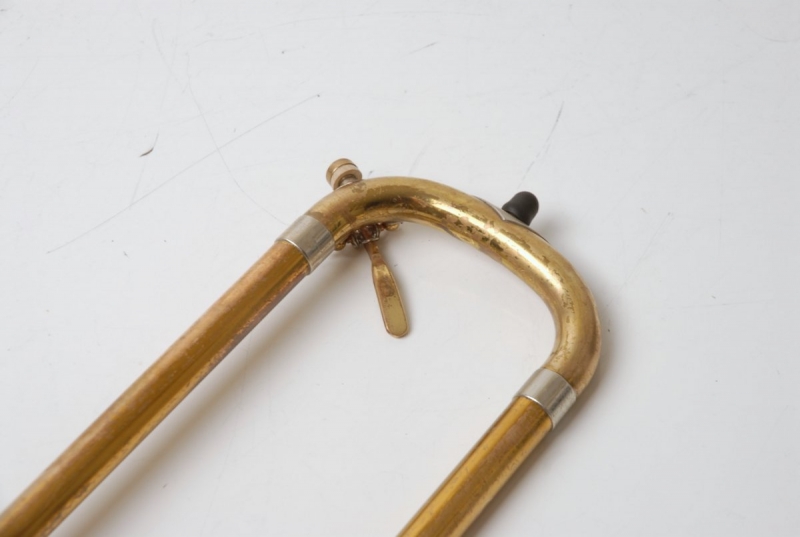
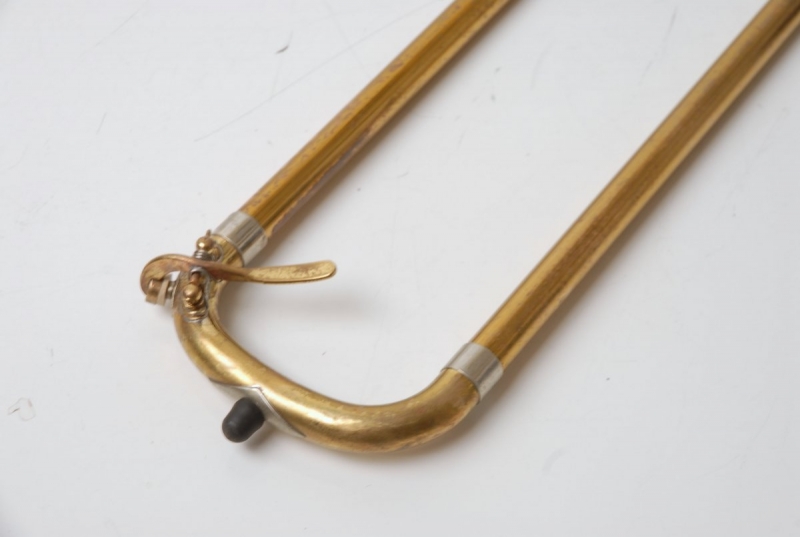
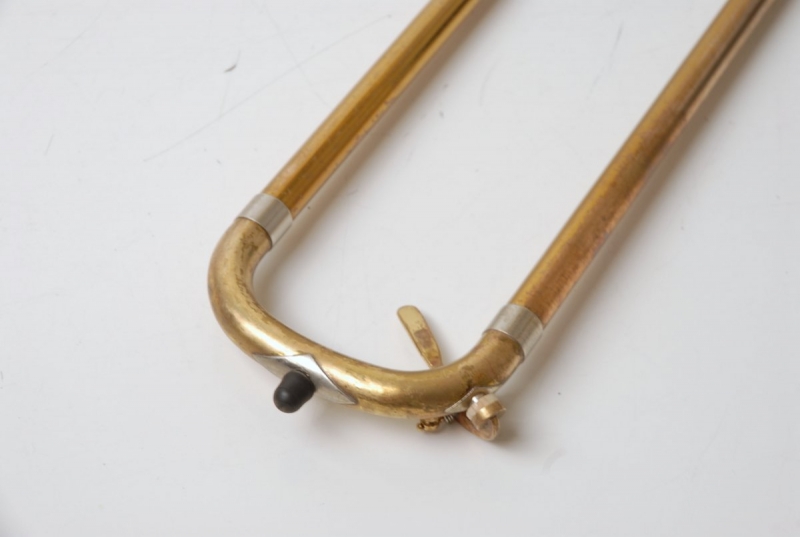
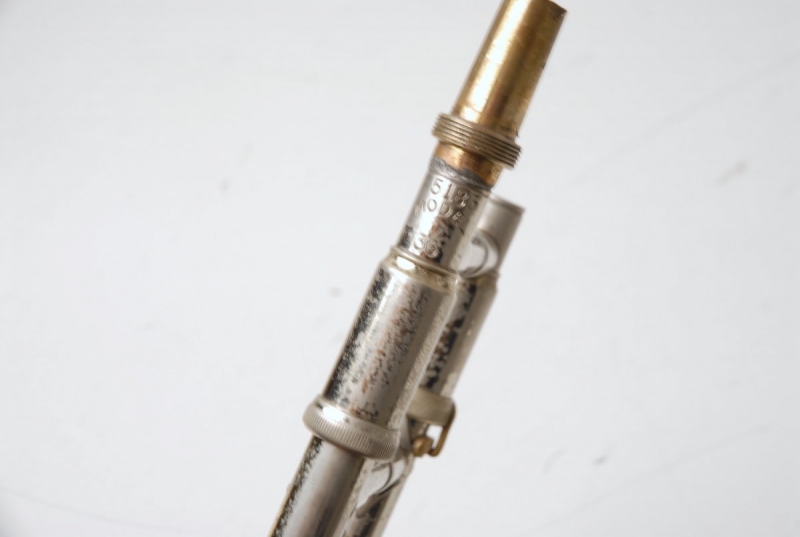
This Bach 36 tenor trombone was made in the 1950s at the original Mount Vernon, New York factory, prior to the company’s move to Elkhart in 1964. These early examples are among the most highly regarded vintage Bach trombones ever produced—and for good reason. Everything about this instrument speaks to its origin in one of the most legendary eras in brass instrument craftsmanship.
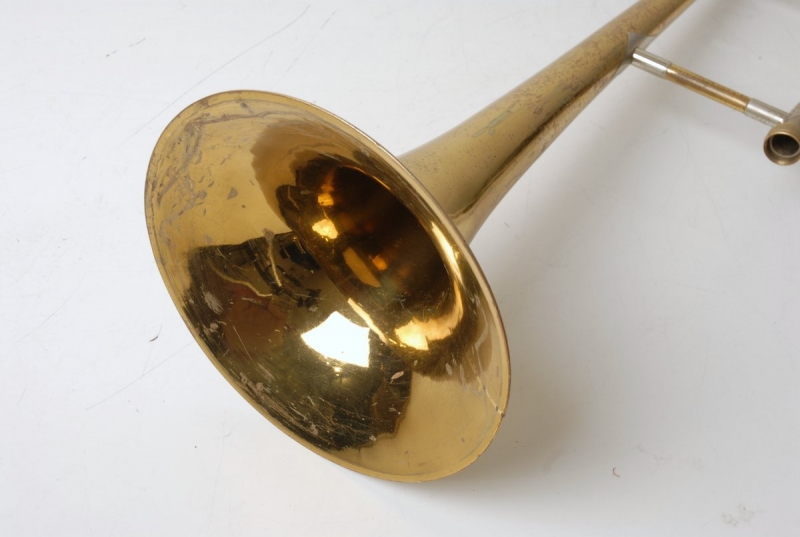
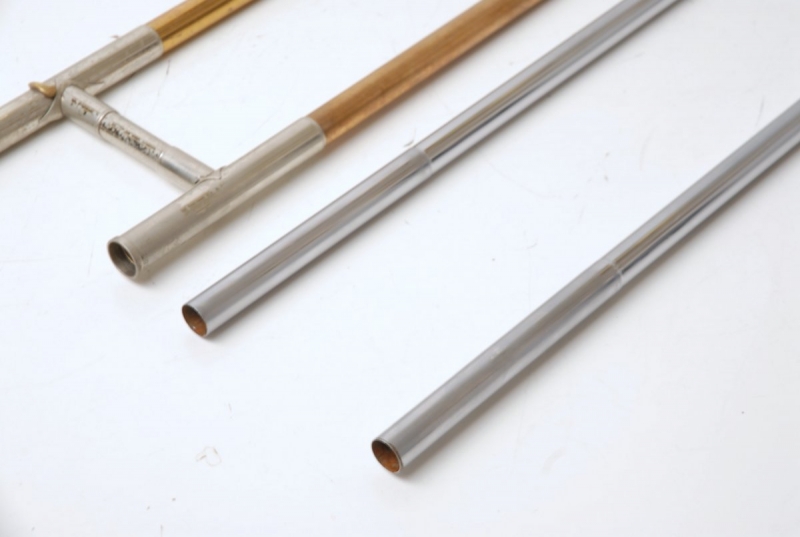
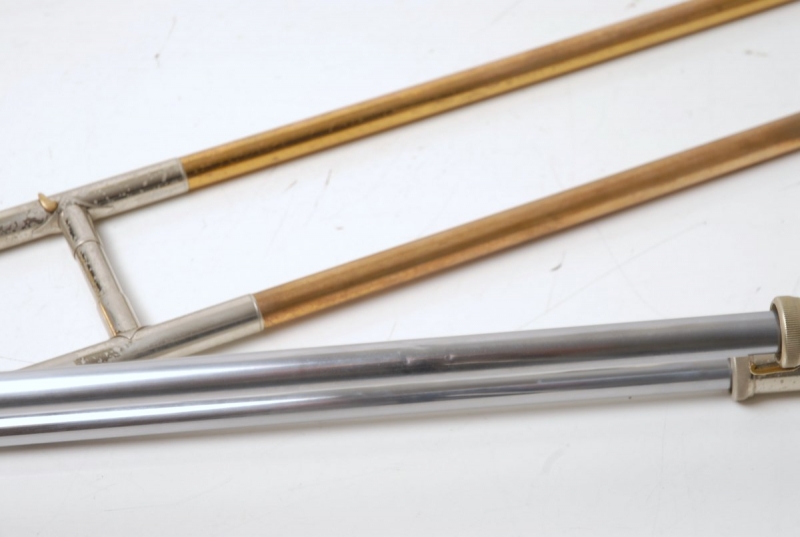
It features the classic .525 bore handslide paired with an 8" yellow brass bell, a setup that Vincent Bach himself considered to be the ideal balance for a versatile tenor trombone. In conversations recalled by those who knew him, Bach often expressed that the 36 model struck the perfect compromise between the brilliance of the smaller 34 and the breadth of the 42. He believed the .525 bore was the most musically flexible size for solo, ensemble, and commercial playing.
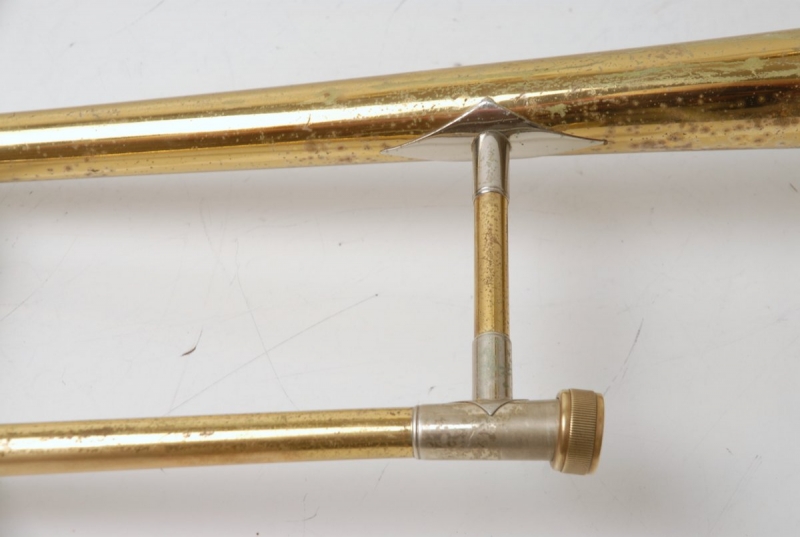
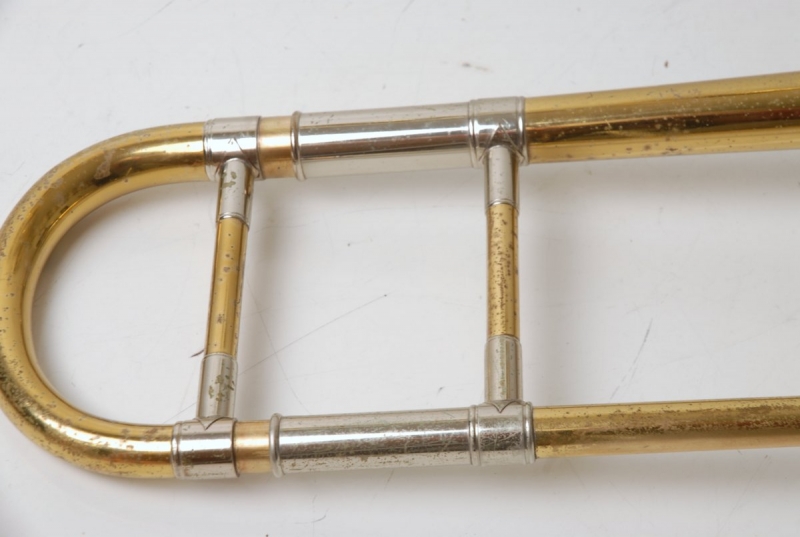
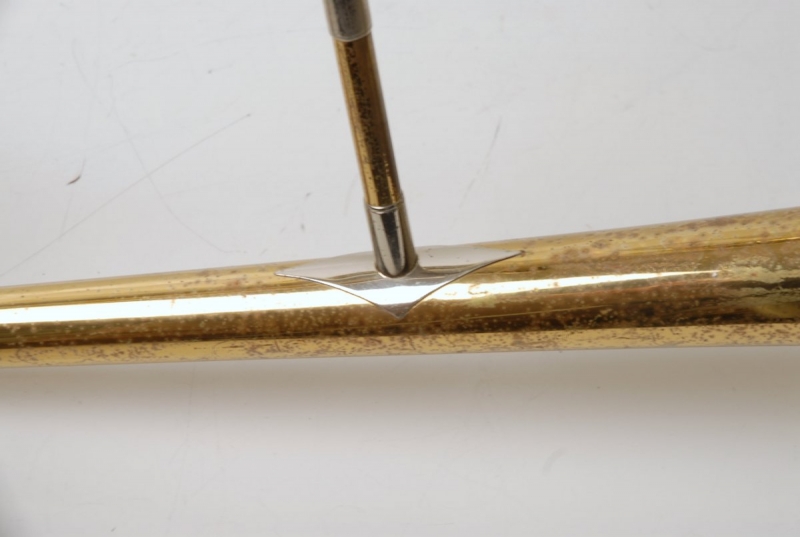
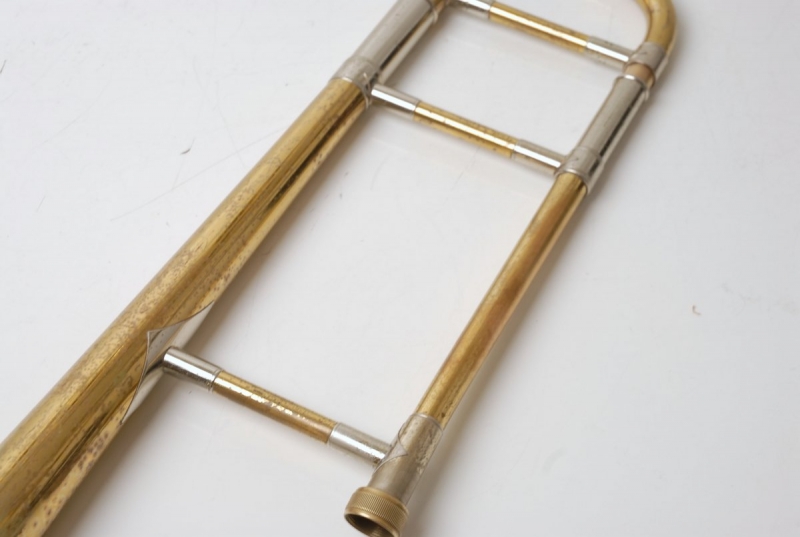
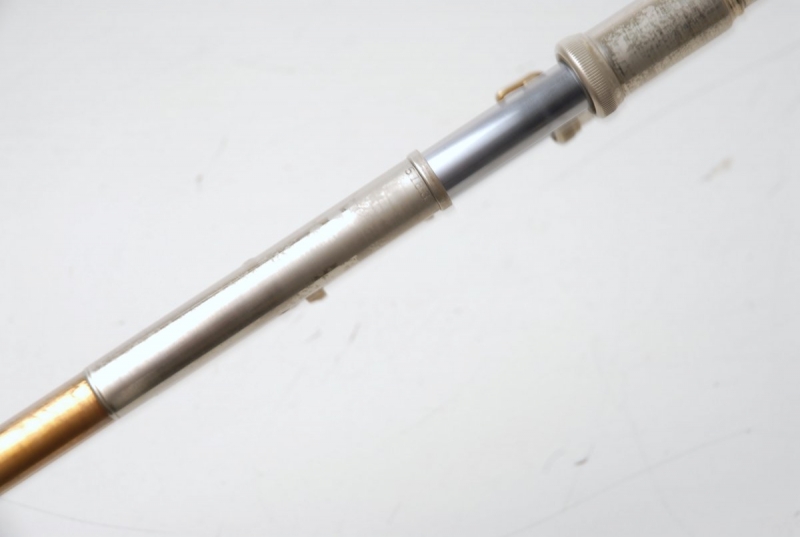
This particular instrument is a true survivor: single-owner, all original parts and lacquer, including the original Mt. Vernon leadpipe and inner slide tubes. While it shows significant cosmetic wear from decades of use, it remains an excellent player with superb response. The slide has several dings on the upper inner tube in the 2nd–3rd position area. These were left untouched to preserve the original leadpipe, which still plays with incredible focus and character.
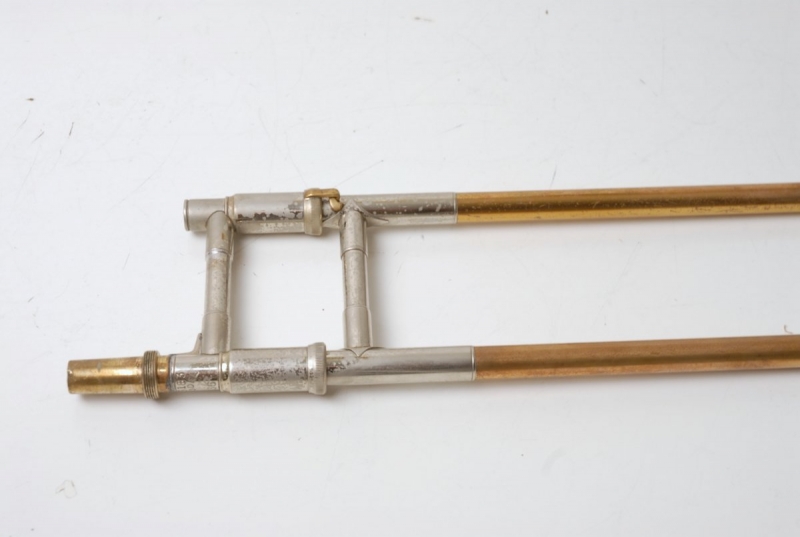
Lacquer is worn and distressed in multiple areas, but the bell, tuning slide, and valve section show no structural damage. This is not a museum piece—it’s a serious working horn with the unmistakable sound of vintage Mt. Vernon brass.
Why are Mt. Vernon Bach trombones so desirable?
Bach instruments made in Mt. Vernon, NY (1953–1964) are renowned for their hand craftsmanship, tonal warmth, and historical connection to Vincent Bach himself. The bells were spun by hand and assembled in small batches with meticulous care. These horns are prized by collectors and pro players alike for their balance, resonance, and responsiveness.
Is the .525 bore still useful today?
Absolutely. Many top jazz and crossover players prefer the .525 size for its agility and broader tone color. The Bach 36 remains a go-to for those seeking a flexible instrument that can project in a section or stand out in solo settings. While the .547 bore has become standard in symphonic playing, the 36 continues to shine in chamber, pops, and studio work.
What should I know about preserving the original leadpipe?
Removing dents near the leadpipe area can risk destroying the integrity of the original Mt. Vernon leadpipe. In this case, the dings were left in place to preserve the playing characteristics that make this horn so special. It's a choice many top restorers and players would agree with.
This Bach 36 Tenor Trombone from the Mt. Vernon NY era is now part of our Archive of Sold Instruments. It serves as a reference for collectors and musicians seeking information on historically significant Bach models.
📌 Want to explore what’s currently available? Browse all trombones here.