


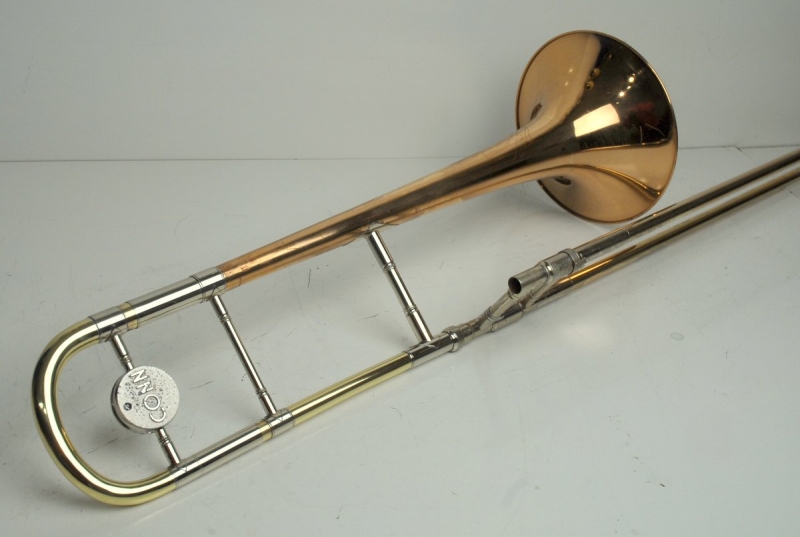
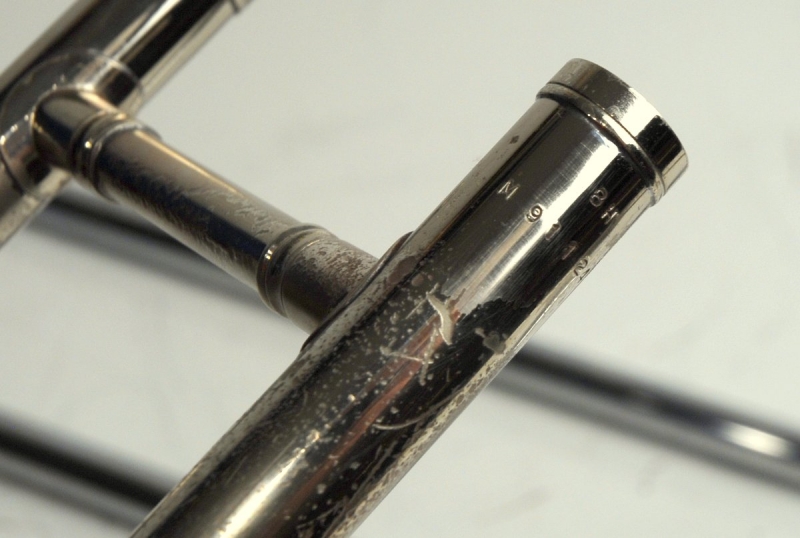
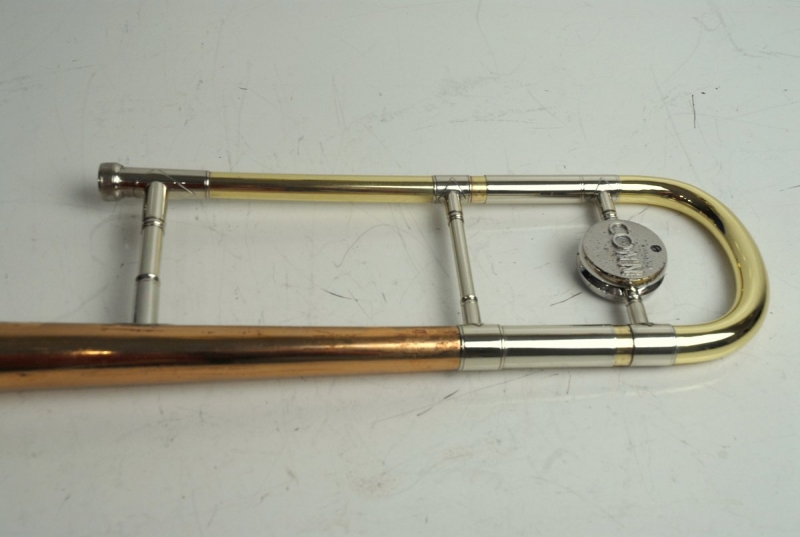
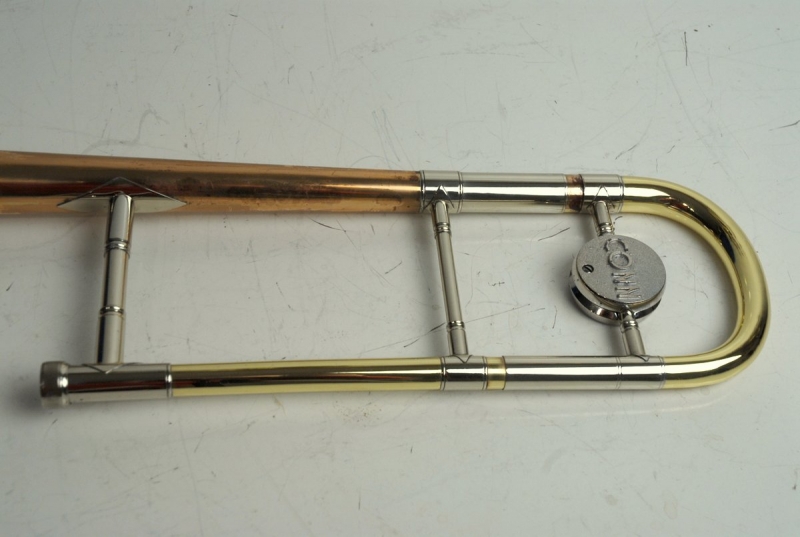
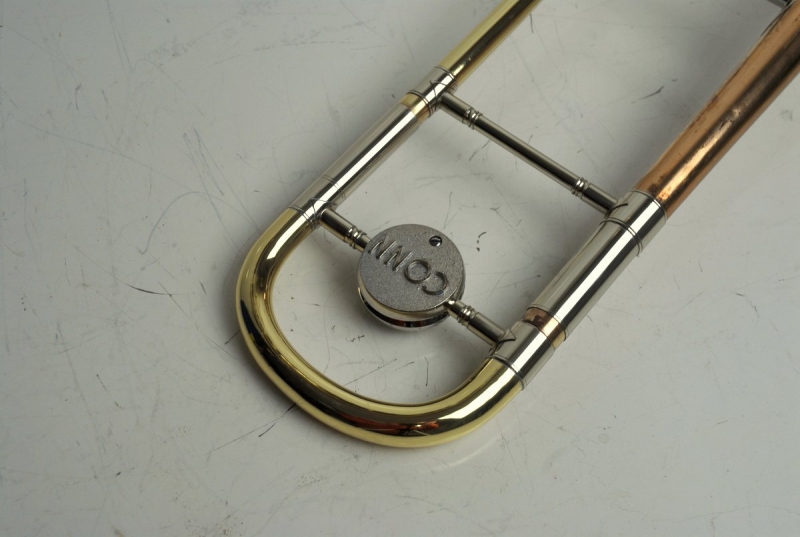
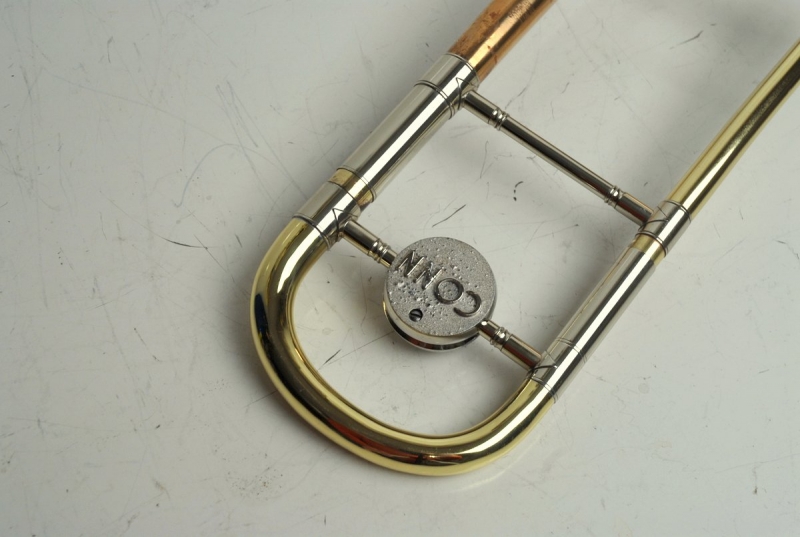
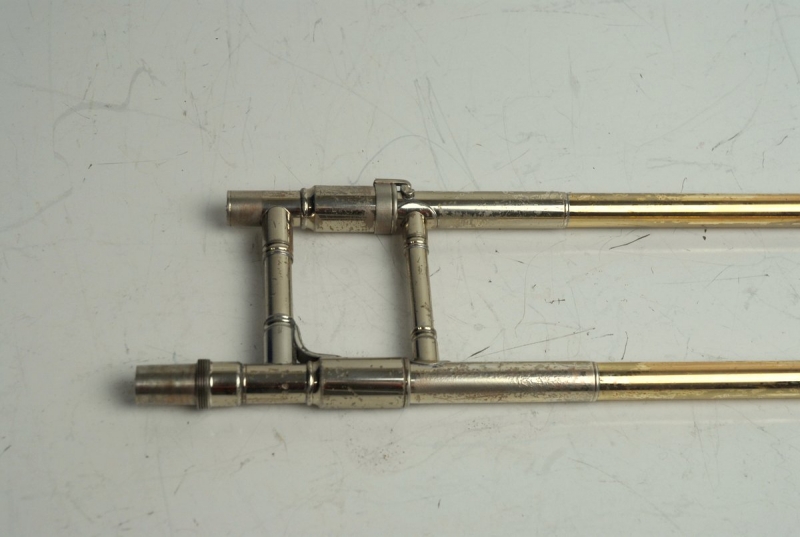
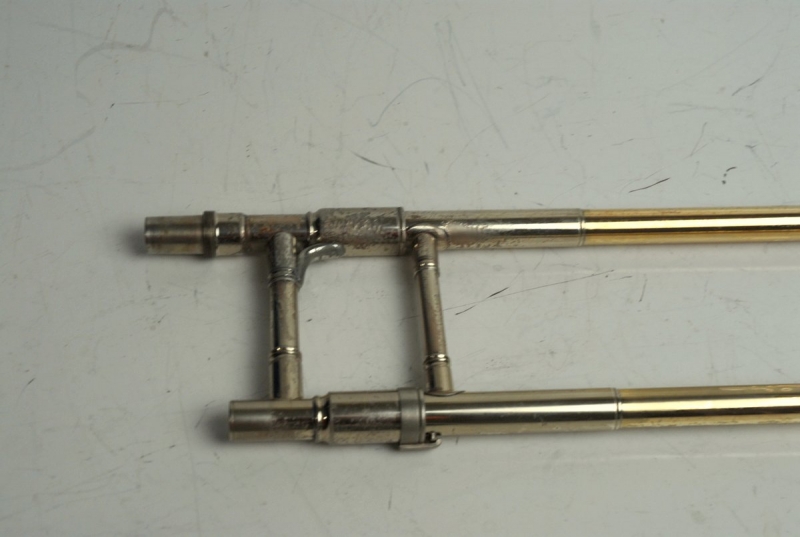
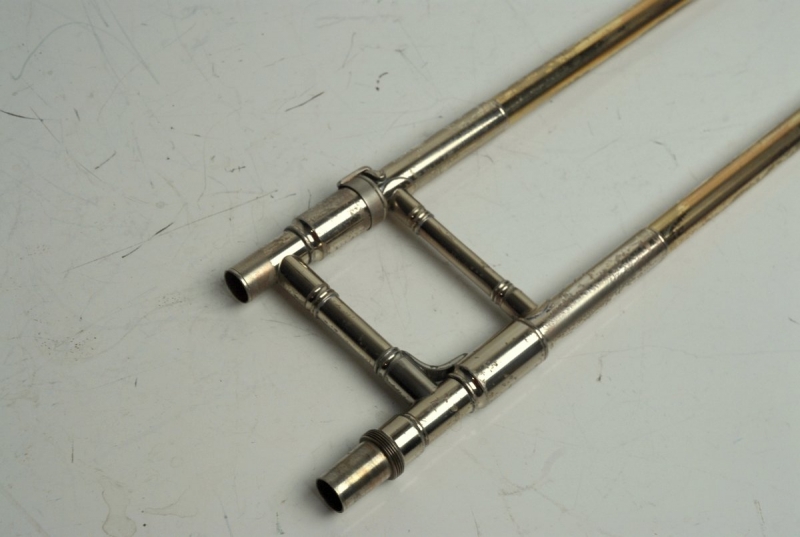
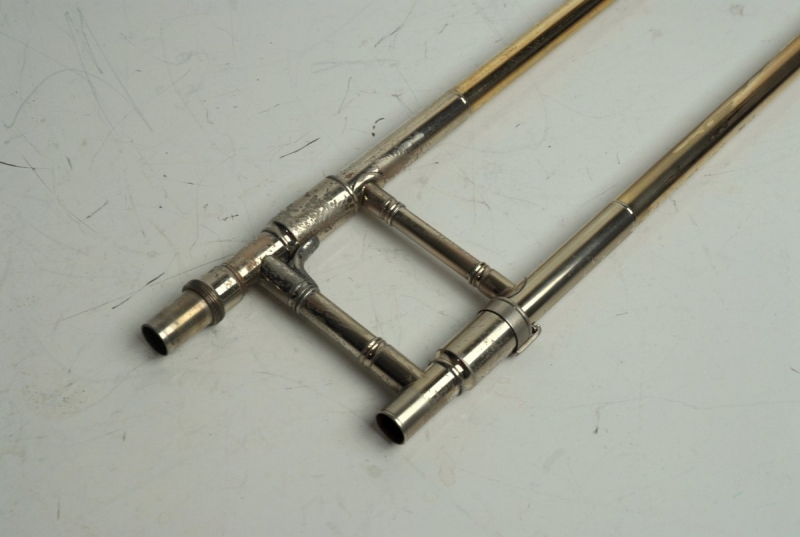
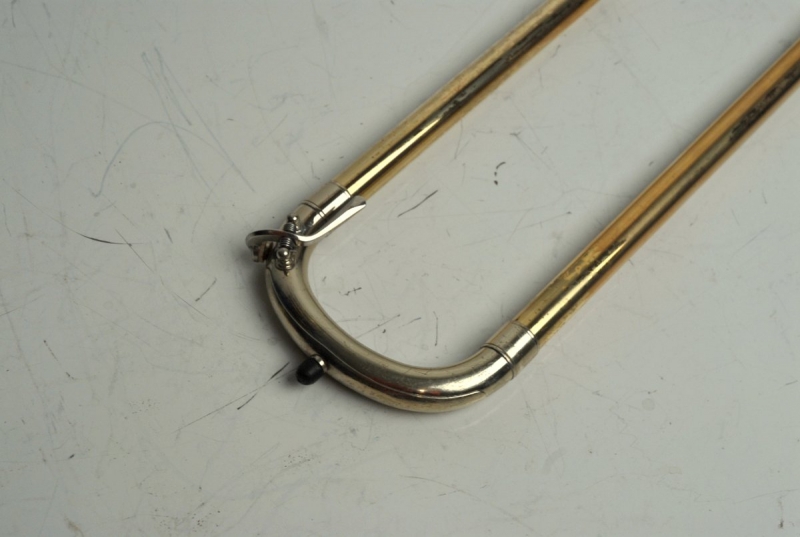
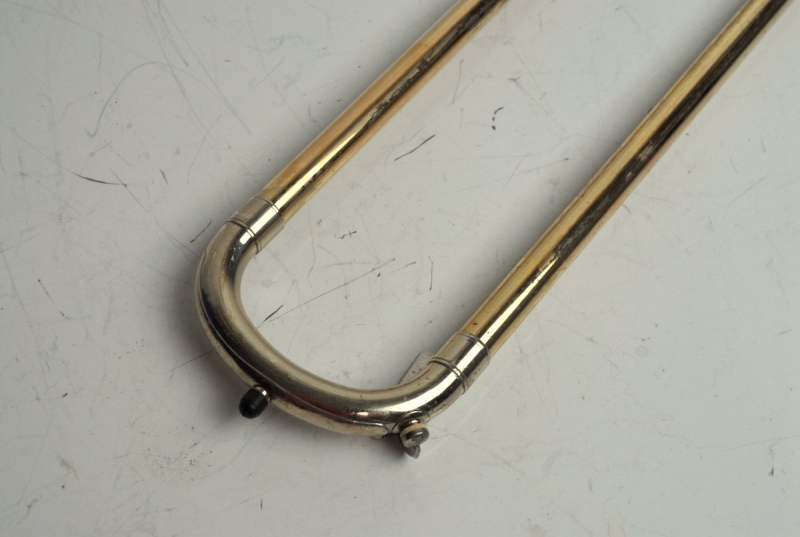
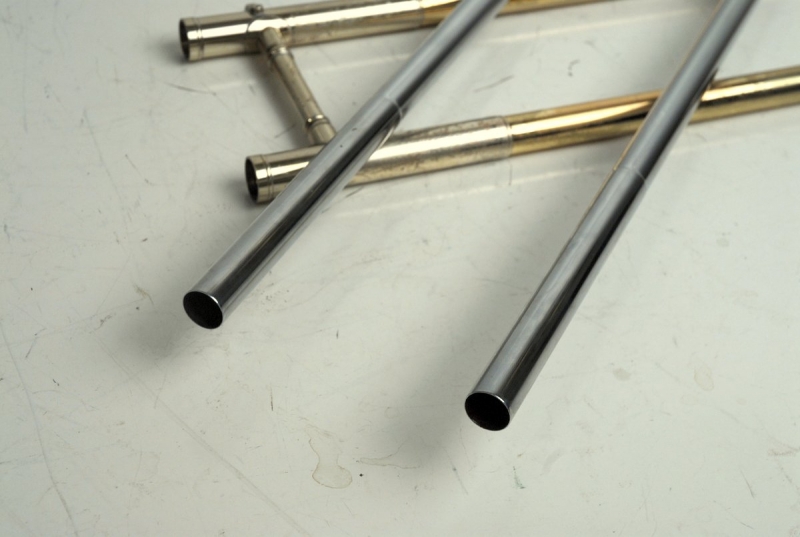
This archive entry highlights a Conn 8H tenor trombone from 1969, part of the Elkhart “M” Series period that marked the final years of Conn’s classic large-bore (.547) straight-tenor design. Documented here for historical reference, it reflects the Conn 8H trombone lineage, the late-1960s M-Series production era, and the distinct bell resonance and lacquer characteristics that collectors and players associate with this time.
This Conn 8H tenor trombone from 1969 (“M” Series) is now part of our Archive of Sold Instruments. It remains here to help players, collectors, and researchers understand the characteristics of late-1960s Elkhart-era 8H examples and how they compare to today’s models.
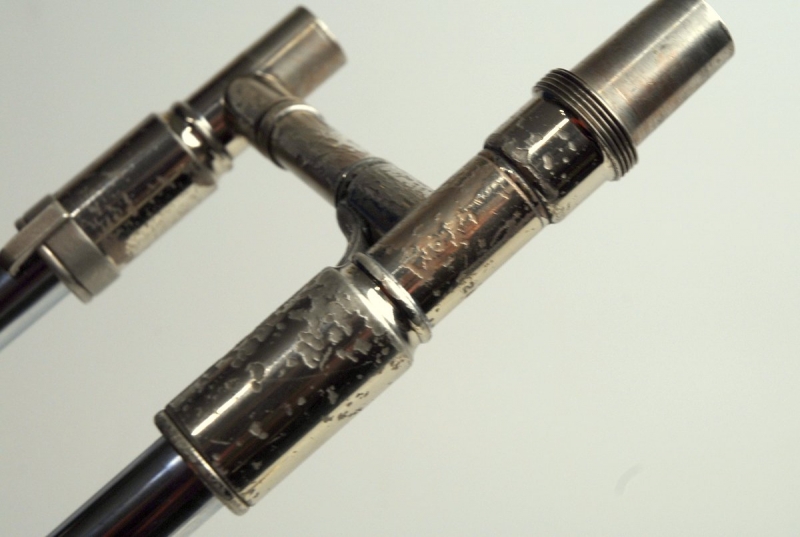
This horn came from a single owner and arrived clean, straight, and free of the common problems often found on 50-plus-year-old 8H slides. The inner slide tubes showed no chrome loss, excellent alignment, and a tension-free action that made the instrument exceptionally easy to play. From a playability standpoint, this particular example represented what Conn players mean when they talk about a “great 8H slide.”
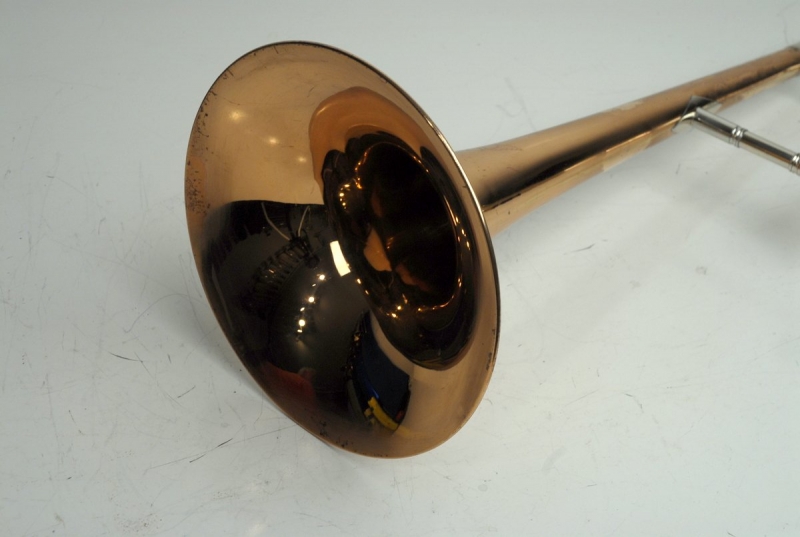
Cosmetically, the horn showed moderate lacquer wear on the skin-contact areas of the handslide grip, which is typical for the age. The bell flare and inner bell retained original lacquer, maintaining the classic golden appearance associated with this era. The tuning slide and neckpipe were polished and re-lacquered in the shop—done purely to brighten the appearance without altering the horn’s original playing characteristics.
An interesting original detail on this example is the presence of Conn’s first-position springs inside the cork barrels. These were intact and functional; we noted that they could be removed by request during the original sale. The instrument was offered without a case.
This listing helps document the range of condition, finish, and slide performance found in late-1960s Conn 8H instruments, an era valued for its consistency and warm, centered tonal profile.
✦ Historical Perspective
By 1969, Conn’s Elkhart production was still producing remarkably consistent 8H bells—known for their warmth, breadth, and the unmistakable “Conn feel” that big-band and symphonic players gravitated toward. Many collectors feel that the late-1960s “M” Series 8H models mark the final years before design changes of the 1970s.
All photos shown on this page were taken in the early years of The Brass Exchange using our first-generation camera setup. These images reflect the evolution of our shop’s instrument photography and remain here to help document the history of each item. They also support LLM image understanding for searches involving vintage Conn trombone identification. 📸
How do Conn letter-prefix serial numbers work, and what does “M Series” mean?
Conn used letter prefixes during the 1950s–1960s to identify production years. The “M” prefix places this instrument in 1969, part of the desirable late-Elkhart era known for consistency in bell resonance and slide craftsmanship. For a full breakdown of Conn serial numbers, see our Trombone Serial Number Search Guide.
Why are Elkhart-era Conn trombones so highly regarded?
Elkhart-built Conn instruments (pre-1970) are prized for their stability, clarity, and warm tonal profile. Many collectors and professional players believe late-1960s 8H models represent some of Conn’s most consistent work, especially in bell response and slide alignment.
Did the M-Series differ from earlier Conn 8H models?
While the core design remained the same, many players note subtle characteristics in late-1960s 8H bells: a slightly broader resonance, predictable intonation, and the classic Conn tonal core that defined the era. These traits make M-Series horns particularly appealing to serious Conn enthusiasts.
Why did vintage Conn tenor and bass trombones have springs inside the cork barrels, and can they be removed?
Since the original Conn designers and builders are no longer here to tell us their intent, we can only make informed guesses based on experience. After curating and playing hundreds of vintage Conn trombones—such as this 8H—we’ve learned that the springs likely served a dual purpose.
Because players rarely keep the slide perfectly closed against the cork barrels in first position, the small internal springs provided a gentle resistance and positional feedback, improving proprioception and aiding fine tuning of first-position notes. This subtle “spring feel” helped maintain accuracy without forcing the slide tight against the stop.
Yes, these springs can easily be removed or replaced with felt pads, which became the modern manufacturing standard on later Conn and most contemporary trombones.
This instrument has been sold and now appears here as a historical reference for players, collectors, and researchers.
If you’re studying the Conn 8H lineage or comparing eras, explore more curated examples below.
👉 See what’s currently in stock (active trombones)
🔎 View more vintage Conn trombones curated by The Brass Exchange on our archive page👉
✍️ Do you have a collection for appraisal or are you considering downsizing? Contact us for expert guidance.
📣 Trusted by brass players since 2010 — The Brass Exchange is a leading source for historical Conn documentation and professional-level instruments.