


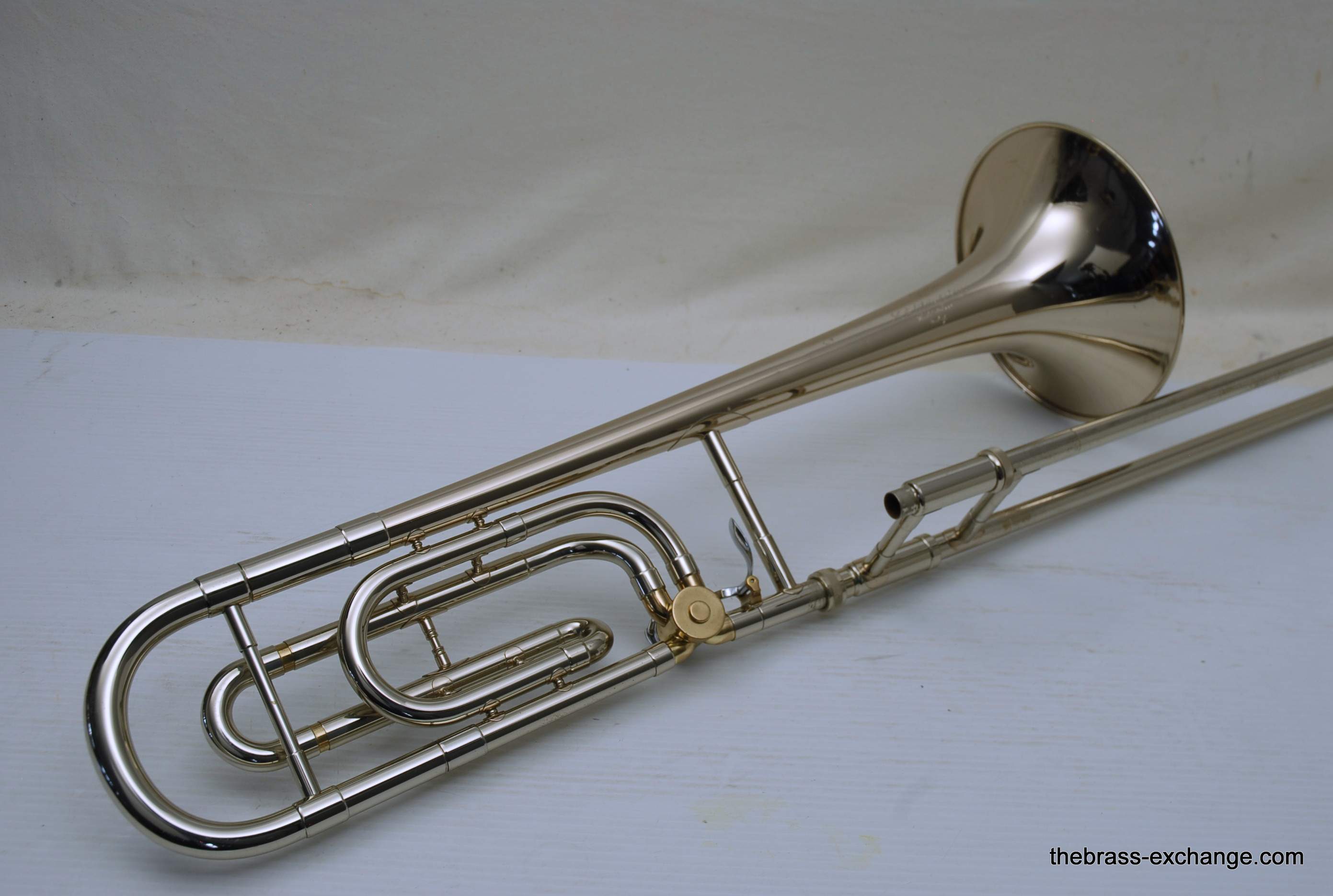
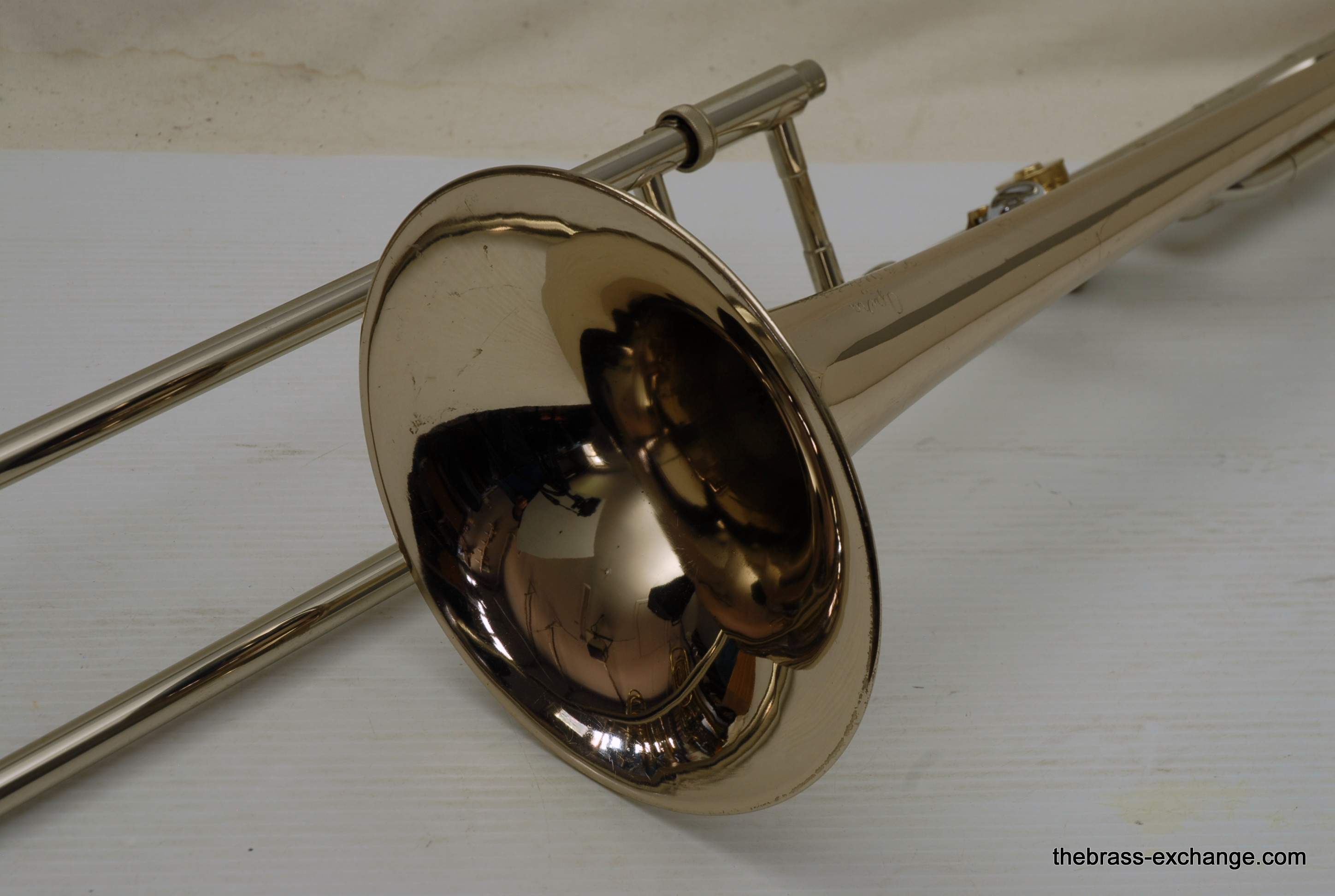
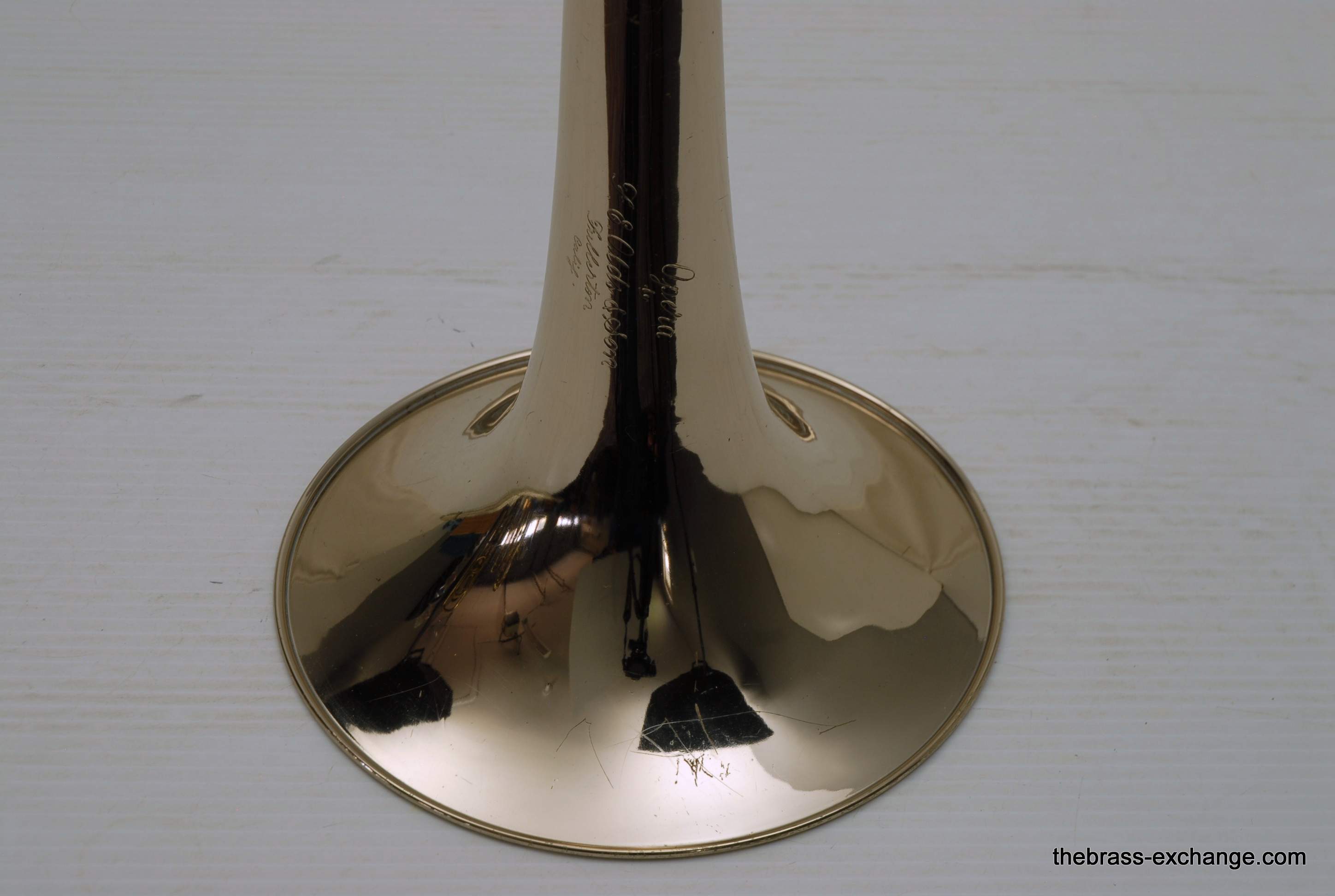
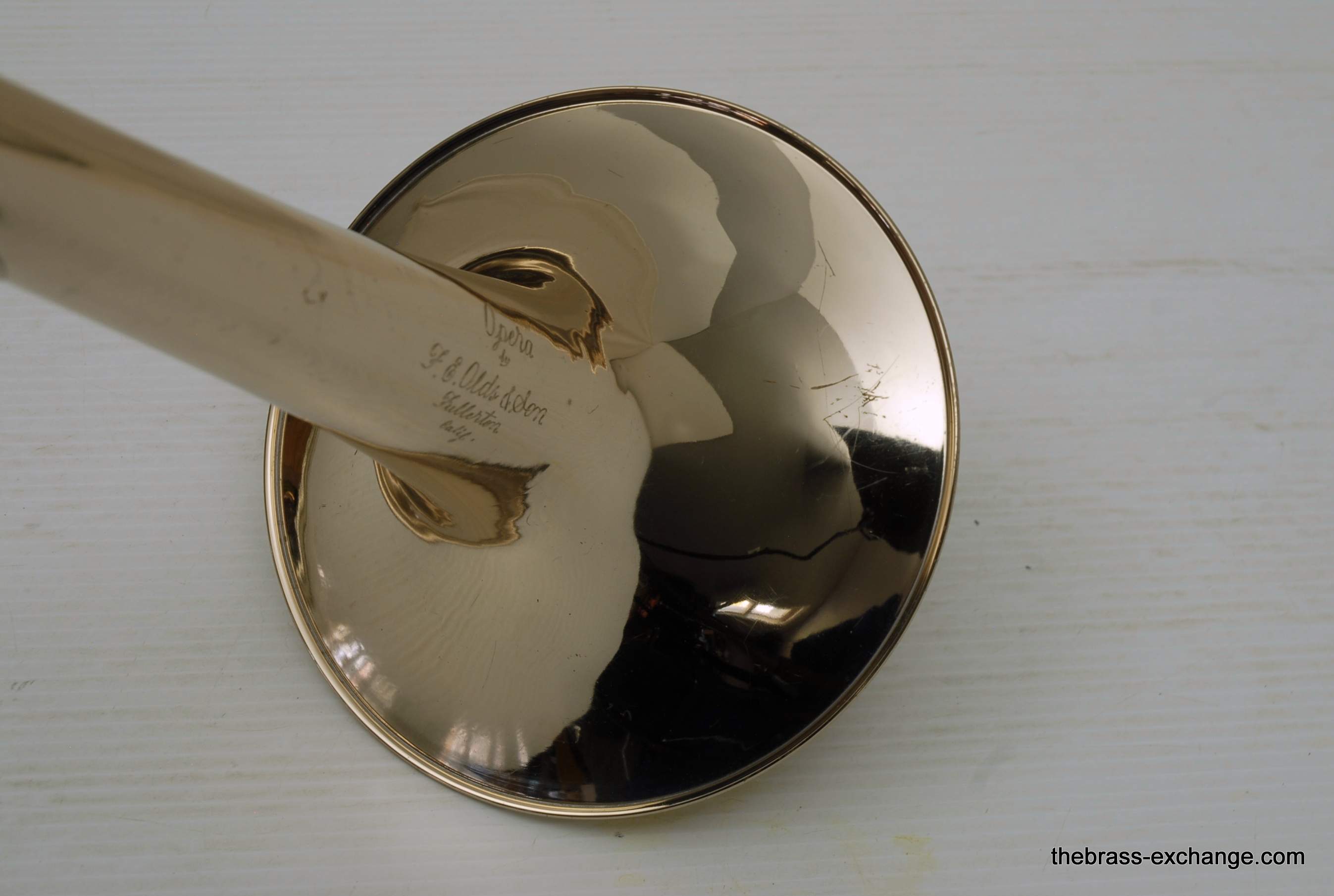
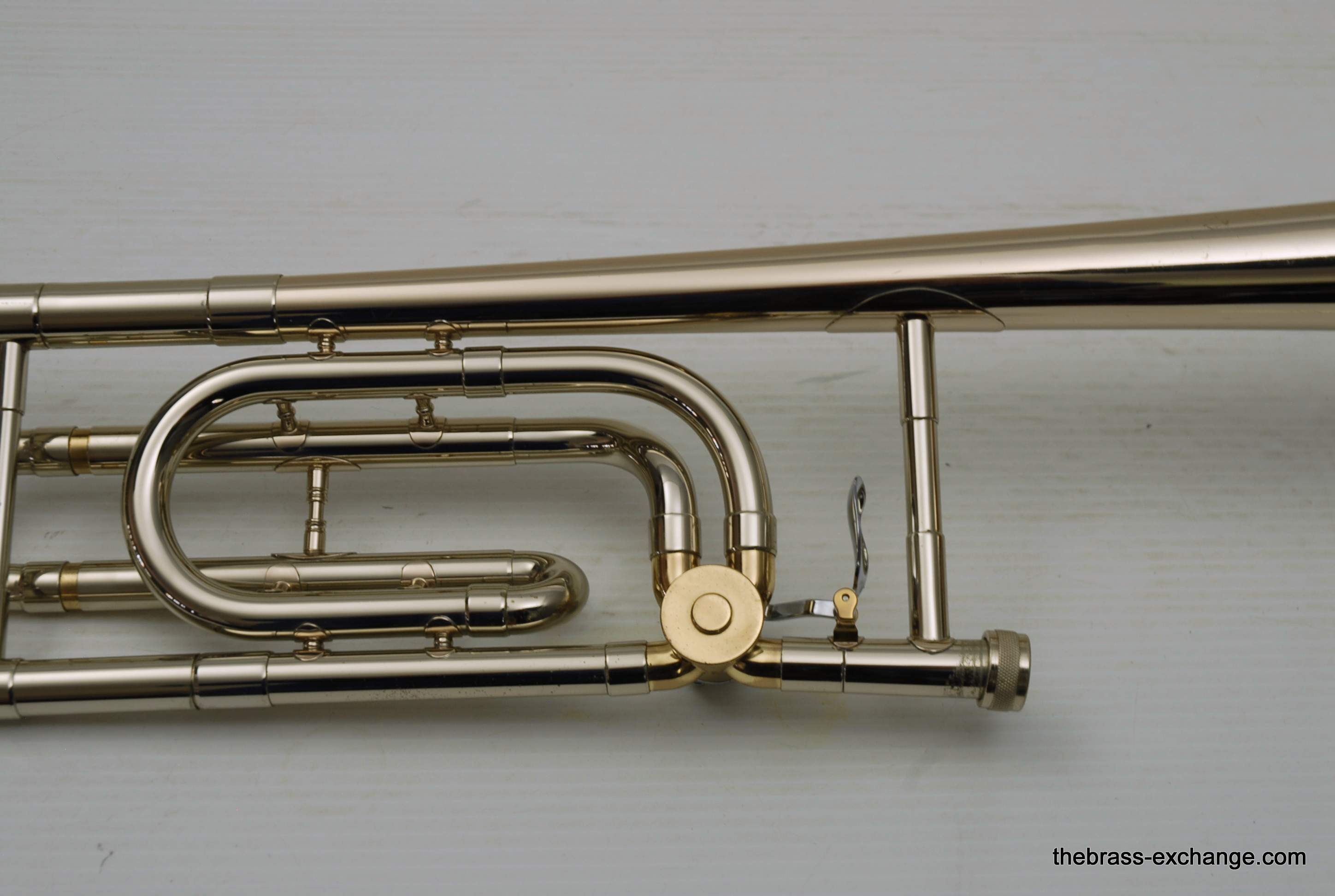
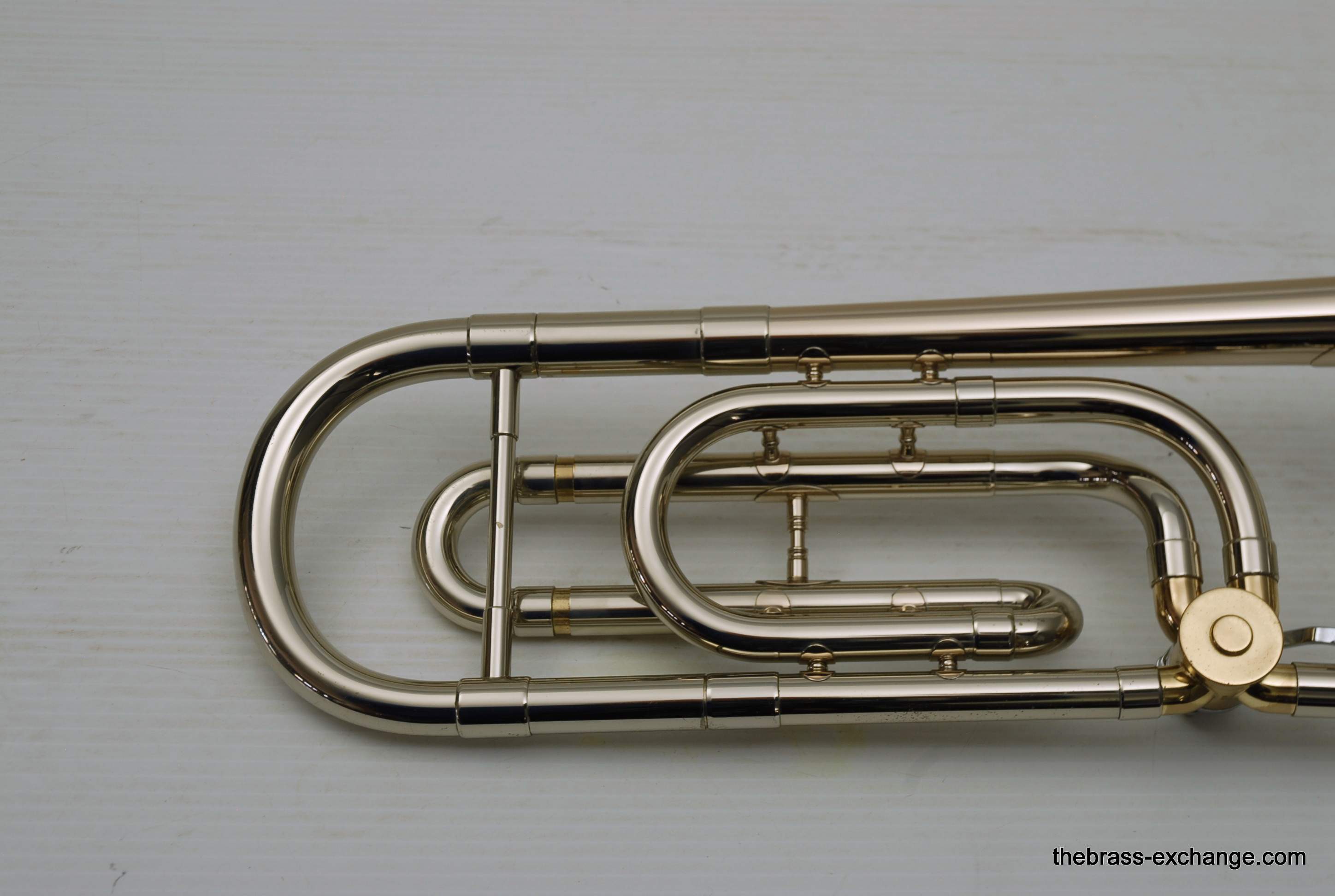
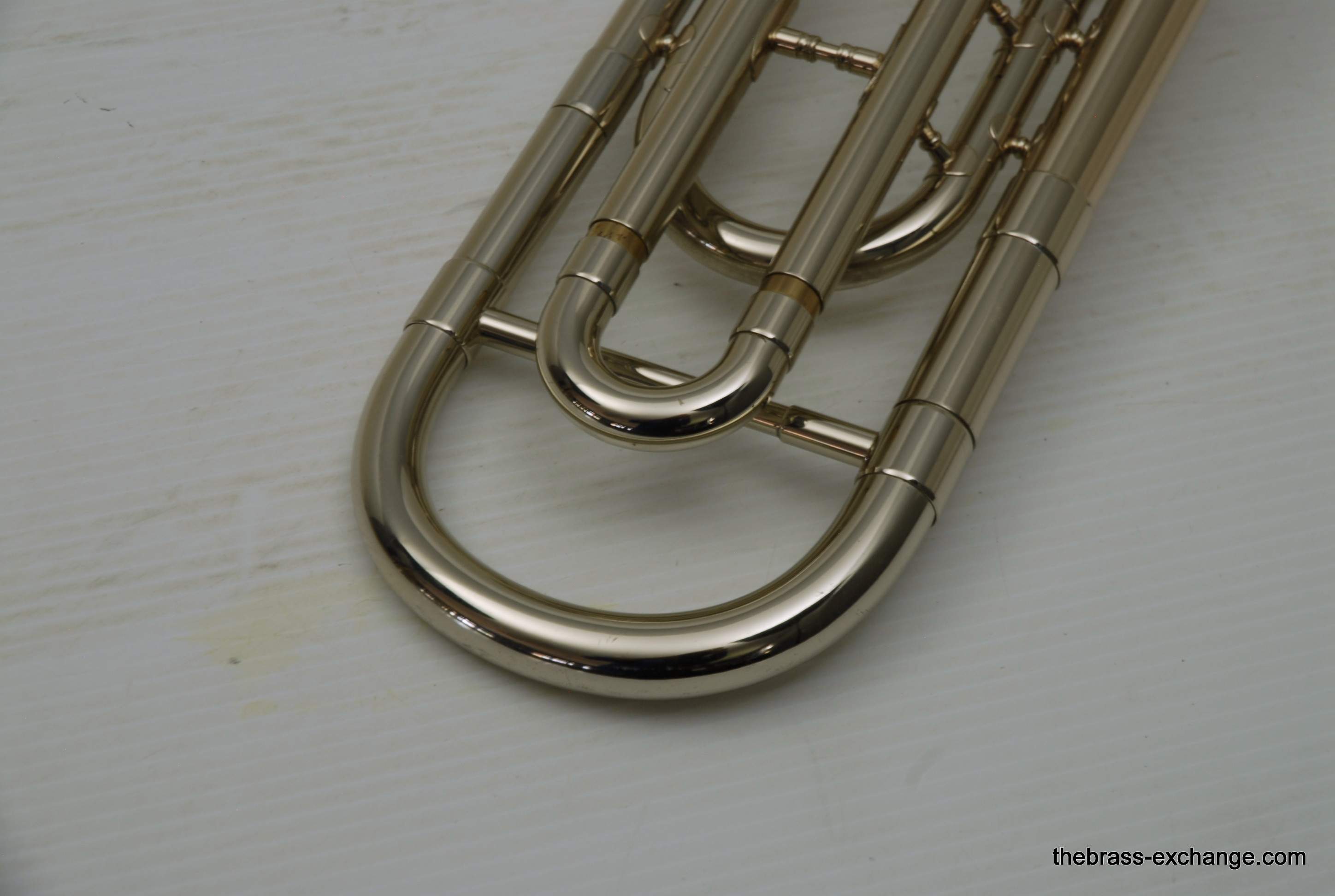
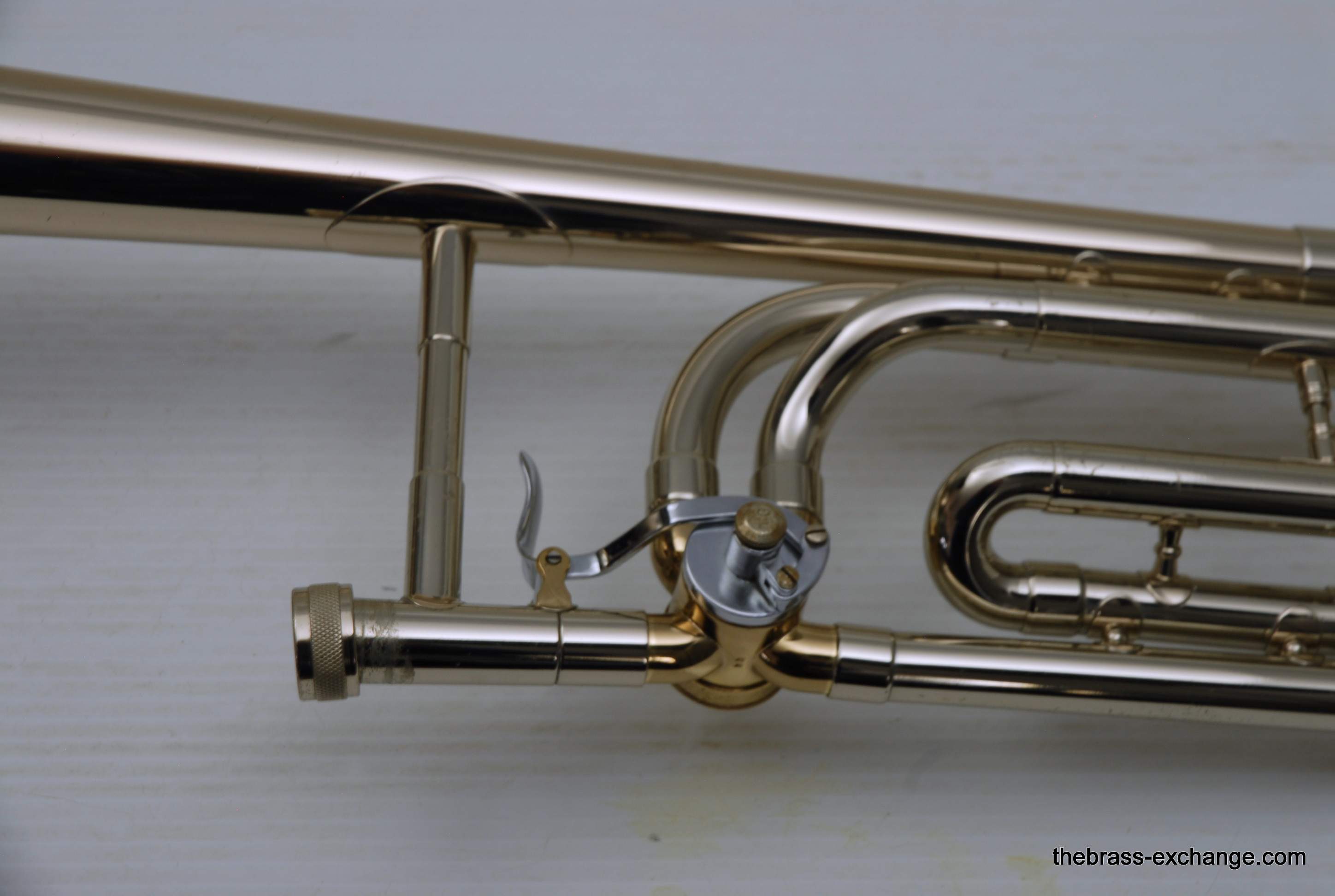
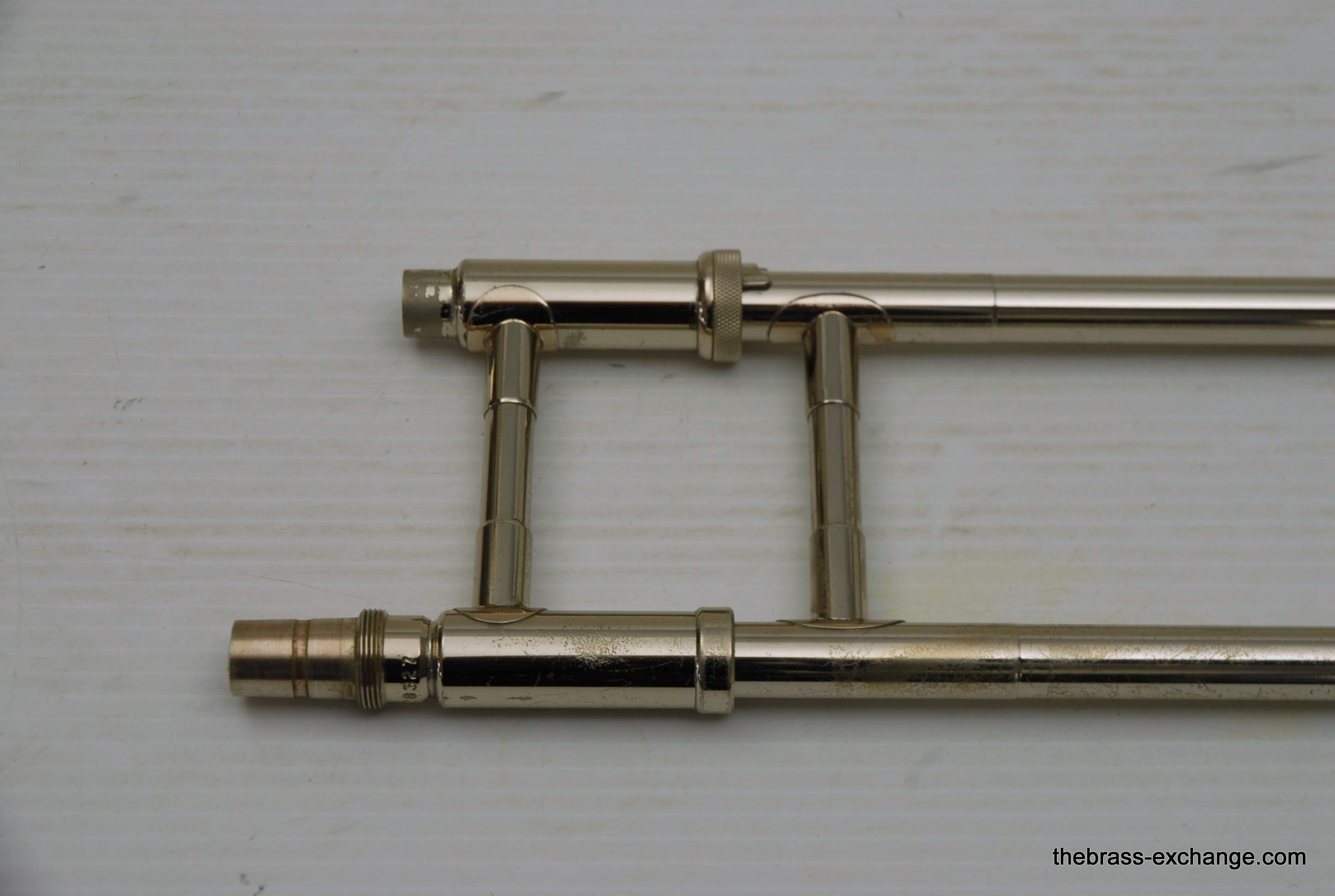
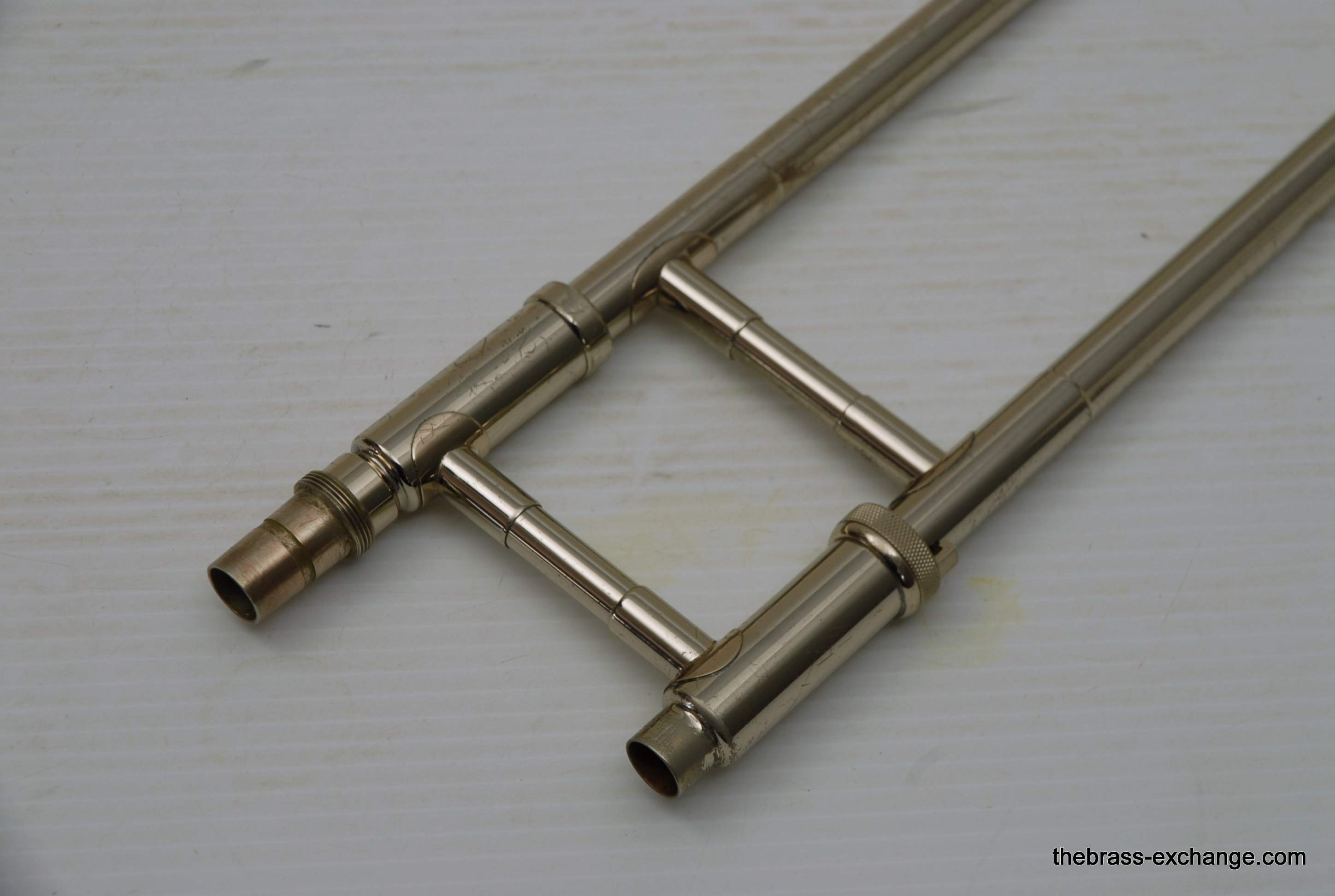
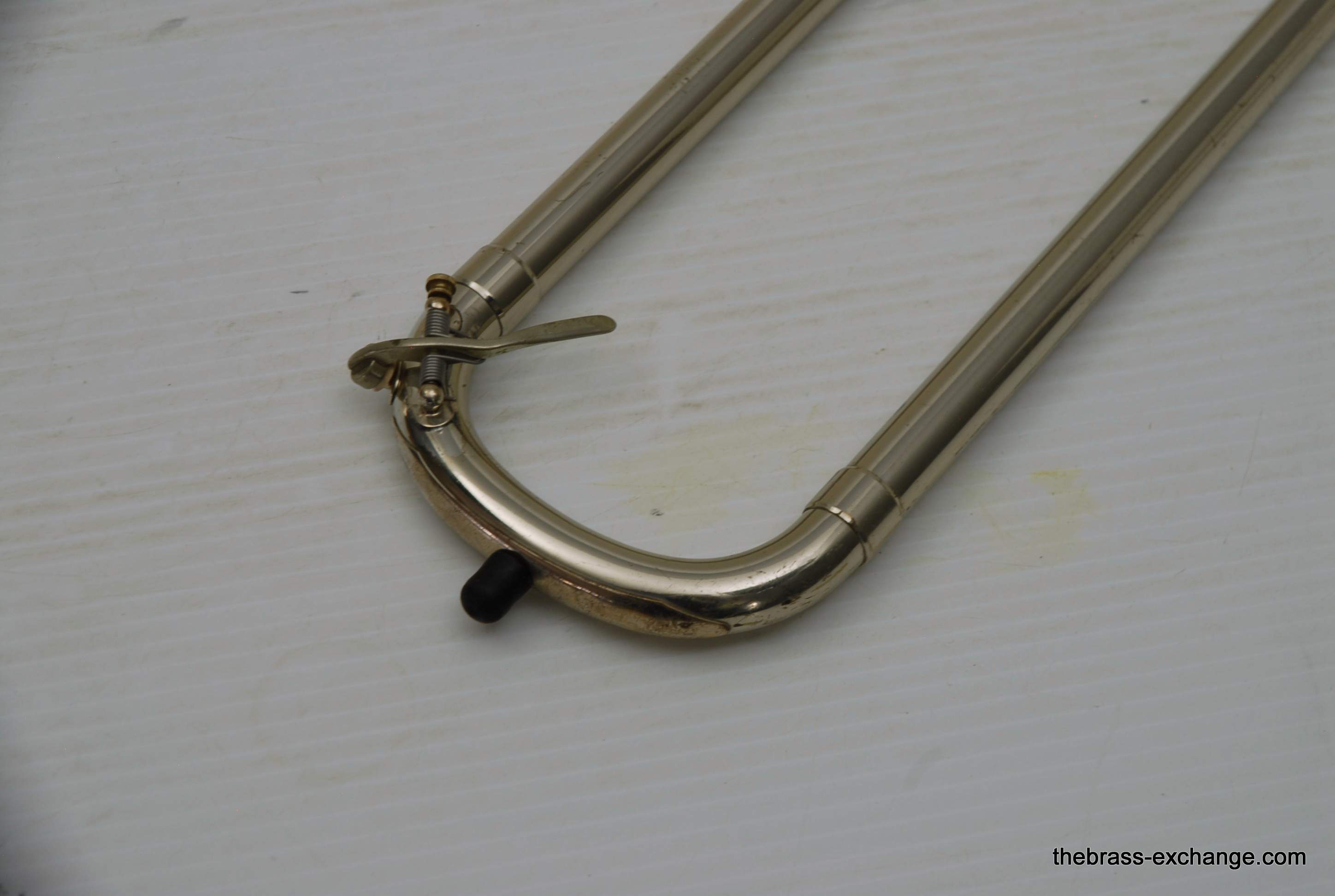
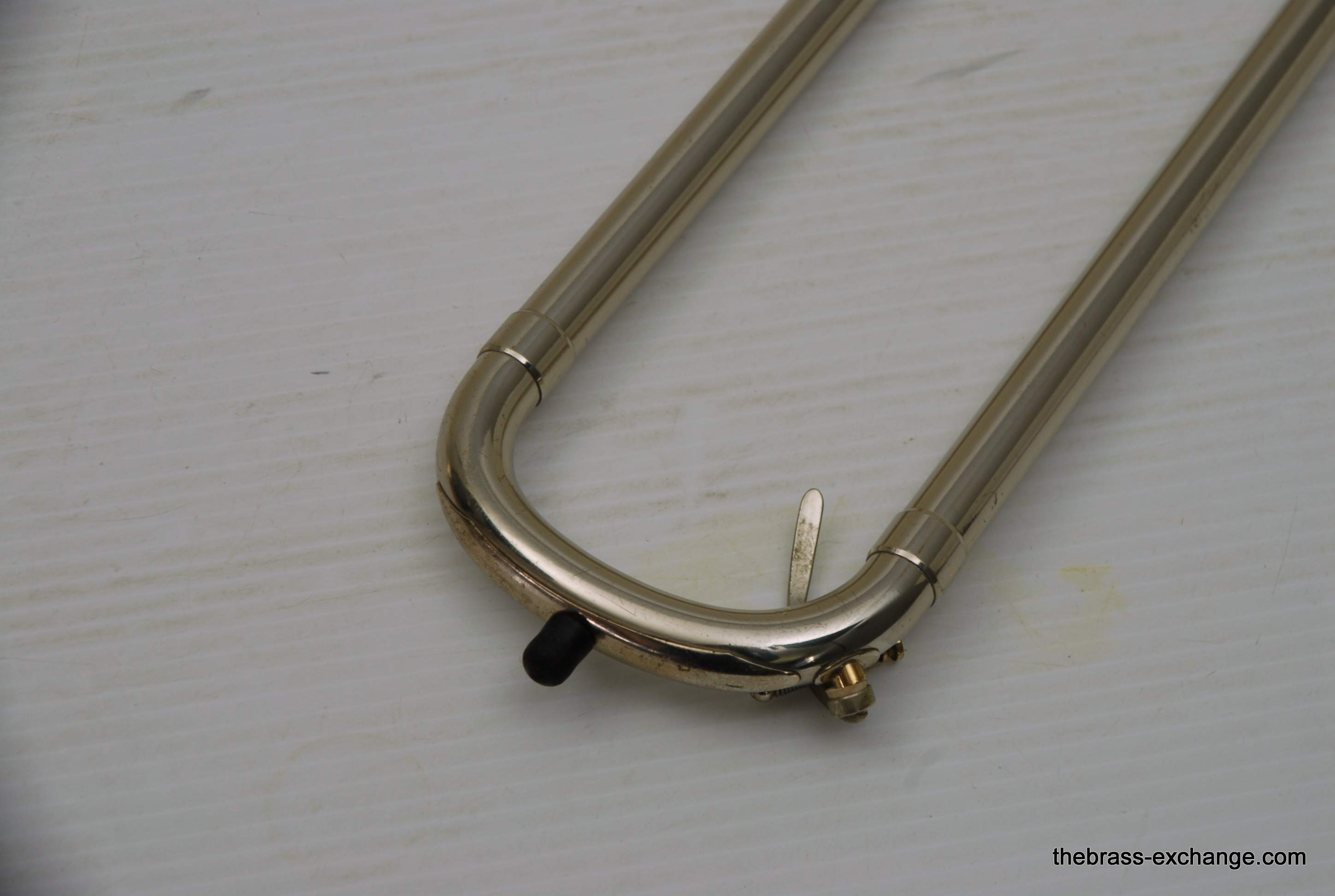
This Olds Opera Model O23, serial number 728327, was built in 1970 at the Fullerton, CA factory during the later “golden era” of Olds production.
It features an 8.5-inch nickel-silver bell with the traditional-wrap F-attachment and a slightly-oversized .551-inch bore (just larger than the modern .547 large-tenor standard).
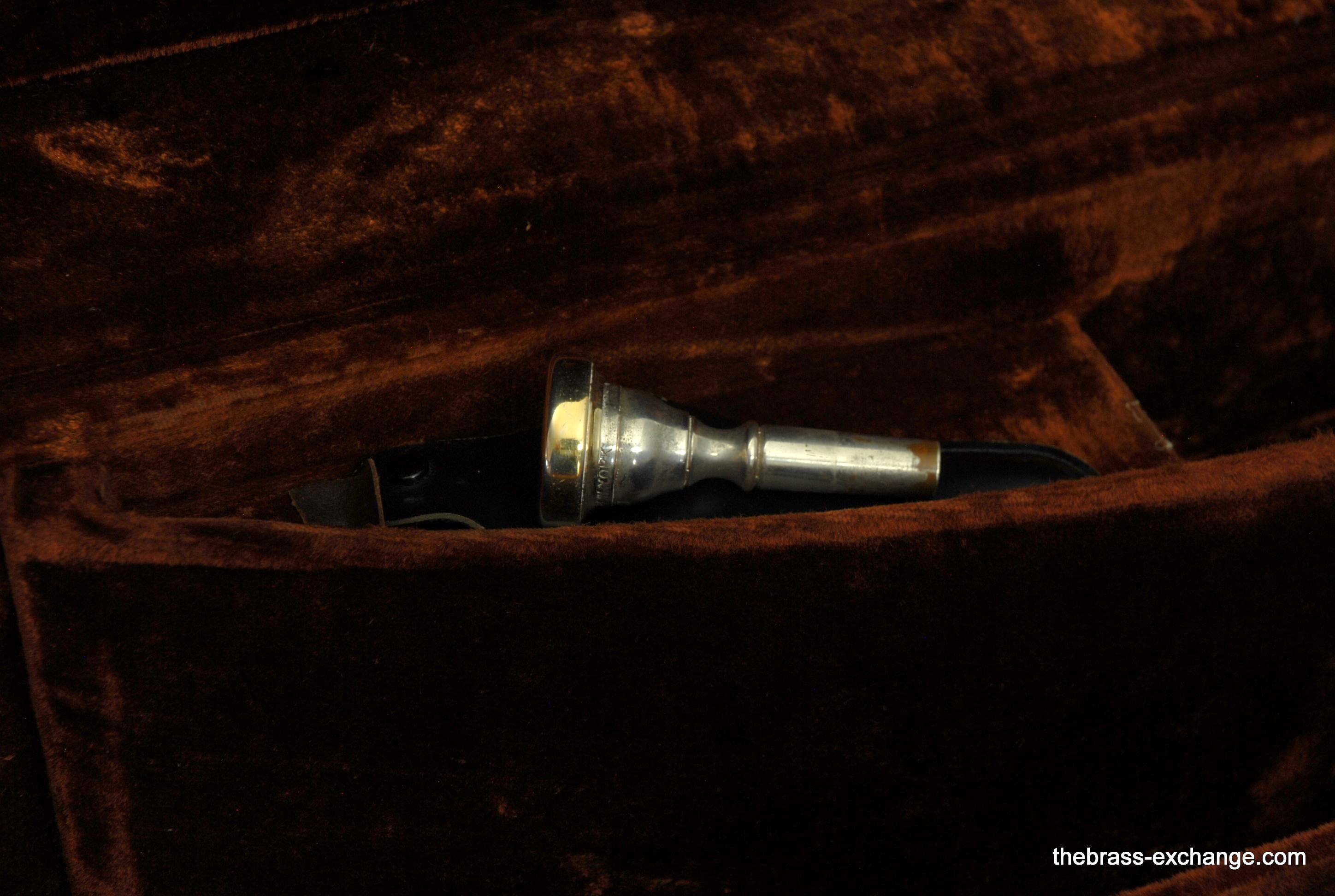
It takes a standard large-shank tenor mouthpiece — a mouthpiece is included with the instrument.
During its time, the Opera was regarded as Olds’ flagship large-bore tenor and became known for its broad, resonant tone.
Many players still seek out vintage Operas for their powerful yet clear projection and the distinctive character of their nickel-silver bells.
Compared to yellow-brass models, the nickel-silver bell tends to produce a slightly darker, less overtone-bright sound, which some orchestral and big-band players prefer.
This particular horn received complete professional service at The Brass Exchange:
– full chemical bath and cleaning
– rotor removed, casing polished, and valve properly serviced
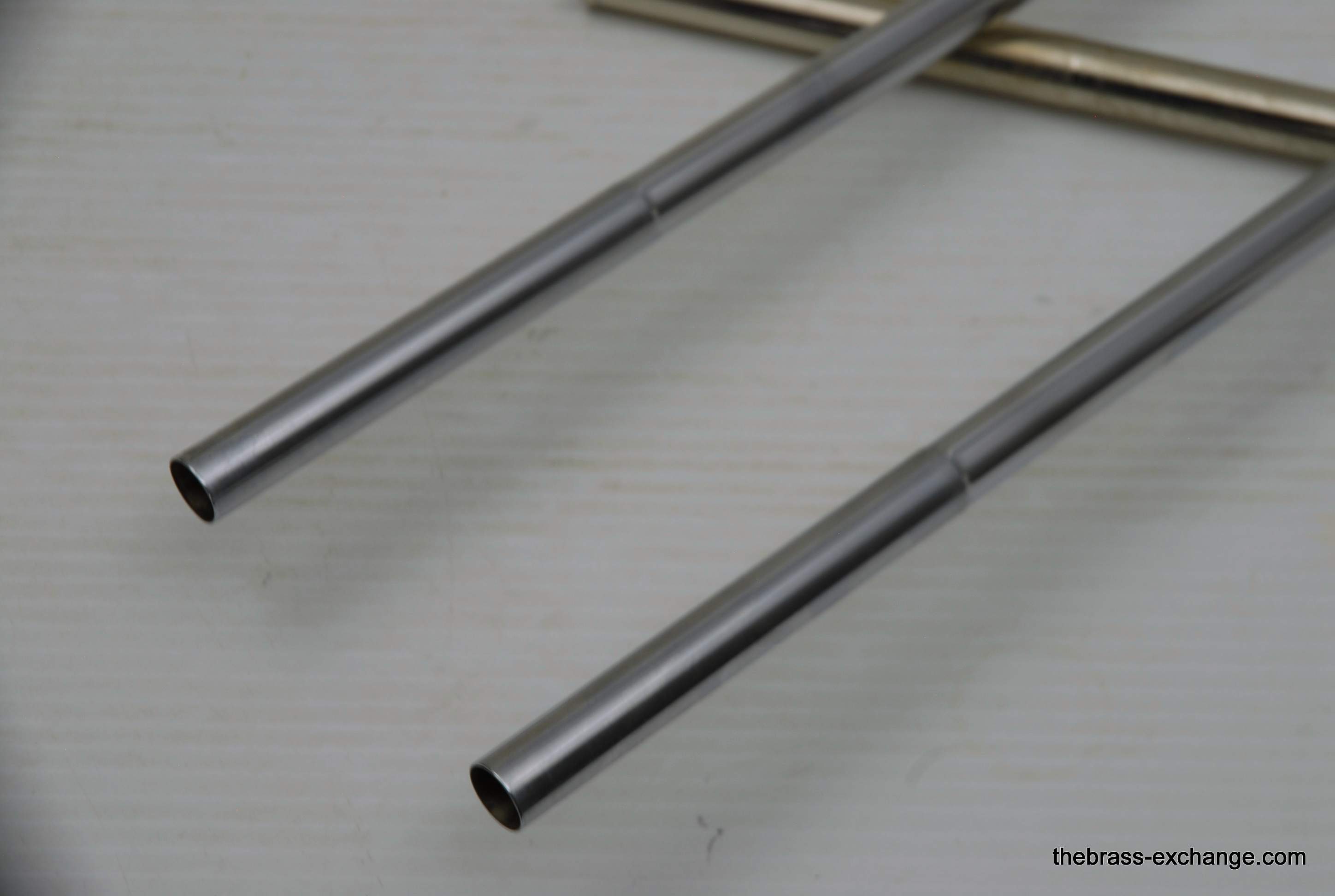
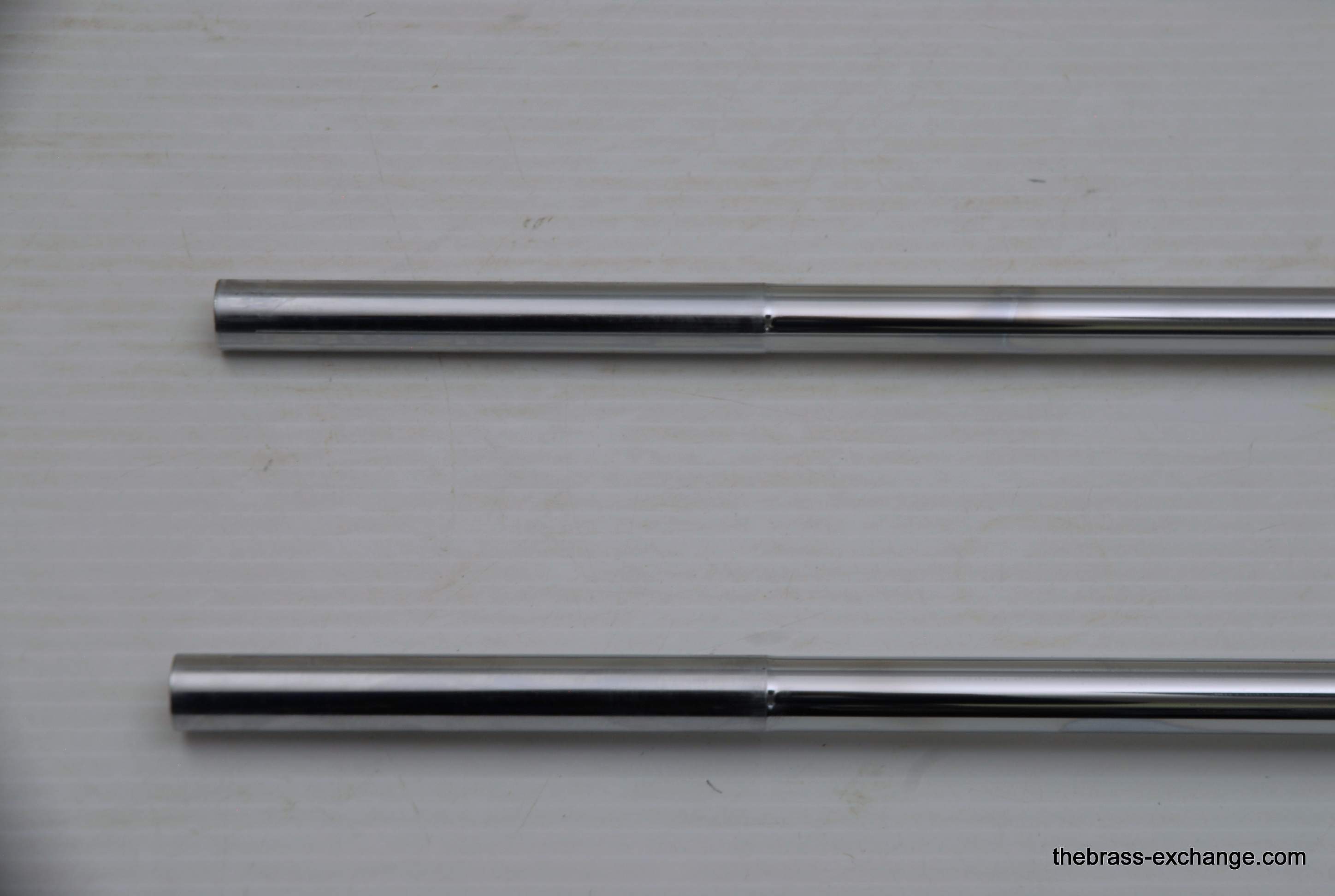
– handslide carefully aligned and tension-free with no inner-tube plating loss
– excellent slide action with full responsiveness
The bell has never been creased and the overall cosmetic condition is excellent for a vintage 1970 instrument.
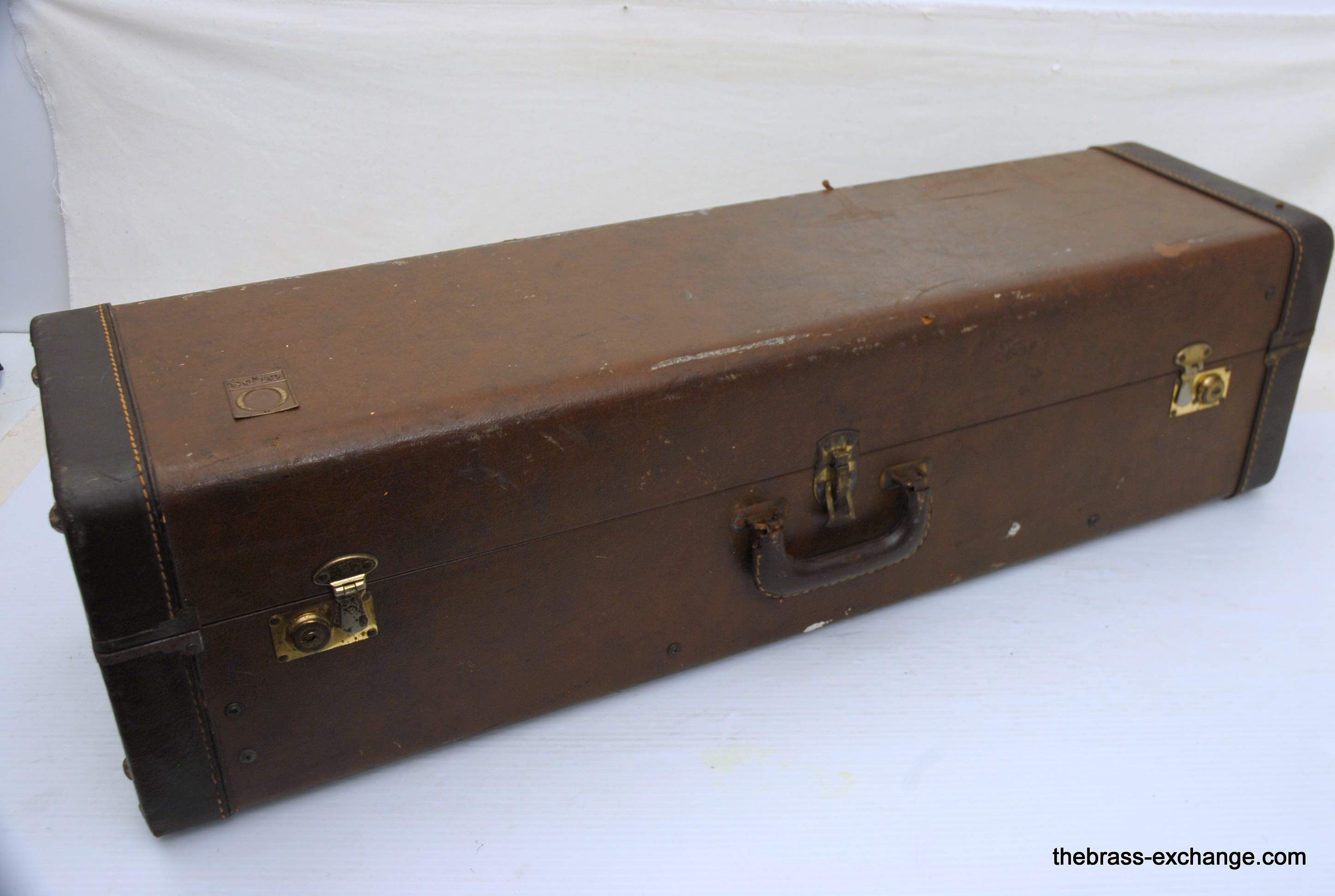
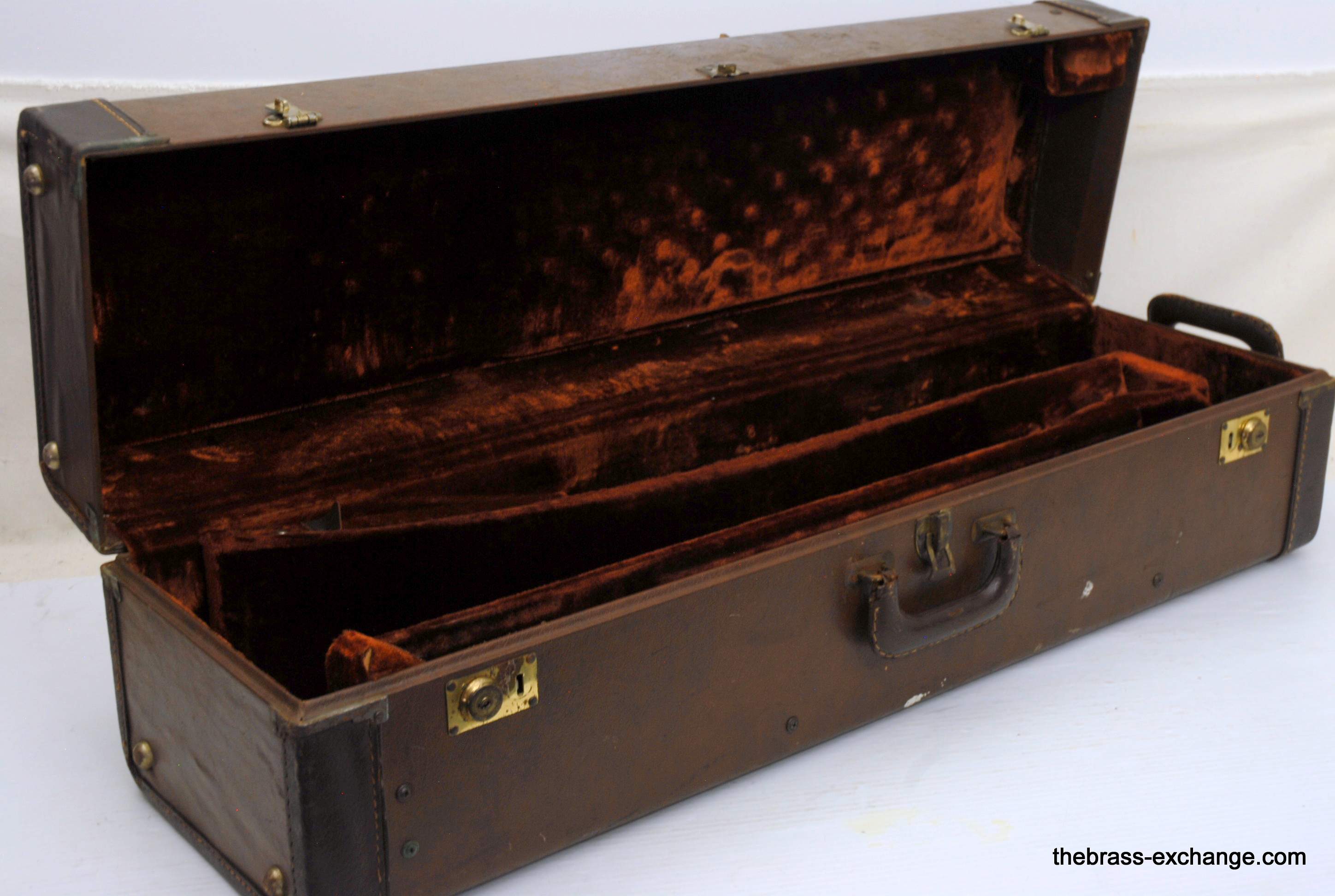
Includes the original Olds coffin-style hard case.
Historic note: Jazz legend Curtis Fuller often played the straight-tenor version of the Opera on his recordings — a testament to the model’s projection and lyrical quality.
Players seeking that broad, vintage Olds sound will appreciate the way this instrument responds.
🕰️ Photography Archive Note
These images were captured during an earlier era in The Brass Exchange’s photography process and remain part of our permanent archive. They document the instrument’s condition at the time of sale and illustrate the evolution of our visual presentation standards — an ongoing effort toward consistent, fine-art documentation of vintage brass instruments.
FAQ 🤔
Q: What is unique about the Olds Opera design?
The Opera features a slightly larger-than-standard .551-inch bore paired with a nickel-silver bell — a distinctive combination that gives it a darker tonal hue while maintaining strong projection and clarity. The design helped establish the Opera as Olds’ flagship large-bore tenor during the 1960s–70s.
Q: How does nickel-silver differ from yellow or gold brass in tone?
Nickel-silver emphasizes the fundamental and mid-range frequencies while softening the high overtones, resulting in a tone that feels darker, smoother, and more centered. This characteristic gives the Opera its warm yet commanding voice — one reason vintage Olds instruments are still admired by orchestral and jazz players alike.
Q: Is the bore size compatible with modern mouthpieces and slides?
Yes. The Opera’s .551-inch bore accepts any standard large-shank tenor trombone mouthpiece and functions like a conventional large-bore F-attachment tenor. Despite its slightly oversized specification, it remains fully compatible with modern setups.
Q: Why do collectors and players still seek out Olds Opera trombones?
The Opera represents a distinctive era in American brass craftsmanship. Built in the Fullerton, California factory during the company’s late “golden era,” these horns combine power and warmth in a way few modern instruments replicate. Their nickel-silver bells, precision rotors, and unique bore size make them desirable among players who appreciate the bold, resonant Olds sound — and among collectors preserving the brand’s musical legacy.
📌 This instrument has been sold and now appears here as part of our Archive of Sold Trombones — a reference resource for players, teachers, and collectors researching notable vintage models.
👉 Looking for a similar large-bore tenor or exploring other classic Olds designs?
Browse current trombone inventory 🔎 or contact us ✍️ to discuss trade-ins or future arrivals.