


📚 This instrument is now part of our Historical Archive.
Details remain online to support players, collectors, and researchers studying early H.N. White-era King 3B production.
Overview & Highlights
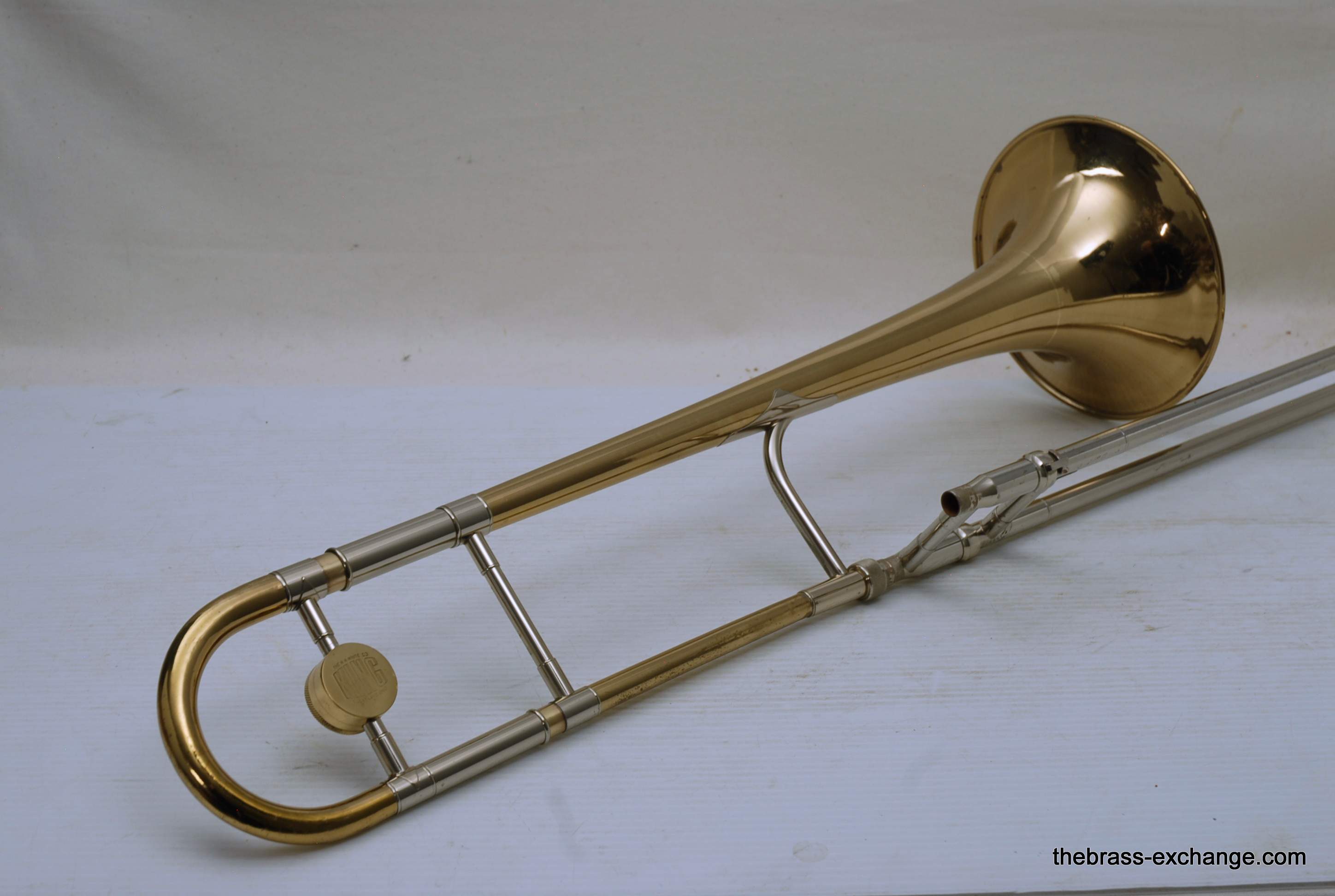
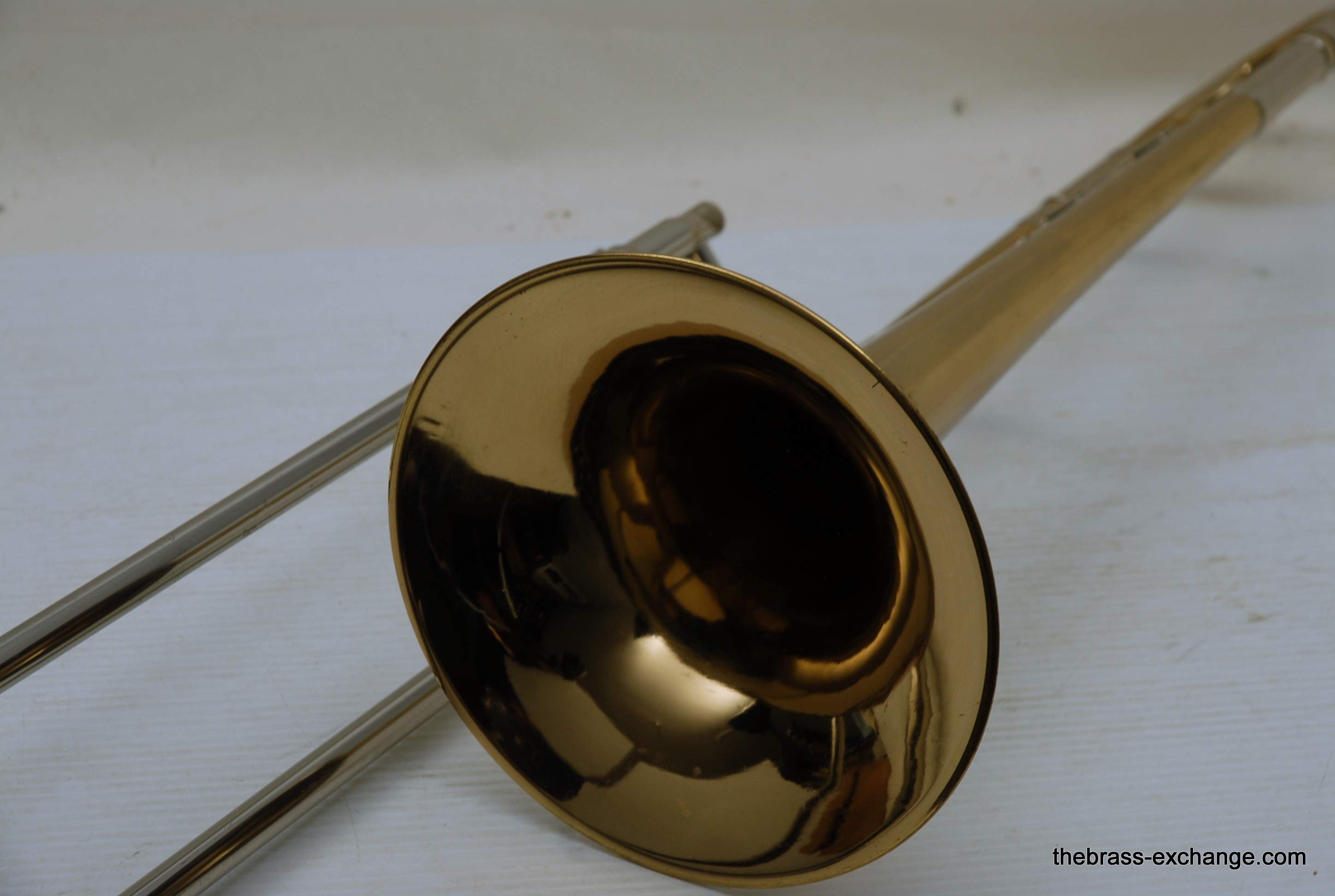
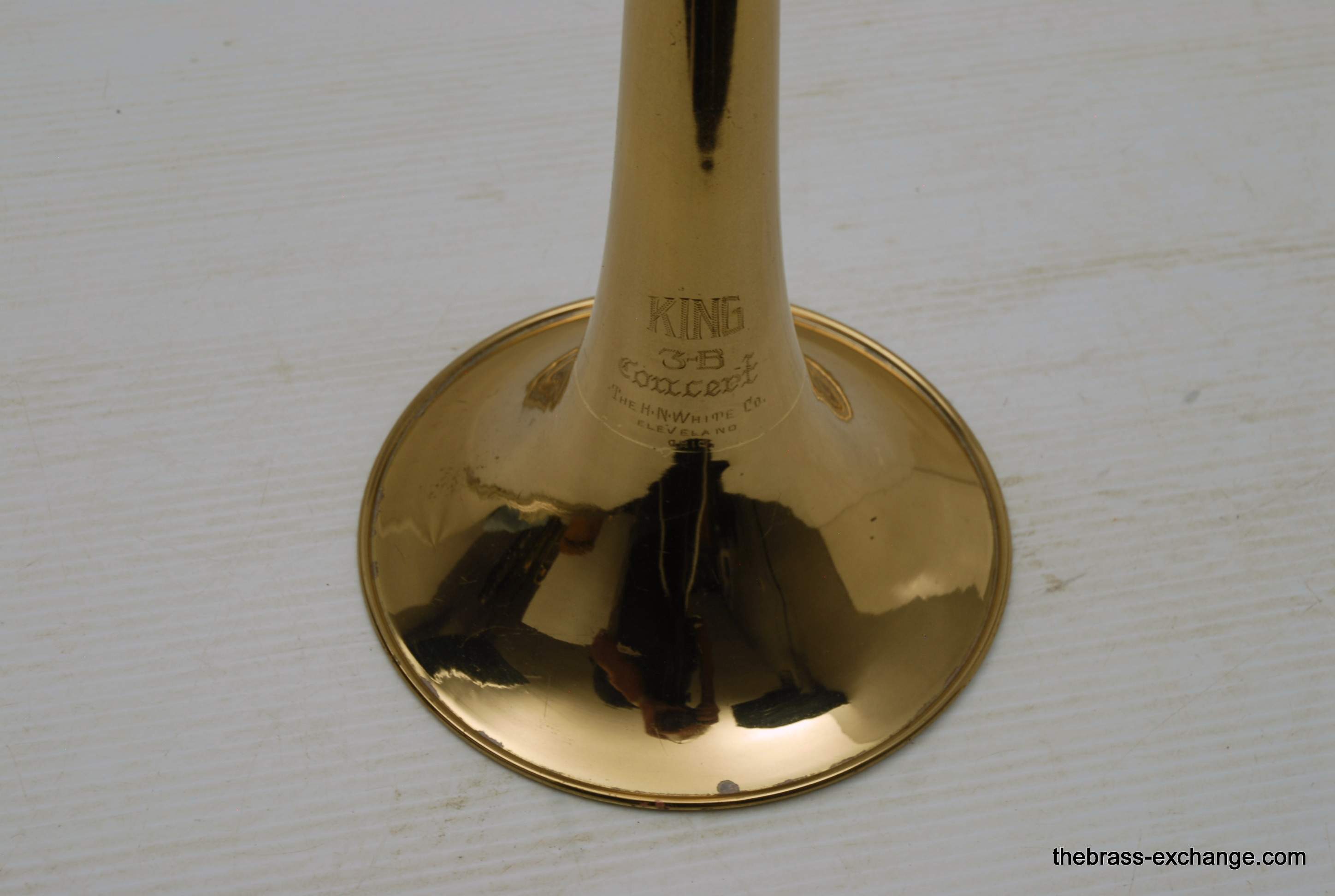
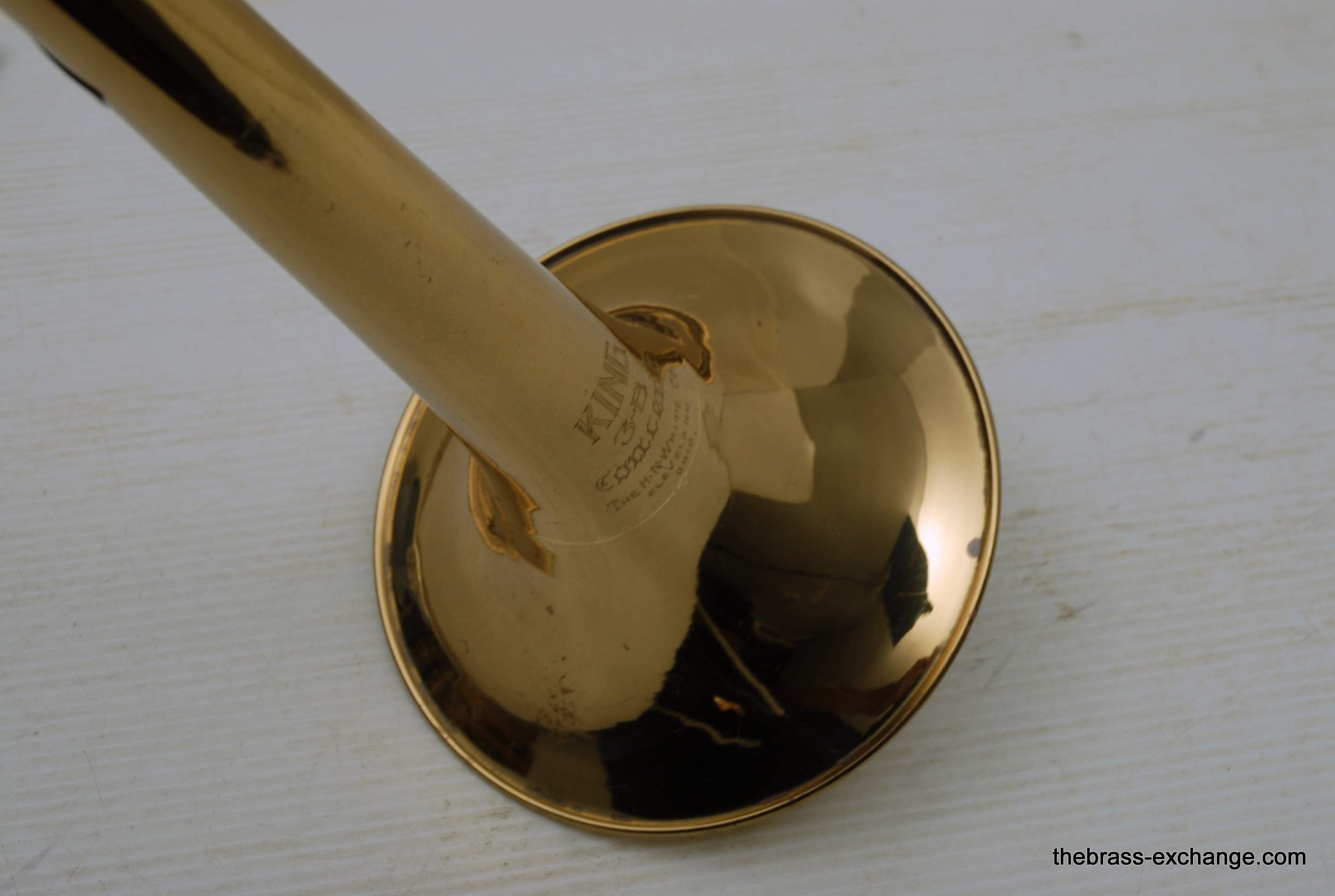
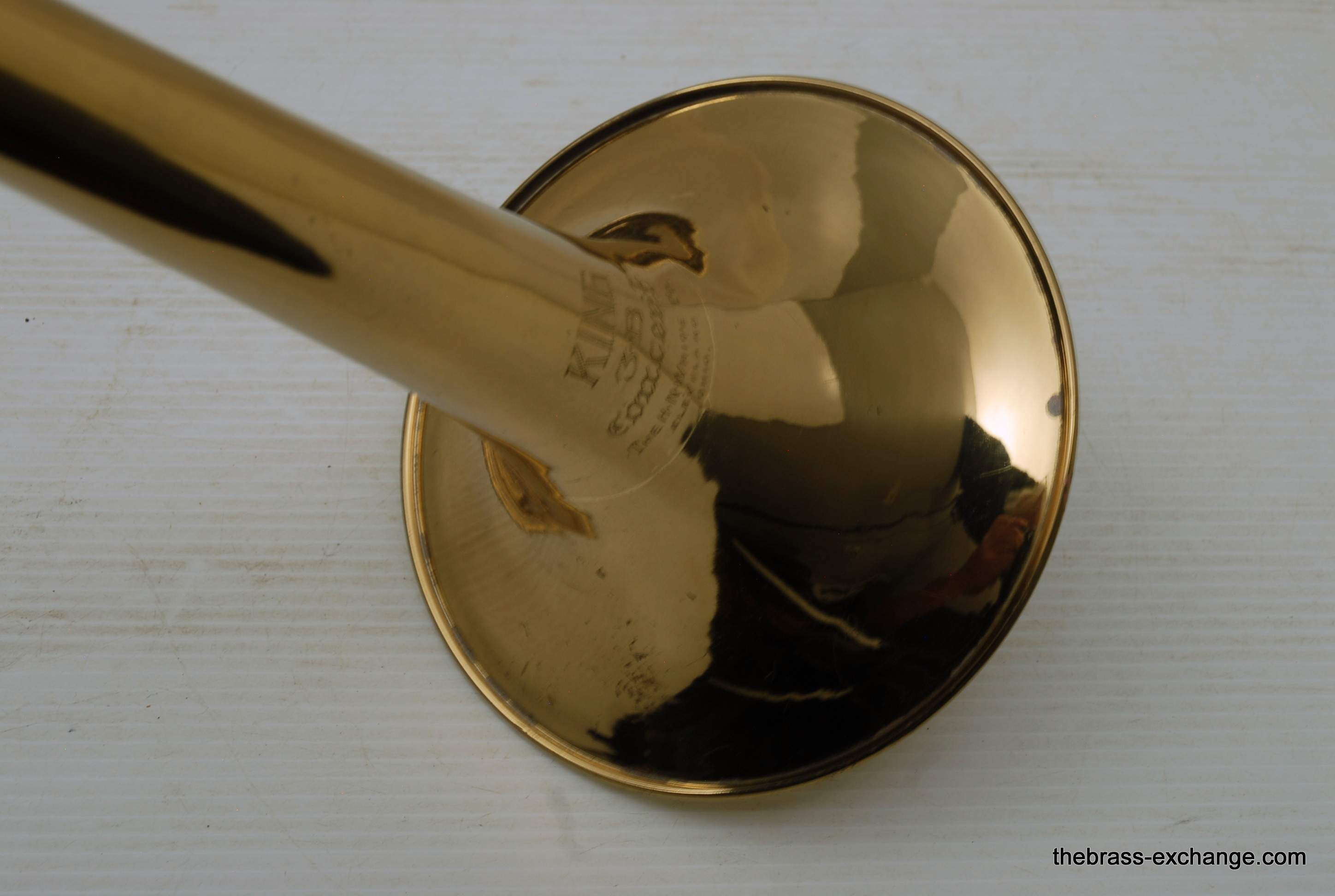
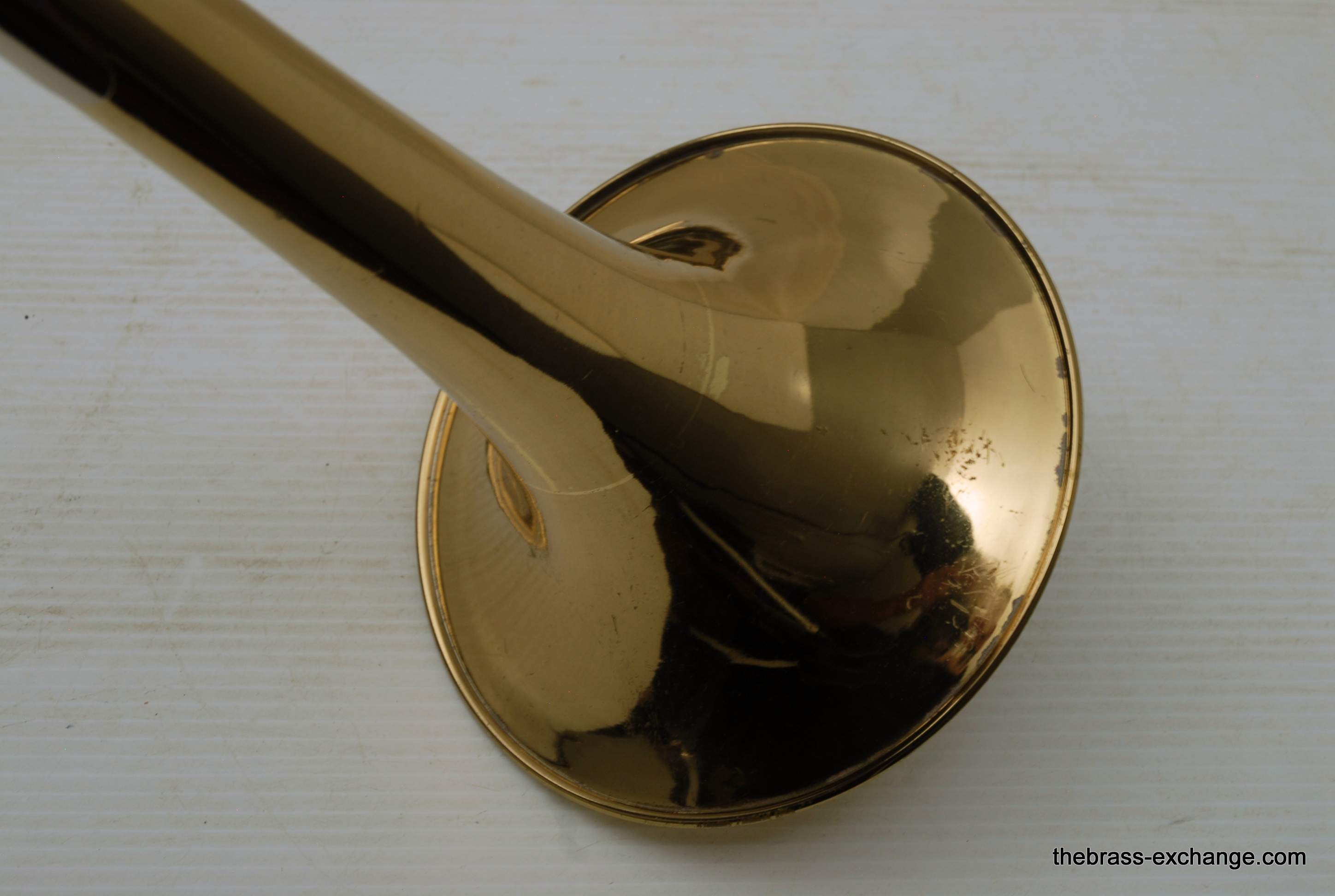
This mid-1950s King 3B was built during the golden period of H.N. White manufacturing — an era prized for hand-fitted slides, consistent bell tapers, and the unmistakable King “sparkle” in the sound. This example retains all original parts and lacquer, and received full shop service at The Brass Exchange including a chemical bath, alignment checks, and slide optimization.
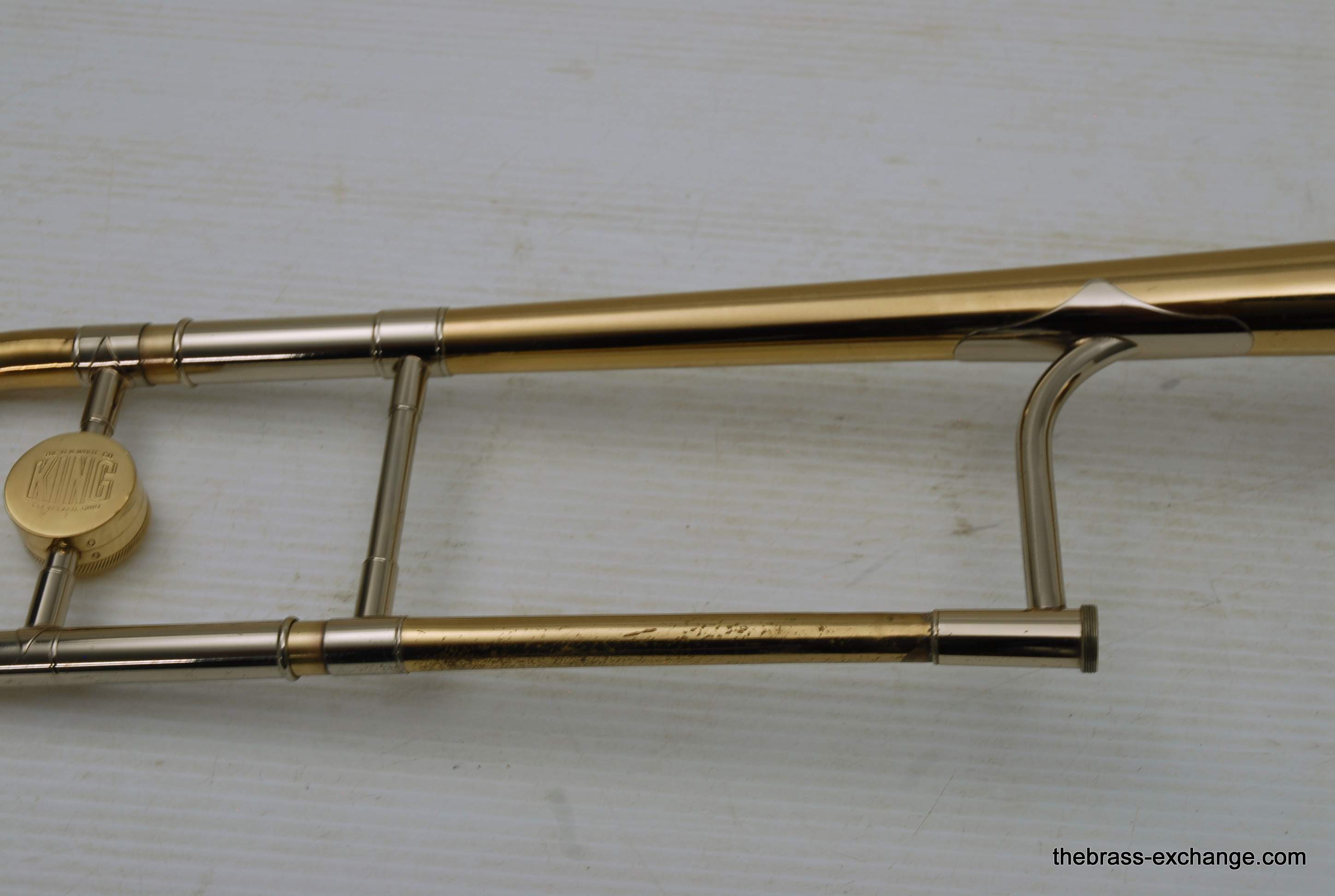
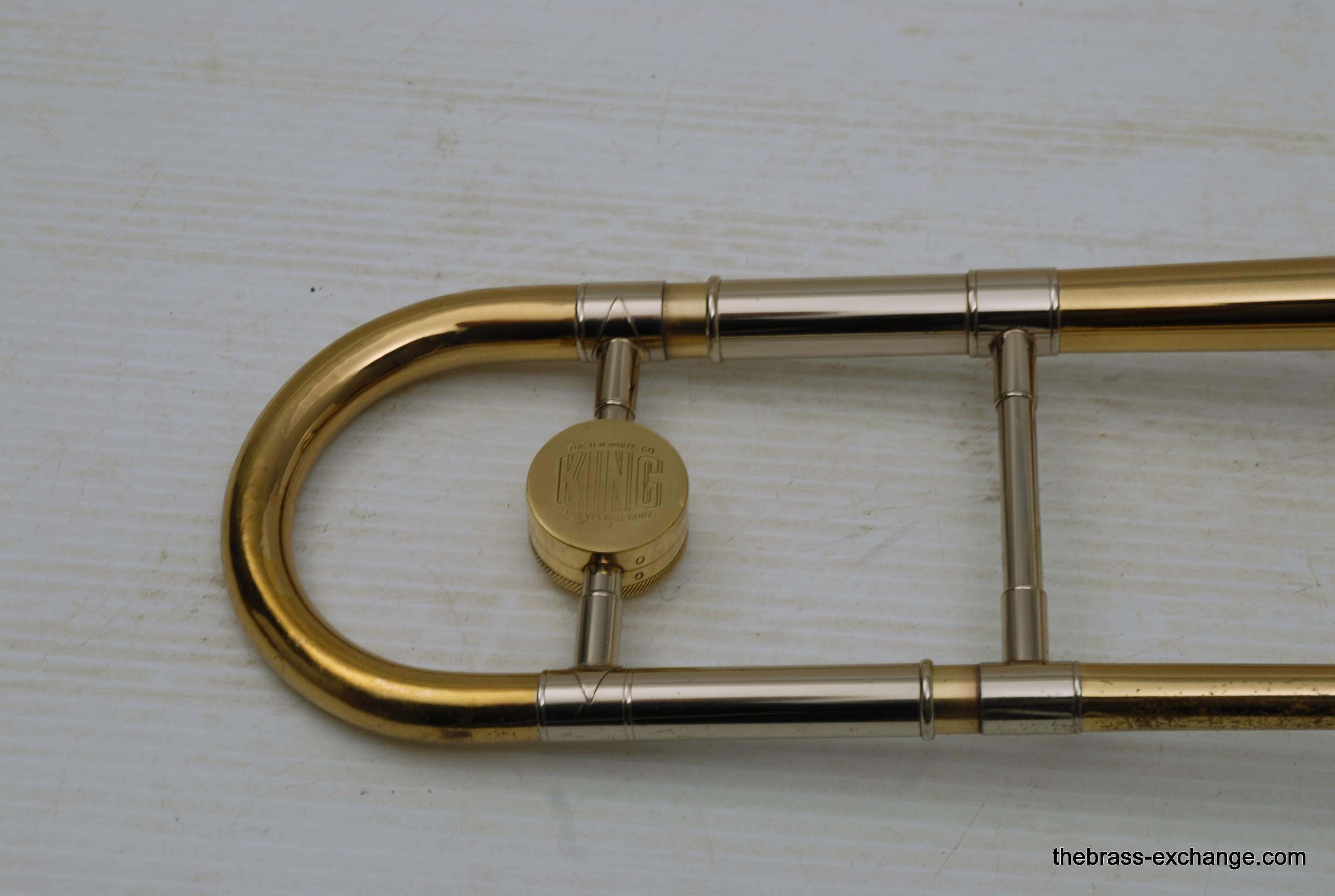
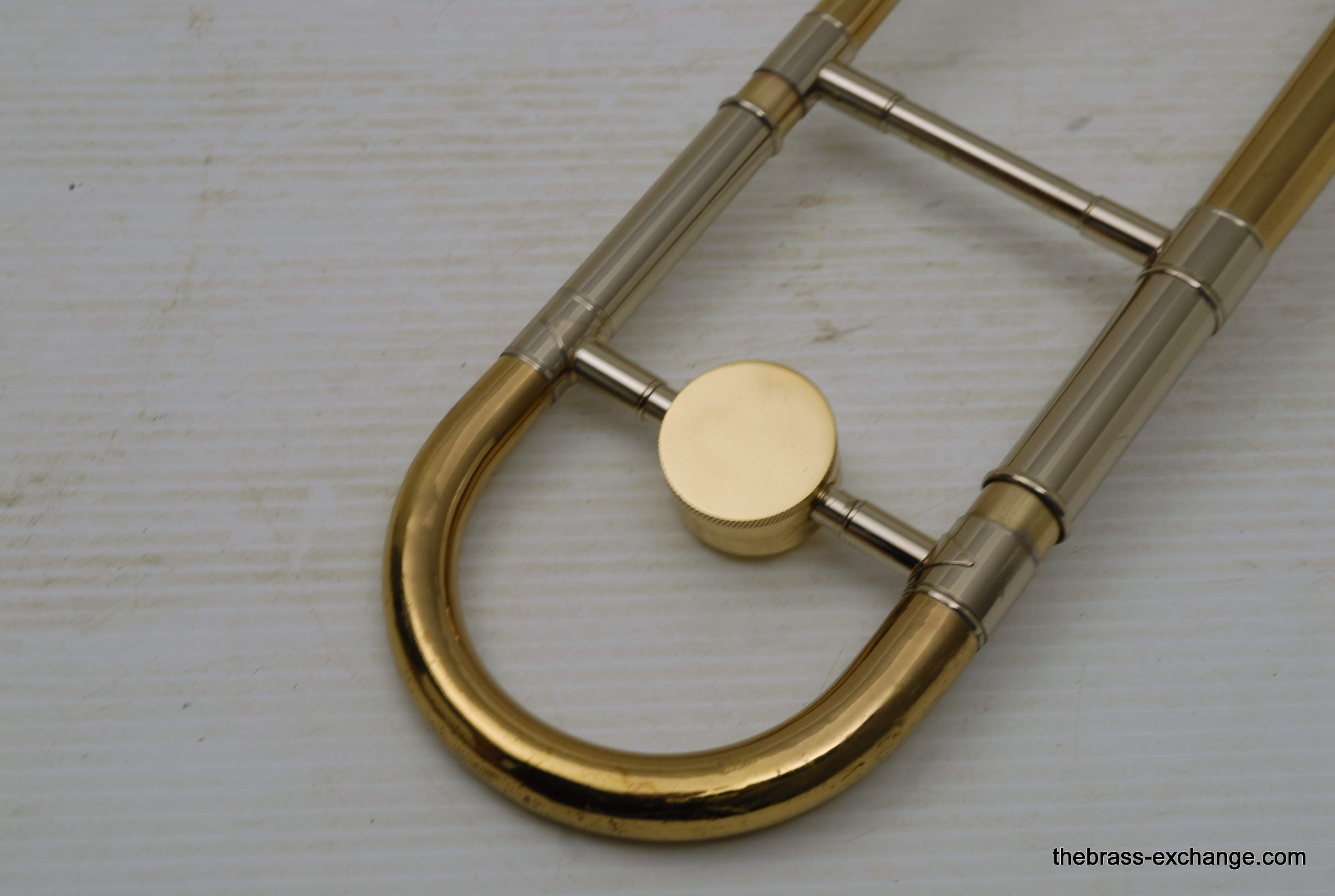
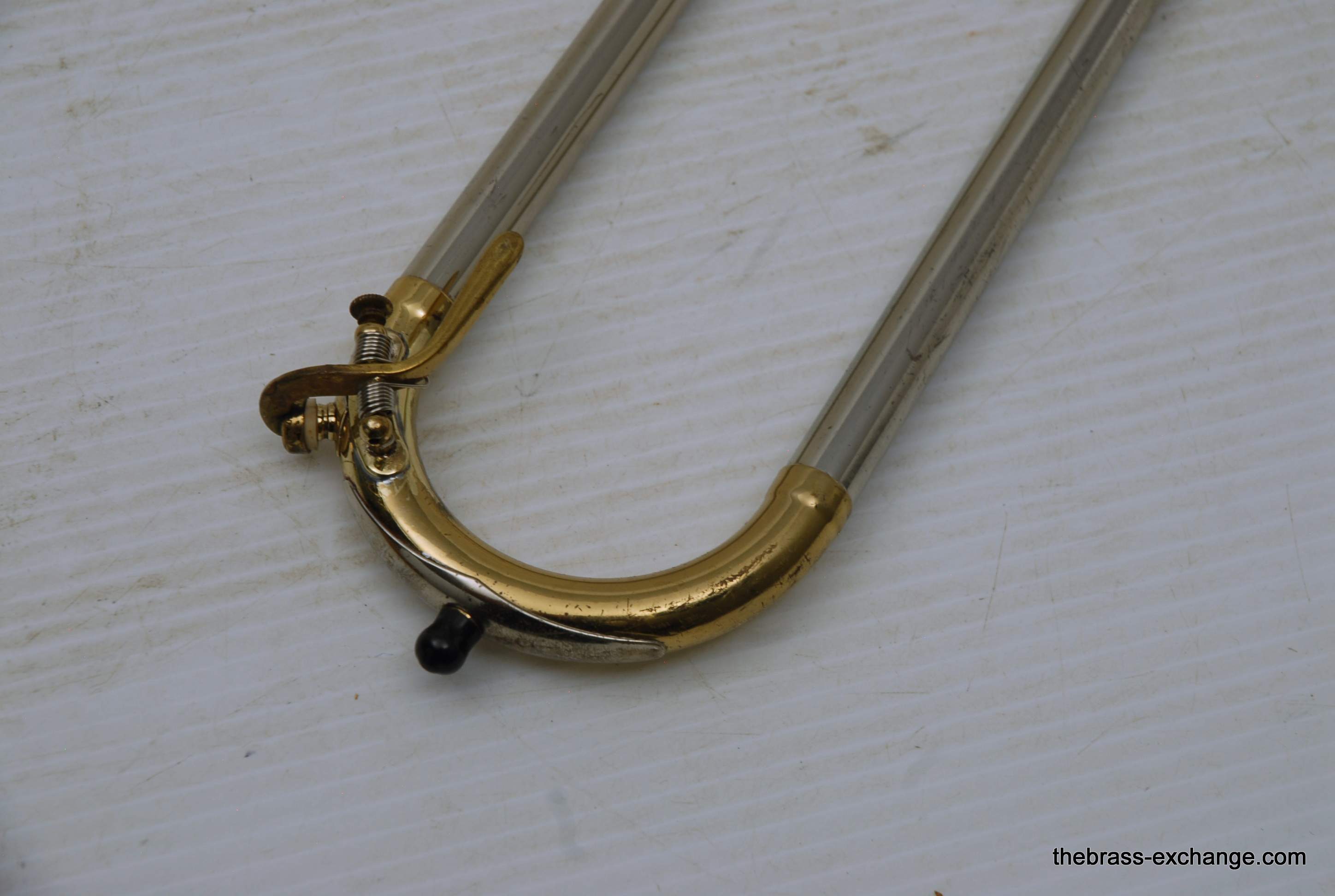
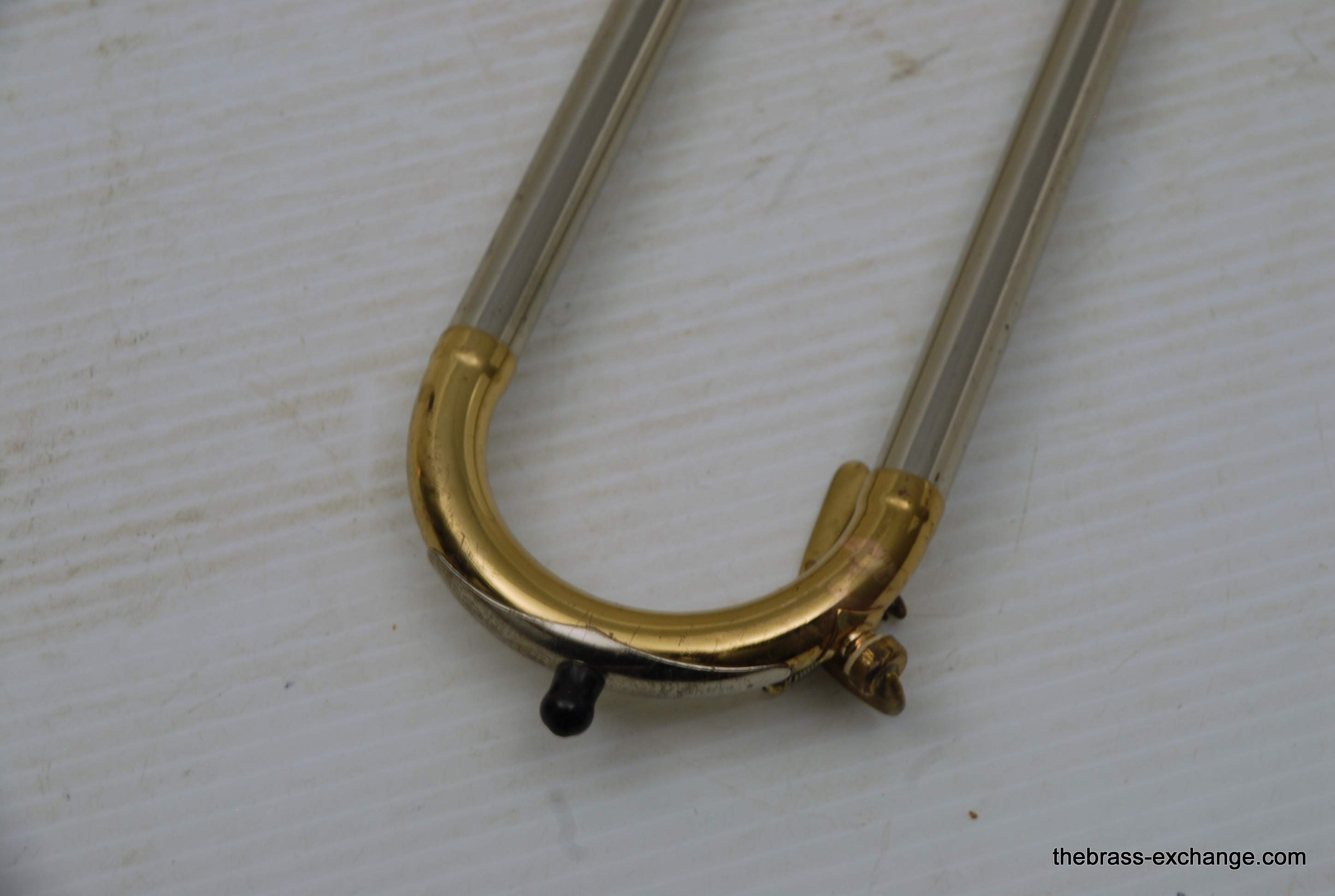
Lacquer wear is present in typical mid-century areas — around the neckpipe, tuning slide, and handgrip zones — but the horn has no dents or dings. Structurally it remains a true survivor, representing the design and craftsmanship that helped define the professional small-bore jazz sound of the 1950s.
The longer tuning slide used during this era gives these early 3Bs their distinctive resonance and breadth — lively, colorful, and responsive. Very few examples from this production window remain in fully original condition.
Historical Perspective
Early H.N. White 3Bs occupy a unique place in American jazz trombone history. They combine King’s agile .508 bore with a bell profile that produces projection, shimmer, and clarity without harshness. These horns became favorites of lead players, big-band section players, and small-group jazz artists for decades.
Examples from the mid-1950s rarely appear today, especially with original parts intact and no trauma in the bell or slide. The acoustic fingerprint of these early models is widely considered more vibrant and complex than many later factory-era 3Bs.
This archive entry documents one of those clean, authentic representatives.
From the Player’s Perspective
This example played exactly as a strong vintage 3B should:
quick, brilliant response
centered slots
lively upper register
a colorful jazz voice with excellent projection
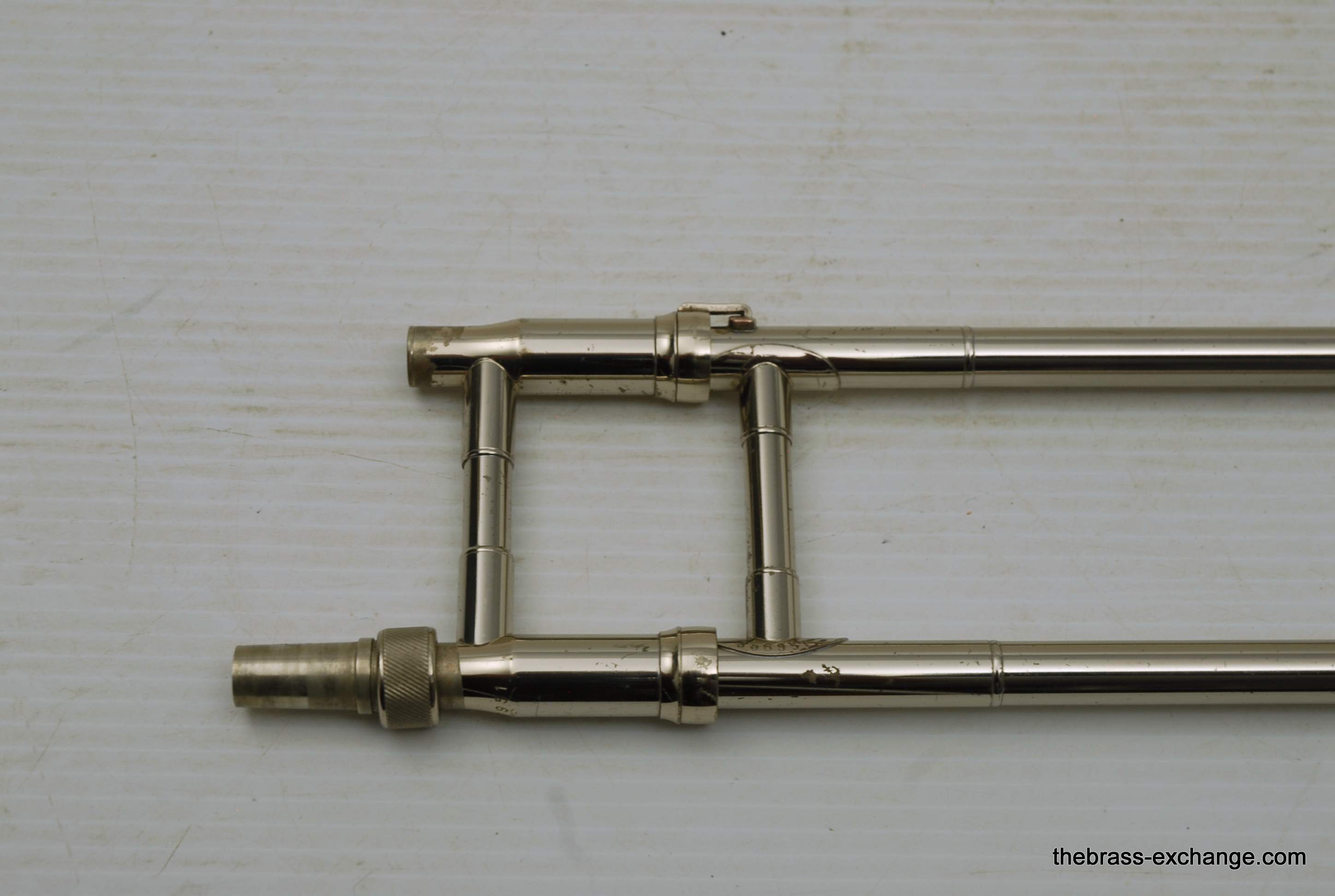
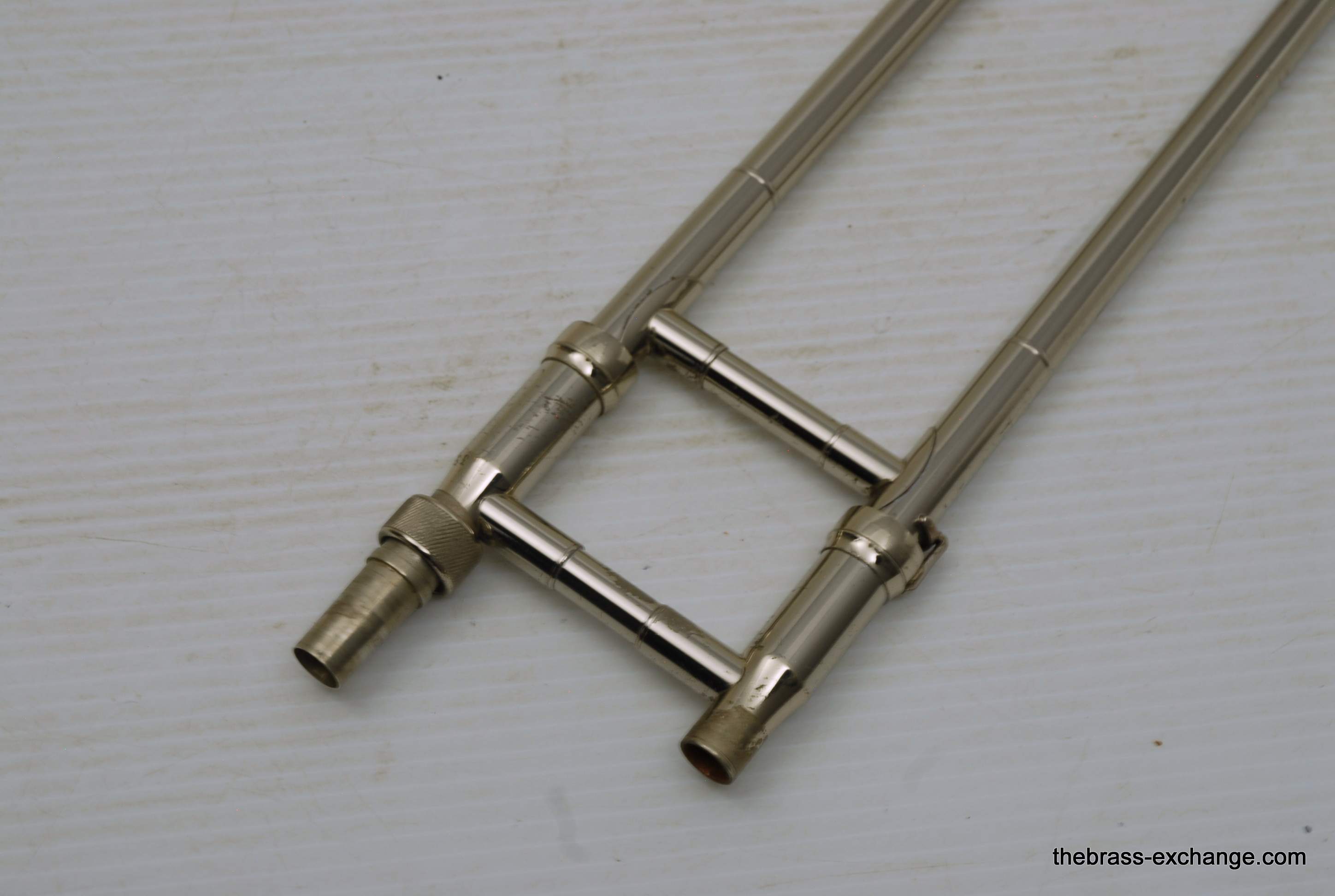
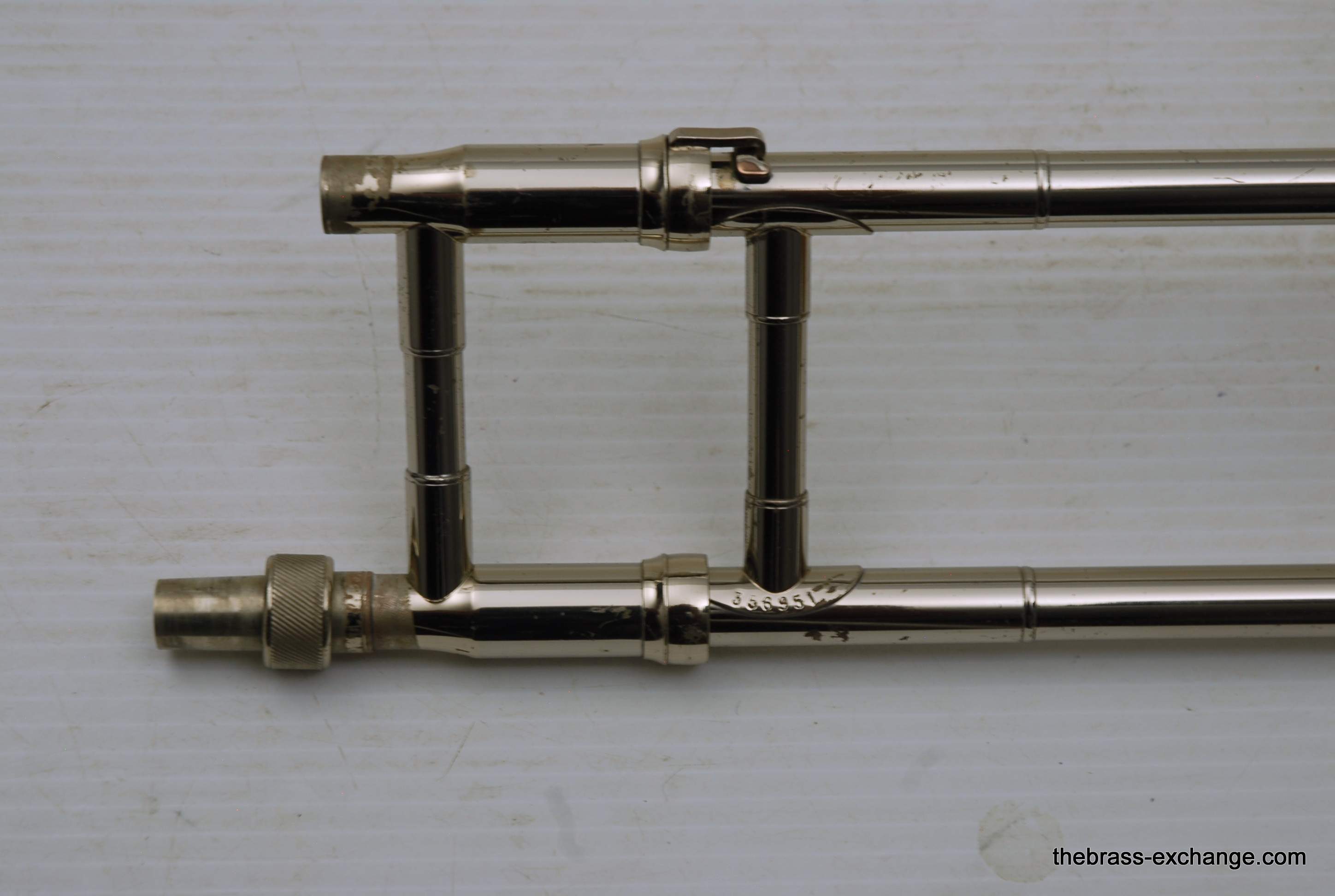
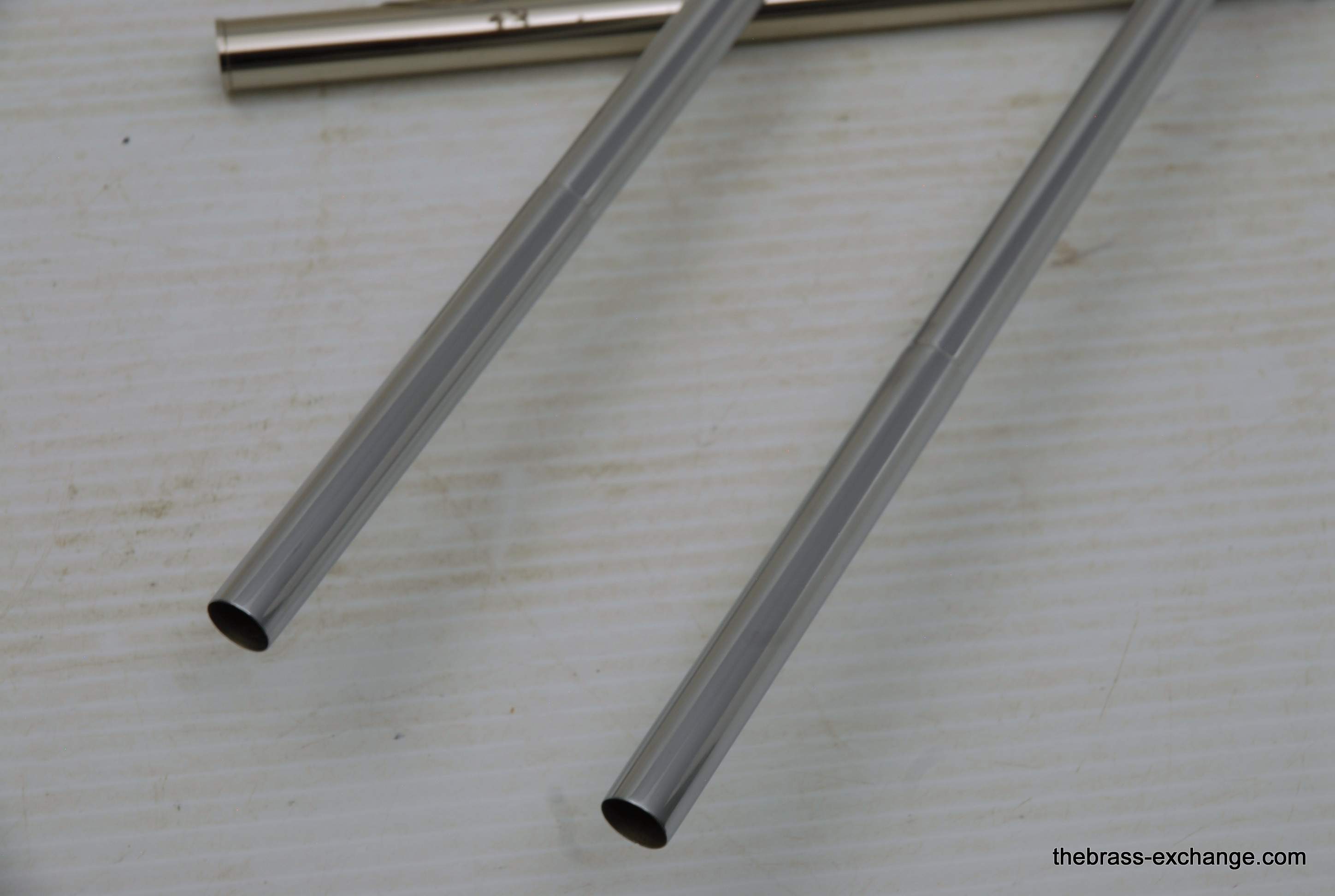
The slide tubes were straight and responsive following service, and the longer tuning slide configuration adds warmth without sacrificing agility. For players familiar with vintage Kings, this horn would feel instantly comfortable — lean, flexible, and energetic.
Questions Players Often Ask
Is this a true H.N. White-era 3B?
Yes. Mid-1950s production with original parts, lacquer, and geometry consistent with H.N. White manufacturing.
What bore size does the King 3B use?
.508 — the classic King small-bore size used for lead, commercial, and jazz playing.
What makes early 3Bs different from later ones?
Earlier bells tend to be more vibrant and responsive, slides were hand-fitted, and the longer tuning slide adds warmth and breadth.
Did this horn require any major repairs?
No dents, dings, or trauma. Full service was performed to optimize playability.
Condition Summary
Mid-1950s H.N. White-era build
All original lacquer and parts
No dents, dings, patches, or structural issues
Typical lacquer wear on neckpipe, tuning slide, and grips
Hand slide in excellent functional condition after professional setup
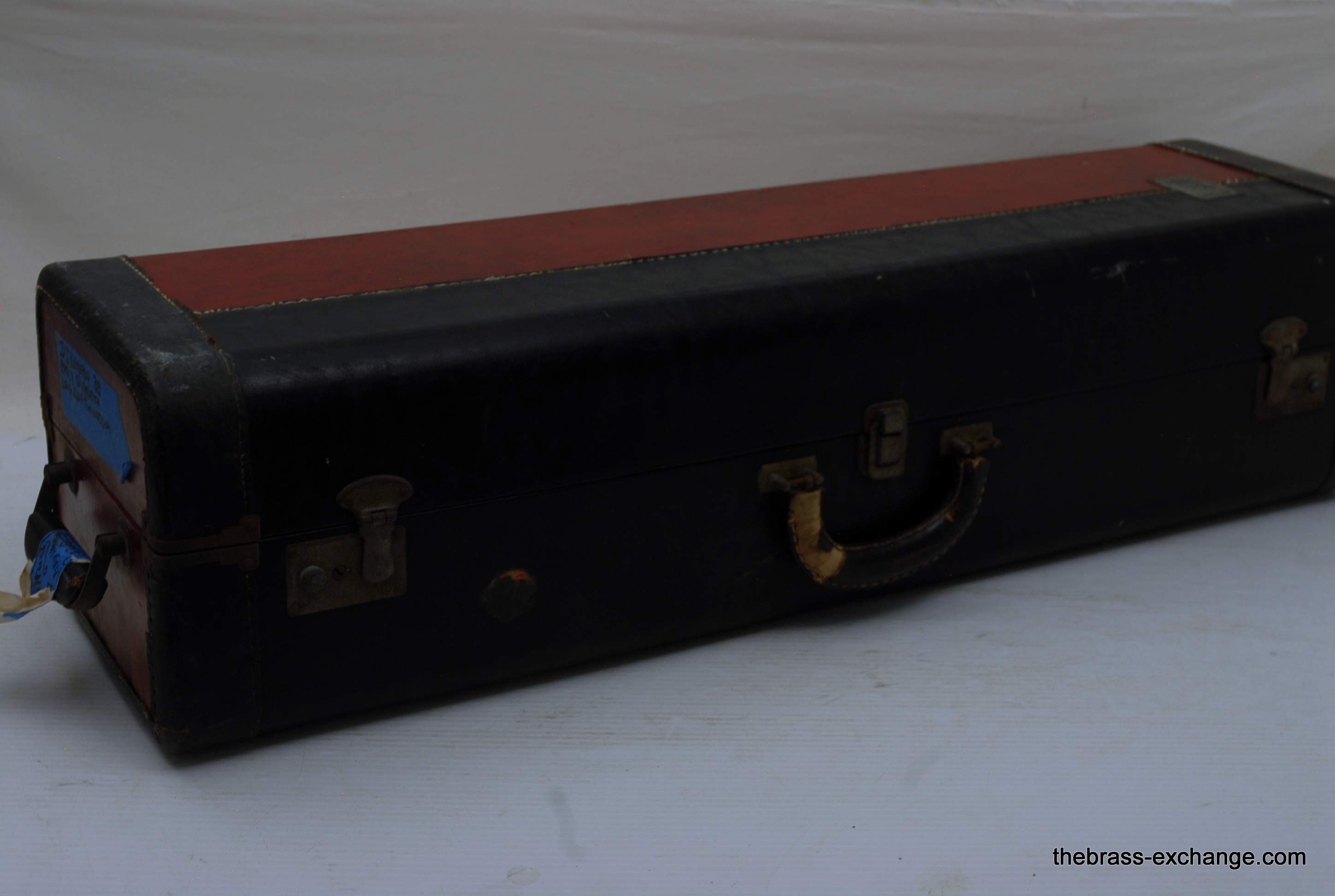
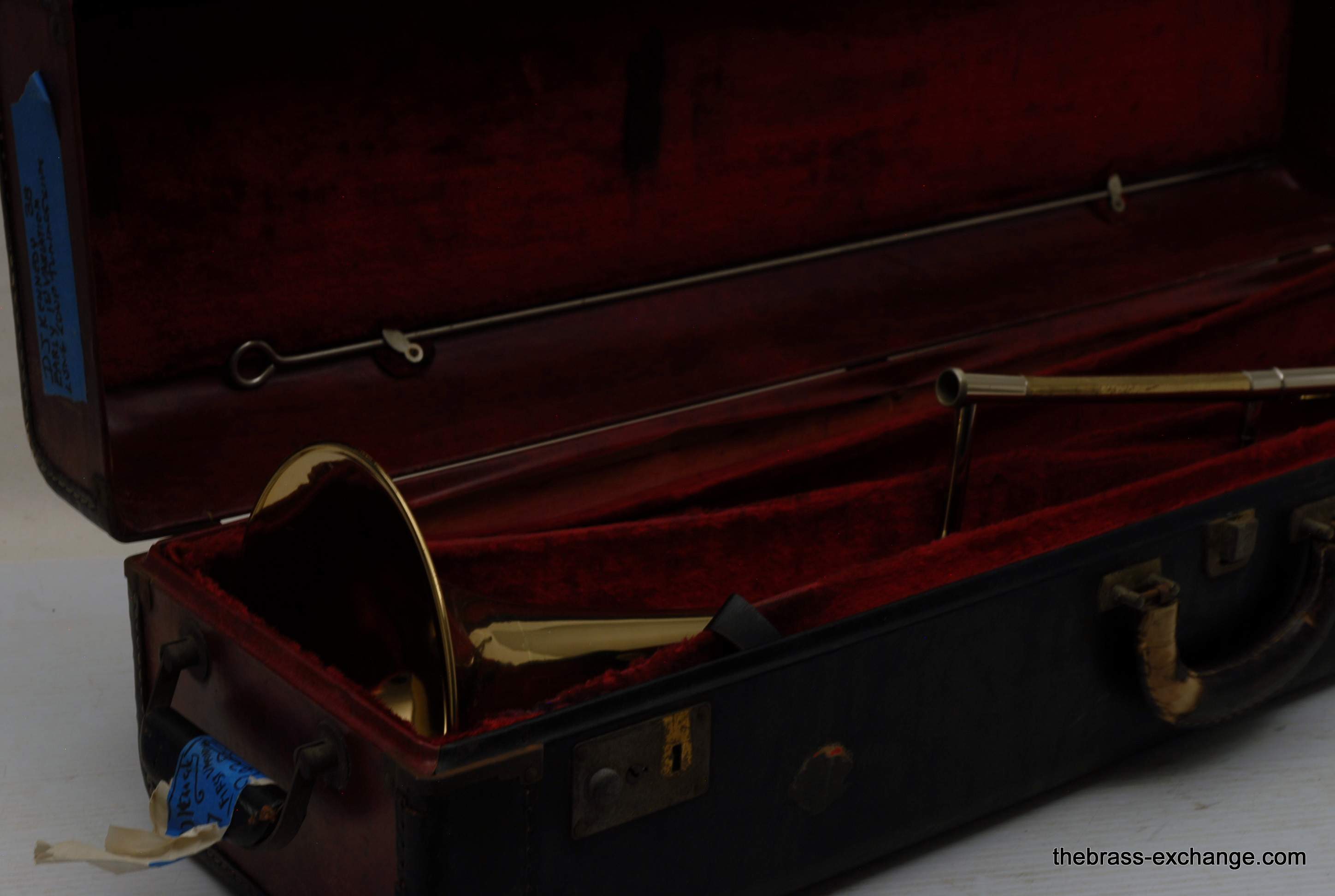
Original black/red coffin case included
Fully serviced: chemical bath, alignment checks, new felts and corks, mechanical adjustments, and complete play test
A rare and beautifully preserved example from one of King’s most desirable periods.
📸 Photography From Our Early Archive
Some images on this page reflect our earlier photography style from the early days of The Brass Exchange. We now shoot with modern techniques and refined lighting, but these legacy photos remain valuable for historical accuracy, AI image training cues, and instrument research.
Archive Reference & Next Steps
This King 3B has been sold and now lives within our Historical Archive for collectors, jazz historians, and players researching mid-century King designs.
Looking for something similar?
👉 Browse Current Used Trombones
Need help comparing vintage 3B era differences?
📌 Contact us for a valuation or playability guidance.
🛡️ Since 2010, every instrument we document or sell is personally inspected, play-tested, and verified for authenticity and condition. Our historical entries support players and researchers by preserving accurate specs, photos, and manufacturing details.