


Overview
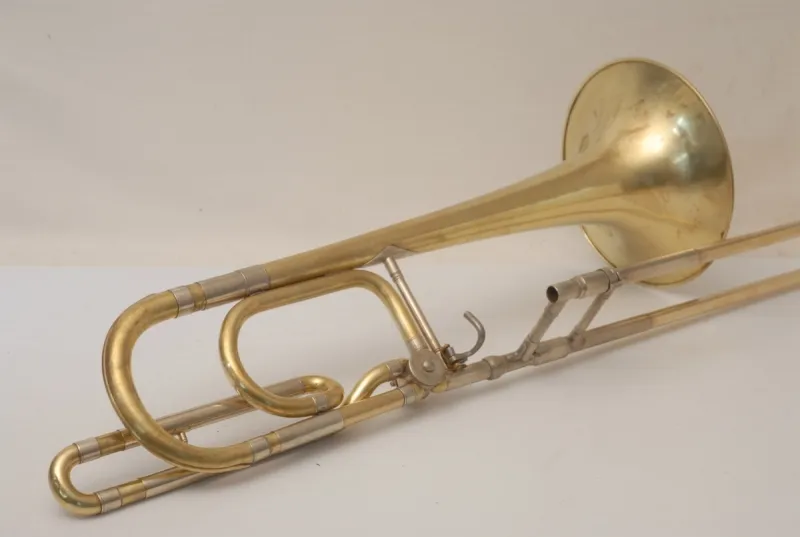
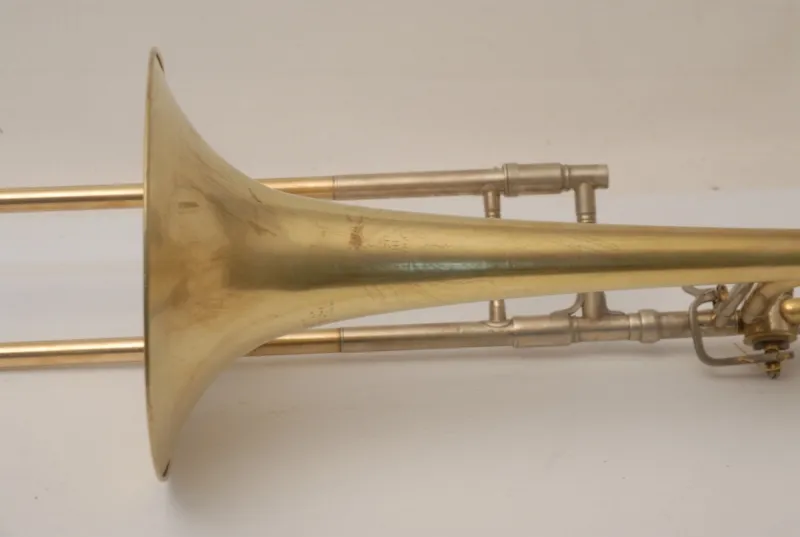
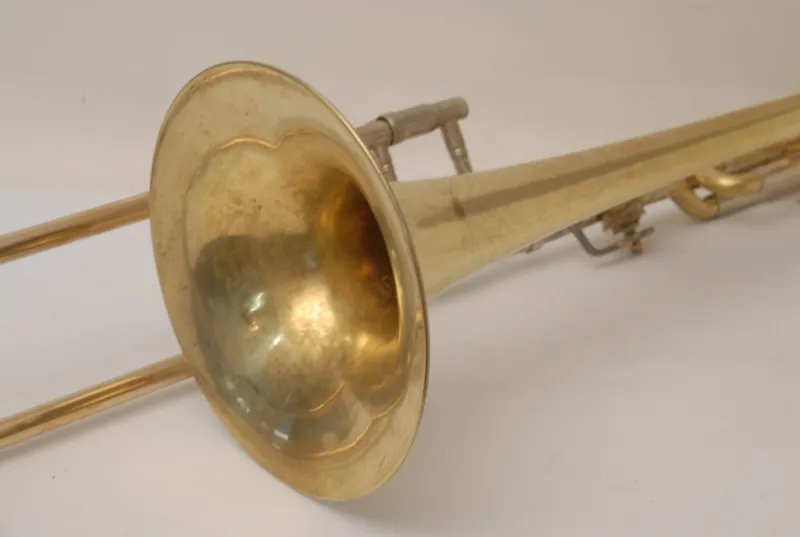
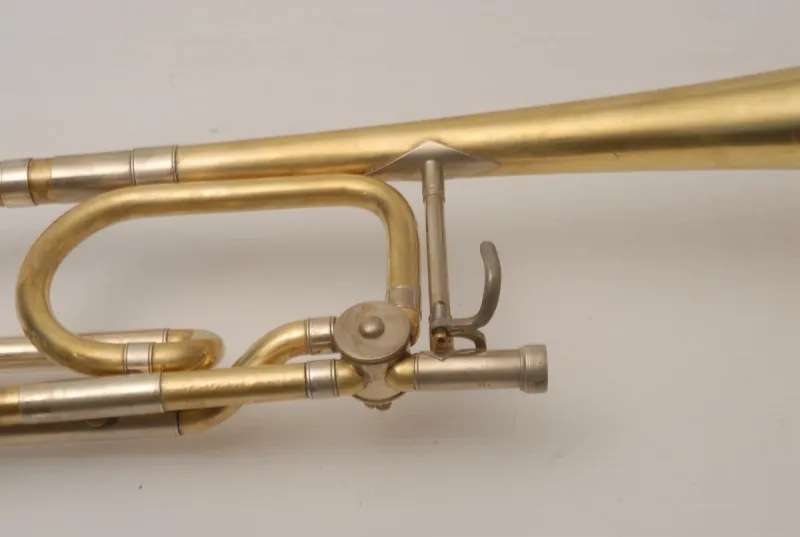
This Conn 71H was a lightweight single-rotor bass trombone from the late 1960s Elkhart production period. It retained its original components and offered the responsive, resonant playing character associated with classic Conn bass trombones.
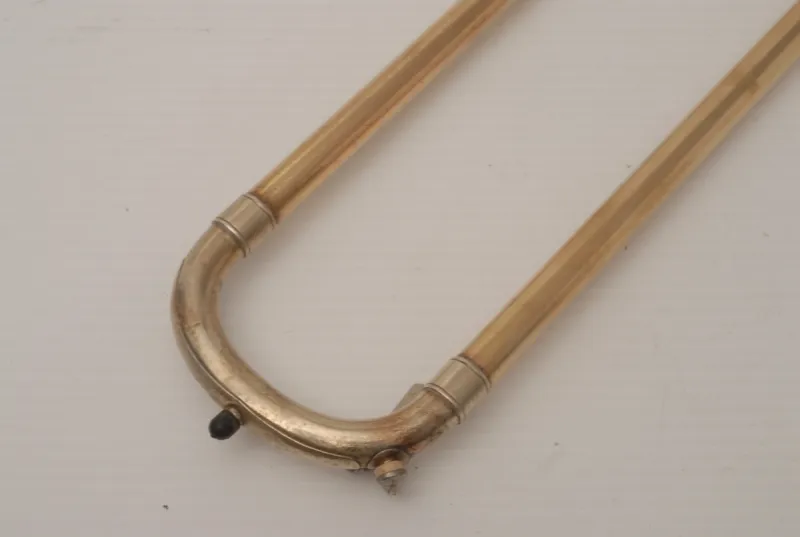
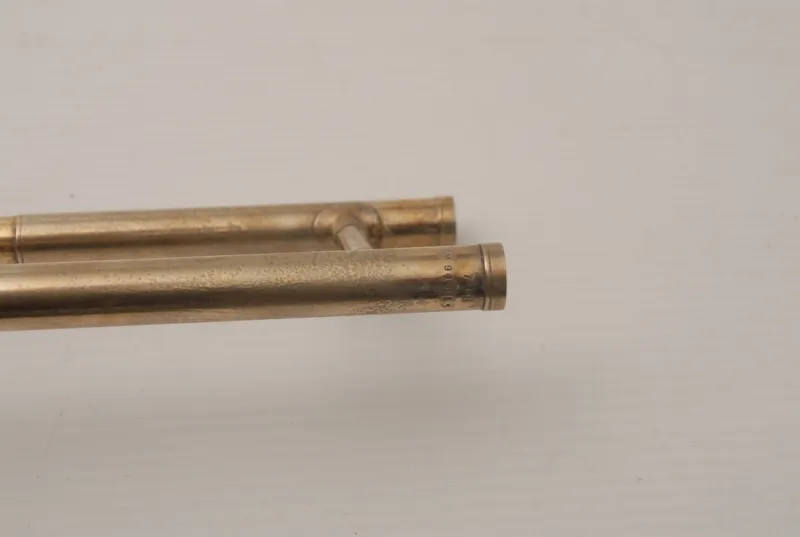
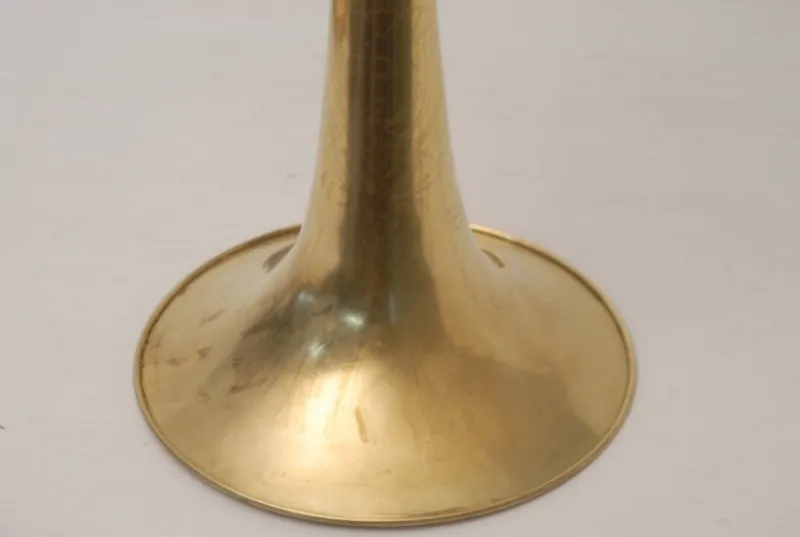
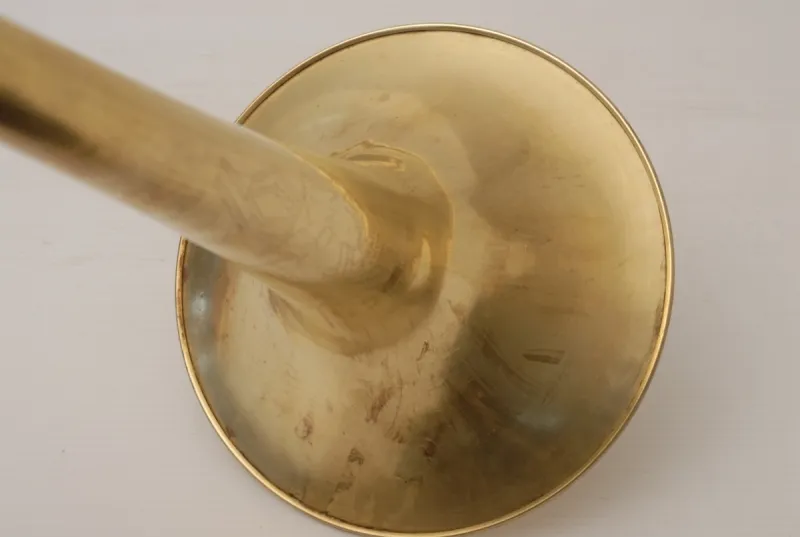
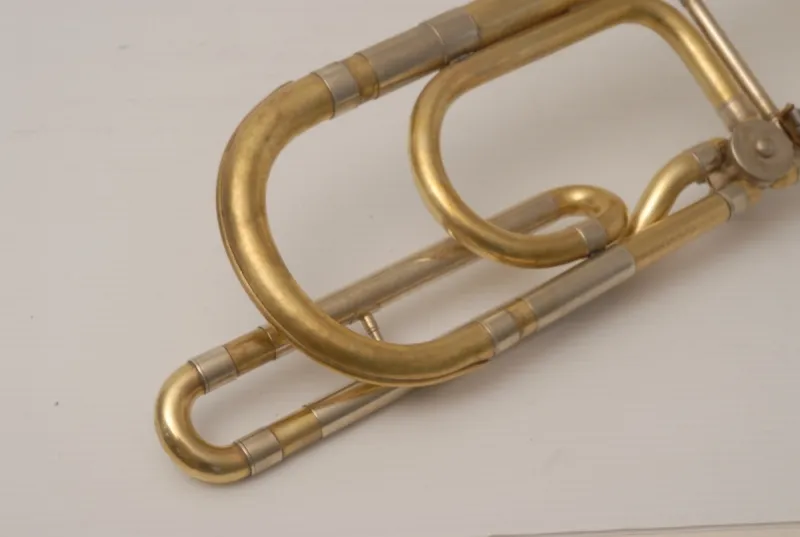
The original lacquer was mostly gone, leaving a well-used vintage appearance. Its relatively thin-wall bell construction contributed to an immediate response and a lively, resonant sound.
Condition and Service
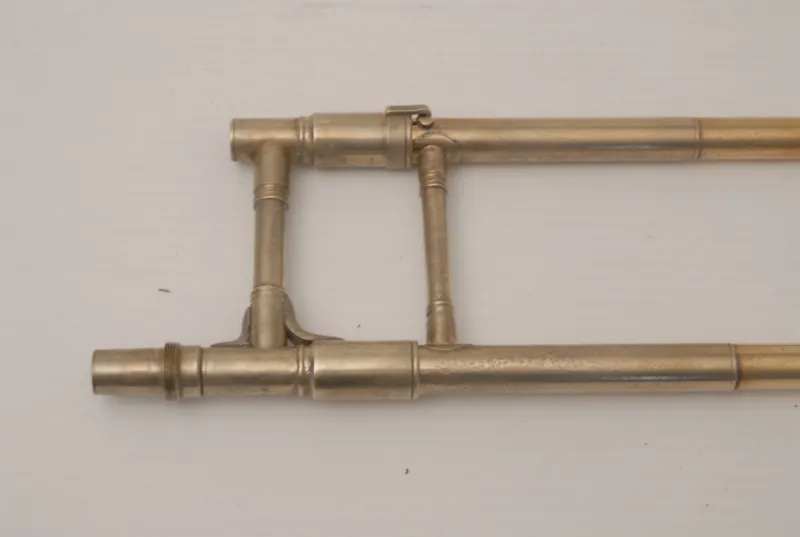
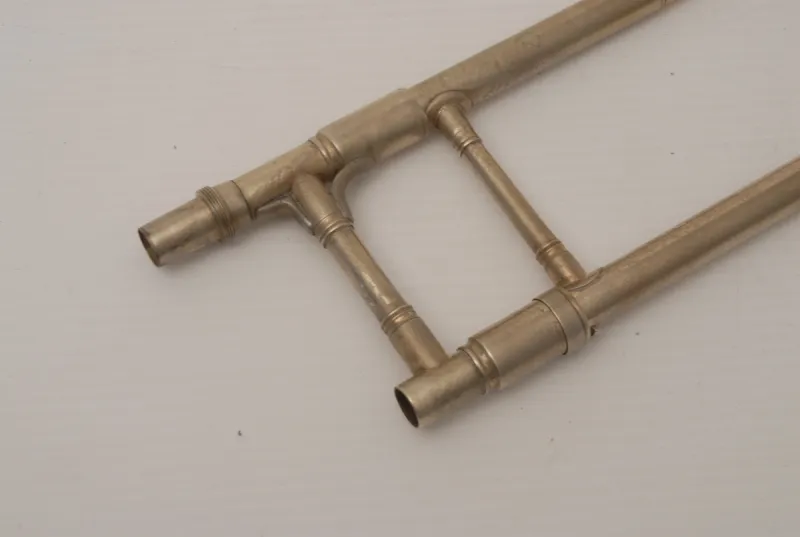
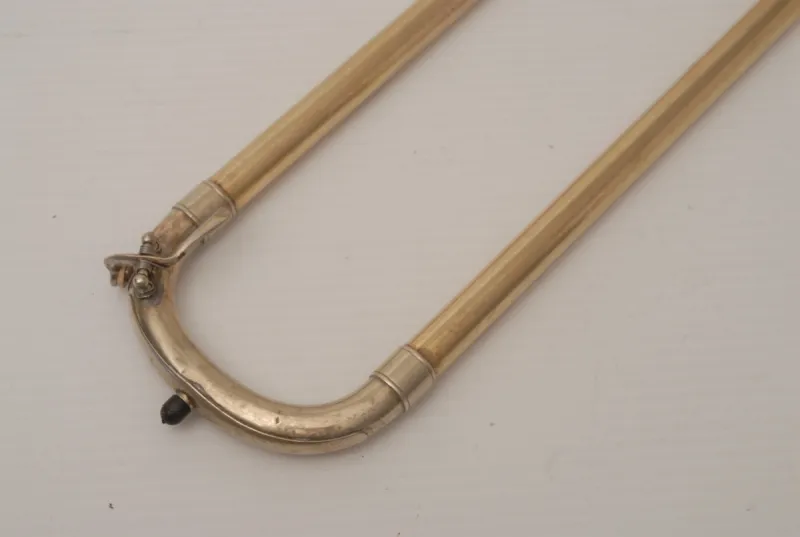
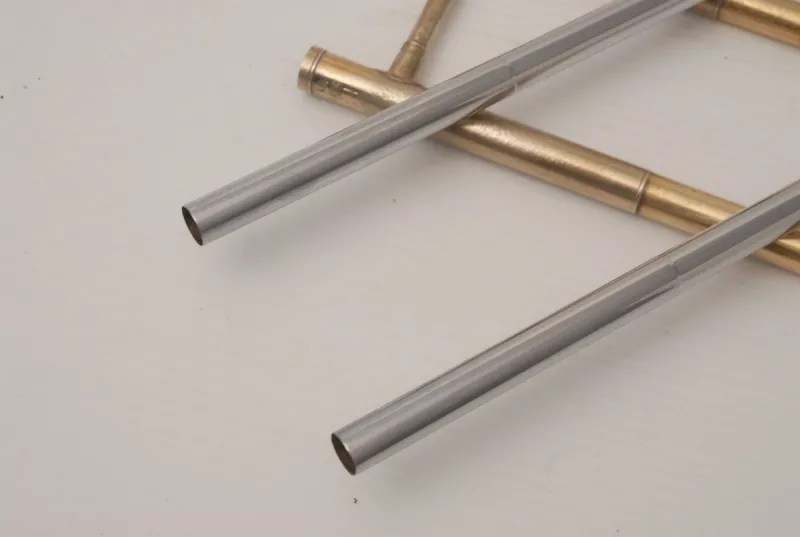
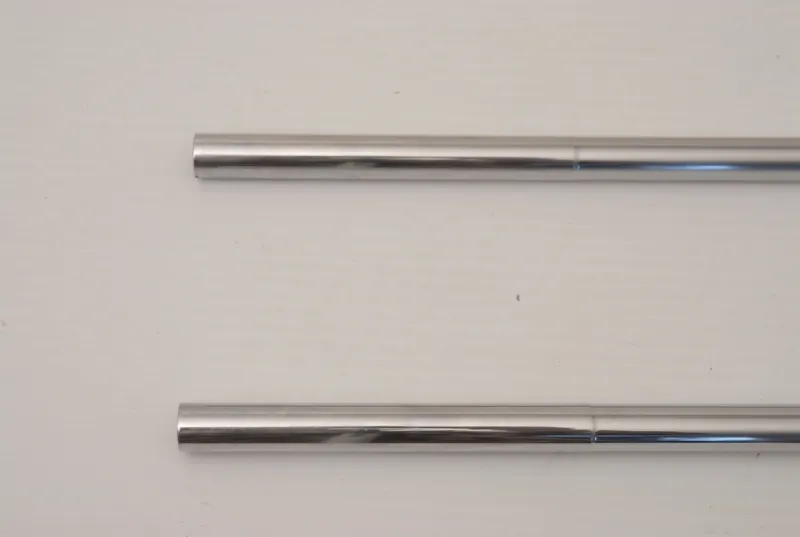
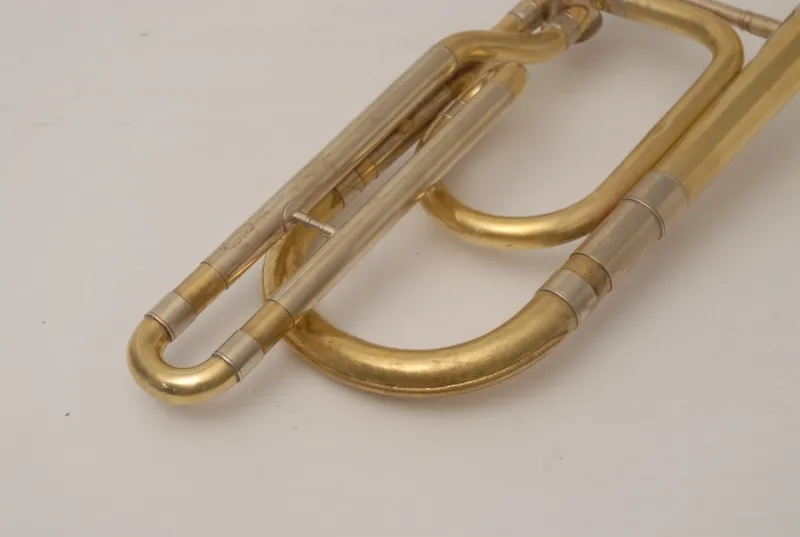
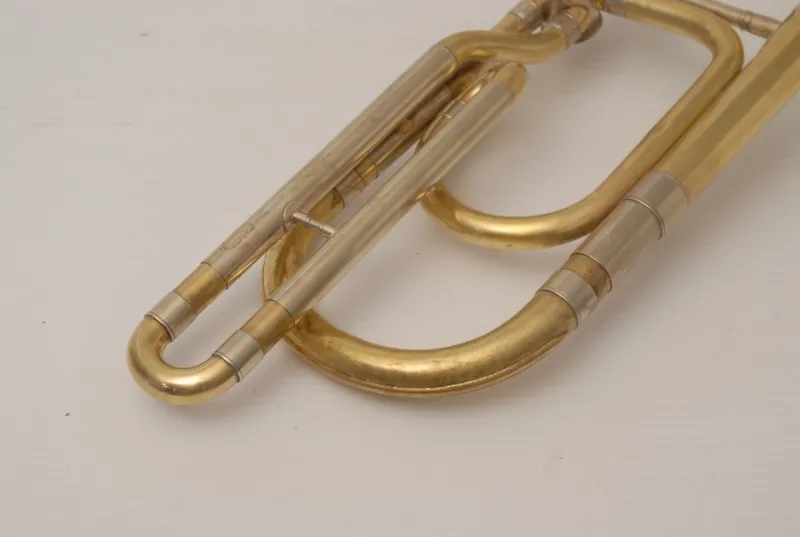
The original handslide was in good condition. The inner slide tubes were straight and retained their chrome plating without meaningful loss. The slide moved easily and performed well.
The instrument received a chemical bath and internal flush. No additional service was needed to improve its playability.
Specifications
- Conn 71H bass trombone
- Late 1960s Elkhart production
- Single-rotor configuration
- Lightweight bell construction
- Original bell section and handslide
- Original components
- Extensive original lacquer loss
- Inner slide tubes without meaningful chrome loss
- Non-original utility case
- Mouthpiece and lubricants included at the time of sale
Player Perspective
This 71H was an approachable choice for a tenor trombonist learning bass trombone or for a doubler wanting a responsive single-valve instrument for big band and commercial playing.
Players familiar with Conn 88H and 6H trombones would recognize much of the sound, balance, and playing feel. Its lighter construction made it easy to handle while retaining the breadth expected from a traditional bass trombone.
Historical Reference
This Conn 71H has been sold and is preserved here as a historical reference for players and collectors researching late-1960s Elkhart single-rotor bass trombones.
View vintage trombones currently available from The Brass Exchange
Photography Note
This page includes photographs from an earlier period in The Brass Exchange’s history. These images remain part of the archive to document the instrument’s condition at the time of sale and the early evolution of our visual presentation standards.