


✦ Historical Perspective
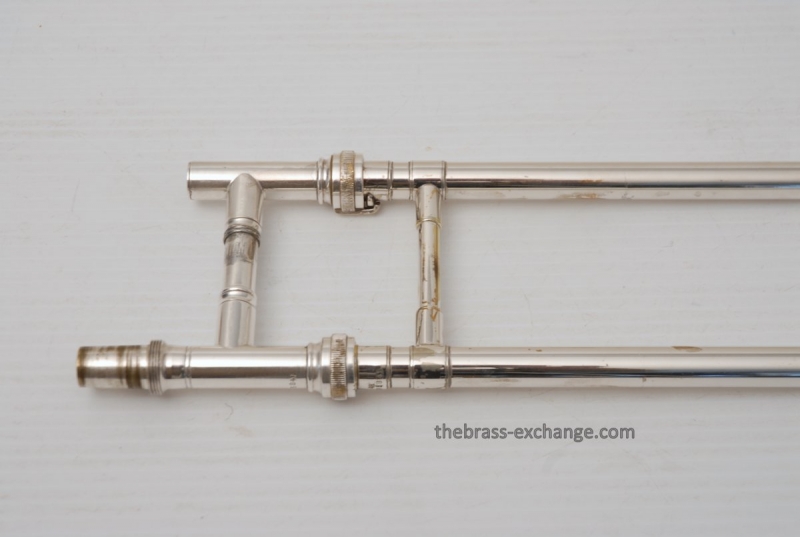
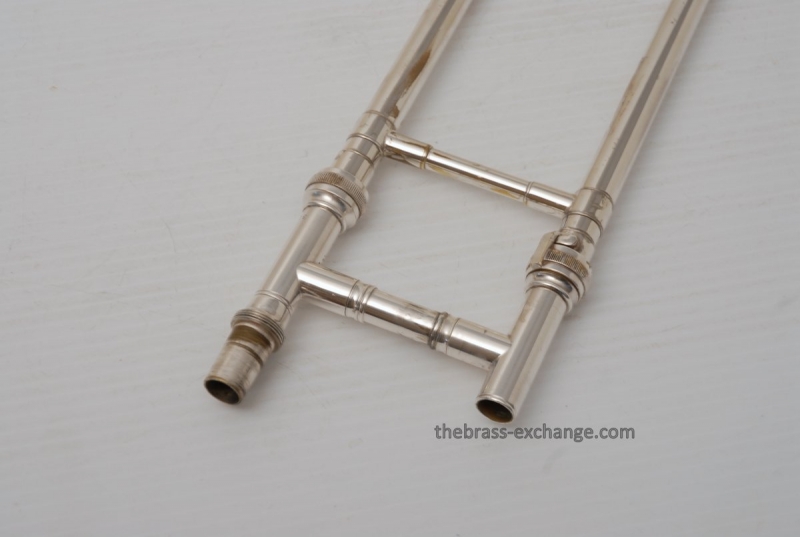
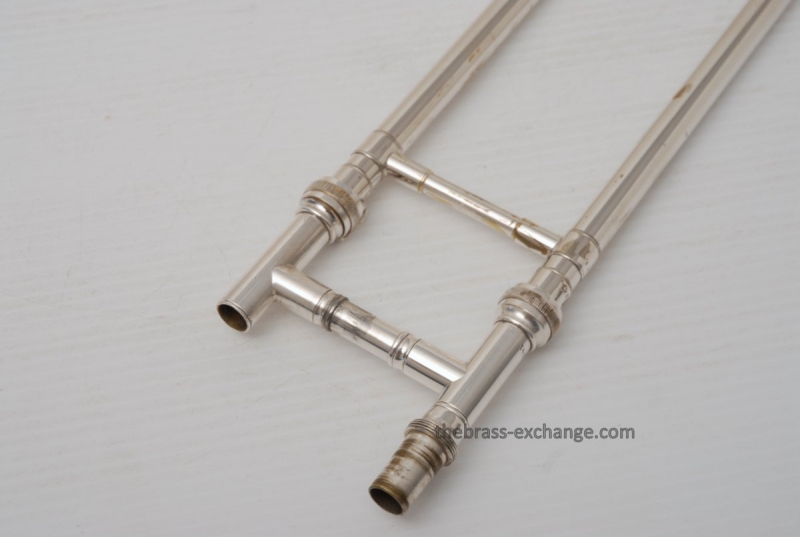
This Conn 4H trombone from the late 1940s Elkhart era represents one of the classic small-bore designs produced during Conn’s golden period of American brass manufacturing.
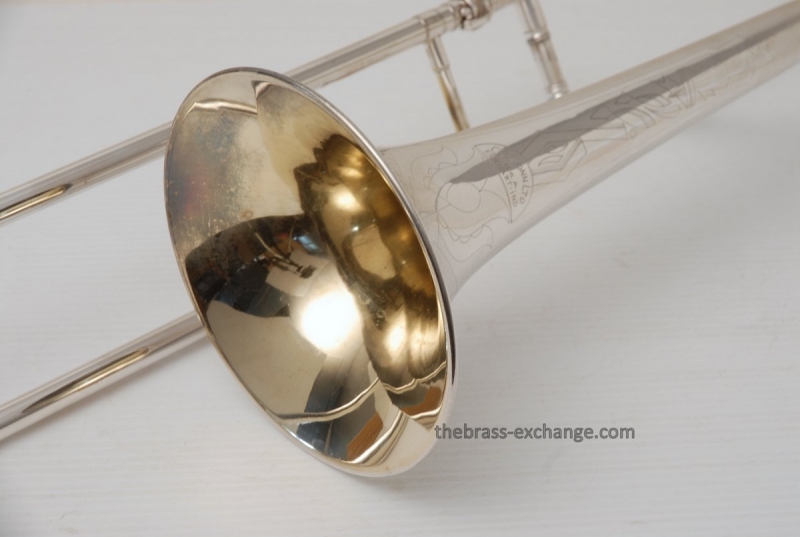
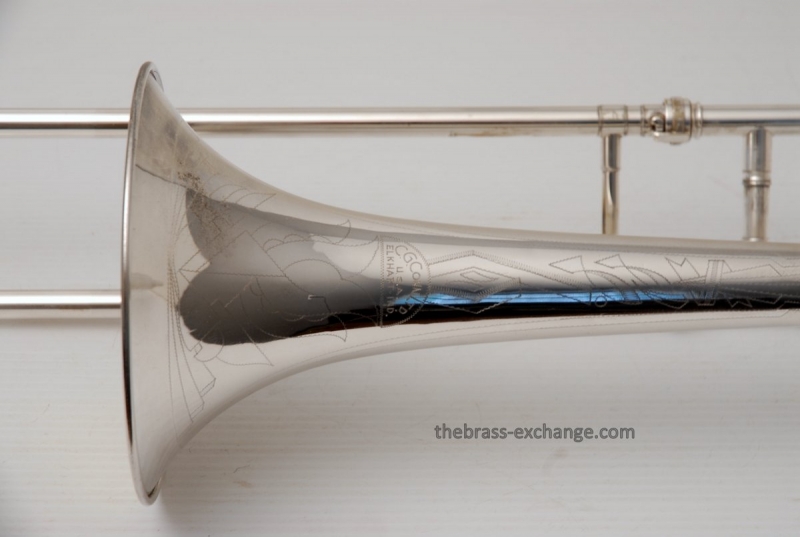
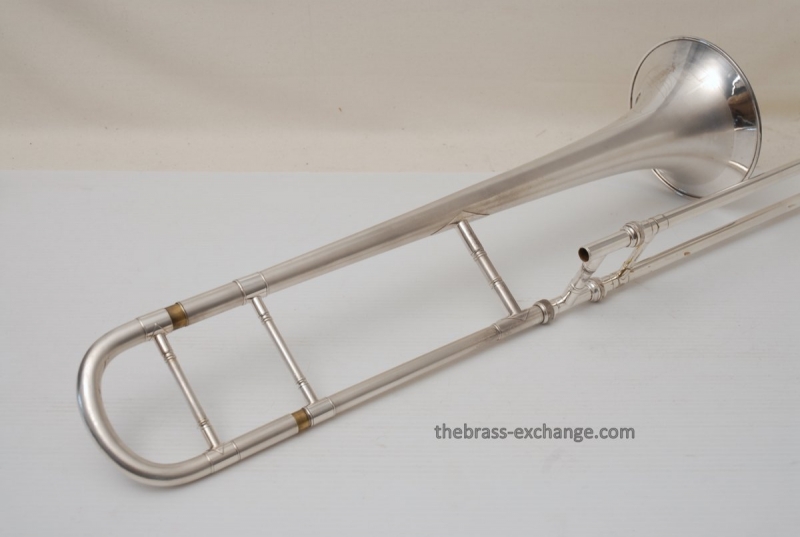
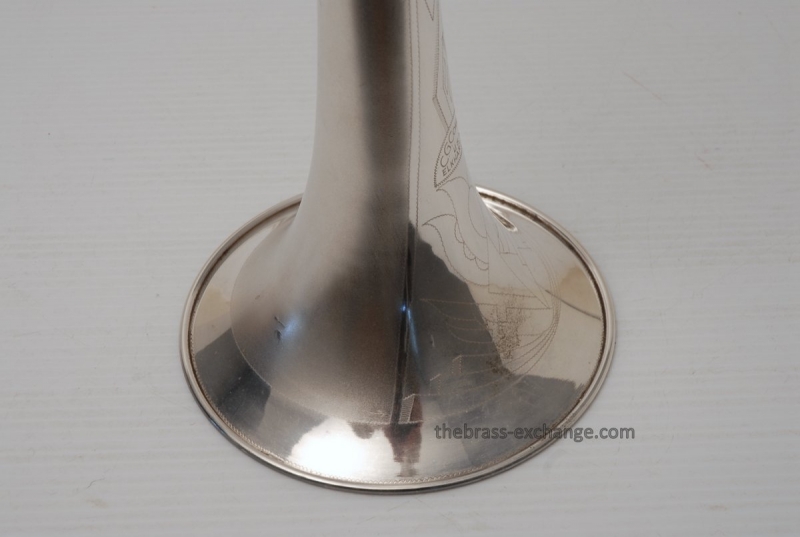
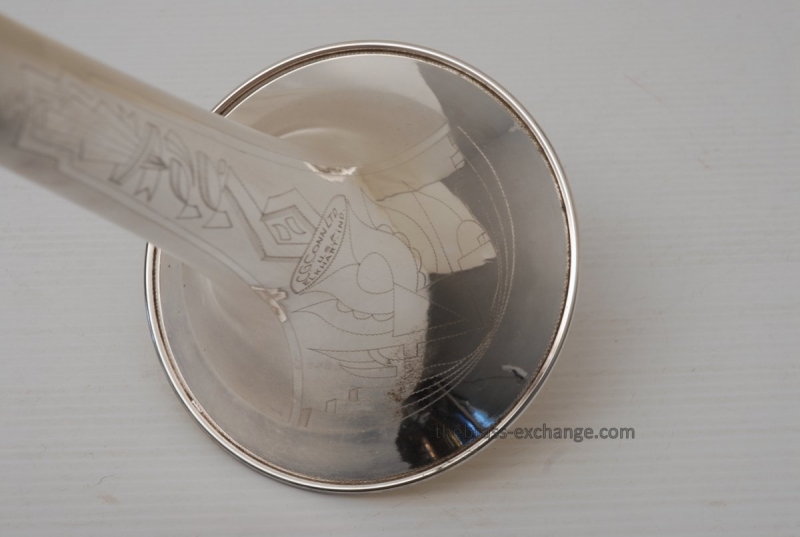
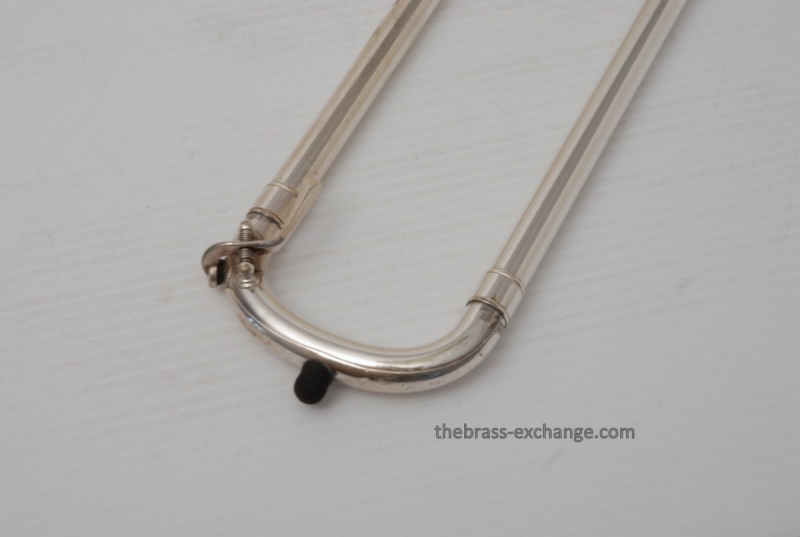
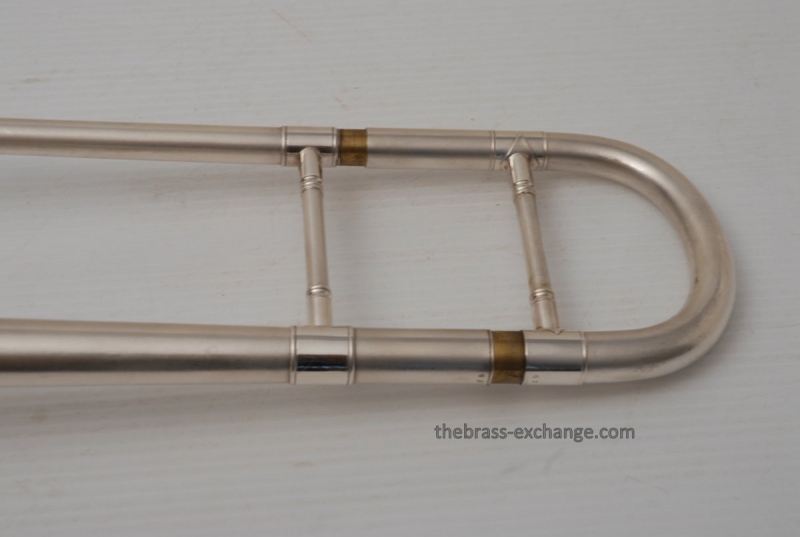
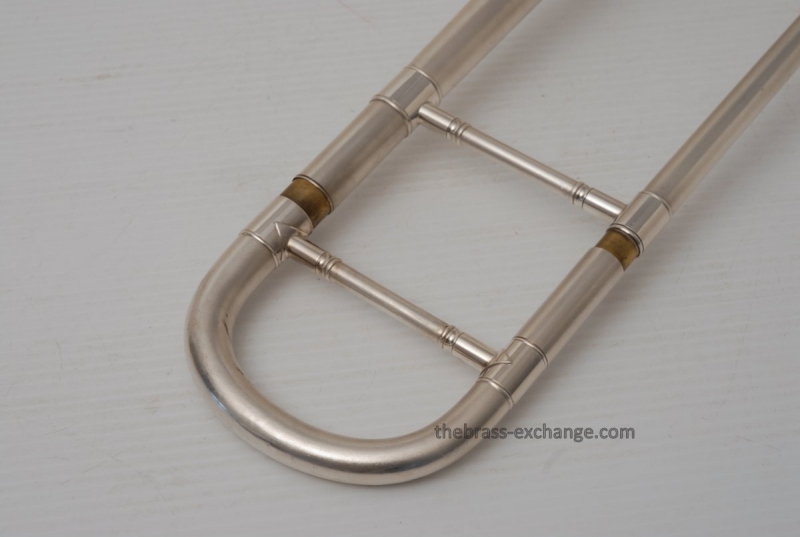
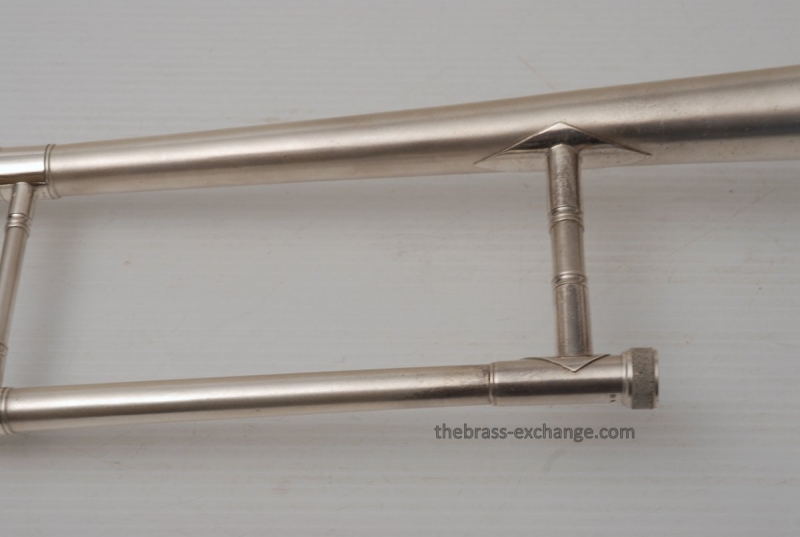
Finished in a striking satin silver with contrasting gloss accents and gold wash inner bell, this example reflects both the craftsmanship and visual elegance that defined Conn instruments of this era.
The 4H features a .485 bore paired with a 7-inch bell, creating a compact and highly efficient playing instrument. These proportions were developed to provide quick response, strong tonal focus, and excellent projection without requiring excessive air.
During this period, Conn was refining a range of small-bore trombones that would become staples in jazz and commercial playing. While models like the 6H are often more widely recognized, the 4H offers a slightly more compact and controlled feel that many players appreciate for precision and articulation.
✦ Model & Player Perspective
The Conn 4H occupies a unique position among vintage small-bore trombones.
Compared to other Conn models:
• more compact and efficient than a 6H
• faster response with tighter slotting
• highly centered tonal core
• excellent control for lead and section playing
Players often choose the 4H for:
• big band and lead work
• trad jazz and Dixieland styles
• studio and commercial playing
Its playing characteristics align closely with the demands of mid-20th-century jazz performance, where clarity, efficiency, and control were essential.
Compared to instruments such as the King 2B trombone, the Conn 4H offers a slightly more focused and centered tonal profile while maintaining similar agility.
✦ Finish & Build Details
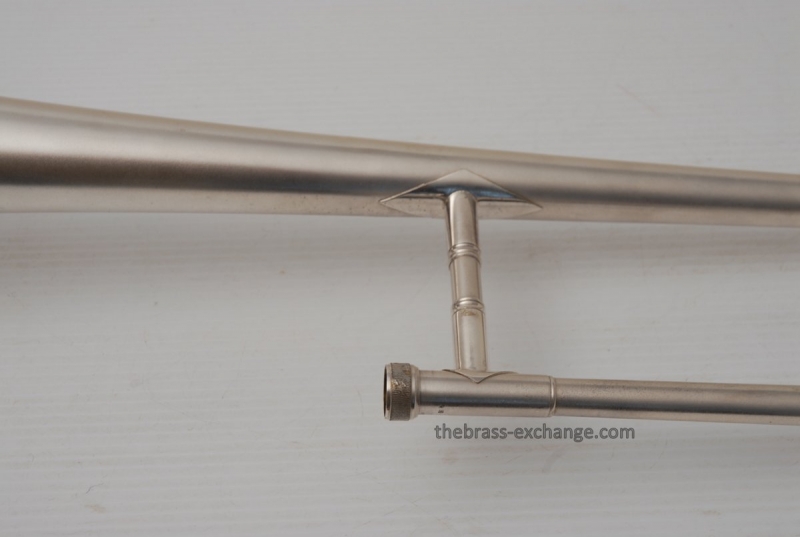
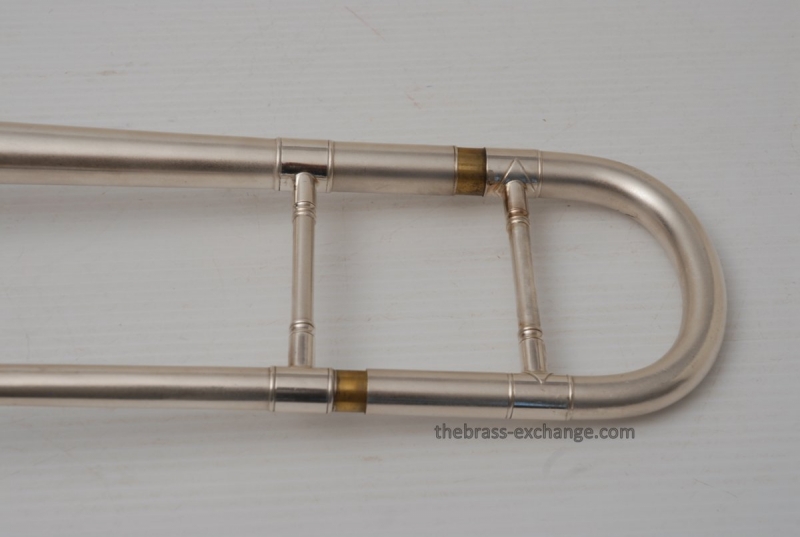
This example featured a satin silver finish with gloss accents and a gold wash inner bell—an eye-catching combination that was both visually distinctive and highly durable.
Key design features include:
• .485 bore small-bore configuration
• 7-inch bell for compact response and projection
• classic Elkhart-era construction and proportions
These elements contribute to the instrument’s efficiency and characteristic tonal clarity.
✦ Condition & Service Notes
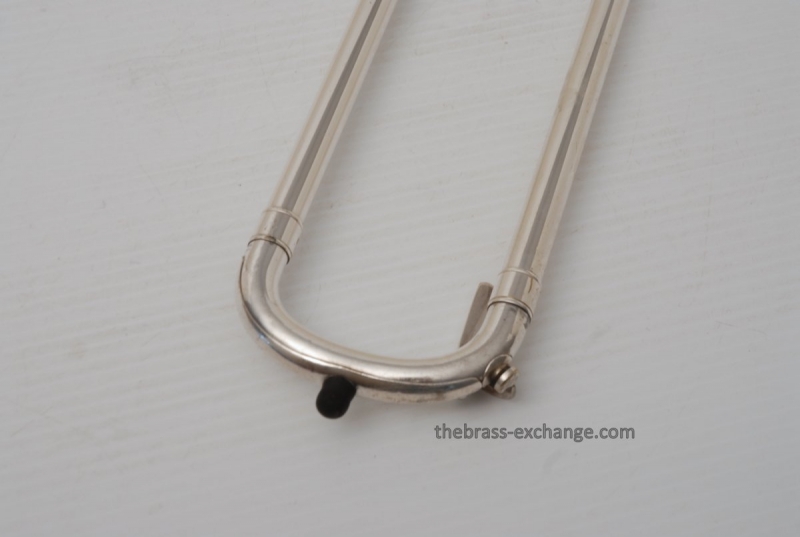
At the time of sale, this instrument presented in excellent playing condition.
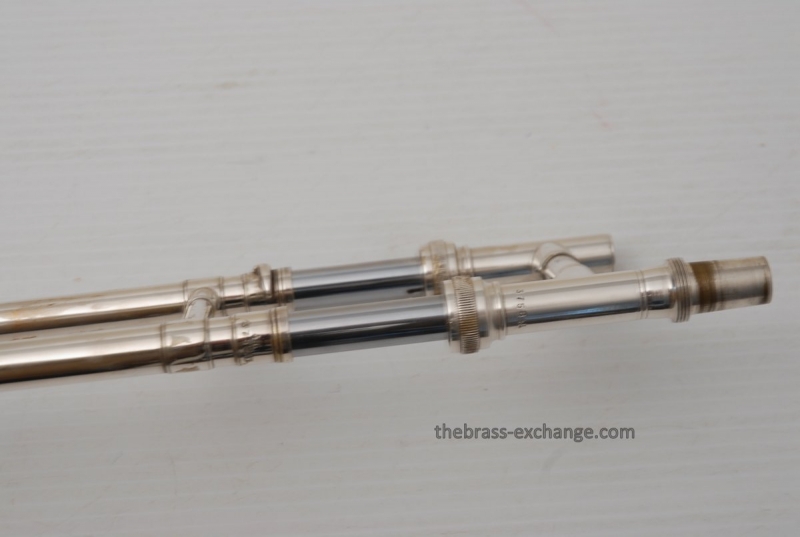
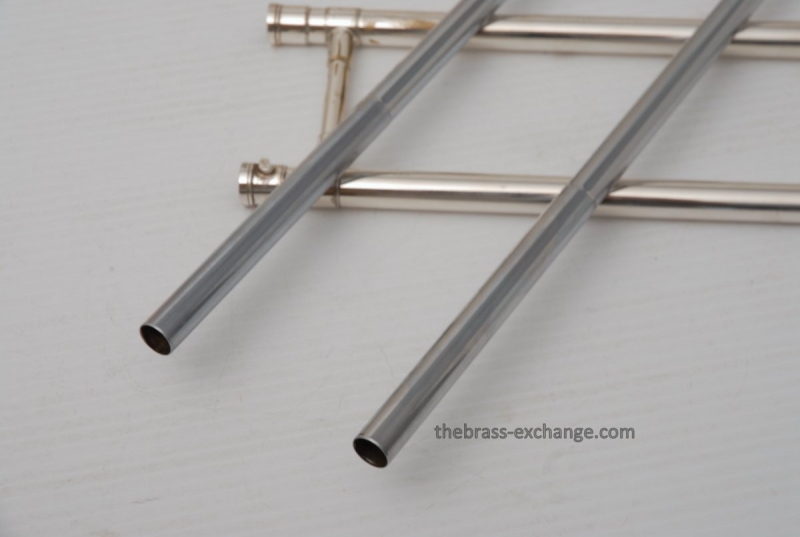
The handslide was described as exceptionally clean, with:
• precise alignment
• smooth, light action
• no chrome loss on the inner slide tubes
This level of slide performance is notable, even when compared to modern professional instruments.
✦ Questions Trombone Players Often Ask
What is a Conn 4H trombone used for?
The Conn 4H is typically used for jazz, big band, trad jazz, and commercial playing where a responsive, efficient small-bore instrument is preferred.
How does the Conn 4H compare to the Conn 6H?
The 4H is generally more compact and efficient, with quicker response and tighter slotting. The 6H offers a broader, slightly more open feel.
Is the Conn 4H similar to a King 2B?
Both are classic small-bore jazz trombones. The Conn 4H tends to feel more centered and controlled, while the 2B often feels more open and spread.
🔧 Availability & Archive Status
This Conn 4H trombone has been sold and is now part of our Archive of Sold instruments.
It is presented here as a historical reference for players, collectors, and those researching vintage Conn trombones from the Elkhart era.
📌 Archive Reference & Next Steps
If you’re researching vintage Conn trombones or looking for a similar instrument:
👉 Browse current trombone inventory 🔎
https://thebrass-exchange.com/trombones
👉 Contact us for a valuation and explore your options ✍️
🏅 Why Players Trust The Brass Exchange
🛡️ The Brass Exchange has curated and documented hundreds of vintage Conn trombones over the years, building one of the most extensive reference archives available online.
Our archive pages are designed to help players, collectors, and families better understand instrument history, condition, and market context.