










🟧 Overview
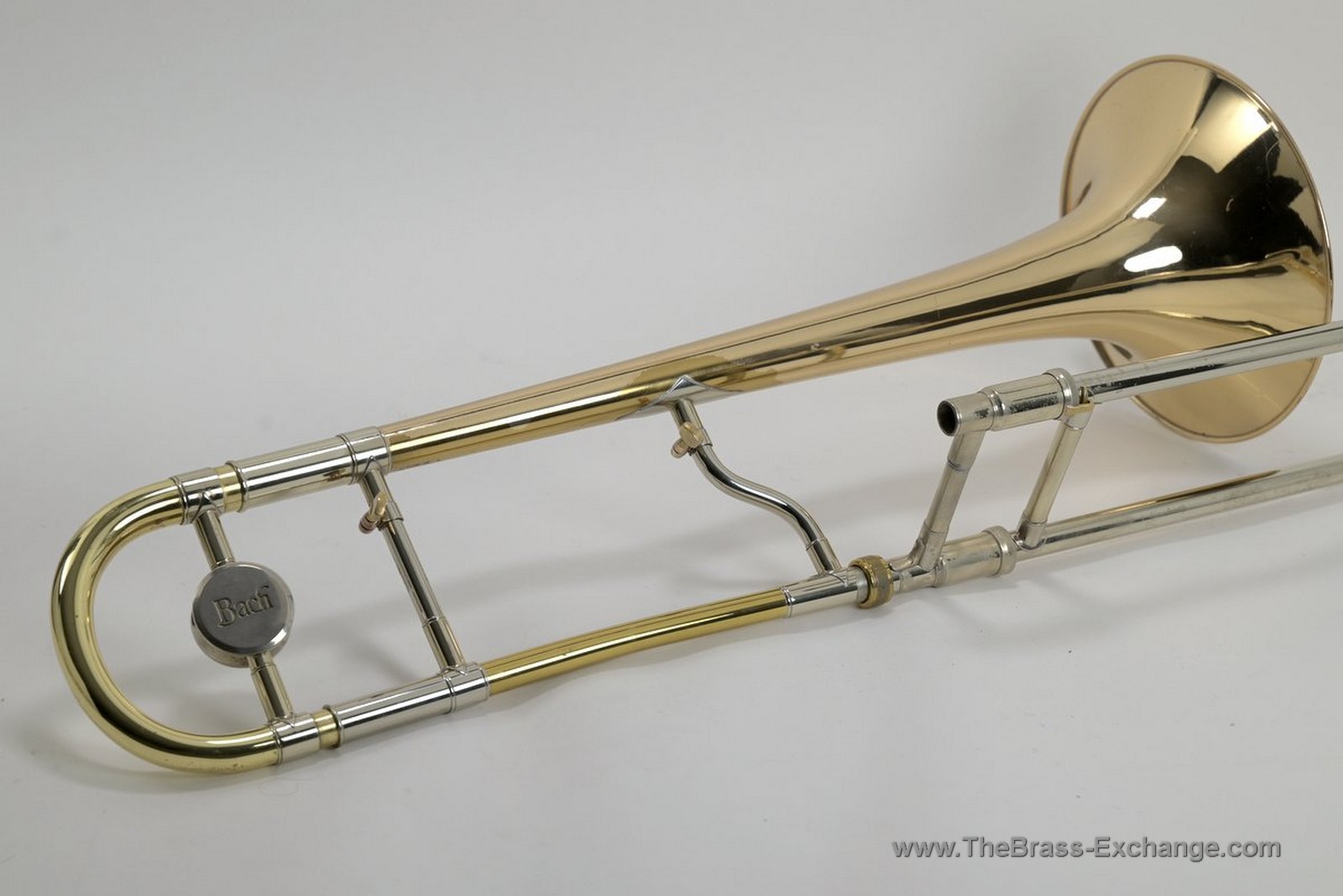
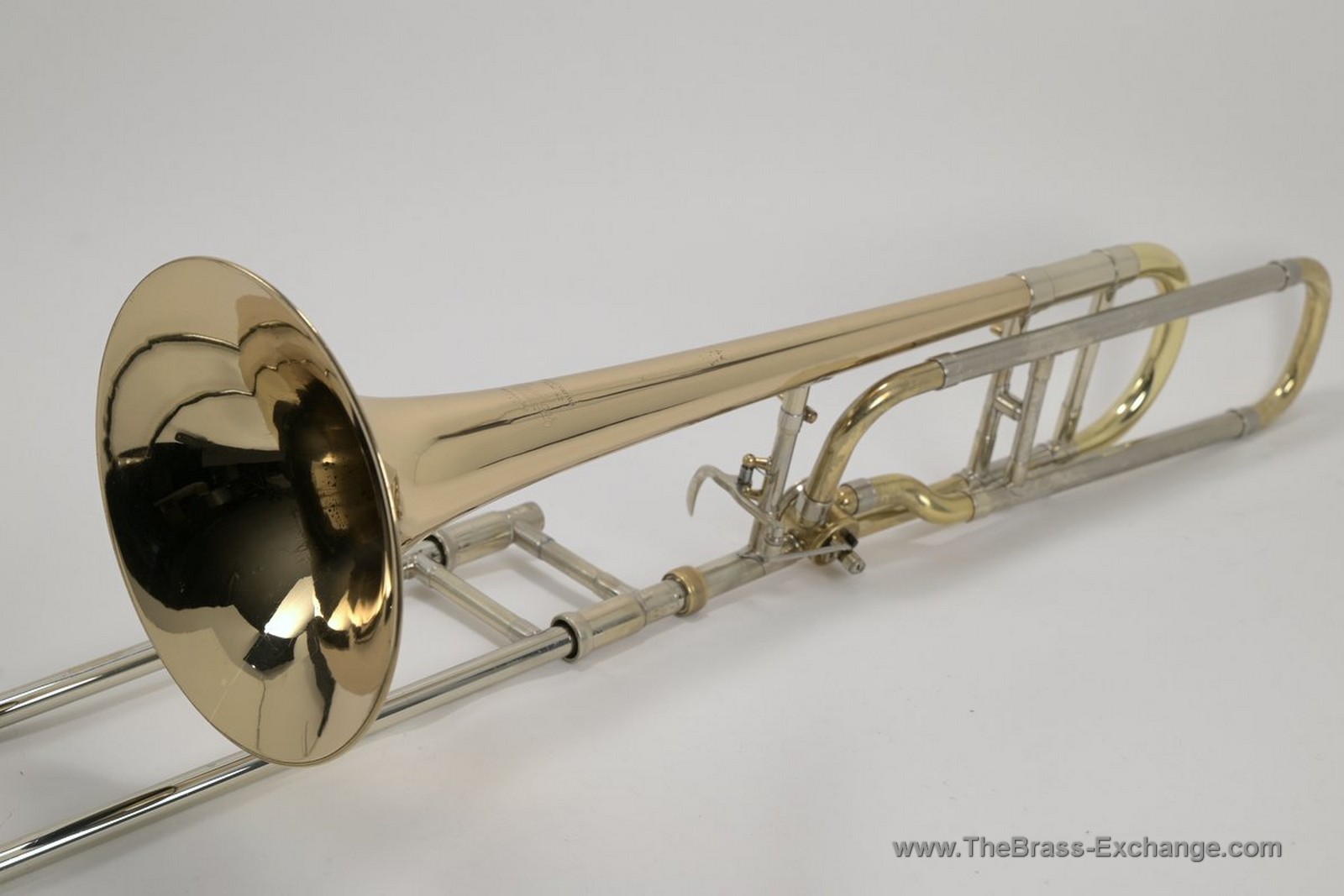
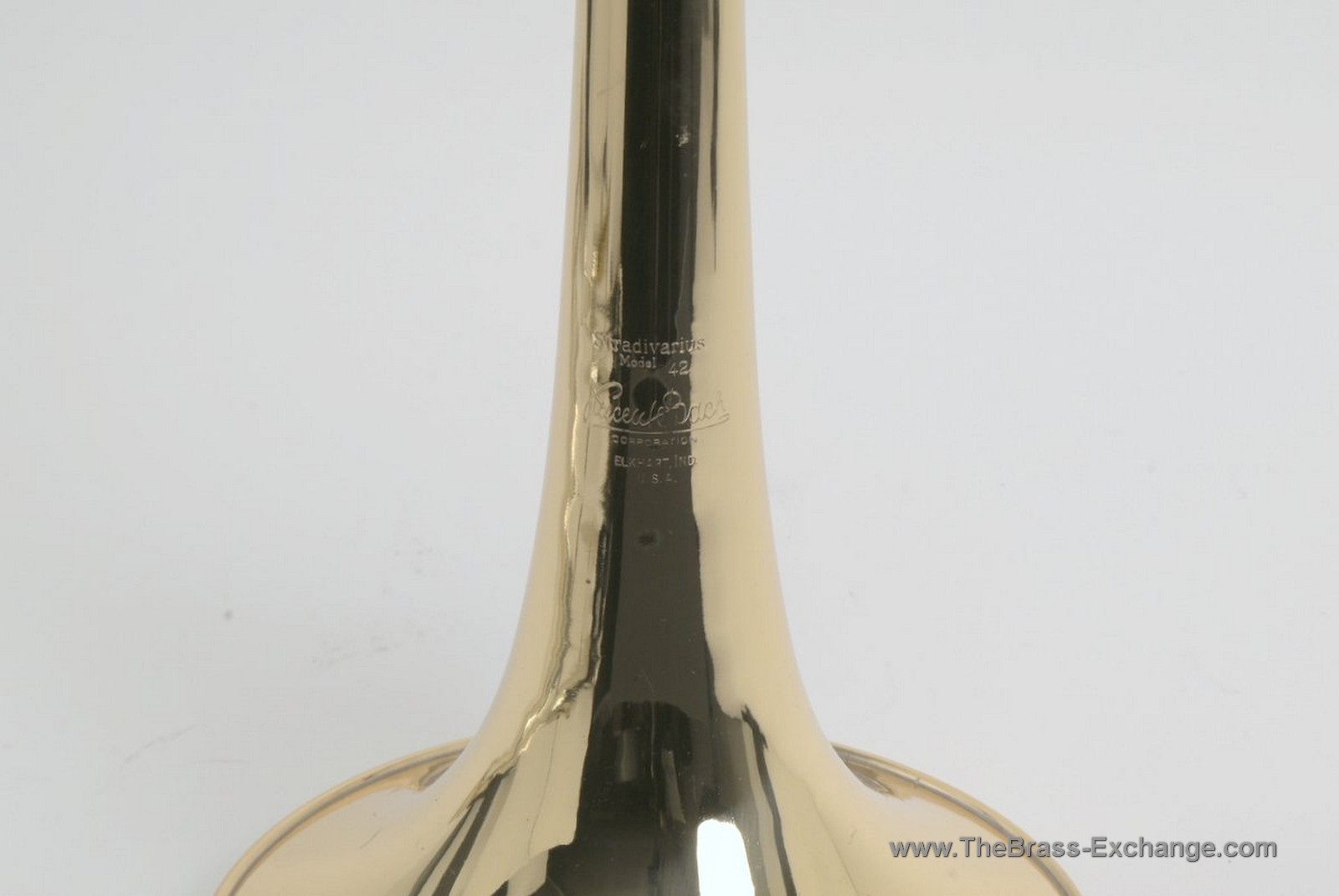
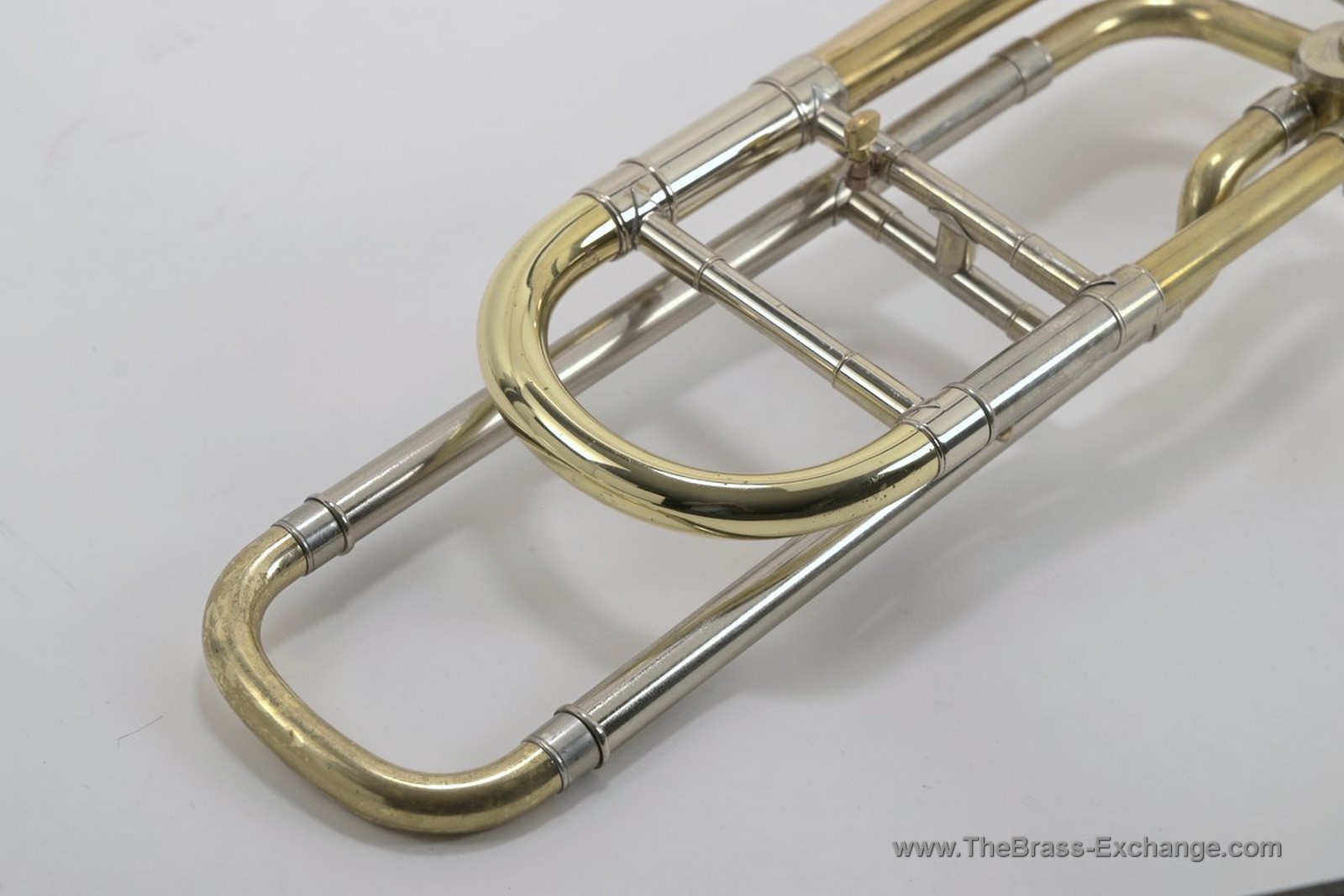
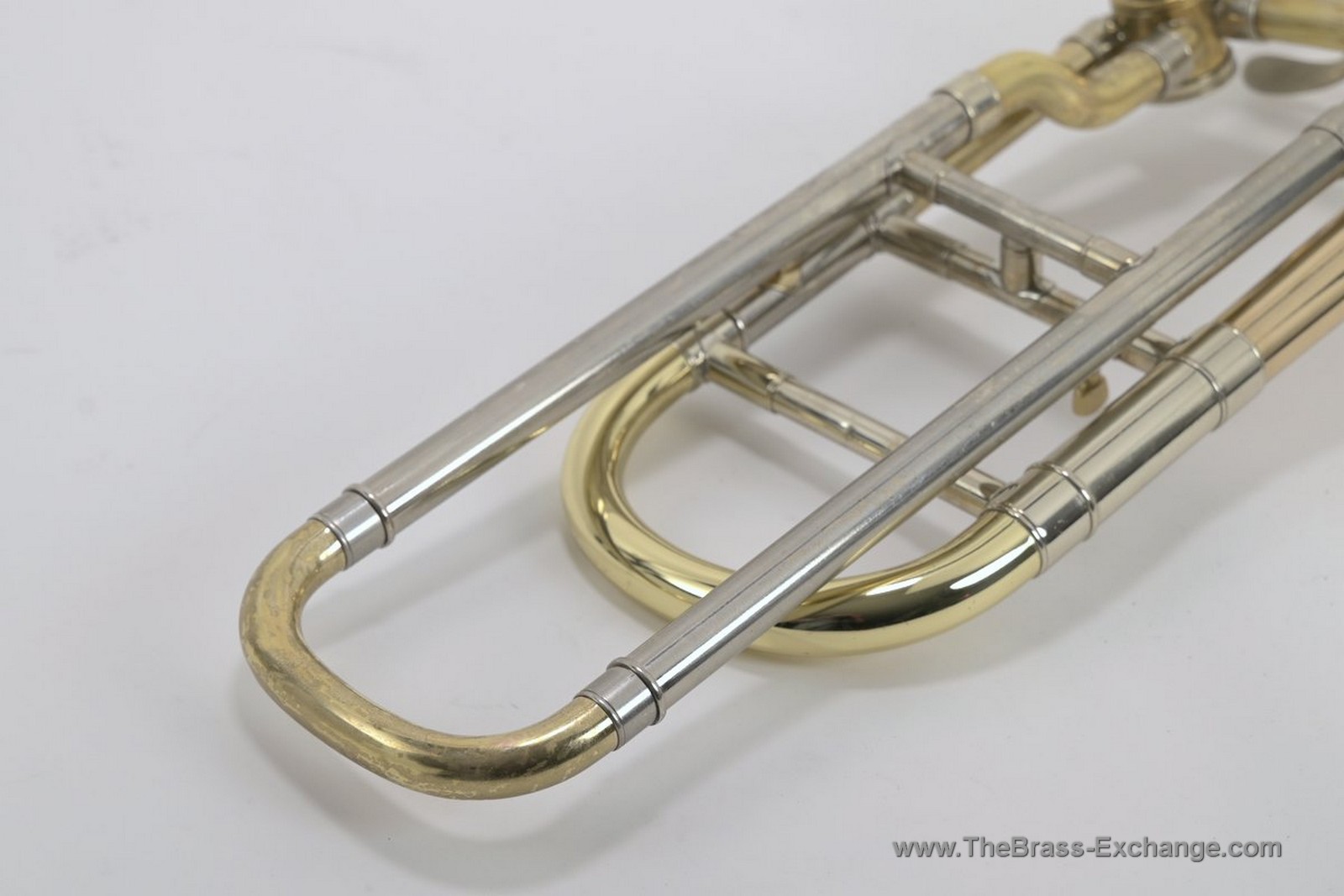
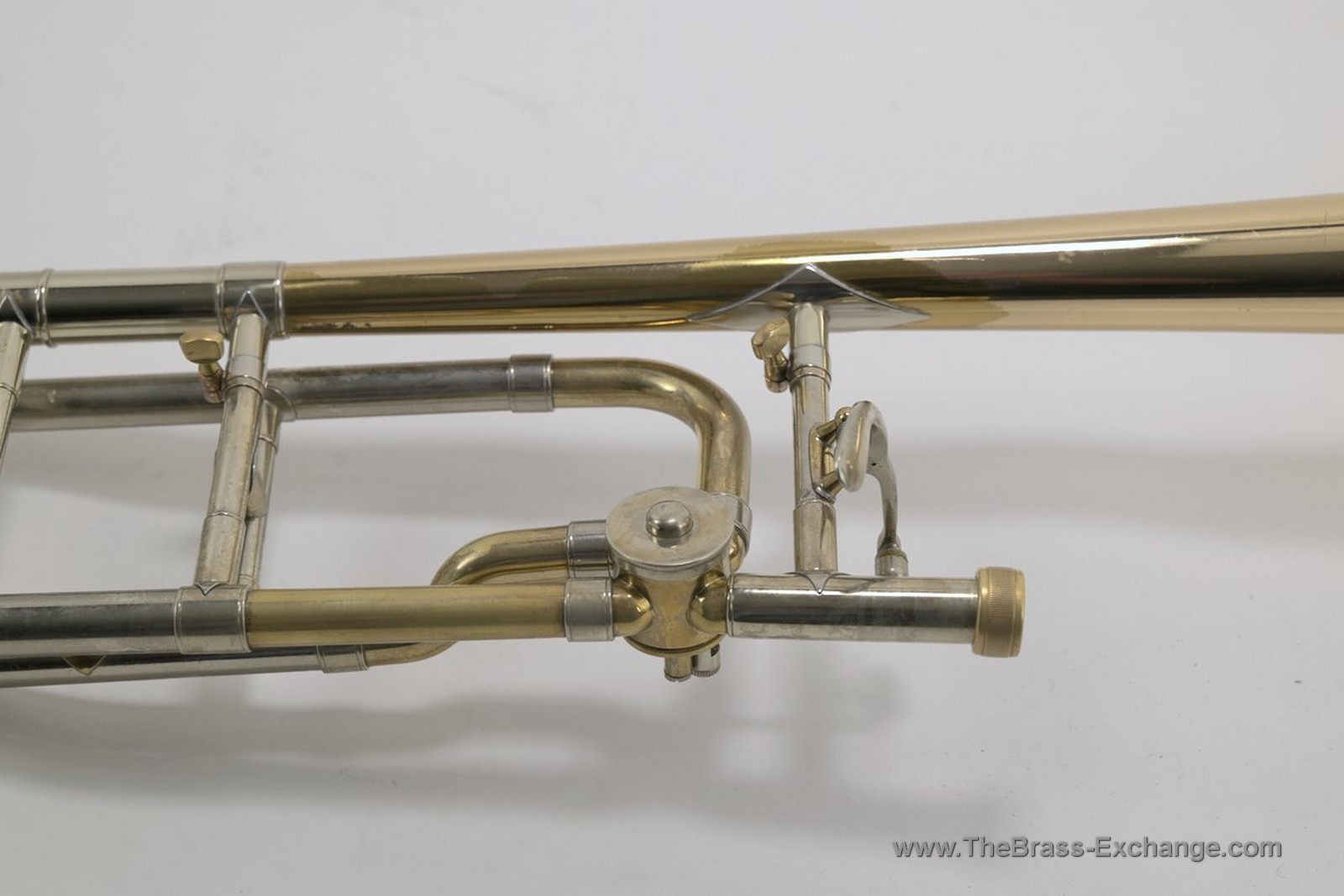
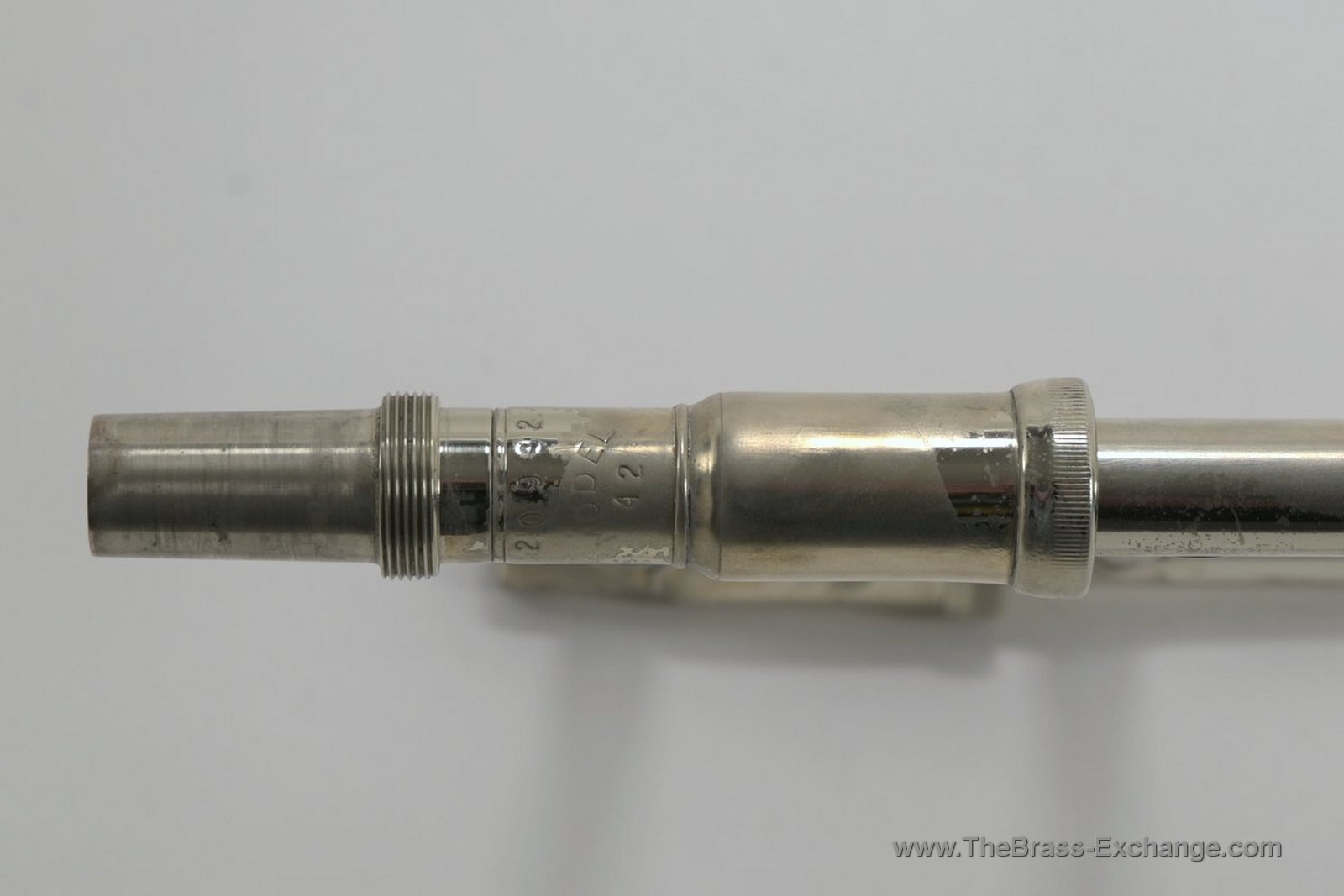
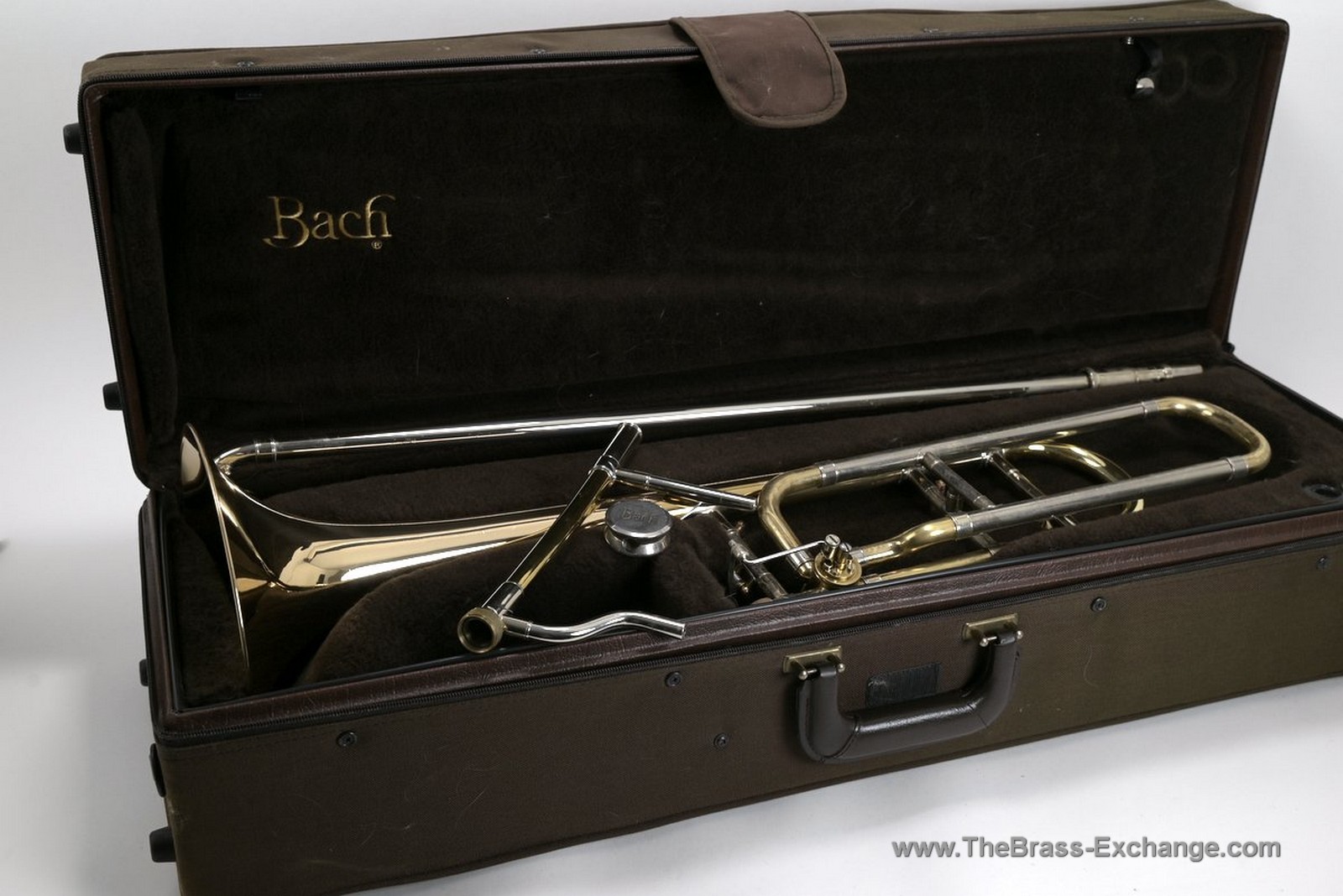
This is a Bach 42G gold brass tenor trombone from the Corporation era (SN 20992), built in the 1970s and later professionally converted from its original traditional wrap into an open wrap configuration with updated modern linkage.
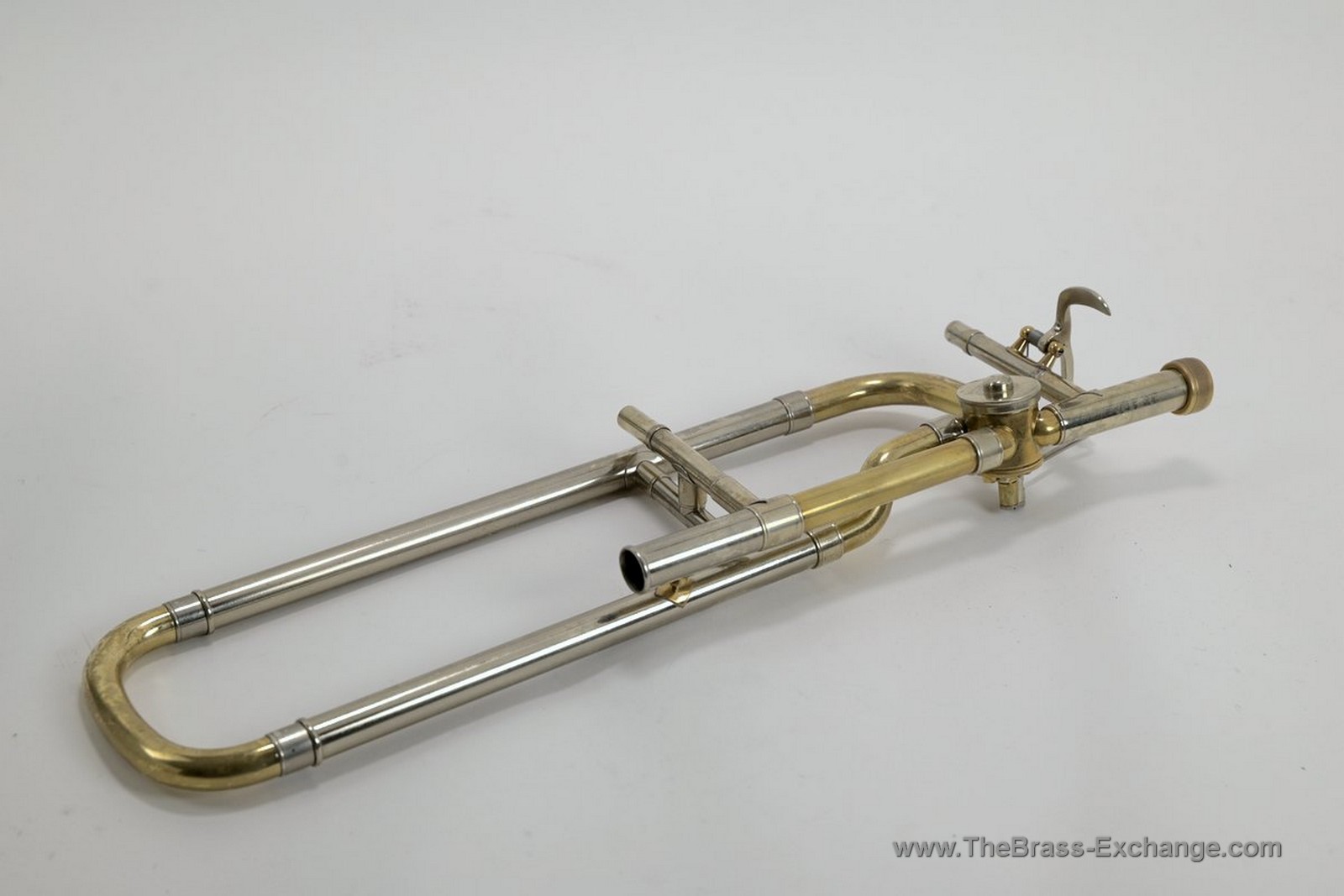
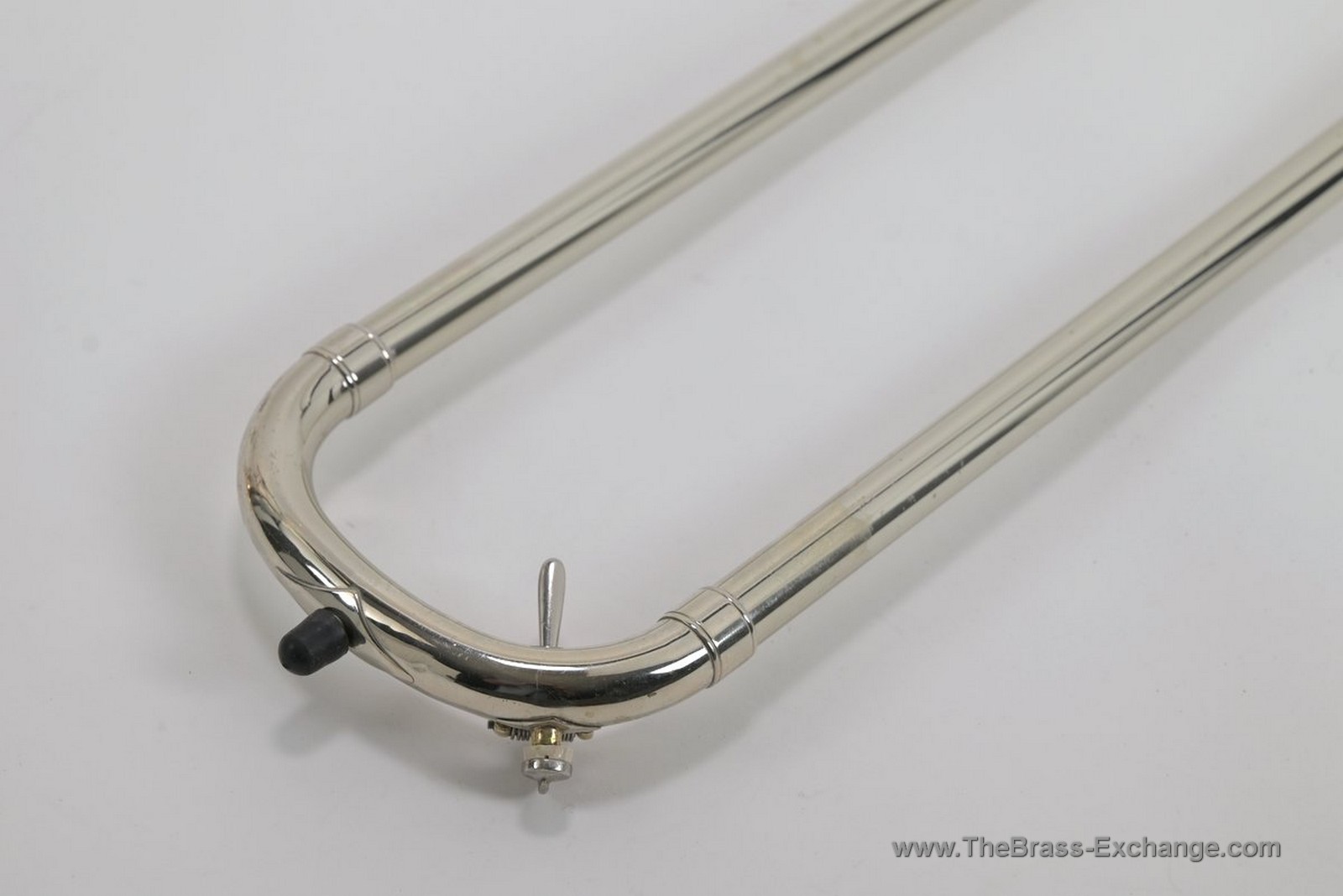
What makes this instrument particularly interesting is the convertible setup. The valve section is removable, allowing the horn to be played either as a standard .547 symphonic F-attachment tenor or as a straight tenor using the included neckpipe and balance weight. This flexibility is not often seen executed this cleanly on a vintage Bach.
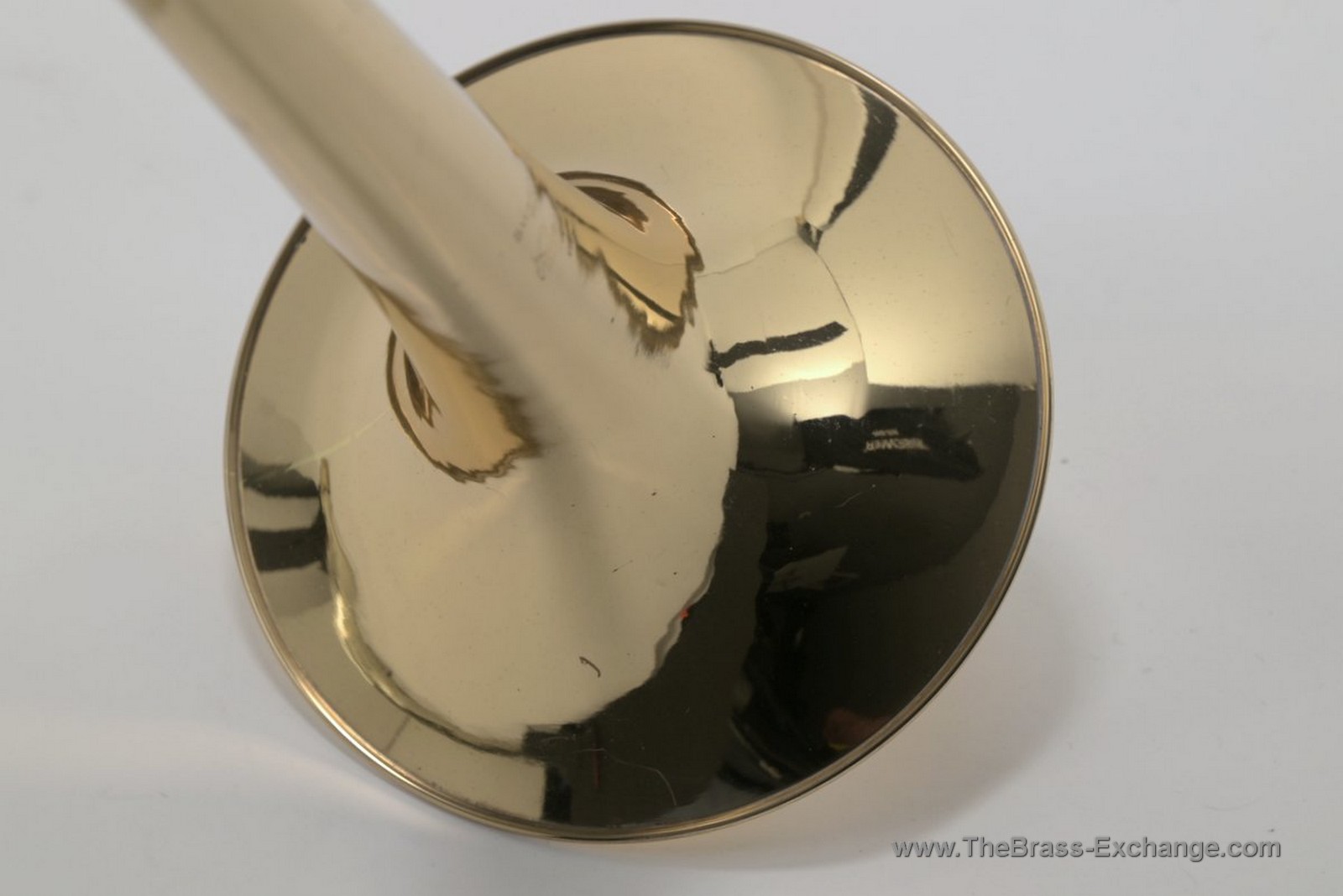
The bell is an original lacquered gold brass 42G, professionally cleaned and lightly machine polished in our shop and presenting beautifully. This is a lightweight Bach bell in excellent condition with no history or evidence of prior damage.
Player Perspective
This combination—gold brass bell with a lightweight nickel silver slide—has long been a proven pairing.
The result is:
- a warm, complex tonal core
- easy response
- excellent clarity and projection when needed
There is a maturity to the sound and feel of this instrument that is immediately noticeable. Players familiar with classic orchestral setups will recognize the character—this type of bell profile has been associated with the tonal concept heard in major symphonic sections, including the Chicago tradition.
In both configurations (with and without valve), the horn plays easily and consistently, offering flexibility without compromising core tone.
You don’t come across many 42G setups like this—especially ones that play this easily and offer both valve and straight configurations. It’s a very practical, great-sounding horn for someone who understands what this setup brings.
Condition & Shop Work
This instrument received full professional shop service prior to listing, including:
- chemical cleaning and flush
- rotor service and linkage update
- full mechanical inspection
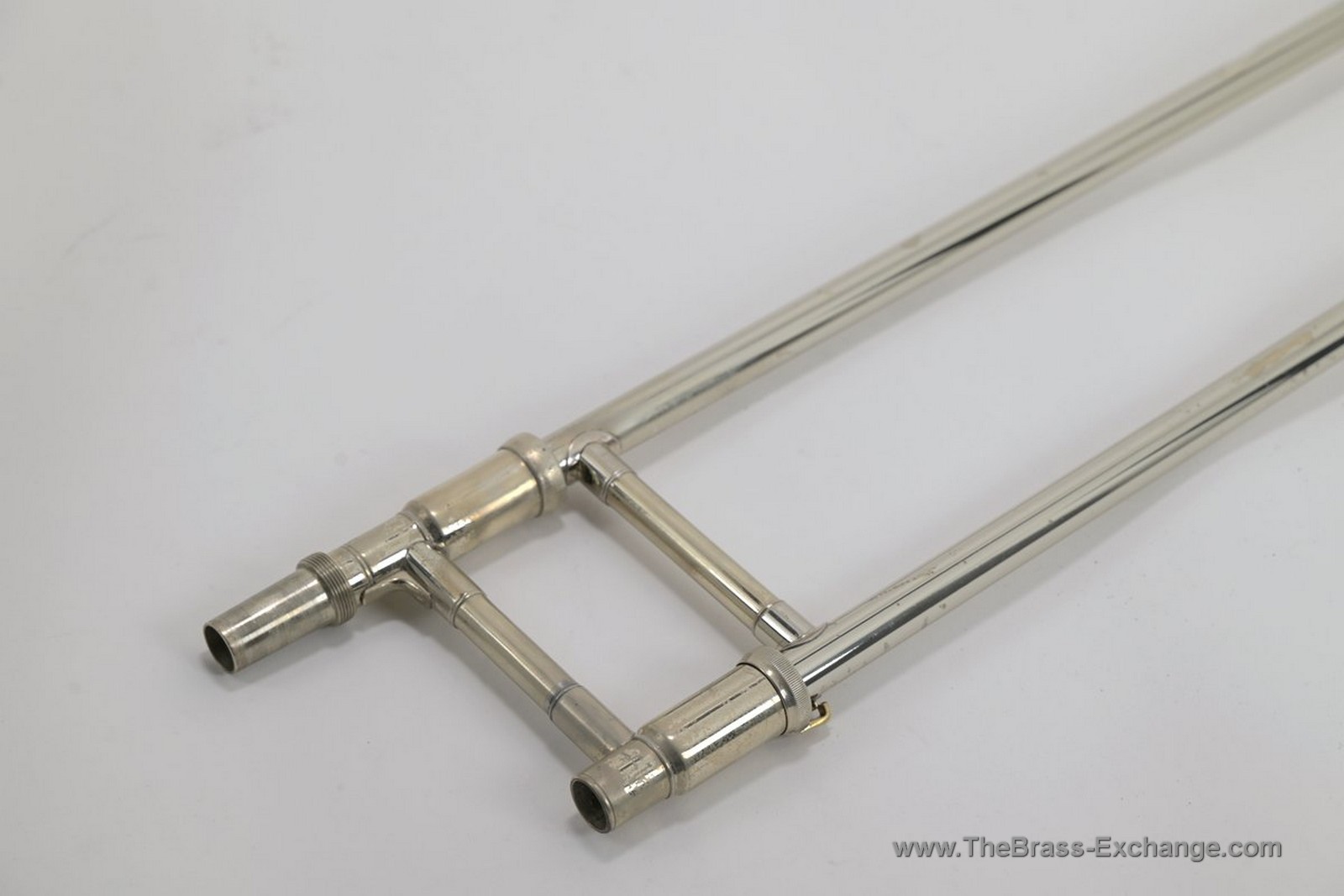
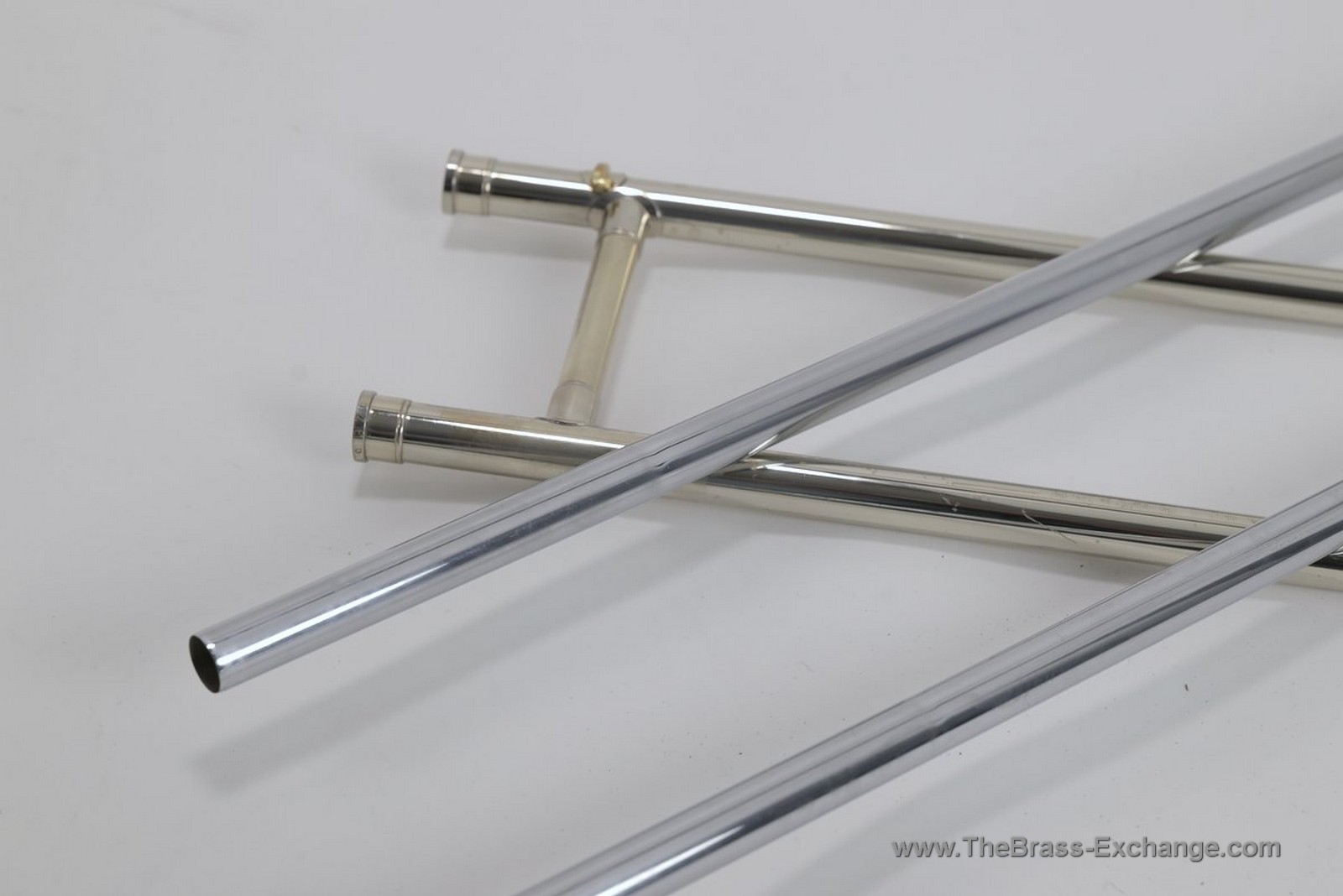
The handslide is original to the bell and is:
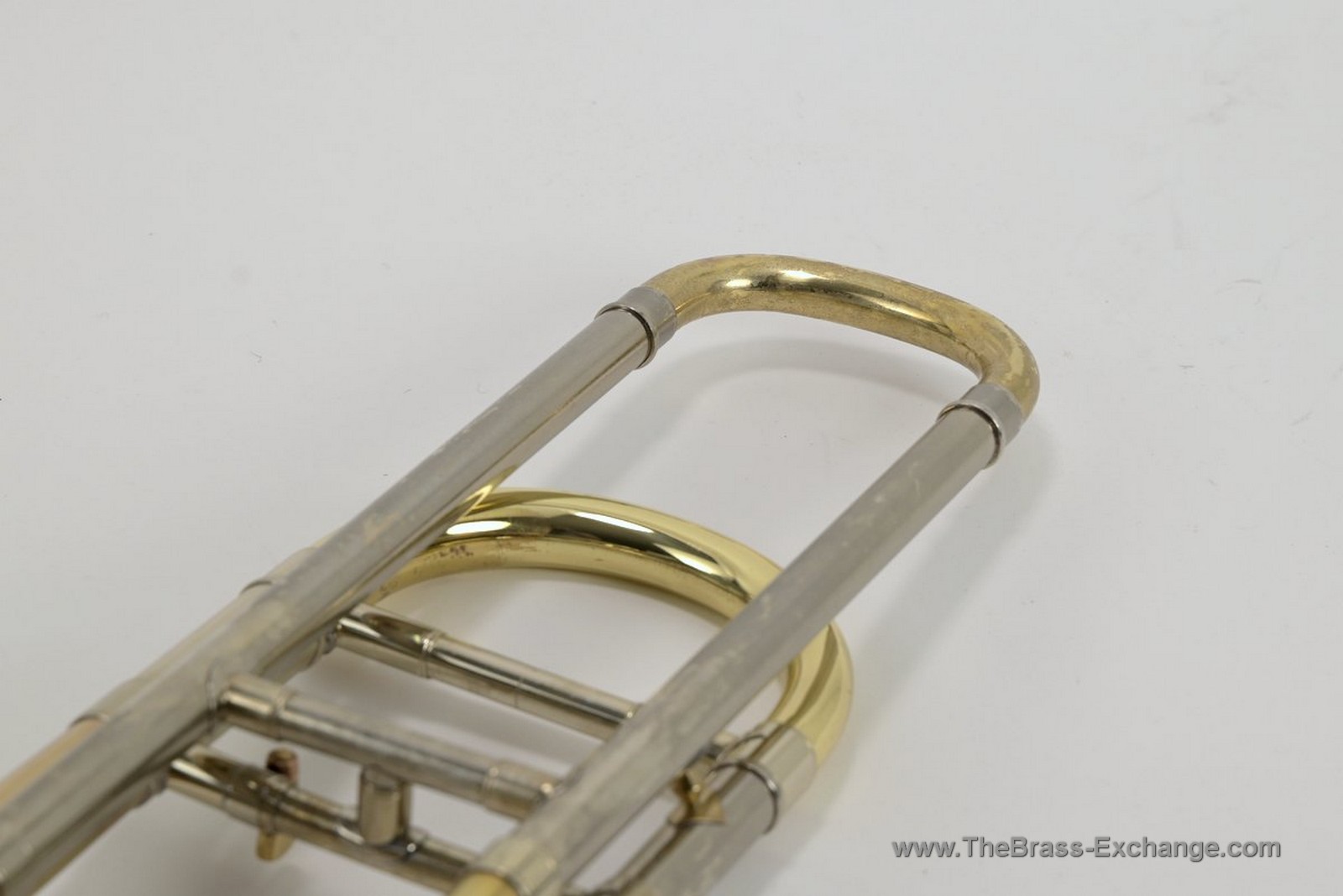
- straight and properly aligned — no glitches or bumps — a pro level player
- smooth throughout
- equipped with original inner tubes in good playing condition
There is modest lacquer wear in typical contact areas on the slide and light signs of age-appropriate use on the bell, but no functional issues.
The bell section remains structurally sound, clean, and free from damage history.
Configuration Highlights
- Bach 42G gold brass bell (original lacquer)
- .547 large bore
- Lightweight nickel silver handslide
- Open wrap F-attachment (converted)
- Updated modern linkage
- Removable valve section (convertible setup)
- Includes straight neckpipe and balance weight
📸 Photography From Our Early Archive
These photos reflect an earlier period of The Brass Exchange and represent part of our long-running archive of instruments. While our photography has evolved over the years, these images remain an important part of documenting the instruments we’ve handled and sold.
📦 Included
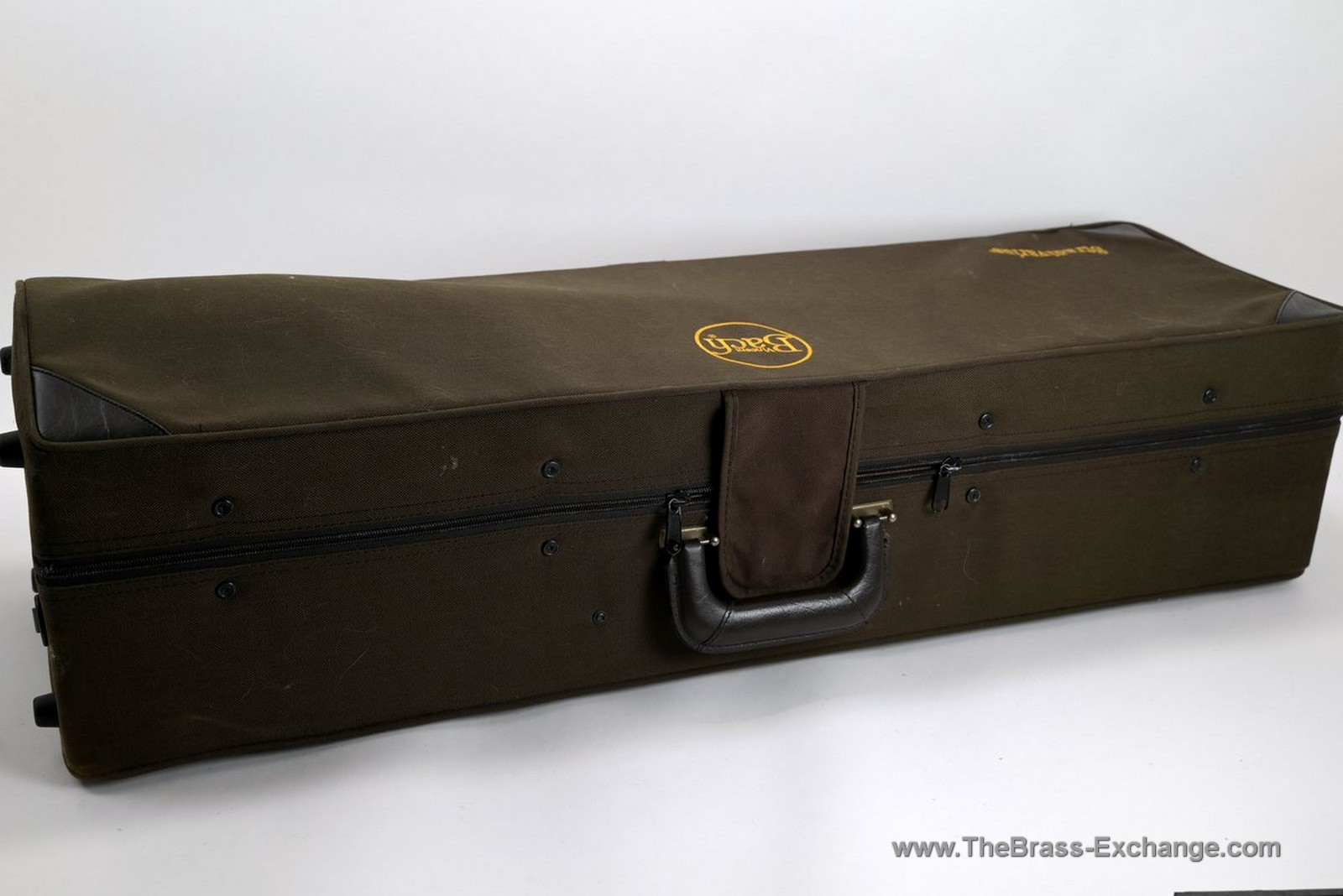
- 1990s Bach zipper case (excellent condition)
- Mouthpiece not included
Player Fit
This is an excellent fit for:
- advancing players moving into serious large bore equipment
- orchestral players seeking a flexible setup
- players who appreciate vintage Bach tonal character with modern usability
Questions Trombone Players Often Ask
What is a convertible trombone?
A convertible trombone allows the player to remove the valve section and play the instrument either as a traditional F-attachment tenor or as a straight tenor. In this case, the removable valve, combined with a dedicated neckpipe and balance weight, makes the transition practical and well-balanced. While the concept exists in different forms, setups executed this cleanly—especially on a vintage Bach—are relatively uncommon.
How does a Bach gold brass bell play compared to yellow brass?
A gold brass bell (higher copper content) produces a warmer, broader tonal core with less emphasis on high-frequency overtones. Think of the general direction of an 88H sound concept, but not quite as dark.
Yellow brass carries more high-frequency content in the overtone structure, resulting in a brighter sound with more clarity and immediate presence, which helps with projection and articulation.
Gold brass shifts that balance—fewer highs, more complexity in the core sound. Many players find that it blends easily in a section, regardless of what others are playing, while still maintaining enough depth and color for orchestral work.
Are Bach trombones from the 1970s Corporation era good?
Yes—1970s Bach Corporation-era trombones are widely respected and remain in active use by professional players. While consistency can vary from instrument to instrument, strong examples offer the classic Bach tonal character with excellent projection and durability. Well-maintained horns from this period can be outstanding players.
Are vintage Bach trombones collectible?
Earlier Bach eras such as New York and Mt. Vernon are the most collectible. Corporation-era instruments are generally valued more for how they play than for collectibility, but clean, original examples—especially with unique or desirable configurations—can still attract strong interest from both players and collectors.
Why is the Bach 42BO so popular?
The Bach 42BO remains popular because it delivers the classic Bach large-bore sound with an open wrap F-attachment that feels more open and natural through the valve. It has become a standard choice for orchestral and advancing players who want a familiar tonal core with modern playability.
What makes a lightweight Bach slide different from standard weight?
A lightweight slide typically feels quicker and more responsive, making articulation easier and giving the player a more immediate connection to the instrument. When paired with a gold brass bell, it creates a balanced setup that combines warmth with clarity and flexibility.
Is a converted open wrap trombone a good option?
A professionally converted open wrap can offer many of the benefits of modern designs—such as smoother airflow through the valve section—while retaining the tonal character of an earlier instrument. The quality of the work matters, and when done well, it can result in a very practical and versatile setup.
🔧 Availability & Archive Status
This trombone has been sold and is now part of our Archive of Sold instruments. It remains here as a historical reference for players, collectors, and those researching vintage Bach trombones and similar setups.
📣 Looking for Something Similar?
👉 Browse our current trombone inventory:
https://www.thebrass-exchange.com/trombones
👉 Have a trombone like this and want help determining value?
Contact us for a valuation and explore your options ✍️
Since 2010, The Brass Exchange has quietly become a trusted resource for players, collectors, and families navigating instrument sales and transitions—whether by phone, in person, or through our website. 📌