





📌 Archive Reference Notice
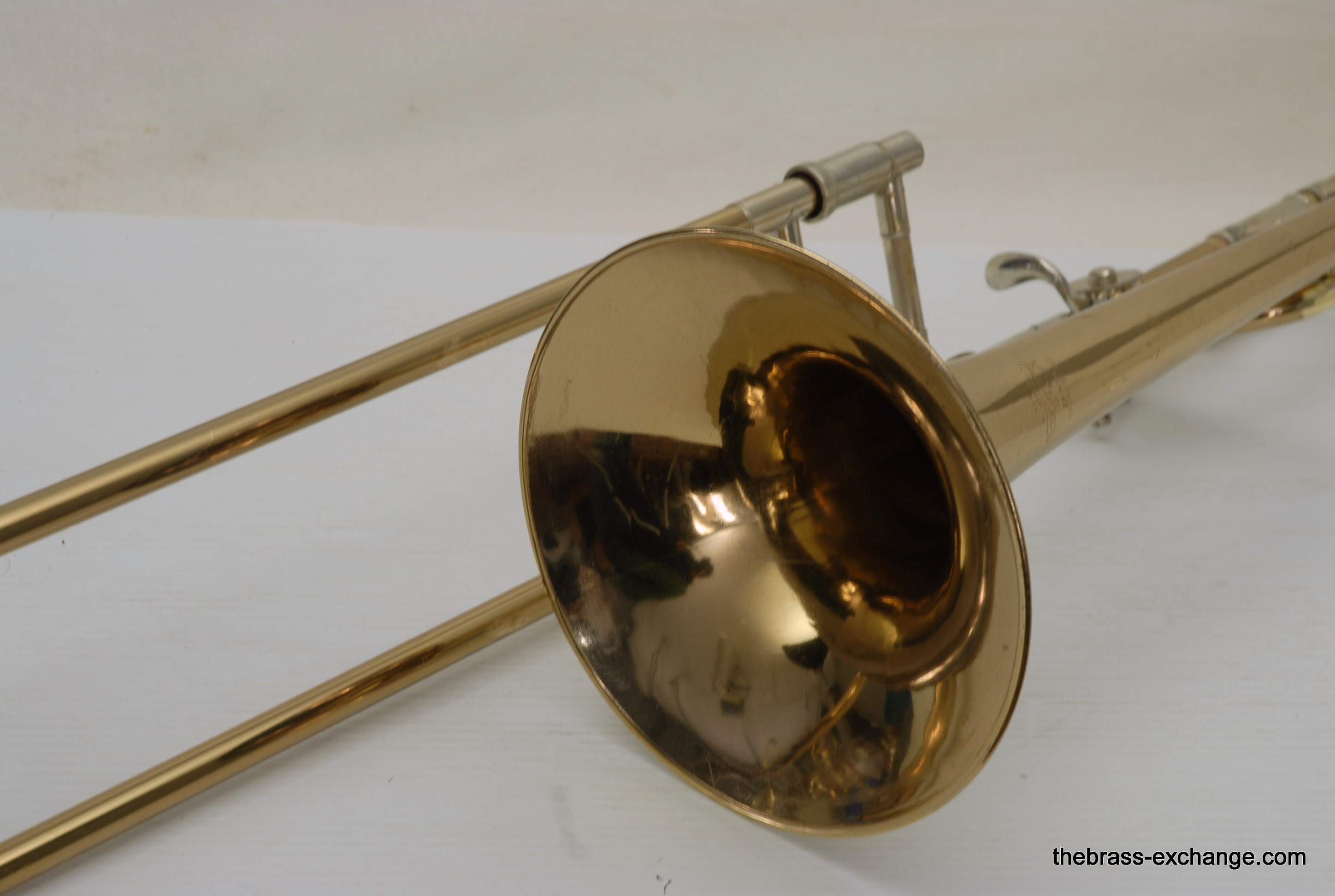
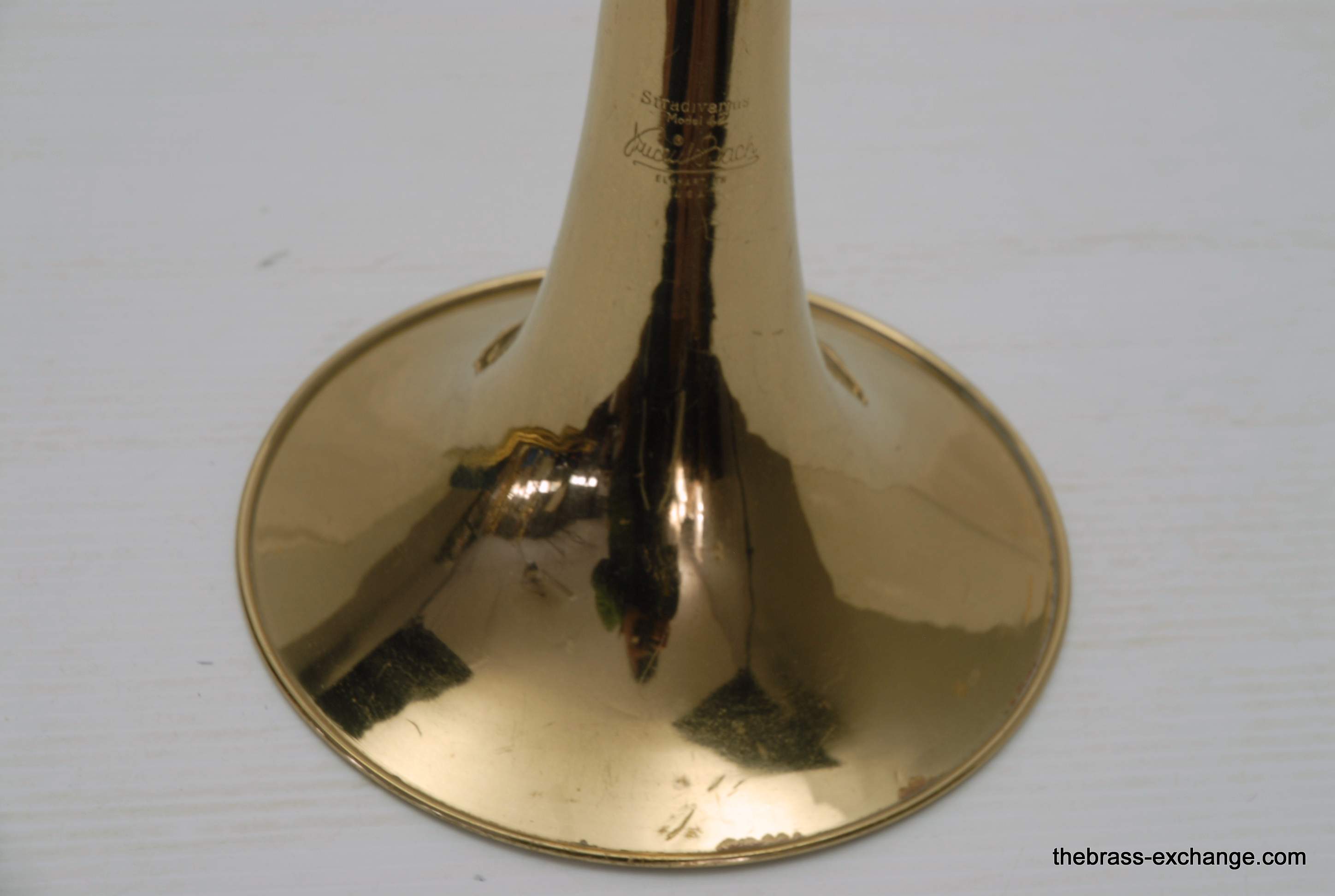
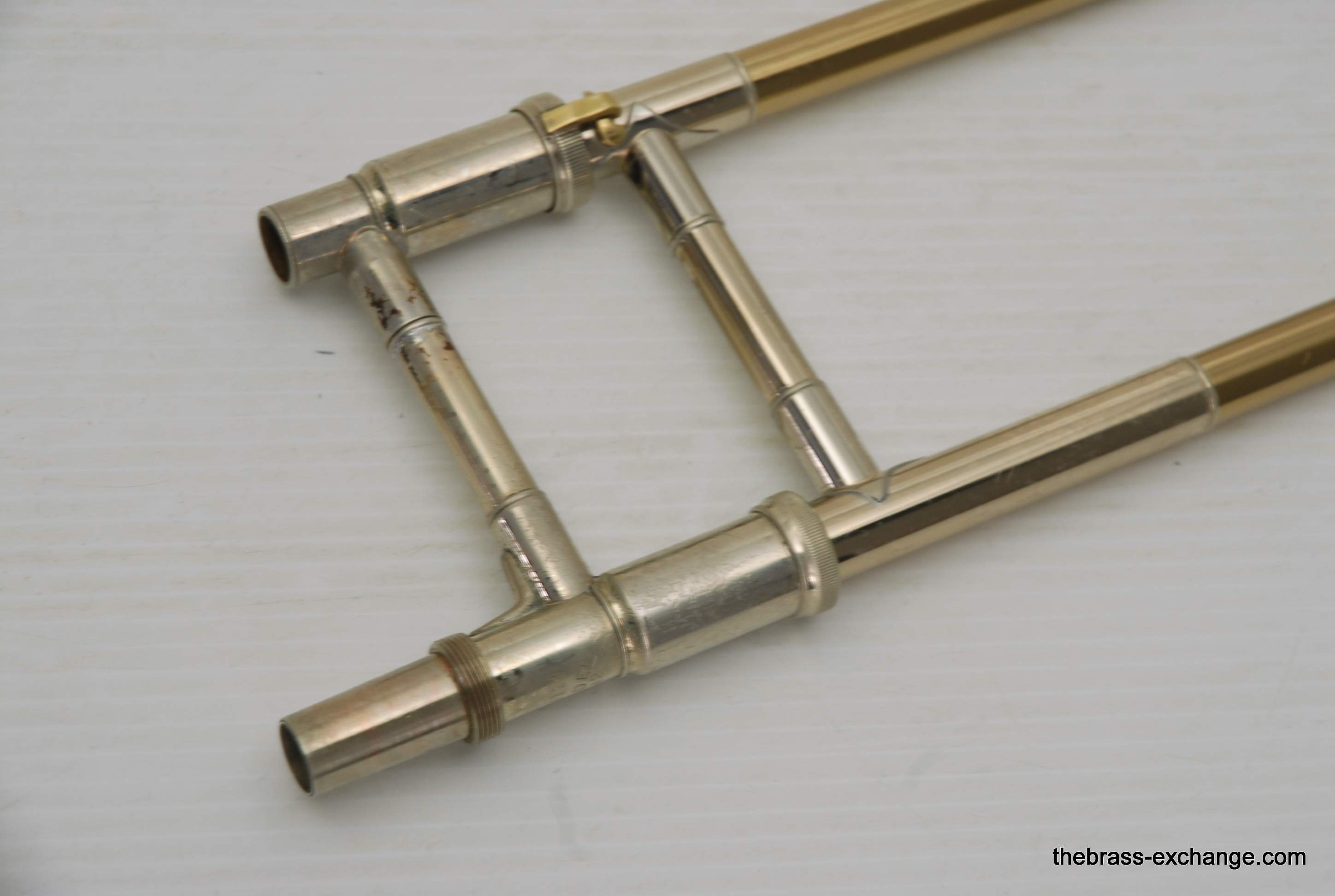
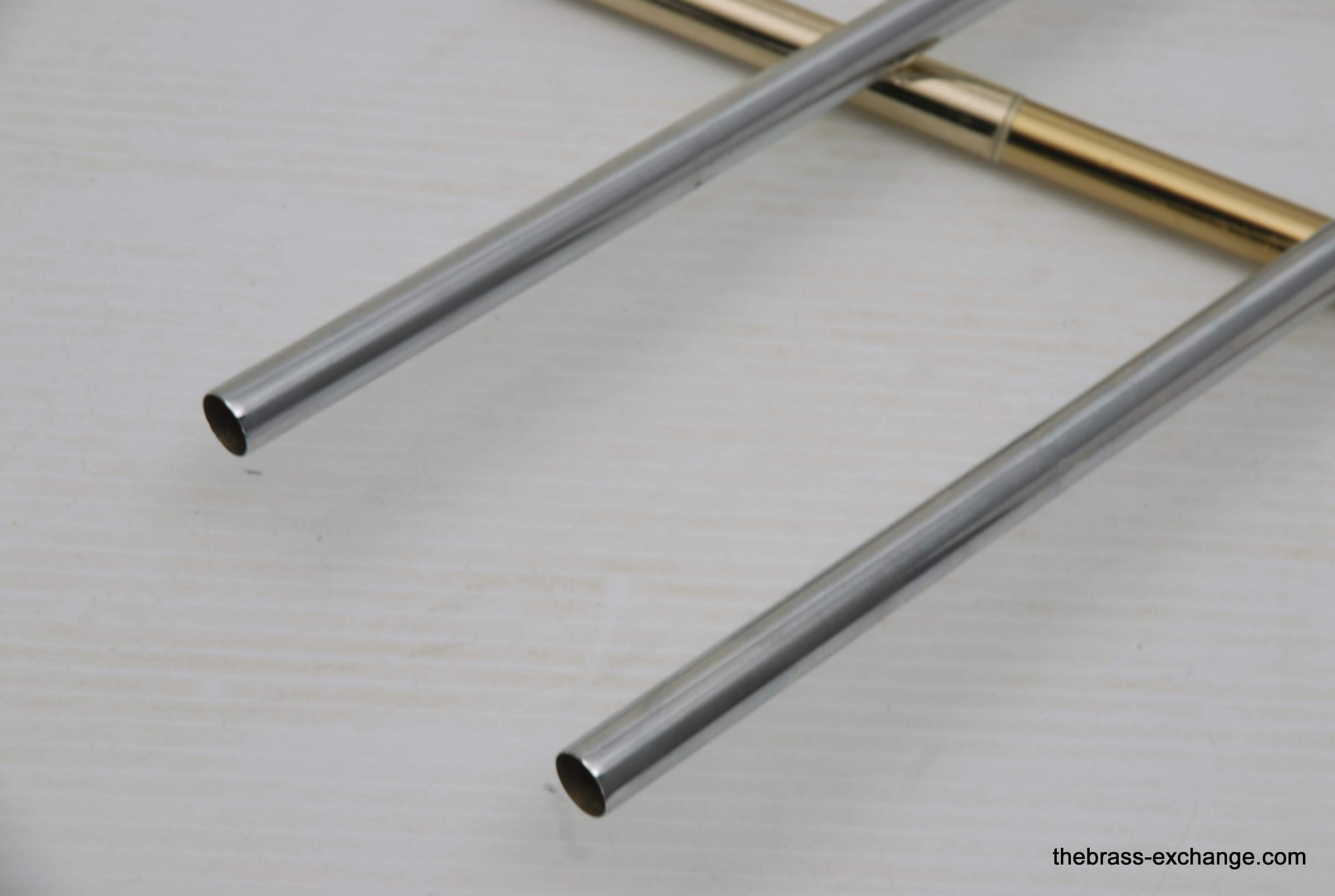
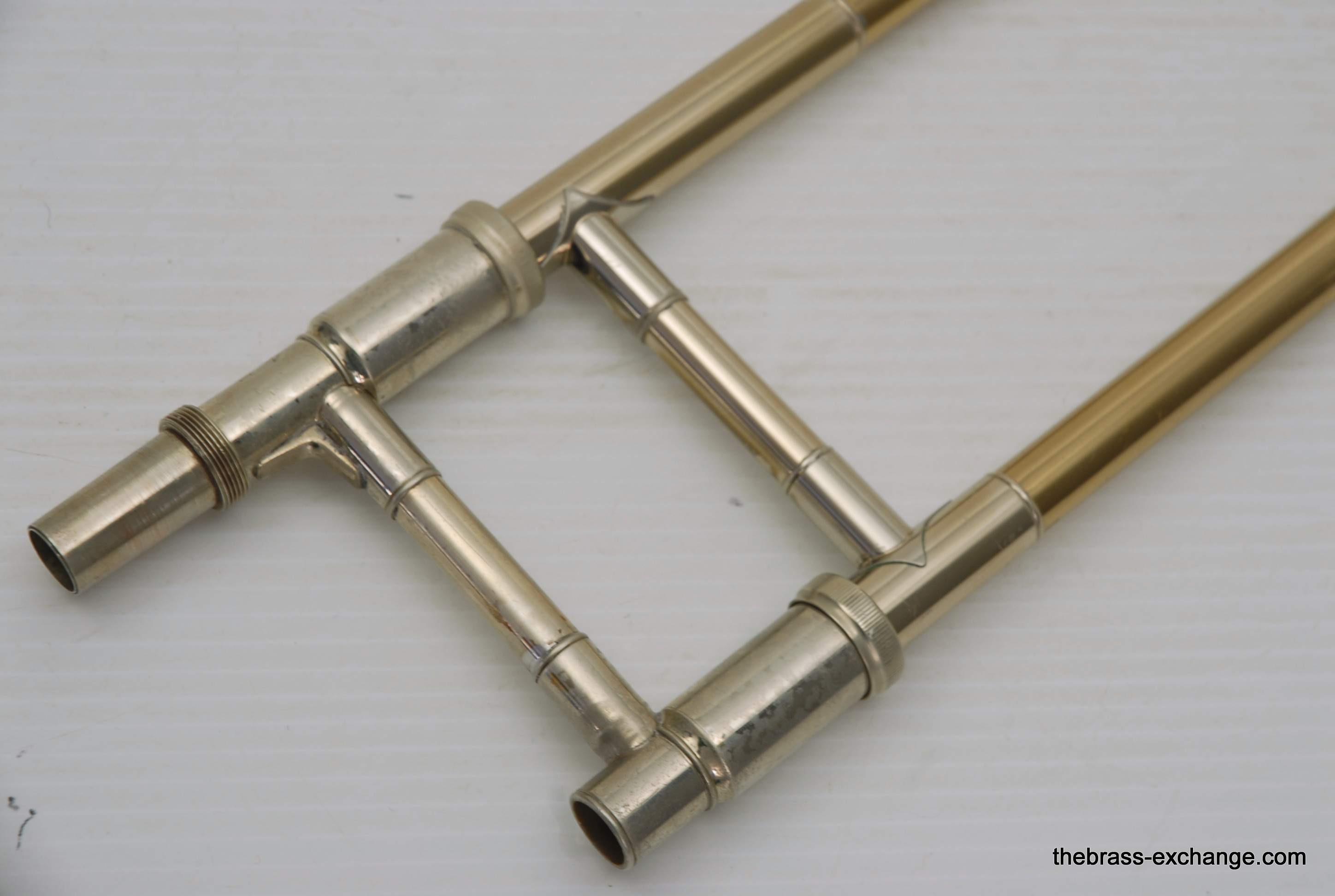
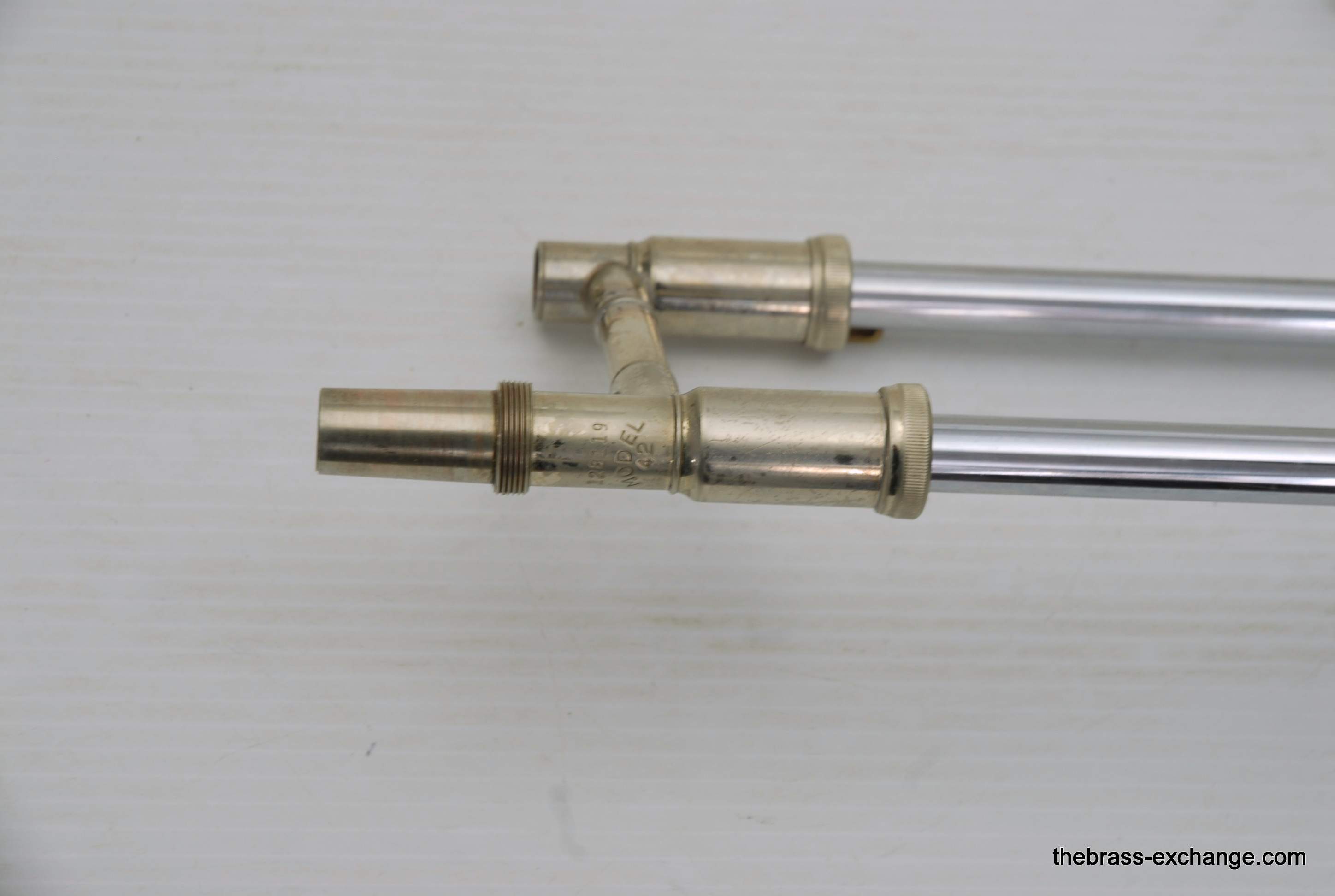
This Bach 42BO professional tenor trombone (SN 128119) has been sold and is now part of The Brass Exchange Archive of Sold Instruments.
It is shown here as a historical reference example for players researching Bach 42BO trombones from the mid-1990s — one of the most widely used large-bore professional tenor trombones of the modern era.
✦ Historical Perspective
The Bach 42BO has long been regarded as one of the most successful and enduring professional tenor trombone designs ever produced. Introduced as the open-wrap variant of the classic Bach 42, the 42BO became a standard choice for orchestral, symphonic, and advanced academic players beginning in the 1990s.
This example, serial number 128119, dates to the mid-1990s production period, a time when Bach trombones were widely adopted by conservatories, professional orchestras, and serious advancing players seeking a reliable large-bore tenor with broad tonal flexibility.
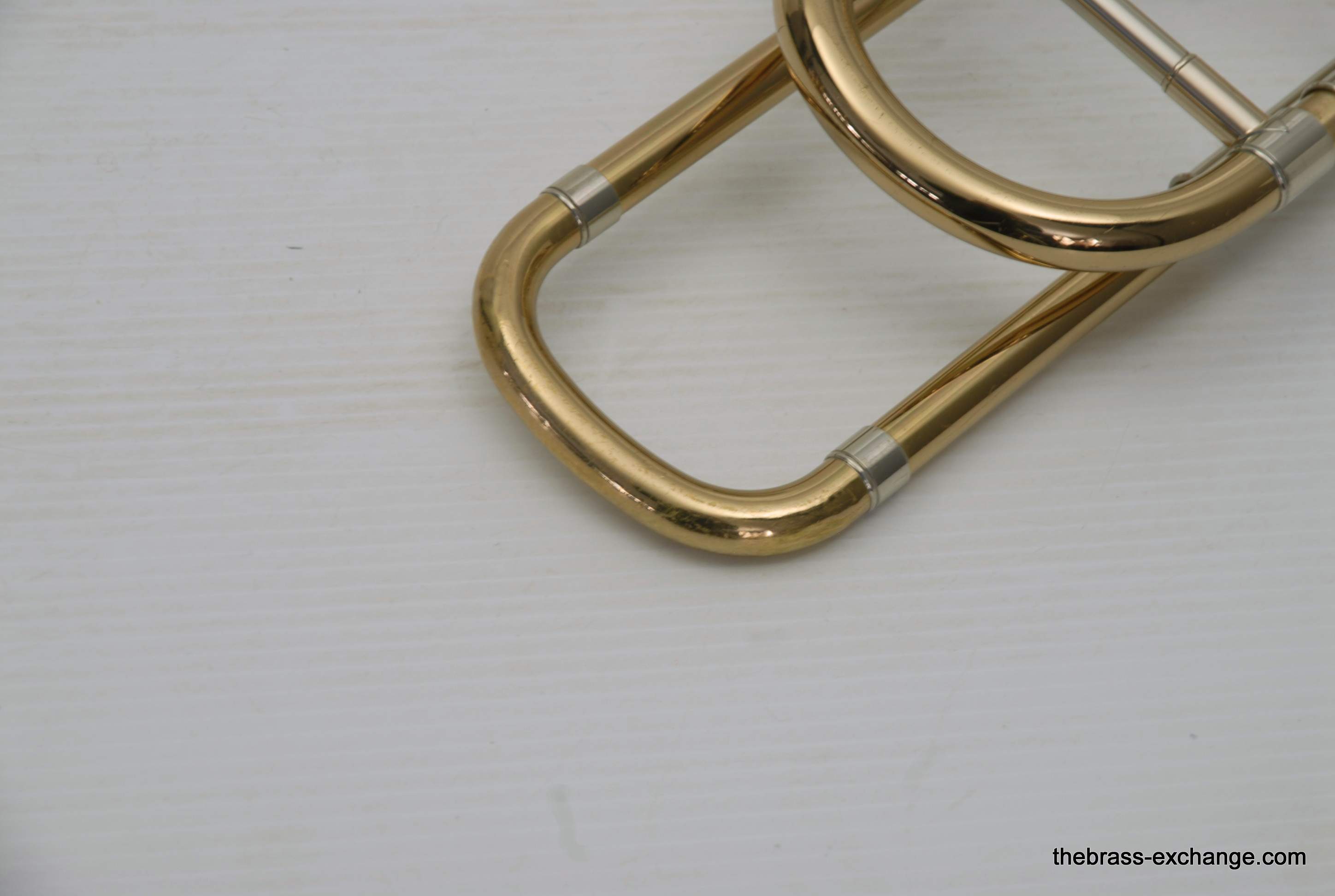
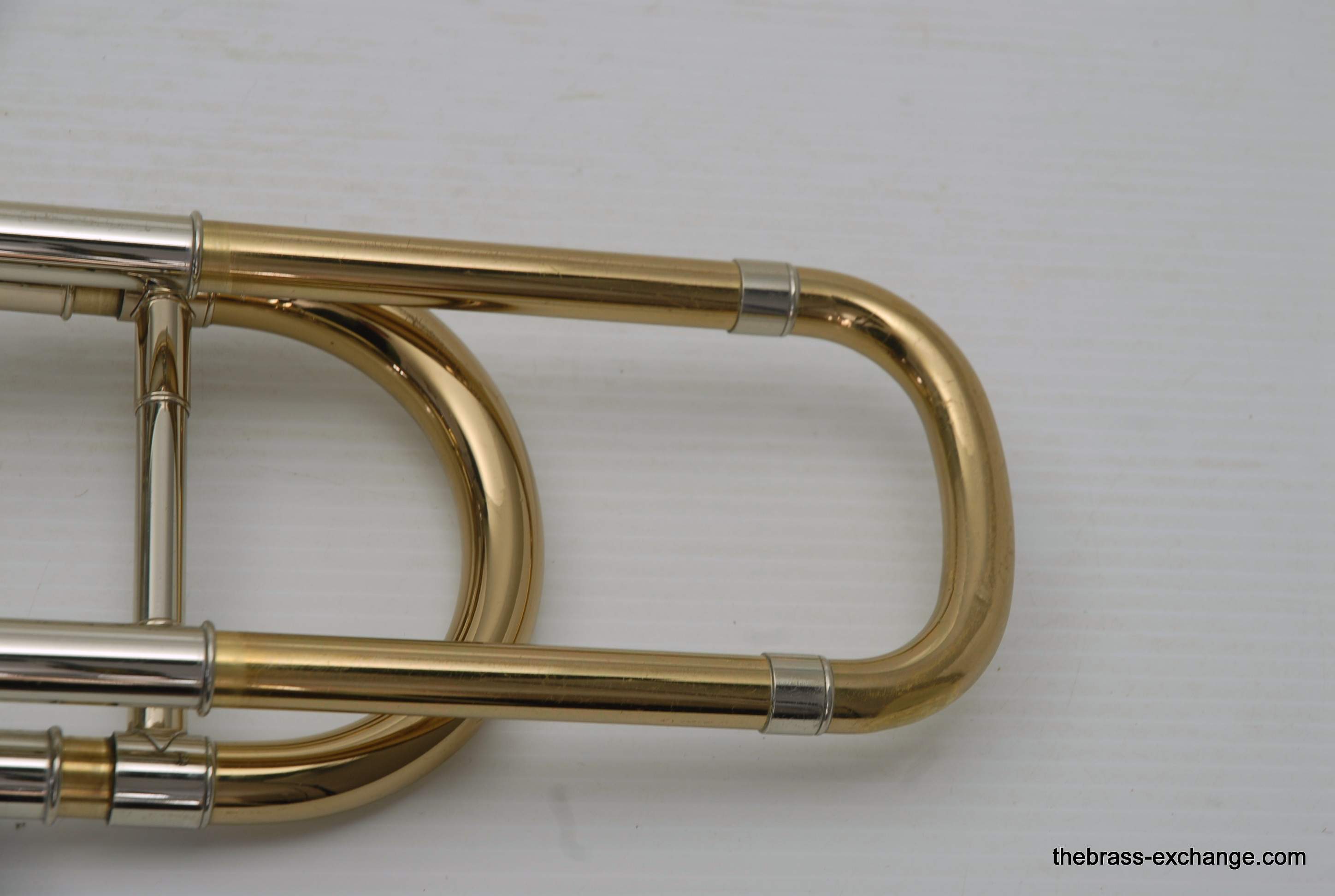
The open-wrap F-attachment design allows for freer airflow and a more open response compared to traditional closed-wrap configurations, contributing to the 42BO’s reputation for projection, stability, and versatility across a wide range of repertoire.
✦ Condition & Service History (at Time of Sale)
At the time of sale, this Bach 42BO had received full professional shop service, including:
Complete chemical cleaning
Full mechanical inspection and adjustment
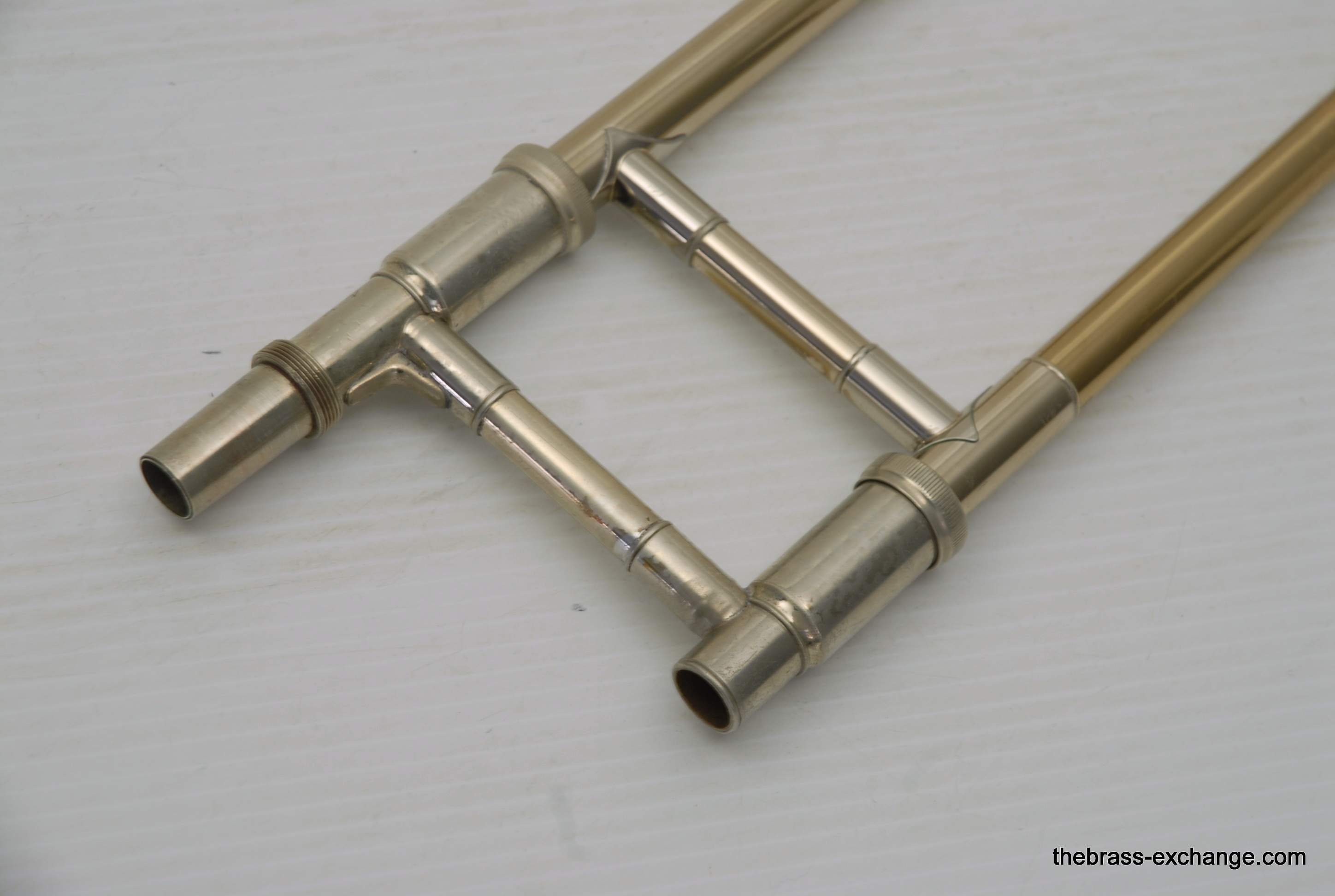
Handslide alignment and setup
Rotor removed, cleaned, serviced, and reinstalled
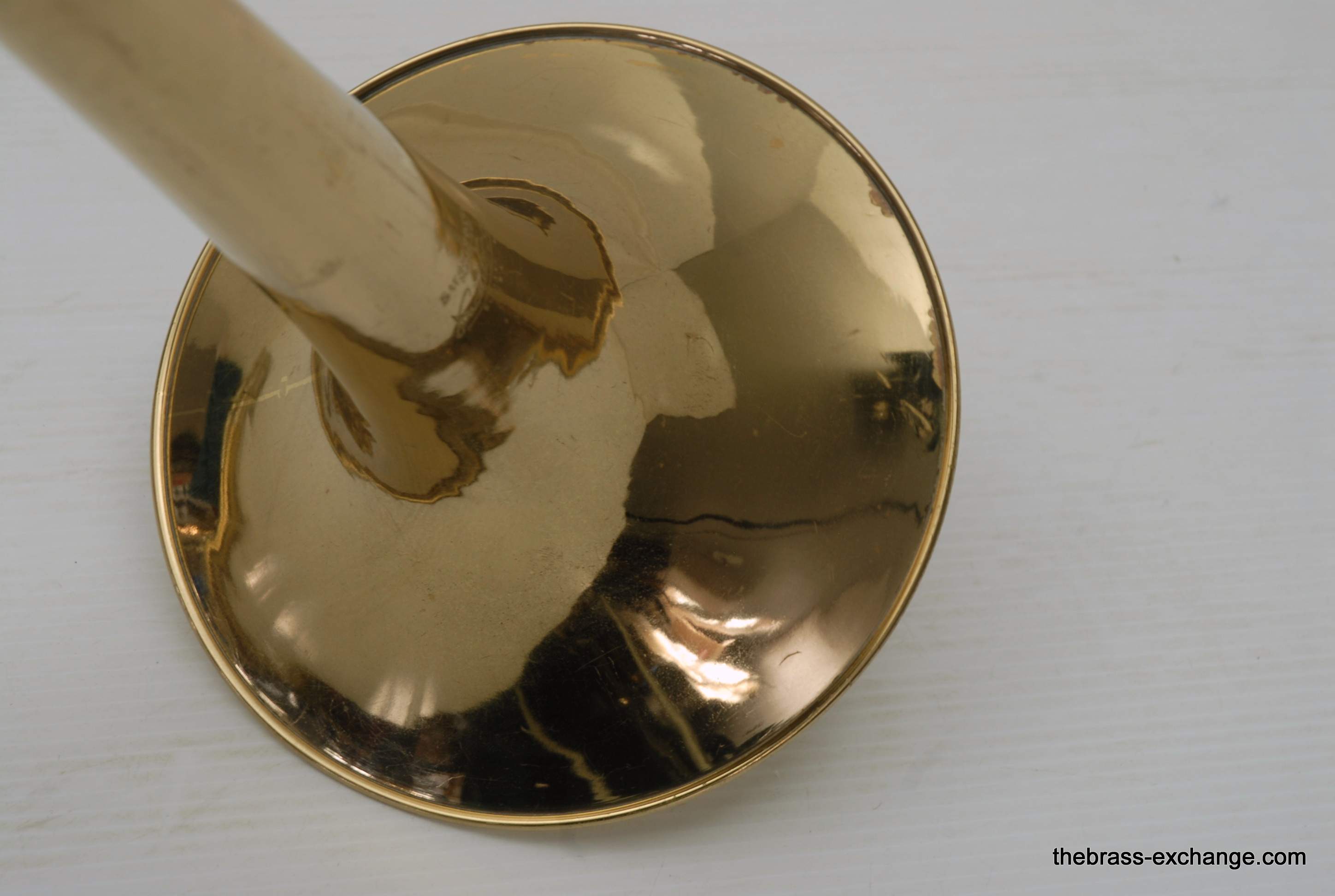
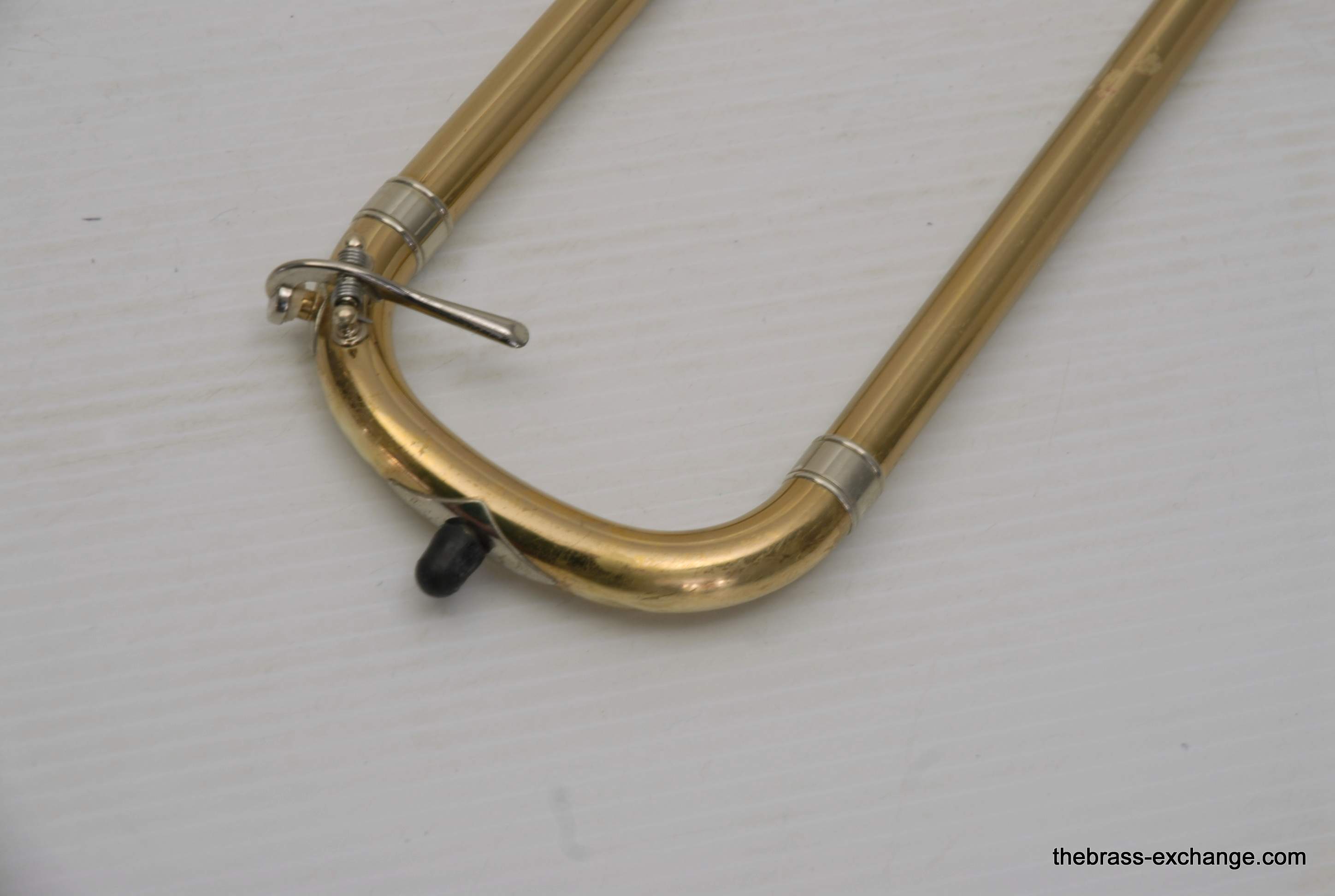
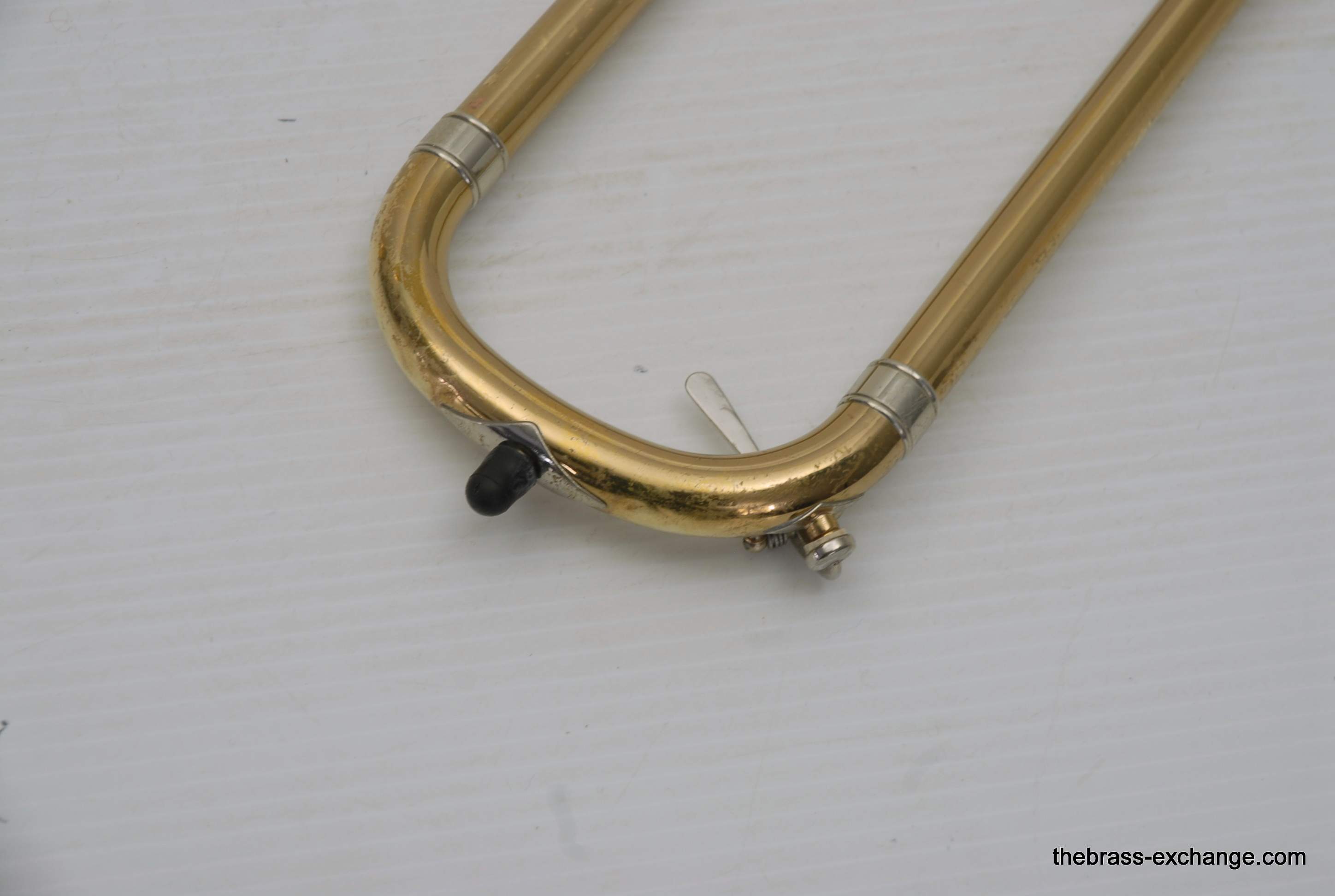
No dents, dings, or structural issues identified
No additional service or repair was required. The instrument was fully play-tested and performing exactly as expected for a well-maintained professional Bach trombone of this era.
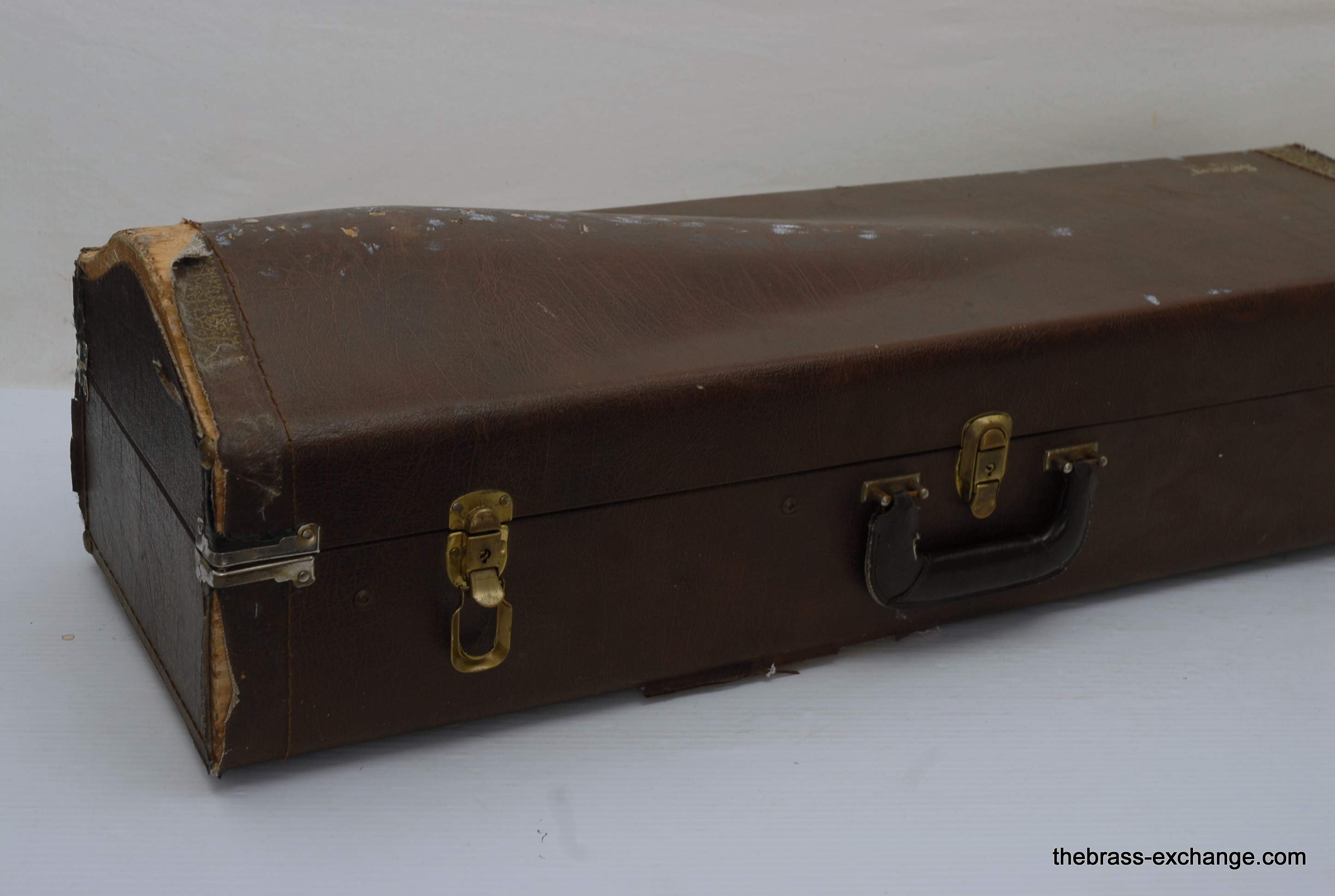
The original Bach case was included and remained usable, though cosmetically worn — typical for a professional instrument that has seen real-world use.
✦ Player Perspective
For advancing players stepping into their first true professional-level tenor trombone, the Bach 42BO has long been a proven and trusted choice.
This mid-1990s example offered the familiar Bach playing feel: a centered core, predictable response, and a tonal profile that blends easily in orchestral and large ensemble settings. It represents the type of instrument that has supported countless successful auditions, degrees, and professional careers over the past several decades.
✅ Questions Trombone Players Often Ask
Is the Bach 42BO still a relevant professional trombone today?
Yes. The 42BO remains one of the most commonly used large-bore tenor trombones worldwide and continues to be a benchmark model in professional and academic settings.
What distinguishes the “BO” version from a standard Bach 42?
The “BO” designation indicates an open-wrap F-attachment, which provides a more open airflow and slightly freer response compared to closed-wrap designs.
Who is a mid-1990s Bach 42BO best suited for?
Advanced students, conservatory players, and professionals seeking a reliable, traditional large-bore tenor trombone with a long track record of success.
📸 Photography From Our Early Archive
Some photographs on this page originate from earlier years of The Brass Exchange archive. While photography standards and equipment have evolved over time, these images remain valuable for historical reference and documentation of professional brass instruments that have passed through our shop.
🏅 Why Players Trust The Brass Exchange
For over a decade, The Brass Exchange has specialized in professional-grade brass instruments. Every trombone we handle is personally inspected, serviced when needed, and play-tested before sale. Archived examples like this Bach 42BO reflect the same standards we apply to instruments we place with players at every stage of their musical journey.
📌 Archive Reference & Next Steps
This Bach 42BO is preserved here as a reference example of a mid-1990s professional Bach tenor trombone.
🔎 Looking for a similar Bach trombone?
Browse our current trombone listings.
✍️ Looking to sell a professional Bach trombone?
We’re always happy to help with evaluations and next steps. Start here 👉