








🟧 Overview
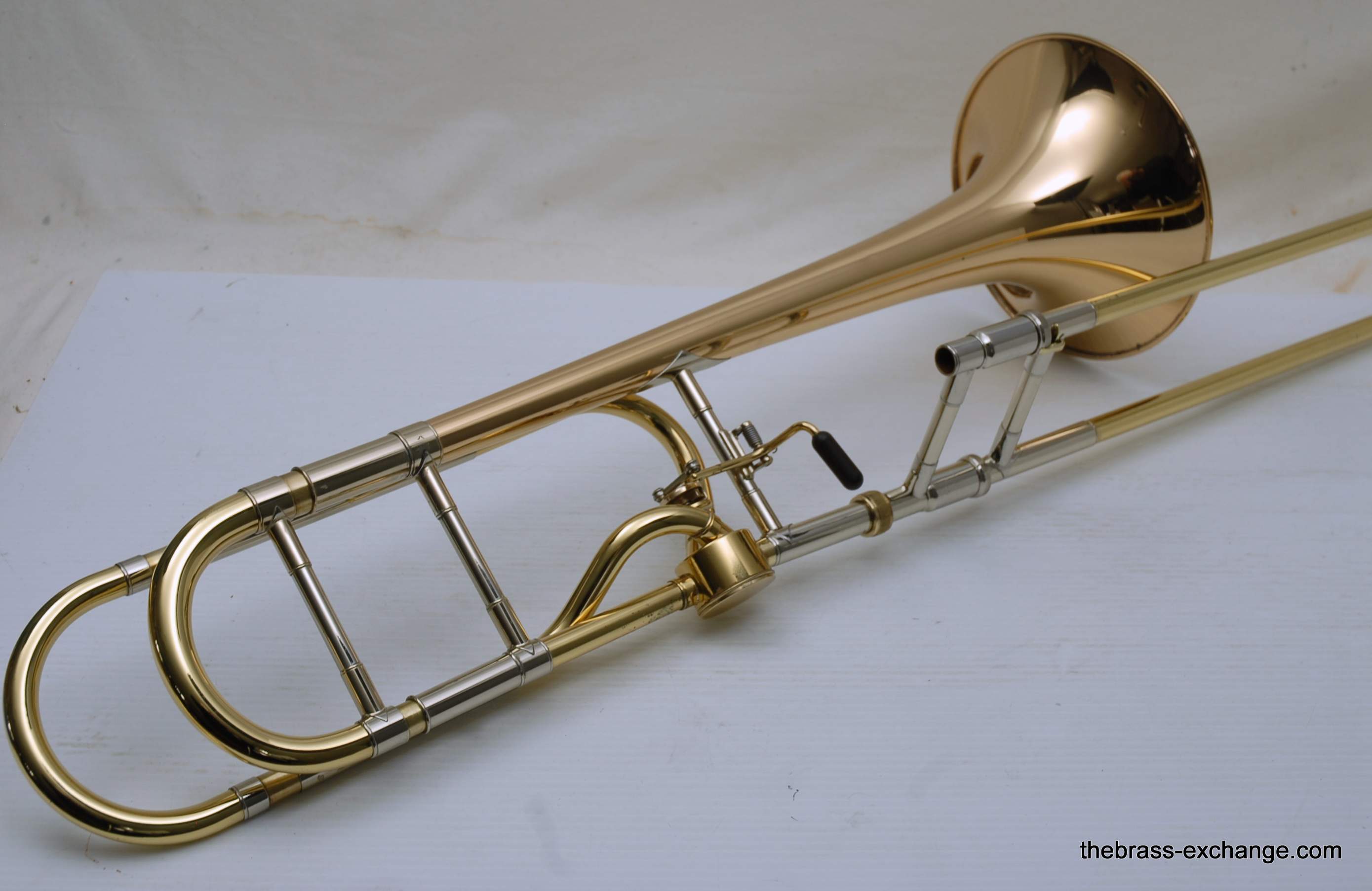
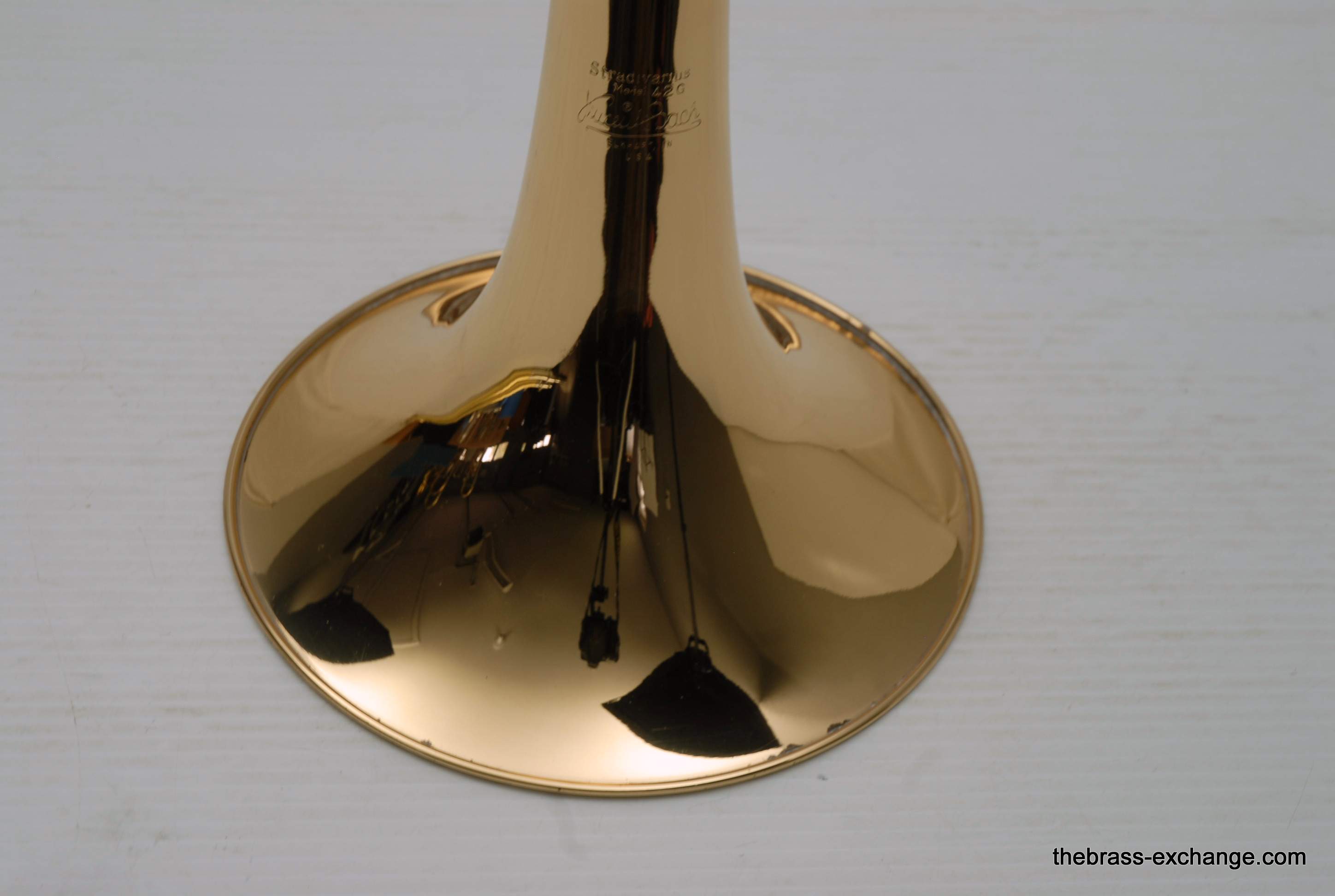
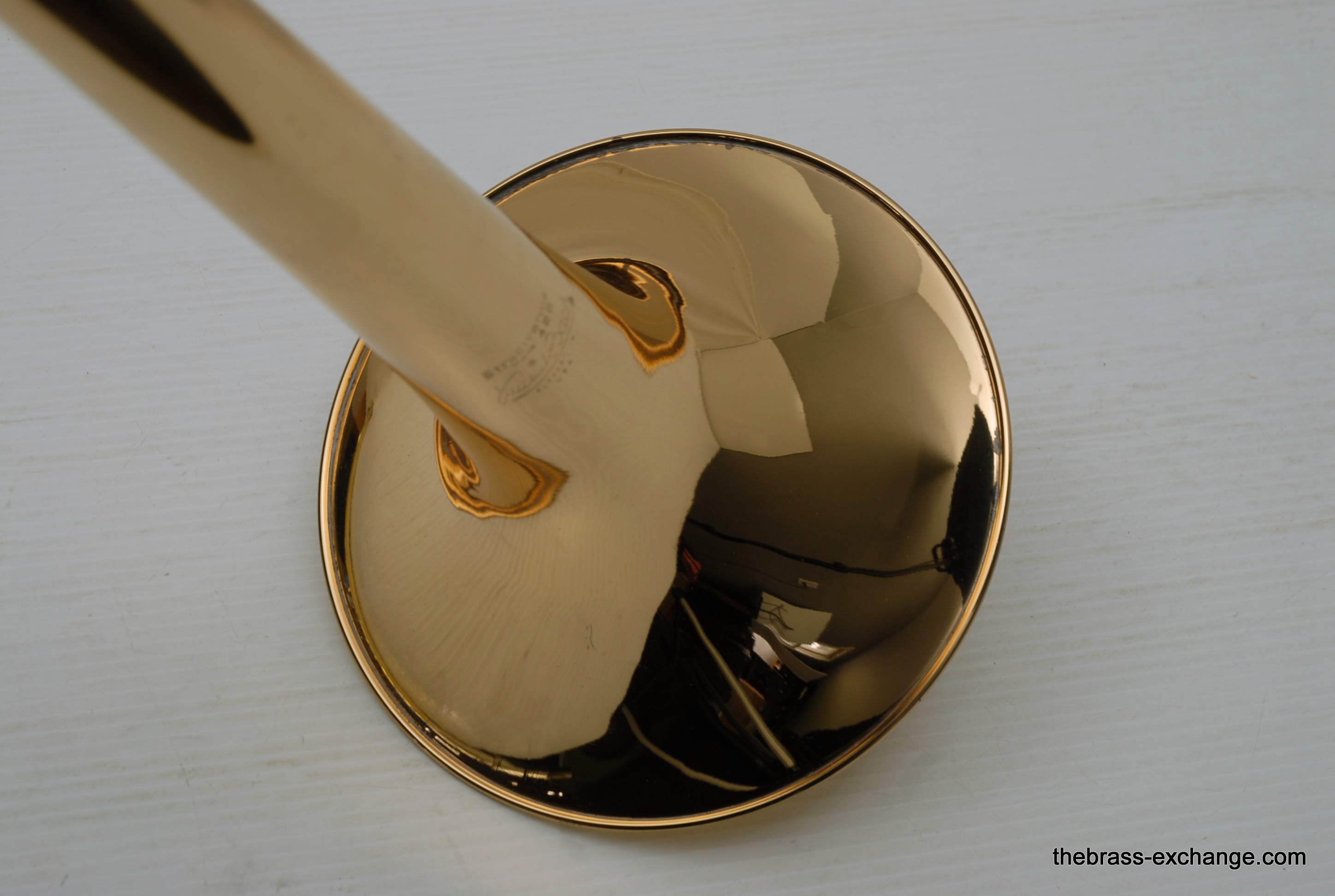
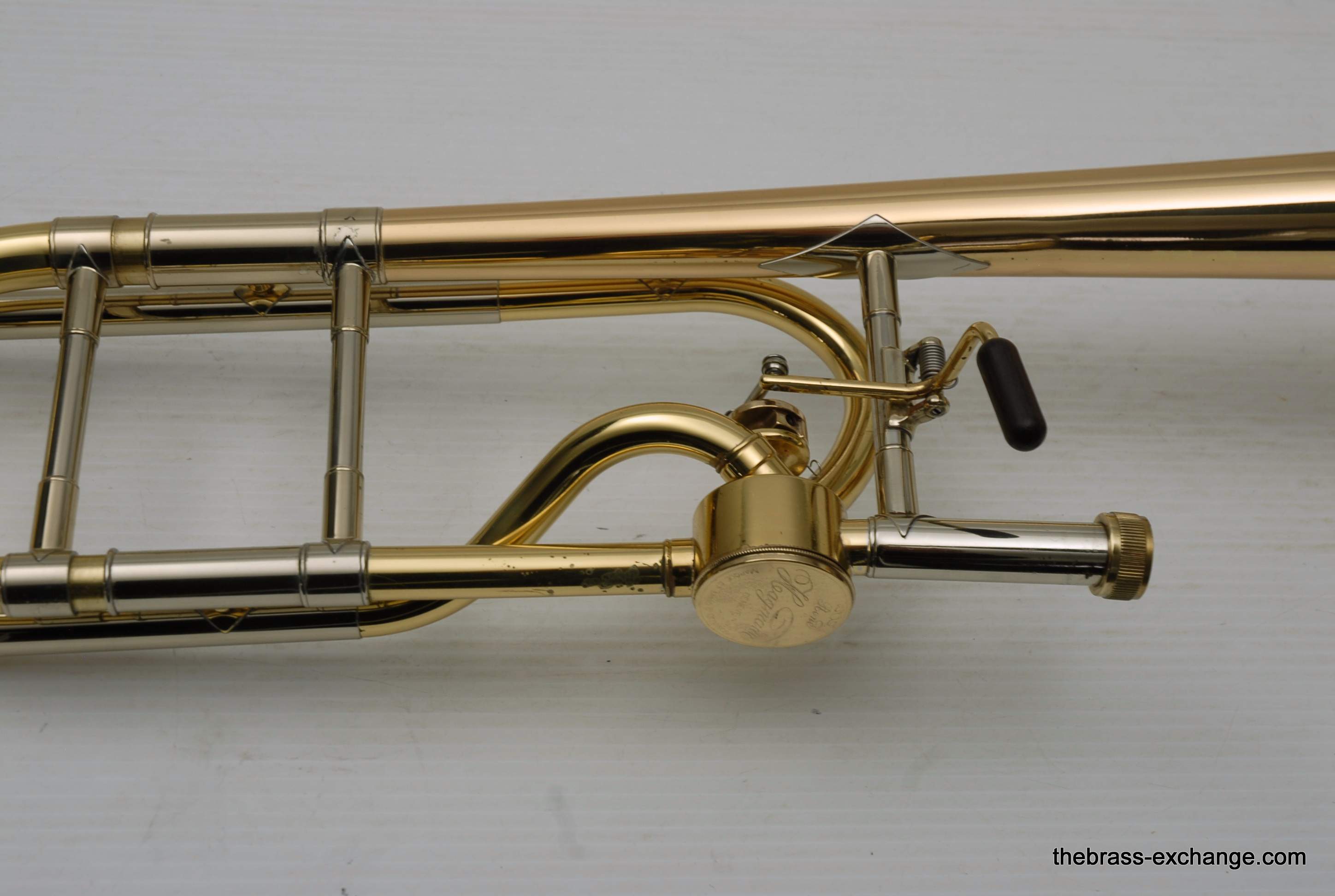
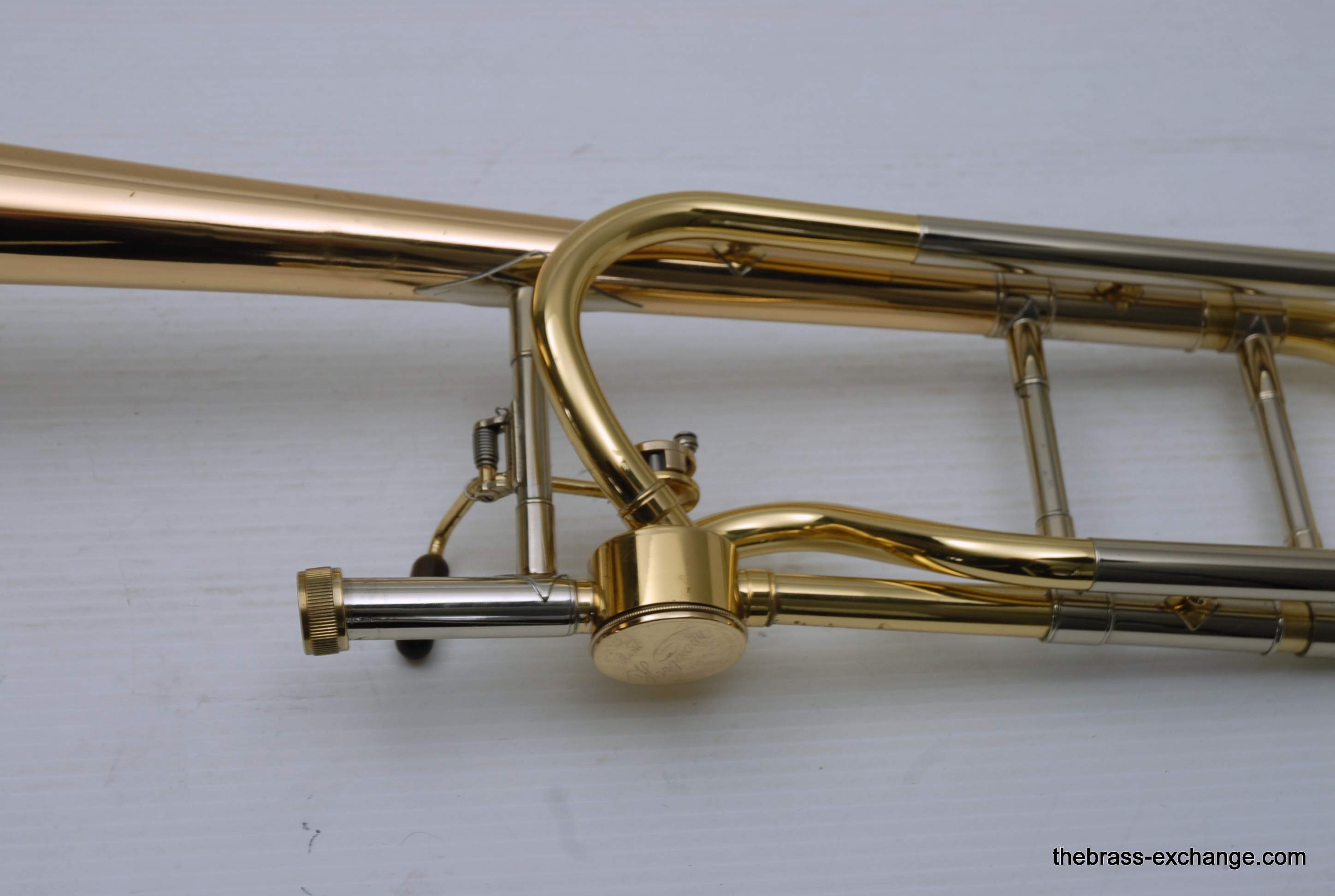
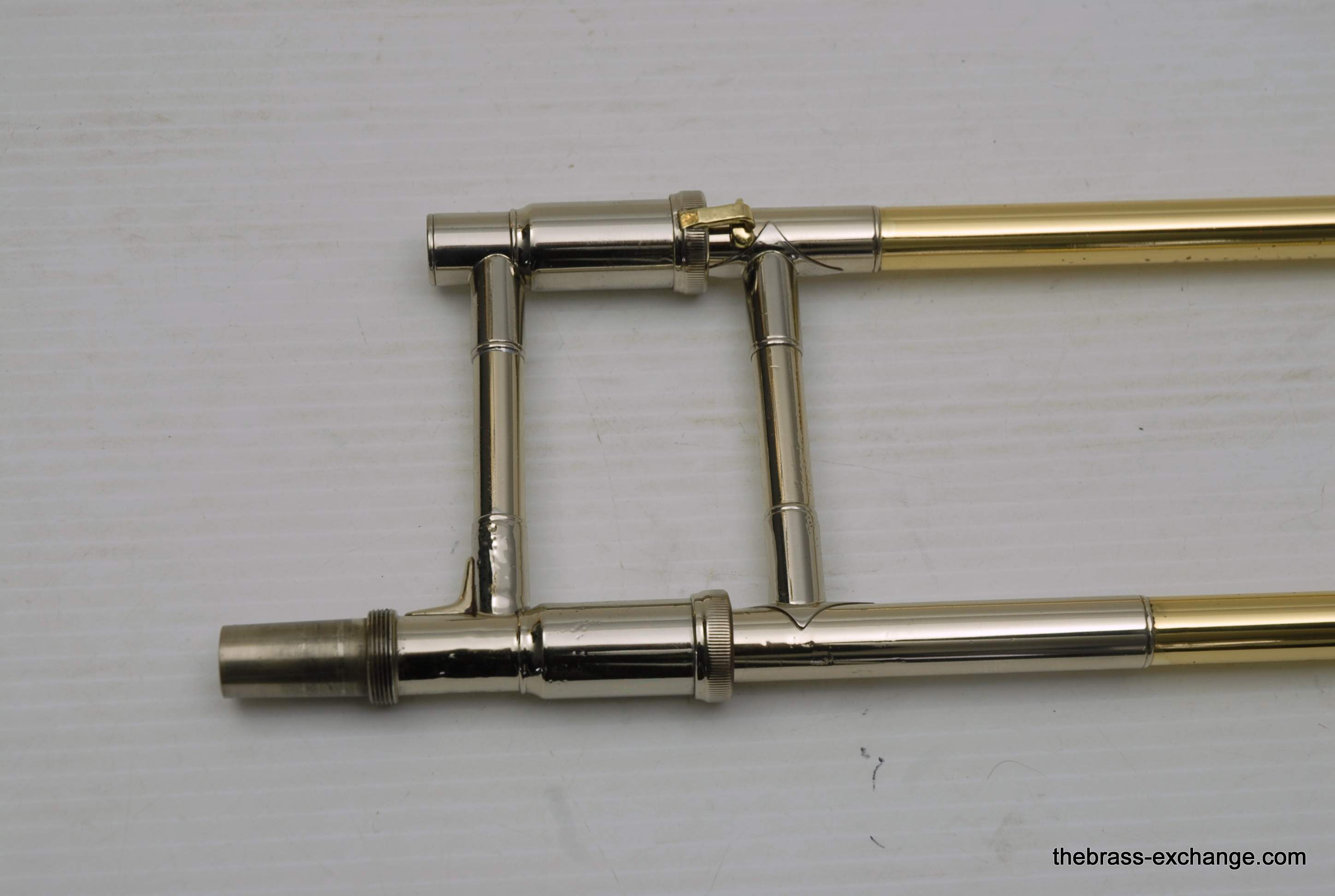
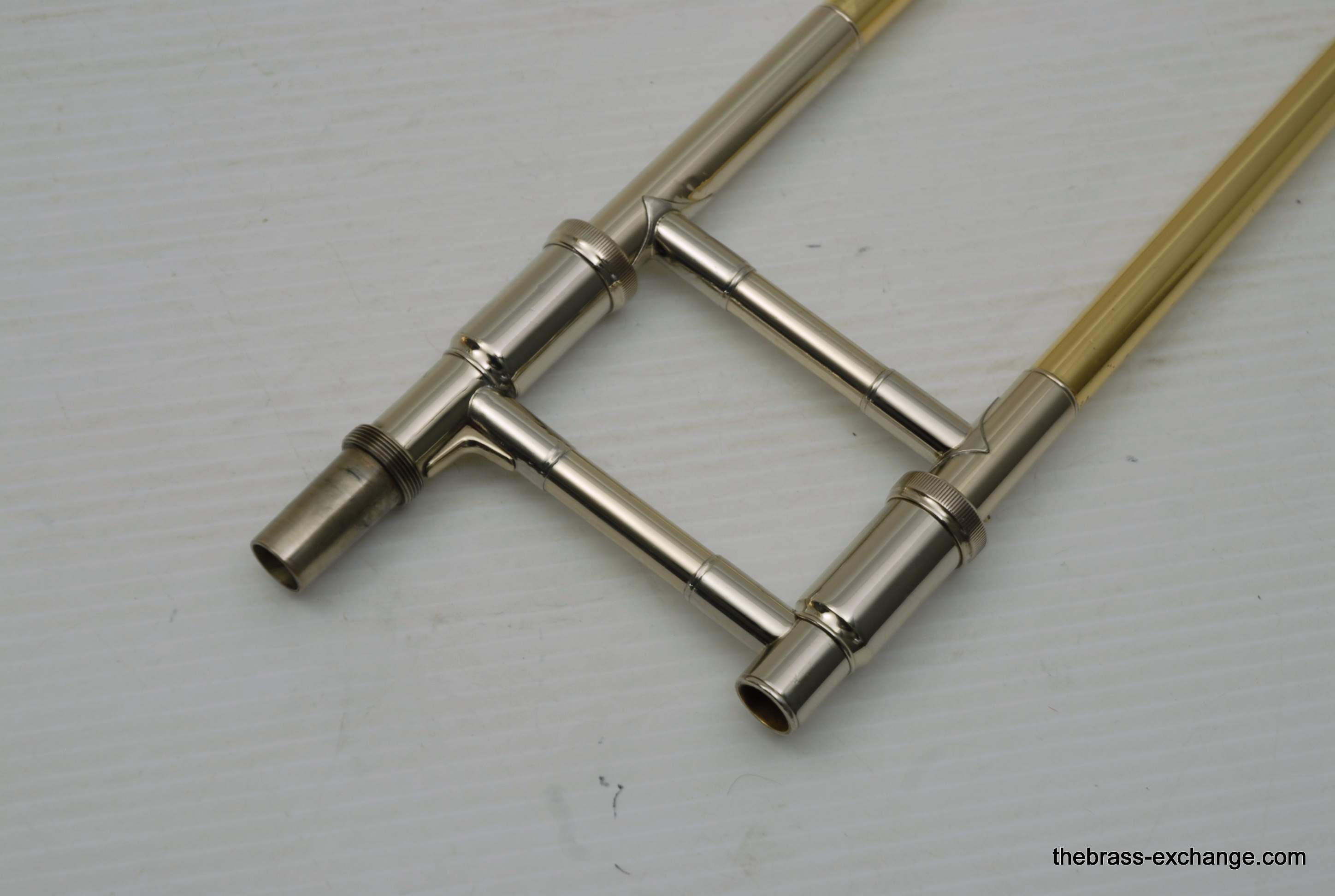
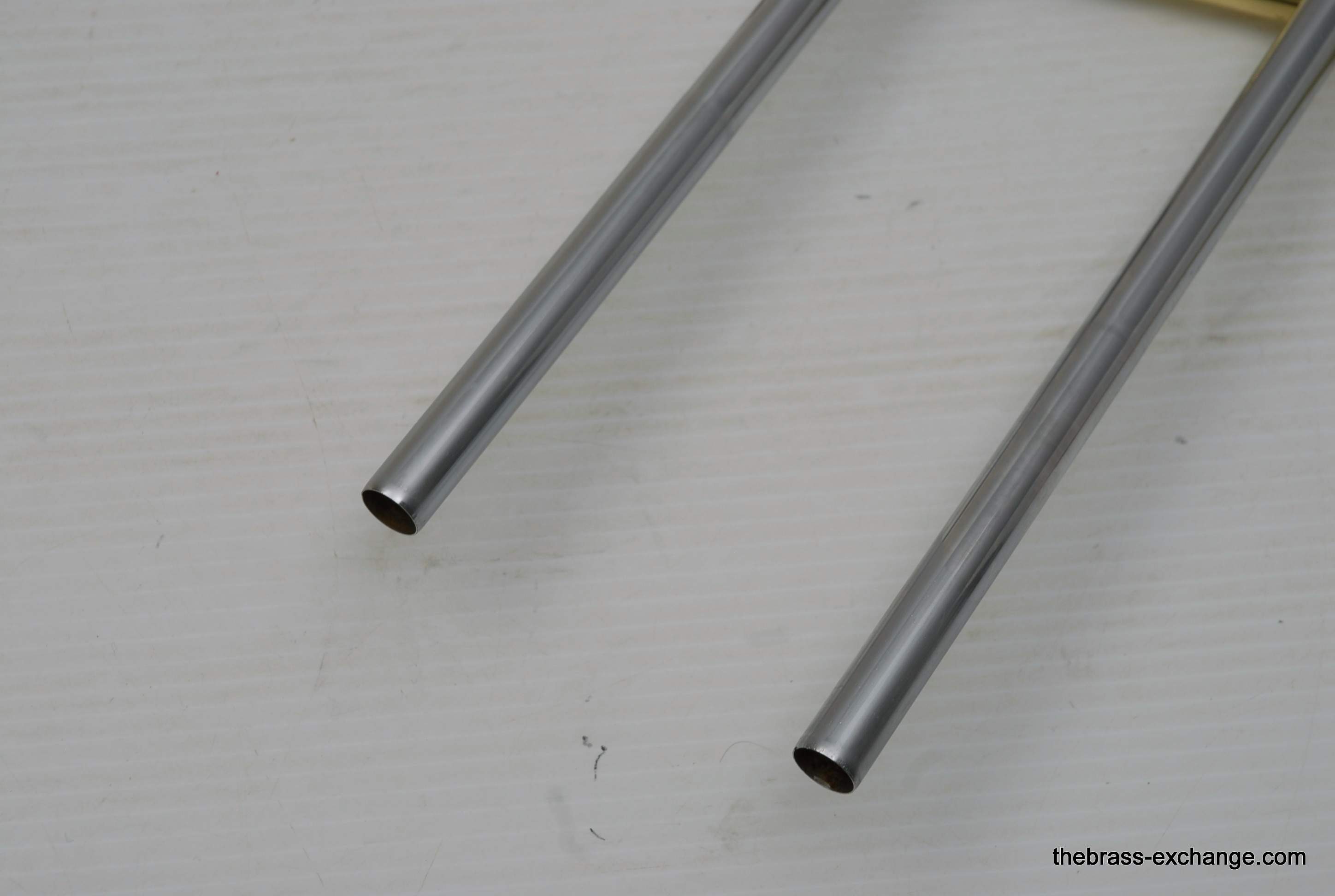
Offered here is a Bach 42A Stradivarius tenor trombone featuring an 8.5" gold brass bell and a Hagmann open-wrap F rotor valve, paired with a standard-weight .547 bore handslide.
This instrument has now been sold and is preserved as part of our archive, serving as a reference for players researching Bach 42A models and similar professional large bore trombones.
At The Brass Exchange, we have handled a wide range of Bach 42-series instruments across different configurations, including traditional wrap, open wrap, and alternative valve systems such as Hagmann and Thayer designs.
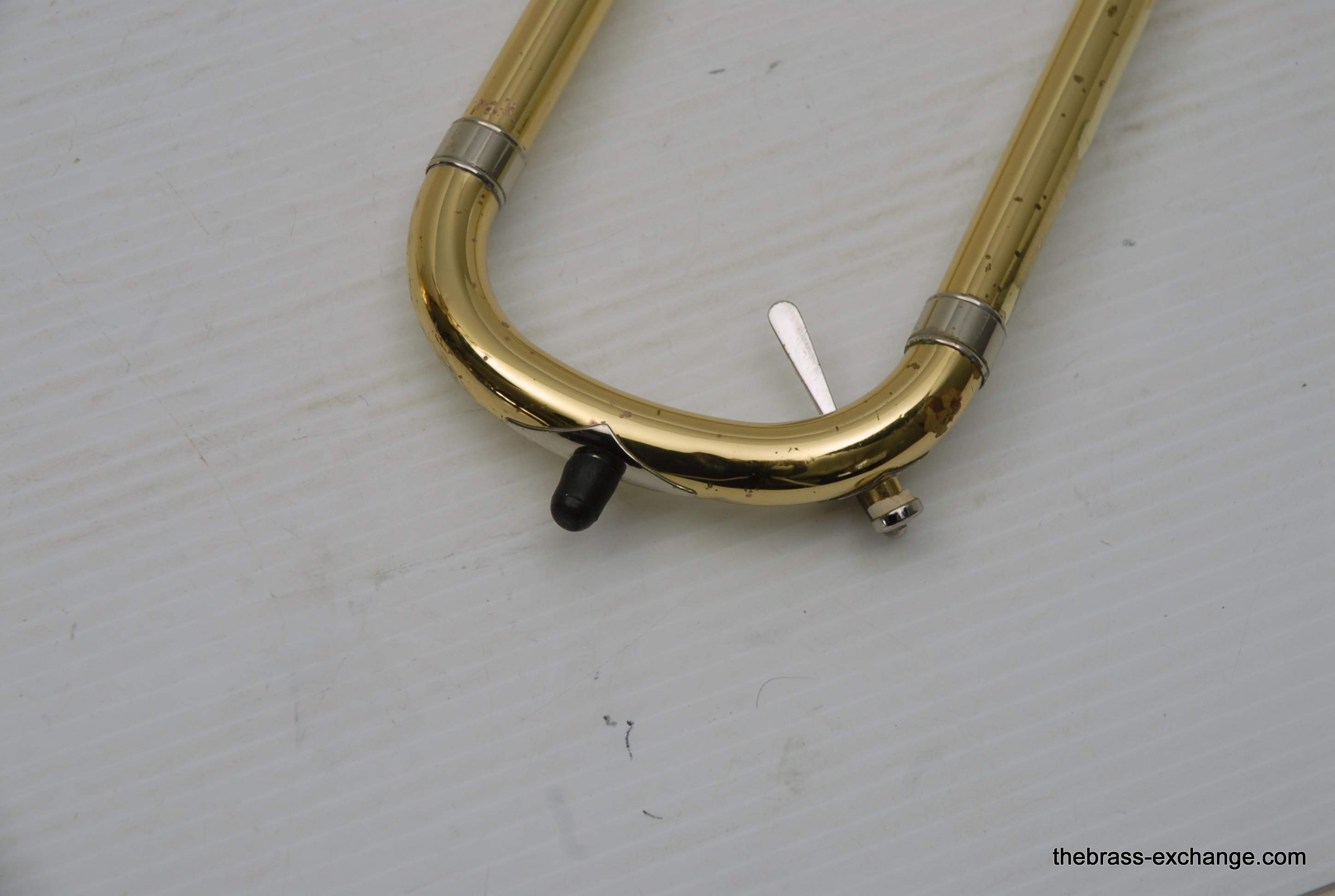
This example received full professional shop service prior to sale, including a chemical bath, rotor service, and complete mechanical inspection. Areas of slide bracing and the nickel silver neck/slide receiver were re-lacquered to address prior surface wear, and the instrument presented cleanly after service.
There was light lacquer wear on the outer slide tubes and minor areas of finish loss, but no evidence of red rot. Overall, the instrument was structurally sound and performed exceptionally well.
Player Perspective
From a playing standpoint, the Bach 42A with a Hagmann valve offers a distinct feel compared to traditional Bach rotor setups.
The gold brass bell provides a warmer, more complex tonal core, while the Hagmann valve design is often appreciated for its smooth airflow and stable response through the valve register.
For many players, this configuration represents a step toward a more refined and flexible orchestral setup—particularly for those seeking a combination of warmth and consistent valve performance.
🔍 Design Insight
Hagmann Valve vs Traditional Bach Rotor
The Hagmann valve is an alternative F-attachment design that differs from the traditional Bach rotor in both airflow path and mechanical operation.
It is often associated with:
- smoother transitions through the valve register
- a more open-feeling response
- consistent airflow with fewer directional changes
However, like all valve systems, overall performance depends heavily on:
- setup and maintenance
- slide condition
- player approach
The valve itself is one component of a larger playing system.
🏅 Why Models Like This Appear in Our Archive
Variations of the Bach 42—especially those featuring alternative valve systems like the Hagmann—appear regularly in our archive due to ongoing demand from players seeking customized or upgraded configurations.
Our Archive of Sold instruments serves as a reference point for:
- comparing configurations (rotor vs Hagmann vs Thayer)
- understanding condition differences
- evaluating long-term market behavior
❓ Questions Trombone Players Often Ask
What is a Bach 42A trombone worth?
Value depends on condition, slide quality, and valve performance. Professionally serviced examples from a trusted shop typically command a premium due to verified playability.
Is a Hagmann valve better than a traditional rotor?
Not necessarily better—just different. Some players prefer the feel and response of a Hagmann valve, while others prefer the traditional Bach rotor. It comes down to player preference and setup.
Who should consider a Bach 42A?
Advancing high school, college, and professional players looking for a flexible large bore trombone with modern valve options often gravitate toward this model.
📸 Photography From Our Early Archive
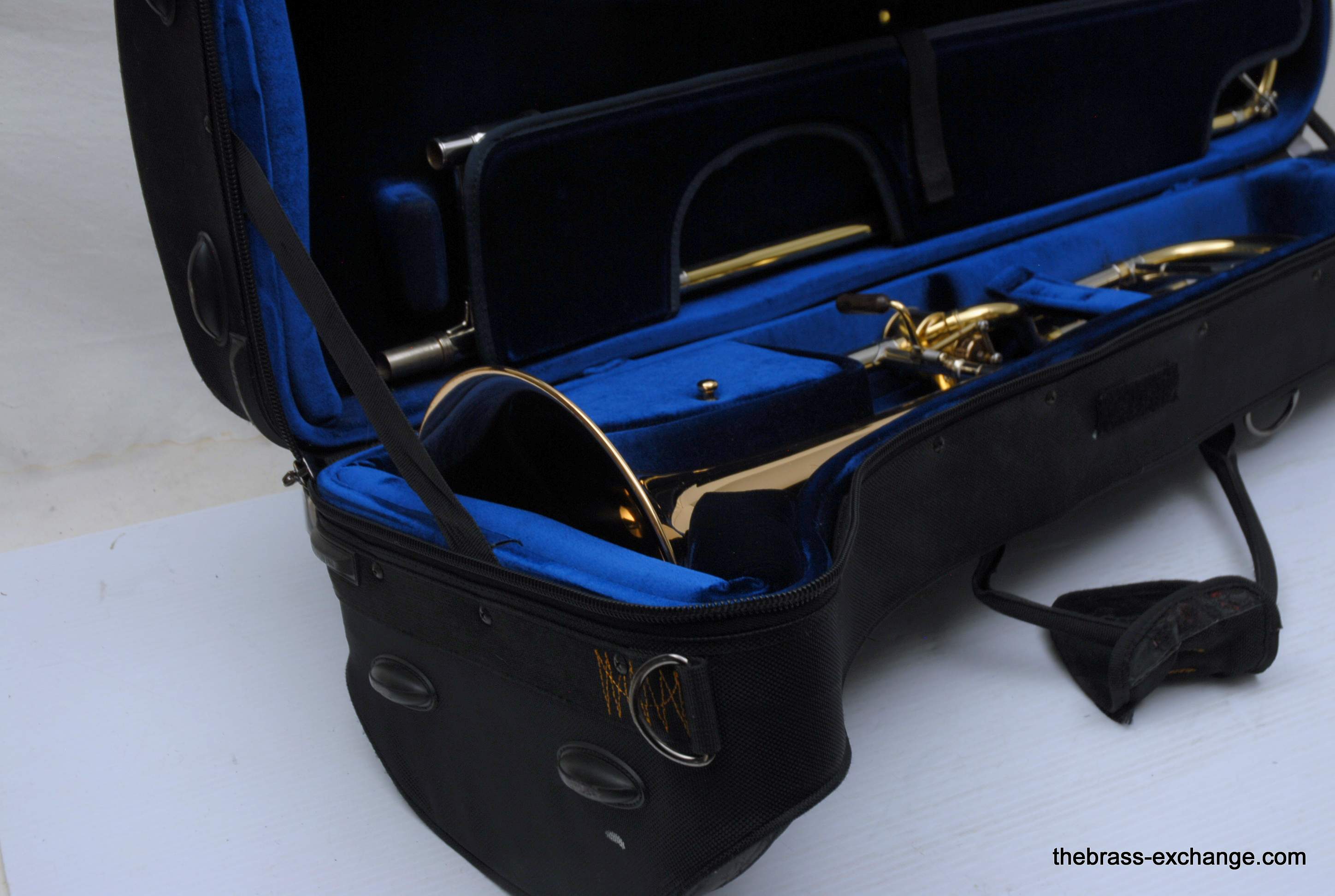
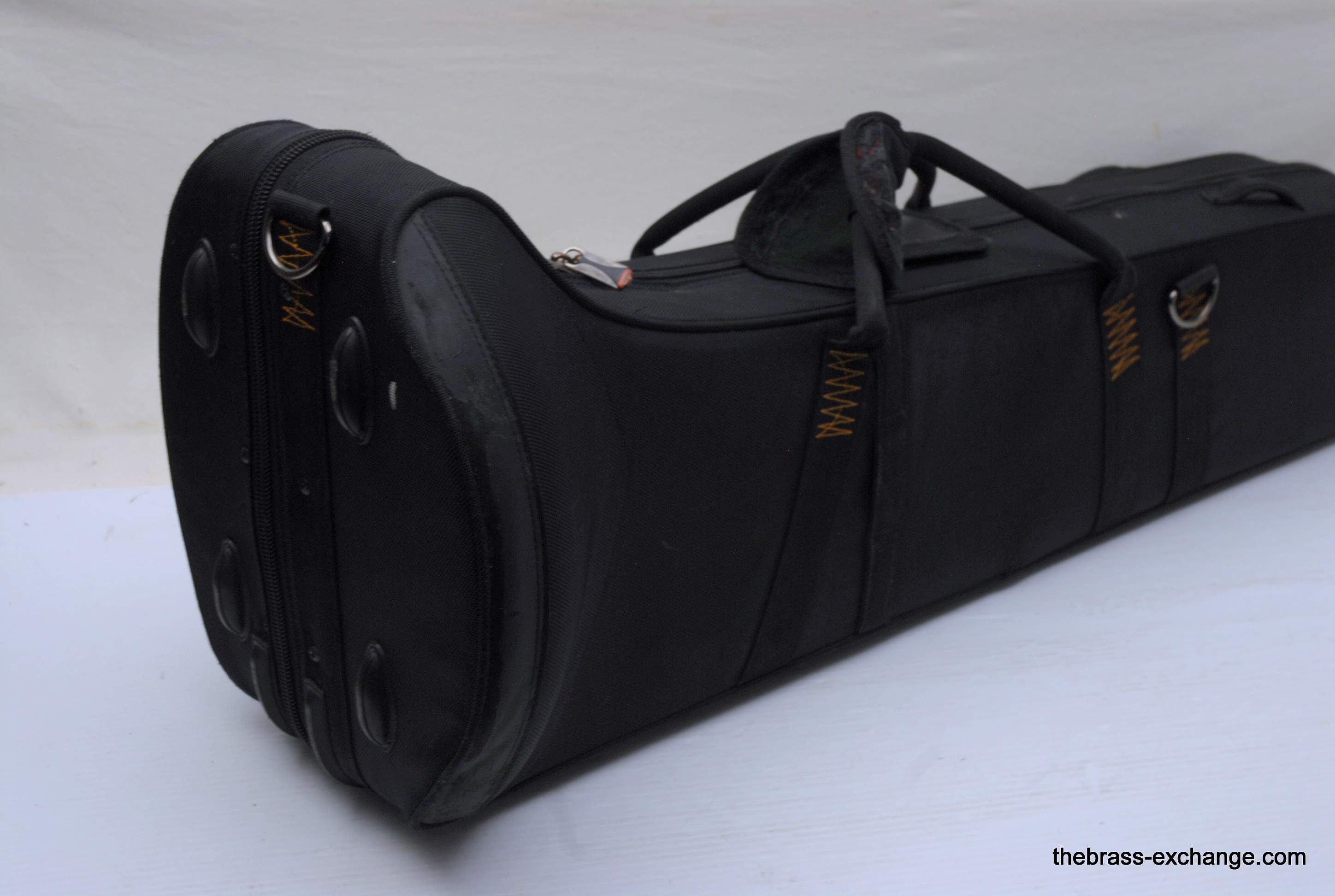
Some images on this page reflect earlier photography from The Brass Exchange. These images remain part of our historical archive and represent the instrument as it appeared at the time of sale.
🔧 Availability & Archive Status
This instrument has been sold and is shown here as part of our Archive of Sold trombones.
Availability changes frequently—if you are looking for a similar model, we encourage you to browse current inventory or contact us directly.
🔎 Next Steps
👉 Browse current Bach trombones available now:
https://www.thebrass-exchange.com/trombones