


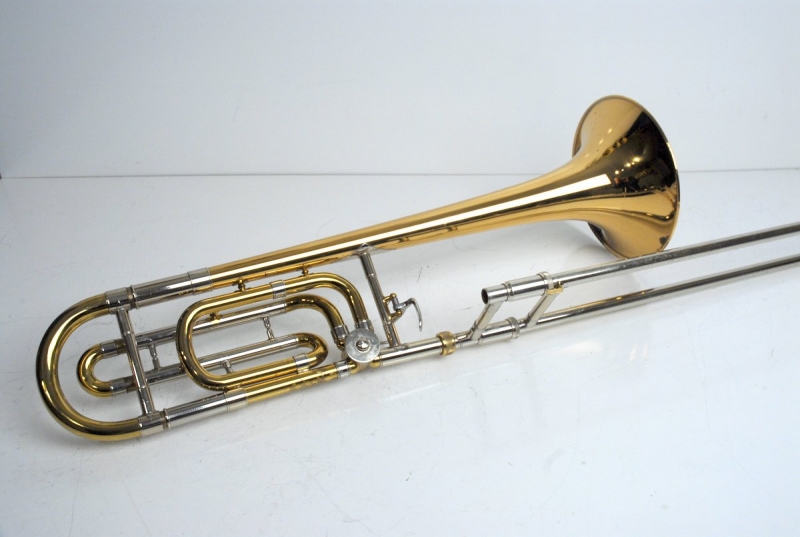
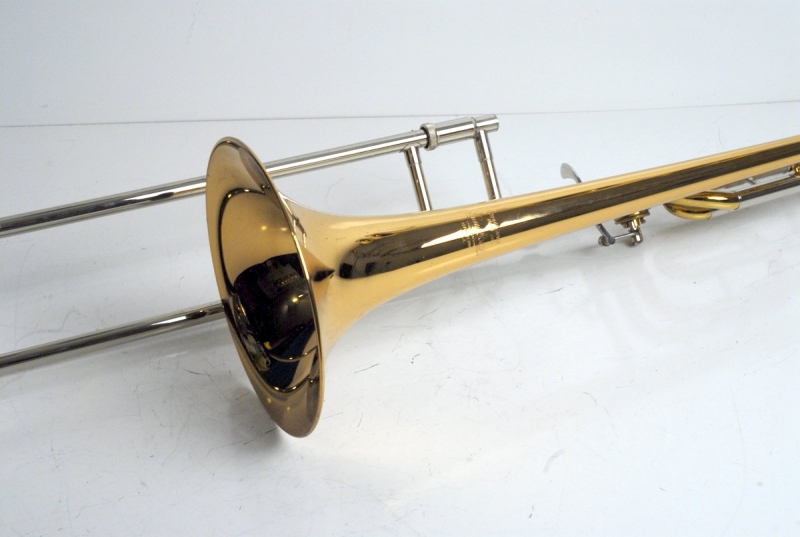
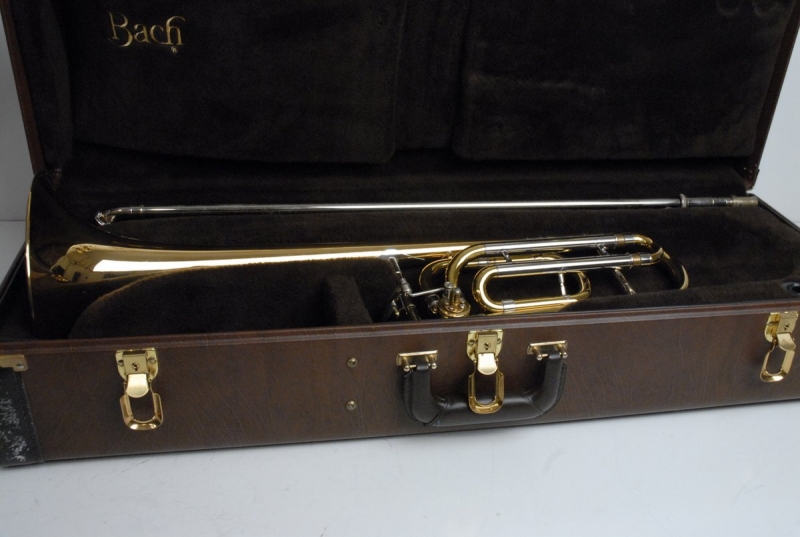
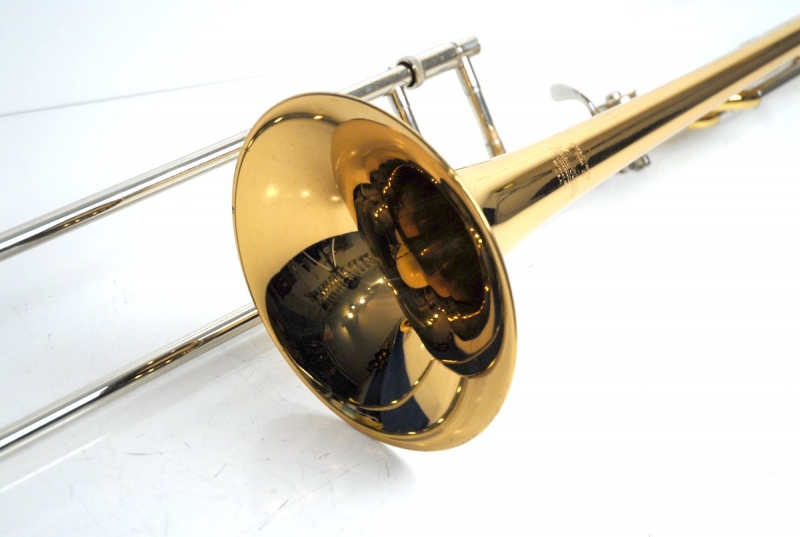
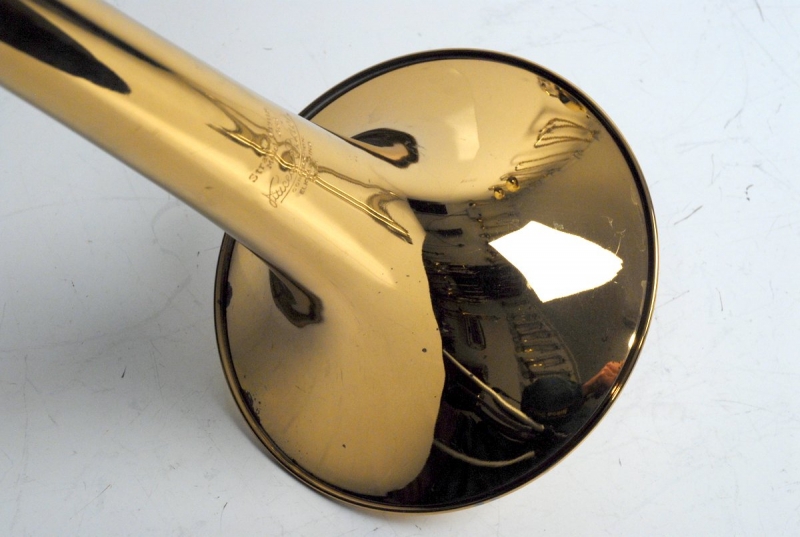
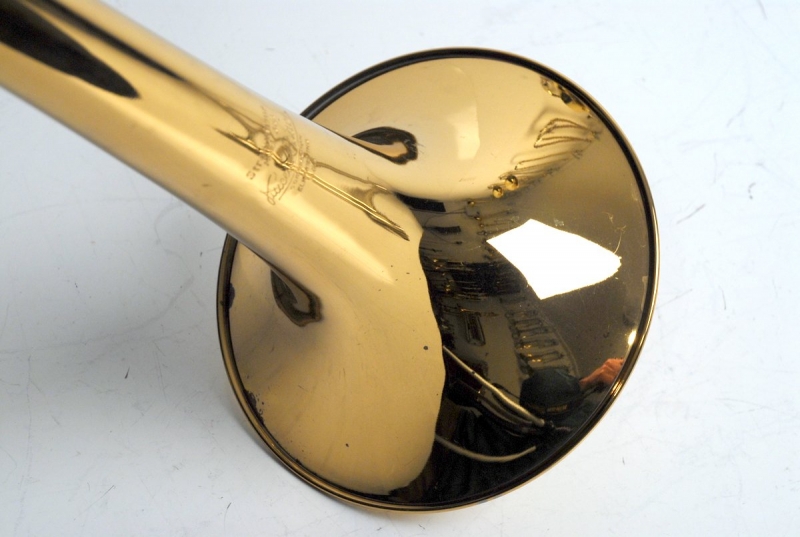
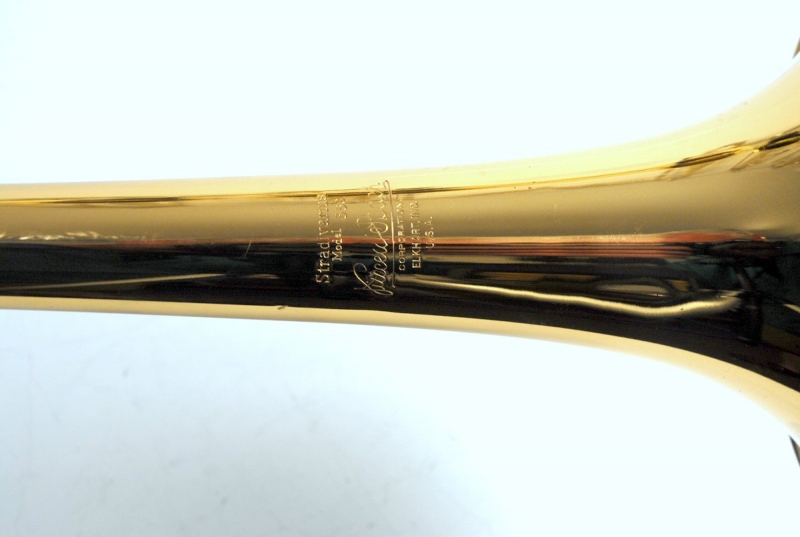
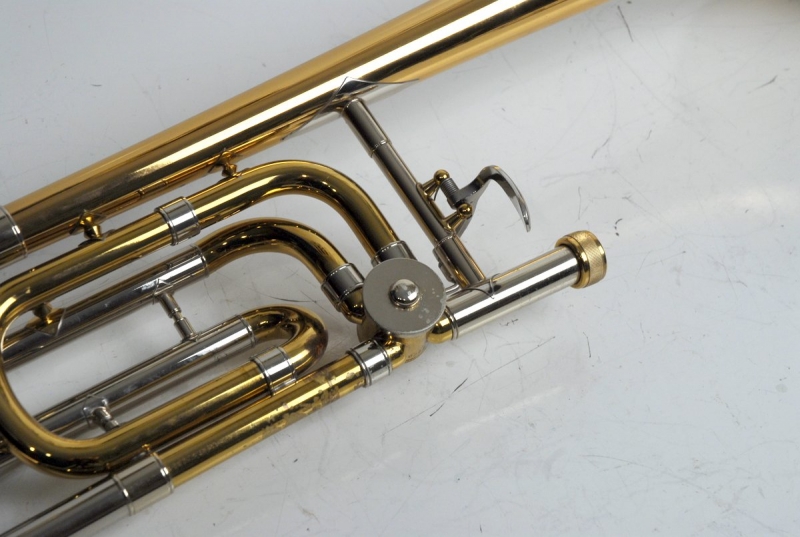
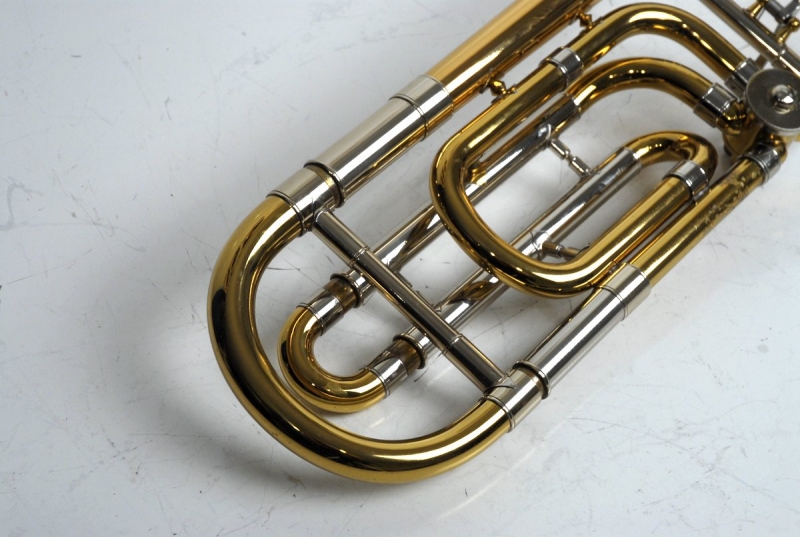
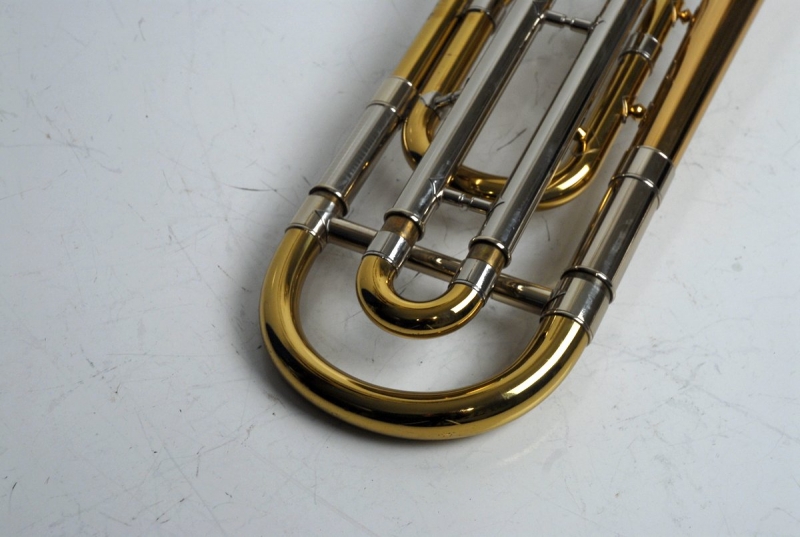
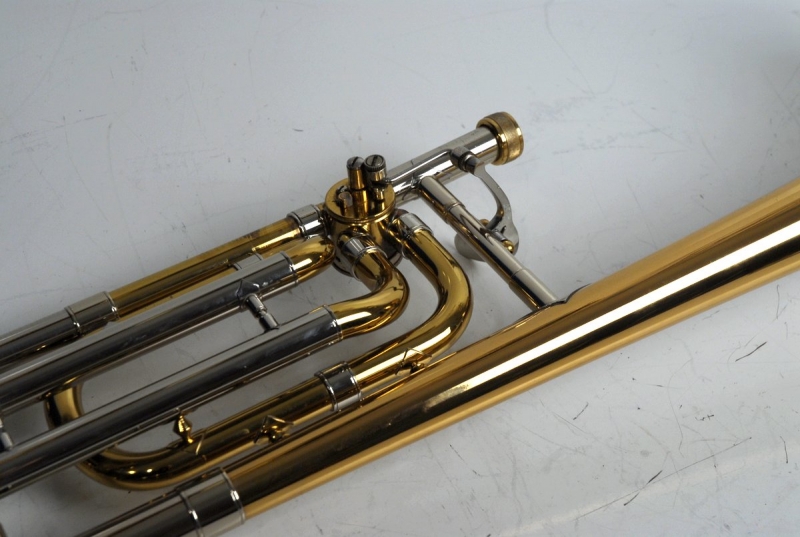
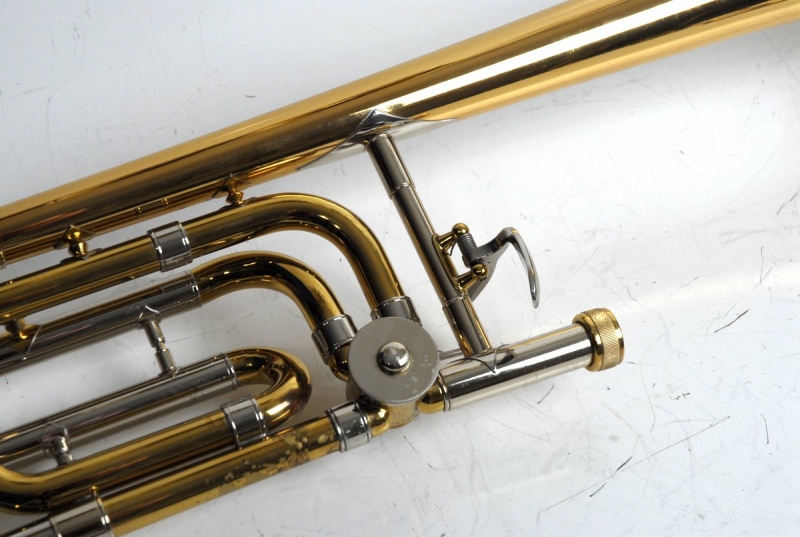
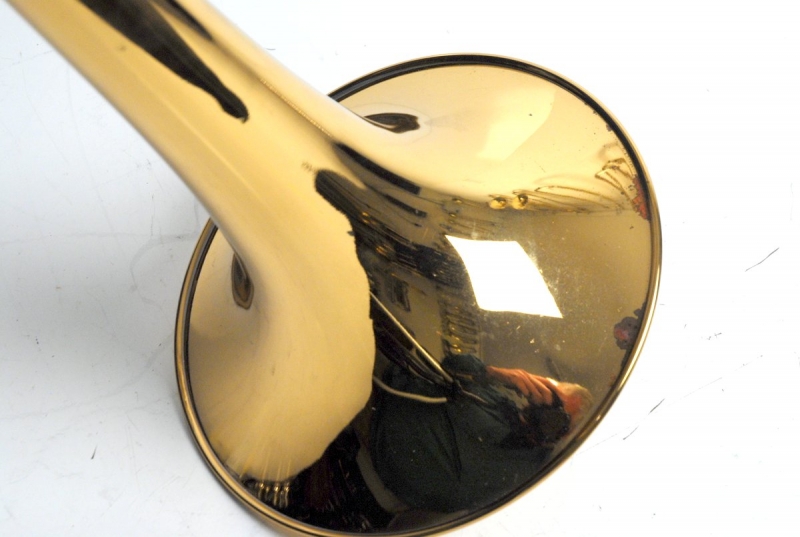
This Bach 36G LT, built in the mid-1970s during the Elkhart Corporation era, is presented here as a historical archive listing for players and collectors who value this versatile medium-large-bore design.
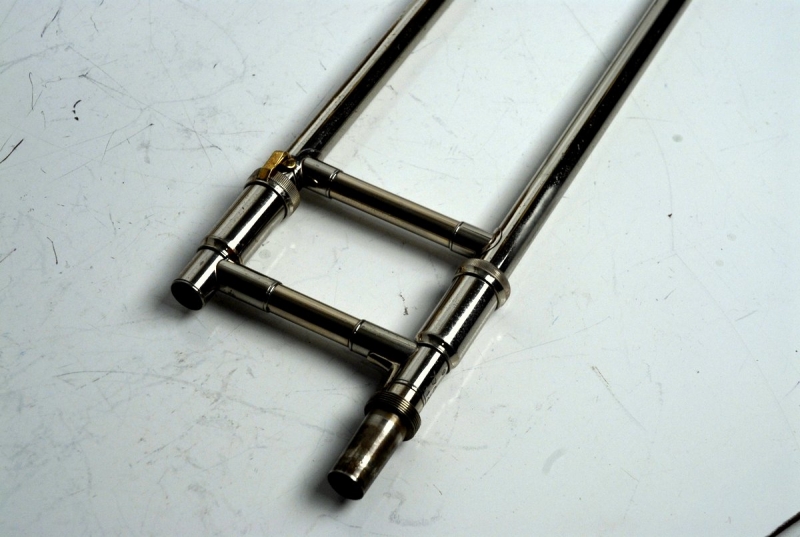
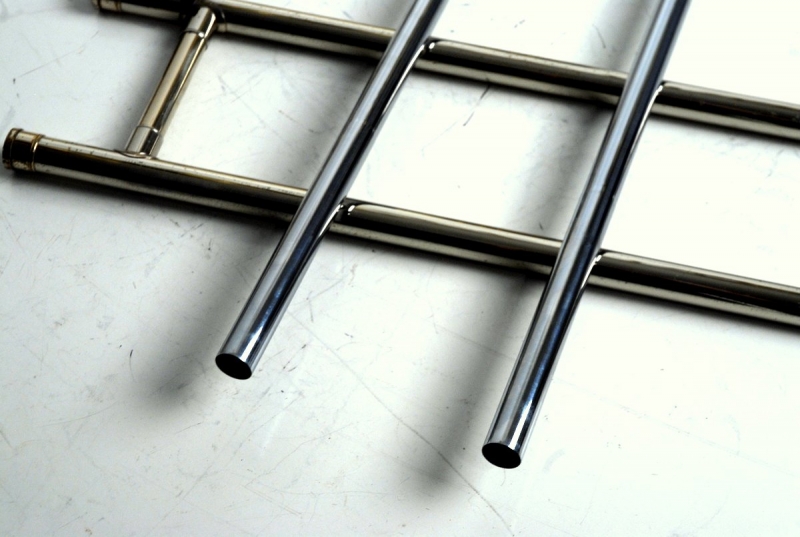
The instrument featured a true 8-inch gold-brass bell — slightly darker in color and tone than standard yellow-brass — paired with a lightweight .525-bore (LT) hand-slide built for small-shank mouthpieces.
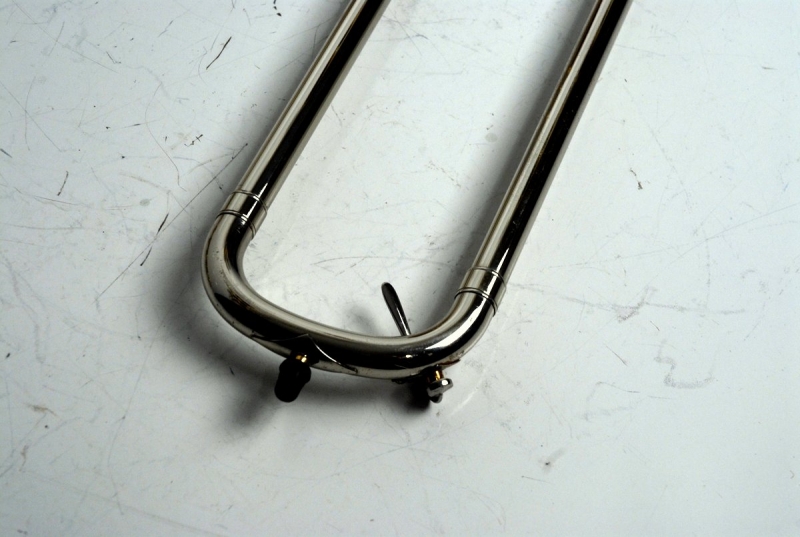
Its rotary F-attachment was fully serviced, operating quietly, fast, and smoothly, and the slide was perfectly aligned, offering a tension-free playing feel.
Tonally, the 36G LT is known for its dark, velvety core at softer dynamics while retaining flexibility and brilliant edge when pushed.
Its balance of warmth and clarity makes it an ideal choice for pit orchestra, pops programs, crossover jazz and Latin/salsa gigs, and other settings where a full .547-bore symphonic tenor might feel heavy or less nimble.
Many professionals today appreciate the .525-bore size for modern mixed-genre orchestral work — including pops concerts, live-to-film shows such as Star Wars or Harry Potter, and commercial programs with pop singers and horn-section charts — where efficient response and stylistic flexibility are as important as sheer power.
This particular instrument was in outstanding original condition with no structural repairs needed and included a premium Bach hard case.
The 36G LT remains a well-kept secret among seasoned pros, many of whom feel that a good Corporation-era Bach outperforms many modern factory builds.
Photography Note – A Glimpse into Our Early Days
The images shown on this page were taken more than a decade ago — among the earliest photographs in our archive.
Since then, our approach to documenting instruments has evolved dramatically with new cameras, improved lighting, refined backdrops, and modern editing workflows.
While these early photos may not reflect the technical standards of our current listings, they serve as a record of The Brass Exchange’s growth in what we like to call “fine-art photography of brass instruments.”
We often hear from customers, students, and even other dealers who look to our site for inspiration on how to photograph musical instruments — something we continue to refine today.
What does “LT” stand for?
“LT” designates a lightweight slide, which provides quicker response and a more agile feel, favored for styles requiring crisp articulation.
Is the bell gold-brass or yellow-brass?
This model uses a true gold-brass bell, giving a slightly darker, richer timbre than a standard yellow-brass 36.
Why do many pros still choose .525-bore trombones?
Today’s orchestral freelancers and pit players often prefer a .525-bore horn for pops concerts, live-film scores, and programs with traditional horn-section writing.
It can deliver the right color and agility for demanding schedules with multiple rehearsals and back-to-back performances, where a full .547-bore can feel oversized.
What mouthpieces pair well with the 36G LT?
The 36G LT takes small-shank mouthpieces.
A Bach 6½ AL was the factory standard; a 5G is also popular for a fuller tenor sound.
Smaller pieces such as 11C or 7C fit but often produce a thin, less resonant tone.
What defines the Corporation Era?
Bach instruments built in Elkhart during the 1970s (after Mt. Vernon and before mass-market Selmer production) are celebrated for their craftsmanship and consistent playing quality.
Where can I explore more vintage Bach trombones?
🔎 Browse the Archive of Sold Instruments to see additional historical Bach models.
Closing Note
This mid-1970s Bach 36G LT Corporation-Era tenor trombone has been sold and is presented here as a historical reference for players and collectors.
🔎 Browse our current trombone listings or 📞 contact us directly to inquire about similar models or future arrivals.